
Francois Boucher, 1742
“There is no progress in art, any more than there is progress in making love. There are simply different ways of doing it.” Man Ray
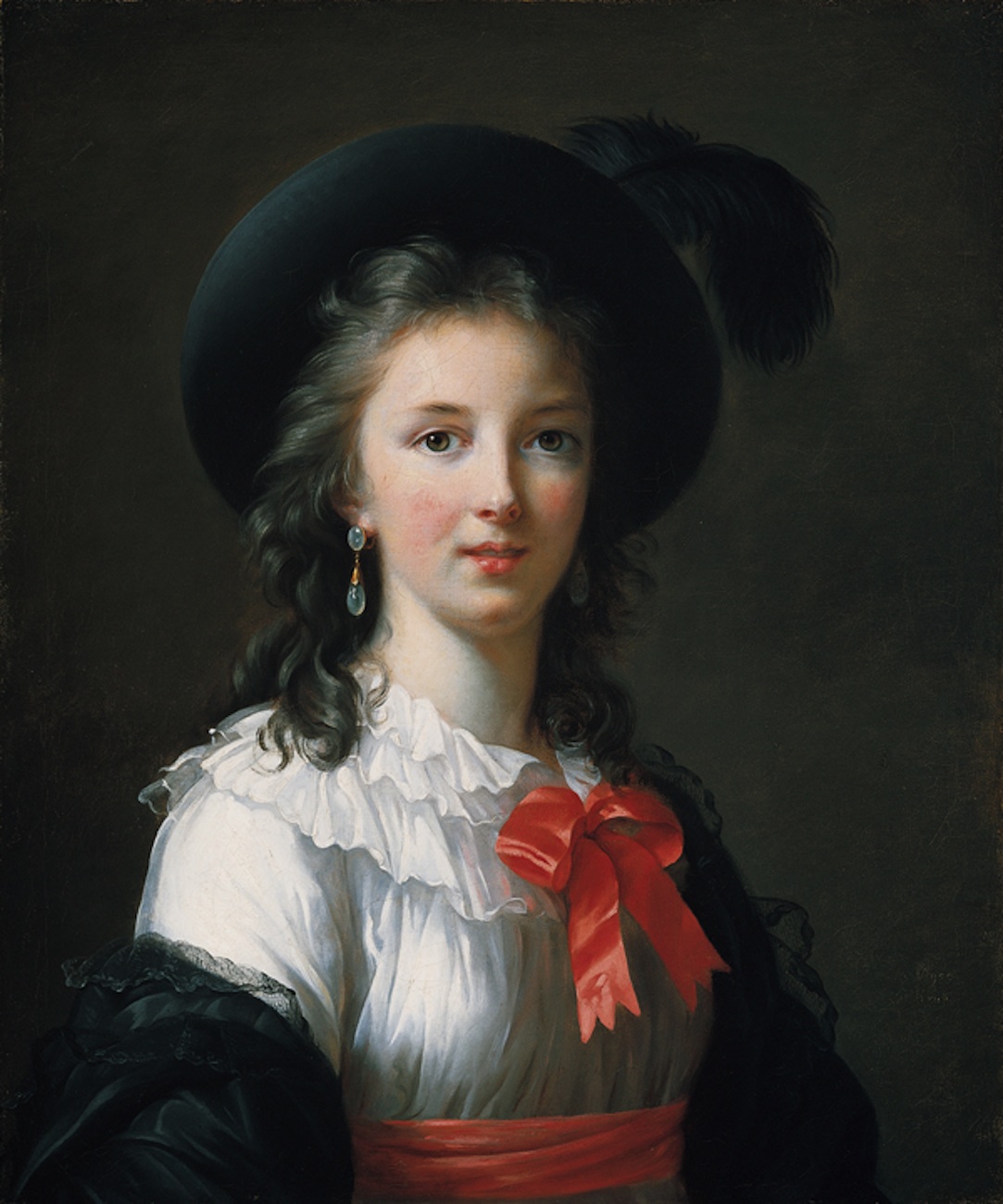
➔ The Project Gutenberg [1/3]
➔ The Project Gutenberg [2/3]
➔ The Project Gutenberg [3/3]
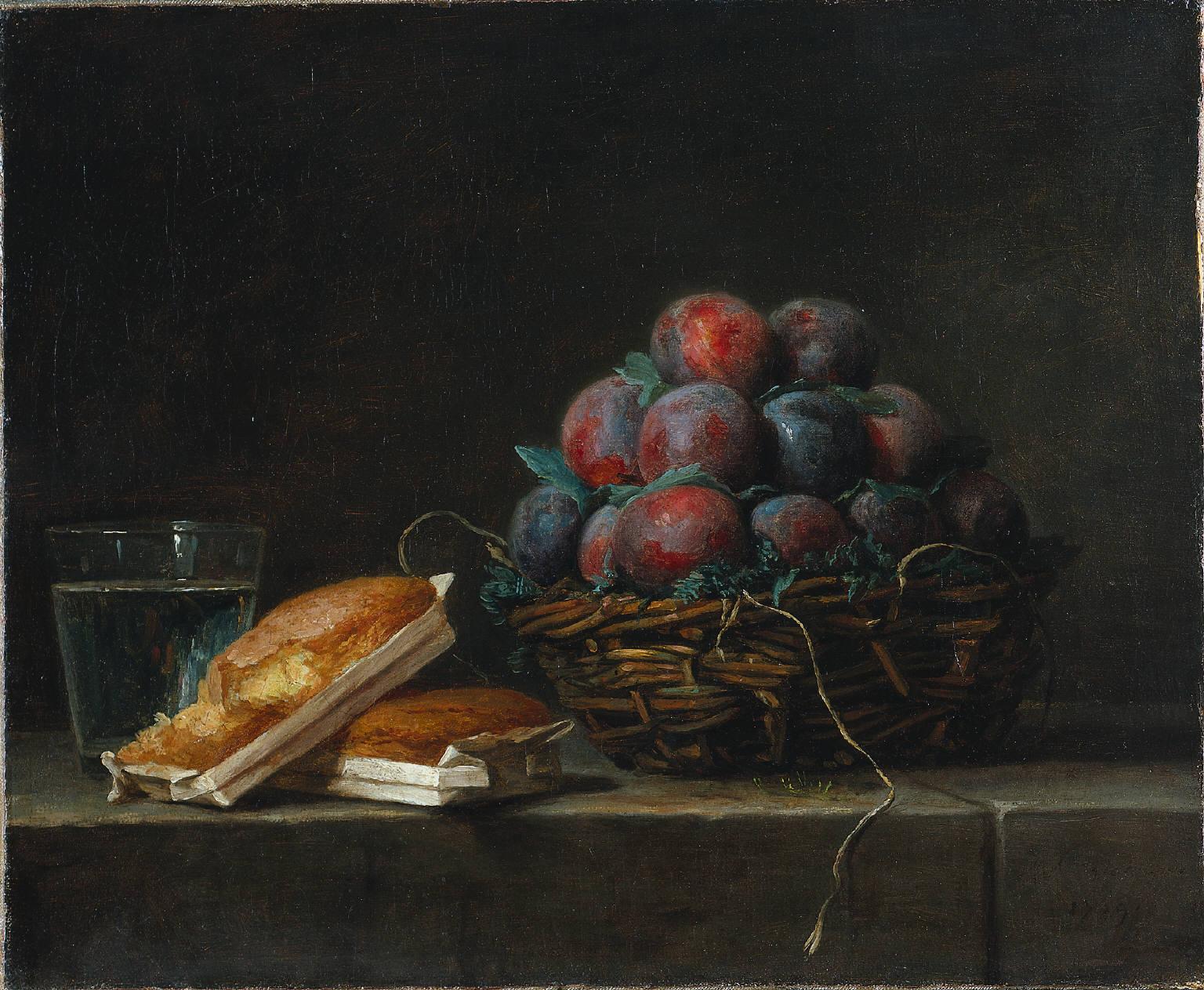 |
| Anne Vallayer-Coster, 1769 |
 |
| ➔ Anne Vallayer Coster: Painter to the Court of Marie Antoinette |
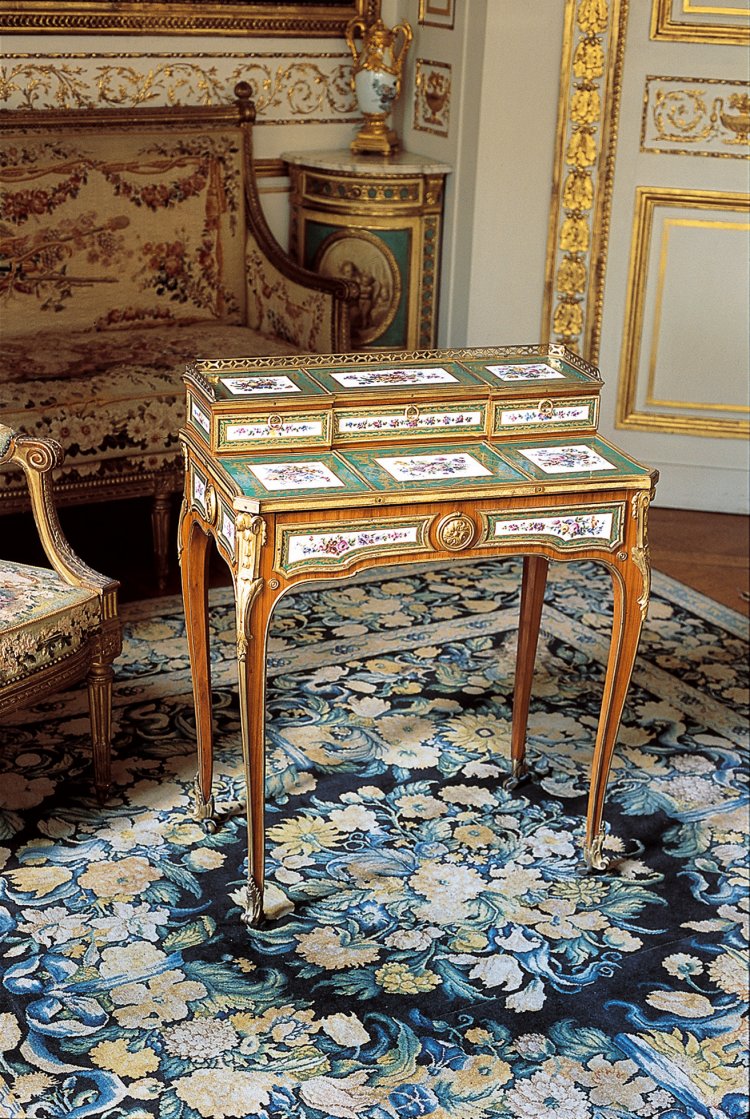
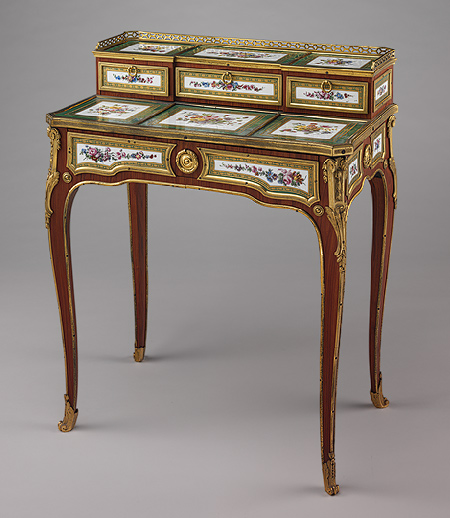

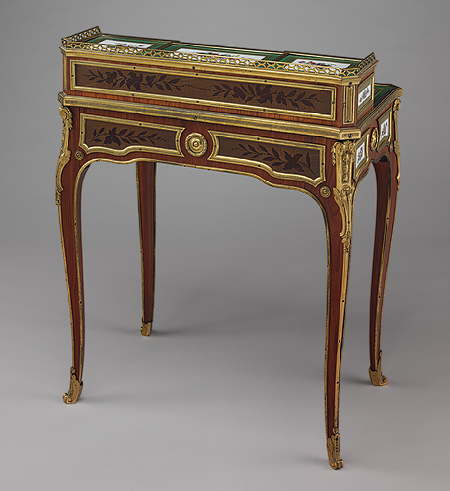
The name for a lady’s writing-desk, so called because, when it was introduced in France about 1760, it speedily became intensely fashionable. [1] The bonheur du jour is always very light and graceful; its special characteristic is a raised back, which may form a little cabinet or a nest of drawers, or may simply be fitted with a mirror. The top often surrounded with a chased and gilded bronze gallery, serves for placing small ornaments. Beneath the writing surface there is usually a single drawer, often neatly fitted for toiletries or writing supplies. The details vary greatly, but the general characteristics are always traceable. The bonheur du jour has never been so delicate, so charming, so coquettish as in the quarter of a century which followed its introduction. Early examples were raised on slender cabriole legs; under the influence of neoclassicism, examples made after about 1775 had straight, tapering legs. The marchand-mercier Simon-Philippe Poirier had the idea of mounting bonheurs du jour with specially-made plaques of Sèvres porcelain that he commissioned and for which he had a monopoly; the earliest Sèvres-mounted bonheur du jours are datable from the marks under their plaques to 1766-67.[2] The choicer examples of the time are inlaid with marqueterie, edged with exotic woods, set in gilded bronze, or enriched with panels of Oriental lacquer.
 |
|
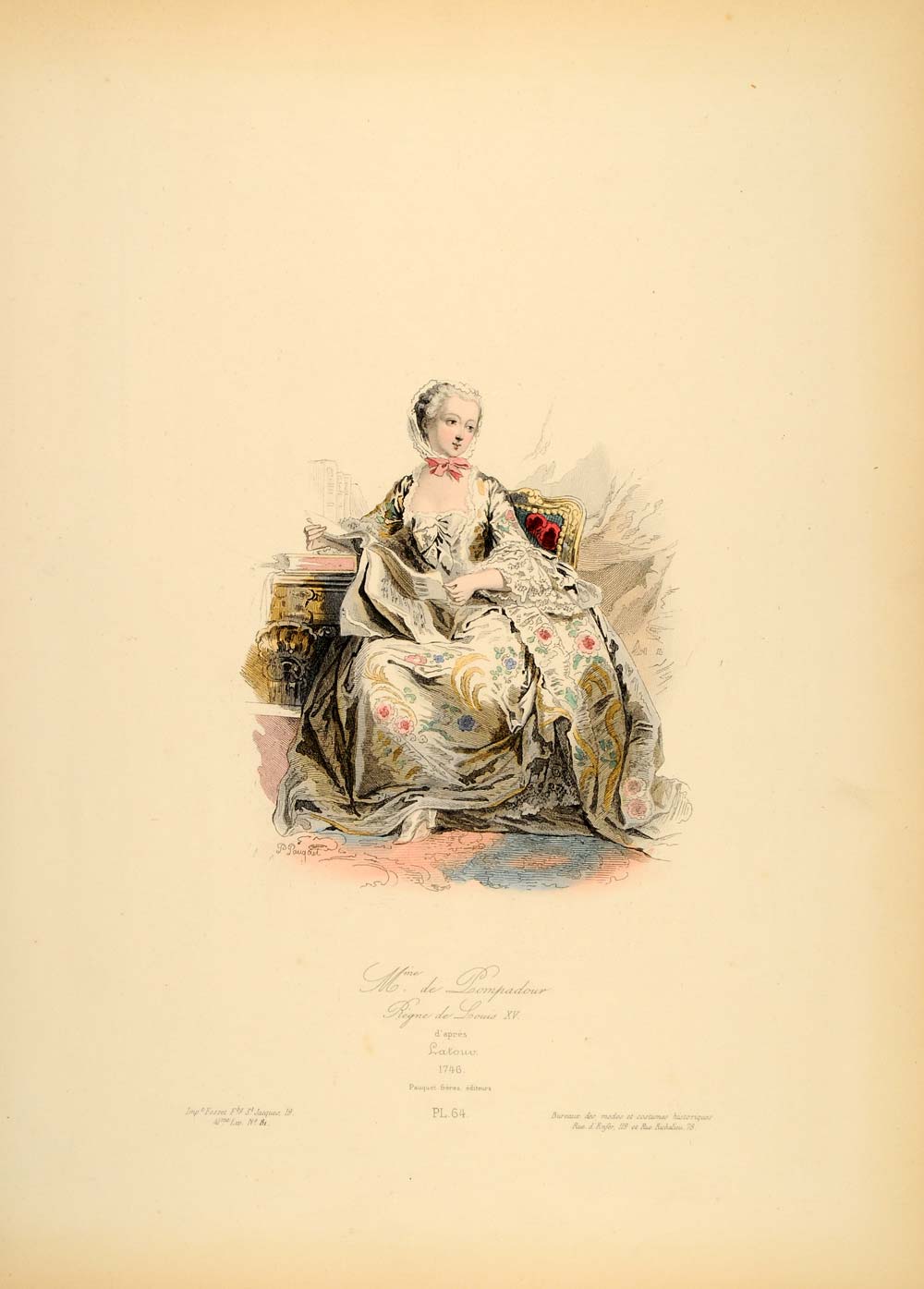
Jeanne Antoinette Poisson, Marquise de Pompadour, Maitresse du Roi
|
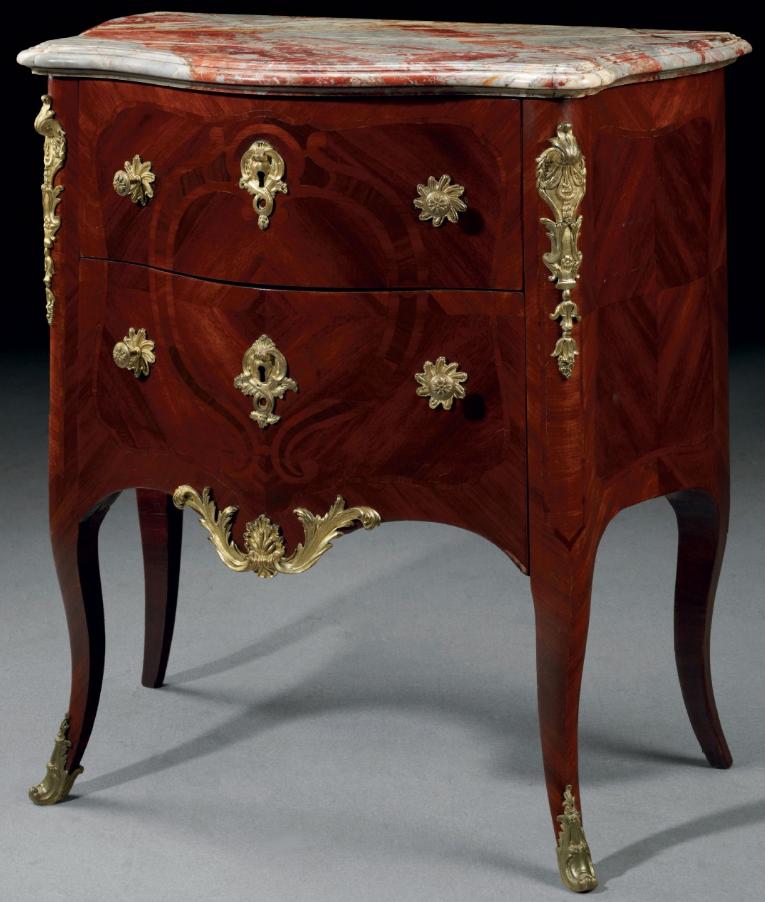 |
| Estampille de Pierre Walter, fut livrée au Château de Bellevue en 1751 |
 |
| ➔ Porzellan Manufaktur Nymphenburg |
His most outstanding figures and services still in production today include the CHINOISERIES, the portrait bust of Count Sigmund von Haimhausen, who was director of the manufactory at the time, as well as his CRUCIFIXION GROUP dating from 1755/56.
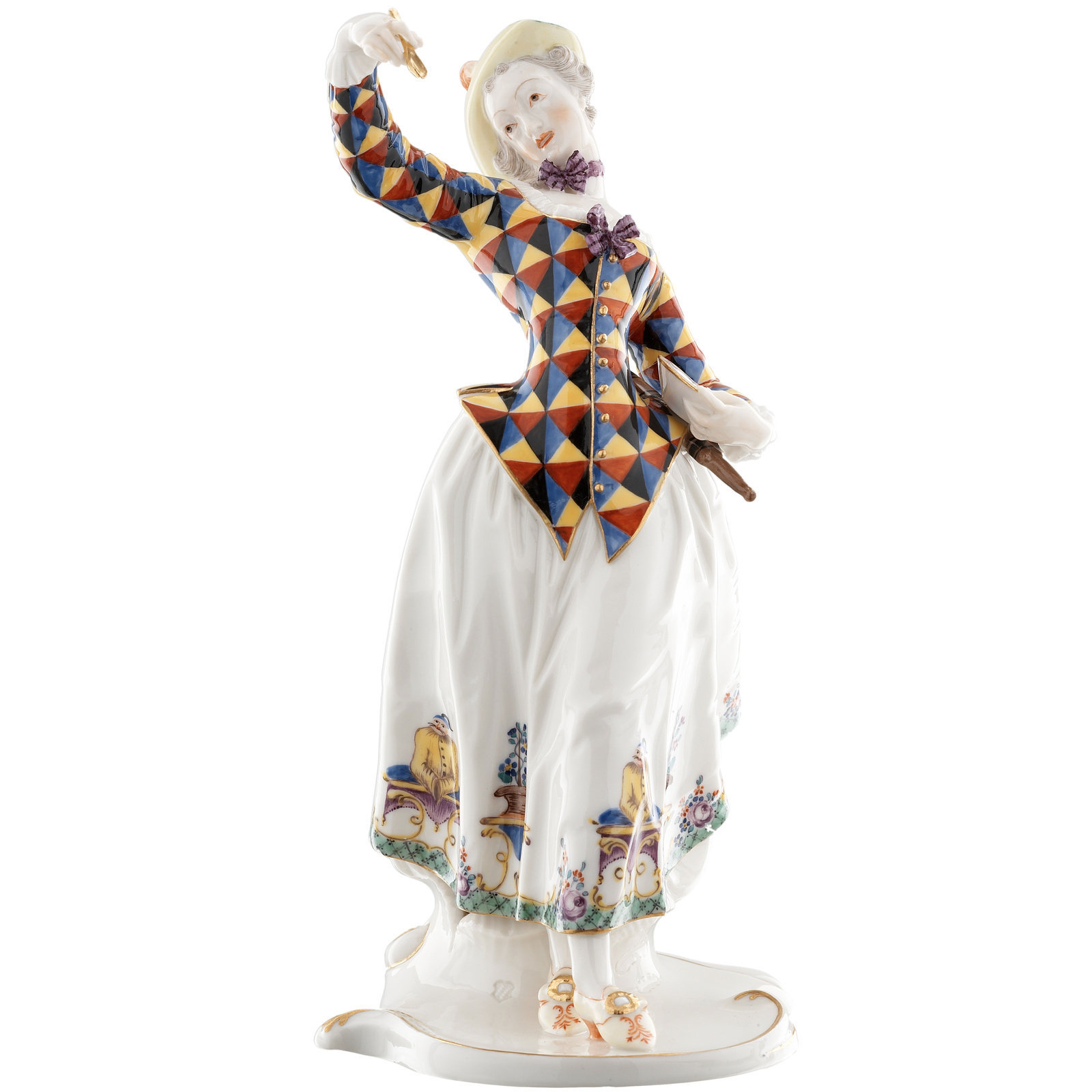
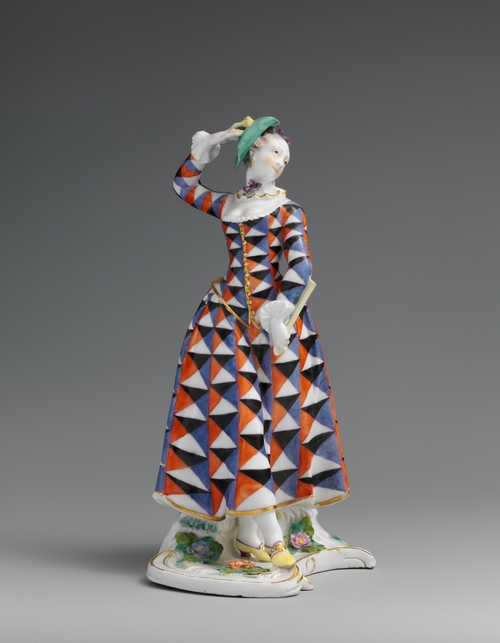
This is also the case for the most artistic of Franz Anton Bustelli’s ensembles of figures – the 16 characters of the COMMEDIA DELL’ARTE, which were first mentioned in the manufactory’s records in 1760 and which to this day are still produced according to his designs.
As highly sought after collectors’ pieces, the 16 figures will be reissued in a limited edition to celebrate the manufactory’s 260th anniversary: such contemporary fashion designers as Vivienne Westwood, Christian Lacroix, Emanuel Ungaro, Naoki Takizawa and Elie Saab were invited to “dress” one of the protagonists in the COMMEDIA DELL’ARTE ” in new clothes”.
 |
| ➔ The Metropolitan Museum of Art |
Bustelli modeled sixteen characters from the Italian commedia dell’arte, the lively improvisatory theater that came to life in the sixteenth century. Harlequin was the commedia’s principal character, always dressed in a brightly colored suit of triangular patches. Sometimes he was accompanied by Columbine, who played different roles in the plays. Here Harlequina wears the same patchwork costume as her partner. Although some of Bustelli’s figures were inspired by engravings, they all have a sense of graceful movement that suggests the artist’s firsthand impression of a theatrical performance.

He drew obsessively from life, and had such an aptitude for this that one contemporary observed that Watteau “was more satisfied with his drawings than his paintings”. According to the Comte de Caylus, Watteau’s friend and biographer, the artist kept all of his immaculate studies in a bound volume, which he plundered when it came to creating a painting. A central preoccupation of scholars of Watteau’s drawings is to spot the frequency with which particular figures appear almost verbatim in the paintings. To complicate things, Watteau often sketched on sheets of paper already decorated with drawings after intervals of several years.
➔ Alastair Sooke for The Telegraph
 |
| Jean-Baptiste Siméon Chardin ~ La Brioche or Le Dessert, 1763 [Louvre, Paris, France]
“We have learned from Chardin that a pear is as living as a woman, that an ordinary piece of pottery is as beautiful as a precious stone.” – Marcel Proust
|
 |
| Edouard Manet ~ Nature Morte à la Brioche, 1880 |
 |
| Louis XV and Mozart at the home of the Marquise de Pompadour
Le Musée Grévin is a waxwork museum in Paris located on the Grands Boulevards in the IXe arrondissement on the right bank of the Seine, at 10, Boulevard Montmartre, Paris, France. It is open daily; an admission fee is charged.
The museum was founded in 1882 by Arthur Meyer, a journalist for Le Gaulois, and named for its first artistic director, caricaturist Alfred Grévin. It is one of the oldest wax museums in Europe. Its baroque architecture includes a mirrored mirage room based on the principle of a catoptric cistula and a theater for magic shows.
Le Musée Grévin now contains some 300 characters arranged in scenes from the history of France and modern life, including a panorama of French history from Charlemagne to Napoleon III, bloody scenes of the French Revolution, movie stars, and international figures such as Albert Einstein, Mahatma Gandhi, and Pope John Paul II. The tableau of Charlotte Corday murdering Jean-Paul Marat includes the actual knife and bathtub used.
Louis Aragon wrote poems under the name of Le Musée Grévin (using the pseudonym of François la Colère), published during the Vichy regime by the Éditions de Minuit underground editor.
|
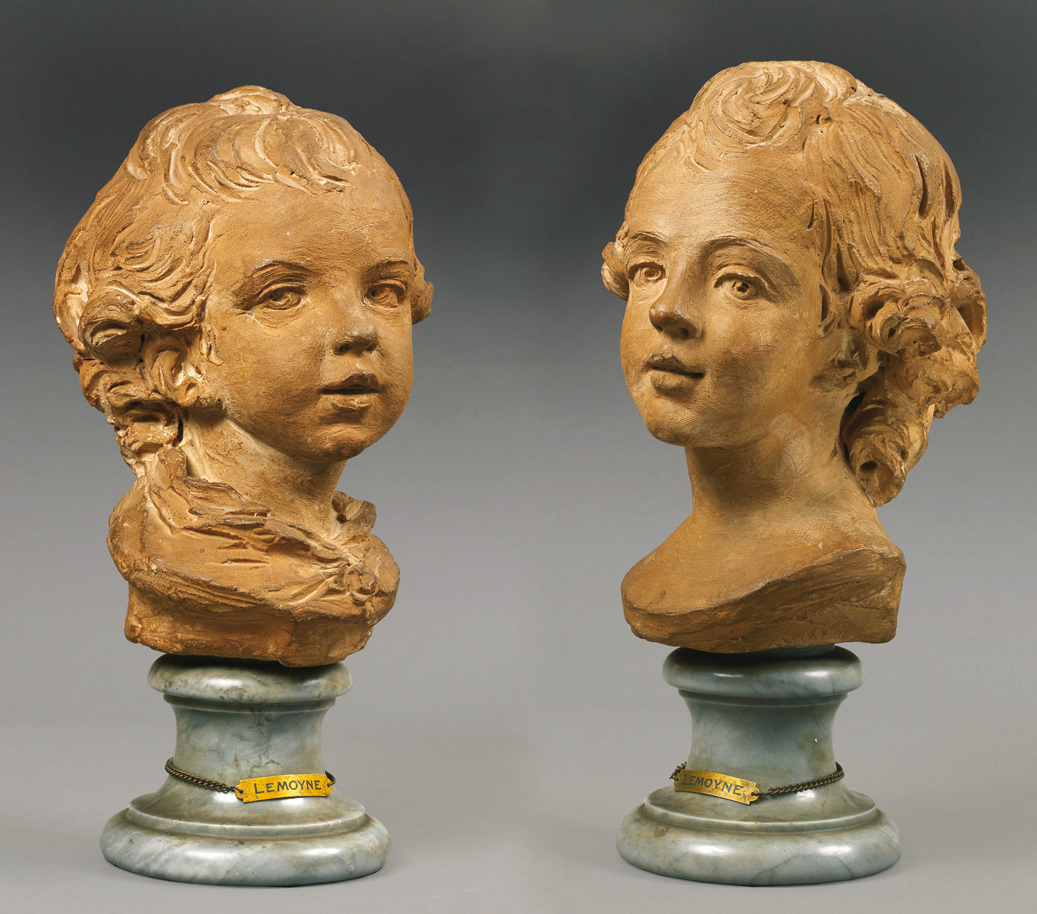 |
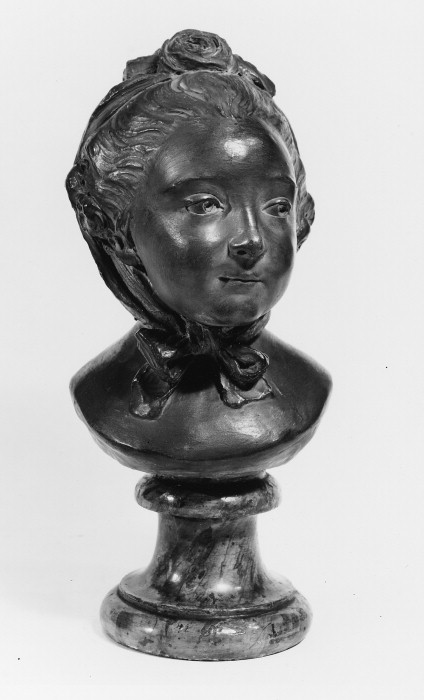
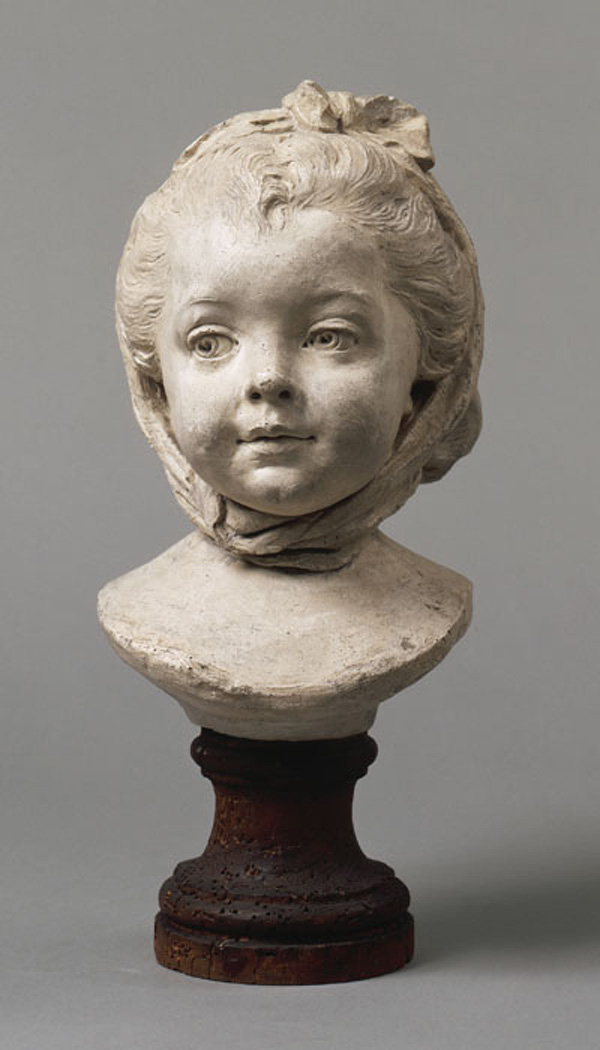
| Tête d’étude de jeune garçon and Tête d’étude de fillette, 3rd quarter of the XVIII century Drouot |
 tout ceci est magnifique