 |
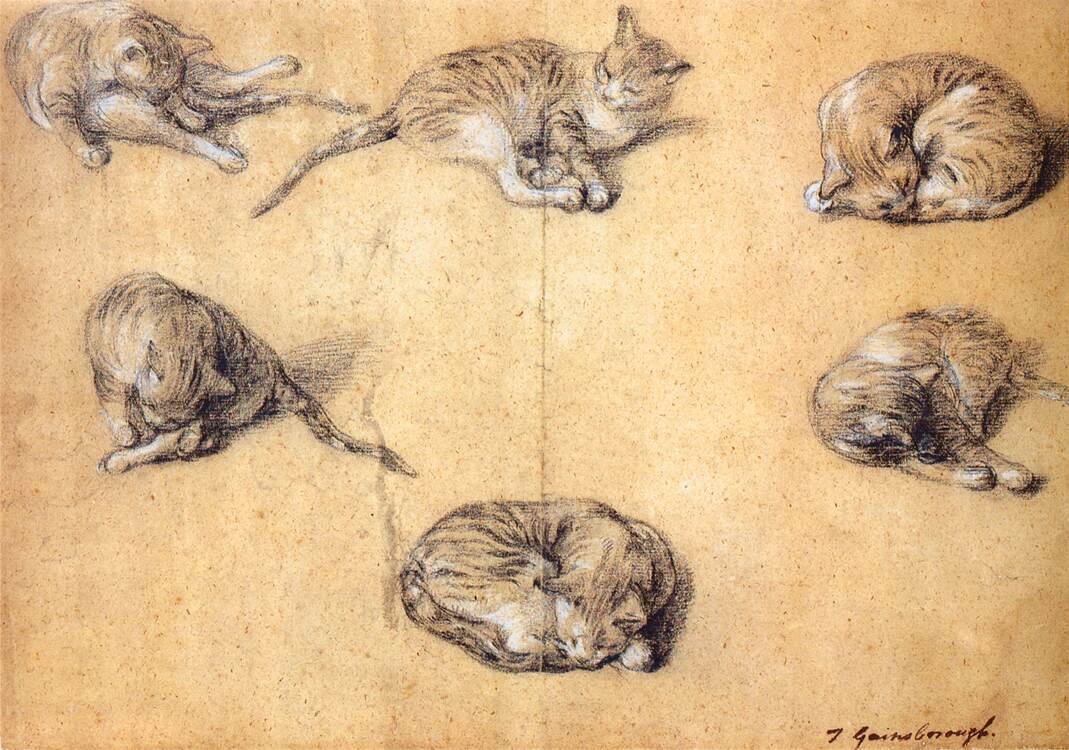
| Thomas Gainsborough, ca. 1765-1770 [Rijksmuseum, Amsterdam] |
Category: 18th Century
M’sieu Boucher
 |
| Gustav Lundberg ~ Portrait de François Boucher, 1741 |
 |
| François Boucher ~ La Toilette de Vénus, 1751
Madame de Pompadour, the mistress of Louis XV, greatly admired Boucher and was his patroness from 1747 until her death in 1764. This famous work is one of a pair that she commissioned for the dressing room at Bellevue, her château near Paris. In 1750 she had acted the title role in a play, staged at Versailles, called “The Toilet of Venus,” and while this is not a portrait, a flattering allusion may well have been intended. The Metropolitan Museum of Art
|
Marie Antoinette’s laptop
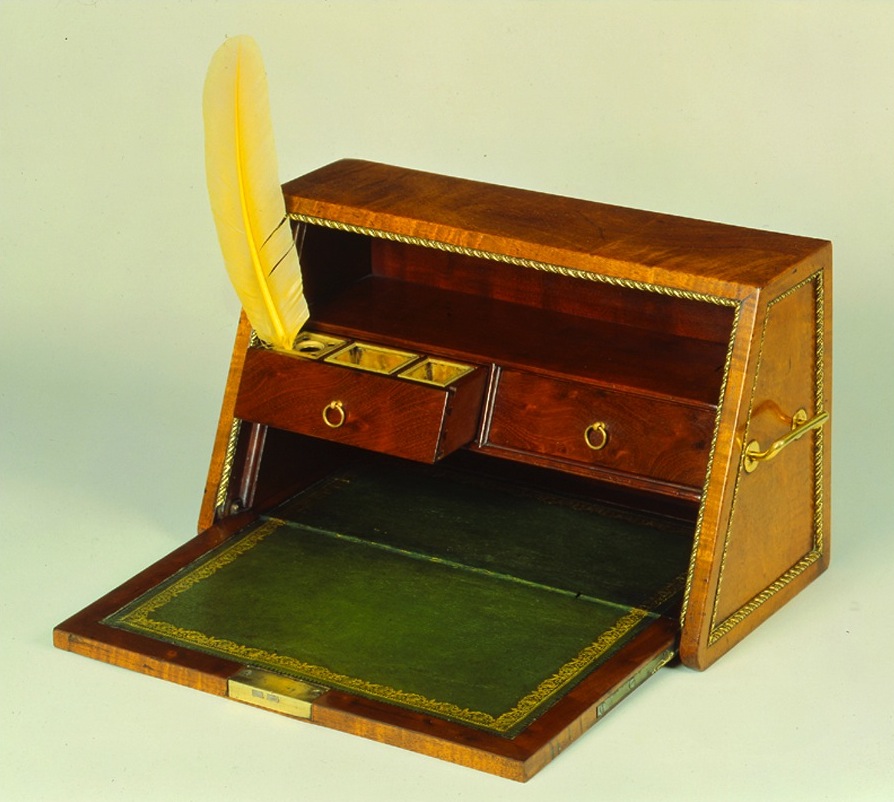 |
| Secrétaire de voyage ayant appartenu à Marie-Antoinette [Musée National du Château de Versailles] |
Cumberland
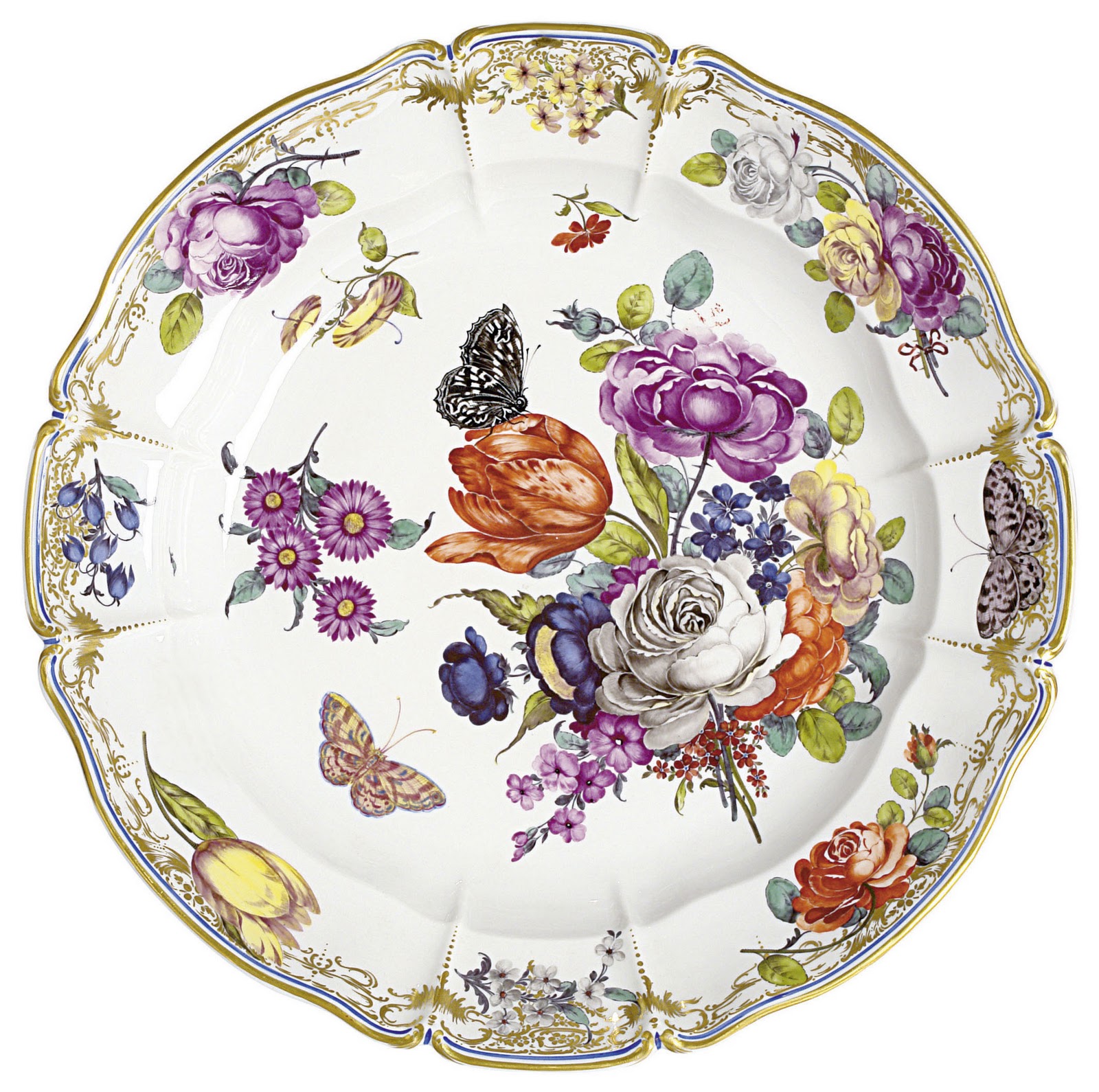 |
| Cumberland Deep Platter painted with flowers and insects by Josef Zachenberger, ca. 1765 |
This rococo service from the period of Franz Anton Bustelli was the first “Electoral Court Service” by Porzellan Manufaktur Nymphenburg. Because fresh flowers were frowned upon as table decoration . they could wilt during the meal . Joseph Zachenberger created a colourful and festive design with flower bouquets, single flowers, butterflies and insects framed by fine golden edging in 1765. At the end of the 18th century, it was replaced as the court service with the Bavarian Court Service by Dominikus Auliczek. But it experienced a renaissance in 1913 when the service was reproduced as an extensive table service at the wedding of Ernst August, Duke of Brunswick and Laneburg, the son the last Duke of Cumberland, with Viktoria Luise, the daughter of the last German Kaiser, Wilhelm II. Cumberland bears the world’s most complex flower design that is today still realized on porcelain: painters require up to three weeks to complete a single plate.
TABLEART
Dalva Brothers
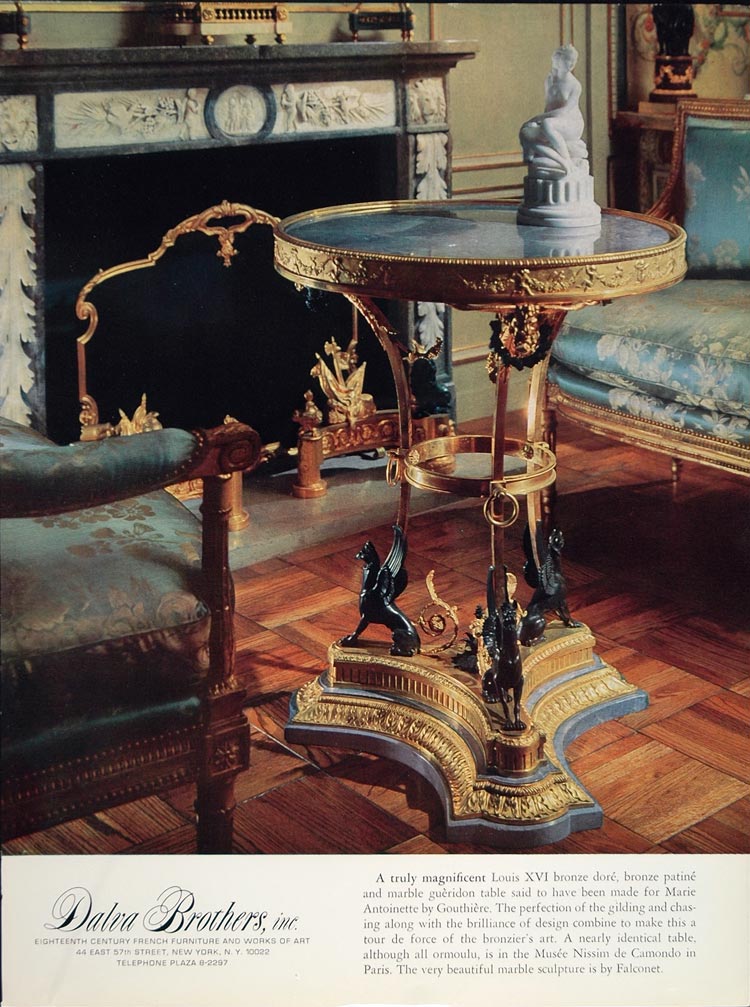
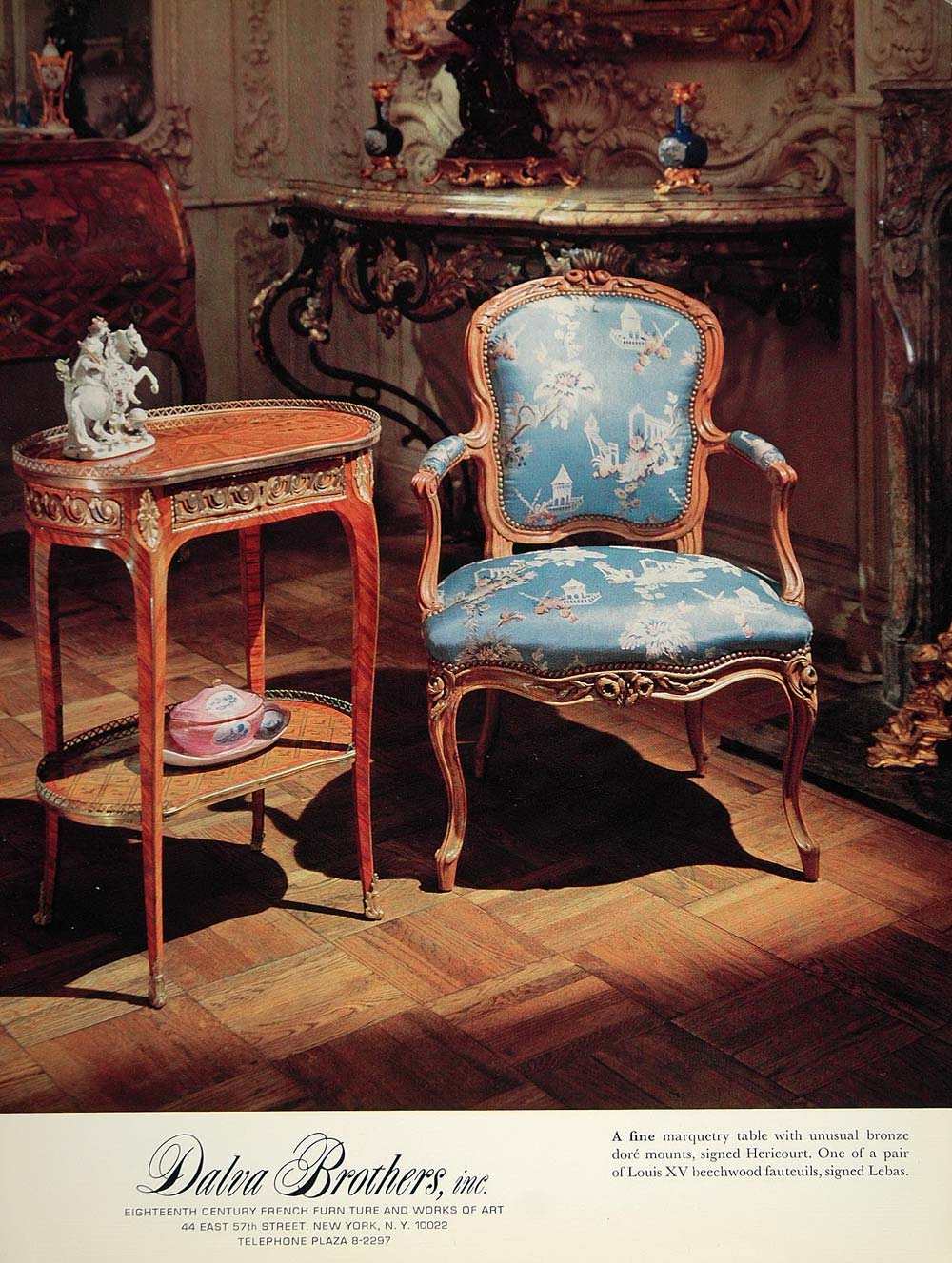
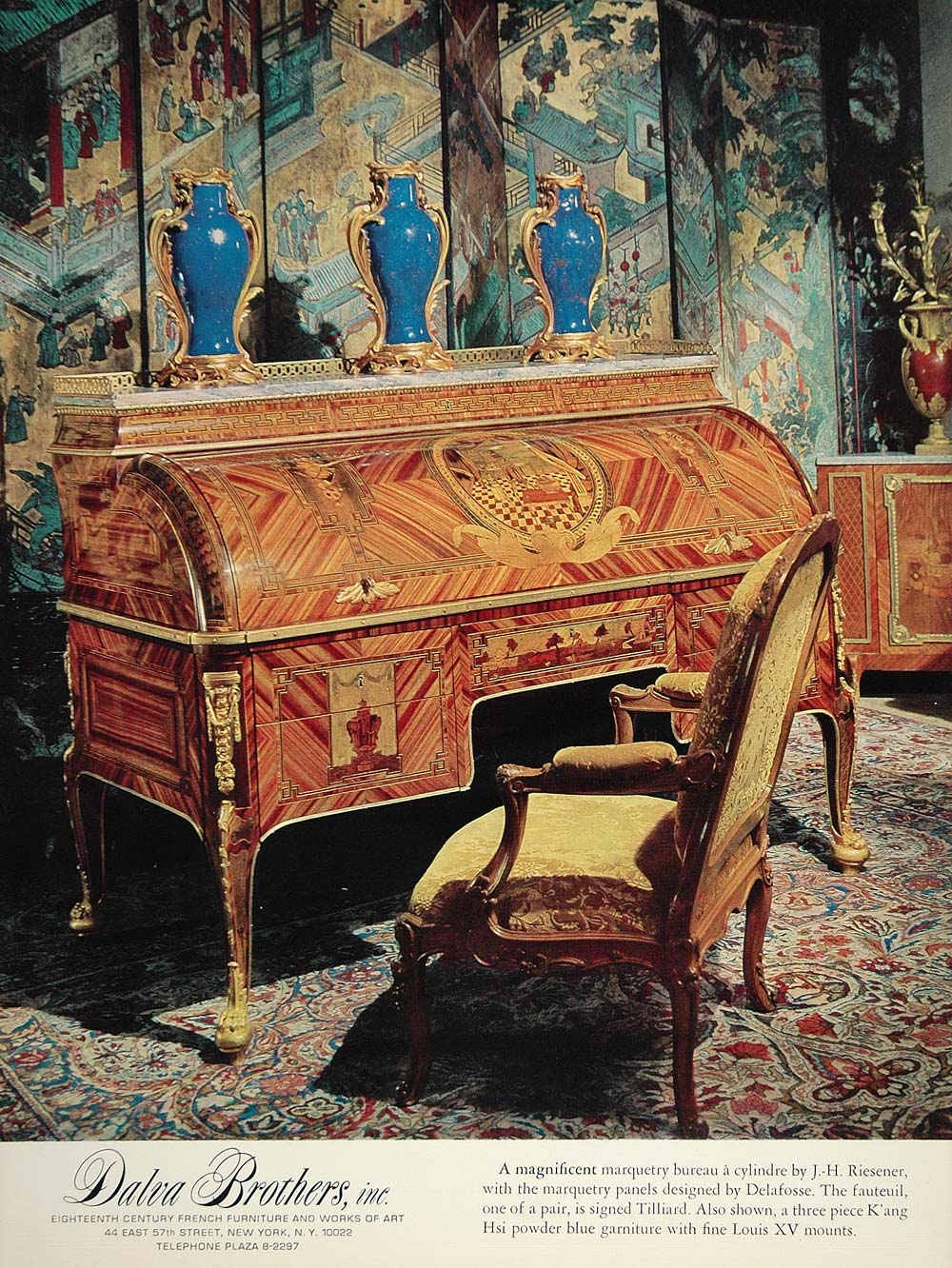
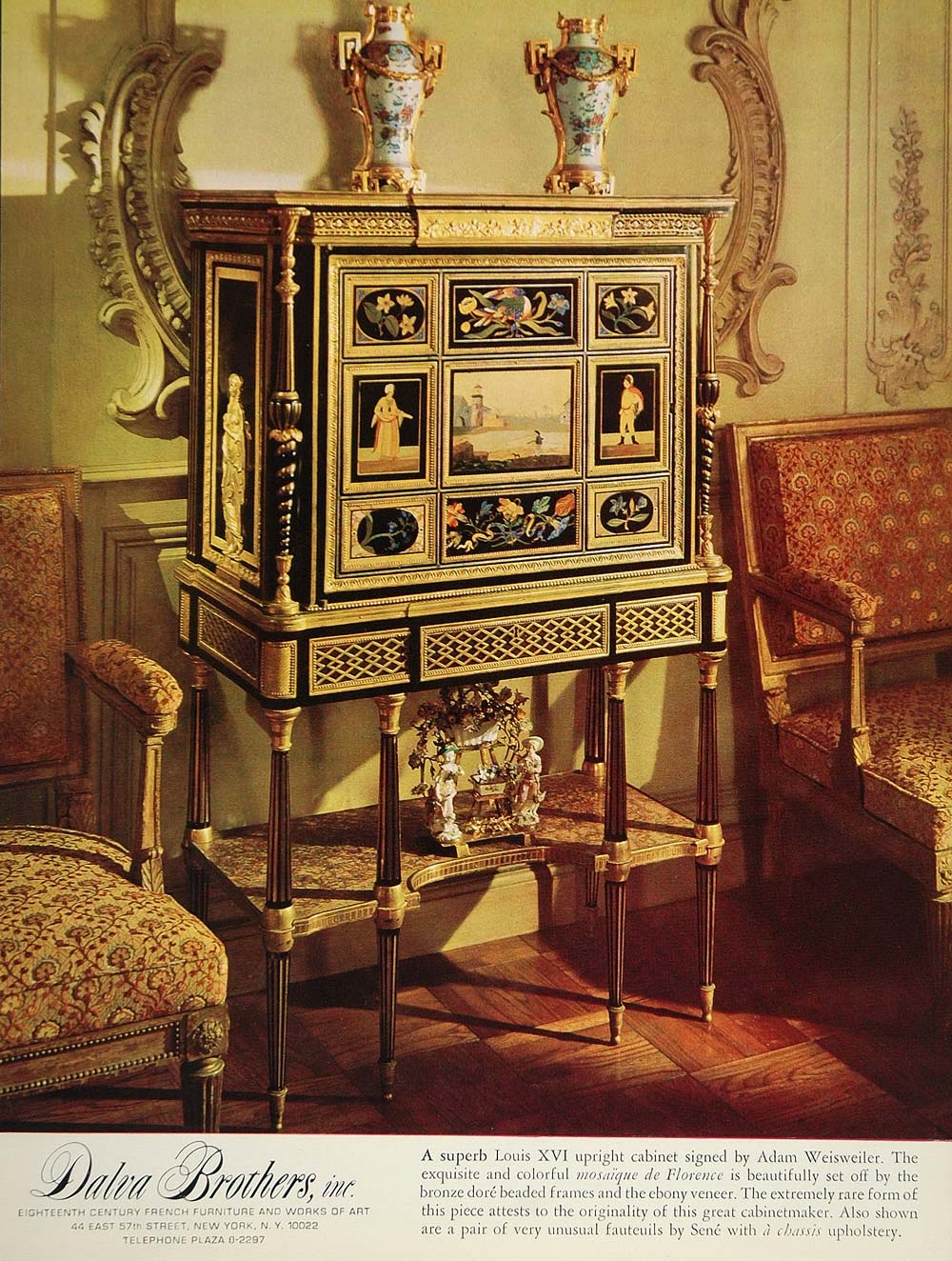
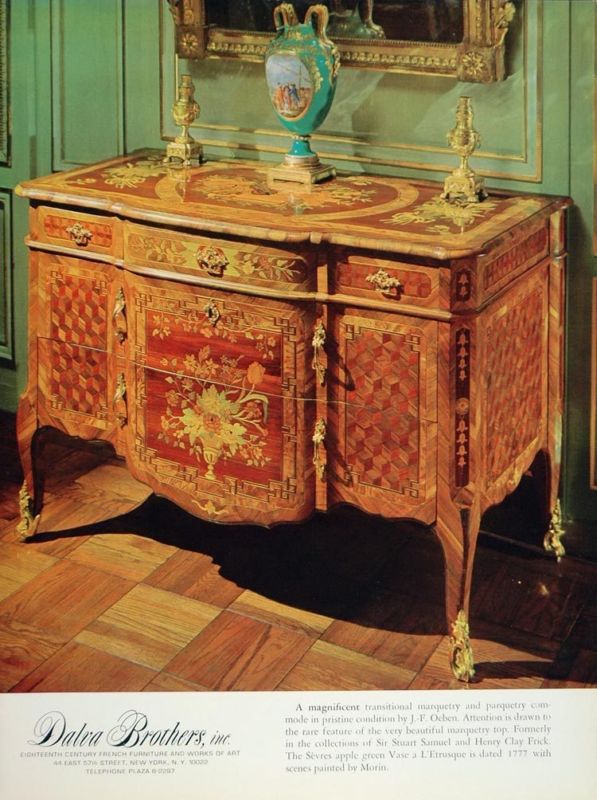 |
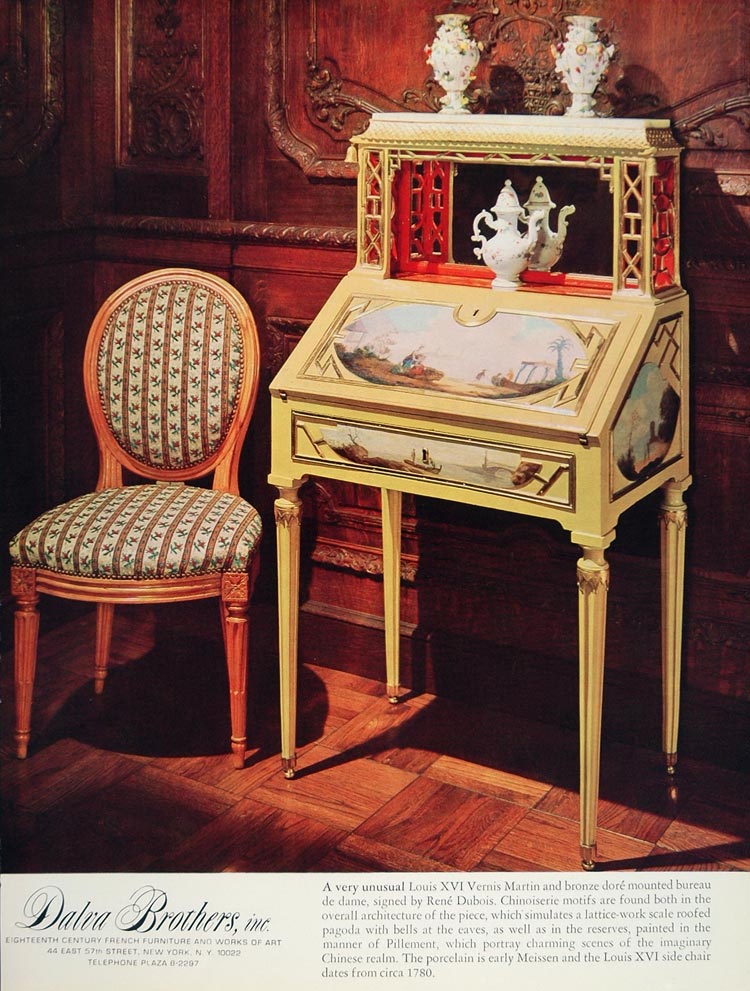
| Ads, 1967 |
Chinoiserie
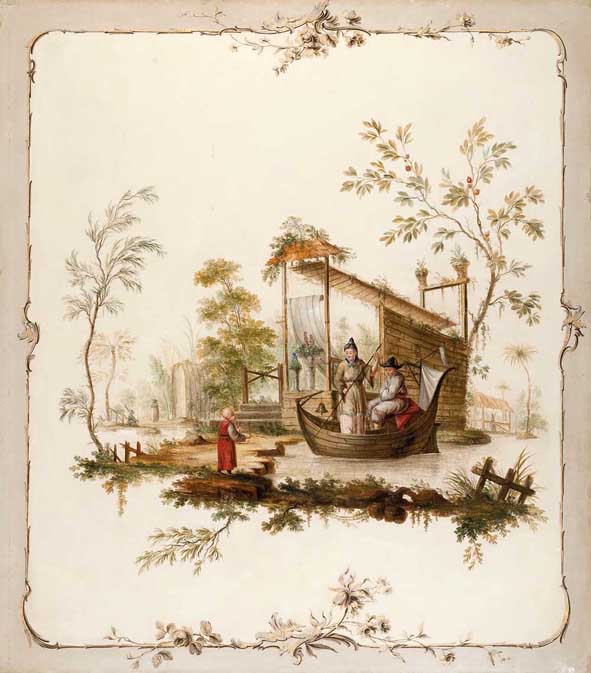 |
| Jean-Baptiste Pillement ~ A couple on a boat departing from a shore where a child stands
One of the most influential decorative and ornamental draughtsmen working in Europe in the second half of the 18th century, Jean Pillement was an equally gifted painter, producing pastoral landscapes, marines, flowerpieces, animal subjects and chinoiseries.
A pupil of Daniel Sarrabat in Lyon, Pillement was a precocious talent and, by the age of fifteen, was working as a designer at the Gobelins tapestry factory in Paris.
In 1745, aged seventeen, he left France for Spain.
He was to spend three years in Madrid, and this was to be the first in a long series of travels throughout Europe over the next forty years.
After a period spent working in Lisbon, where he was offered, and declined, the title of Painter to the King, Pillement spent the next few years working in London, between 1754 and 1762.
His pastoral scenes, seascapes and picturesque views found an appreciative audience in England. A popular and respected member of artistic society in London, he counted among his patrons the influential connoisseur and actor David Garrick.
It was in England in the late 1750’s that some of his ornamental designs were first engraved and published – Pillement himself recorded that more than three hundred prints after his drawings were done while he was working in London – and where he established himself as a fashionable decorative painter.
Pillement continued to travel extensively during the 1760’s, receiving several prestigious commissions.
After returned briefly to Paris in 1761, he spent some time in Italy before travelling to Vienna, where he worked to develop a method of printing coloured designs on textiles.
He executed ten paintings for the Kaiserhof in Vienna for the Prince of Liechtenstein and was ap¬pointed court painter to King Stanislas August Poniatowski of Poland, for whom he decorated rooms in the Royal Castle and the palace of Ujazdów in Waraw between 1765 and 1767.
Back in France and appointed peintre de la reine in 1778, Pillement painted three decorative canvases for Marie Antoinette’s Petit Trianon at Versailles; the only real instance in his long career of an official French commission.
For much of the 1780’s he worked in Portugal – where he founded a school of drawing – and Spain, and it was during this period that he produced some of his finest landscape drawings.
Returning to France in 1789, he abandoned Paris during the Revolution and spent much of the decade of the 1790’s working in the small town of Pezénas in the southern province of Languedoc.
The last years of Pillement’s career found the artist in his native Lyon, where he was employed at the Manufacture de Soie et des Indiennes and gave lessons in decoration and design.
He died in poverty in Lyon in 1808, at the age of eighty, his output having suffered from the decline of the French taste for the rococo in the aftermath of the Revolution.
|
B. V. R. B.
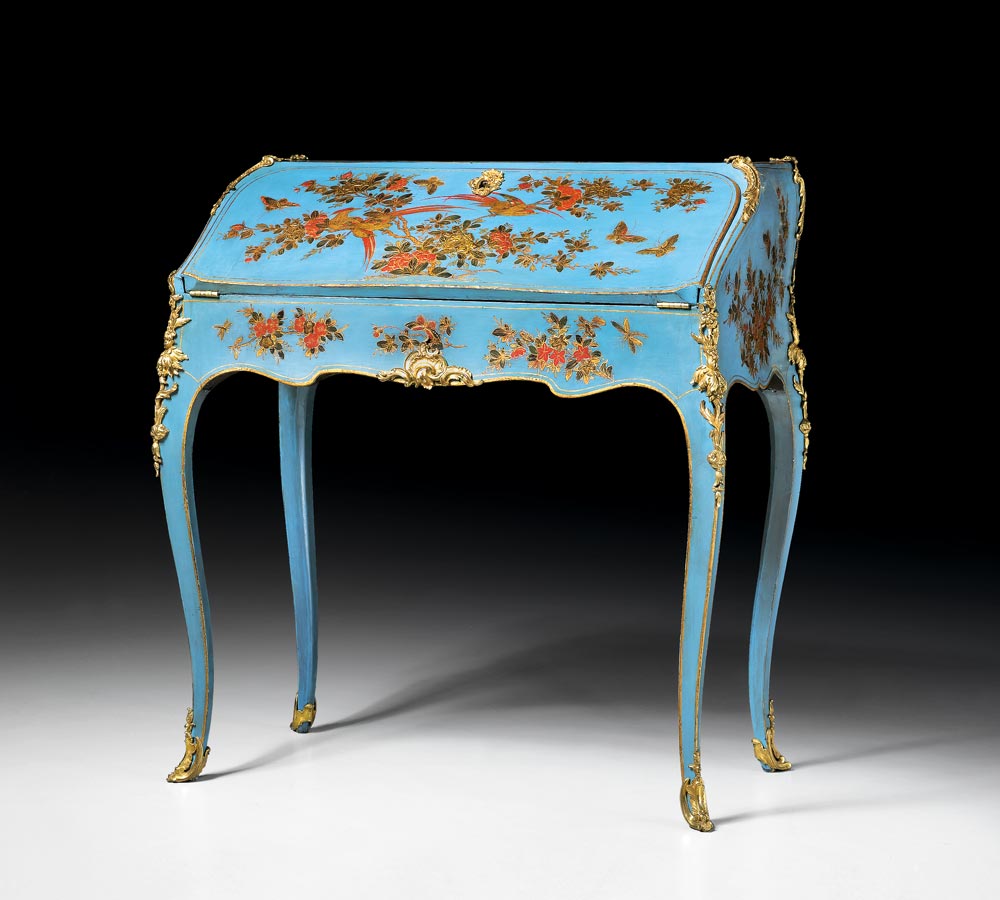 |
| Louis XV lacquer lady’s desk attributed to Bernard II Van Risen Burgh, Paris, ca. 1760 |
Bernard II van Risen Burgh (1696-1766) was an ebeniste of Netherlandish descent who signed his pieces with the elusive monogram B.V.R.B. Not until 1957 was the true identity of this great ebeniste uncovered. Van Risen Burgh was known for his furniture decorated with Japanese lacquer, first appreciated by the French Queen, Marie Leszczinska in 1737. His work is recognized by its gilt bronze mounts that were designed by BVRB himself. BVRB worked mostly with fashionable furniture designers such as Lazare Duvaux and Thomas-Joachim Hebert. He had no contact with aristocratic or royal potential patrons and kept his studio on the Faubourg Saint-Antoine, a more humble section of Paris than most ebenistes chose to set up their shops.
Bleu céleste
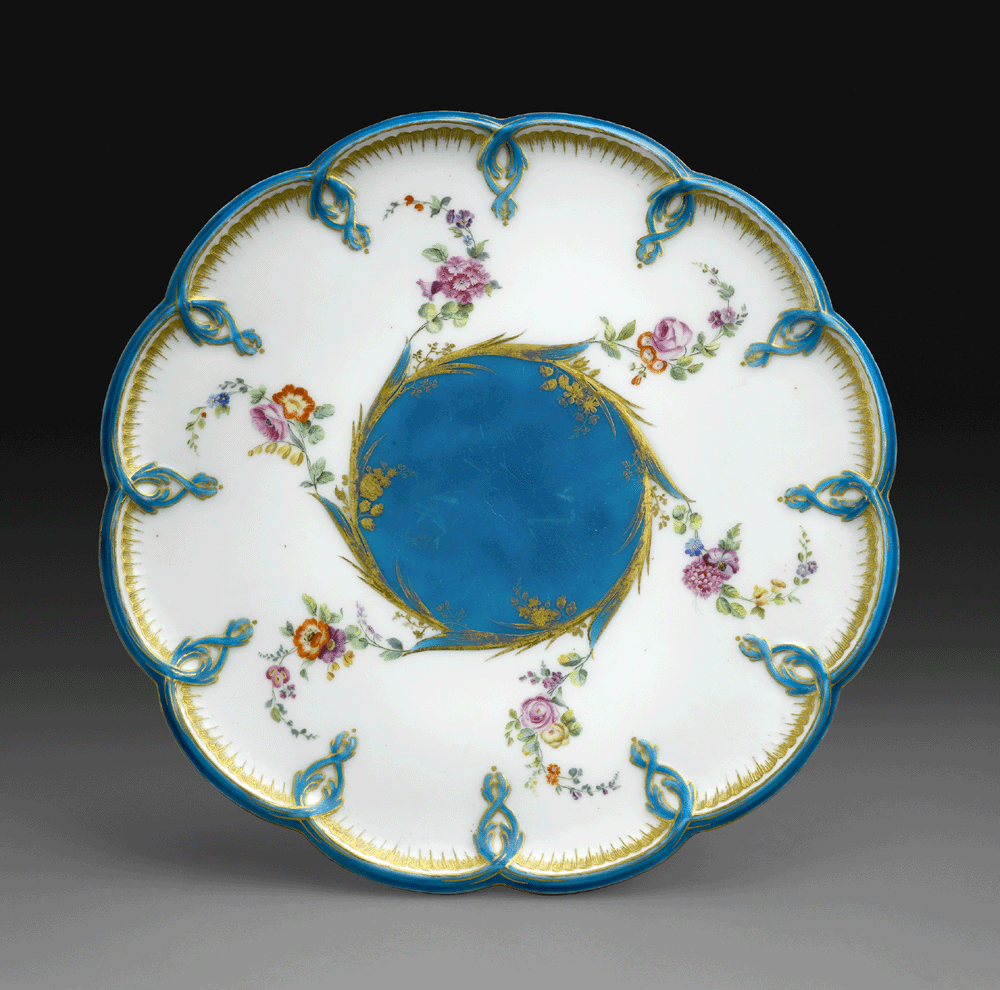 |
| Vincennes Soucoupe à pied en porcelaine tendre provenant du service bleu céleste de Louis XV à décor polychrome au centre d’un médaillon à fond bleu céleste cerné de feuillage et fleurs or et de guirlandes de fleurs polychrome, le bord est décoré de palmes en relief à fond bleu céleste et peignés or. Marquée en bleu : LL entrelacés, lettre-date B pour 1754-1755. XVIIIème siècle, année 1754-1755. Diam. : 22,8 cm. Petite usure au centre |
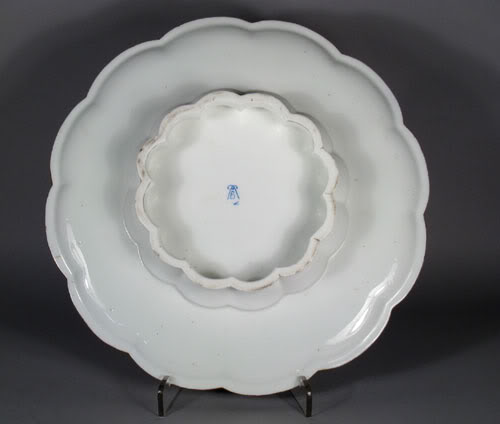 |
| Vendu 27.600,00 euros – Etude Binoche & Giquello – 10 avril 2009, Hôtel Drouot |
CATALOGUE NOTE
Premier grand service de la manufacture de Vincennes, le service de Louis XV est commandé à la manufacture en 1751 pour le château de Versailles.
Premier grand service de la manufacture de Vincennes, le service de Louis XV est commandé à la manufacture en 1751 pour le château de Versailles.
Le dessin des formes est confié à l’orfèvre Jean-Claude Duplessis Père et pour ce service, le fond de couleur bleu céleste (également nommé Bleu Hellot ou bleu ancien) est mis au point par le chimiste Jean Hellot.
[Jean Claude Ciambellano dit Duplessis père (1690-1774)
Orfèvre et bronzier. A partir de 1748 et jusqu’à sa mort, il dessine la plupart des formes de la Manufacture de Vincennes/Sèvres, en venant régulièrement surveiller leur mise en oeuvre. Il met au point, en 1755, un tour spécial pour le calibrage des modèles ovales qui lui vaut le titre d’Orfèvre du Roi. Son fils, Jean Claude Thomas, travaille également pour la Manufacture de 1752 à sa mort en 1783.]
La livraison du service s’échelonne entre 1753 et 1755. La première partie du service, livrée le 24 décembre 1753, est exposée au public à Paris chez le marchand mercier Lazare Duvaux rue Saint honoré. Elle est ensuite envoyée par le marchand à Versailles au début du mois de février 1754. Le duc de Croÿ relate dans son journal qu’après un dîner à Versailles, Louis XV nous occupa à déballer son beau service, bleu, blanx et or, de Vincennes, que l’on venait de renvoyer de Paris, où on l’avait étalé aux yeux des connaisseurs. (Journal inédit du duc de Croÿ (1718-1784), I, pp.230-231.)
Les deuxième et troisième livraisons du service ont lieu le 31 décembre 1754 et le 31 décembre 1755.
Une importante partie du service (environ cent quarante pièces dont soixante douze assiettes) est vendue en juillet 1757 par Louis XV à Etienne-François de Choiseul, comte de Stainville-Beaupré (futur duc de Choiseul-Stainville en 1758) par l’intermédiaire de Lazare Duvaux. Choiseul est à ce moment ambassadeur de France en Autriche.
Louis XV ainsi que Choiseul achètent l’un et l’autre des compléments de ce service à la fin des années 1750 et dans les années 1760. La partie de service restée dans les collections de la couronne est mentionnée dans un Etat des Porcelaines de Sèvres déposées dans les Offices du Château du Petit Trianon dressé en juin 1778 et conservé aux archives nationales (AN K506, n° 21). Louis XVI achète également des compléments dans les années 1770 et 1780.
Le service est aujourd’hui dispersé. Une importante partie (trente deux pièces) se trouve dans une collection européenne, une autre partie dans les collections du duc de Buccleuch à Boughton House (quatre vingt-dix neuf pièces) dont les seules huit autres soucoupes à pied aujourd’hui répertoriées. D’autres éléments sont conservés dans plusieurs musées : au Château de Versailles, au musée du Louvre, au musée des Arts décoratifs, au musée de Sèvres, au Victoria and Albert Museum et au Metropolitan Museum notamment.
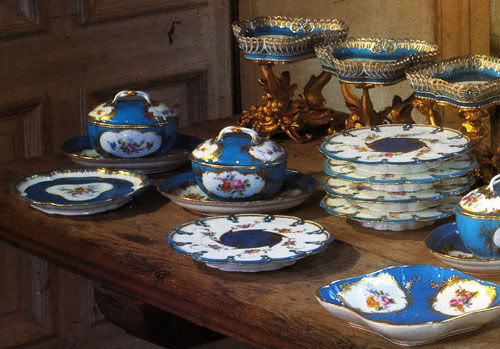 |
| Collection du duc de Buccleuch, Boughton House, Angleterre |
BIBLIOGRAPHIE
Pour une étude précise du service voir David Peters Sèvres Plates and Services of the 18th Century, 2005, Vol. II, n° 54-1, 54-2 et 55-1, pp 283-290.
Voir également : Pierre Grégory, « Le service bleu céleste de Louis XV à Versailles, quelques pièces retrouvées », La Revue du Louvre, 2.1982, pp.40-46 David Peters, Versailles et les Tables Royales¸ catalogue d’exposition, « Les services de Porcelaine de Louis XV et Louis XVI », pp.110-112, Rosalind Savill, « L’apothéose de Vincennes, le service de table de Louis XV », Dossier de l’Art, n° 15, décembre 1993, pp.14-21.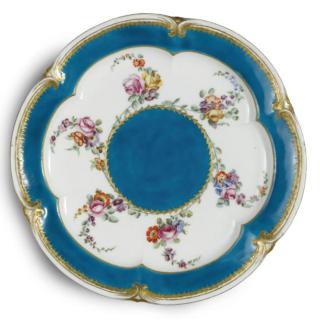
Pour une étude précise du service voir David Peters Sèvres Plates and Services of the 18th Century, 2005, Vol. II, n° 54-1, 54-2 et 55-1, pp 283-290.
Voir également : Pierre Grégory, « Le service bleu céleste de Louis XV à Versailles, quelques pièces retrouvées », La Revue du Louvre, 2.1982, pp.40-46 David Peters, Versailles et les Tables Royales¸ catalogue d’exposition, « Les services de Porcelaine de Louis XV et Louis XVI », pp.110-112, Rosalind Savill, « L’apothéose de Vincennes, le service de table de Louis XV », Dossier de l’Art, n° 15, décembre 1993, pp.14-21.
Cyrille Froissart Expert en céramiques anciennes

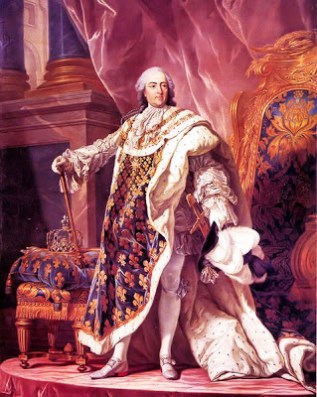
Louis XV’s bleu céleste service marks a turning point in the history of the Vincennes porcelain factory. The new rococo shapes designed for it by Jean-Claude-Thomas Duplessis formed the basis for the factory’s production of servicewares until the Revolution, and the bleu céleste ground, invented for the service, was inspired by the “Celestial Empire”, but it was also the colour of the ribbon of the King’s most important order of chivalry, the Saint Esprit.
Bleu céleste, the factory’s finest and most expensive ground colour, was employed from 1753. At first, it was made using ground-up turquoise-coloured Venetian glass. This technique produced an intense, cloudy and uneven surface, which was nevertheless extremely aesthetically pleasing. In 1756, a cheaper method was developed, resulting in a more even and, paradoxically, less attractive finish.
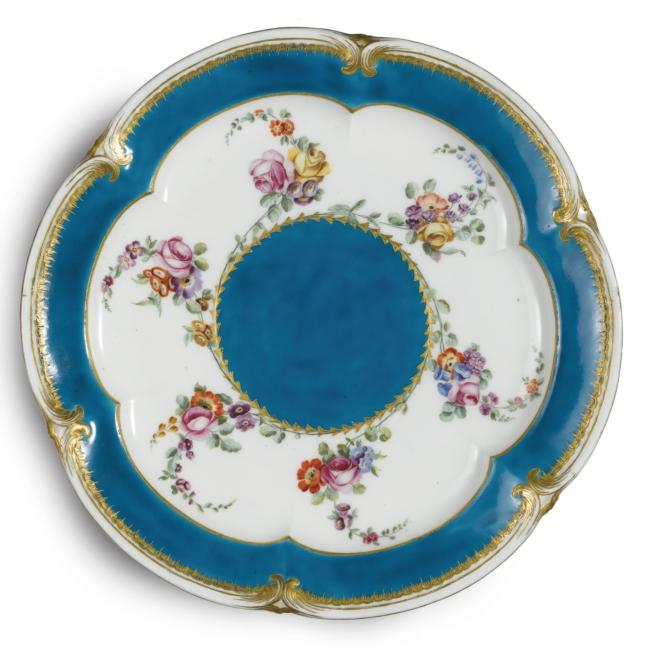
When the service was first unveiled at Versailles at one of Louis XV’s intimate supper parties, on 4 February 1754, one of the guests, the duc de Croÿ, described the scene: “The King made us unpack his beautiful blue white and gold service from Vincennes, which had just arrived from Paris, where it had been exhibited for connoisseurs to admire. This is one of the first masterpieces of this new porcelain factory which intends to surpass and supplant Meissen. The Marquise [Madame de Pompadour], to whom the King has given the village of Sèvres, is embarked on important building works for this factory next to her glass factory.”
Rococo
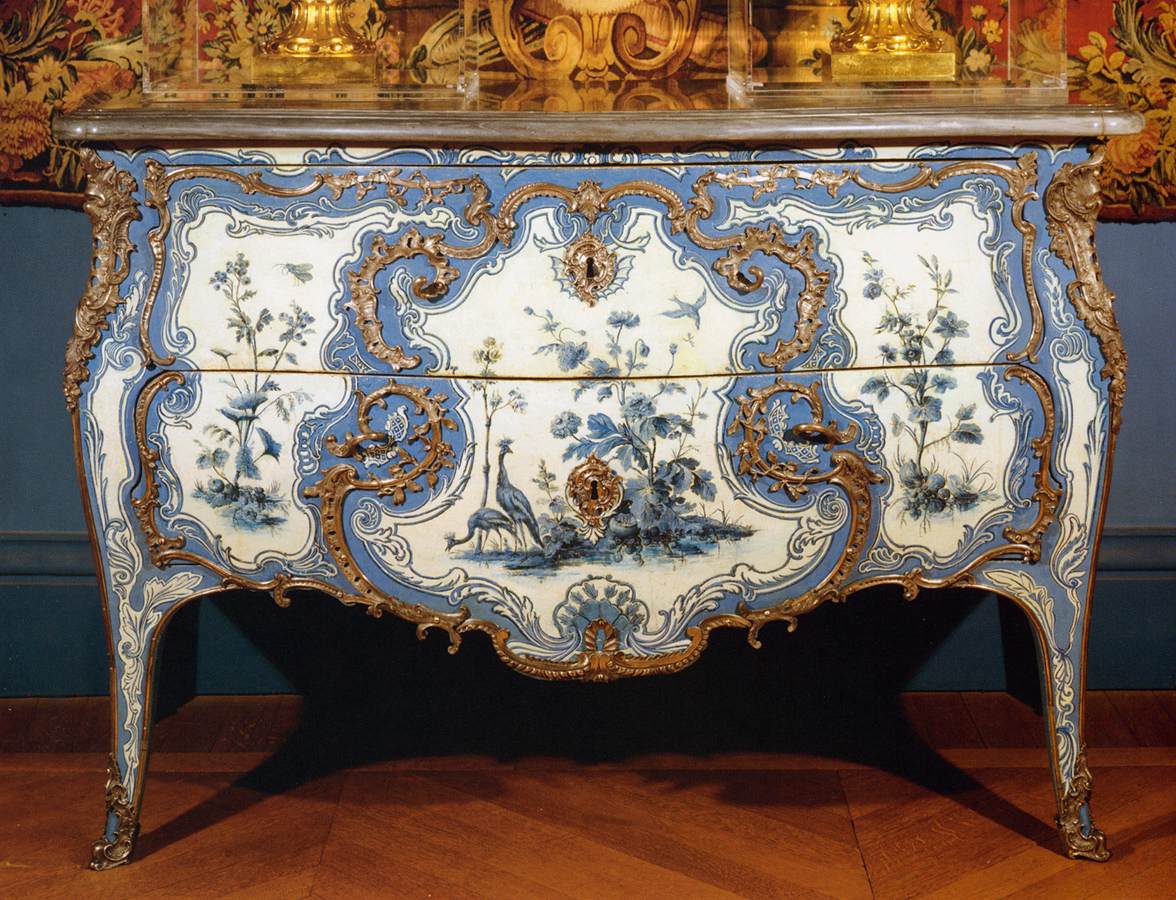 |
| Estampillée : Matthieu Criaerd, 1742 Commode Painted in Vernis Martin, Wood, 85 x 132 x 64 Wood, 85 x 132 x 64 Musée du Louvre, Paris |
Commode
Louis XV acquired the Château de Choisy in 1739. The furniture in the Blue Room (commissioned from the marchand mercier Hébert) was designed to match some blue silk woven by the king’s mistress, Madame de Mailly, and to suit her taste for oriental art. Hébert had the commode and encoignure (corner cabinet) for the room made by cabinetmaker Matthieu Criaerd. The commode is a fine example of Criaerd’s work.
Louis XV acquired the Château de Choisy in 1739. The furniture in the Blue Room (commissioned from the marchand mercier Hébert) was designed to match some blue silk woven by the king’s mistress, Madame de Mailly, and to suit her taste for oriental art. Hébert had the commode and encoignure (corner cabinet) for the room made by cabinetmaker Matthieu Criaerd. The commode is a fine example of Criaerd’s work.
The Blue Room at the Château de Choisy
Madame de Mailly’s room was elaborately furnished in 1742. Louis XV’s mistress had given the king some silk that she had woven; this was made into blue and white striped moiré, and was used in the room which was then painted blue and white. The marchand mercier Hébert and the upholsterer Sallior were given the task of producing the furniture, which was to suit both the colors of the silk and Madame de Mailly’s taste for chinoiserie.
Madame de Mailly’s room was elaborately furnished in 1742. Louis XV’s mistress had given the king some silk that she had woven; this was made into blue and white striped moiré, and was used in the room which was then painted blue and white. The marchand mercier Hébert and the upholsterer Sallior were given the task of producing the furniture, which was to suit both the colors of the silk and Madame de Mailly’s taste for chinoiserie.
The production of the furniture
Although the marchand mercier Hébert was entrusted with producing the furniture, a commode veneered with Chinese lacquer was first delivered by his colleague Julliot. Hébert therefore made furniture to match this commode — provisional items, no doubt, which were subsequently replaced by the blue and white furniture which confirms Madame de Mailly’s pronounced taste for objects of oriental inspiration, reflected throughout her decorative scheme. Hébert provided blue and white China porcelain for the same apartment, together with silver-plated andirons decorated with figures of Chinese children. Hébert entrusted the production of the blue furniture to cabinetmaker Mattheu Criaerd.
Although the marchand mercier Hébert was entrusted with producing the furniture, a commode veneered with Chinese lacquer was first delivered by his colleague Julliot. Hébert therefore made furniture to match this commode — provisional items, no doubt, which were subsequently replaced by the blue and white furniture which confirms Madame de Mailly’s pronounced taste for objects of oriental inspiration, reflected throughout her decorative scheme. Hébert provided blue and white China porcelain for the same apartment, together with silver-plated andirons decorated with figures of Chinese children. Hébert entrusted the production of the blue furniture to cabinetmaker Mattheu Criaerd.
A commode typical of Criaerd’s work
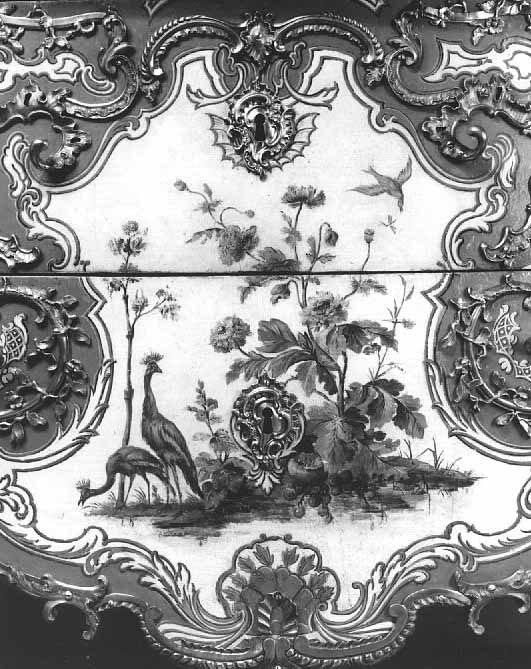
Matthieu Criaerd produced a commode and encoignure (corner cabinet) which are now in the Louvre. The commode, with its curved legs and two long drawers, resembles the one delivered to Fontainebleau for Queen Maria Leczinska by BVRB in 1737. It is coated with blue and white vernis Martin, essentially representing exotic birds and plants, freely inspired by Chinese motifs. The silvered bronze decoration, typical of Criaerd, consists of trophies down the sides of the legs, and pierced sabots. The frames are formed by a series of scrolls, and the central, violin-shaped cartouche is created by a wavy border pierced with ovals, scrolls, and foliage. This type of decoration became very popular; it features on other commodes by Criaerd, notably the one in the former Grog-Carven Collection, or the one delivered by Hébert for the Dauphin’s study at the Château de Versailles in 1748.
Matthieu Criaerd produced a commode and encoignure (corner cabinet) which are now in the Louvre. The commode, with its curved legs and two long drawers, resembles the one delivered to Fontainebleau for Queen Maria Leczinska by BVRB in 1737. It is coated with blue and white vernis Martin, essentially representing exotic birds and plants, freely inspired by Chinese motifs. The silvered bronze decoration, typical of Criaerd, consists of trophies down the sides of the legs, and pierced sabots. The frames are formed by a series of scrolls, and the central, violin-shaped cartouche is created by a wavy border pierced with ovals, scrolls, and foliage. This type of decoration became very popular; it features on other commodes by Criaerd, notably the one in the former Grog-Carven Collection, or the one delivered by Hébert for the Dauphin’s study at the Château de Versailles in 1748.
Catalogue d’exposition : « Nouvelles acquisitions du département des Objets d’art 1990-1994 », Paris, 1995, pp. 31, 134-136.
D. Alcouffe, A. Dion-Tenenbaum, A. Lefébure, Le Mobilier du Musée du Louvre, t. 1, Paris, Faton, 1993, pp. 144-147
Louvre
Louvre
Ancienne collection Lagerfeld
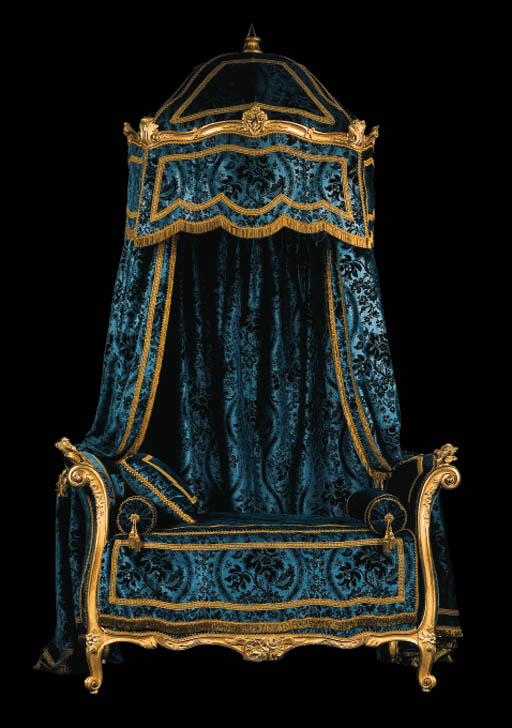 |
| Lit d’époque Louis XV attribué à Louis Delanois |
En noyer mouluré, sculpté et redoré en deux tons, à deux chevets mouvementés, ornés en leur sommet d’un panier fleuri flanqué de chutes feuillagées, les montants ornés en leur sommet d’un panier d’où émerge une guirlande de fleurs, reposant sur des pieds cambrés ornés d’une fleurette, la ceinture mouvementée ornée en son centre d’un cartouche géométrique ailé à décor de bouquet de fleurs, branches de laurier et feuillage d’acanthe, avec des roulettes rapportées; sommier, matelas, couvre lit, rideaux, ciel de lit moderne, garniture de velours de soie gaufrée à motif floral bleu nuit.
 tout ceci est magnifique
