 |
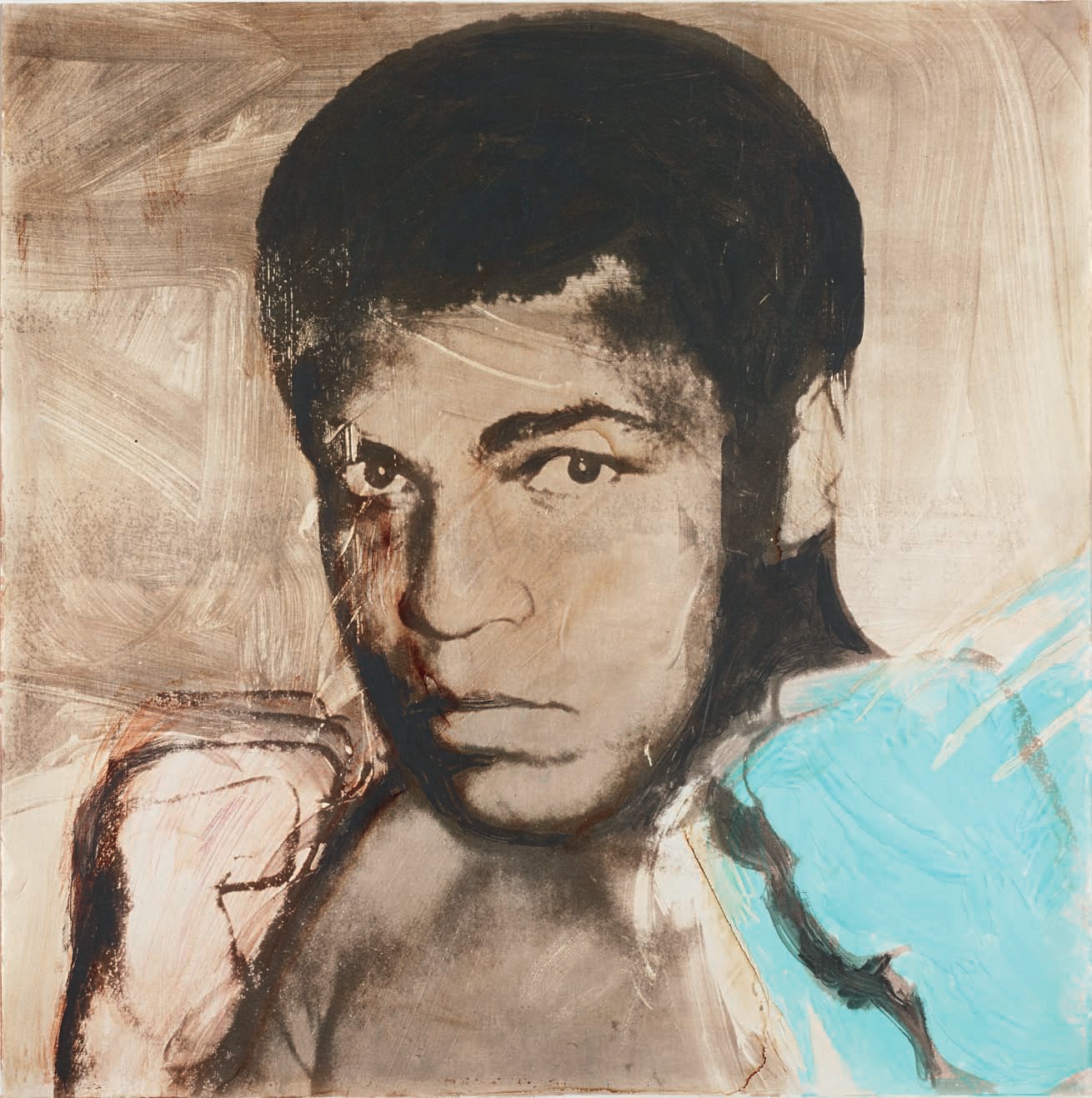
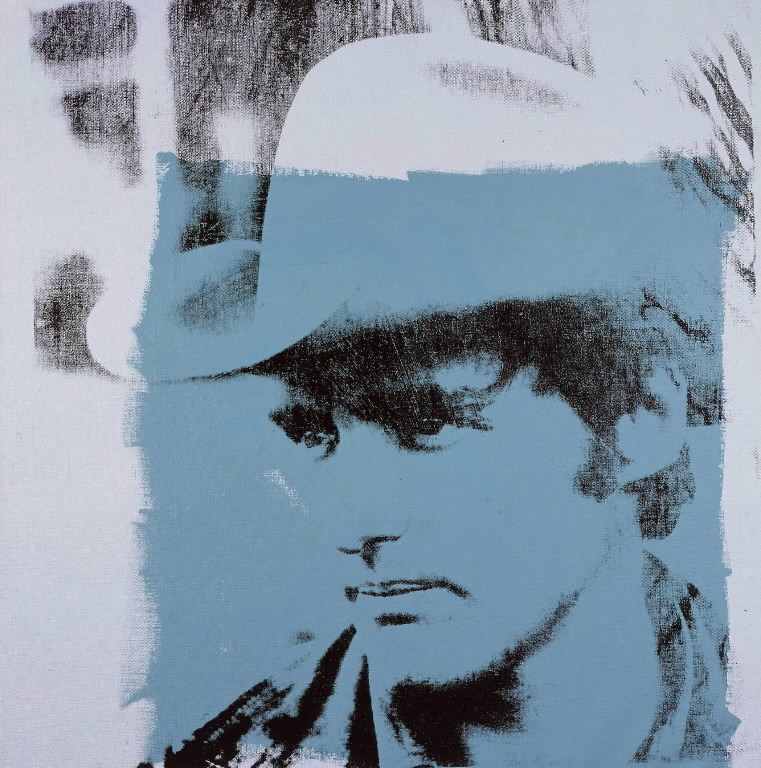
| Andy Warhol ~ Muhammad Ali (Cassius Clay), 1978
“I am the greatest, I said that even before I knew I was.” Muhammad Ali
✻ |
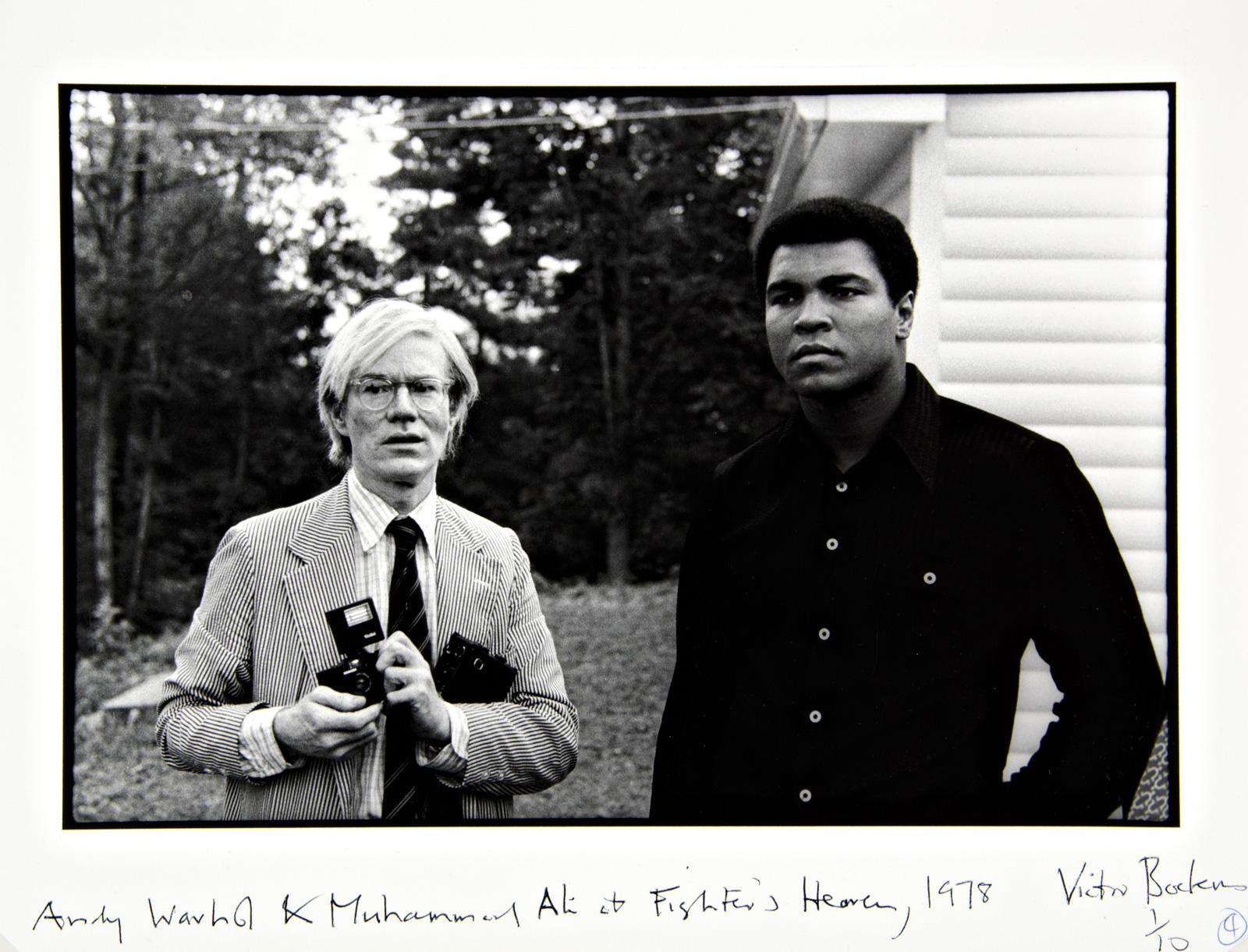 |
| Victor Bockris ~ Andy Warhol and Muhammad Ali at Fighters Haven, 1978
“I said that the athletes were better than movie stars and I don’t know what I’m talking about because athletes are the new movie stars.” Andy Warhol
✻ |
In 1977, Ali sat for an Andy Warhol silk-screen portrait, thus joining Marilyn and Elvis among the artist’s gallery of American “icons.” The champ was astounded to learn how much Warhol was being paid for “an hour’s work,” and Warhol dryly agreed that ti was an easy life. In retrospect, the Warhol portrait marks the moment of symbolic appropriation, the transition of Ali from a divise to a consensual figure. In Warhol’s iconography, Ali became one among an infinite series of celebrity images, all equivalent, all interchangeable. For the best part of two decades, the boxer used the electronic conduits of the burgeoning global media industry to project his personal identity and the messages that sprang from it to a vast new audience. At the same time, this industry used Ali to project its messages, to itself and its products. The icon of Ali could not but be transformed in the process.
➔ Redemption Song: Muhammad Ali and the Spirit of the Sixties by Mike Marqusee





 tout ceci est magnifique