Snowy the Mouse Man

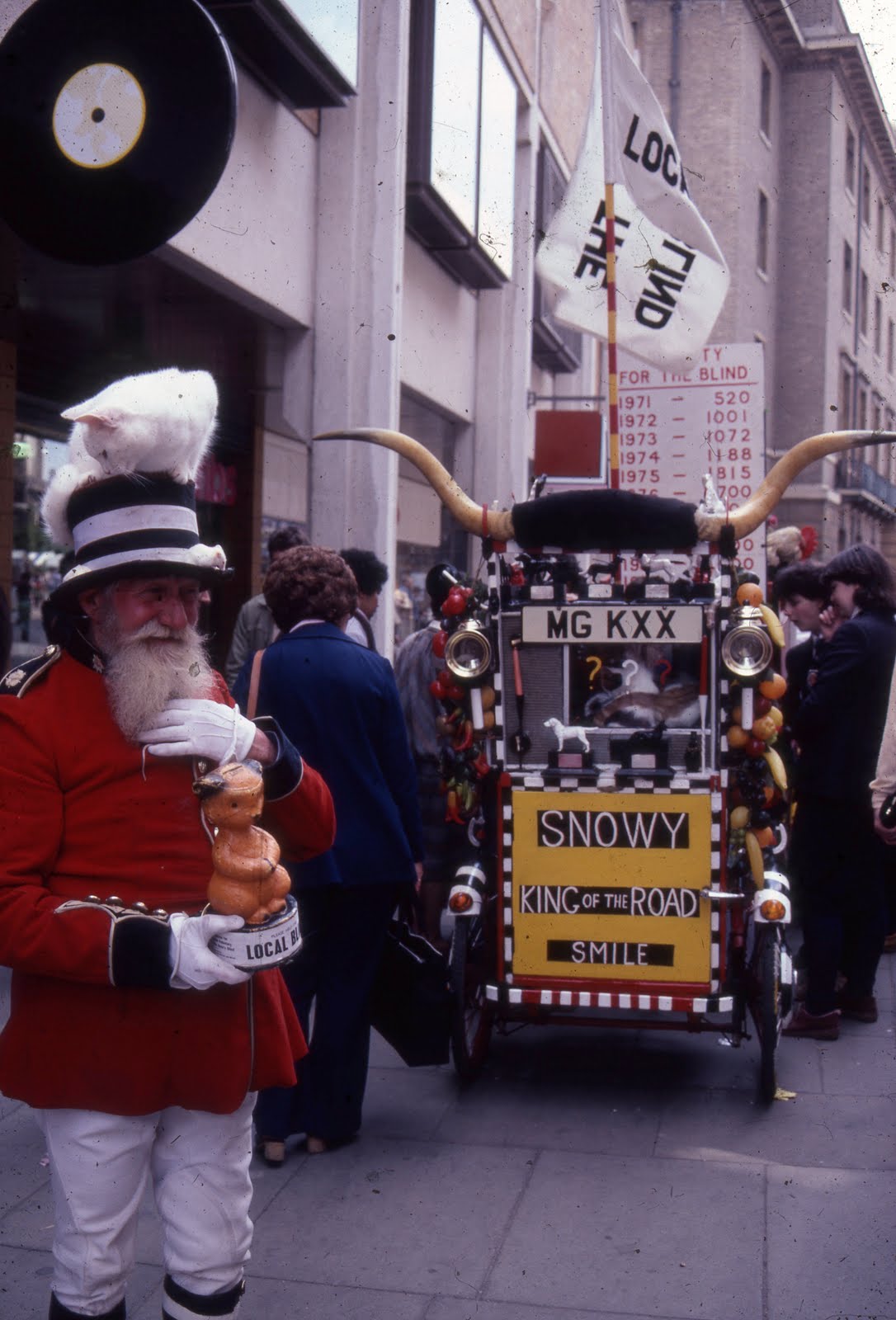
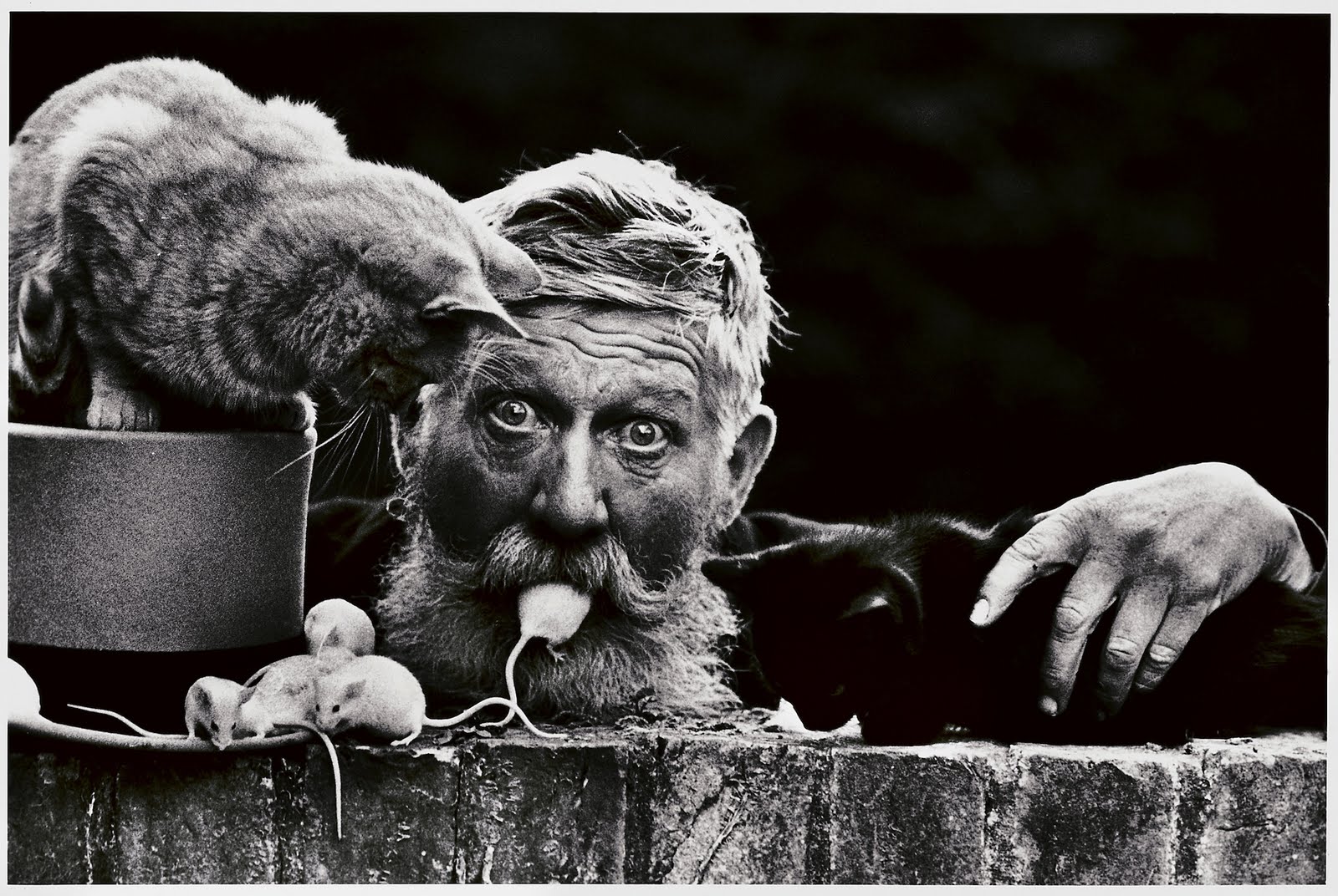
Don McCullin ~ Snowy, Cambridge 1973

In November 1995, ex-army man, Walter ‘Snowy’ Farr received an MBE from the Prince of Wales for his tireless fundraising activities for Guide Dogs for the Blind.  Snowy wandered the streets of Cambridge accompanied by his menagerie of birds and animals, which included doves, rabbits, cats and white mice – the latter running round the brim of his hat or climbing in and out his mouth.

   Snowy Farr MBE 
Photos taken on August 5, 1979 in New Chesterton, Cambridge, England, GB    Feggy Art

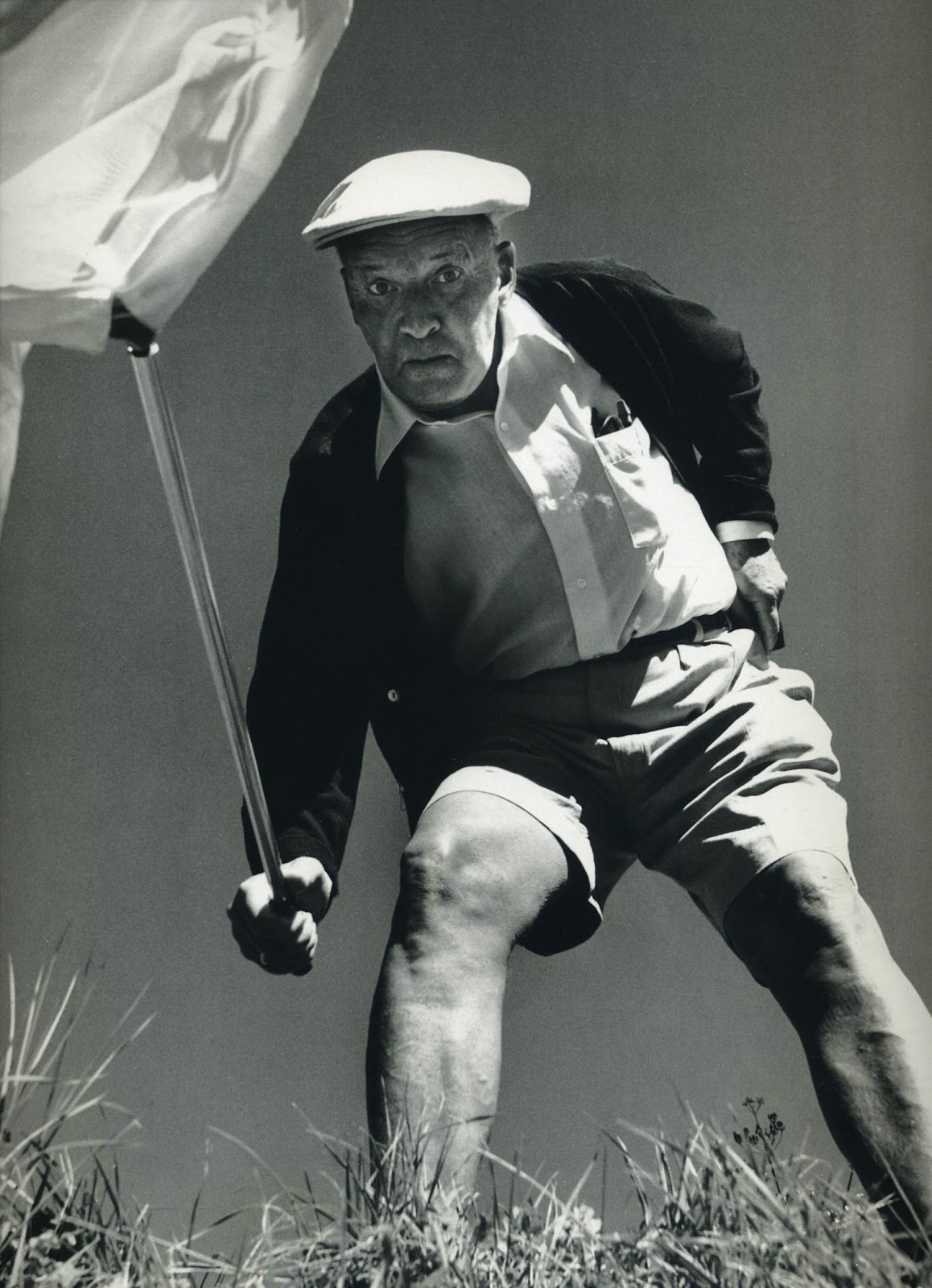
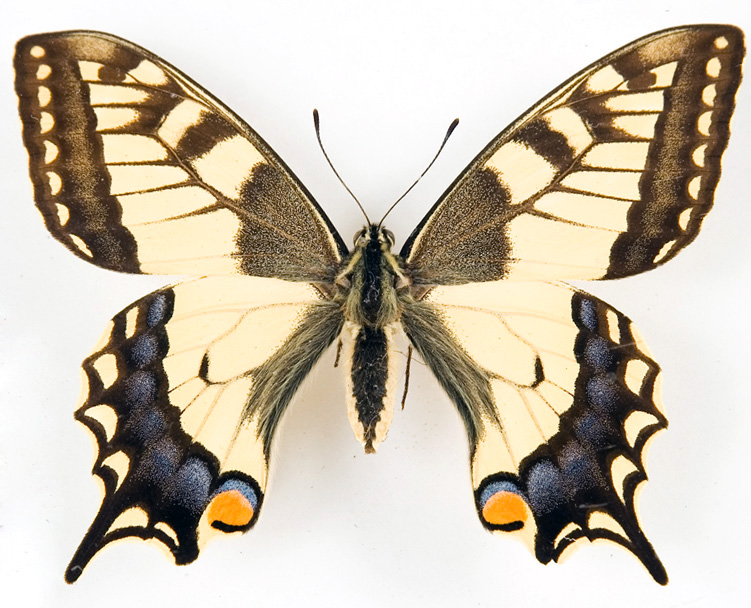
Butterfly hunting

Philippe Halsman ~ Vladimir Nabokov, Montreux, Switzerland, 1966
My loathings are simple: stupidity, oppression, crime, cruelty, soft music
 My pleasures are the most intense known to man: writing and butterfly hunting

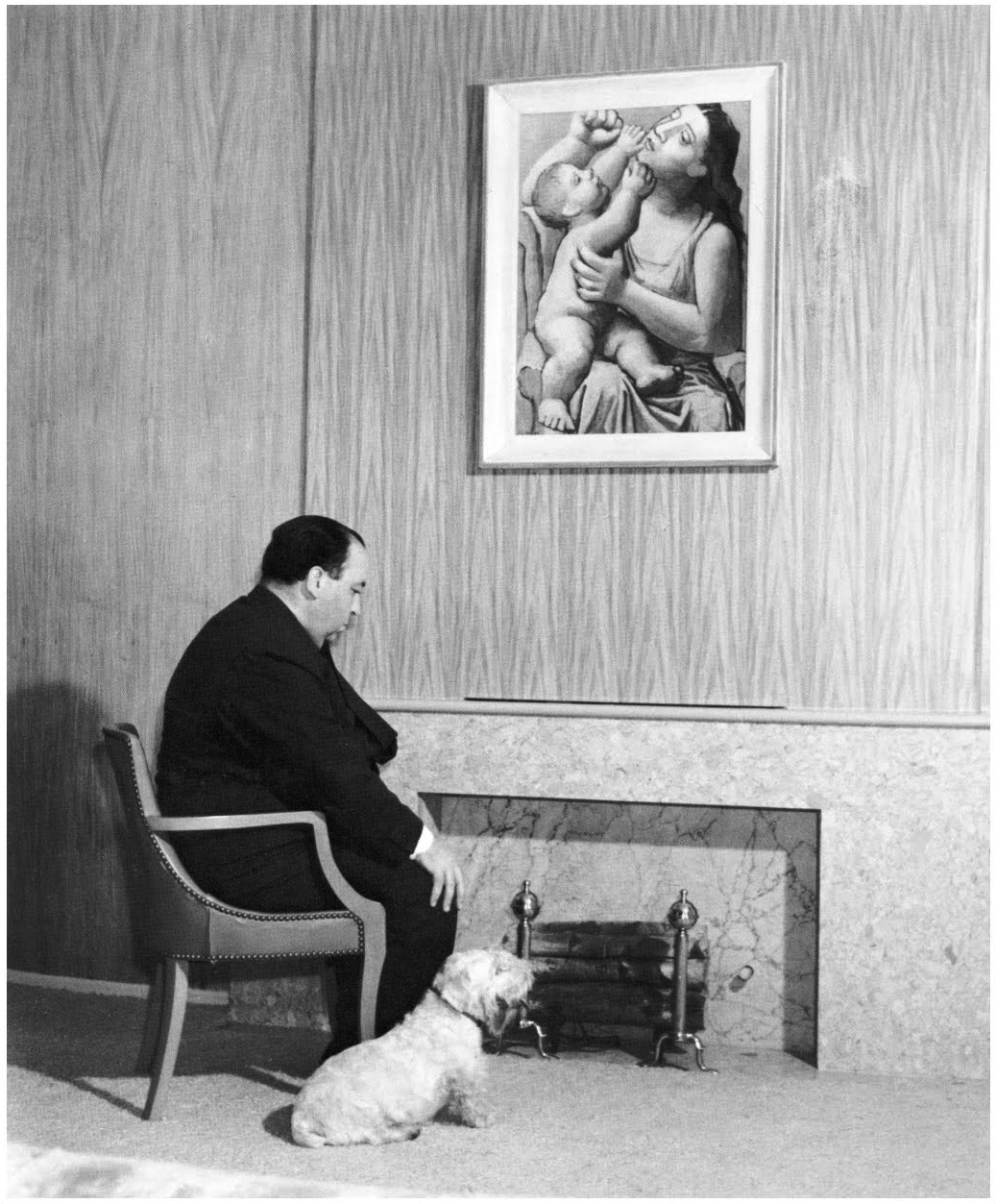
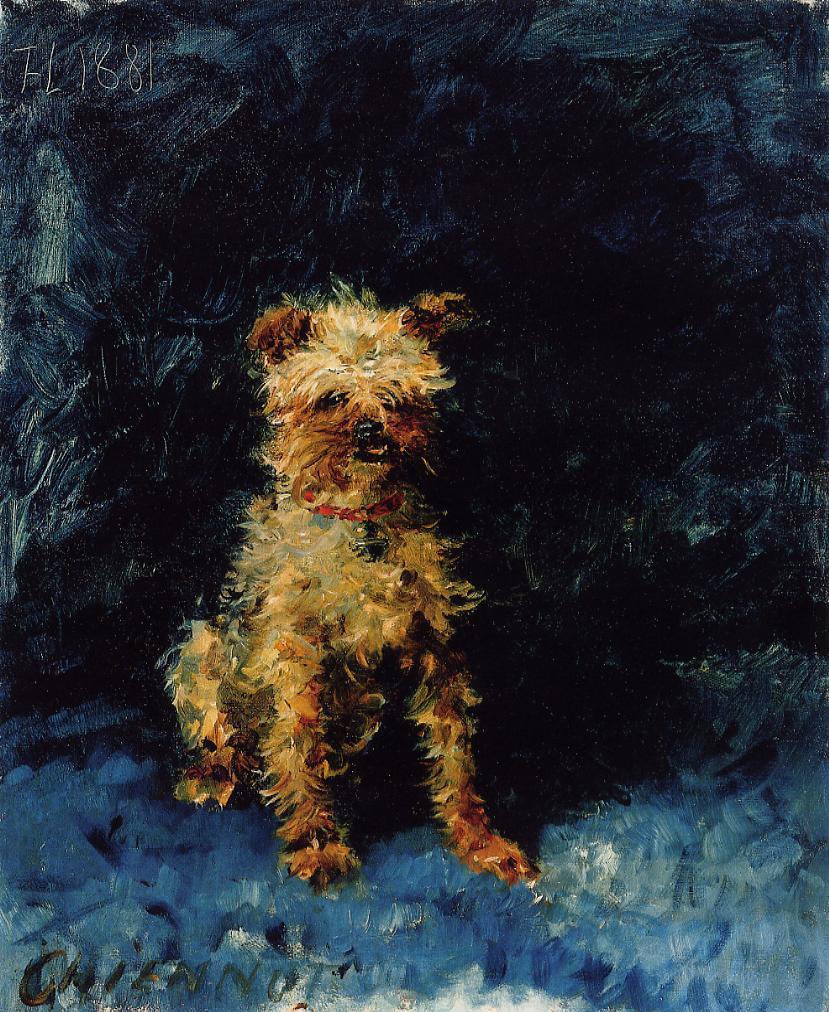
Mr. Hitchcock and Mr. Jenkins

Peter Stackpole, Los Angeles, 1939

Alfred Hitchcock at home with his Sealyham terrier, Mr. Jenkins.  (Picasso on the wall or reproduction?)  The photographer described the portrait as “An Englishman spending a winter evening at home,” but Hitchcock titled it “A Dislike of American Fireplaces.”  LIFE

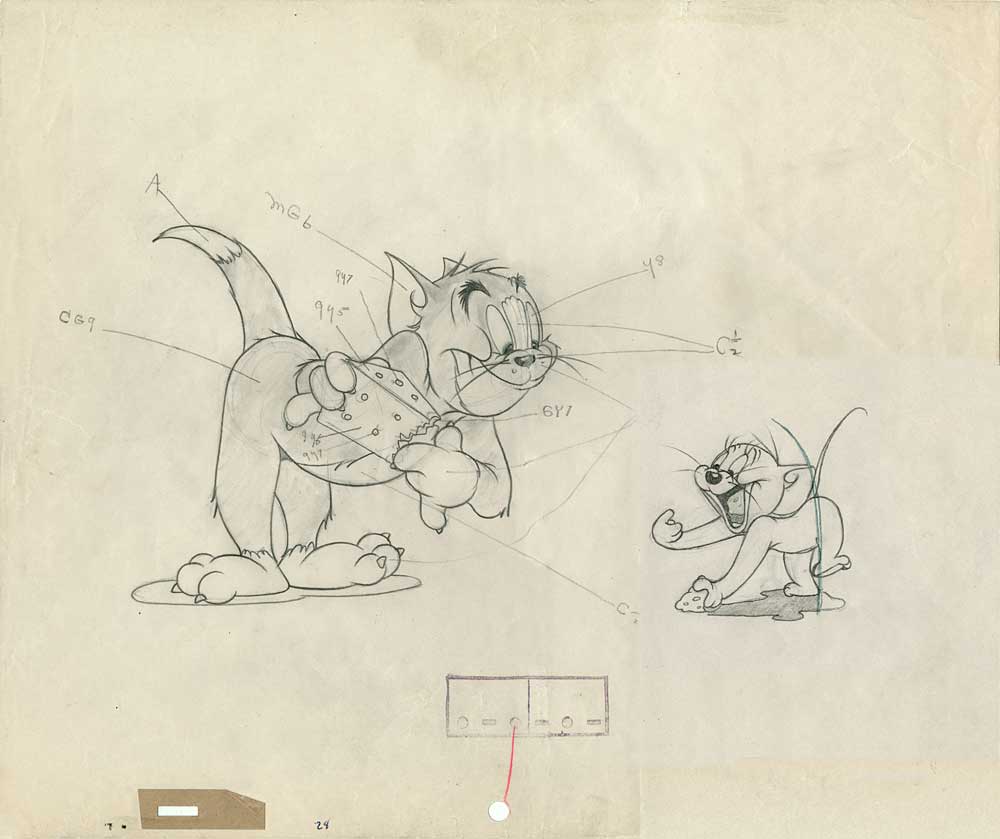
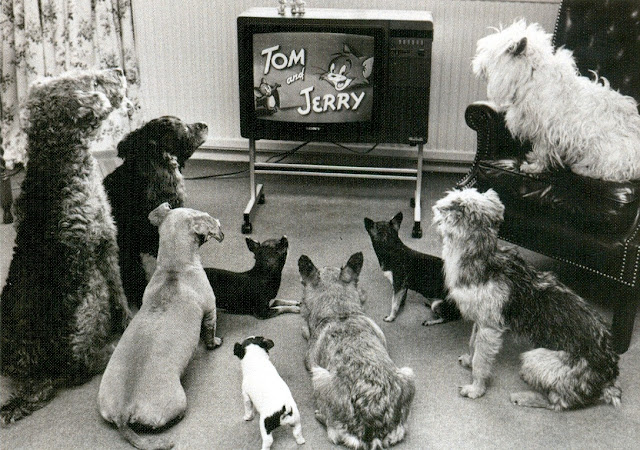
Tom and Jerry

The flagship cartoon from the veteran team of William Hanna and Joseph Barbera, Tom and Jerry featured an ever-dueling cat and mouse who never spoke. They first appeared in the 1940, theatrical short “Puss Gets The Boot” (in which Tom was called Jasper), and were an instant hit with audiences. Although initially intended as a one-shot cartoon, the pressure from distributors for more cat-and-mouse stories resulted in the development of the Tom and Jerry series. 

The two had a familiar relationship – Tom chased Jerry and usually ended up being outsmarted by the plucky little mouse. A typical afternoon for the feuding pair: Tom, a gray cat with a devilish, Machiavellian glint in his eyes, and Jerry, a small, brown, cherubic yet cheeky mouse, chased each other around a kitchen, demolishing the ice box, ironing board, plate rail, a whole sink full of dishes and littering the floor with egg shells, dripping yolks and oozing jam. The kitchen battle waged on, its final outcome unknown to the participants. But to the people watching in the darkness of the theater, there was little doubt as to the identity of the victor – it would be the little mouse. 

In 1965, the Tom and Jerry theatrical shorts came to television, packaged with episodes of Tex Avery’s Barney Bear and Droopy. Even though their long-running theatrical career came to an end two years later, when MGM Studios closed their animation department for good, the feuding duo would not be resigned to cartoon limbo forever. In 1975, ABC tried another version, The Tom and Jerry/Grape Ape Show (this time created by Hanna-Barbera Studios). In 1980 they appeared along with new versions of their old friends Droopy, Barney the Bear and Spike and Slick, in The Tom and Jerry Comedy Show (with animation by Filmation), and appeared again several years later as younger versions of themselves in 1990’s Tom and Jerry Kids.   The Cartoon Scrapbook

ASIFA-Hollywood Animation Archive

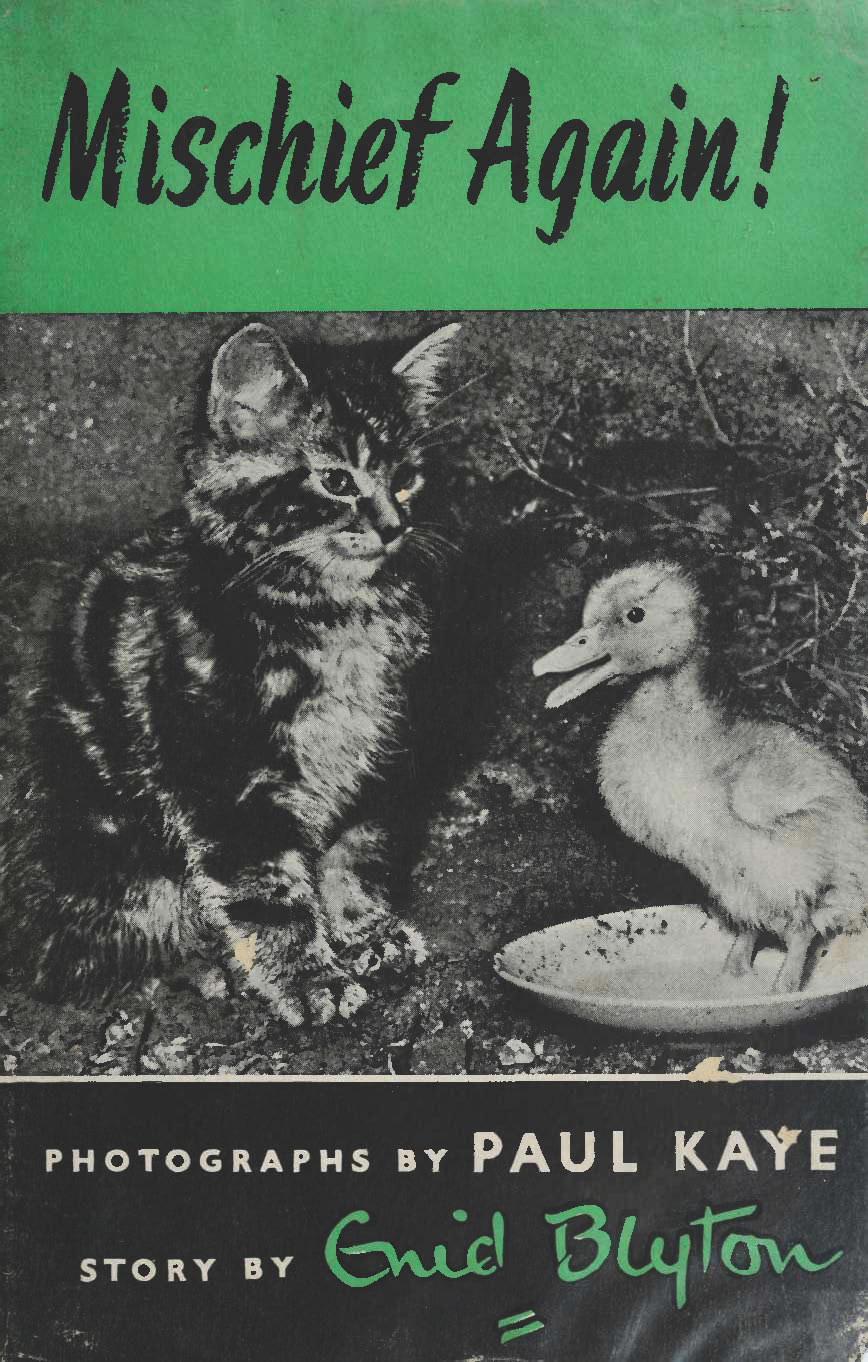
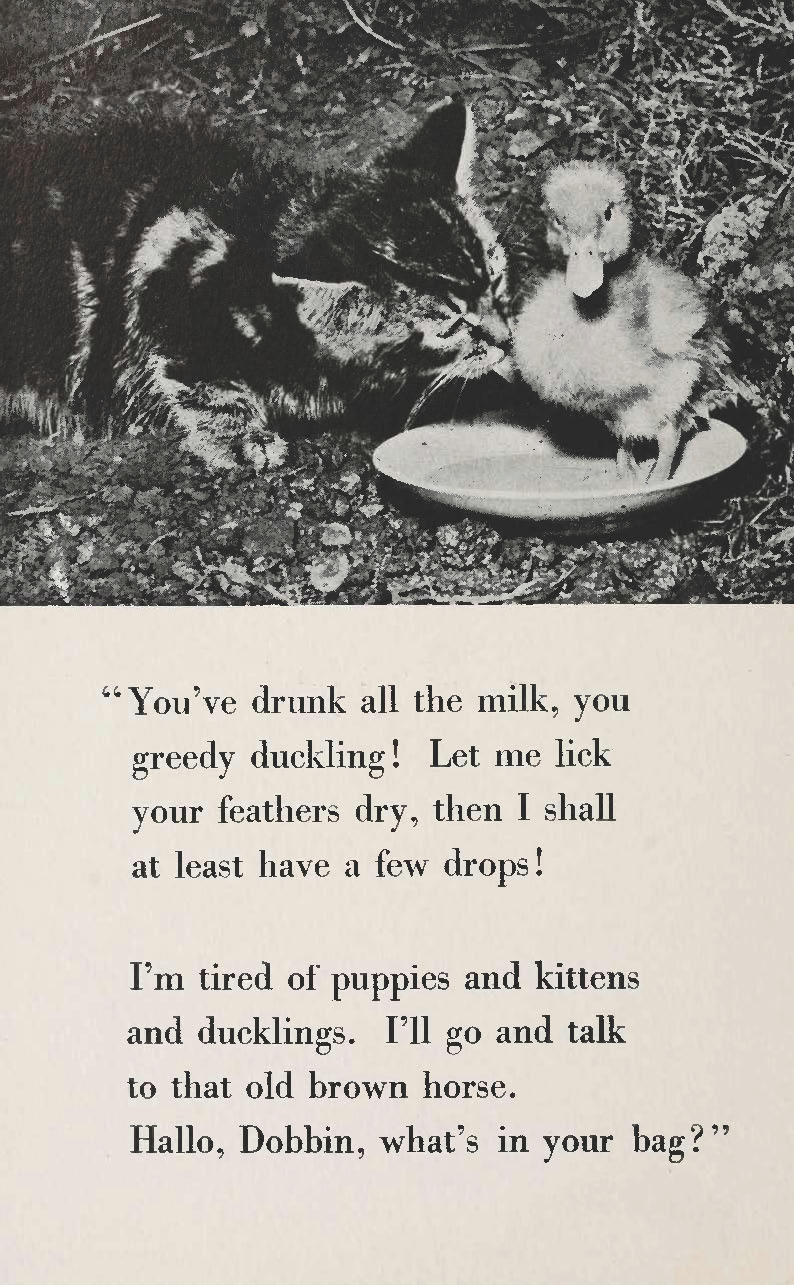
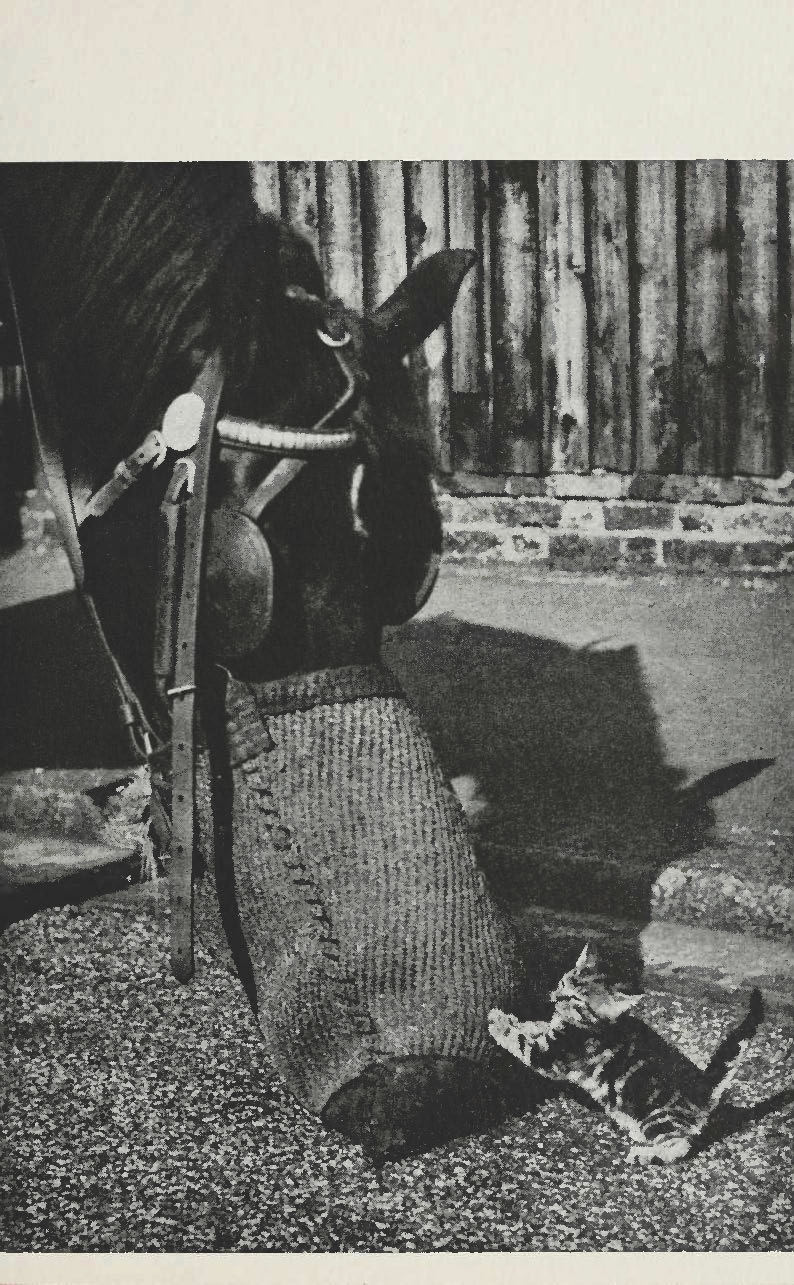
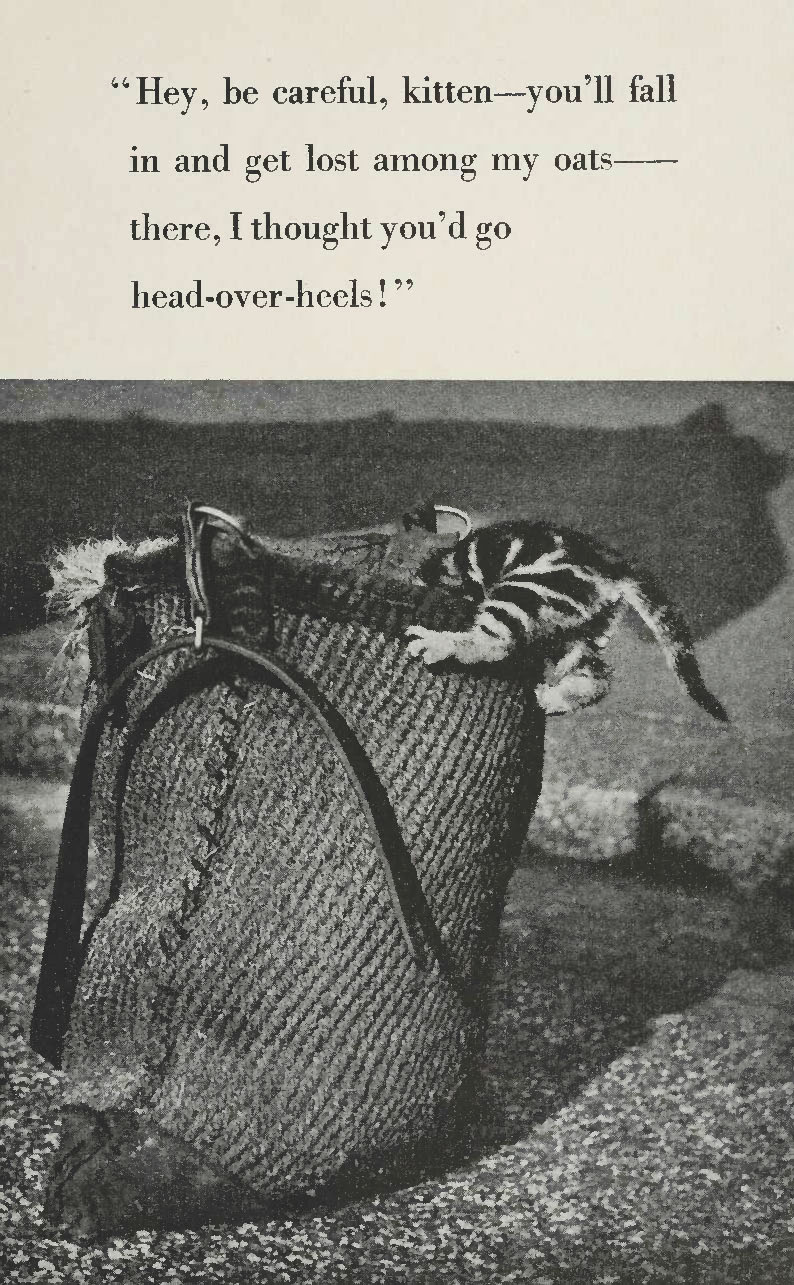
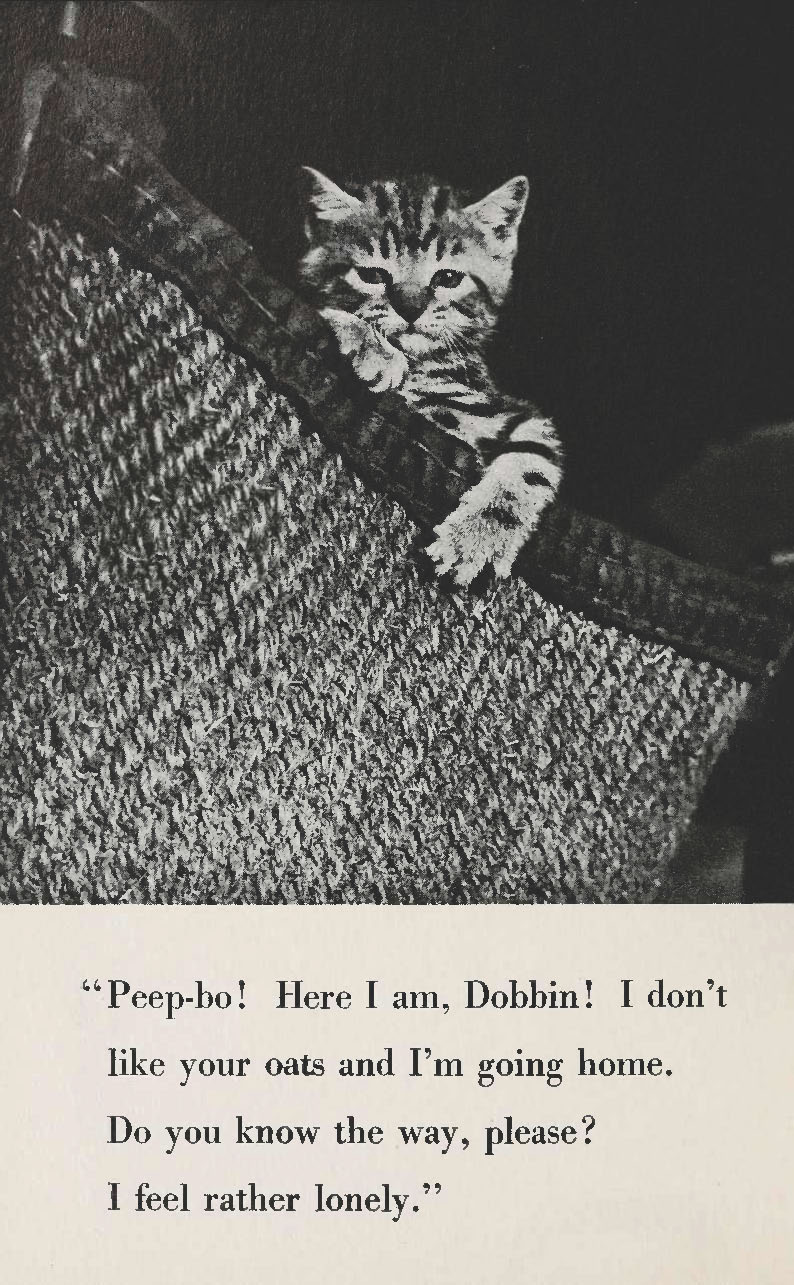
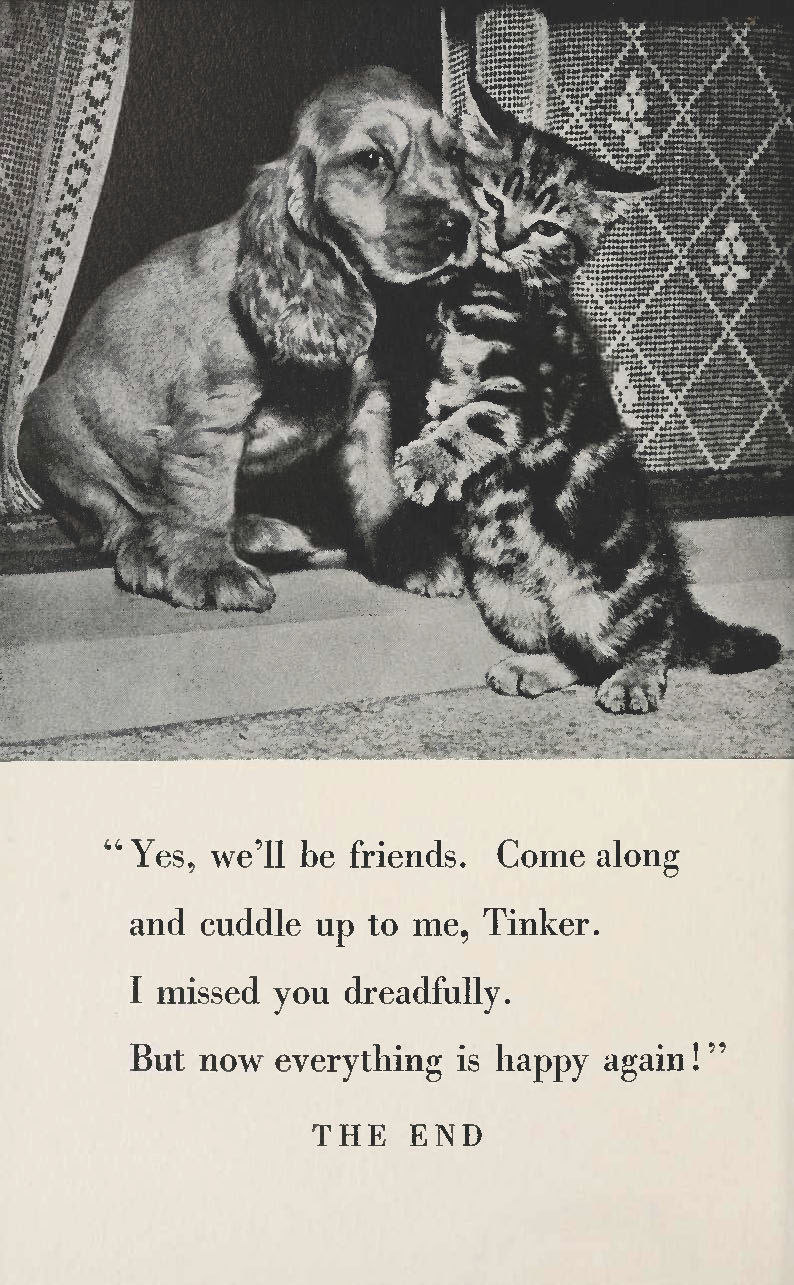
Mischief Again

Here is the second book about the 
irresistible Laughing Kitten — so en-
chanting that all animal-lovers, young
or old, will love it.

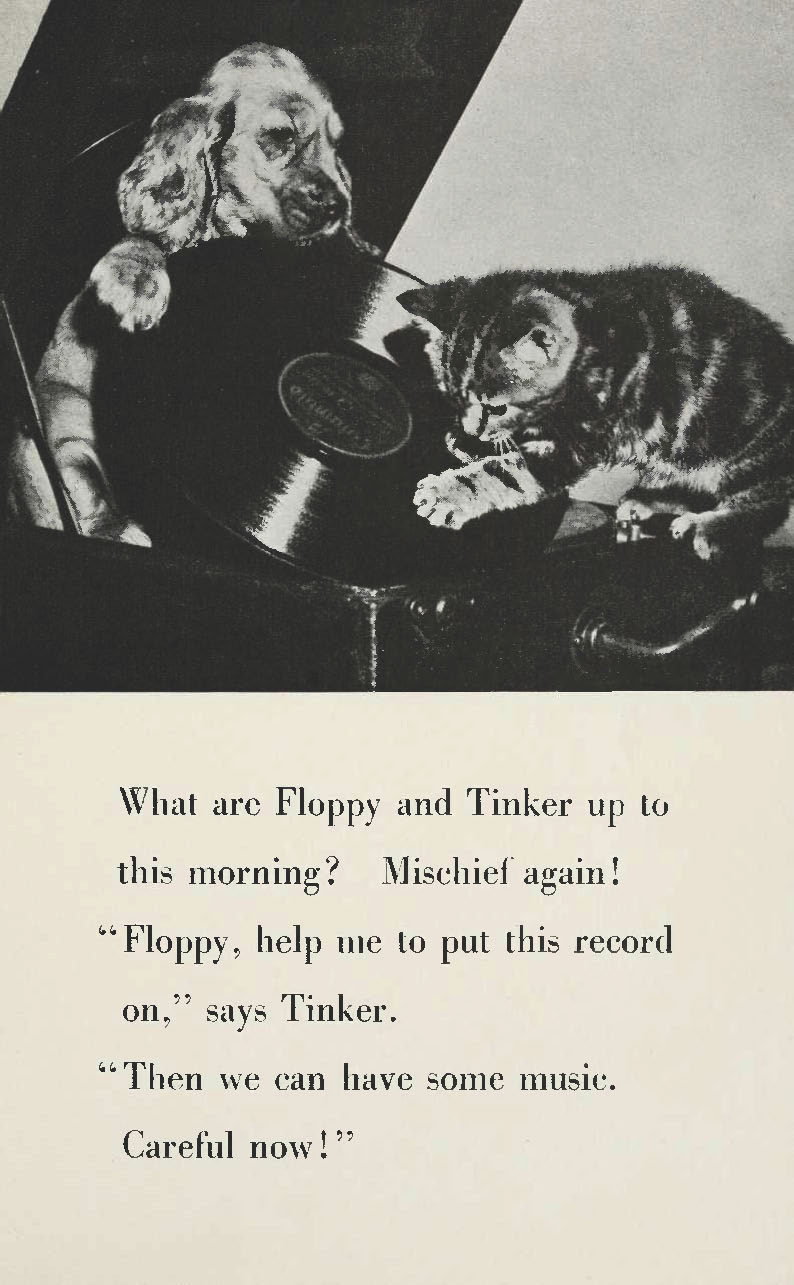
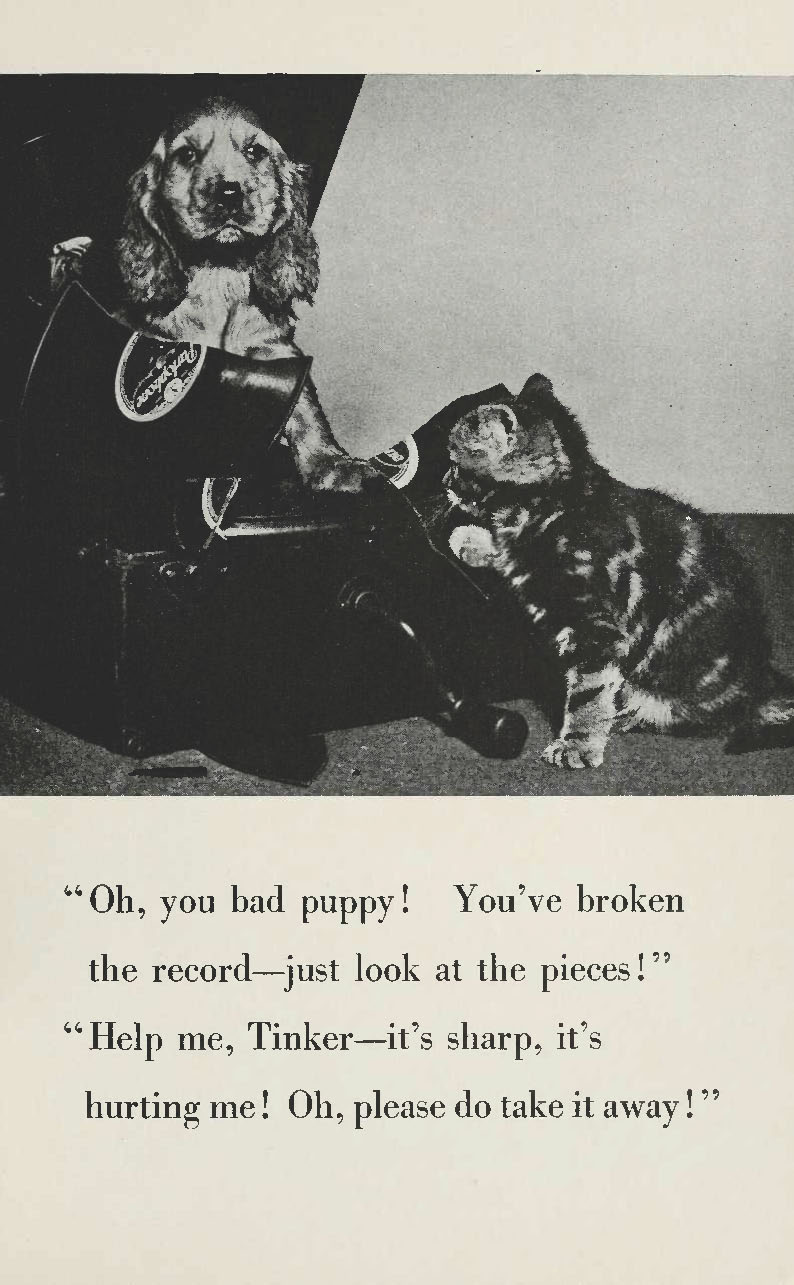
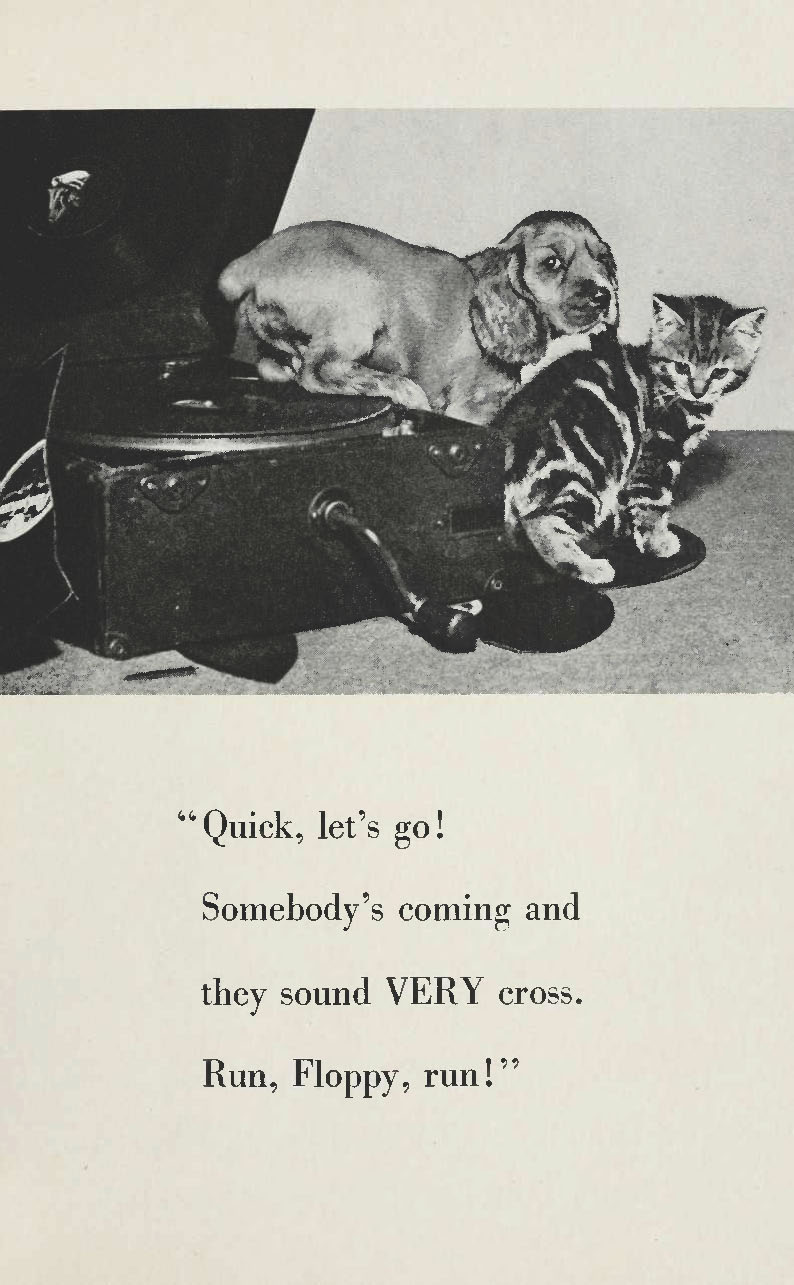
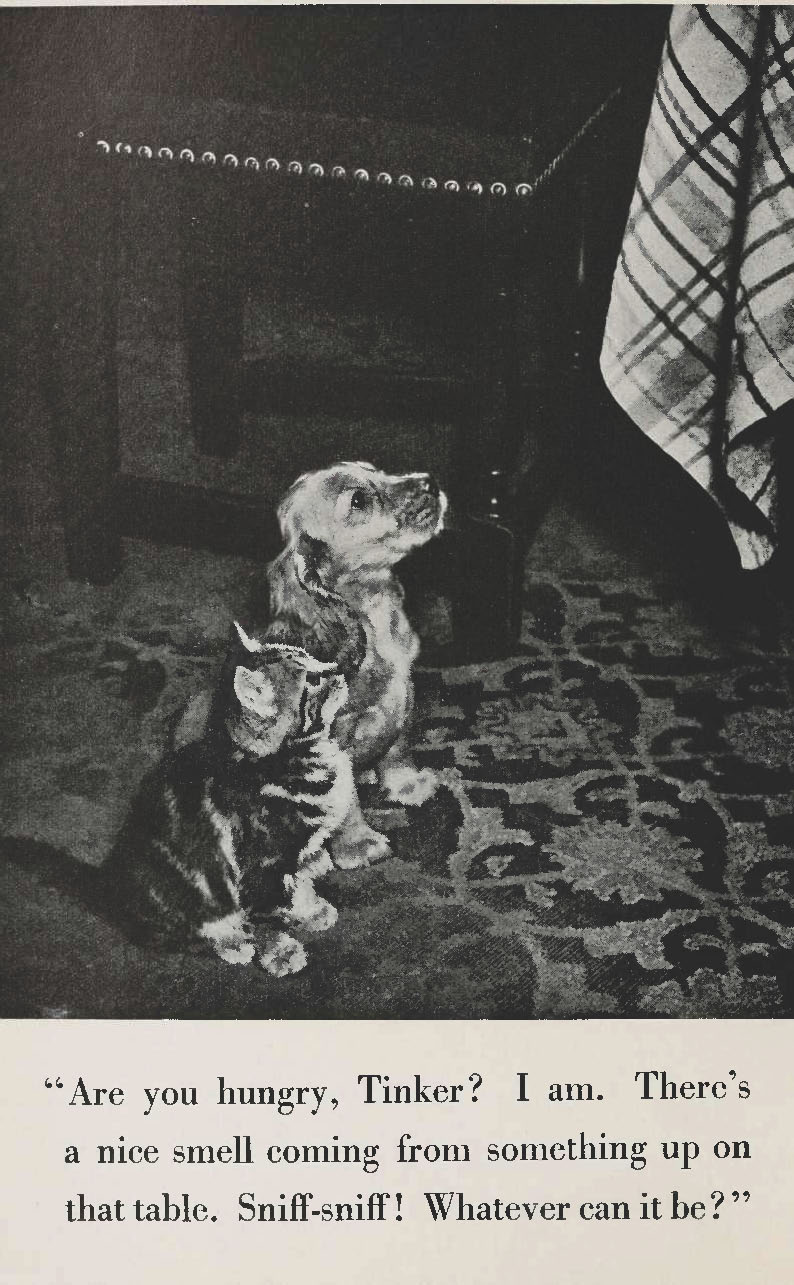
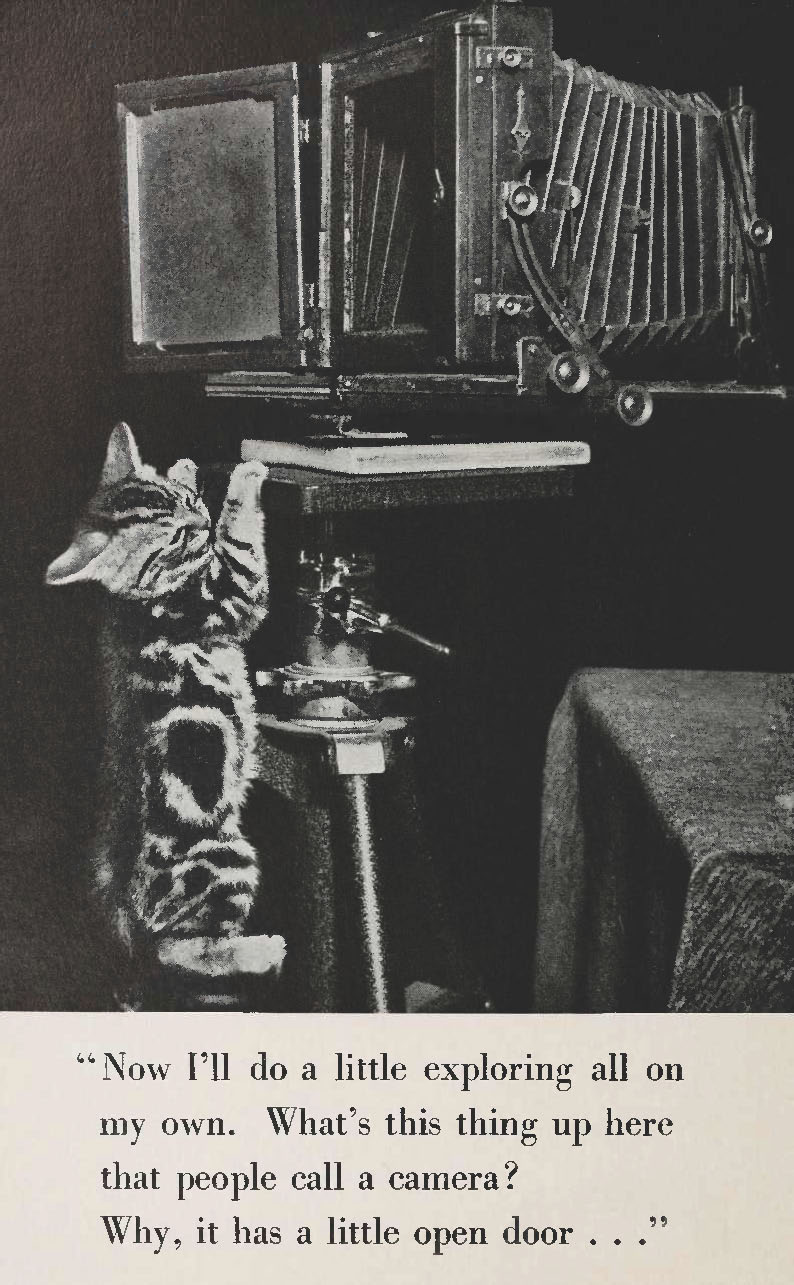
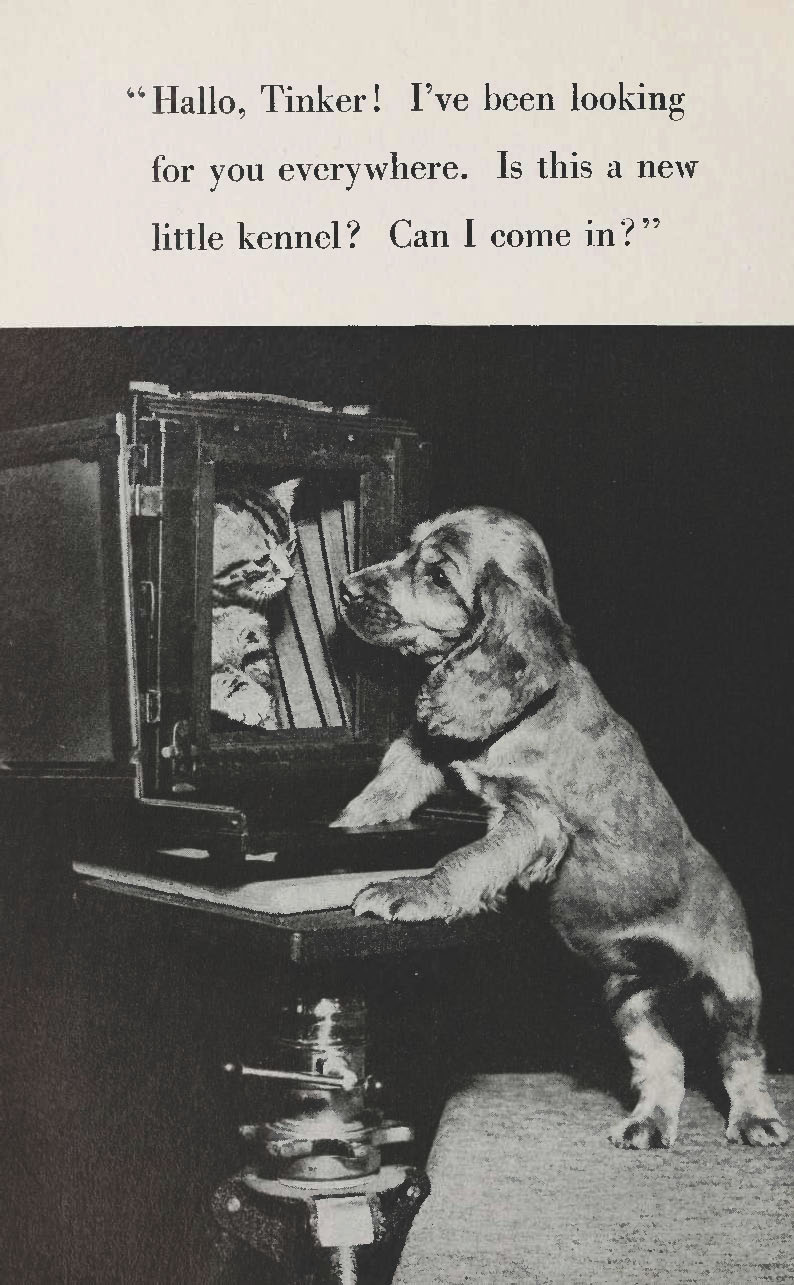
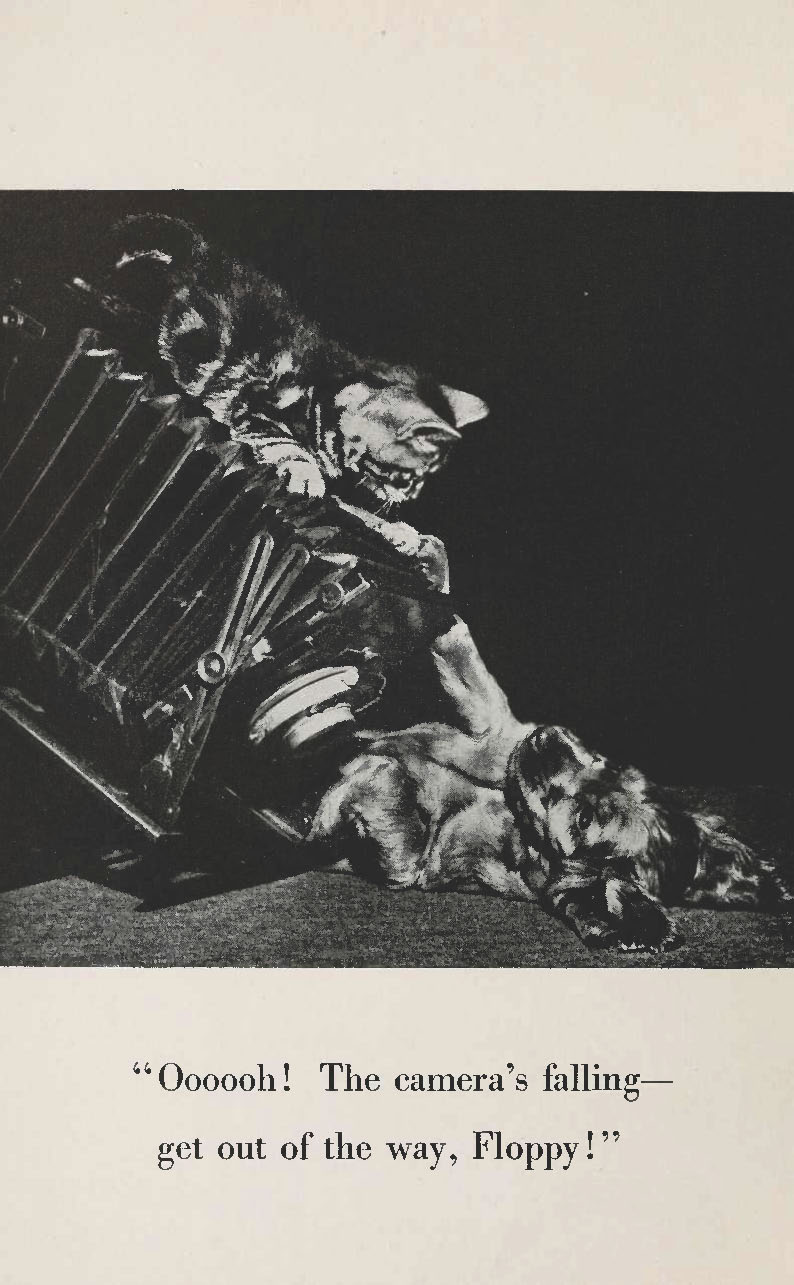
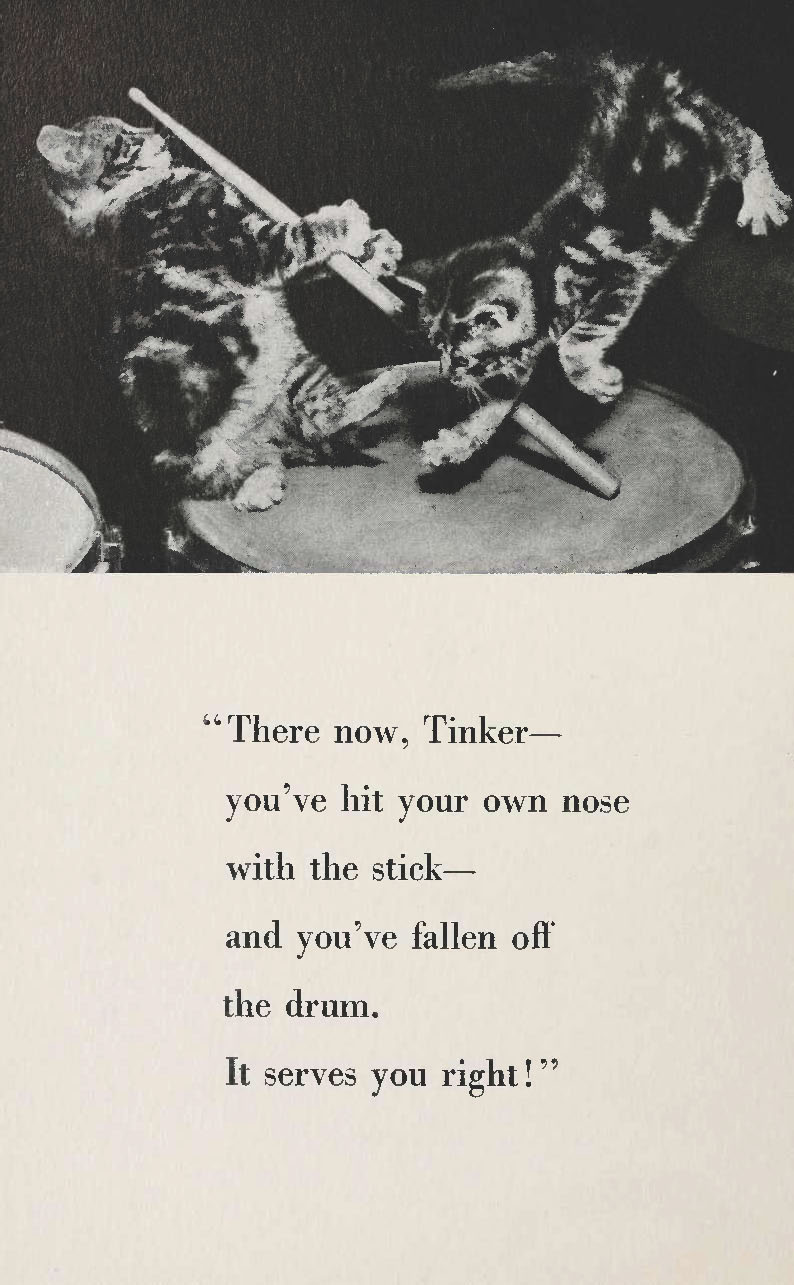
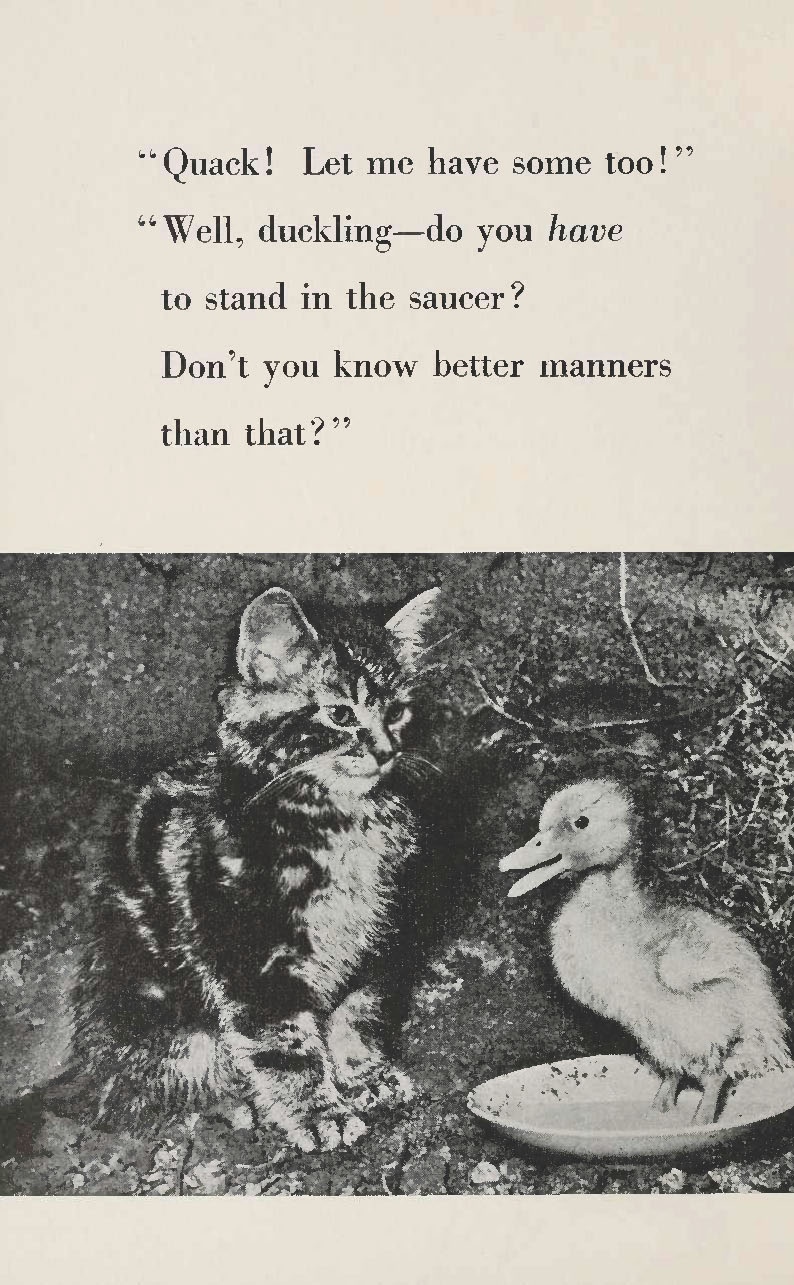
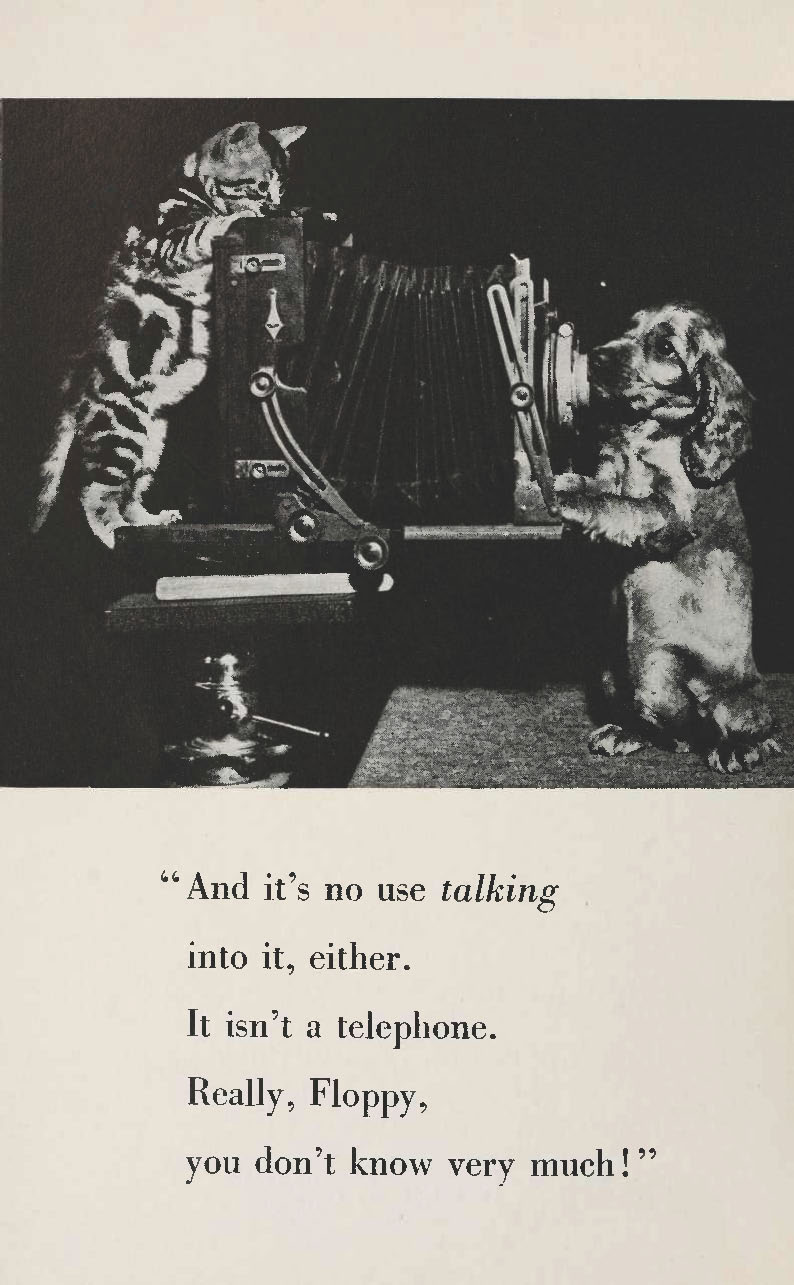
Tinker romps through the pages
once more, trying to teach the puppy
how to play the gramophone, how
to use the camera (in the wrong way !),
what a typewriter is or isn't for, and
what happens when you try to answer
the telephone! Floppy the puppy
is only too willing to learn, and to
share in all Tinker's mischief.

Again the photographs are superb
— almost incredibly good in the way
they portray these ingenuous young
creatures. They are by Paul Kaye,
and the story is by that well-loved
writer, Enid Blyton.

This unusual book will please
everyone, and its pages will be turned
many times, with delighted chuckles.
Once more Paul Kaye, Enid Blyton,
and the Kitten have presented us
with a truly enchanting book.


ROY PUBLISHERS

NEW YORK

➔  Internet Archive

The Laughing Kitten, First Published in 1954 by Harvill Press
Mischief Again!, First Published in 1955 by Harvill Press
Let’s Have a Party, First Published in 1956 by Harvill Press 

 ➔ The Enid Blyton Society