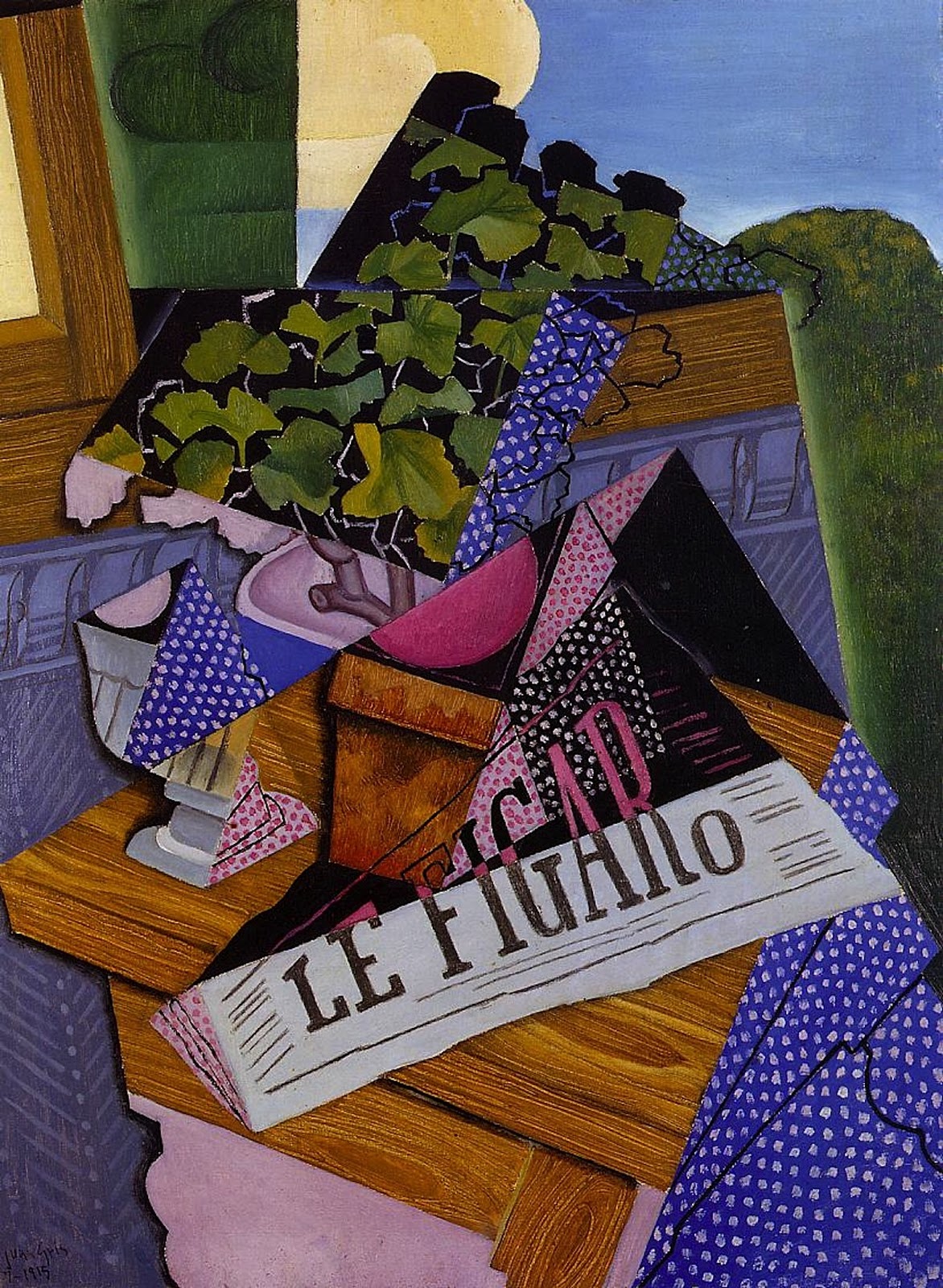
Juan Gris, 1915
“There is no progress in art, any more than there is progress in making love. There are simply different ways of doing it.” Man Ray
|
|||||


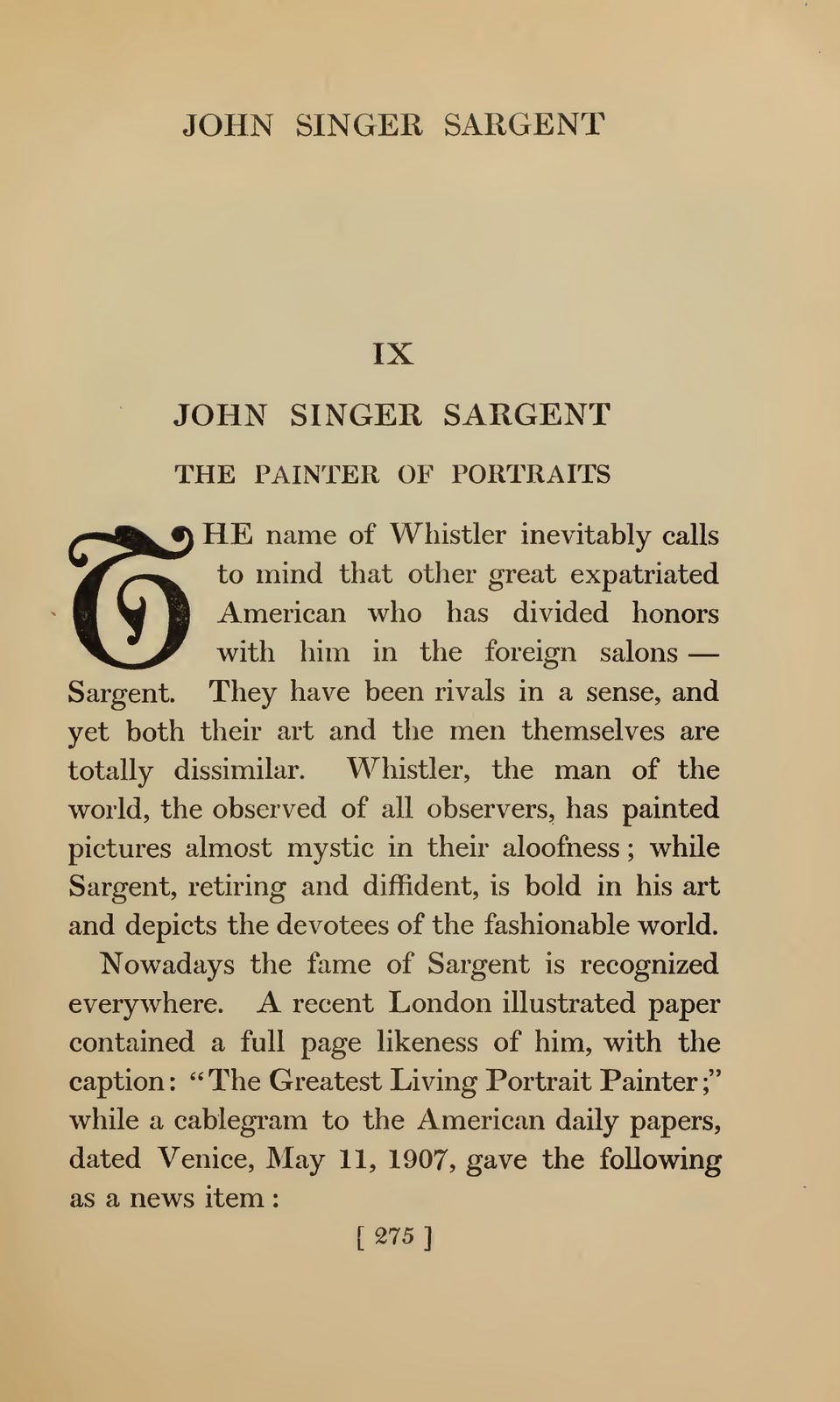

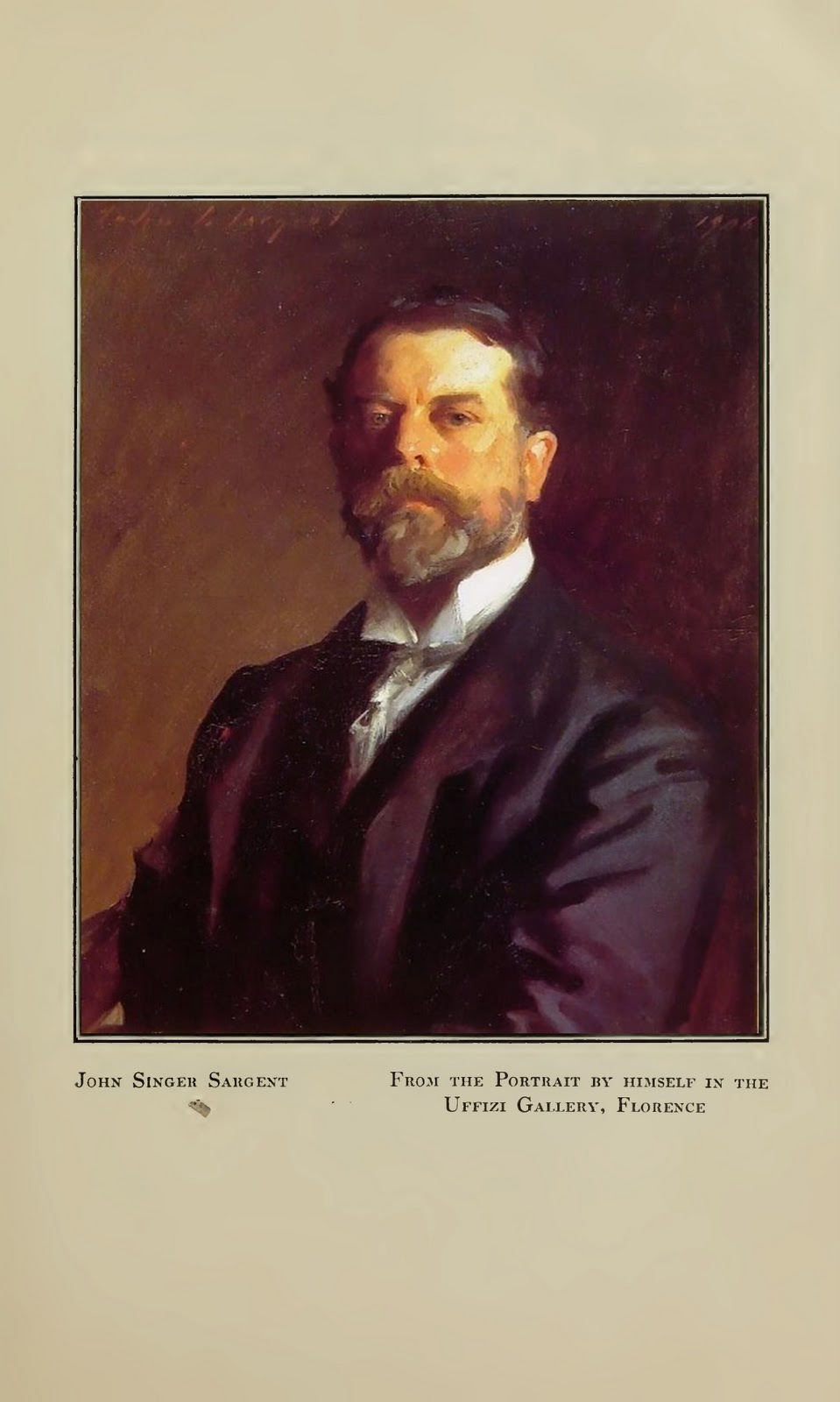
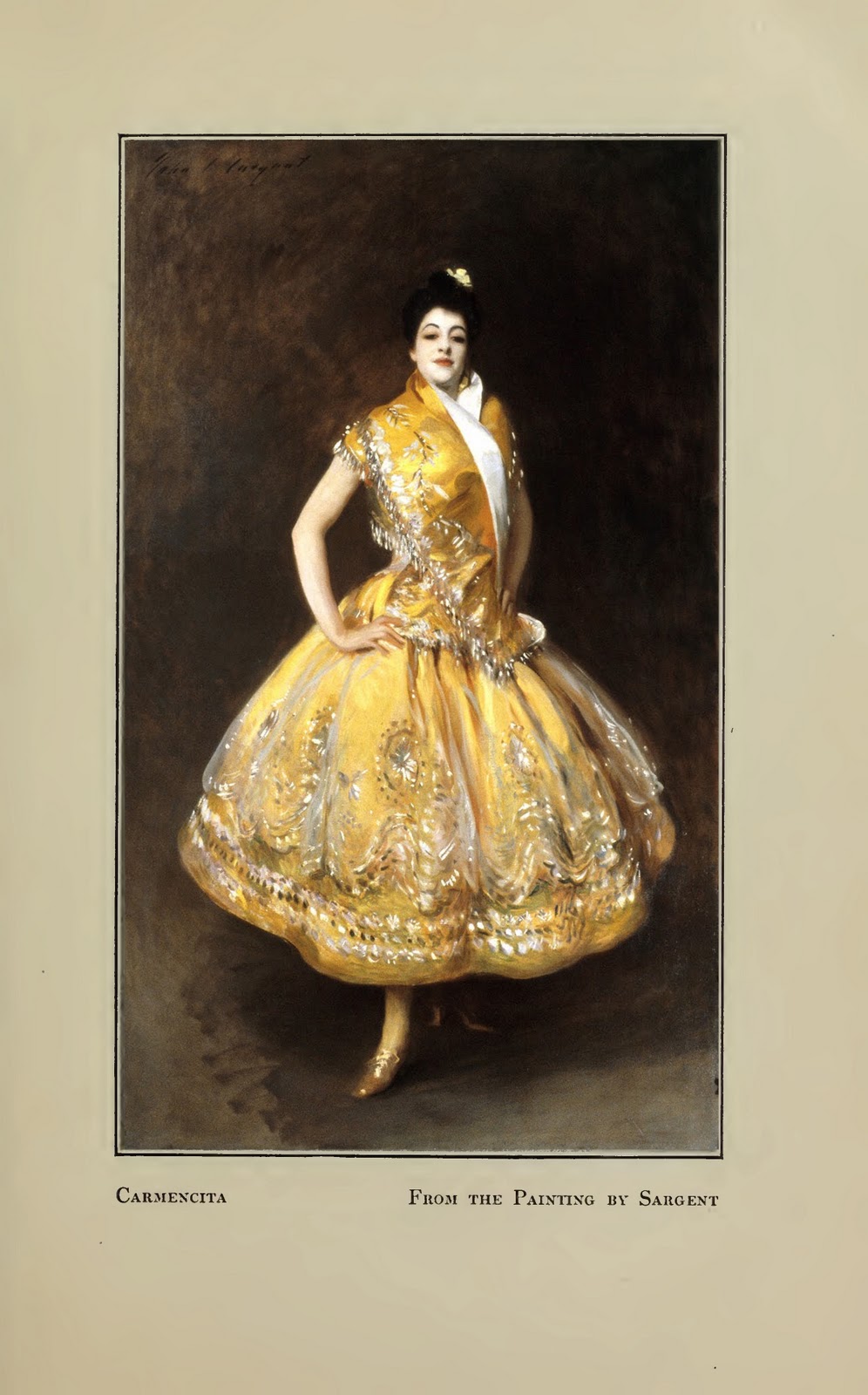
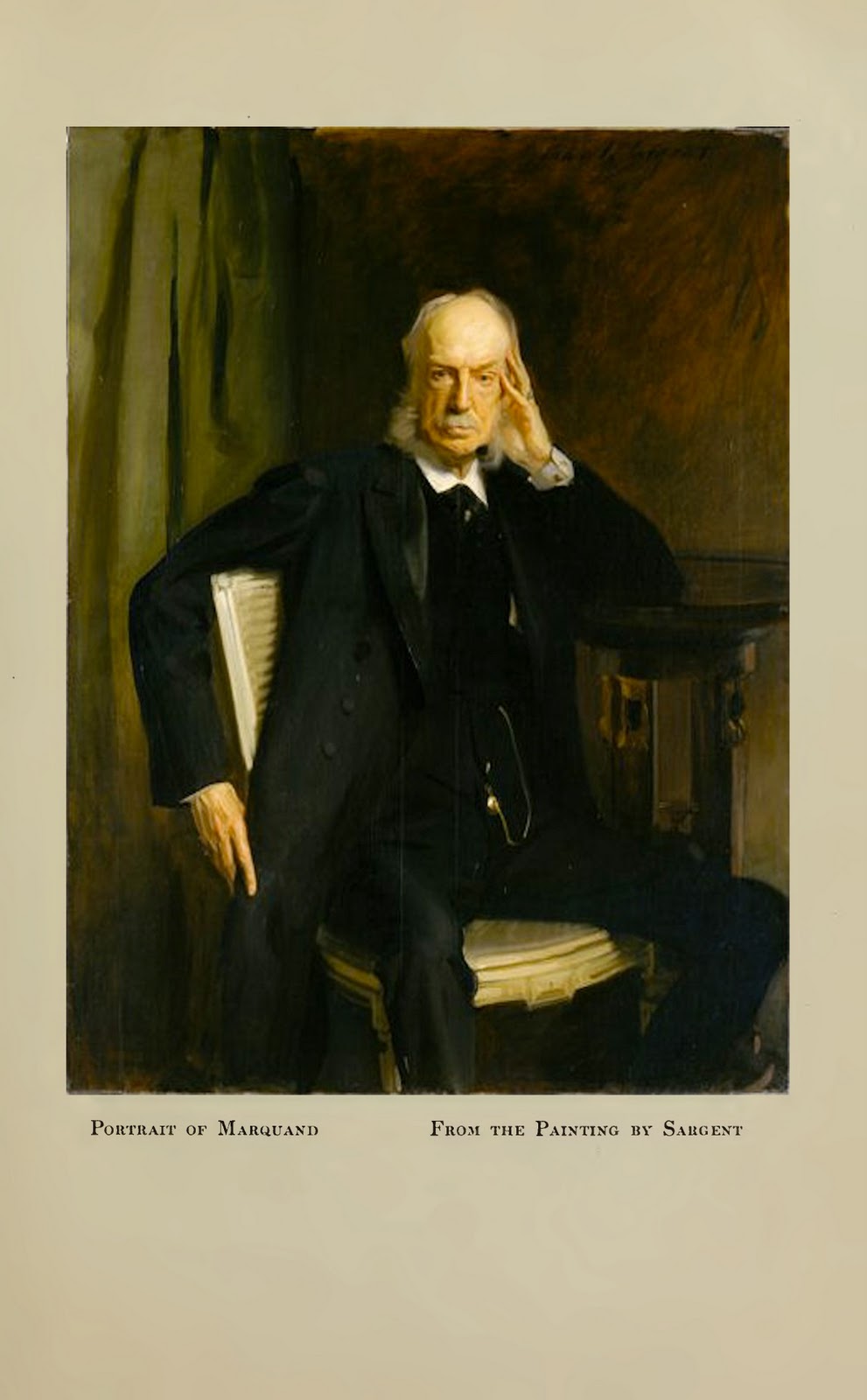
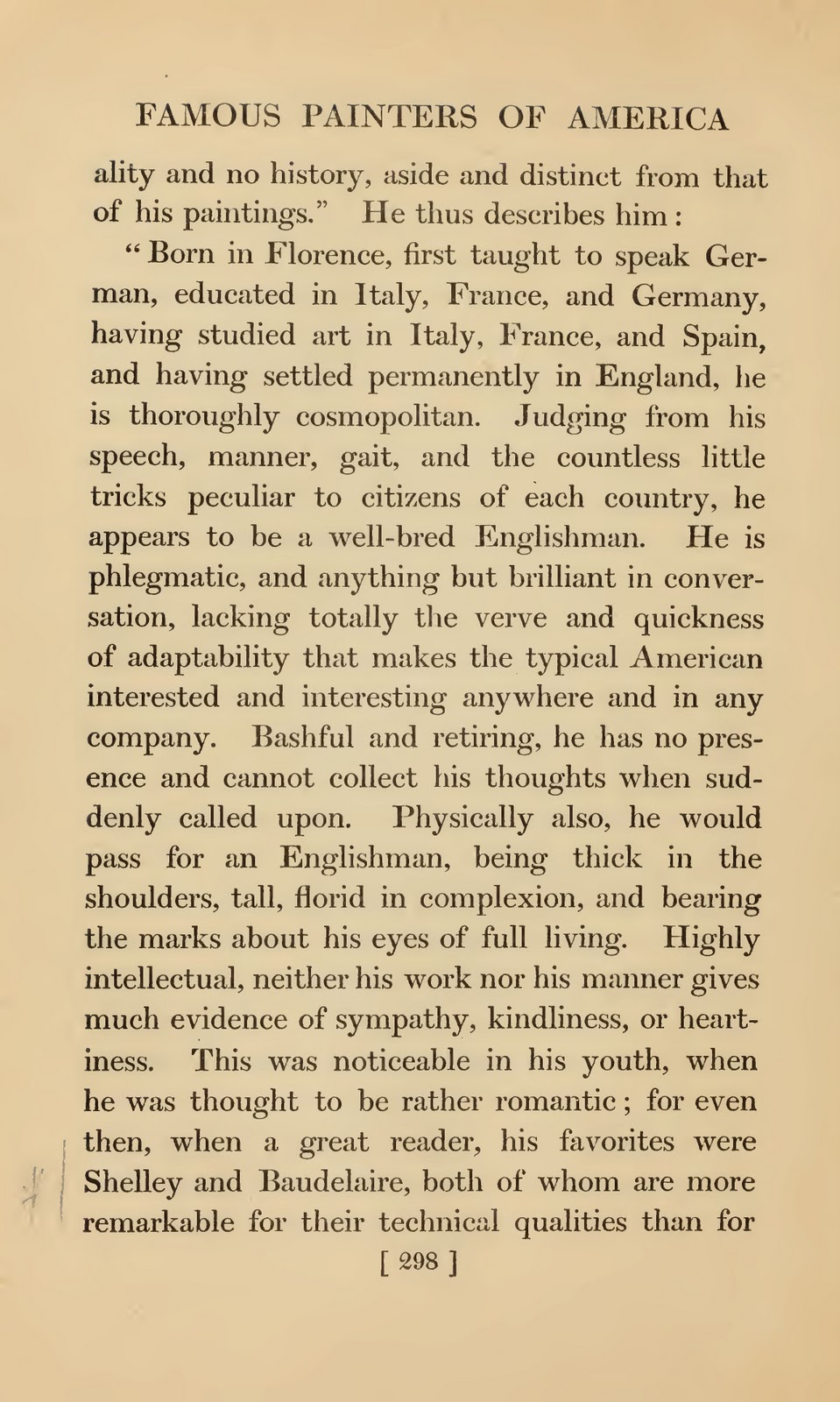
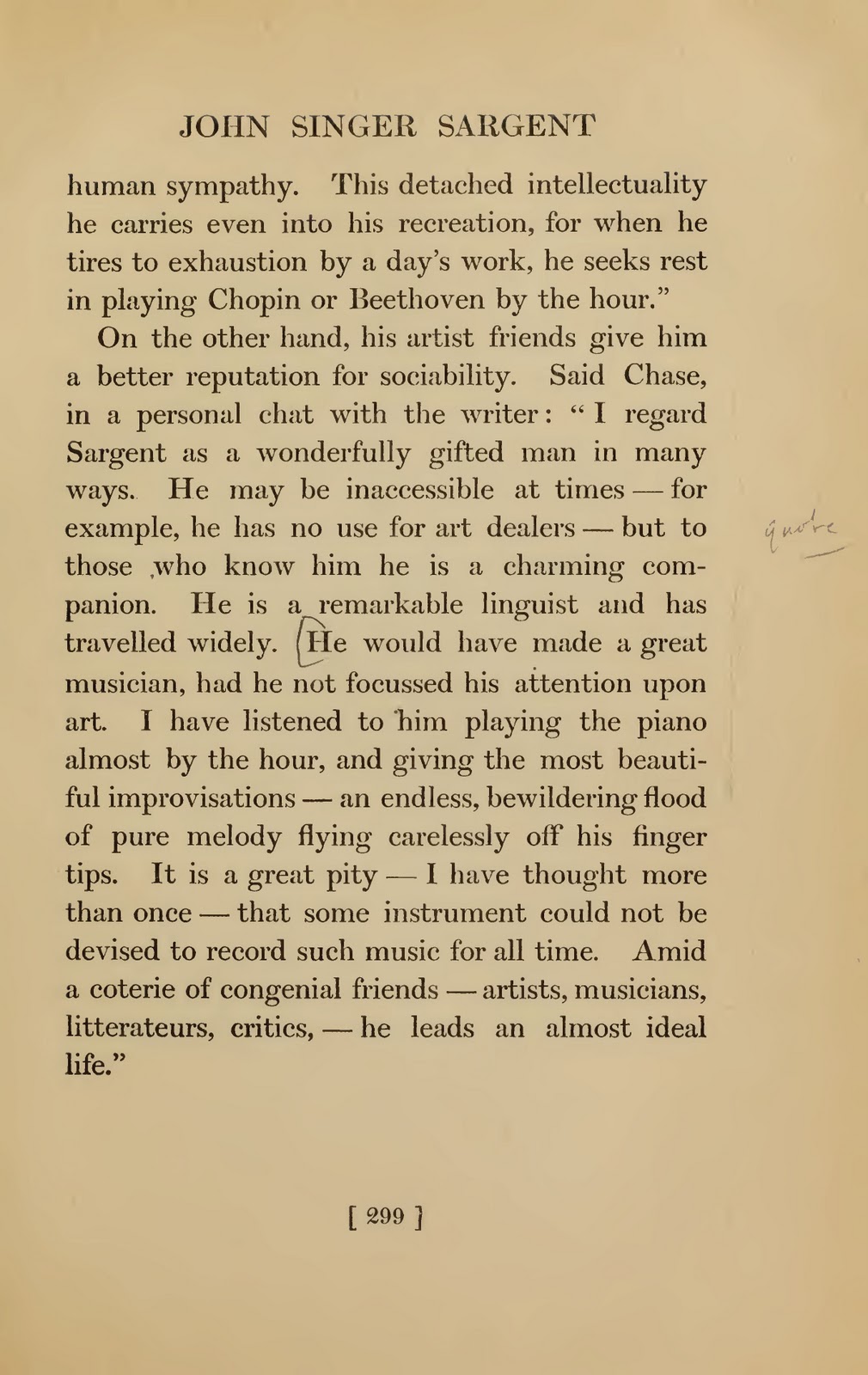
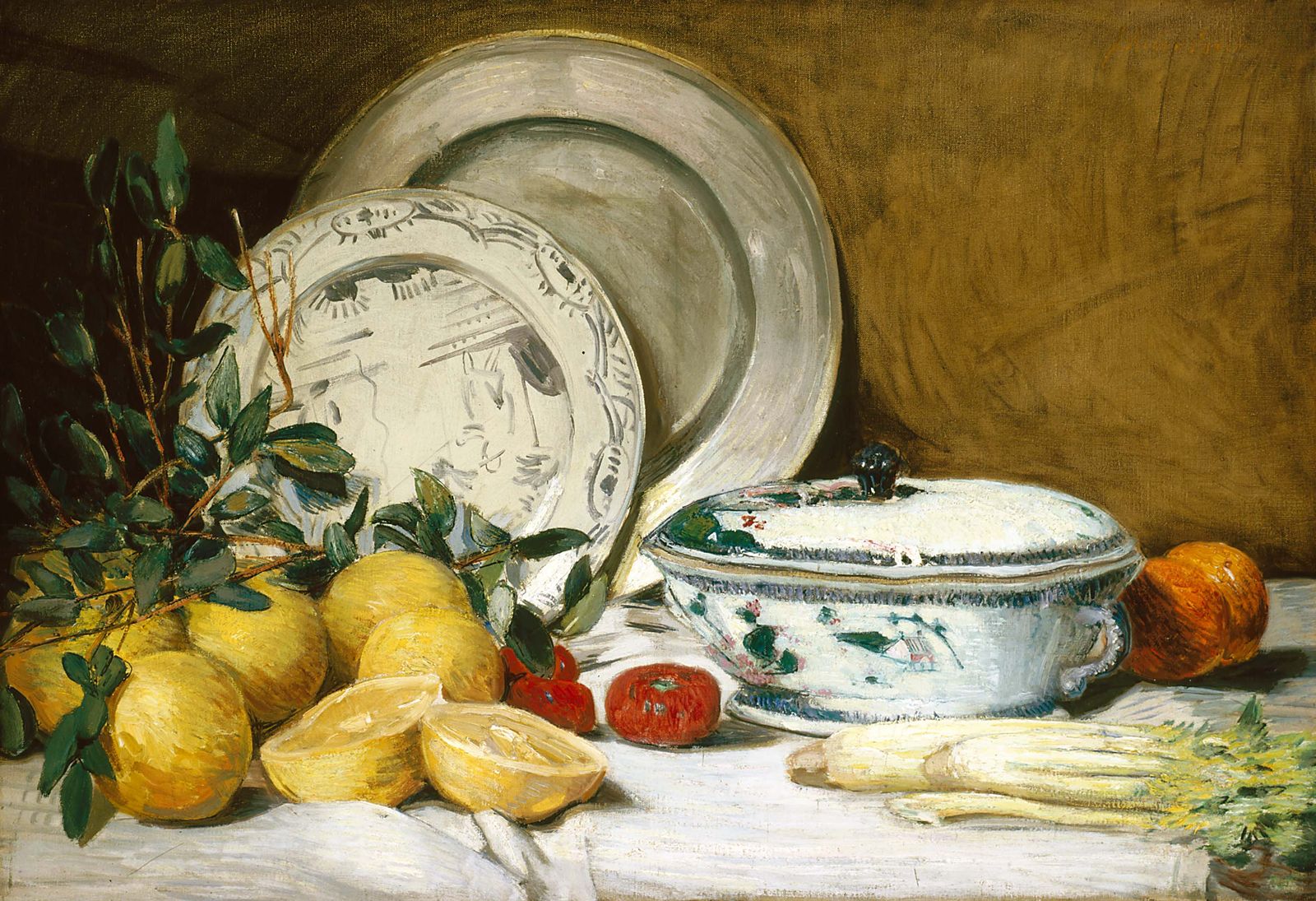
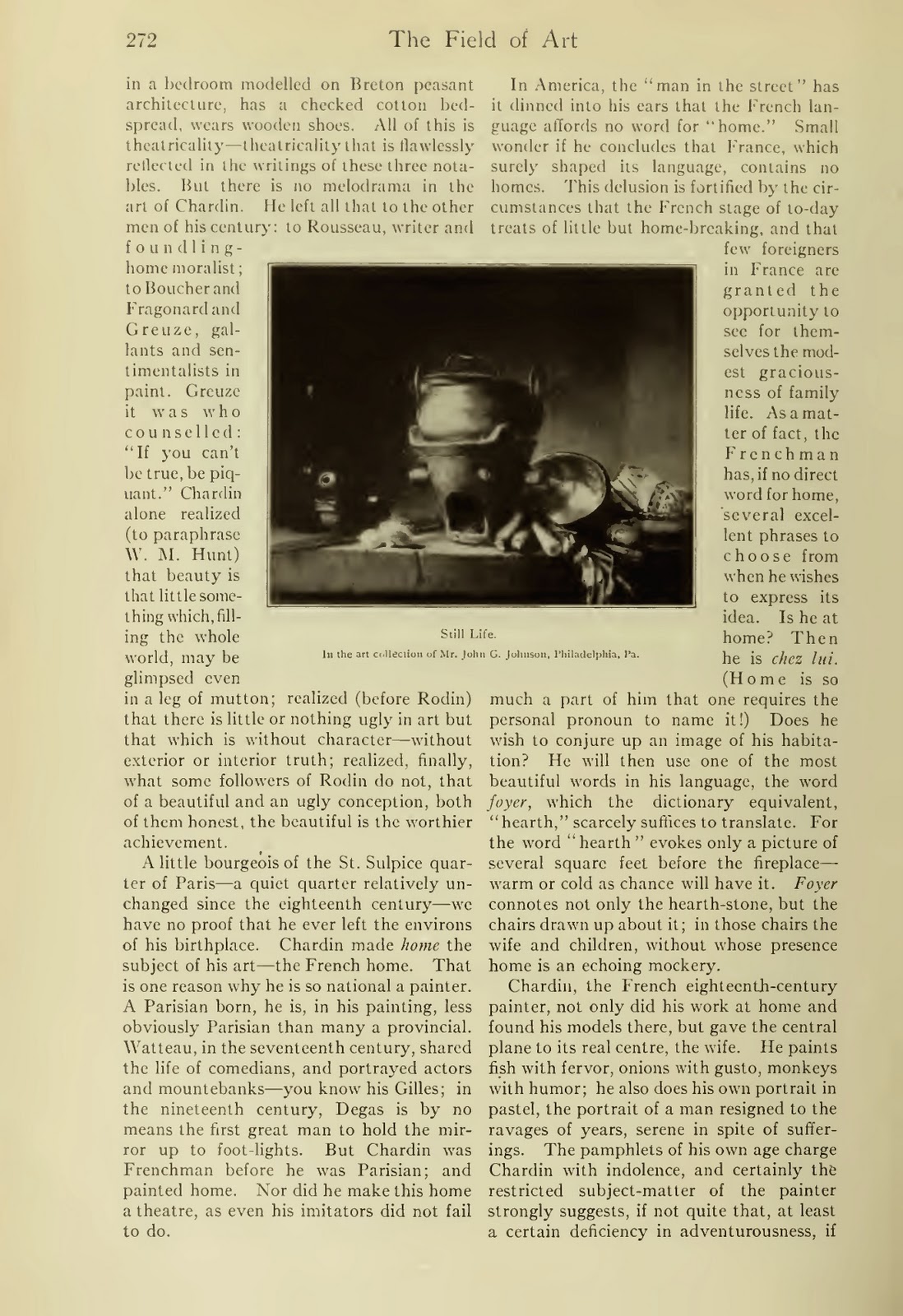
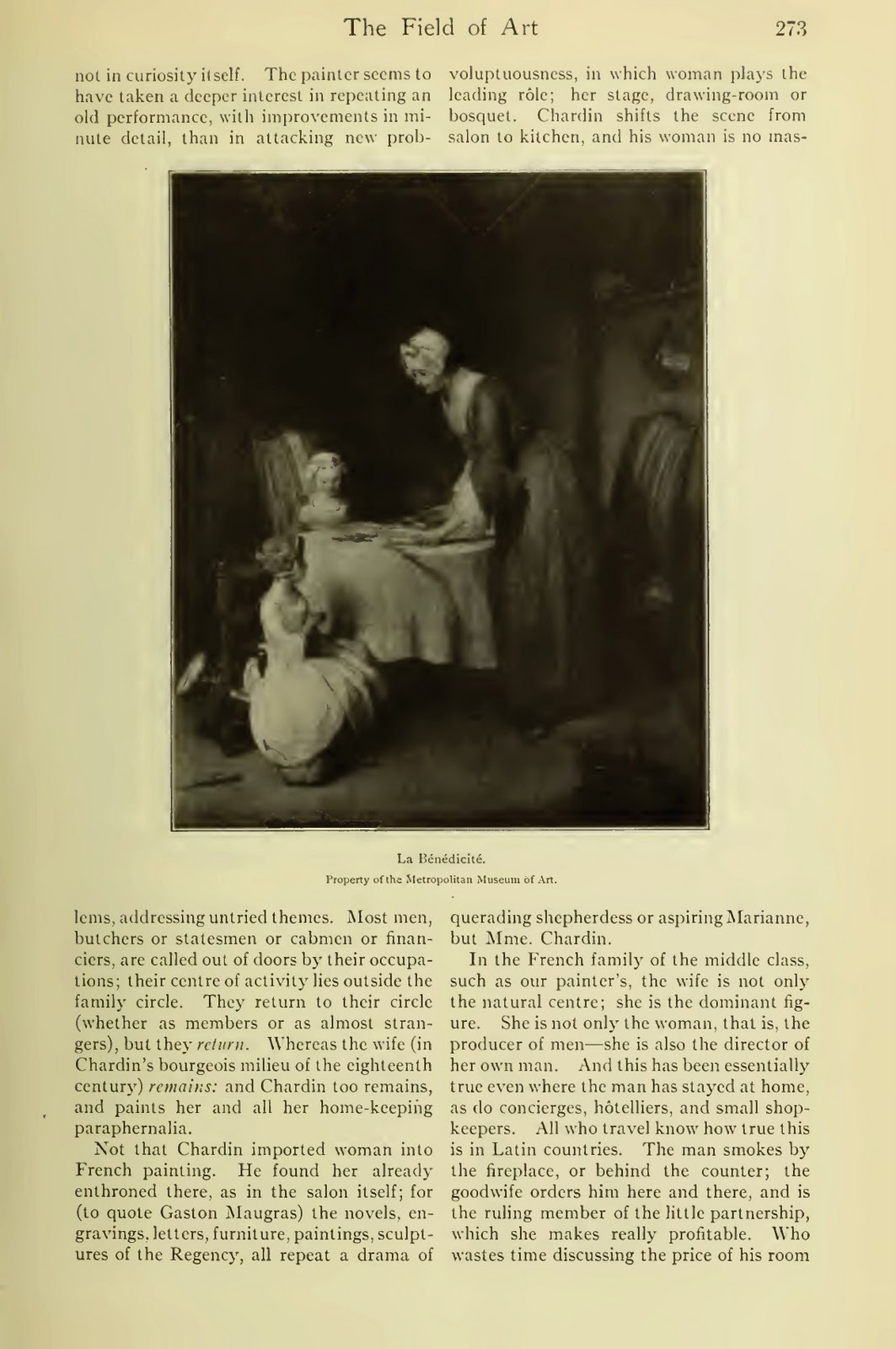
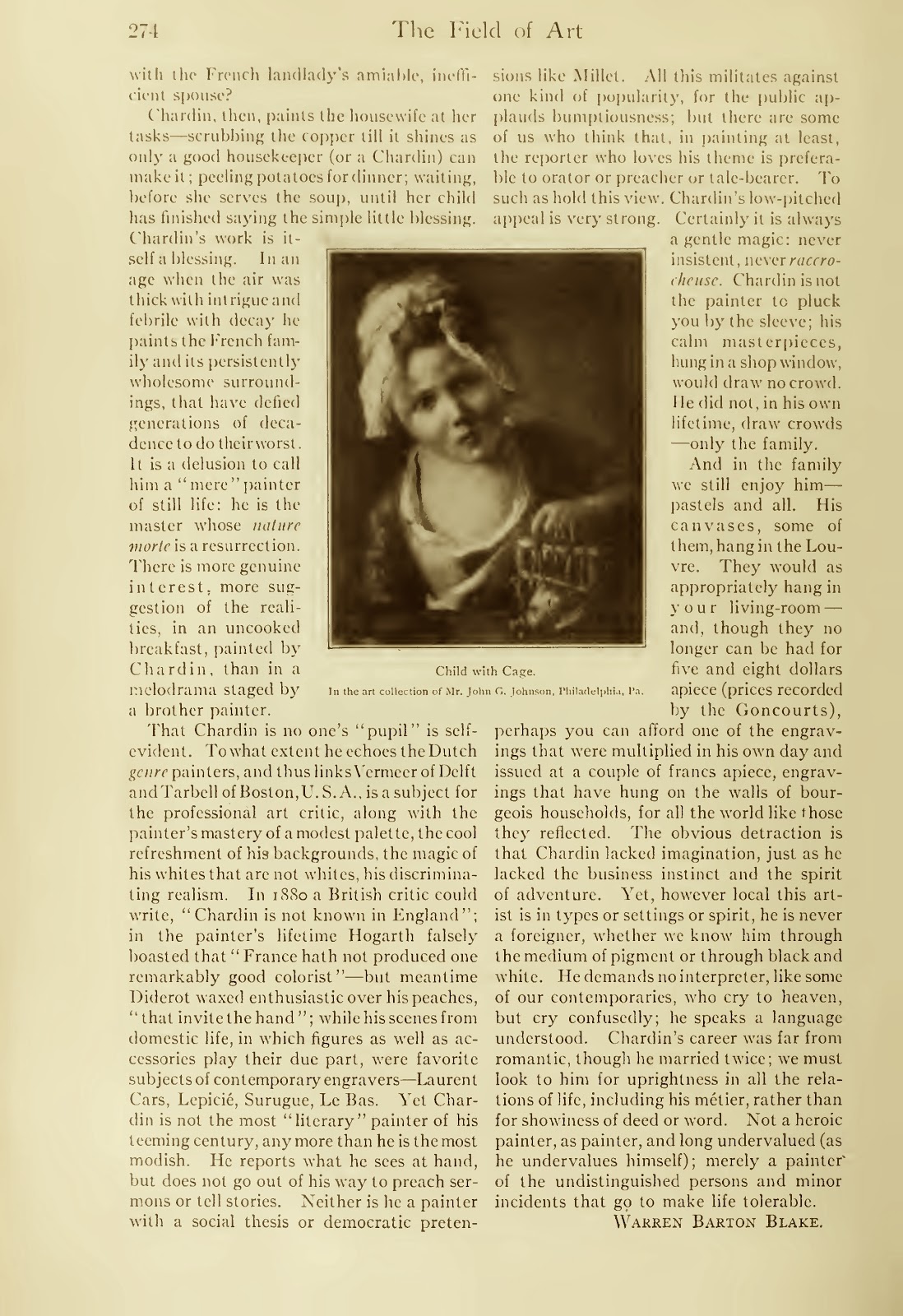
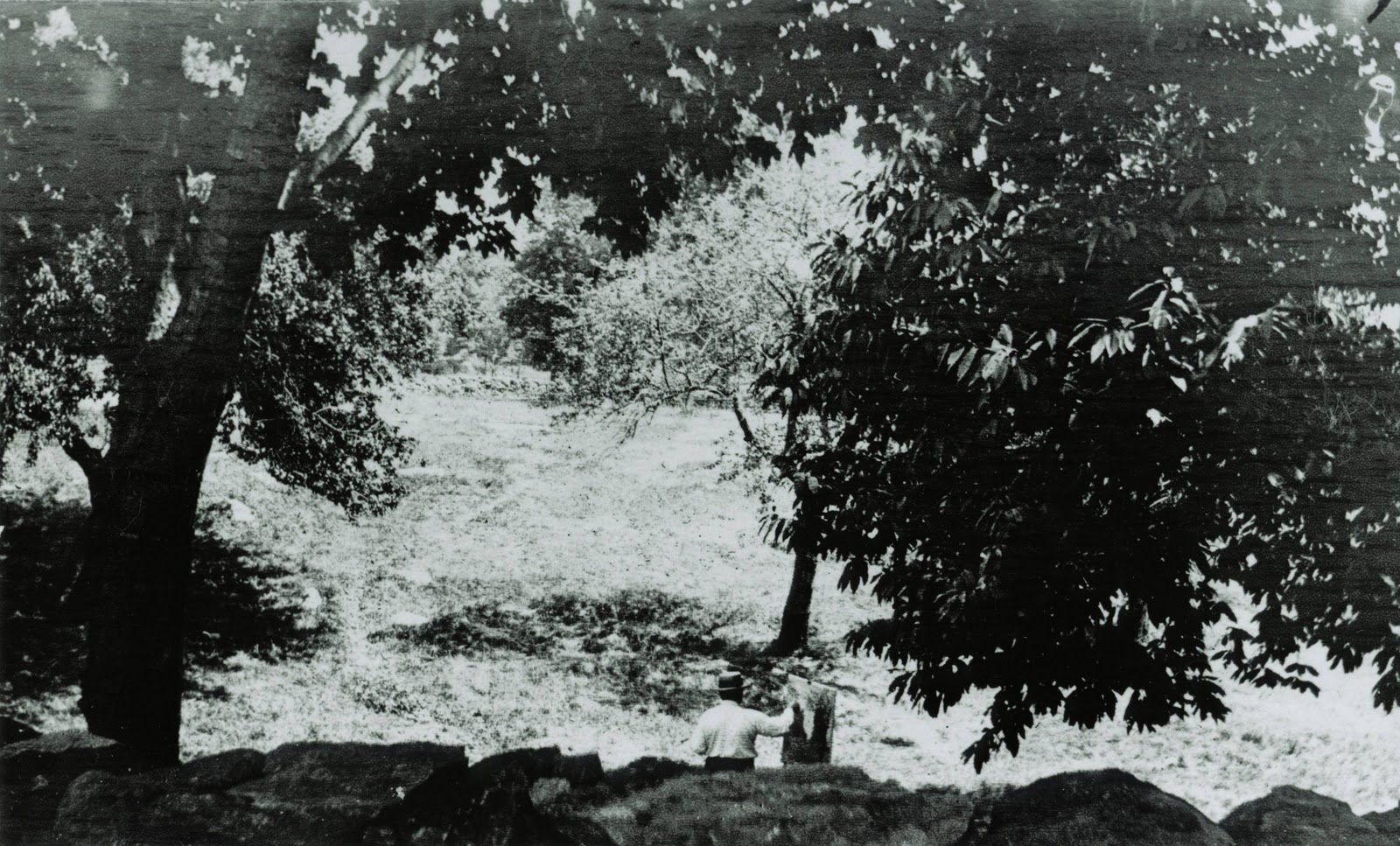
➔ Joseph Walker McSpadden ~ Famous painters of America, 1916
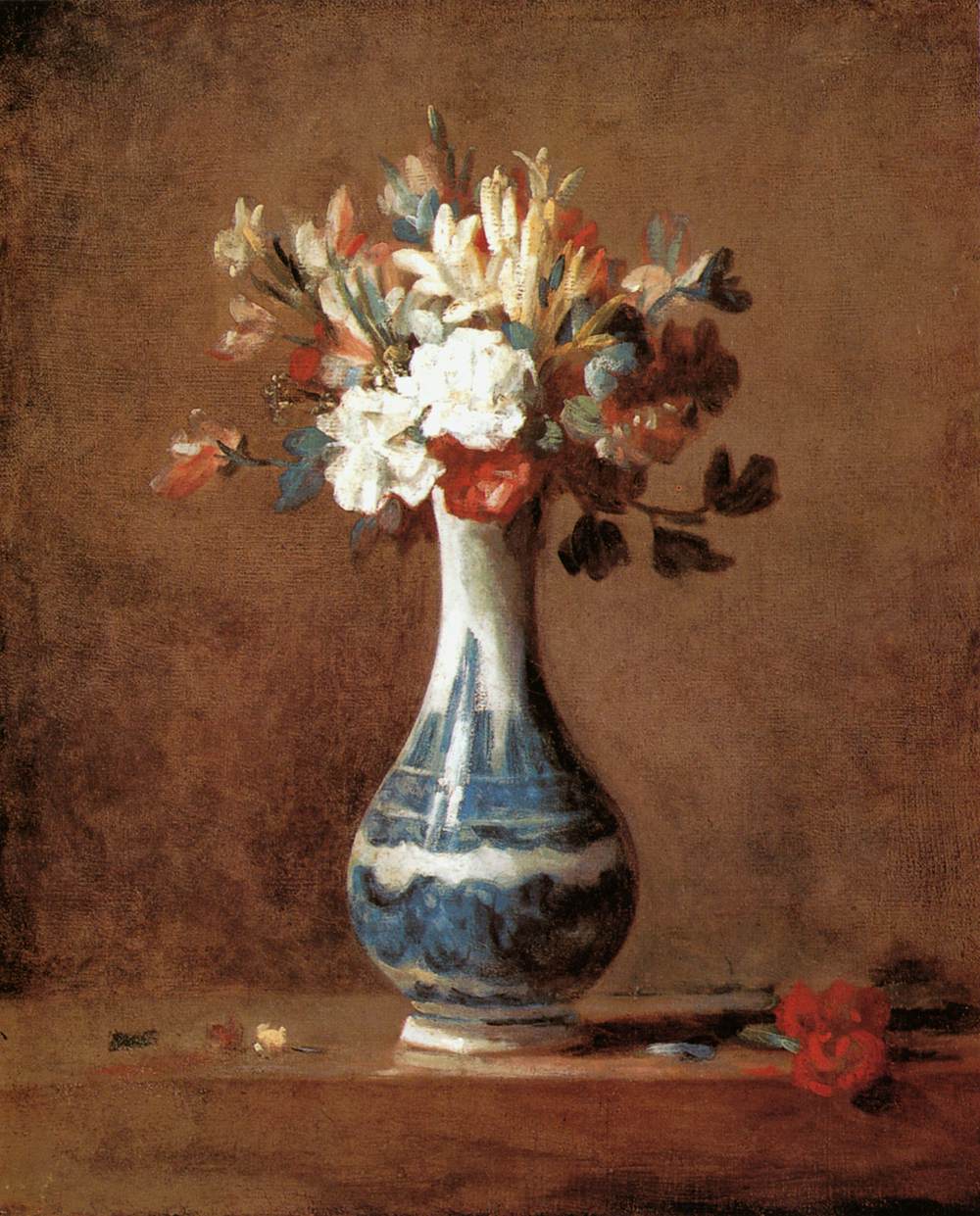
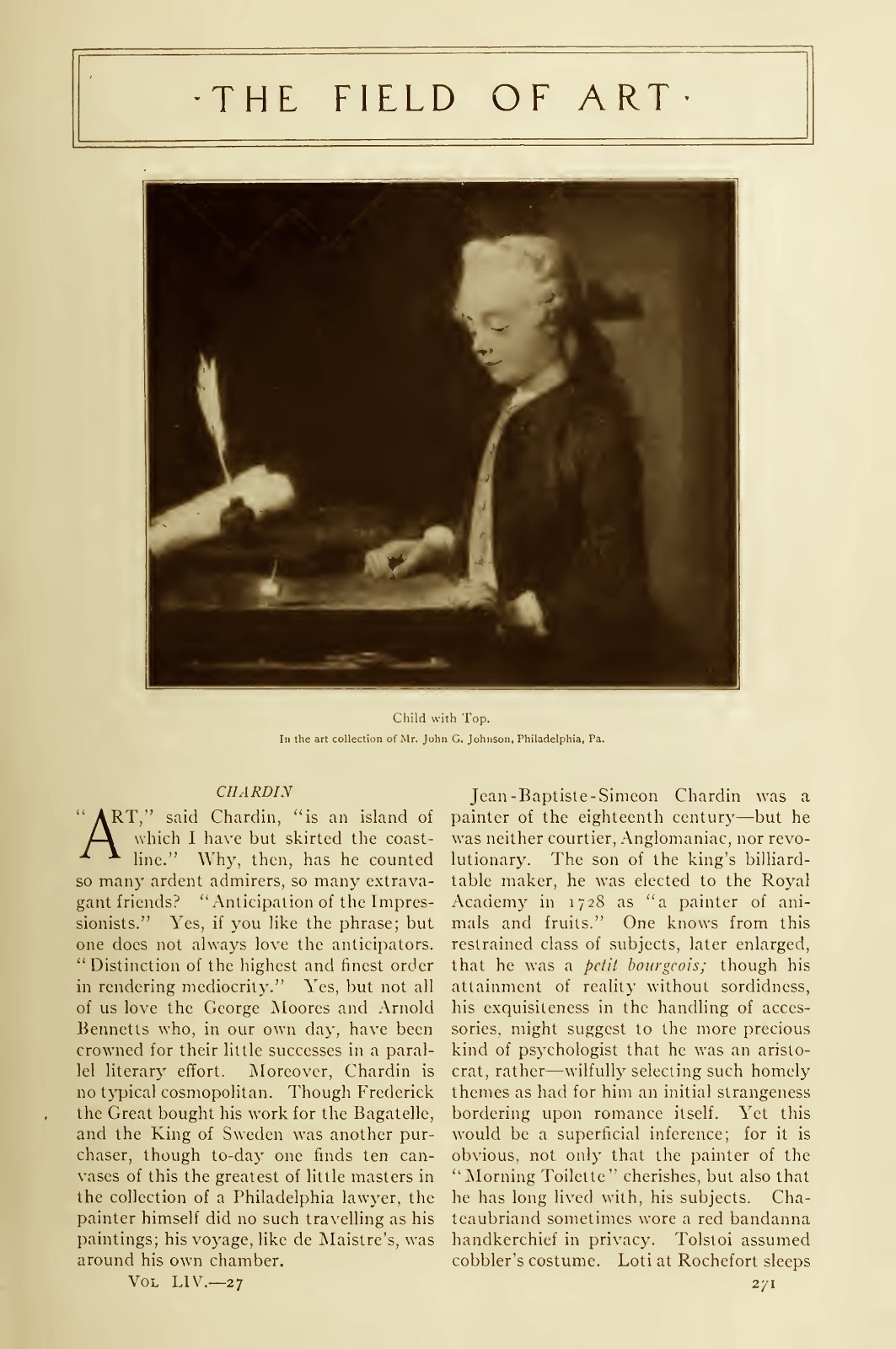
Au premier temps de la vache,
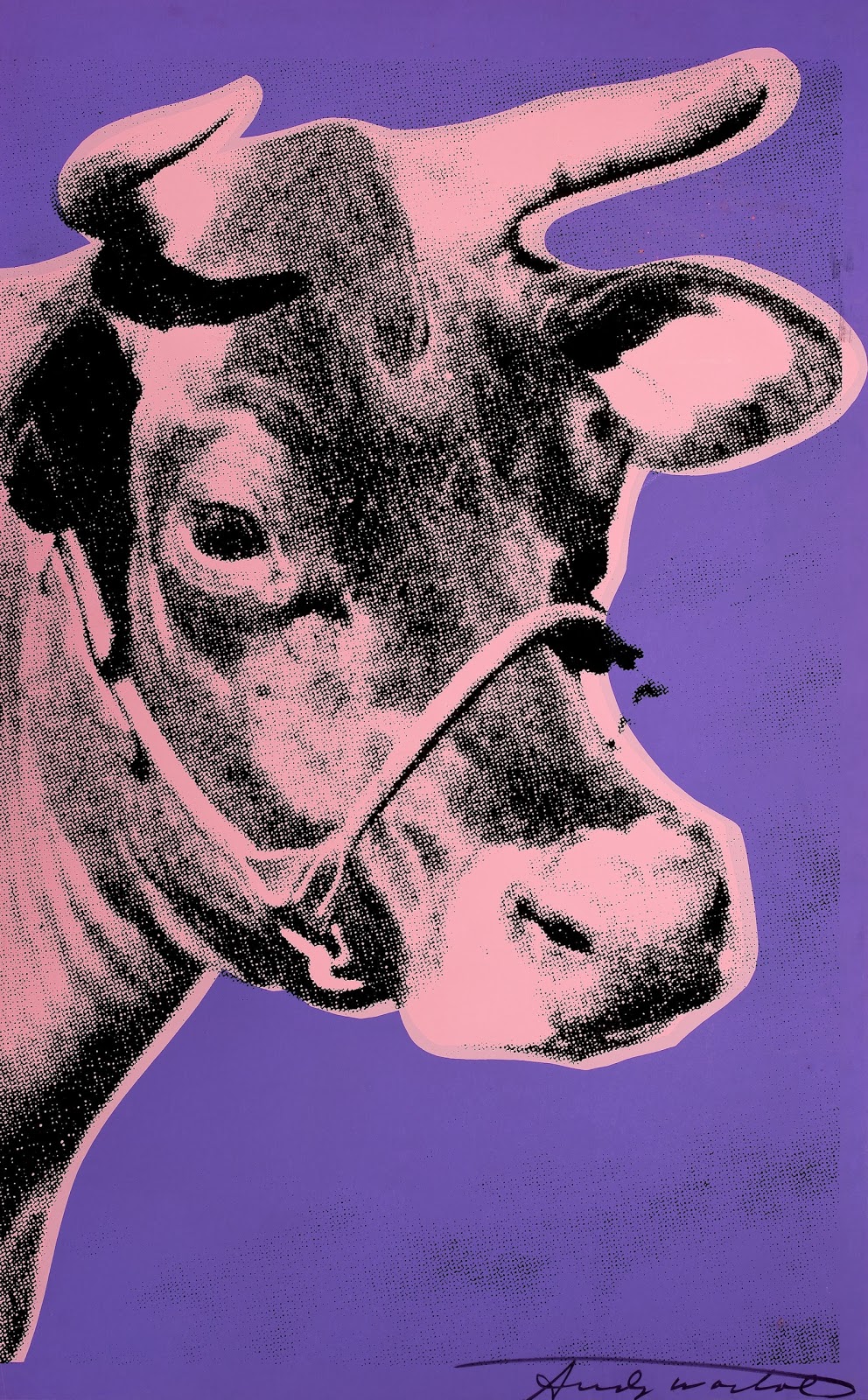
Toute seule dans son pré, elle est là,
Au premier temps de la vache,
Y a l’éleveur, y a la bête et y a moi,
Et ma faim qui bat la mesure,
La mesure de mon estomac,
Et ma faim qui bat la mesure,
Mesure aussi mes fins de mois.
Une vache à mille francs,
Comme ce serait charmant,
Comme ce serait charmant
Et beaucoup plus tentant
Qu’un’ vache à deux mille francs,
Une vache à mille francs.
Une vache à mille francs,
F’rait l’filet à cent francs,
L’rumsteck à soixante francs,
Le gîte à quarante francs,
L’aloyau à trente francs,
La culotte à vingt francs.
Un’ culotte à vingt francs,
F’rait la côte à quinze francs,
La poitrine à douze francs,
La bavette à dix francs,
Le collier à huit francs,
Le jarret à quatre francs.
Un jarret à quatre francs,
Ce s’rait intéressant
Et plus avantageux
Pour faire un pot-au-feu
Qu’un jarret à mille francs,
Un jarret à quatre francs…
Au deuxième temps de la vache,
C’est à peine si je l’aperçois,
Au deuxième temps de la vache,
Y a du monde entre la bête et moi.
Il y a l’tueur qui passe la mesure,
L’transporteur qui lui emboîte le pas,
Pendant qu’Fontanet nous assure
Que la viande de la vache ne monte pas.
Une vache à mille francs,
En quittant l’Morbihan,
Devient chemin faisant
Comme par enchant’ment
Un’ vache à cinq mille francs
En arrivant au Mans.
Un’ vache à cinq mille francs,
On ne sait pas comment,
Augment’ de vingt pour cent
En traversant Le Mans,
Et d’vient par conséquent
Un’ vache à six mille francs.
Un’ vache à six mille francs,
C’est bougrement tentant,
C’est bougrement tentant
Pour les gens d’Orléans
D’en faire innocemment
Un’ vache à dix mille francs.
Une vache à dix mille,
En sortant de la ville,
Pris’ dans un tourbillon
Devient à Arpajon
Par un calcul habile
Une vache à vingt mille,
Cent mille à Montlhéry,
Deux cents à Juvisy,
Trois cent mille à Orly,
Arrivant à Paris,
À la Port’ d’Italie
La vach’ n’a plus de prix.
La vache est aux Gobelins
Multipliée par vingt,
Par deux cent cinquante deux
Au carr’four Richelieu,
Et par huit cent dix sept
En sortant d’La Villette…
Au dernier temps de la vache,
En rôti, sur l’étal, elle est là,
Au dernier temps de la vache,
Y a un monde entre sa viande et moi.
Et l’Etat, qui prend des mesures,
L’Etat qui mesure notre émoi,
Et l’Etat qui prend des mesures,
Fait monter un peu plus chaque mois.
De la vache à cent francs,
On en mangeait autant,
Autant qu’on en voulait,
Et plus qu’il ne fallait,
À midi, au dîner,
Et dans l’café au lait.
D’la vache à cinq cent francs,
C’est déjà plus gênant,
Moi qu’en mange en moyenne
Dix kilos par semaine,
Pour avoir mon content
Je privais les enfants.
De la vache à mille francs,
De la vache à mille francs,
Il vaut mieux carrément
Se gaver d’ortolans,
Et s’offrir des homards
Tartinés de caviar.
D’la vache à deux mille francs,
Ça s’ra pour l’jour de l’an,
On la mangera truffée,
Sur un grand canapé,
On gardera l’foie gras
Pour les autr’s jours du mois.
D’la vache à cinq mille francs,
Ça d’viendra un placement,
Avec mes lingots d’or,
Dans mon grand coffre fort,
J’entass’rai les rumstecks
Et les coupons d’beefsteack.
D’la vache à cinq mille francs,
Ça d’vient décourageant,
C’est pas qu’on soit méchant,
Mais un beau jour, pourtant,
Il faudra bien qu’on sache
Qu’on n’peut plus suivr’ la vache !
Oh la vache ! La sale vache …
Oh la vache nous rendra fous !
Oh la vache ! La sale vache …
Oh la vache nous rendra fous !
Oh la vache ! Oh la vache…
➔ Bide & Musique
 tout ceci est magnifique