Pandora

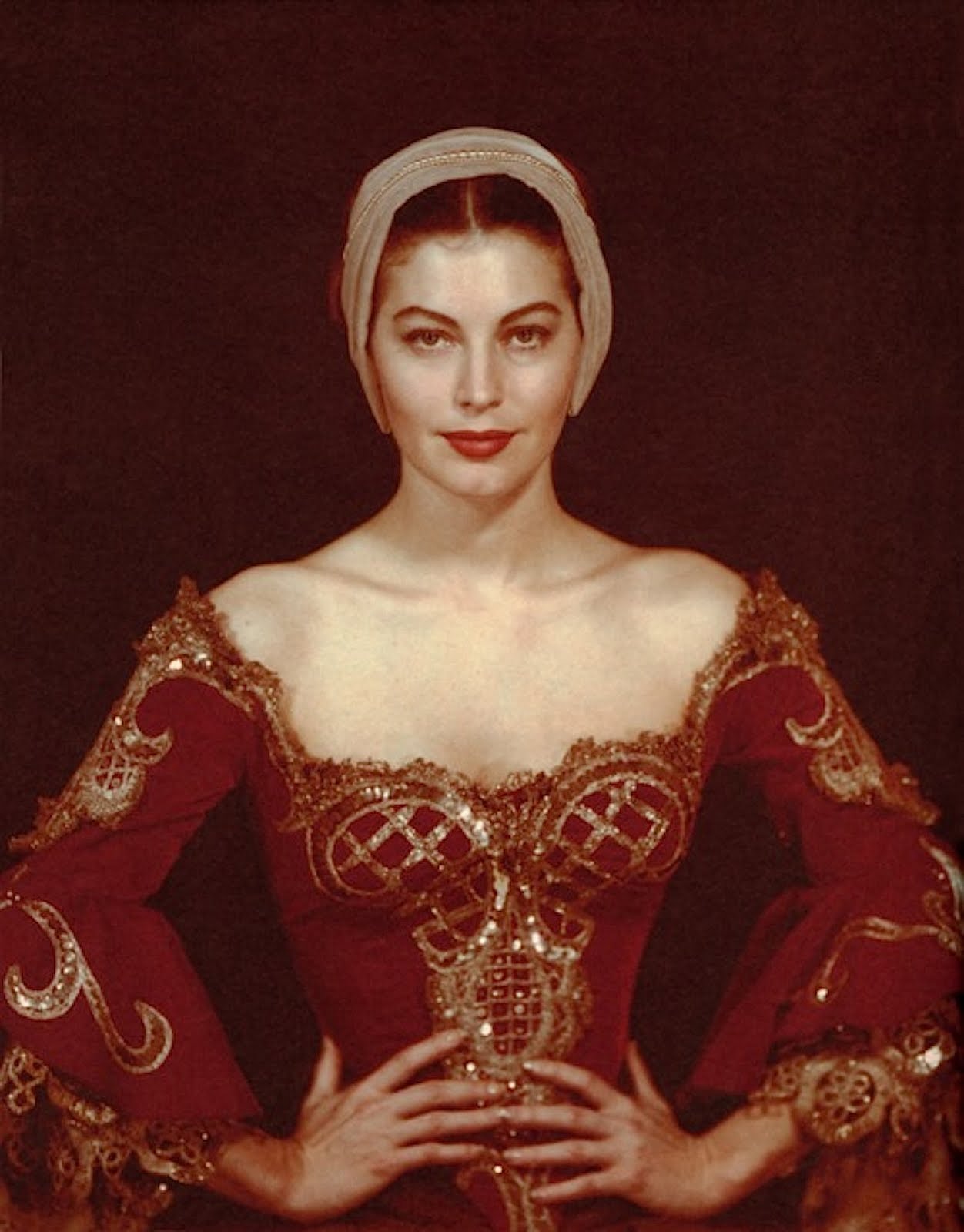
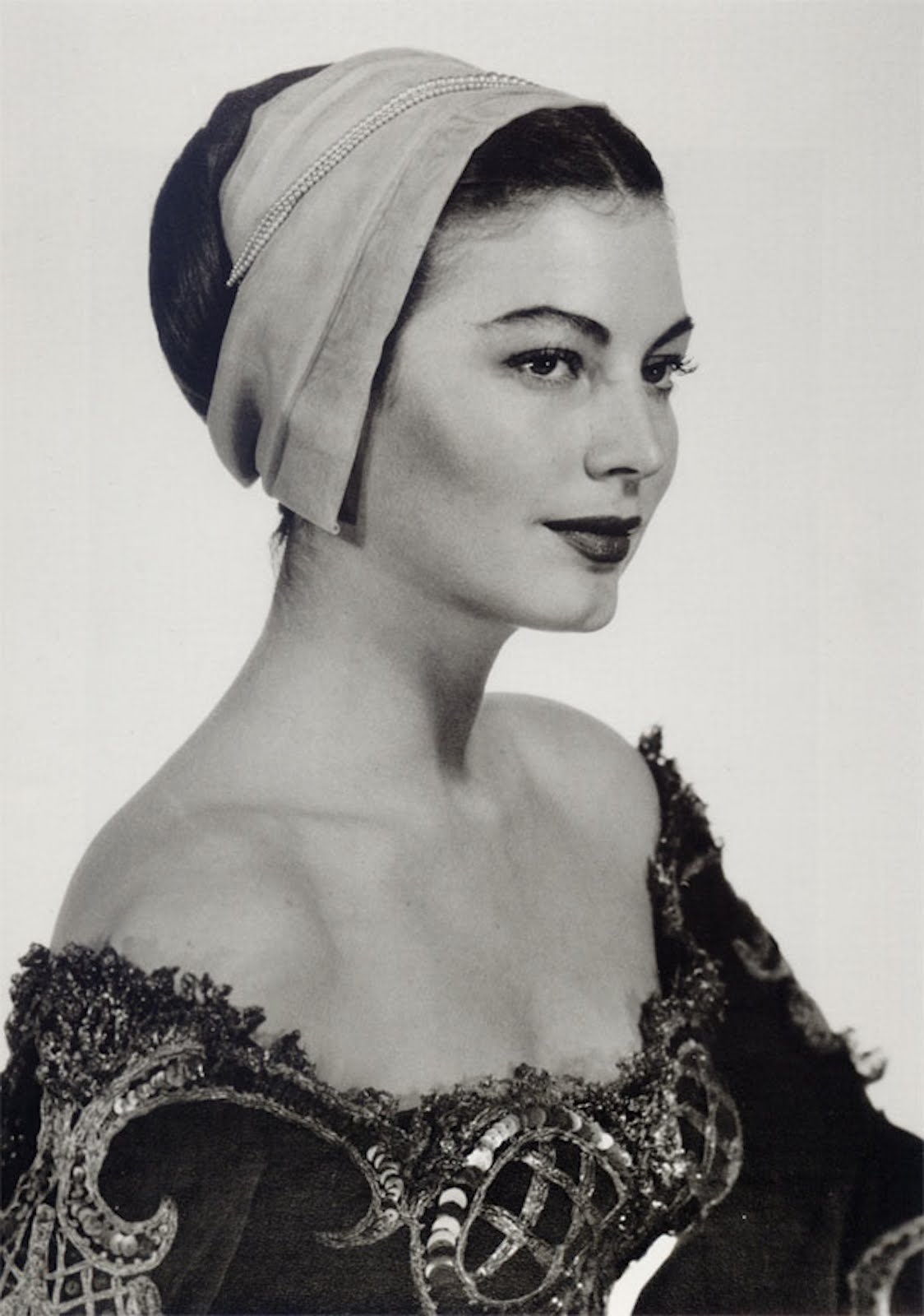
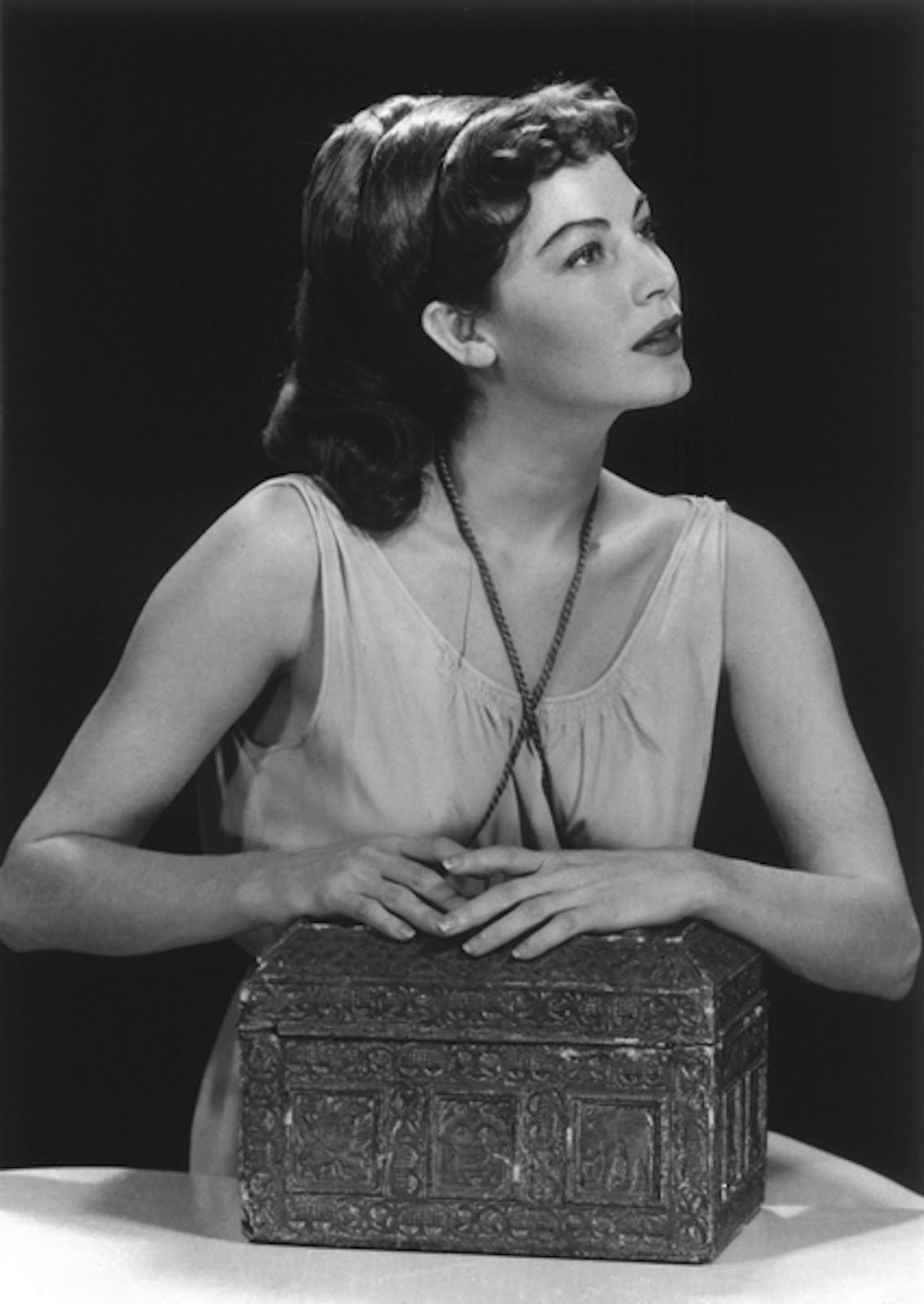
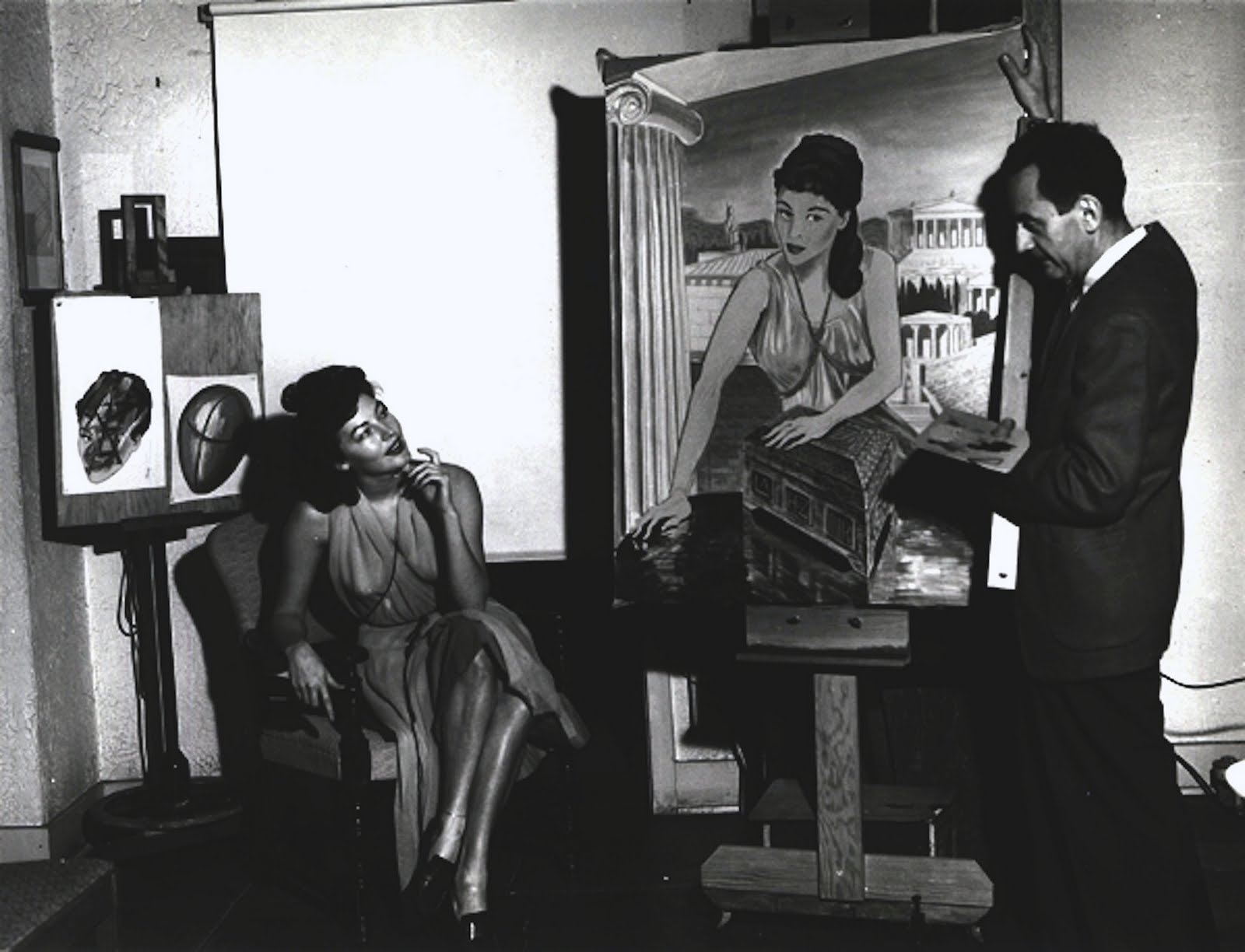
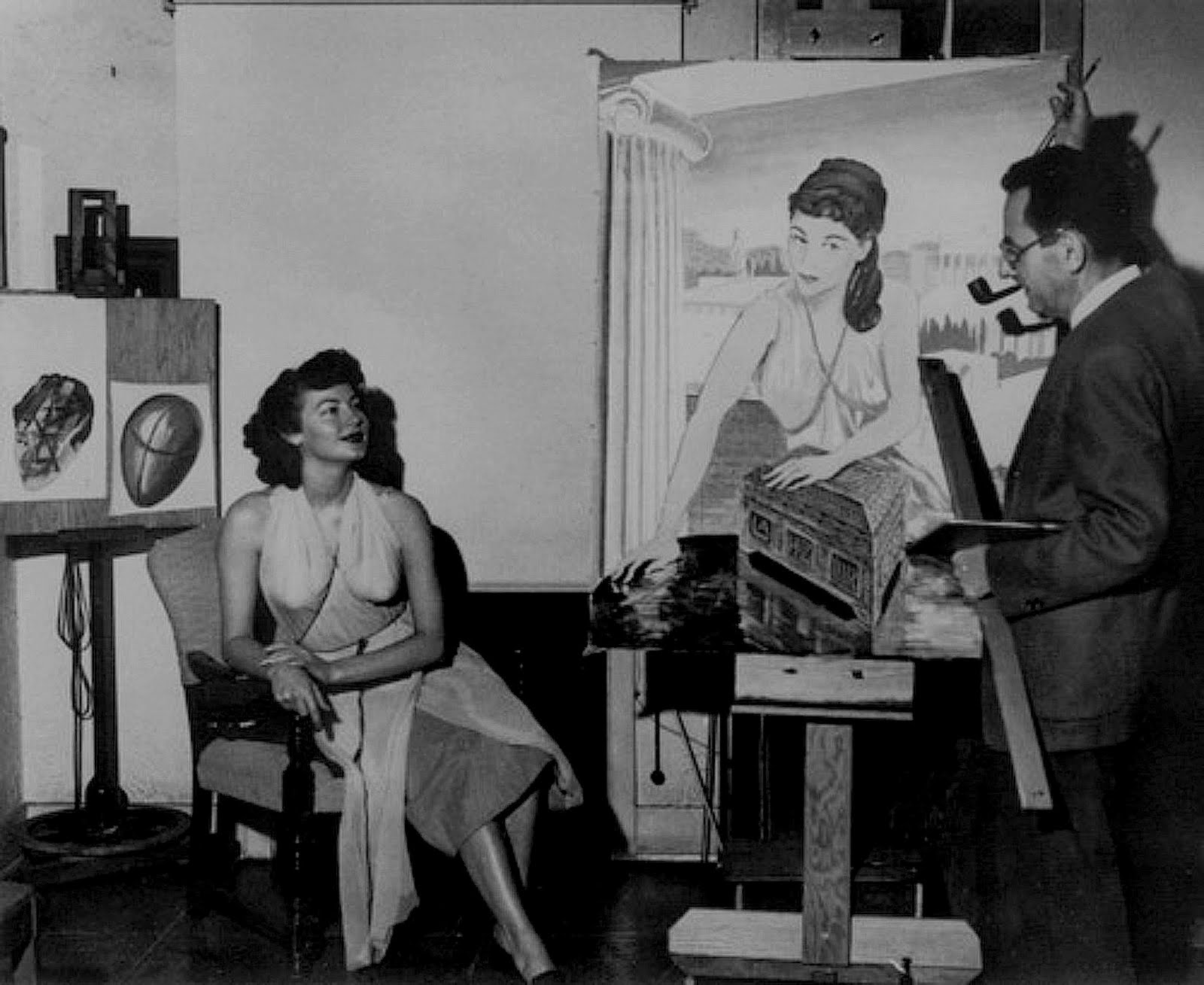
Man Ray ~ Ava Gardner, 1950
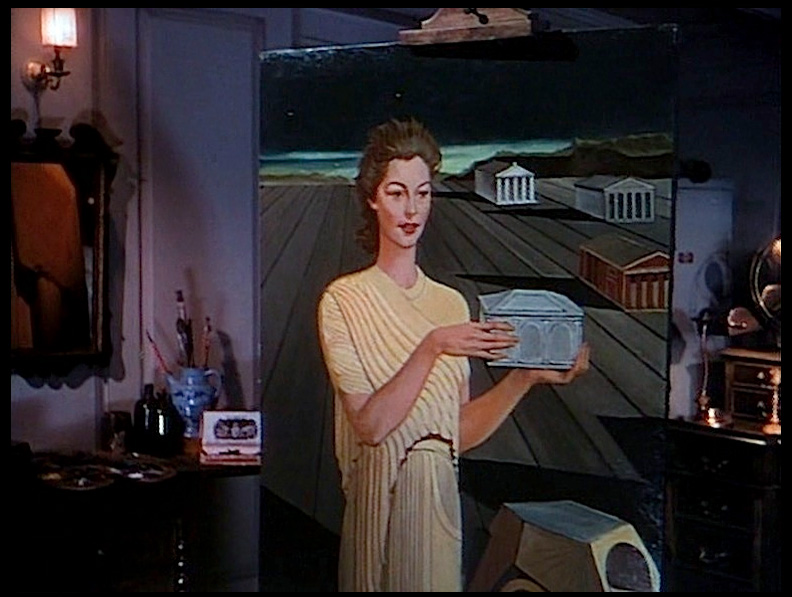
 Albert Lewin tried to find work for Man Ray in Hollywood, finally getting him a job on one of the last films Lewin made in America, Pandora and the Flying Dutchman.  Lewin needed a color photograph of Ava Gardner in her period costume.  “She was absolutely ravishing,” Man Ray said of Gardner.  “no film, I thought, had ever done her justice.  And as a model, no one in my experience with mannequins and professionals surpassed her.”  Man Ray felt that Gardner posed for still photography as if before a movie camera.  In fact the portrait appears in the films as if it were a painting.  ➔ The Bad and the Beautiful: Hollywood in the Fifties by Sam Kashner and Jennifer Macnair

Although she sat for Man Ray, Gardner’s portrait intended for the film was rejected and replaced with a more de Chirico-esque painting by set designer Ferdinand Bellan

Ray’s color photograph was used as a portrait miniature.

Vanitas

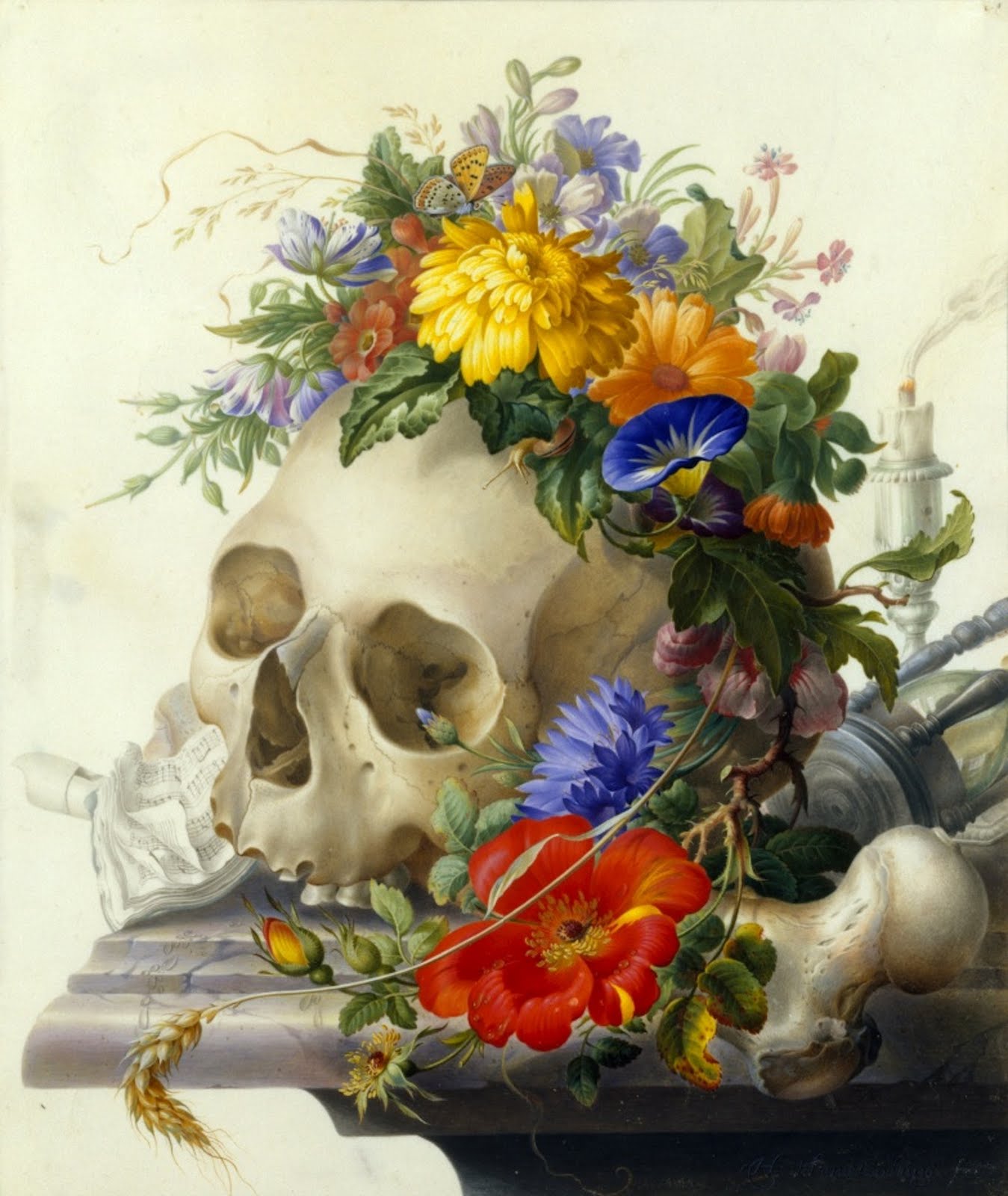
Herman Henstenburgh, ca. 1700
Herman Henstenburgh [1667 – 1726], together with his teacher Johannes Bronckhorst and son, Anton Henstenburgh, was one of a trio of notable natural history artists from the Dutch town of Hoorn, who also worked, perhaps primarily, as pastrybakers. These three artists define Dutch natural history drawing of the period around 1700, standing as a crucial stylistic link between the generally more scientifically motivated drawings of the 17th century, and the greater emphasis on decoration often seen in the works of subsequent generations.
 
From the time of the Tulip Mania, if not before, Dutch natural history draughtsmen had, perhaps in contrast to their painter colleagues, sought above all else to record and document faithfully the rich variety of species of the natural world, and even though their drawings were often very beautiful, they served primarily as catalogues of the contents of various collections of naturalia. Yet unlike their predecessors, Bronckhorst and Henstenburgh rapidly moved on from making drawings that simply recorded the appearance of a particular plant or animal, to making complete compositions which, while generally very accurate in terms of natural history, were clearly conceived first and foremost as decorative independent works of art.
 
Henstenburgh soon achieved a technique of astonishing virtuosity, in which immense refinement of touch and mastery of color combine to produce some of the most beautiful natural history watercolors of the period.  His work was much sought
after at the time by Dutch and foreign collectors. For example, by 1700 Cosimo III de’ Medici already owned three of his drawings.

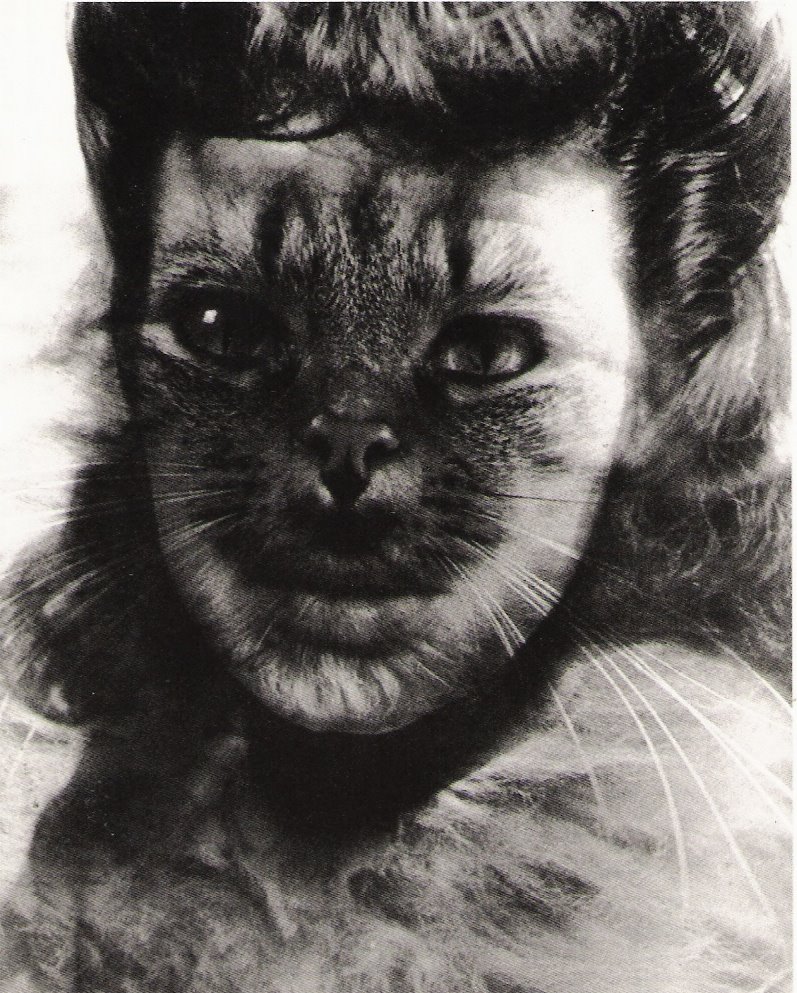
La Femme Chatte

 Max Albert Wyss, 1950

leaf.gif

Le Chat

Dans ma cervelle se promène
Ainsi qu’en son appartement,
Un beau chat, fort, doux et charmant,
Quand il miaule, on l’entend à peine,

Tant son timbre est tendre et discret;
Mais que sa voix s’apaise ou gronde,
Elle est toujours riche et profonde.
C’est là son charme et son secret.

Cette voix, qui perle et qui filtre
Dans mon fond le plus ténébreux,
Me remplit comme un vers nombreux
Et me réjouit comme un philtre.

Elle endort les plus cruels maux
Et contient toutes les extases;
Pour dire les plus longues phrases,
Elle n’a pas besoin de mots.

Non, il n’est pas d’archet qui morde
Sur mon cœur, parfait instrument,
Et fasse plus royalement
Chanter sa plus vibrante corde

Que ta voix, chat mystérieux,
Chat séraphique, chat étrange,
En qui tout est, comme un ange,
Aussi subtil qu’harmonieux.
Charles Baudelaire
Les Fleurs du Mal
 Gustave Courbet ~ Charles Baudelaire, 1848

Rue des Moulins

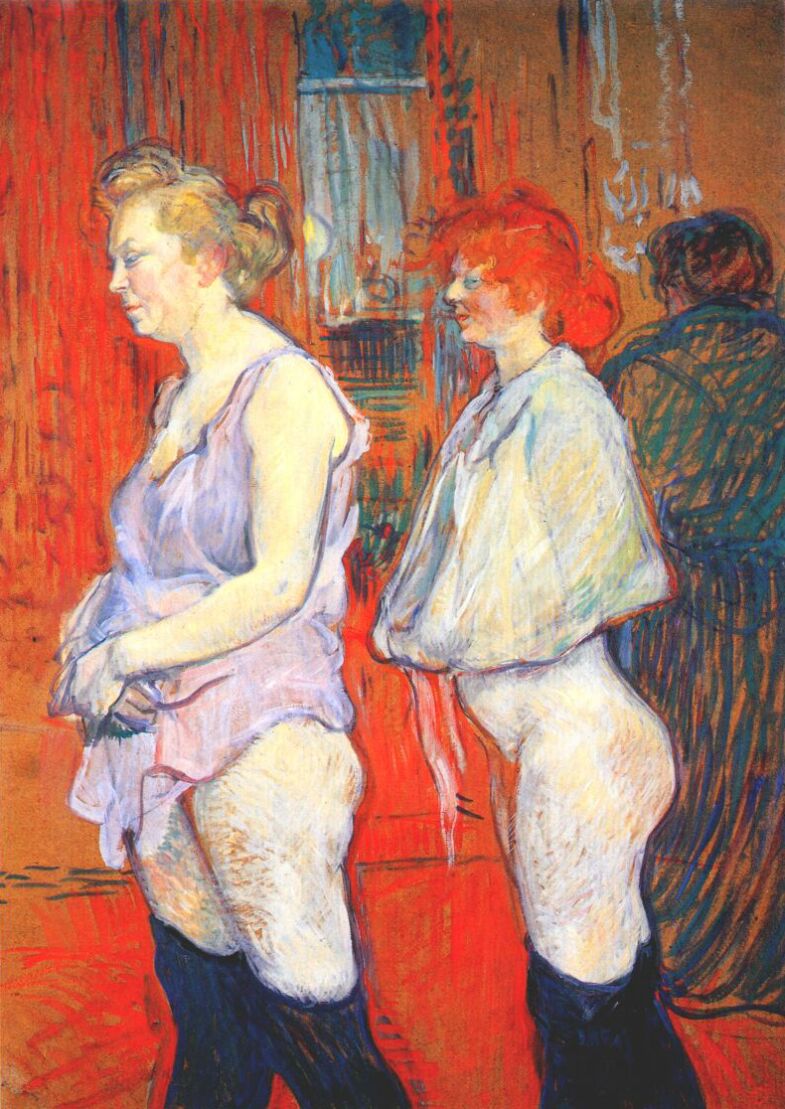
Henri de Toulouse-Lautrec ~ L’ Inspection Médicale, Rue des Moulins, 1894 [National Gallery of Art, Washington]

In a room richly decorated with autumnal colours and Chinese patterns, two women stand in line. One is blonde and more mature than her smaller red-haired colleague. Both have lifted their chemises to reveal naked buttocks and thighs and black knee-length stockings. The blonde has a look of resignation. Her eyes are downcast and her dress gathered in front to preserve what remains of her dignity. Her younger colleague seems more assertive. With her bright red hair, rouged cheeks and chemise hoisted high, she approaches her assignation with some boldness. A third women in a turquoise kimono (probably another colleague) walks away from them towards a group of people below a large window through which can be seen a clock tower (perhaps a church or the nearby Bibliotèque Nationale). Keep reading here ➔  Mike McKiernan, 2009 –  Oxford Journals Occupational Medicine Volume 59 Issue 6
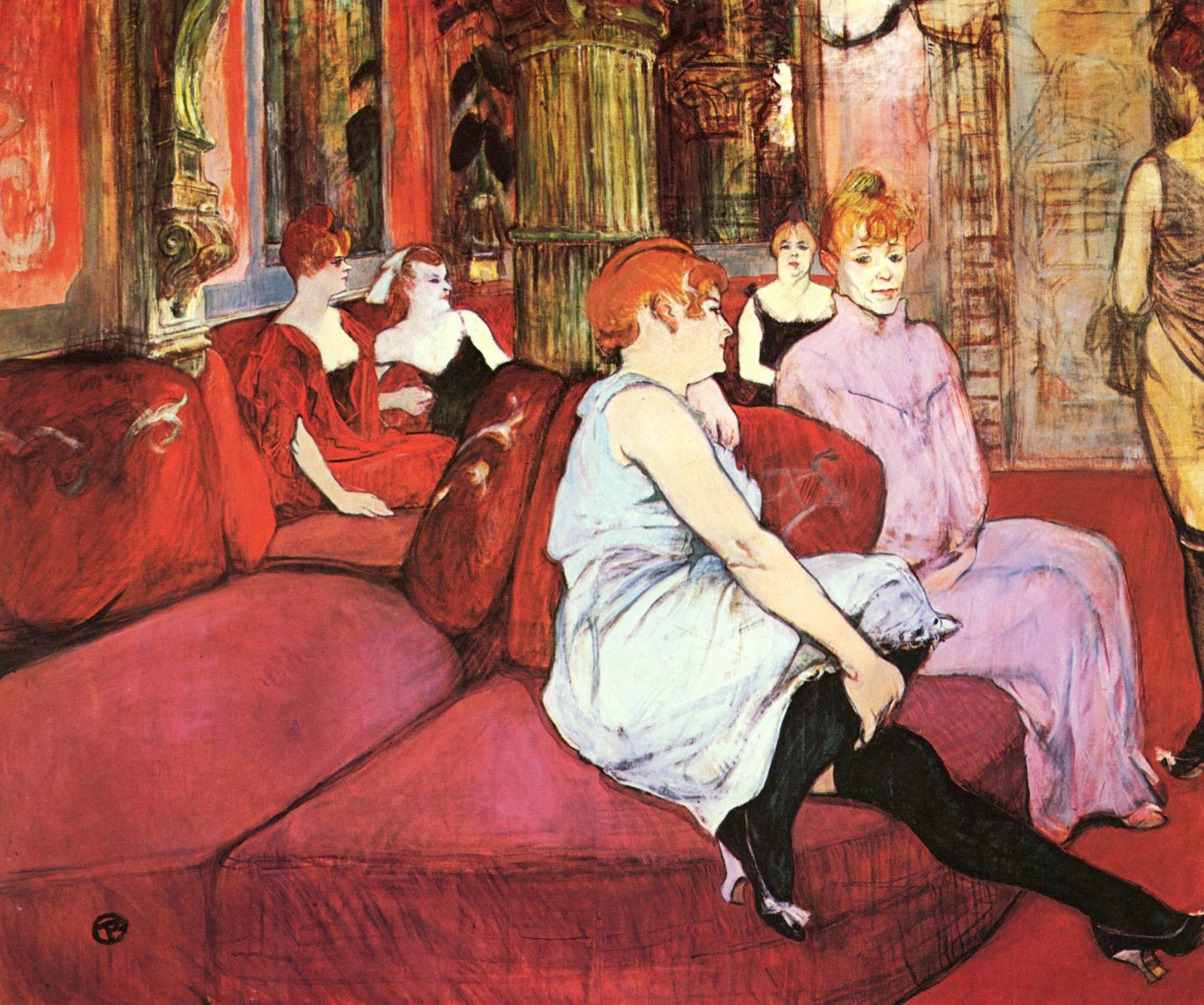
Henri de Toulouse-Lautrec ~ Au Salon de la Rue des Moulins, 1894 [Musée Toulouse-Lautrec, Albi]

True champions are born, not made

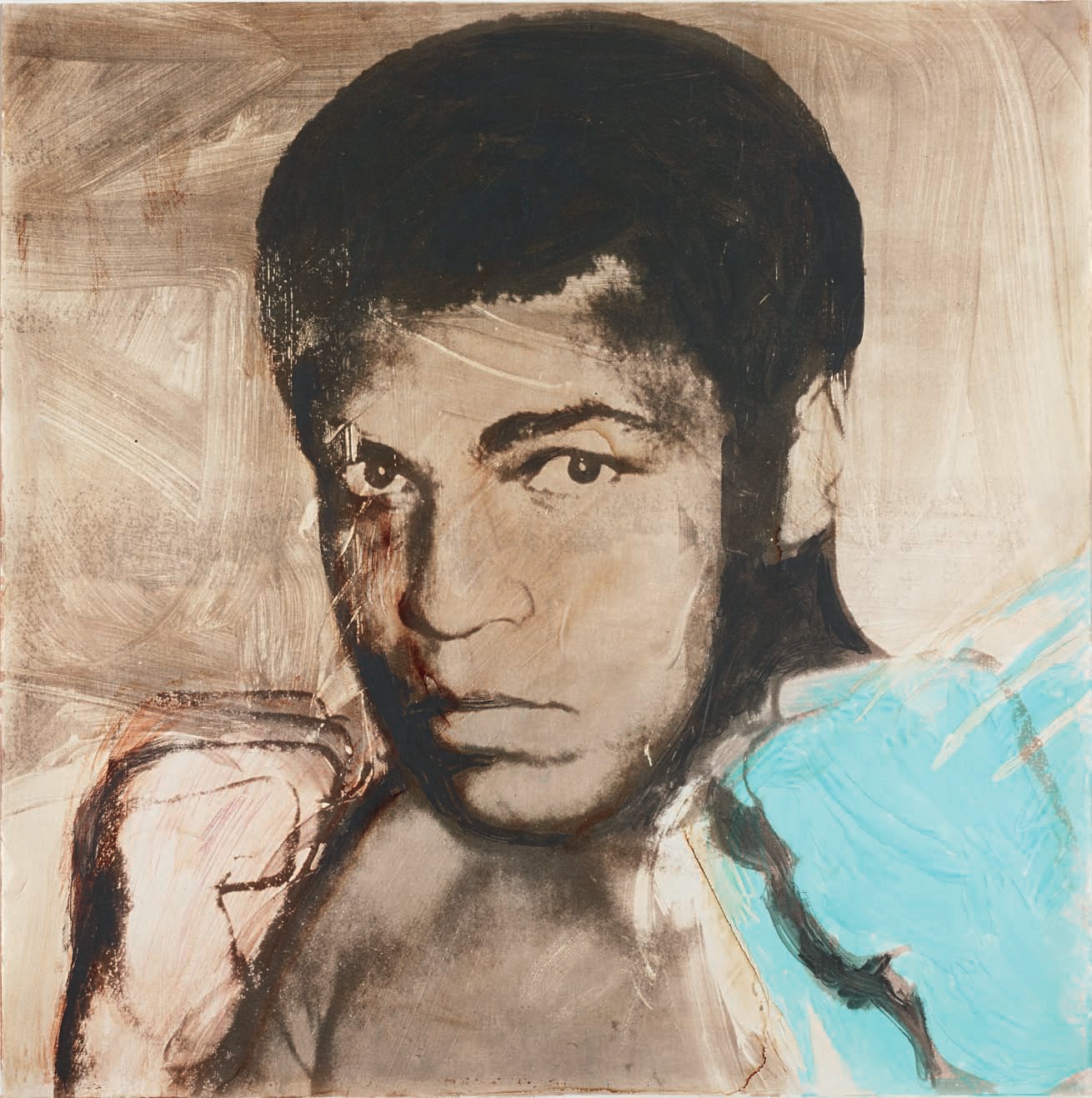
Andy Warhol ~ Muhammad Ali (Cassius Clay), 1978

“I am the greatest, I said that even before I knew I was.” Muhammad Ali


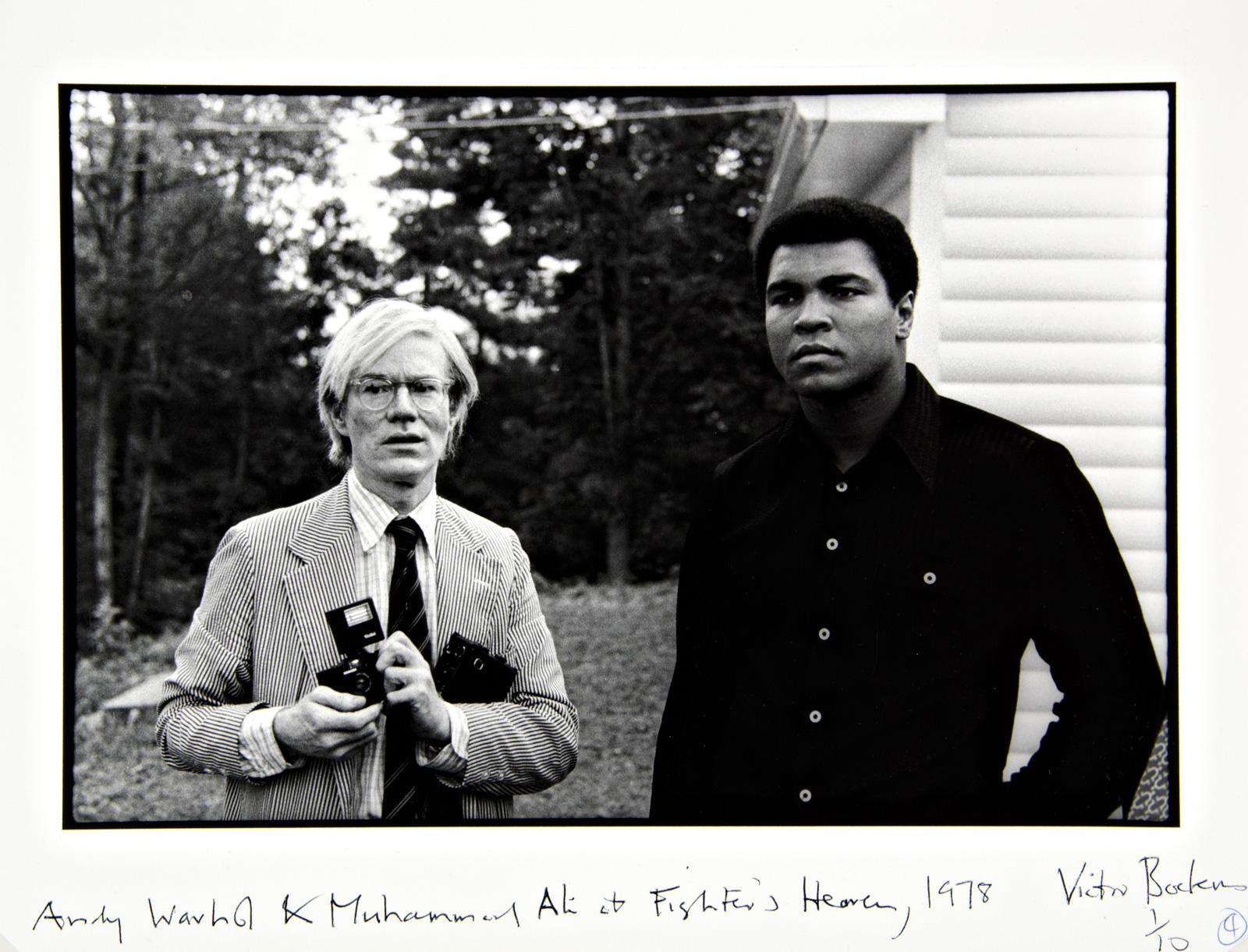
Victor Bockris ~ Andy Warhol and Muhammad Ali at Fighters Haven, 1978

“I said that the athletes were better than movie stars and I don’t know what I’m talking about because athletes are the new movie stars.” Andy Warhol

 ✻

In 1977, Ali sat for an Andy Warhol silk-screen portrait, thus joining Marilyn and Elvis among the artist’s gallery of American “icons.” The champ was astounded to learn how much Warhol was being paid for “an hour’s work,” and Warhol dryly agreed that ti was an easy life.  In retrospect, the Warhol portrait marks the moment of symbolic appropriation, the transition of Ali from a divise to a consensual figure.  In Warhol’s iconography, Ali became one among an infinite series of celebrity images, all equivalent, all interchangeable.  For the best part of two decades, the boxer used the electronic conduits of the burgeoning global media industry to project his personal identity and the messages that sprang from it to a vast new audience.  At the same time, this industry used Ali to project its messages, to itself and its products.  The icon of Ali could not but be transformed in the process.  

➔  Redemption Song: Muhammad Ali and the Spirit of the Sixties by Mike Marqusee
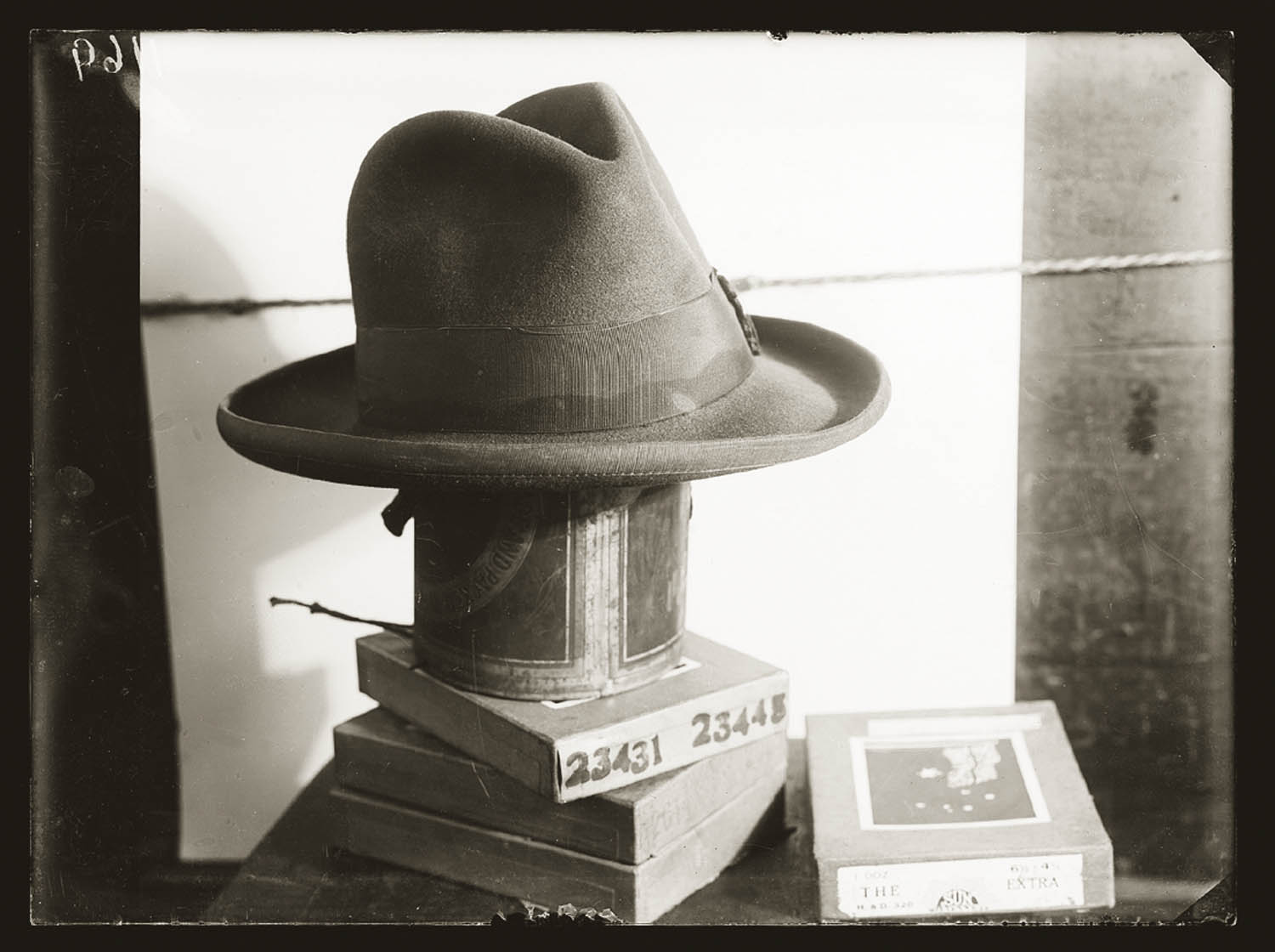
wherever he laid his hat was his home

 Man’s sweat-stained hat, presumably evidence in a criminal matter, atop boxes of police negatives. Location and details unknown, but possibly CIB, Sydney, ca. 1928
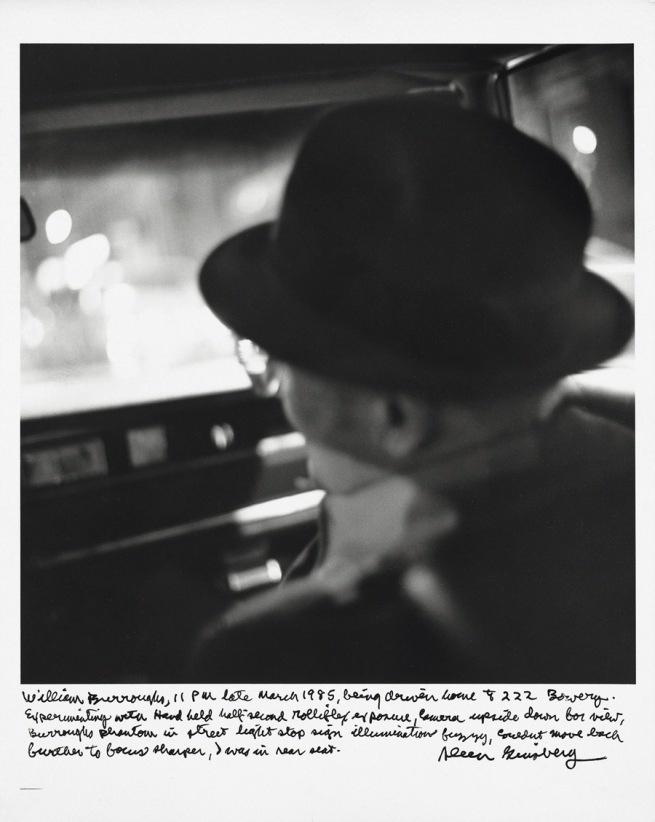
 William Burroughs, 11pm late March 1985, being driven home to 222 Bowery. Experimenting with hand held half second Roloflex exposure camera upside down for view, Burroughs phantom in street light stop sign illumination fuzzy, couldn’t move back further to focus sharper, I was in rear seat.Allen Ginsberg  [©Allen Ginsberg Estate]
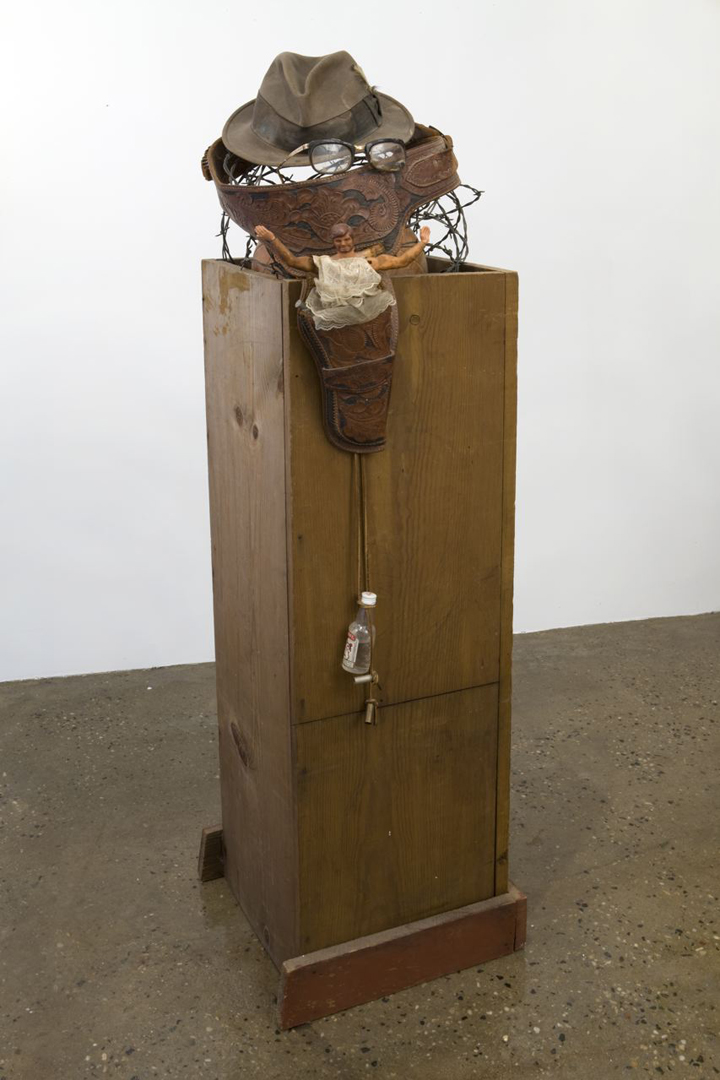
 George Condo + William S. Burroughs, Untitled, 1992. 
Barbed wire, leather waistband ammunition and gun holster, plastic Ken-doll, glasses, felt hat, vodka bottle, wood pedestal