 |
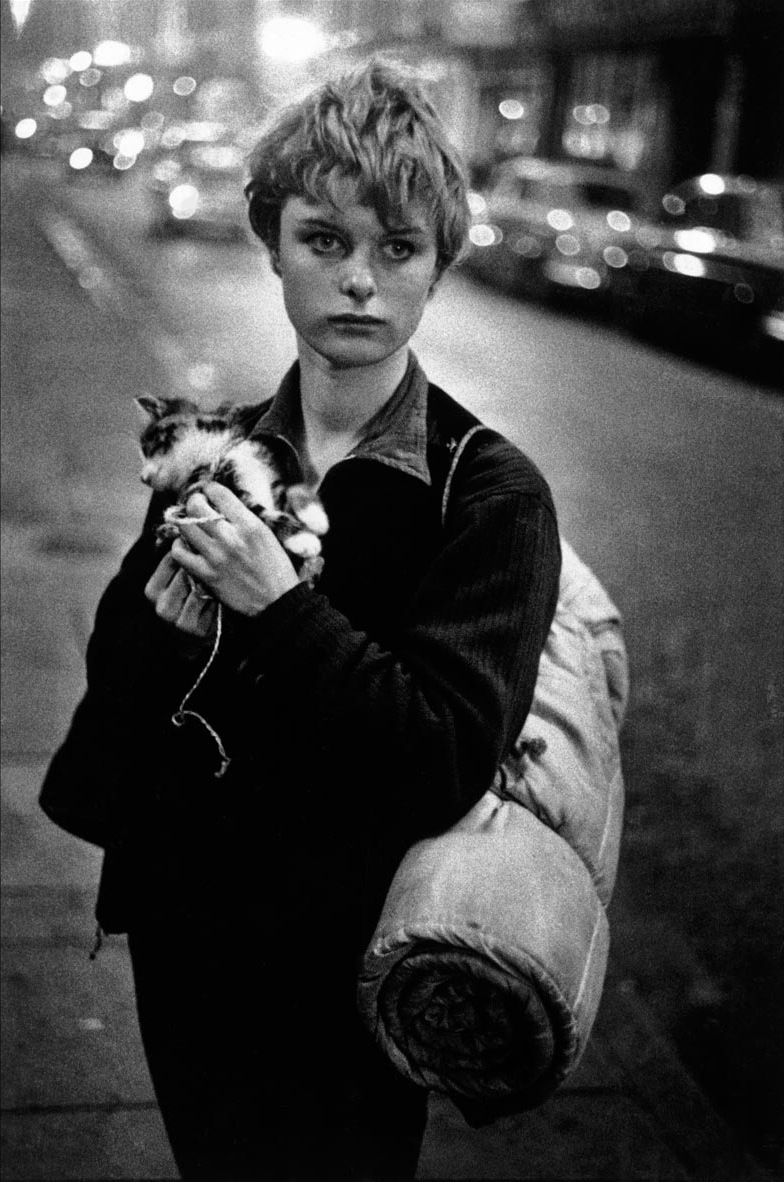
| Bruce Davidson, London 1960 |
“I’m like Zsa Zsa Gabor,’’ Bruce Davidson says. “I’m famous, but no one knows for what.’’
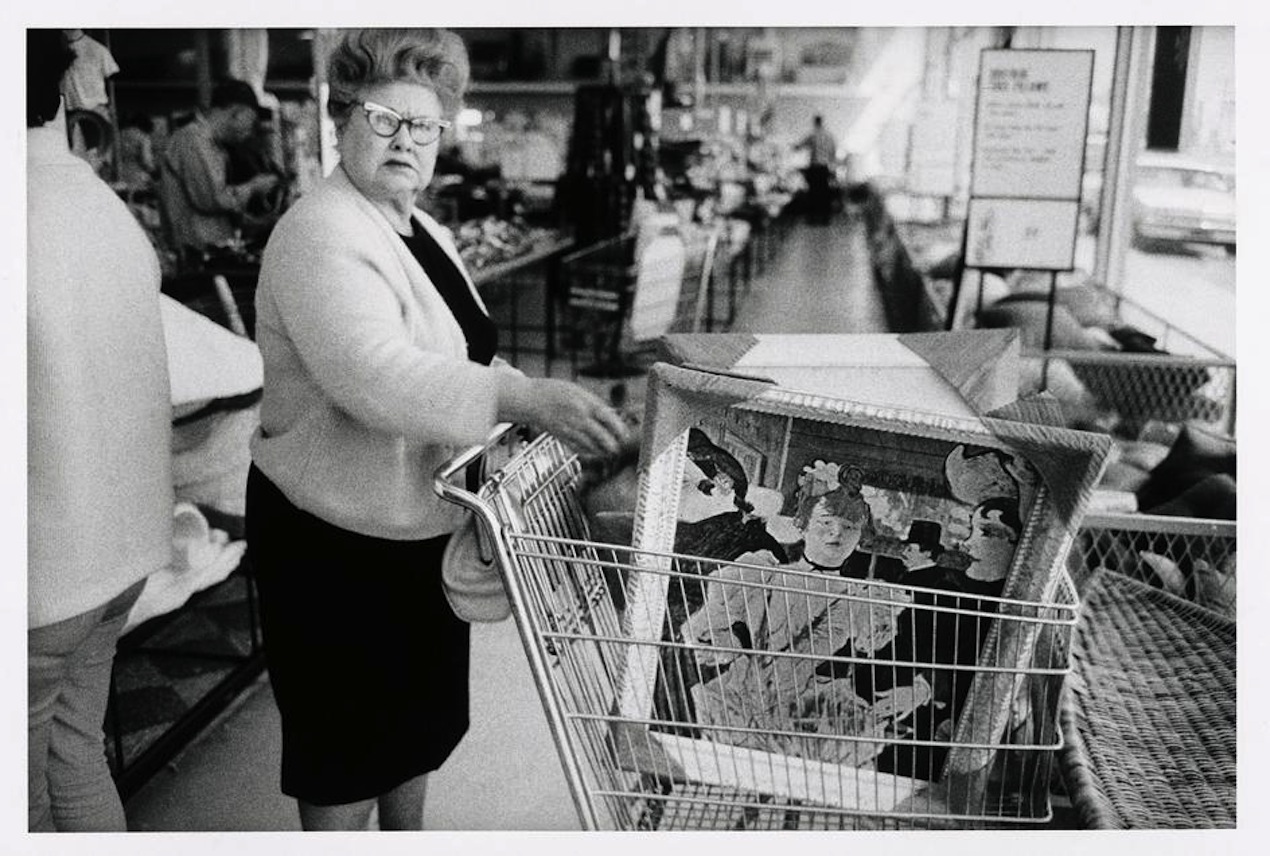
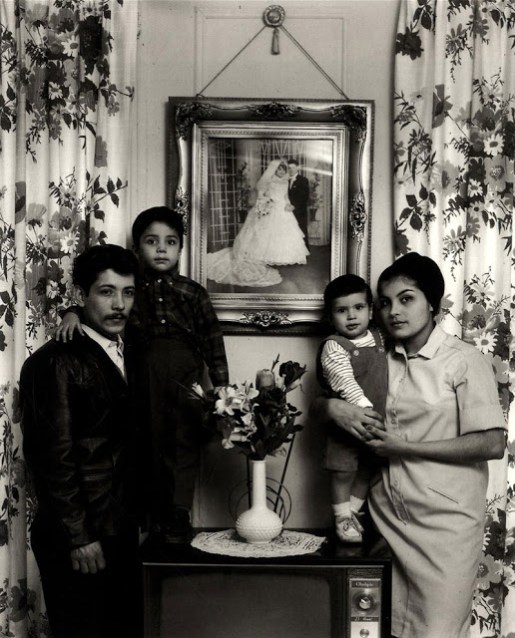
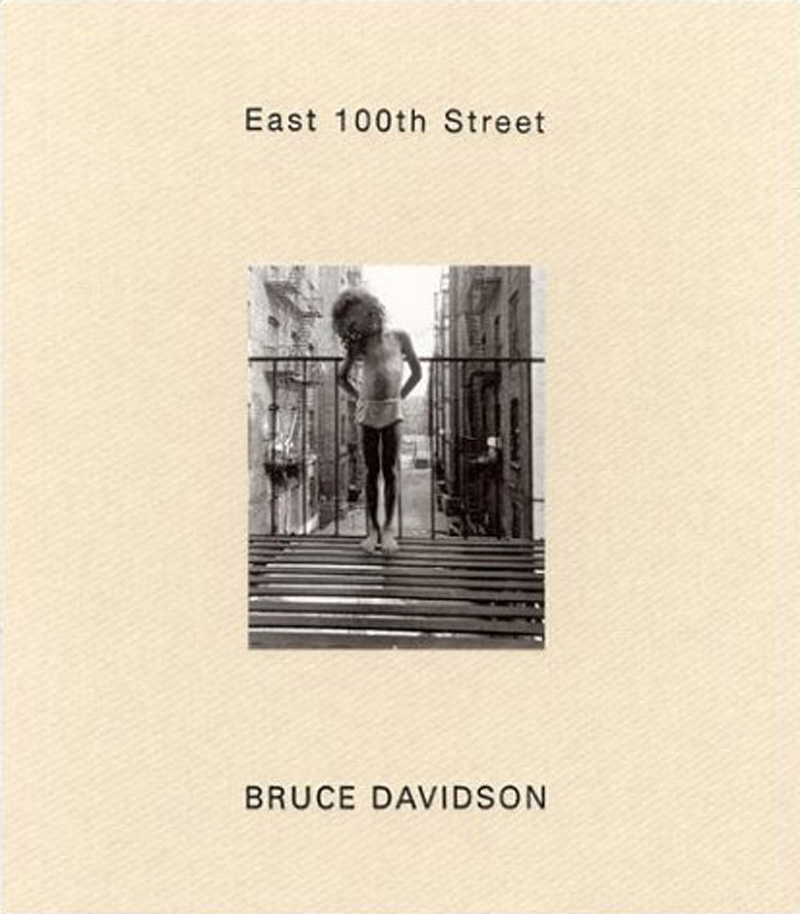
Photography people know very well what Davidson is famous for. In a career that’s spanned more than half a century, he’s shot Marilyn Monroe and the civil rights movement, the building of the Verrazano-Narrows Bridge and the Supremes having a snowball fight. His photo essays on a Brooklyn youth gang in the ’50s, East Harlem in the ’60s, the New York subway system in the ’70s, and New York’s Central Park in the ’90s are classics.
A protege of Henri Cartier-Bresson and longtime member of the legendary agency Magnum Photos, Davidson was the first photographer to win a fellowship from the National Endowment for the Arts. Along with such contemporaries as Diane Arbus and Lee Friedlander, he helped transform documentary photography in the ’60s.
Davidson, 77, laughs when he recalls going to a burlesque show in Atlantic City with Arbus. Rumpled, relaxed, a little roly-poly, he’s Daddy Warbucks bald beneath a baseball cap and as amiable as Annie. He recalls Arbus saying, “You know, Bruce, you’re better when people are not looking at the camera, and I’m better when people are looking at the camera.’’
At 77, a photographer with staying power
By Mark Feeney, Globe Staff | October 3, 2010
© 2010 The New York Times Company
 tout ceci est magnifique