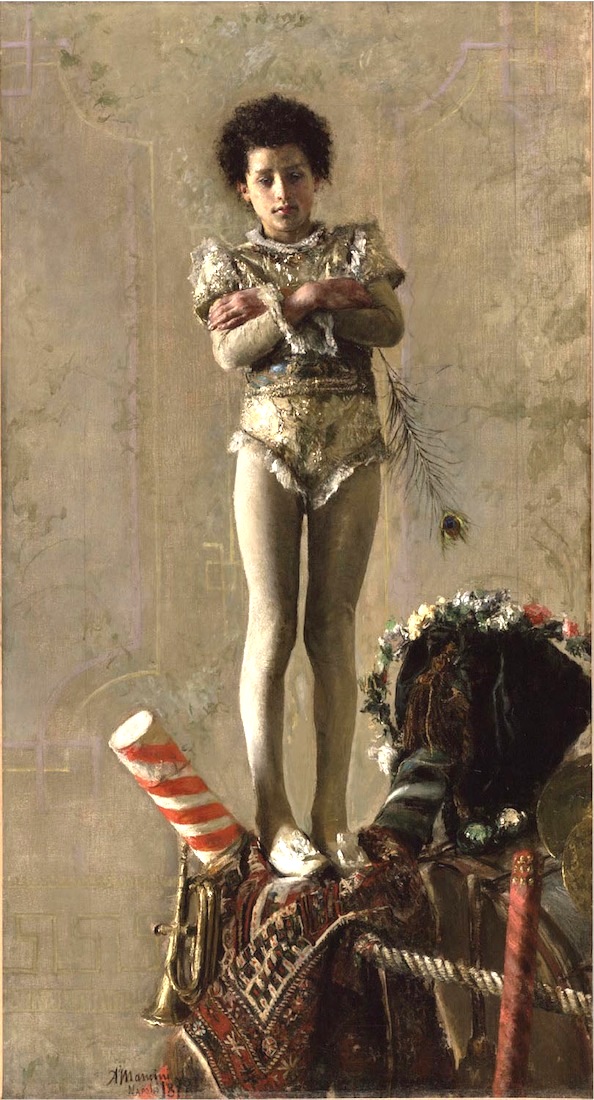
Il Saltimbanco

John Singer Sargent is said to have proclaimed Mancini the greatest living painter
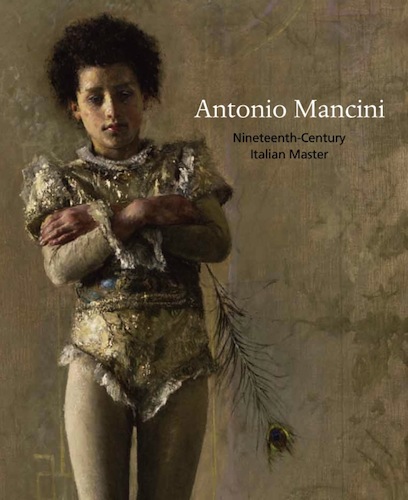
Antonio Mancini, 1877-1978 
[Philadelphia Museum of Art, Vance N. Jordan Collection]

Mancini’s large painting depicts a street urchin named Luigi Gianchetti (Luigiello) who Mancini discovered in Naples and painted in various settings, often in elaborate costumes. Il Saltimbanco reflects Mancini’s interest in the Cirque Guillaume, which he attended in Naples with Vincenzo Gemito. Completed while Mancini was living in Paris, Il Saltimbanco was exhibited at the Salon in 1877 and once belonged to Count Albert Cahen d’Anvers, the Belgian composer who was an important early patron. Francesco Sessa

Ulrich W. Hiesinger

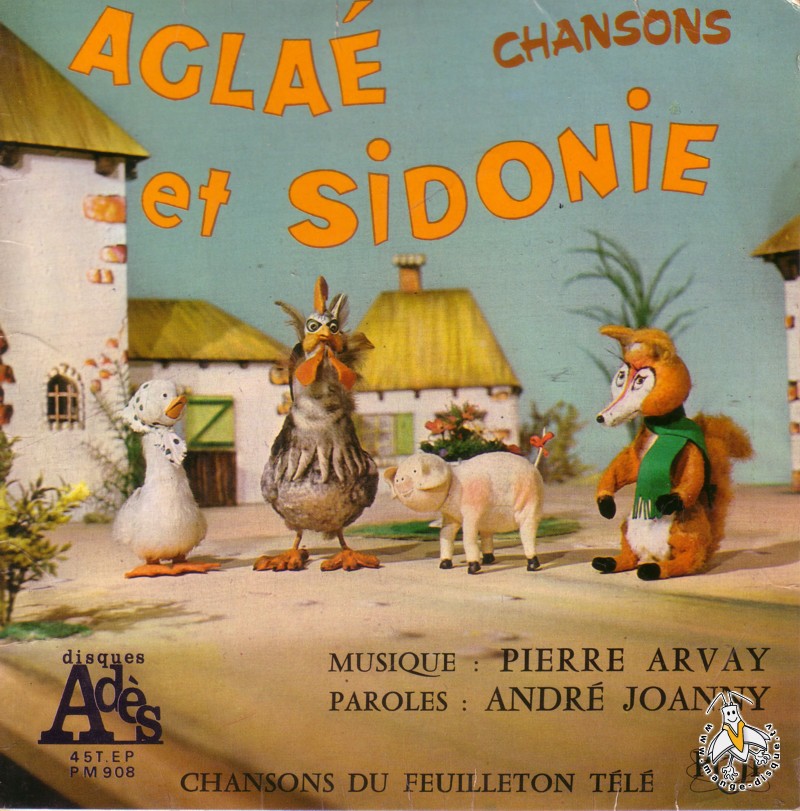
Aglaé et Sidonie

A tous les enfants
Qui sont obéissants
Nous allons dire au revoir en passant

Au revoir les amis
Nous rentrons au pays
Au pays d’Aglaé et Sidonie

A tous les enfants
Qui sont obéissants
Nous allons dire au revoir en passant

Au revoir les amis
Nous rentrons au pays
Au pays d’Aglaé et Sidonie

The Sick Child

J. Bond Francisco, 1893 
➔  Smithsonian American Art Museum, Washington, DC
A few years ago when the Smithsonian American Art Museum considered buying this painting, called The Sick Child by J. Bond Francisco, some people thought the subject was just too sentimental, too Victorian and schmaltzy. We acquired it anyway because in the early 20th century, it was one of the most famous American paintings anywhere. The artist kept it in his studio until he died, in 1931, but thousands of reproductions had been made of it and displayed in doctors’ offices all across the country. The Sick Child was familiar to every parent who ever had a desperately ill child.
And that was pretty much everyone. In the 19th century, most parents had the upsetting experience of watching all night long by the bed of a child flushed with fever, unsure what tomorrow would bring. Thanks to antibiotics, most parents don’t have this experience anymore. In this picture, the artist leaves us in doubt about whether the feverish boy will survive or not. He looks ruddy, but that’s probably just the high fever. The title only says that the boy is sick; decades later, the painting was called The Convalescent, but the artist didn’t give it that title, and it certainly takes the suspense out of this subject. What can we tell about how this situation will turn out?

The Sick Child, 1893 J. Bond Francisco Part 1
The Sick Child, 1893 J. Bond Francisco Part 2
The Sick Child, 1893 J. Bond Francisco Part 3