 |
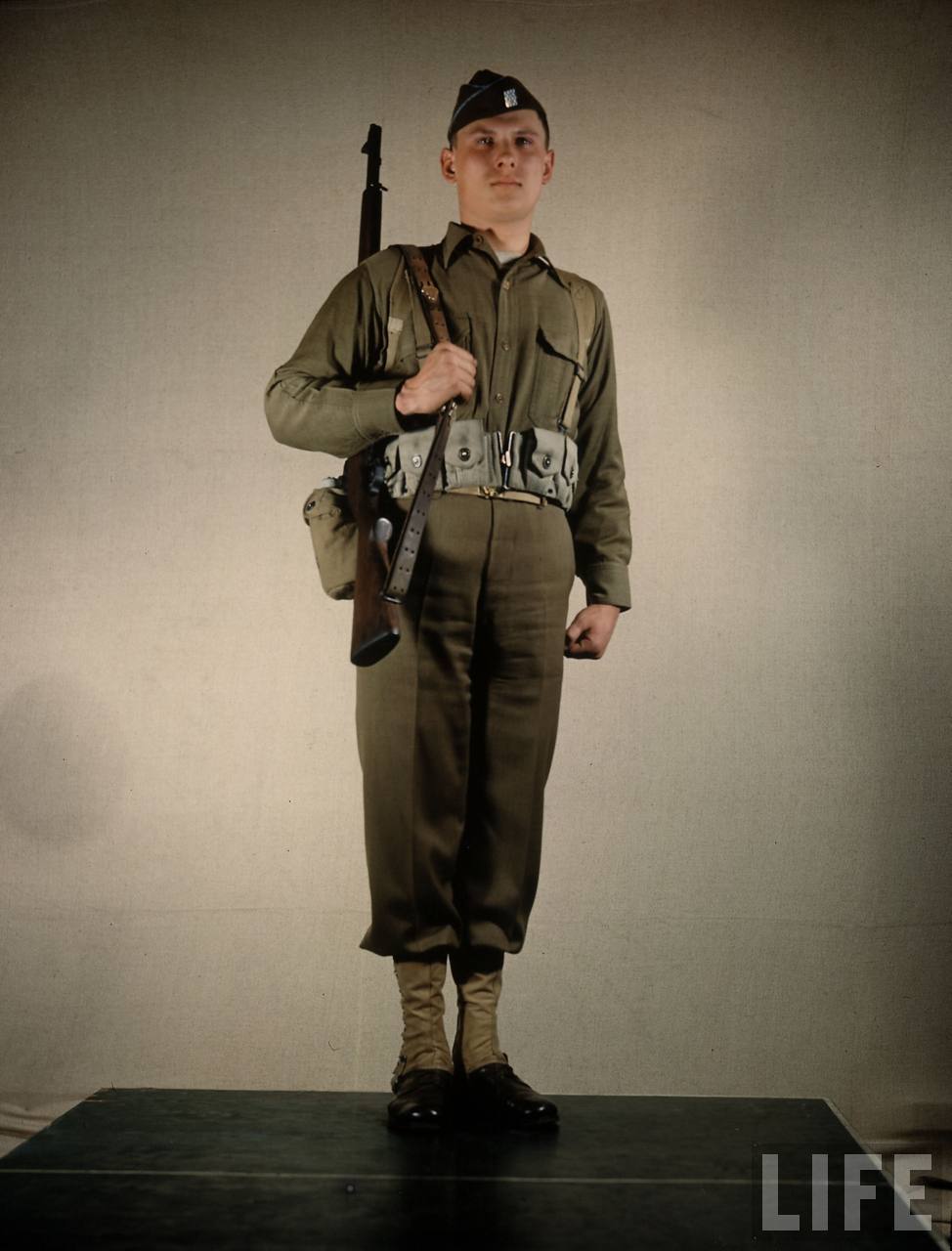
| 1941
Dmitri Kessel was born in the Russian Ukraine on his family’s sugar plantation. His most prized possession as a kid was his Brownie camera which his father gave him when he was 14. When his family’s possessions were confiscated during the Bolshevik Revolution, Dmitri managed to keep his camera, but this too was destroyed when a Russian soldier broke it over Dmitri’s head. He escaped from Russia via Romania and immigrated to America in 1923.
During his 60-year career, Kessel worked as an industrial photographer, a war correspondent and combat photographer, and a photo essayist for LIFE. During World War II, he sailed on convoy escorts in the North Atlantic, covered the landing of American troops in the Aleutian Islands and the British landing in Greece. He also photographed the Greek civil war.
In later years, Kessel lived on the Yangtze River in China for seven months while producing a photo essay for LIFE. He photographed the Andes Mountains in South America and mining operations in Central Africa.
Kessel is world famous for the fidelity of his camera recreations of great art, but was also a tough and adventurous new photographer.
Source: American Jewish Historical Society Newsletter Fall/Winter 2003
|
Category: Dmitri Kessel
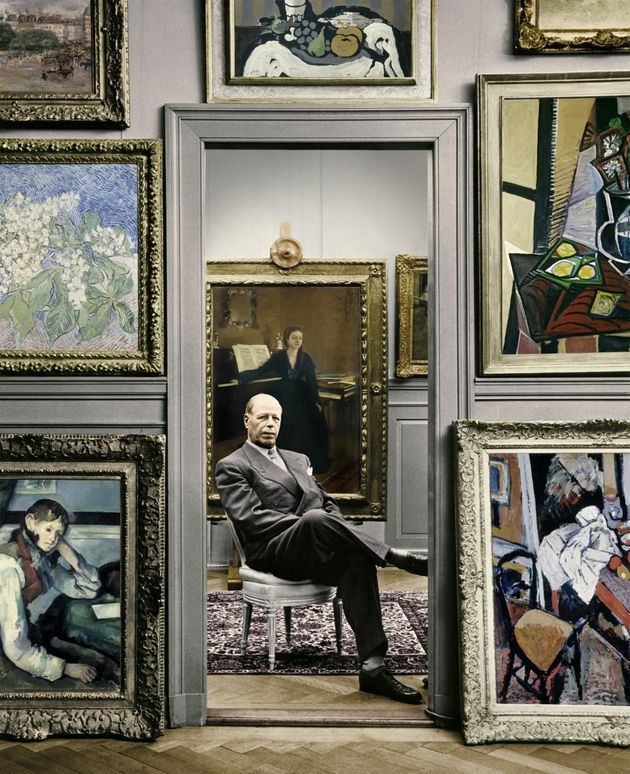
Emil Georg Bührle
 |
||
| The art collection of Emil Georg Bührle (1890-1956), a Zurich industrialist, is among the most important 20th-century private collections of European art. French Impressionism and Post-Impressionism constitute the core of the collection. Around these works is an ensemble of 19th-century French art that paved the way for Impressionism or developed alongside it. In the other direction, the core collection opens out onto the Nabis, Fauves, Cubists and other representatives of the French avant-garde after 1900. The collection is rounded off by sections devoted to earlier periods, in particular Dutch painting of the 17th and Italian painting of the 16th to 18th centuries and a group of Gothic wood sculptures. Emil Bührle acquired most of his pictures and sculptures between 1951 and 1956. The central theme of the collection is the gradual evolution of a new artistic freedom from Impressionism onwards as the driving force behind Modernist painting in the 20th century. His acquisitions also indirectly reflected changes in the contemporary art scene of the early 1950’s in that they included important examples of what by this time was the historic avant-garde of the early 20th century. In 1960, the collector’s family placed a representative selection of about 200 pictures and sculptures in a foundation and opened it to the public. The Foundation’s museum is housed in a villa adjoining Emil Bührle’s former home, which Bührle had used to store part of his collection during his lifetime. |
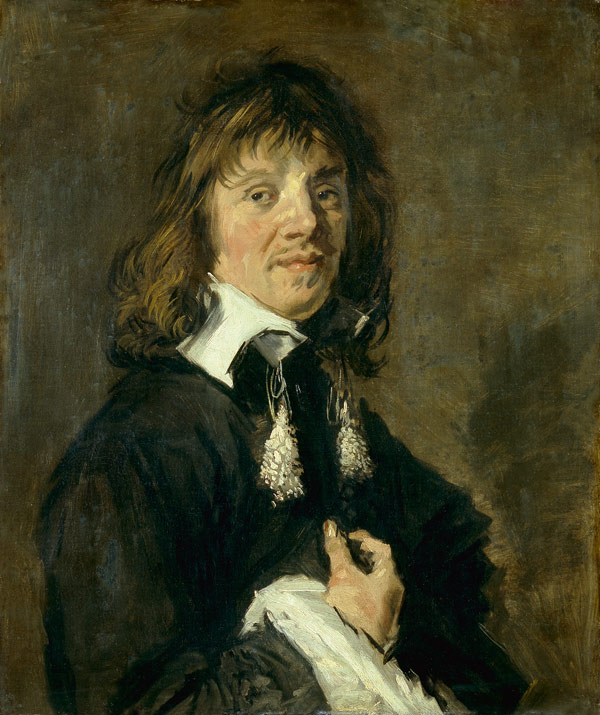 |
| Frans Hals |
 tout ceci est magnifique