Memorable, haunting, enchanting…

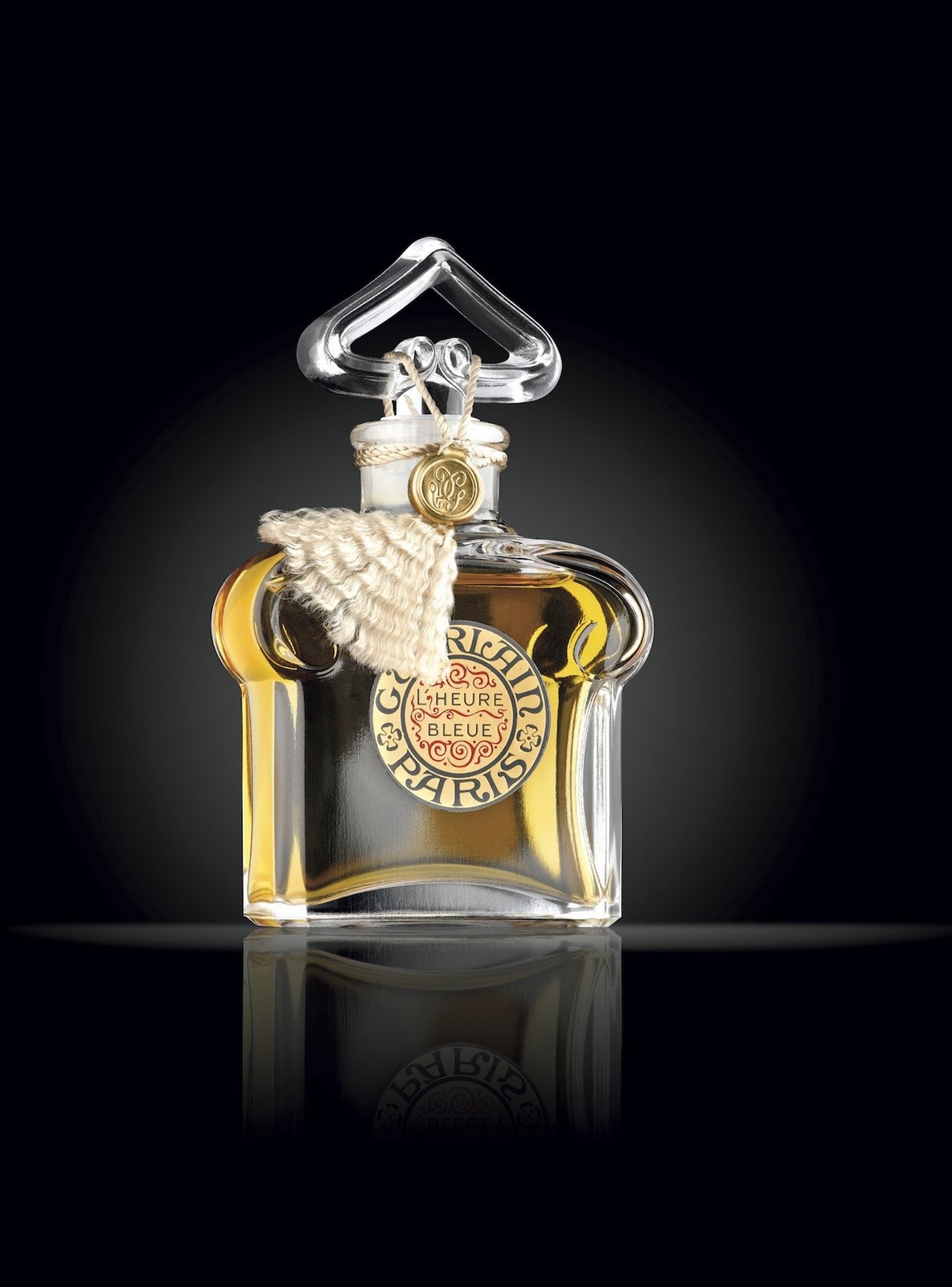
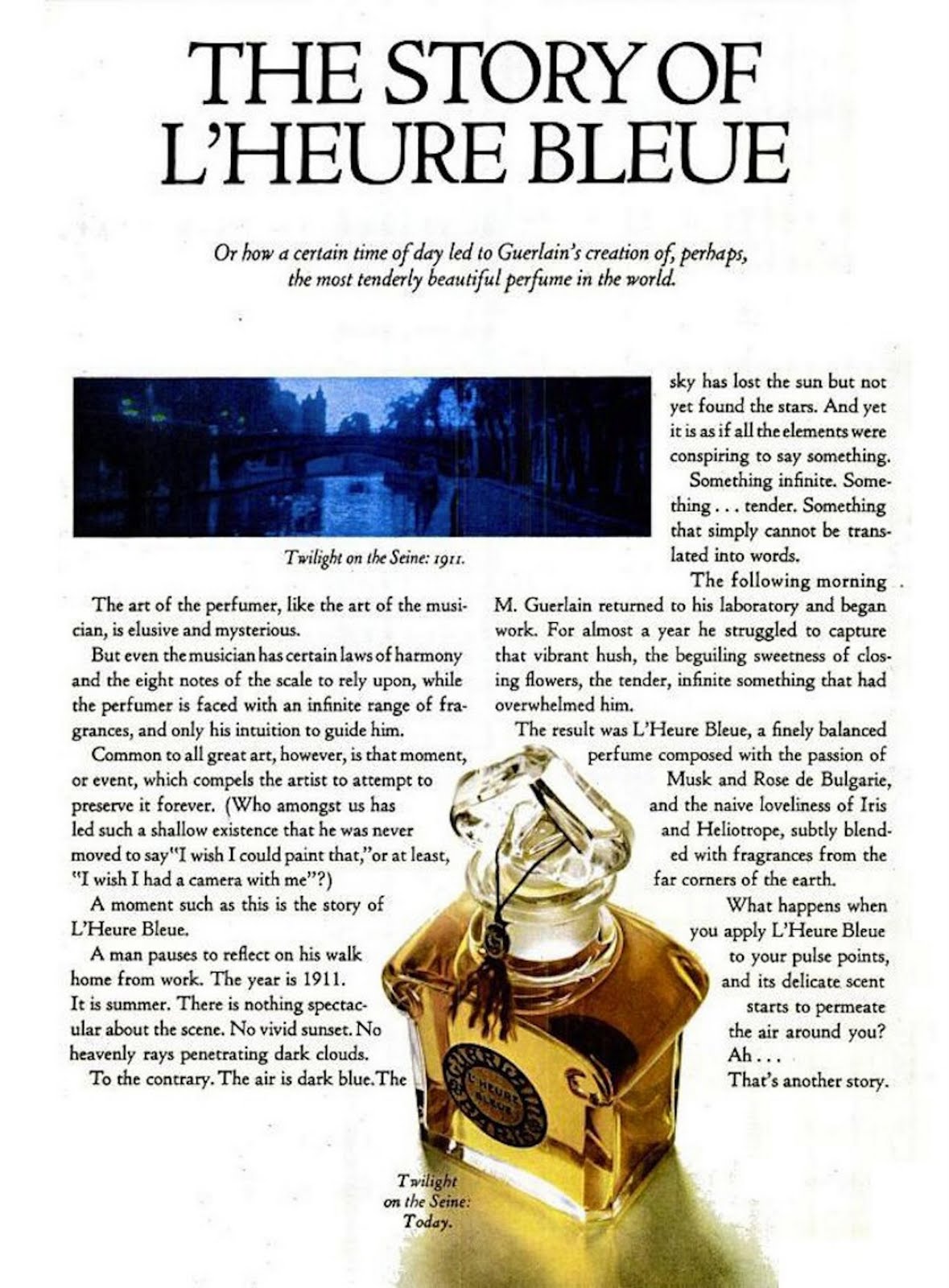
It all began in 1912 when Guerlain launched Heure Bleue.  Anyone who caught a whiff of that iris, heliotrope, 
jasmine and Bulgarian rose felt transported into the first twilight of the world, when the first stars were scintillating ...  
The Midnight Love Feast by Michel Tournier

La Maison Guerlain
L’ Heure Bleue, 1912
Jacques Guerlain, Perfumer
Raymond Guerlain, Bottle Designer, in collaboration with Baccarat
New York Magazine ~ May 4, 1970

Few companies, French or otherwise, have as romantic and regal a history as GUERLAIN.  The company was founded in 1828 by Pierre-François-Pascal Guerlain at a time when perfume – indeed the entire world of beauty products – wasn’t yet an industry.  But Guerlain would change all that.  Before the century was out, the house had won the favor of Empress Eugénie (wife of Napoleon III) and had made specially commissioned scents for clients as diverse as Balzac and Sarah Bernhardt…
[New York Magazine Jun 5, 1989] 
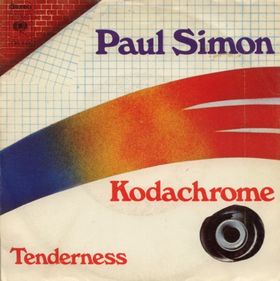
Mama, don’t take my Kodachrome away ♩♪♫♬♪

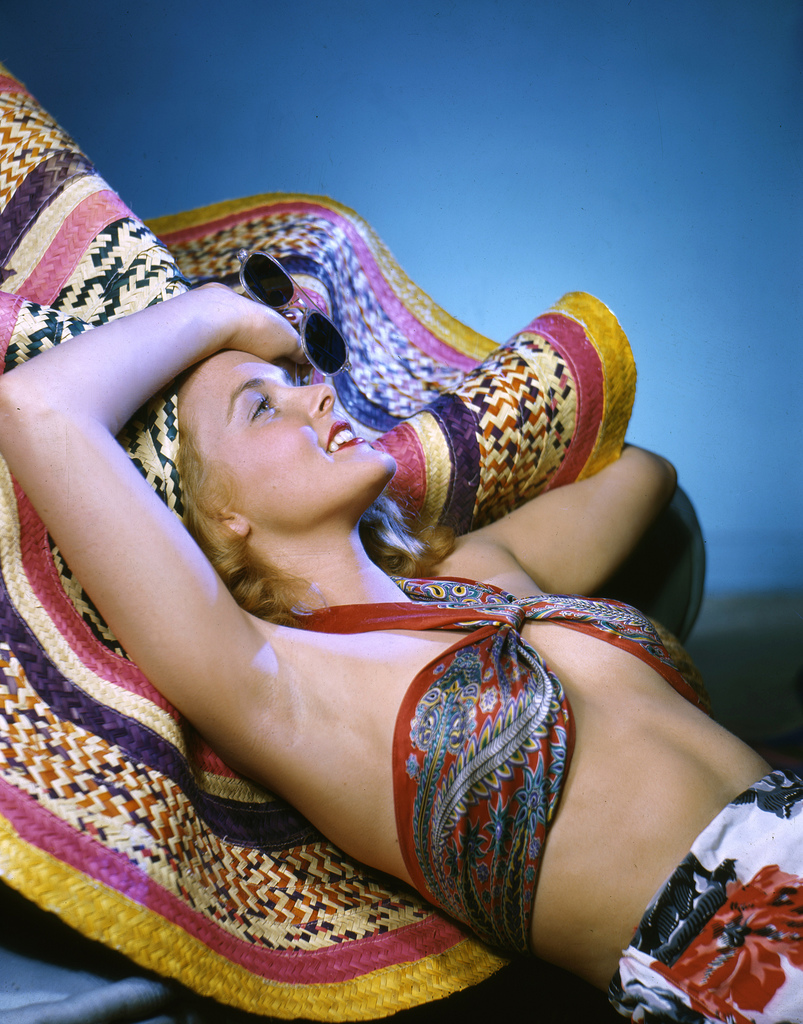
Reclining Model
ca. 1950 

leaf.gif

Kodachrome  

When I think back 

On all the crap I learned in high school
It’s a wonder
I can think at all
And though my lack of education
Hasn’t hurt me none
I can read the writing on the wall

Kodachrome
You give us those nice bright colors
You give us the greens of summers
Makes you think all the world’s a sunny day, oh yeah!
I got a Nikon camera
I love to take a photograph
So Mama, don’t take my Kodachrome away

If you took all the girls I knew
When I was single
And brought them all together for one night
I know they’d never match
My sweet imagination
And everything looks worse in black and white 

Kodachrome
You give us those nice bright colors
You give us the greens of summers
Makes you think all the world’s a sunny day, oh yeah!
I got a Nikon camera
I love to take a photograph
So Mama, don’t take my Kodachrome away  

Mama, don’t take my Kodachrome away…
Paul Simon, 1973
Sadly, on June 22, 2009, Kodak officially retired Kodachrome color film after 74 years

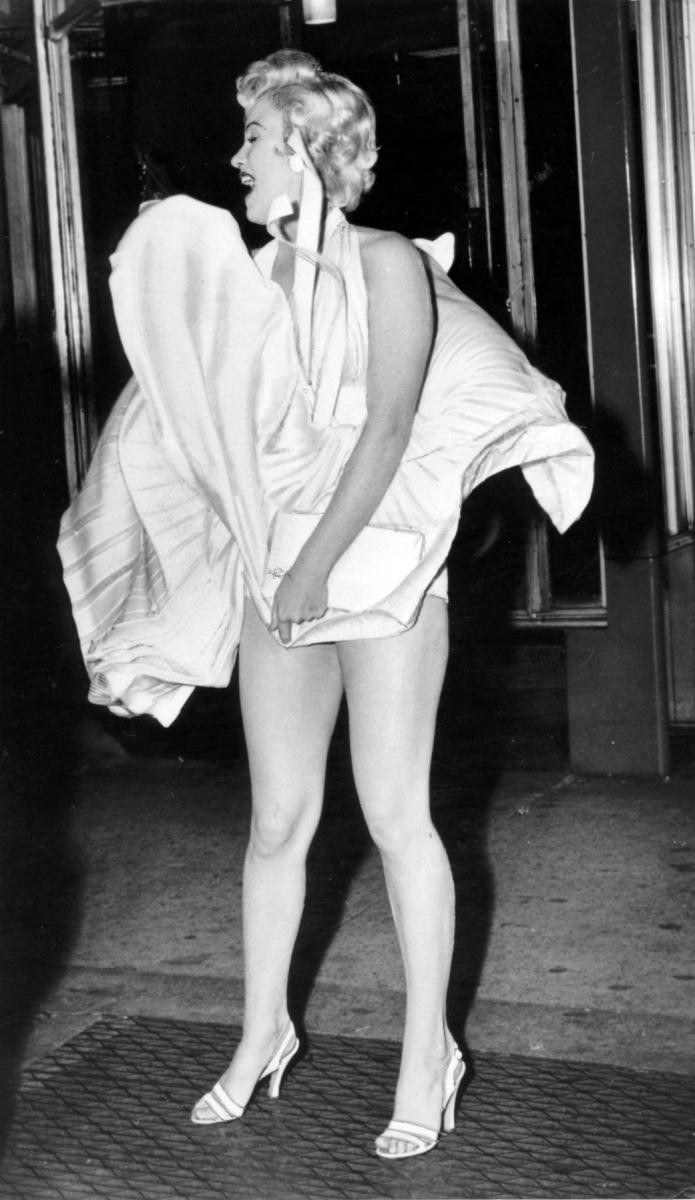
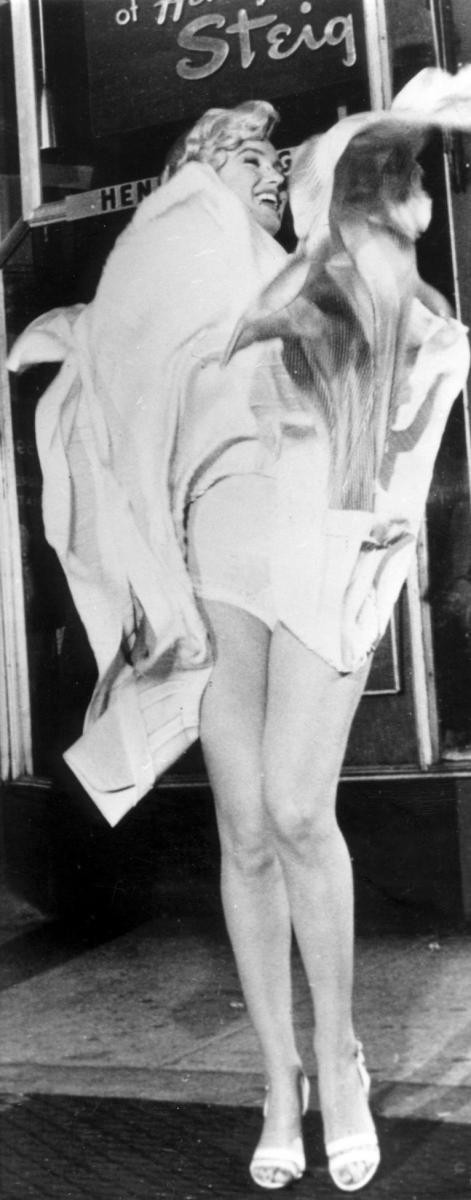
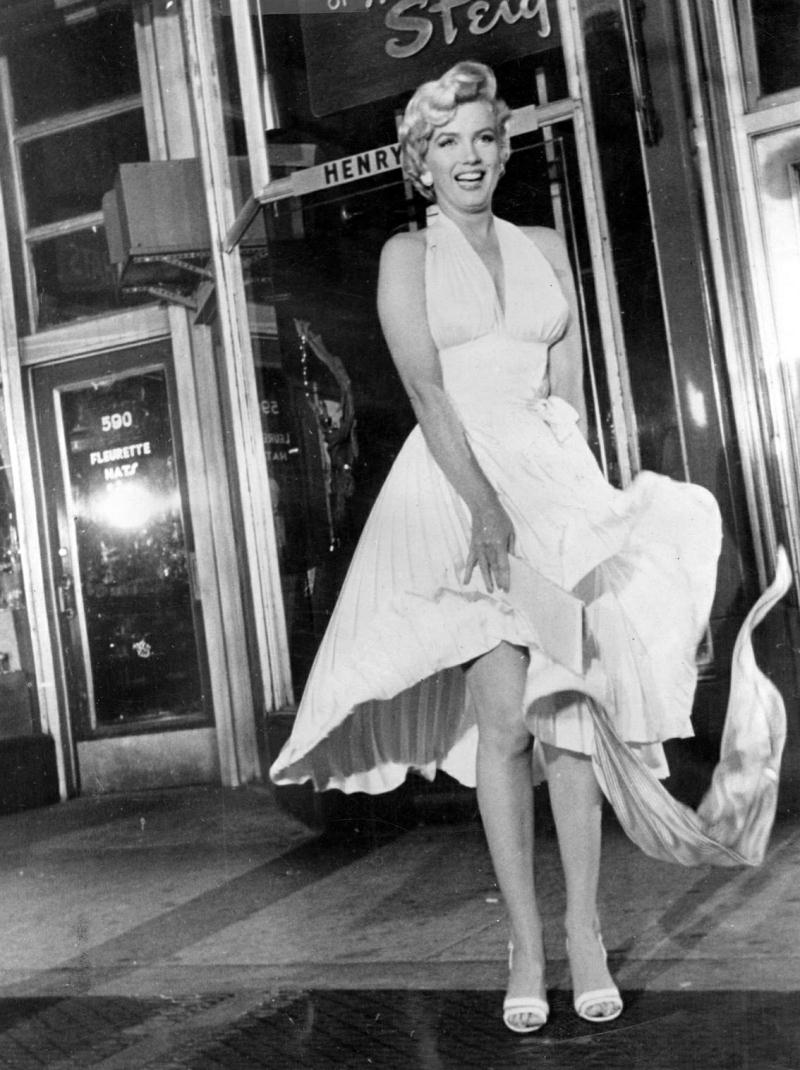
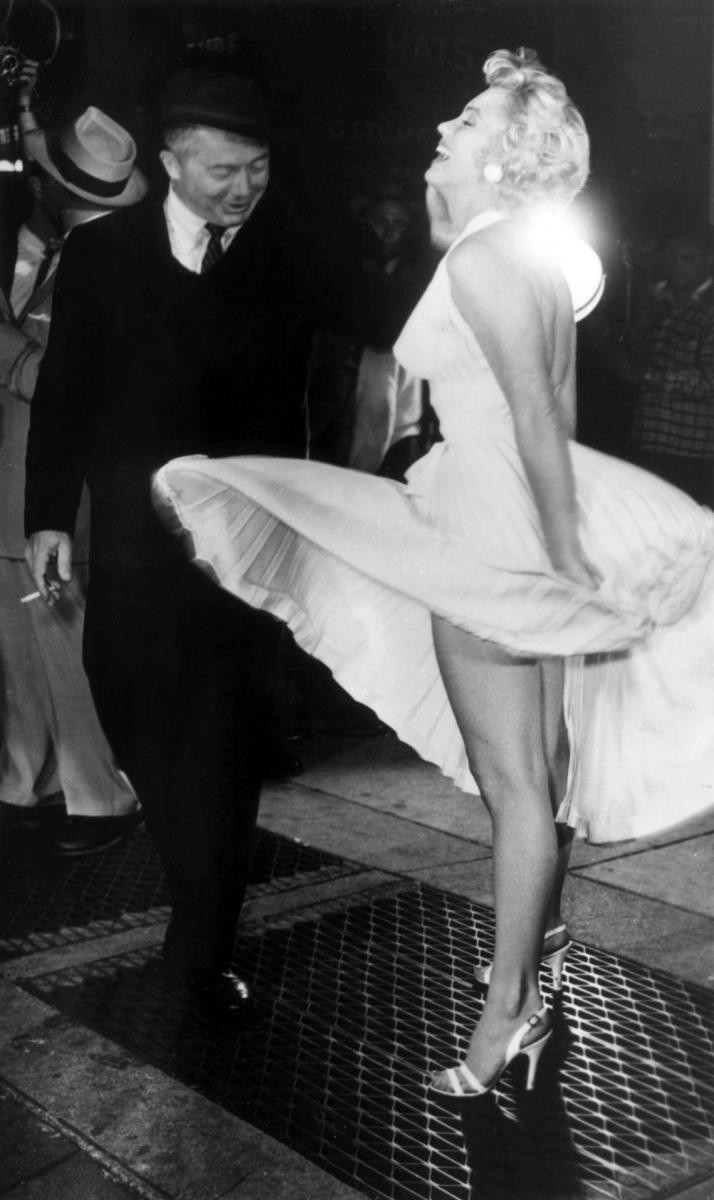
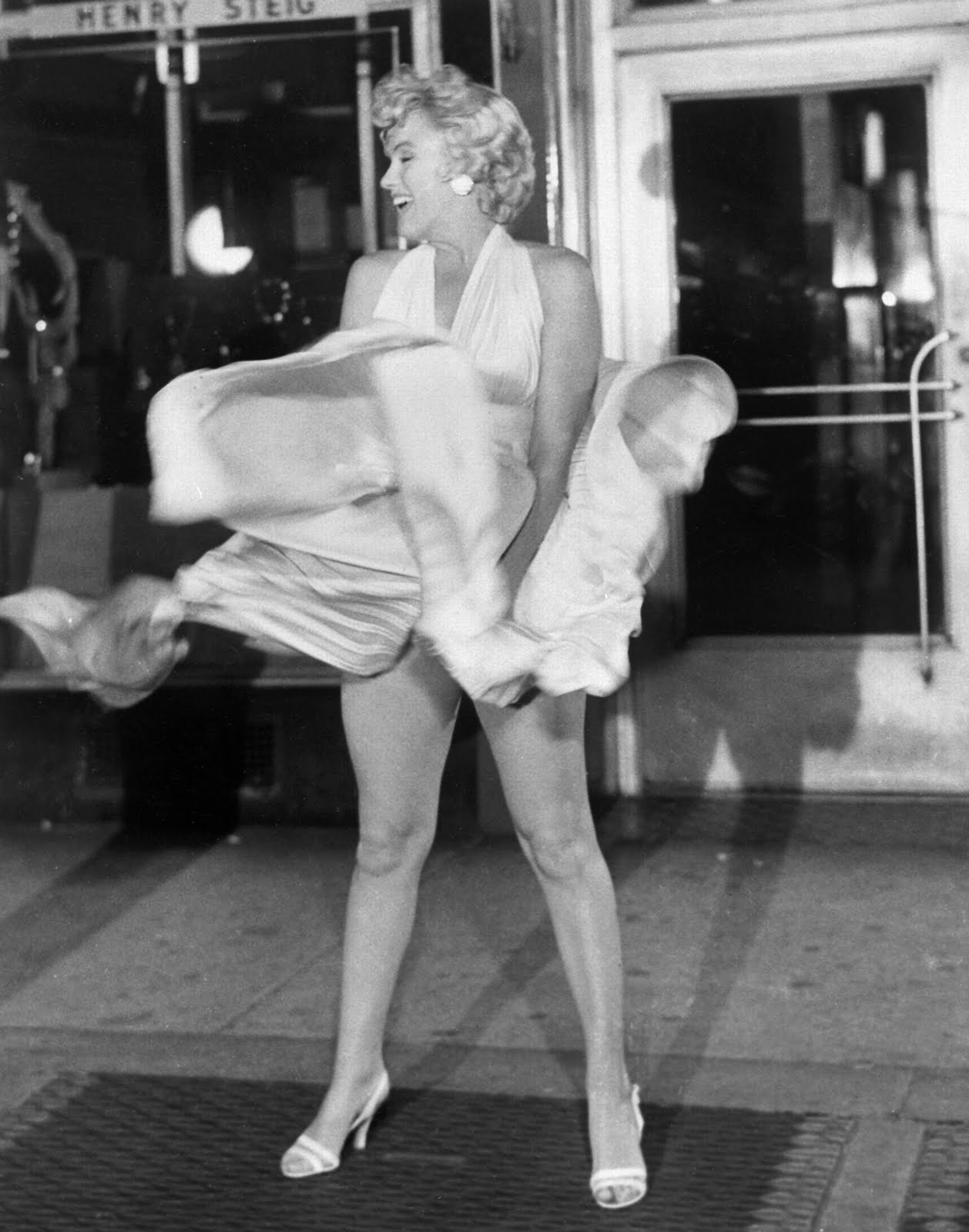
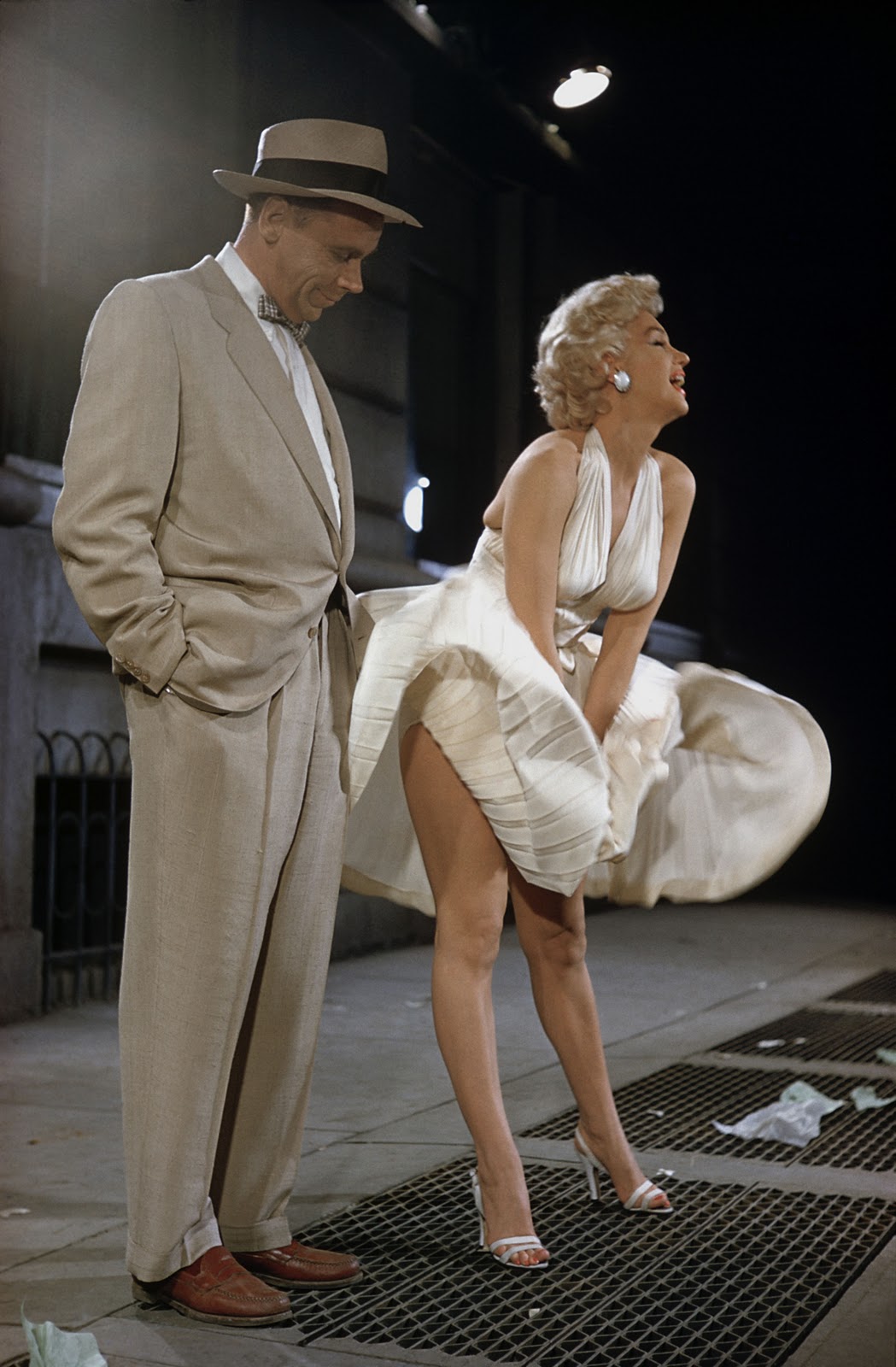
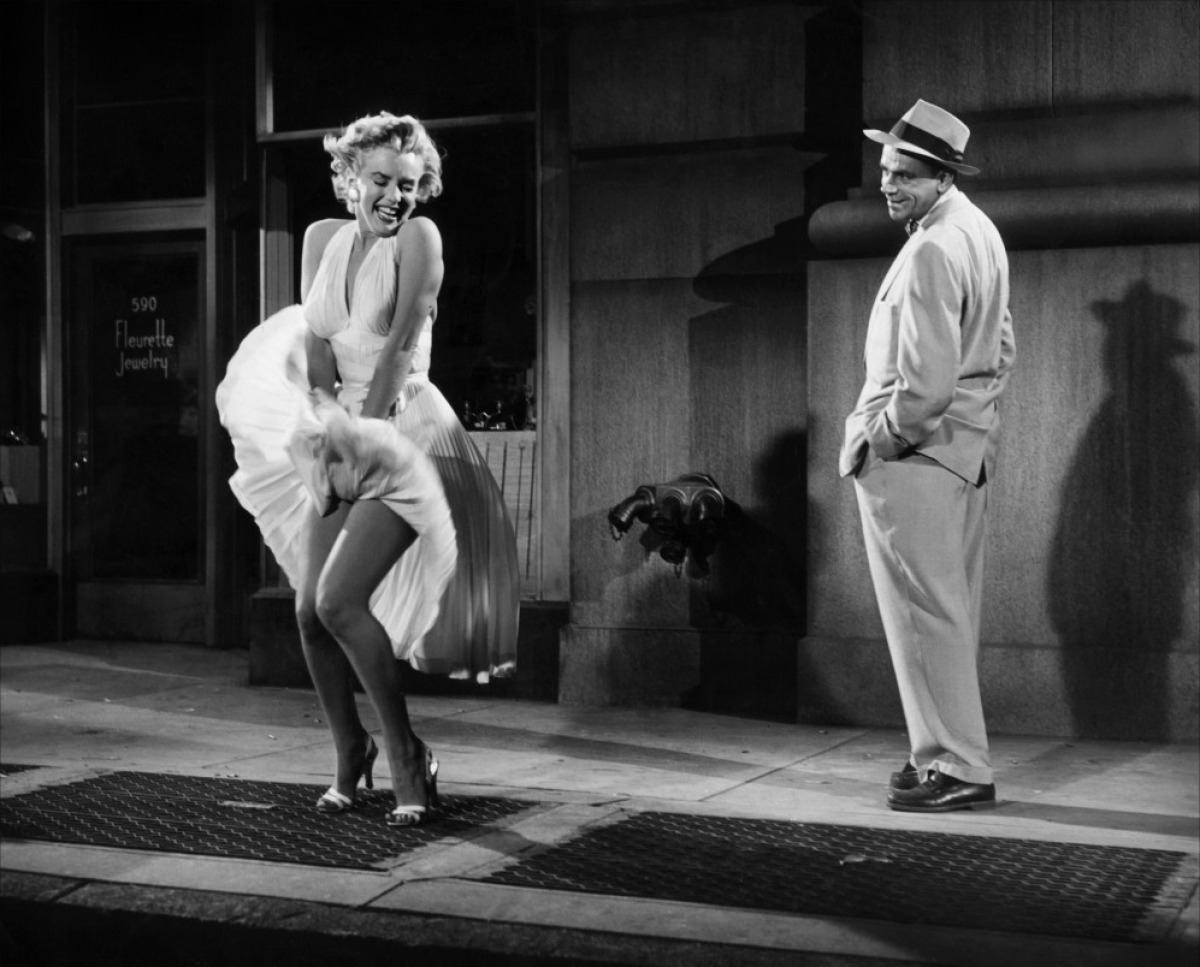
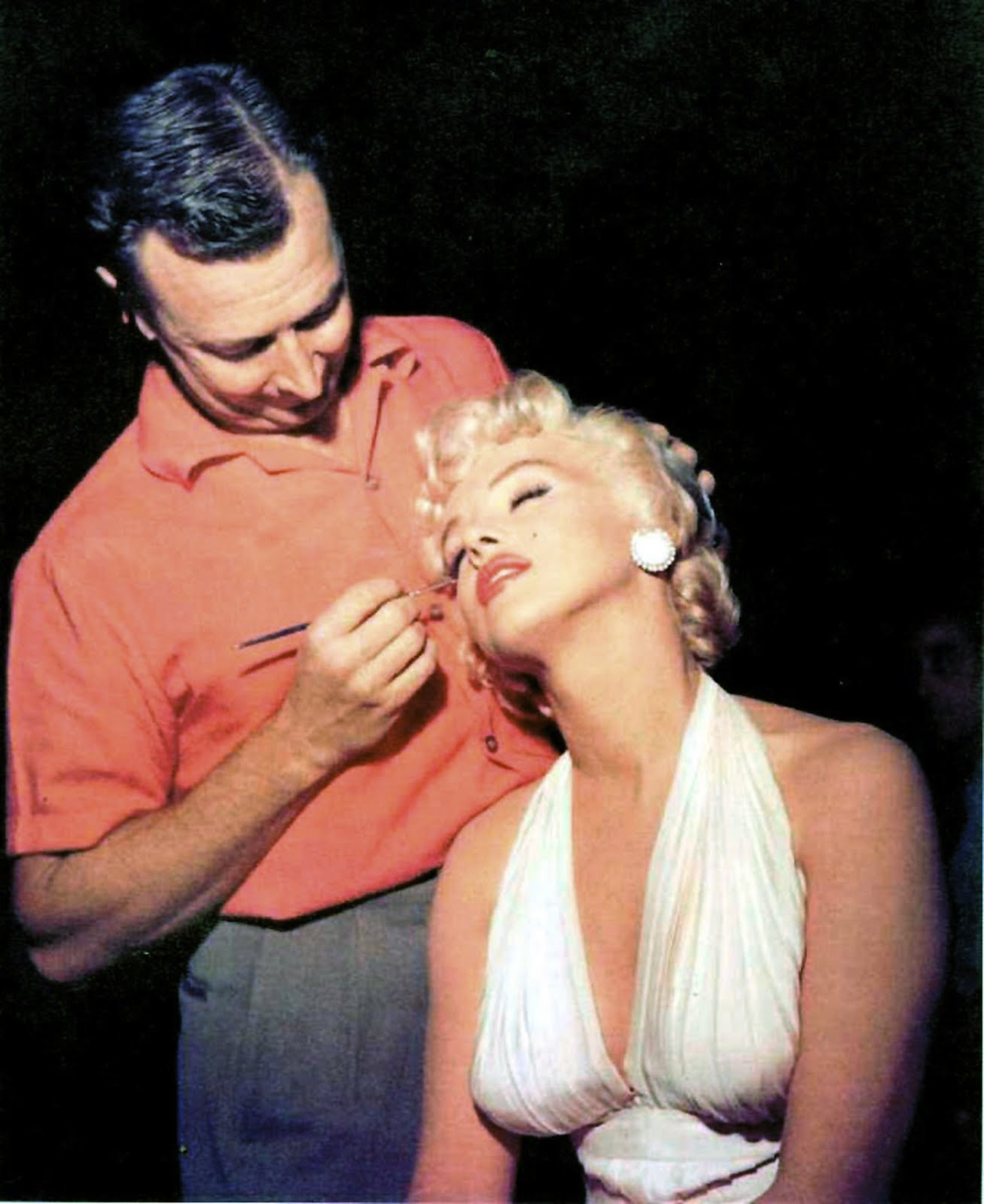
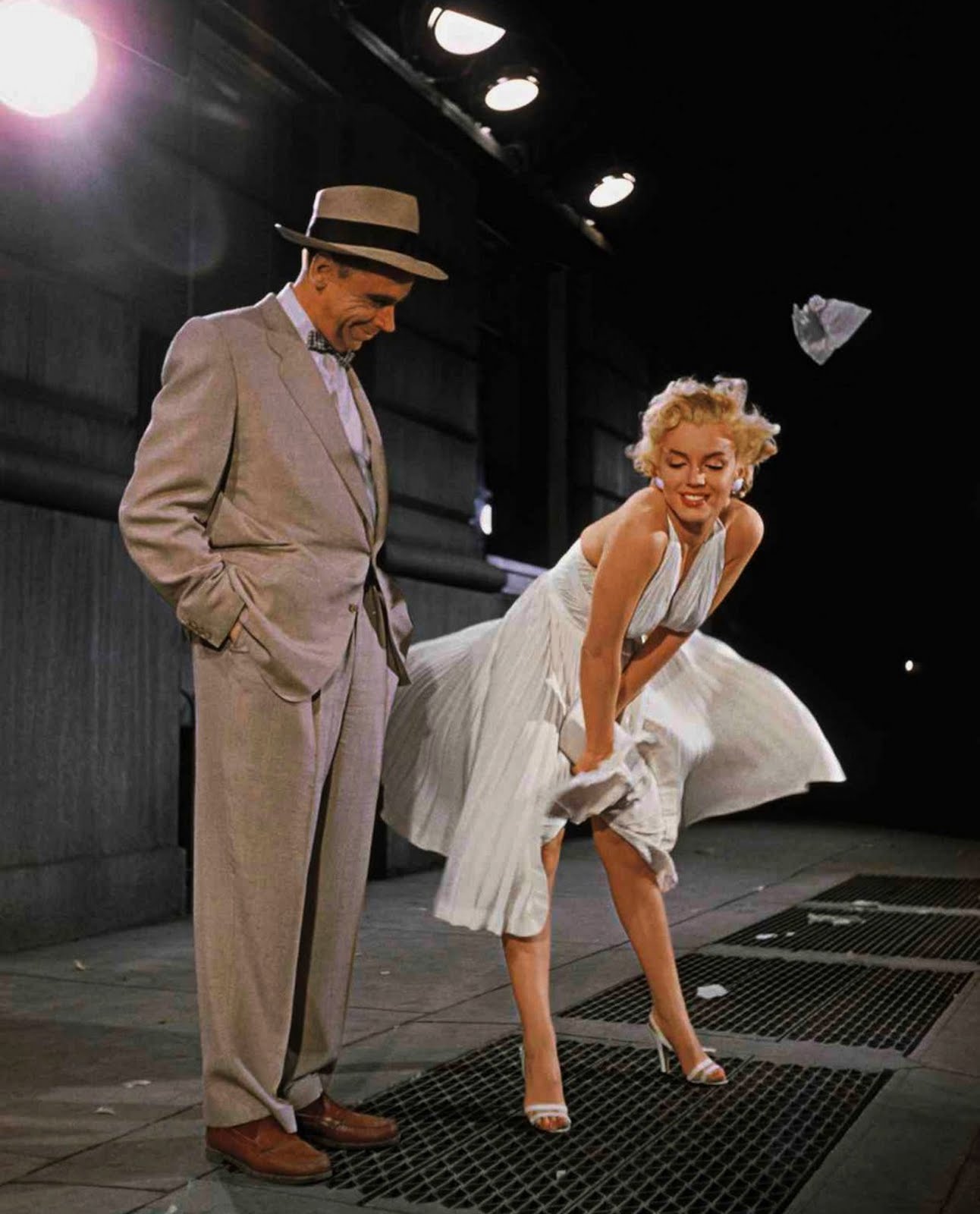
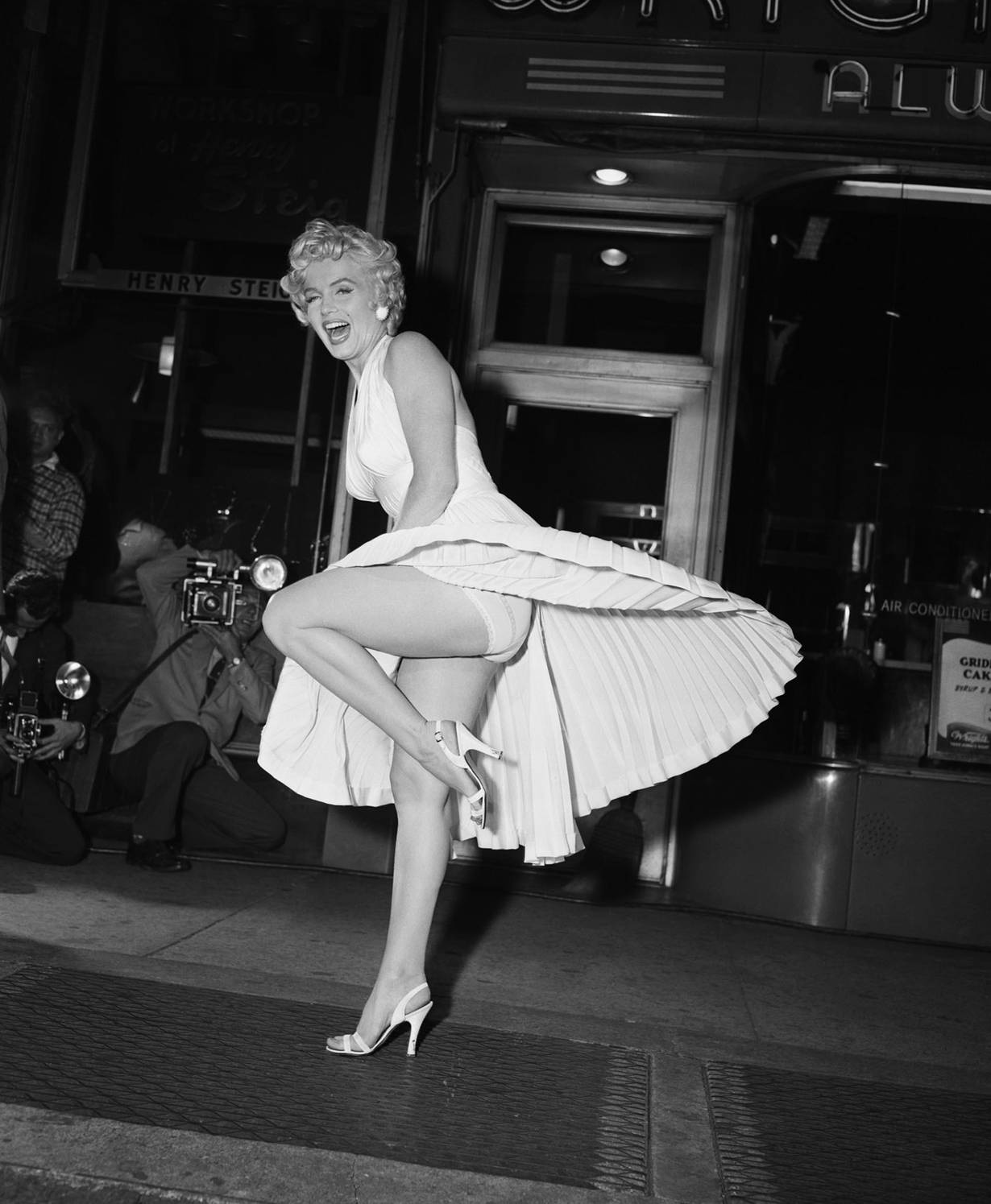
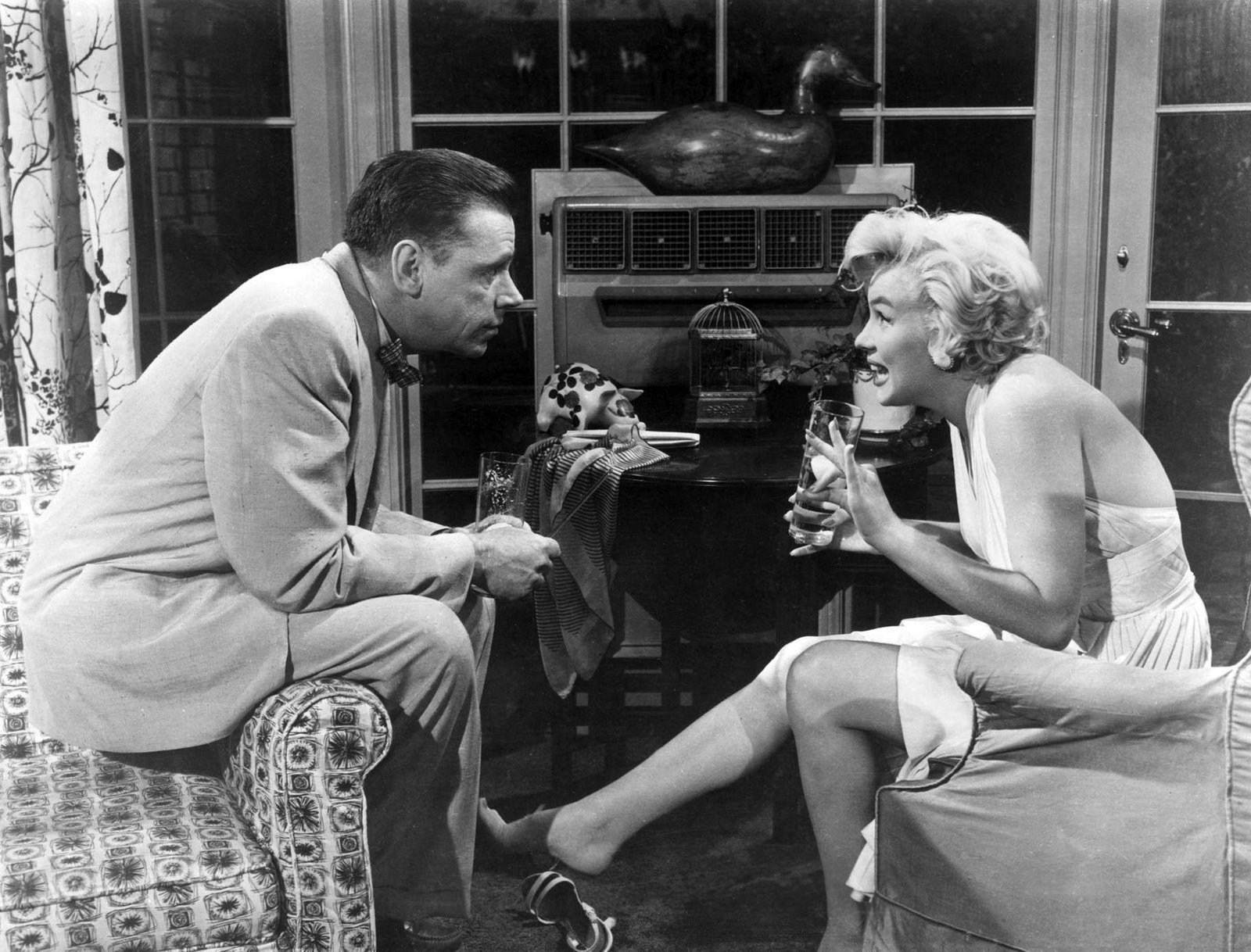
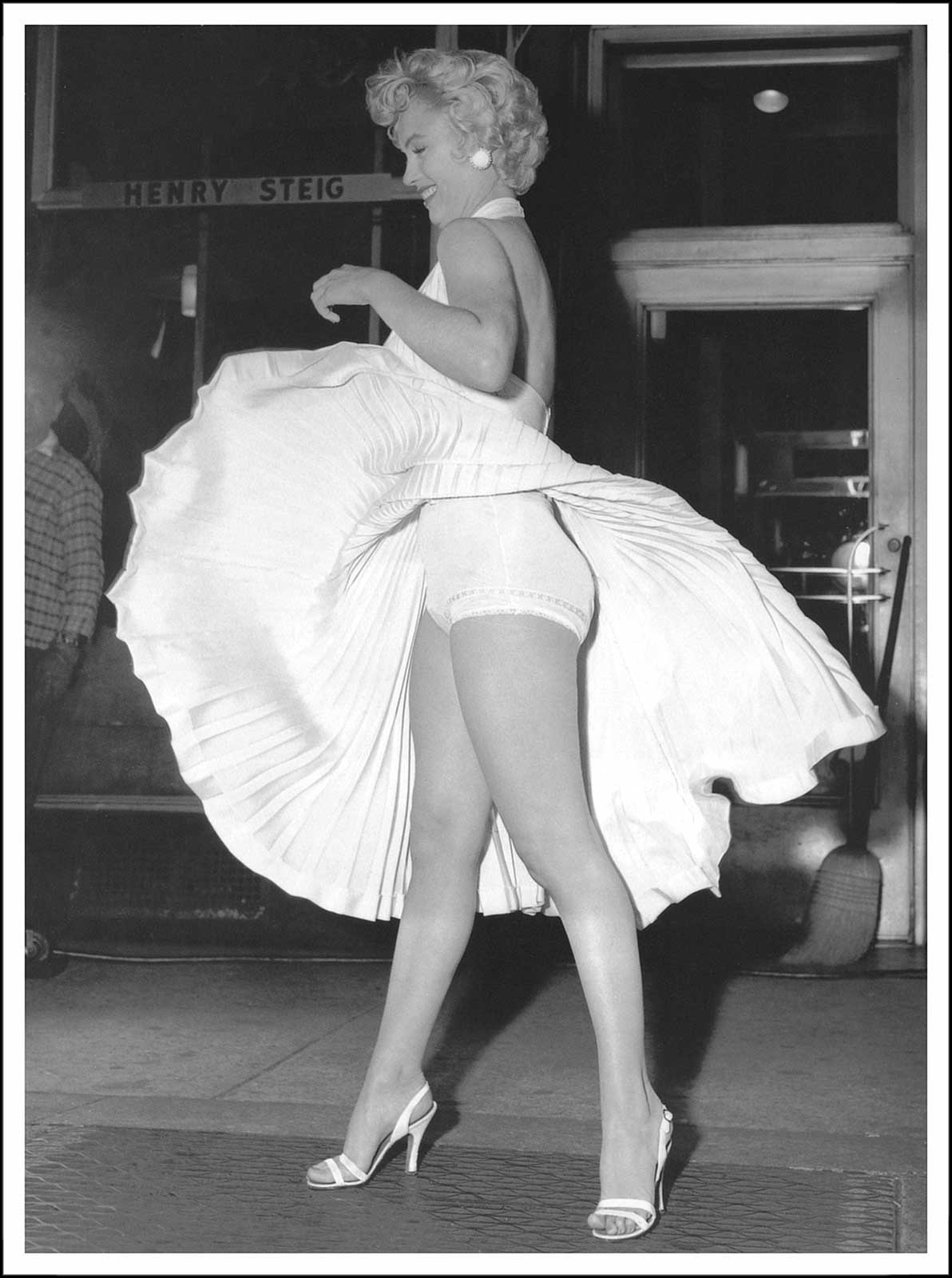
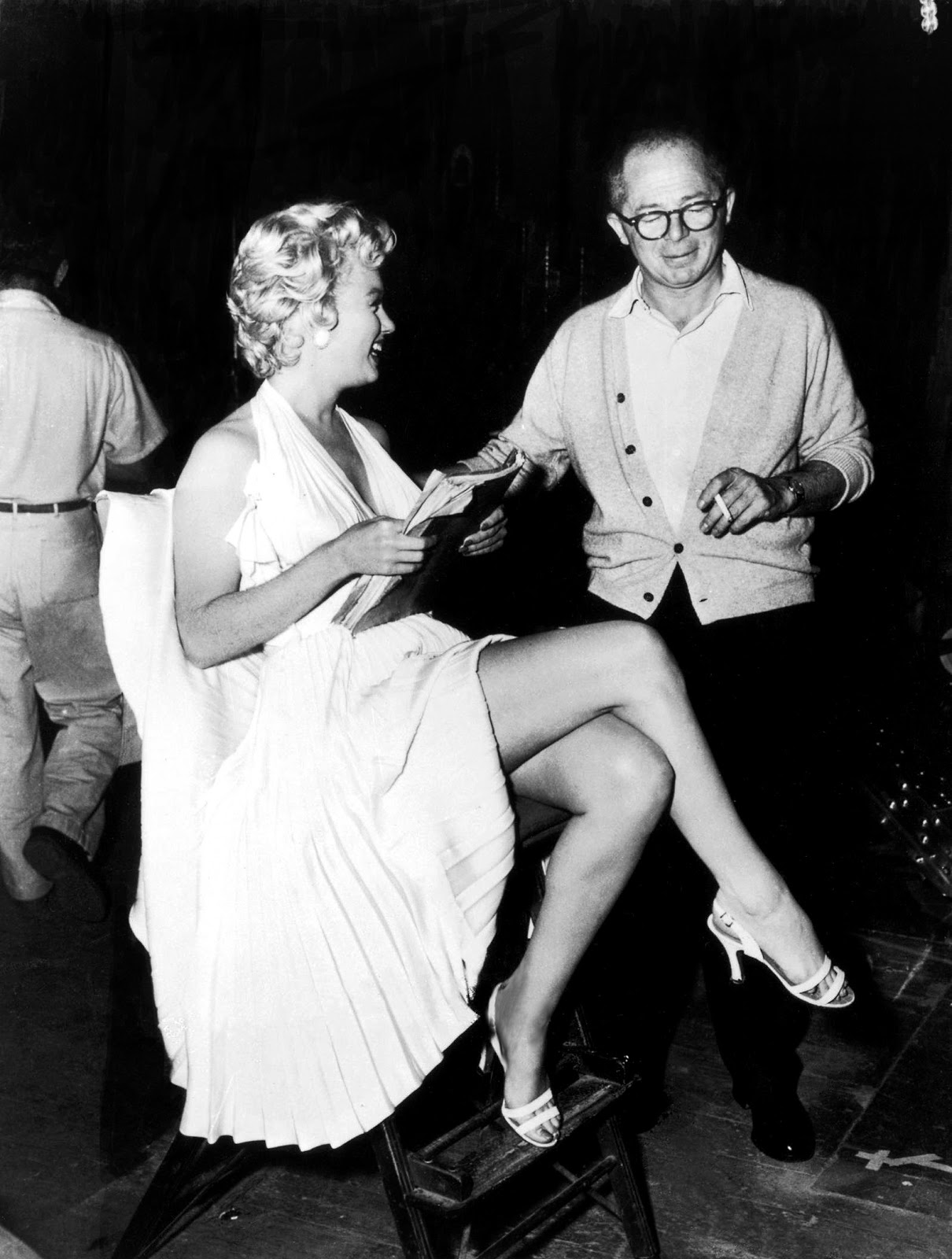
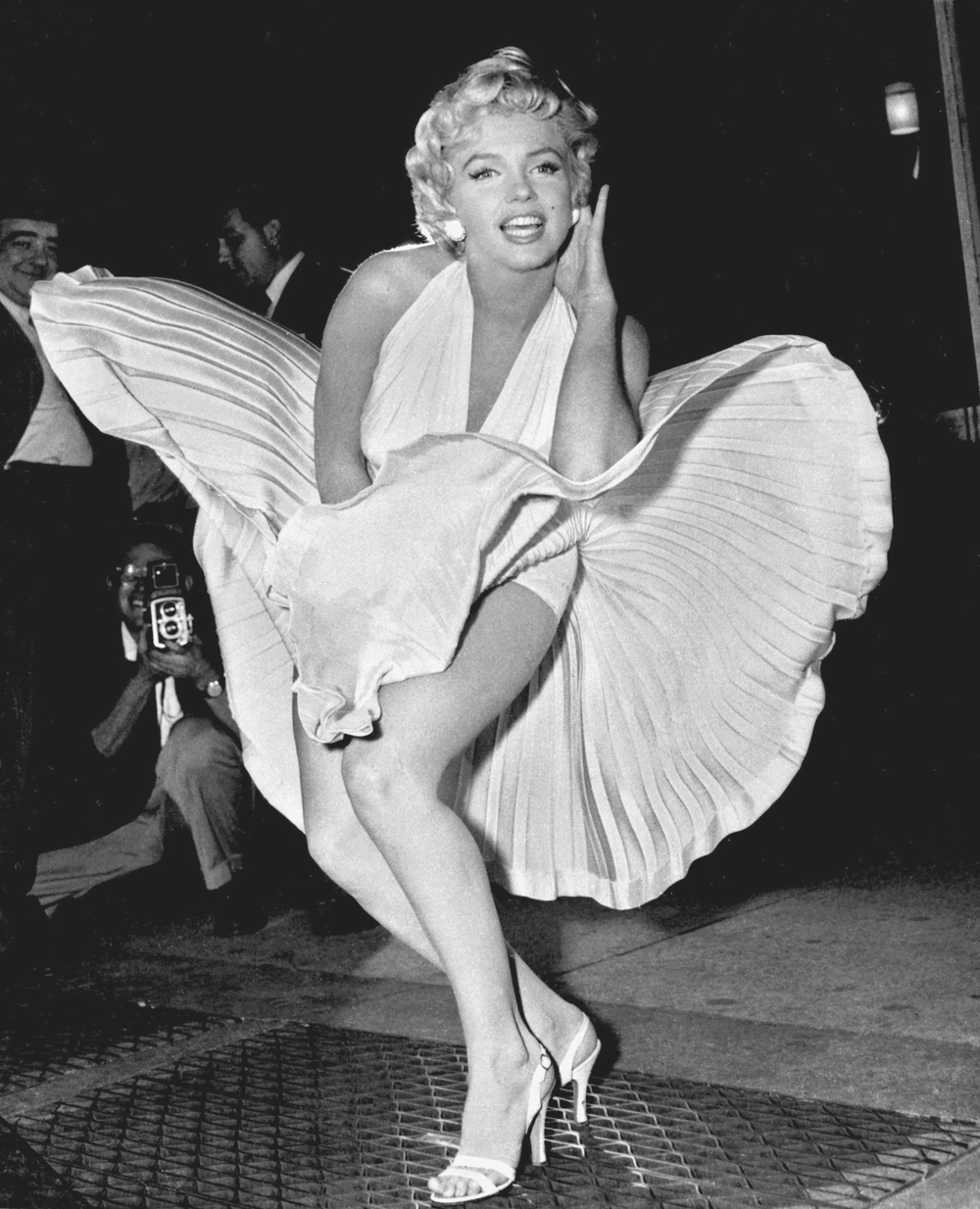
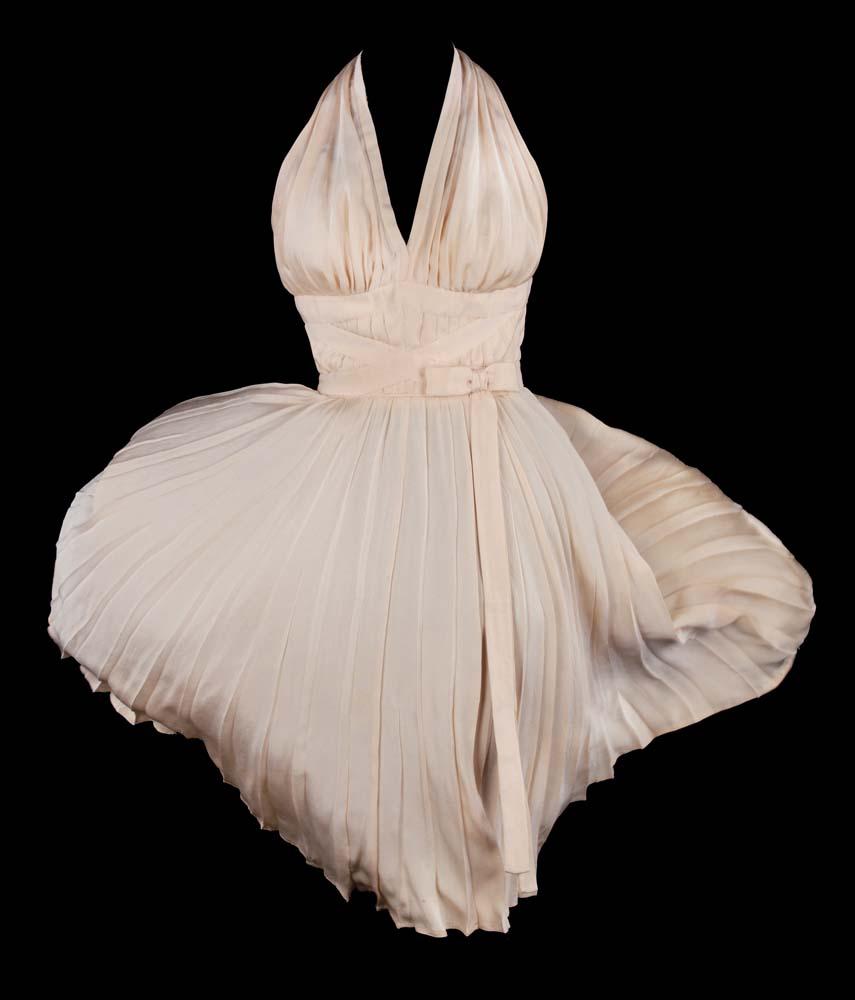
The little white dress that fetched 5,658,000.00 USD

Start Price : 1,000,000.00  USD
Estimates : 1,000,000.00 – 2,000,000.00 USD
Sold: 4,600,000.00 + 1,058,000.00 (buyer’s premium, taxes, fees, etc…) = 5,658,000.00 USD

➔  Debbie Reynolds The Auction 

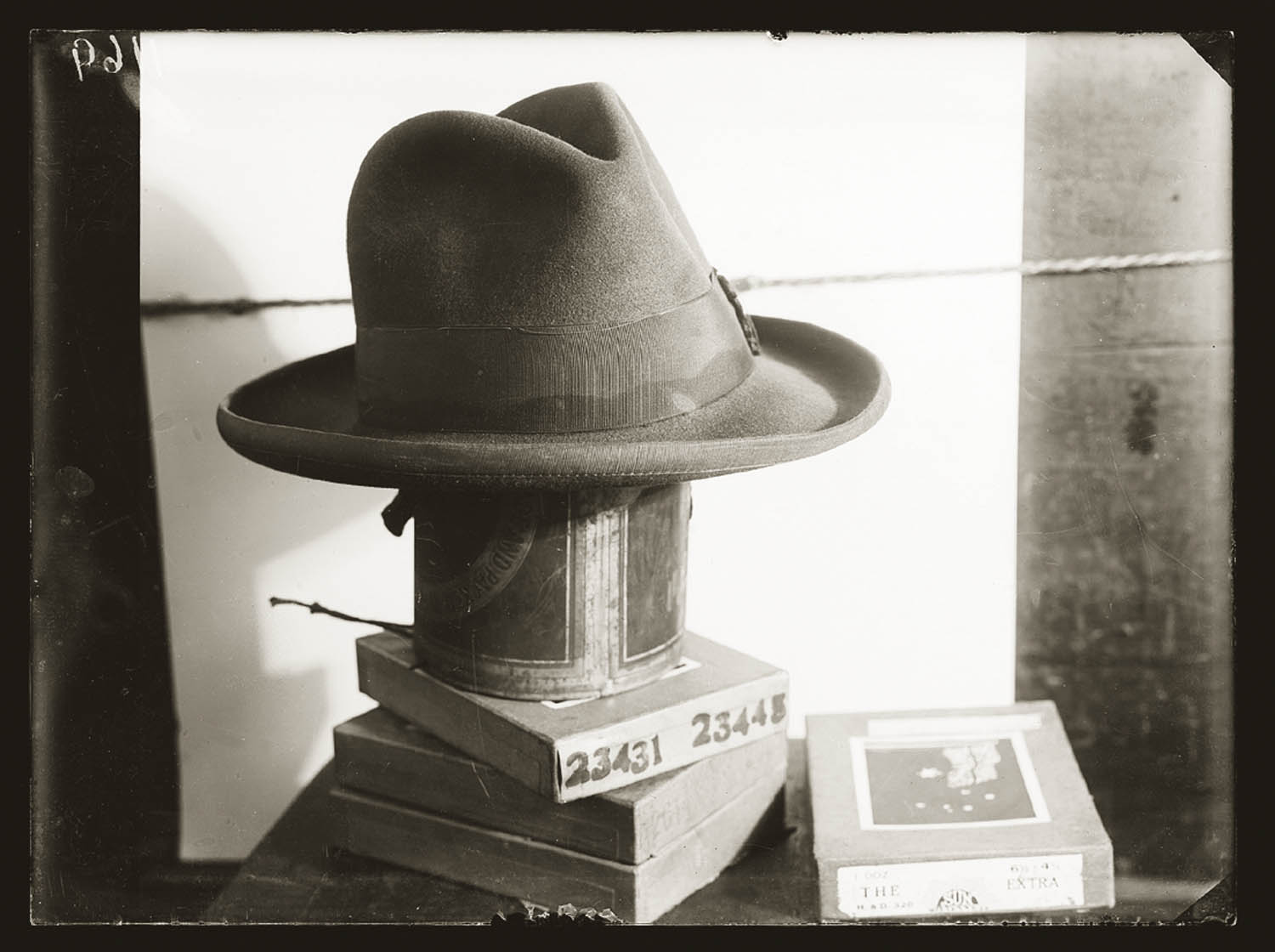
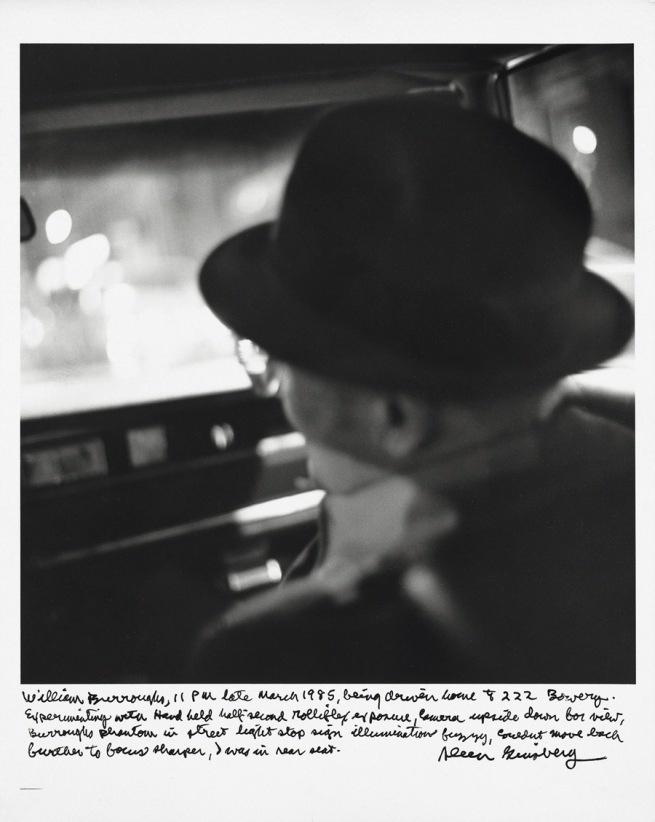
wherever he laid his hat was his home

 Man’s sweat-stained hat, presumably evidence in a criminal matter, atop boxes of police negatives. Location and details unknown, but possibly CIB, Sydney, ca. 1928
 William Burroughs, 11pm late March 1985, being driven home to 222 Bowery. Experimenting with hand held half second Roloflex exposure camera upside down for view, Burroughs phantom in street light stop sign illumination fuzzy, couldn’t move back further to focus sharper, I was in rear seat.Allen Ginsberg  [©Allen Ginsberg Estate]
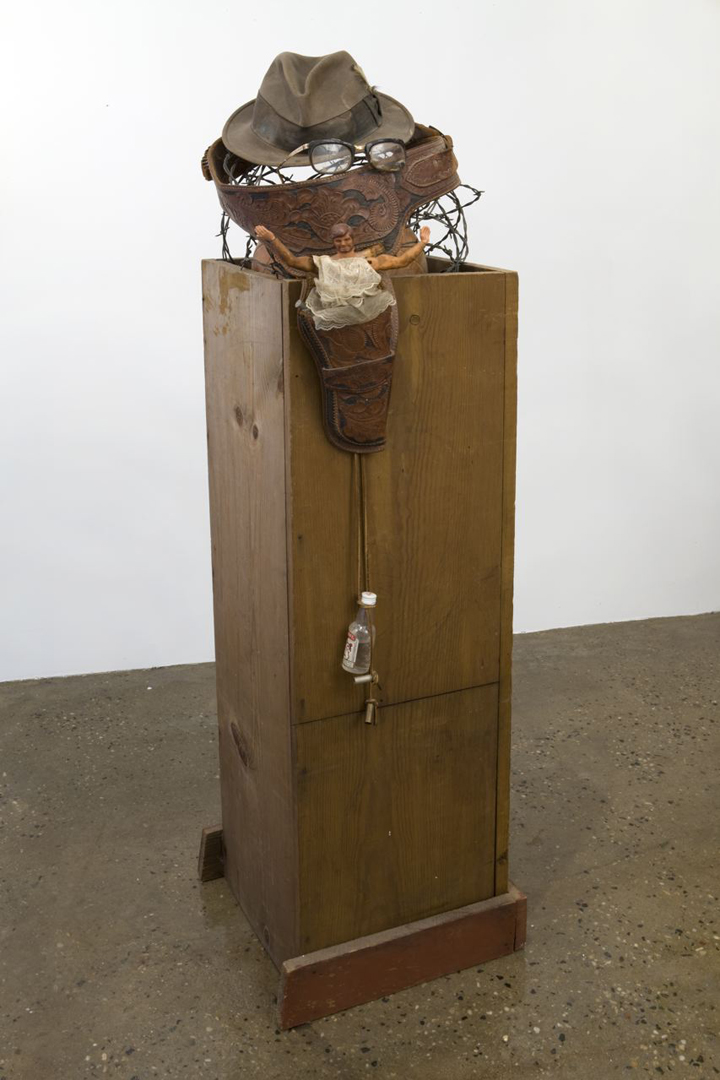
 George Condo + William S. Burroughs, Untitled, 1992. 
Barbed wire, leather waistband ammunition and gun holster, plastic Ken-doll, glasses, felt hat, vodka bottle, wood pedestal

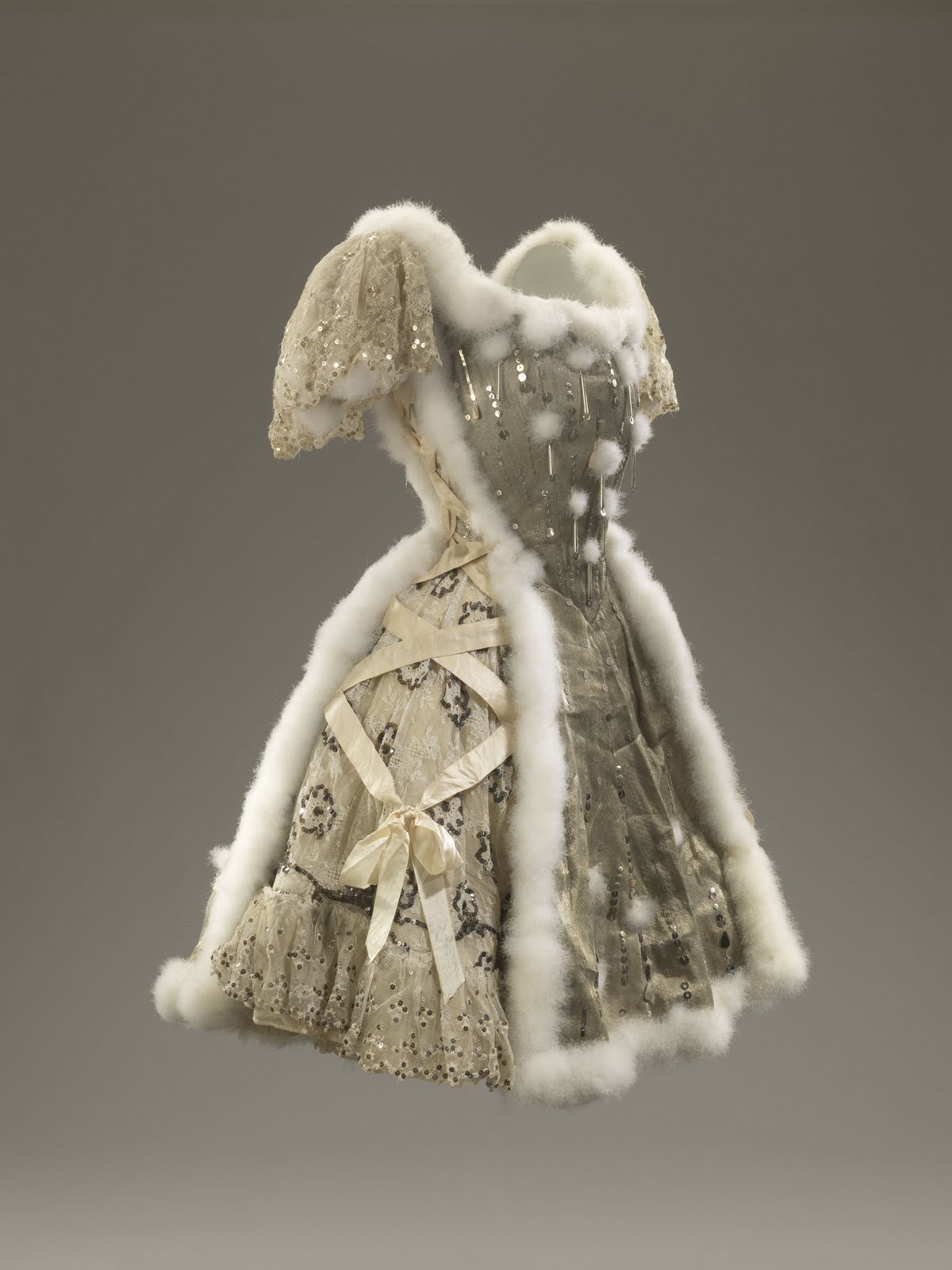
Jean Lorrain ~ Neigilde, 1902

Costume for La Mer de Glace, act III, 1909
(Robe en satin de fil métallique argenté ornée de sequin et perles tubulaires parsemées et brodées de duvet de cygne blanc)
Ballet-opéra by Jean Lorrain, music by Charles Silver
Nouveau Musée National de Monaco
[photo Mauro Magliani and Barbara Piovan, 2010]  

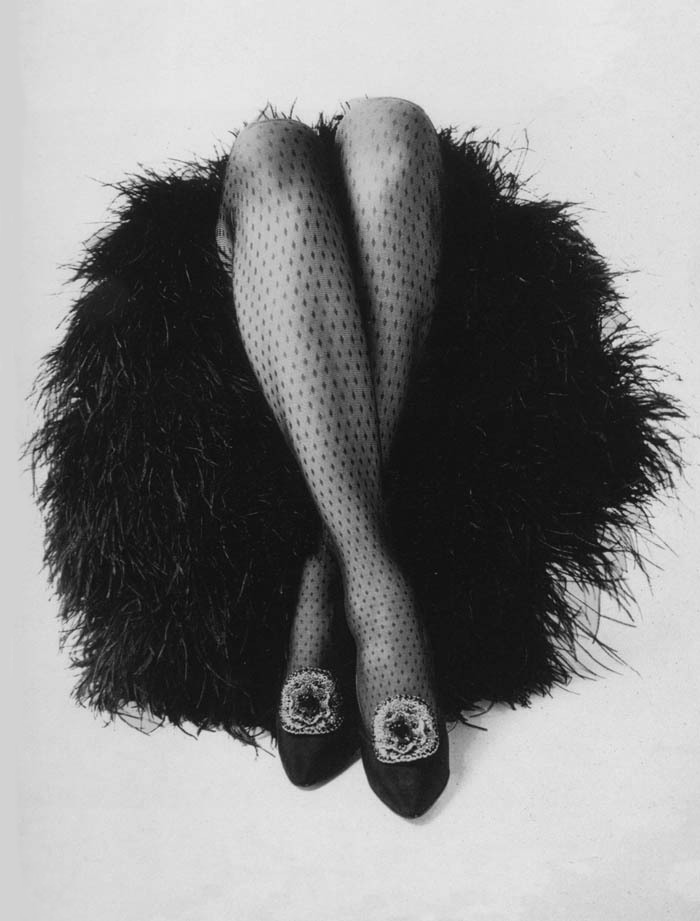
Plumes et Plumetis

John Rawlings ~ Hanes hosiery, 1964

John Rawlings was a Condé Nast Publications fashion photographer from the 1930s through the 1960s. Rawlings left a significant body of work, including 200 Vogue and Glamour magazine covers to his credit and 30,000 photos in archive, maintained by curator Kohle Yohannan.
 

Rawlings was in the elite circle of top Vogue photographers Irving Penn, Horst P. Horst, George Hoyningen-Huene, and George Platt Lynes. His archive includes photographs of stage, screen, and society stars of the 1940s and 1950s, including Marlene Dietrich, Salvador Dali, Veronica Lake, Bridget Bate Tichenor and Montgomery Clift.

John Rawlings: 30 Years in Vogue

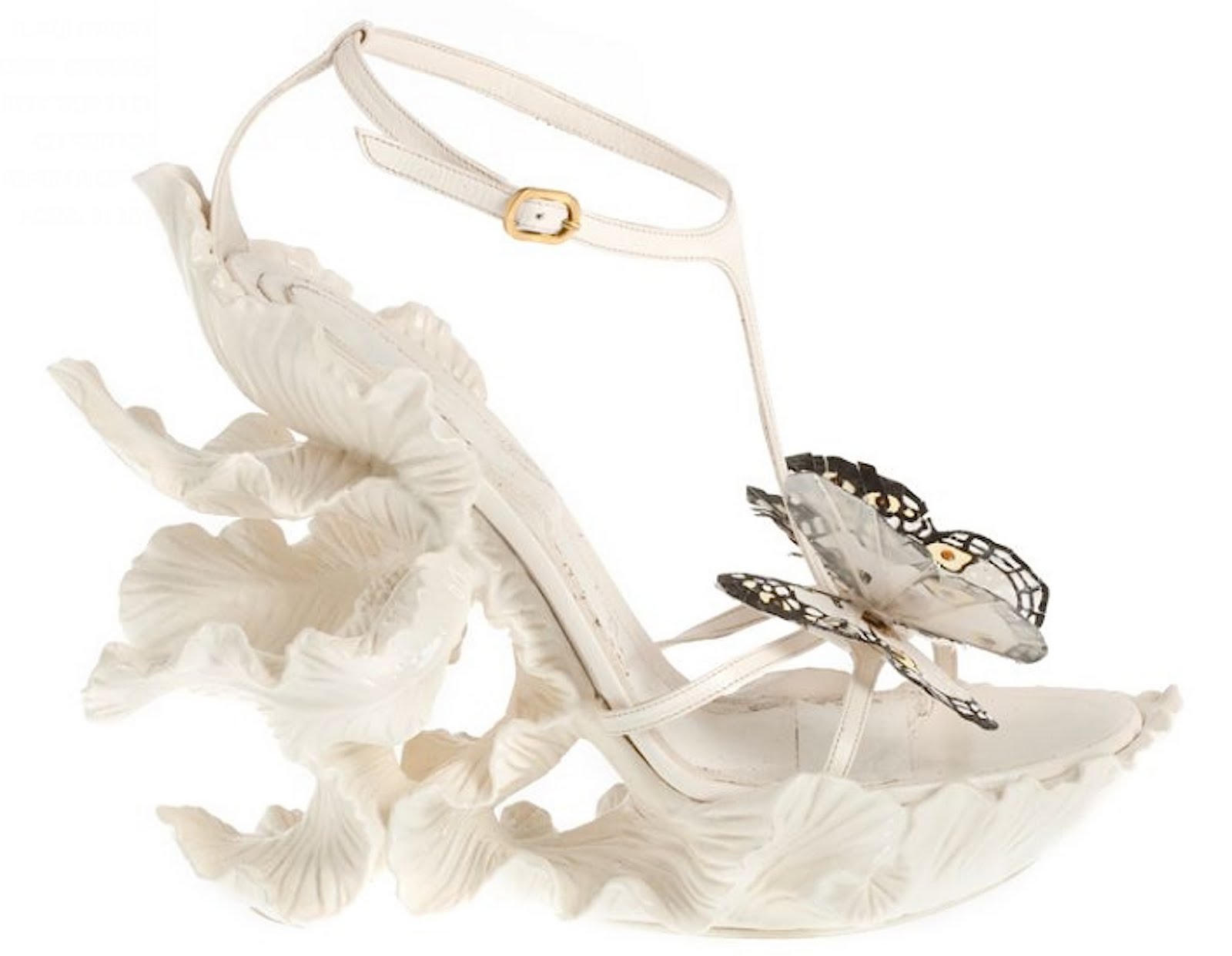
Butterfly Shoe

Spring/Summer 2011

Alexander McQueen: Savage Beauty [May 4, 2011–July 31, 2011] The exhibition, organized by The Costume Institute, will celebrate the late Alexander McQueen’s extraordinary contributions to fashion. From his postgraduate collection of 1992 to his final runway presentation which took place after his death in February 2010, Mr. McQueen challenged and expanded the understanding of fashion beyond utility to a conceptual expression of culture, politics, and identity. His iconic designs constitute the work of an artist whose medium of expression was fashion. Approximately one hundred examples will be on view, including signature designs such as the bumster trouser, the kimono jacket, and the Origami frock coat, as well as pieces reflecting the exaggerated silhouettes of the 1860s, 1880s, 1890s, and 1950s that he crafted into contemporary silhouettes transmitting romantic narratives. Technical ingenuity imbued his designs with an innovative sensibility that kept him at fashion’s vanguard.  ➔  The Metropolitan Museum of Art