Sorry, Wrong Number

Barbara Stanswick
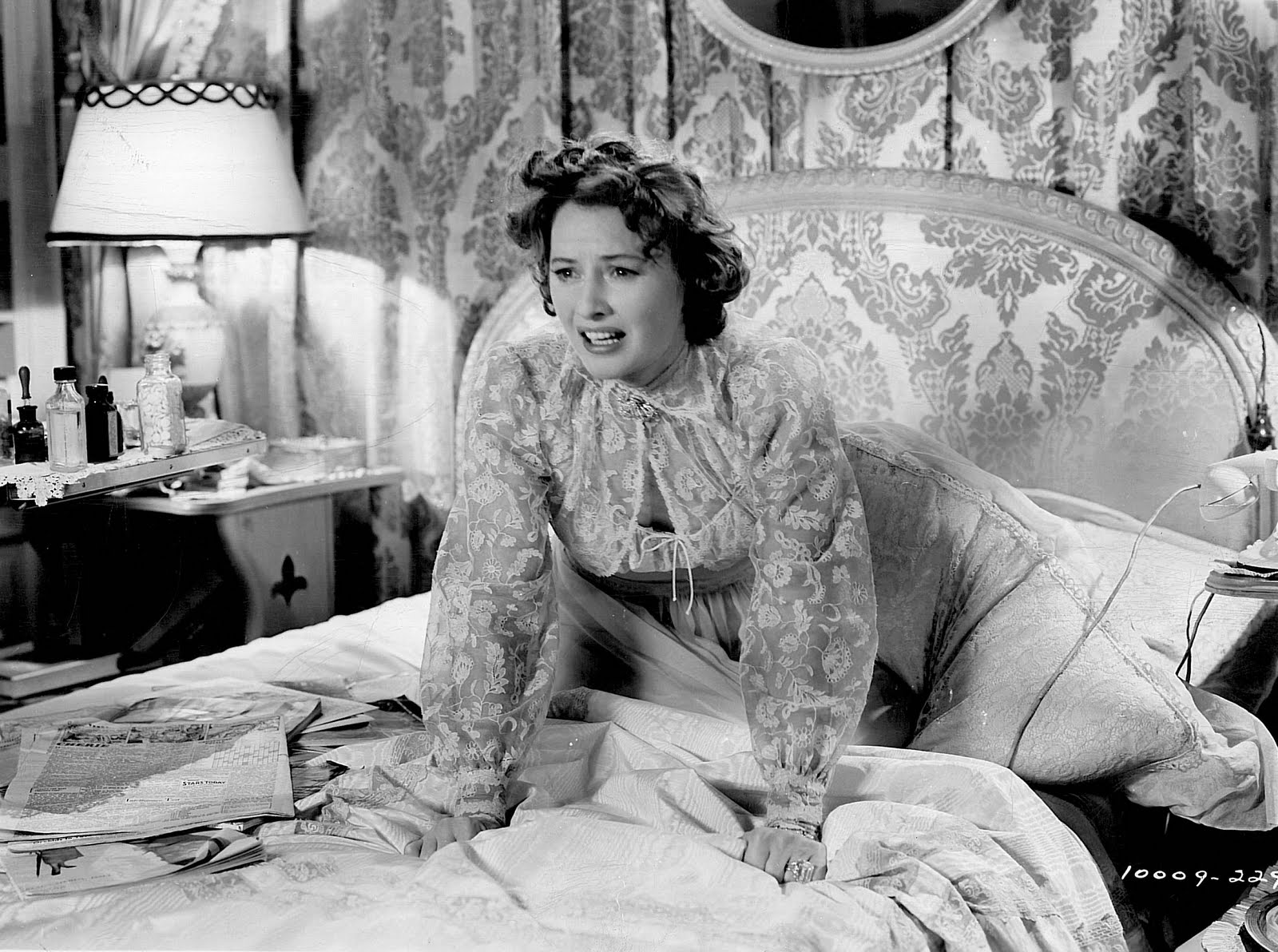
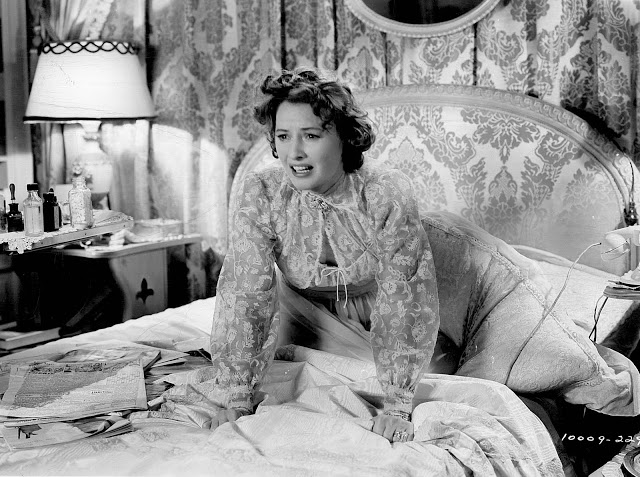
Following 5 years after the highly successful radio program (of the same name) which starred Agnes Moorehead, this thriller features Barbara Stanwyck giving her last of four unrewarded Best Actress Oscar nominated performances as an invalid, wealthy woman whose only contact with the outside world, and that which threatens her one evening, is a telephone. Anatole Litvak co-produced and directed Lucille Fletcher’s play, which she extended significantly with her screenplay. The film also stars Burt Lancaster, looking rather young in his sixth film (two years after his screen debut in The Killers (1946)), Ann Richards, Wendell Corey, Ed Begley, Leif Erickson, and William Conrad (among others).

The story opens with Leona Stevenson (Stanwyck) trying to reach her inexplicably absent husband Henry (Lancaster) on the telephone. Through various circumstances and events, she’s pretty much confined to her bedroom, ostensibly her bed, with no one else home to assist her. Back in the days when operators set-up calls manually, she’s accidentally connected to a man’s voice she doesn’t recognize who’s speaking about murdering a woman at 11:15 that evening. After reporting the incident to a distracted police sergeant (Cliff Clark, uncredited), and then speaking with her father James Cotterell (Begley), her husband’s secretary (Dorothy Neumann), and an old acquaintance & rival Sally (Richards), all by telephone, she learns that she is the intended victim of the crime!

Each of these subsequent telephone calls, plus one with her doctor and a man named Waldo Evans (Harold Vermilyea), leads to a flashback sequence, making this an extraordinarily nonlinear film, during which a piece of the plot’s puzzle is put into place. Leona was a debutante whose father owned a large drug company bearing his name such that she’d learned she could have anything she wanted. While at Harvard, she meets Henry at a dance and “steals” him away from Sally. Henry, like her father, doesn’t even have a high school education but she’s drawn to him (physically) and must have him, as her husband. Henry instantly becomes a VP in Daddy’s company, with little or no responsibility, and learns to hate it. Desperate to make his own way, he tries to get another job but finds that his father-in-law owns the town in which they live such that he can’t make a career move without Cotterell knowing it. In the process, he’d upset his wife so much that her health begins to decline. Now, instead of them living at home with Daddy, the Stevensons live in a multi-level flat nearer to Dr. Alexander (Corey), who’s treating Leona for her “illness”, which has manifested itself as a weak heart.
Sally is now married to a lawyer, Fred Lord (Erickson), who’s investigating Henry’s suspicious activities with Evans, who’s a Cotterell chemist, and a “mob” hood named Morano (Conrad). Though it was originally just a “woman in peril” radio program, it was made into a much more complex (though not convoluted), yet compelling drama. Stanwyck plays her role like no one else could – her character is shown to have been a confident woman who learned that she could always get her way (e.g. with her father, and their money) that’s transformed into an increasingly weaker person, who shrieks helplessly while she loses control of her husband and mobility. The ending is classic; the movie’s title is the last spoken line.

Seconds

In his 1986 autobiography, Rock Hudson: His Story, written with Sarah Davidson, Hudson says Seconds is his best work and describes it as “Controversial as hell — a horror film that is bizarre . . . frightening. I play a sixty-year-old man, a ‘reborn.’ I’ve had a facelift, and there’s a before and after, and for most of the picture I’m the ‘after.’ At the Cannes Film Festival they compared it to the Faust story.”

 
Seconds is bleak, unsettling, claustrophobic, a complex and riveting film about alienation and the limits of science, and it’s as much of our time as it is of its own. 
 
Bright Lights Film Journal
November 2008 | Issue 62
Copyright © 2010 by Robert Ecksel


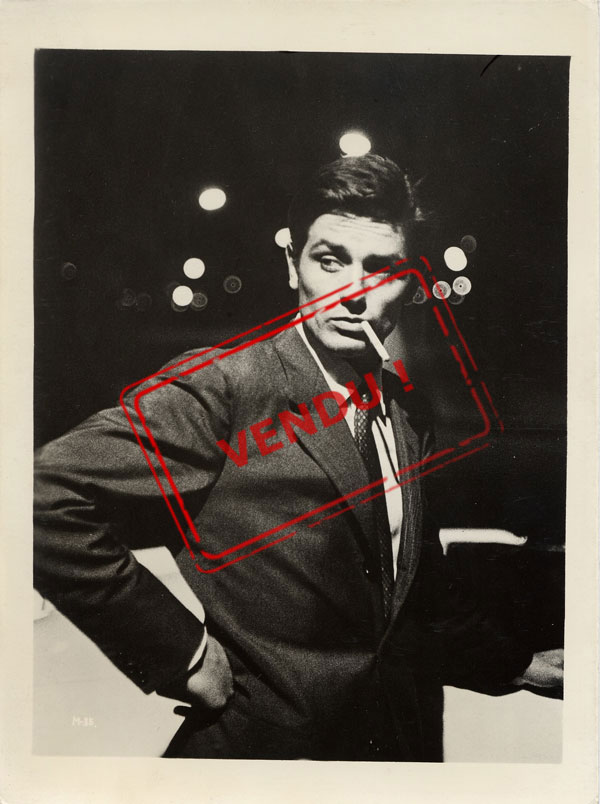
Vendu

1962
Que l’on aime ou non le personnage, Alain Delon restera un monstre du cinéma par sa présence à l’écran et sa photogénie. Ce portrait, tiré du film l’Eclipse du réalisateur italien Michelangelo Antonioni, en est un bel exemple.

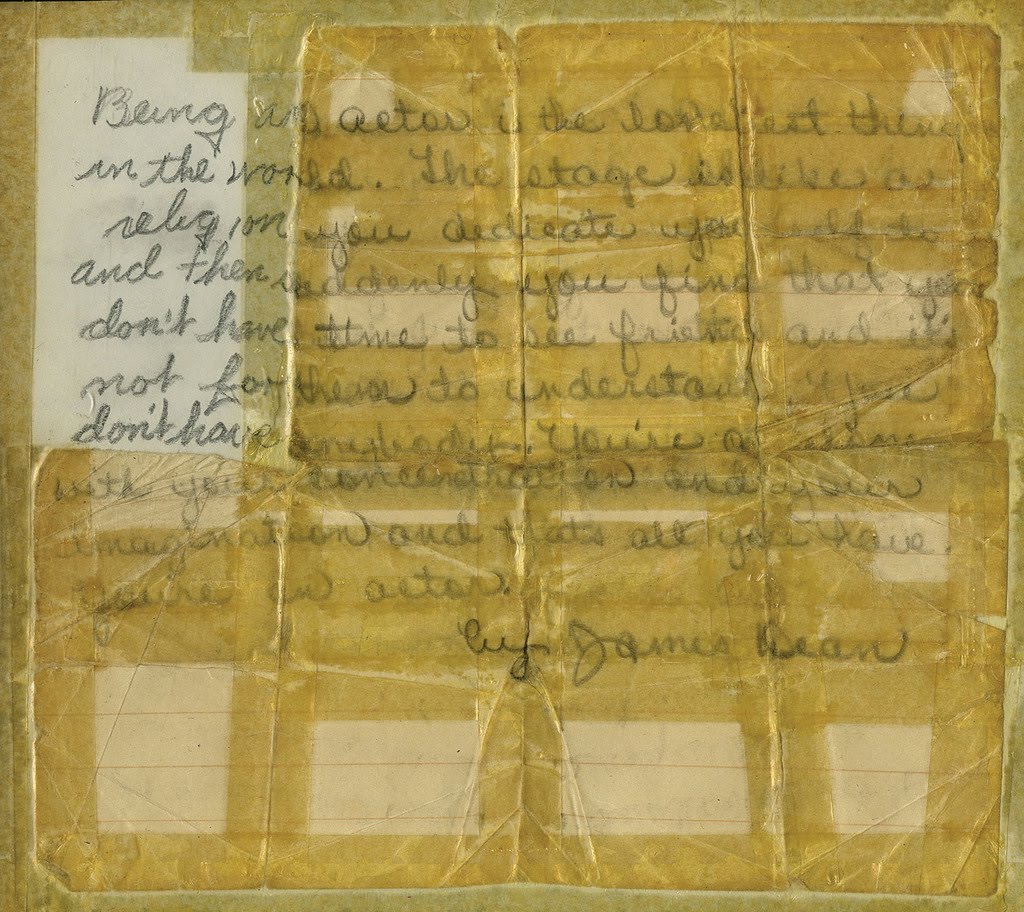
Being an actor

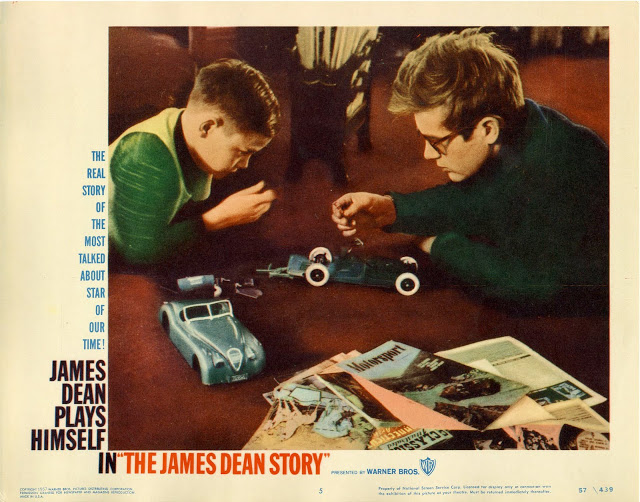
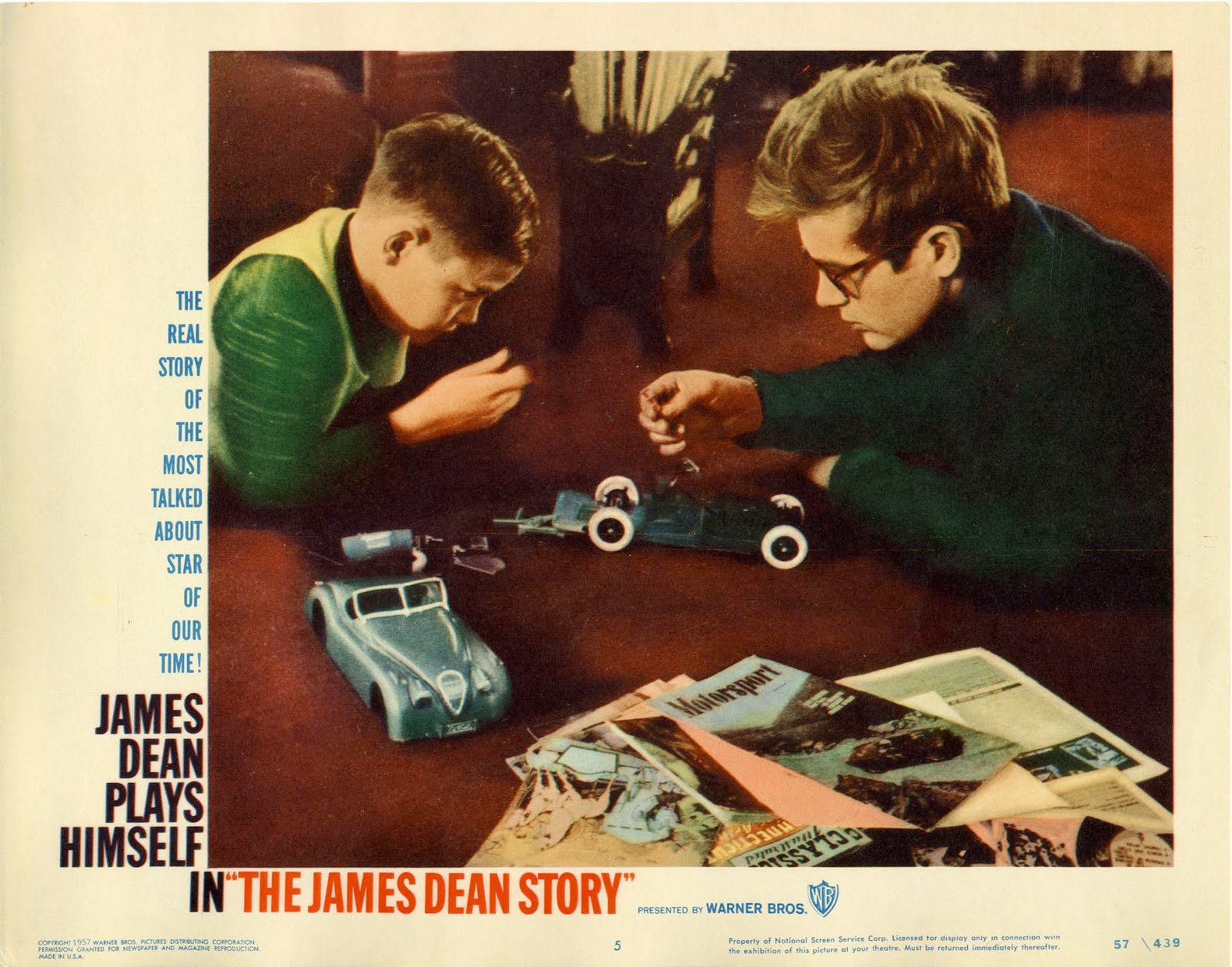
“Being an actor is the loneliest thing in the world. The stage is like a religion you dedicate yourself to and then suddenly you find that you don’t have time to see friends and it’s not for them to understand you don’t have anybody. You’re all alone with your concentration and your imagination and that’s all you have. You’re an actor. by James Dean”This note was written in New York City at Blaty’s Restaurant in 1952.   Live Auctioneers

Robert Altman, George W. George, 1957

Le Chef-d’œuvre d’ Ophüls

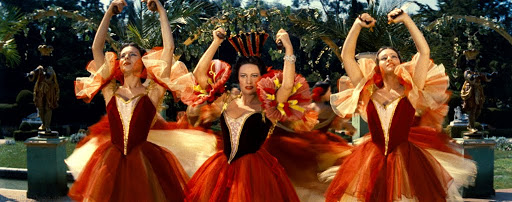
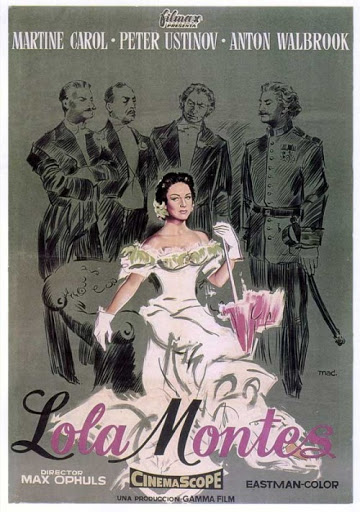
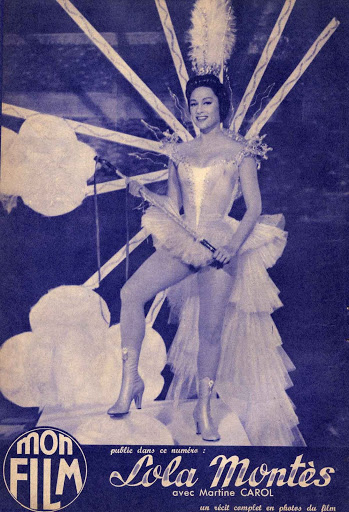
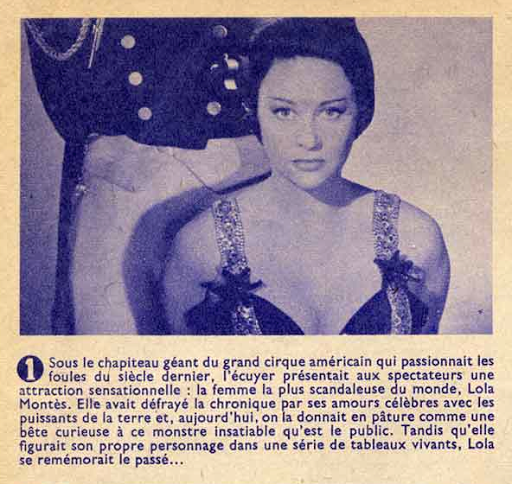
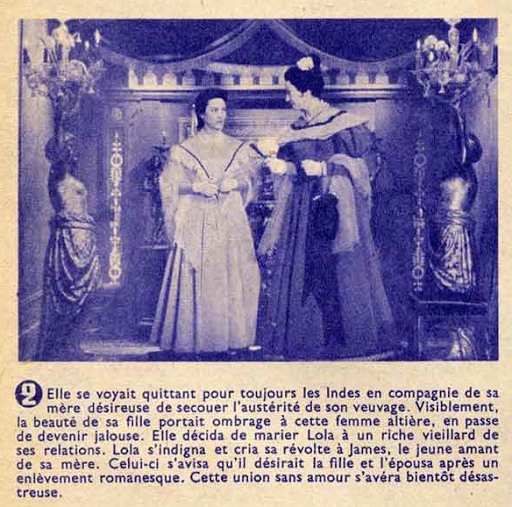
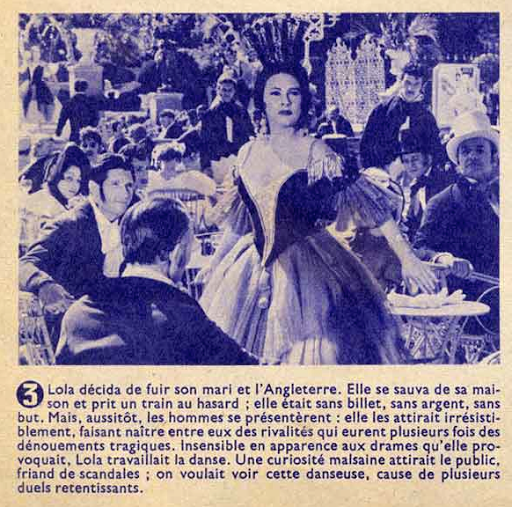
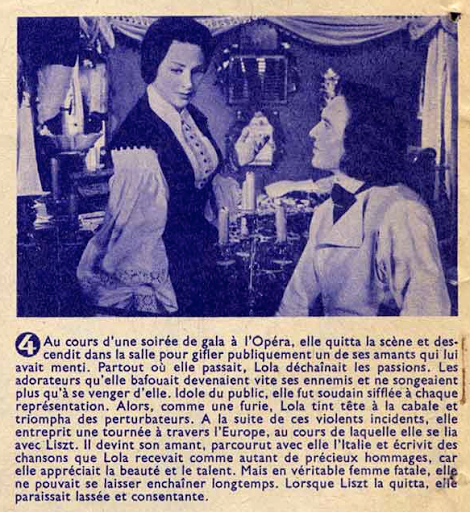
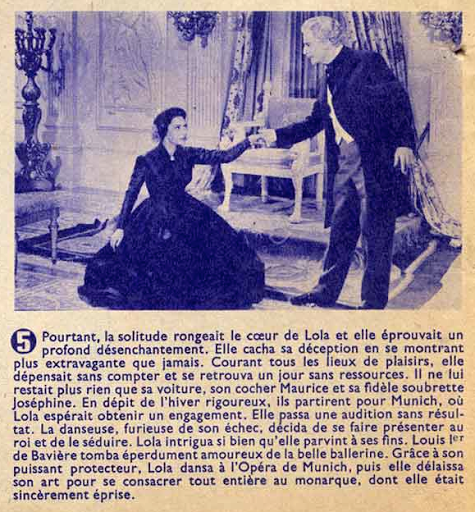
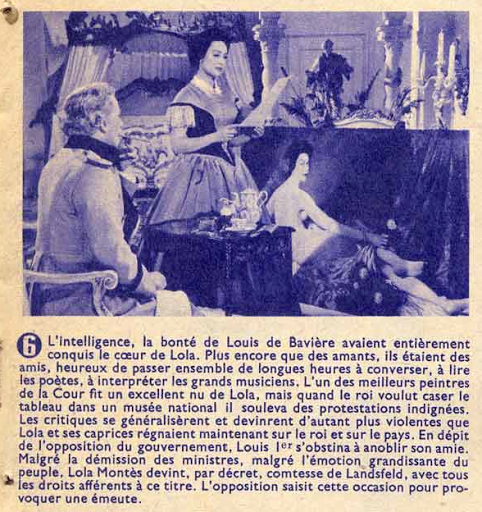
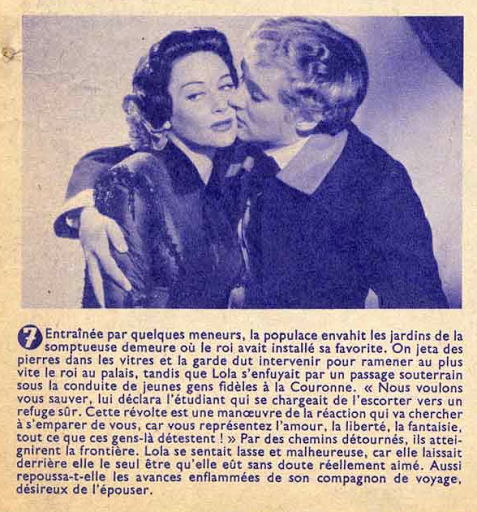
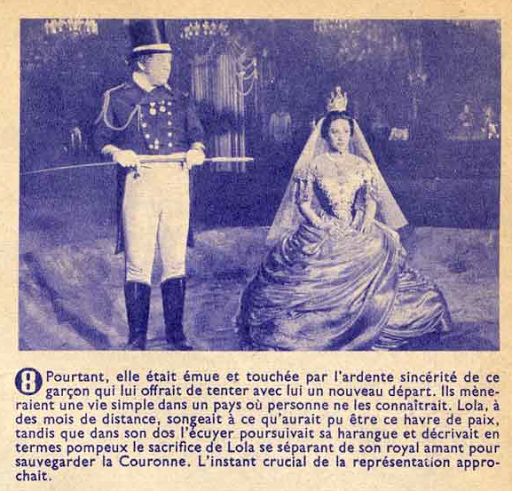
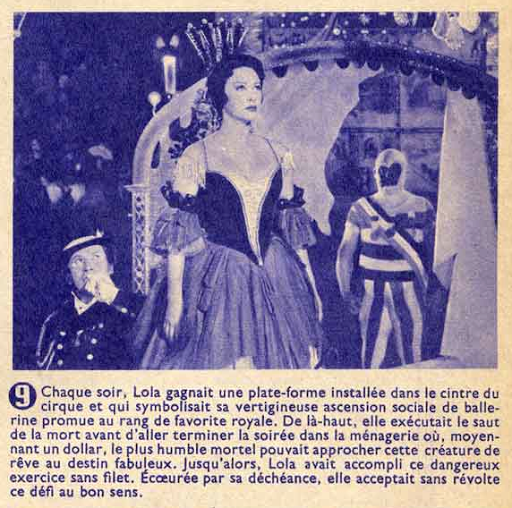
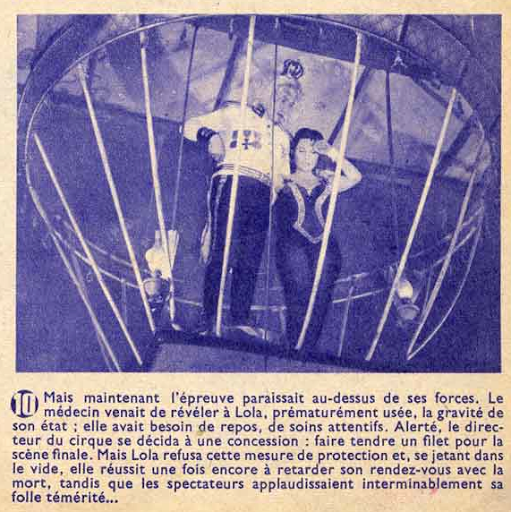
Lola Montès, 1955
Director: Max Ophüls; Screenplay: Max Ophüls, Annette Wademant, based on the [never actually written] novel La Vie Extraordinaire de Lola Montès by Cécil Saint Laurent 

In the 1960s, Andrew Sarris declared unabashedly, Lola Montès is in my unhumble opinion the greatest film of all time.” It seems fitting that the auteur theory’s chief proponent in English-language criticism should fix on this film in particular. For one thing, its director, Max Ophuls, had a somewhat stormy relationship with his producers; and one of the core principles of auteur criticism is that a great director will turn such practical hardships to artistic advantage. Furthermore, Ophuls was the darling of the French critics at Cahiers du cinéma (François Truffaut, Jean-Luc Godard, et al.) who proposed the politique des auteurs in the first place. While Truffaut especially railed against most commercial French films of the 1950s (collectively pilloried as the “Tradition of Quality”), he had nothing but praise for Ophuls. Truffaut wrote, “There are films that demand undivided attention. Lola Montès is one of them.”  Ironically, though, Alan Williams labels the work of Ophuls as the summit of the “Tradition of Quality”, due to its big budgets, production values and stars. 

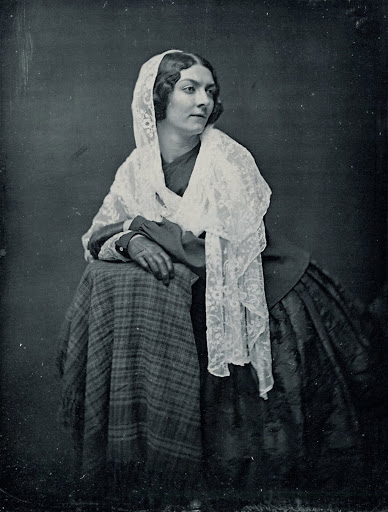
The history of Ophuls’ 1955 swan song is almost as colourful as that of its subject matter, the Irish-born dancer and actress Eliza Rosanna Gilbert (1821–1861), who used the stage name, Lola Montez. Just as there are various, often contradictory accounts of the life of this notorious celebrity mistress – whose lovers included Franz Liszt and King Ludwig I of Bavaria – numerous versions exist of the film itself. What’s more, for decades there were persistent reports of a 140-minute “original version”, which apparently never existed. Despite a recent restoration of the 116-minute German premiere version of the film, Ophuls’ son, Marcel, considers the 110-minute, second French cut (edited with the director’s cooperation) to be definitive, and it is this version that is most commonly screened today.

The idea for Lola Montés originated with its production company, Gamma Films. The producers hired best-selling novelist Cecil Saint-Laurent (a nom-de-plume of Jacques Laurent) to write the screenplay. Ultimately, though, Ophuls shot from his own script; but for the sake of name-recognition the producers included the credit, “Based on a Novel by Cecil Saint-Laurent” – despite the fact that no such novel existed. This connection to a literary source, albeit spurious, lent the project an air of prestige befitting the “Tradition of Quality”.


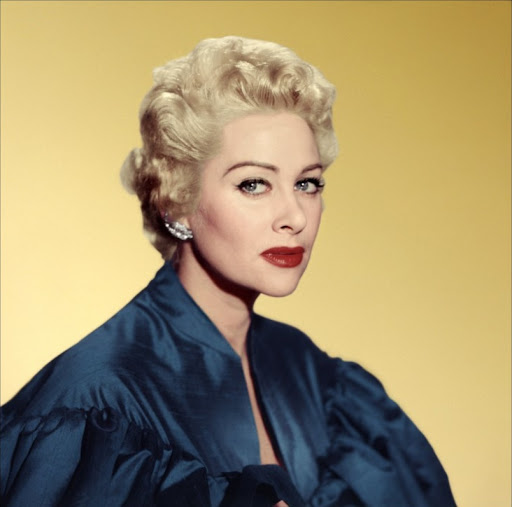
Similarly, the film garnered considerable clout by way of its star power. Once Martine Carol had signed onto the project, her perceived box-office bankability took the film to a new level of financing. The original, 1954 budget of 2 million deutschmarks rose to 8 million (roughly $US2 million) by 1955, making Lola Montés the most expensive European film since the end of World War II.

For directing the three versions of the film (French, German and English), Ophuls’ salary was 204,000 deutschmarks, which included a bonus for shooting in CinemaScope. (By comparison, the high-end salary for a director in West Germany in the 1950s was around 100,000 deutschmarks.)  Curiously, Ophuls was not the producers’ first choice as director. Initially they had considered Michael Powell (chiefly because of The Red Shoes, 1948), as well as Martine Carol’s husband, Christian-Jacque. Shooting ran from March to July 1955, mostly in Germany but also in France and Austria. Ophuls edited the three versions in Paris, with three different editors in different cutting rooms. He never wanted a purely French, German or English version, but rather each version was to include a mixture of languages. 

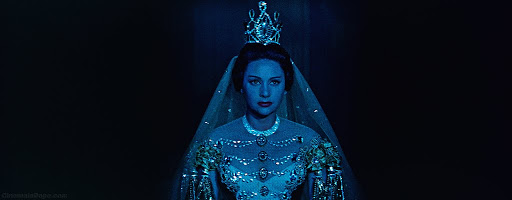
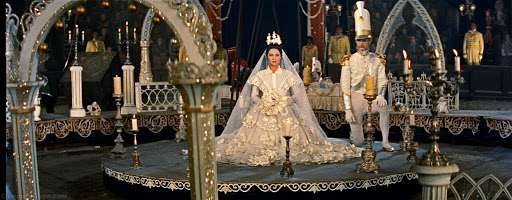
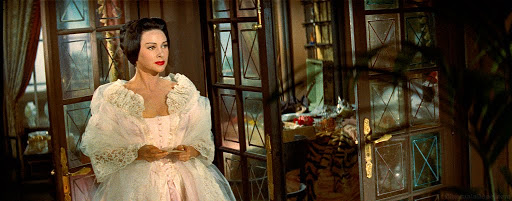
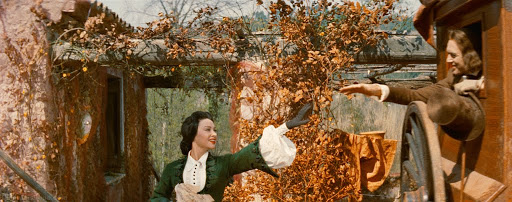
What seems most remarkable about Lola Montès is the film’s striking juxtaposition of realism and high artifice. Champions of a realist film aesthetic, such as André Bazin, valorised techniques like the long take and moving camera – both hallmark’s of Ophuls’ cinematic style – as well as CinemaScope, which the director used here for the first and only time. Camille Taboulay characterises Ophuls as “the master of the melodramatic operetta, scented with quaint perfume, transcended by lyricism and spectacle…. He is an expert of the camera arabesque….”  Truffaut, who praised the film unequivocally, wrote: “If Ophuls were an Italian filmmaker, he might say, ‘I have made a neorealist film’. He has indeed given us a new kind of realism here, even if it is the poetry, above all else, that draws our attention.”

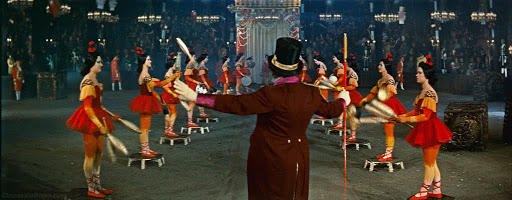
Despite its realist elements, the film achieves an almost unparalleled level of artifice and spectacle, constantly calling attention to its own synthetic construction. This is achieved primarily through the framing device of the circus – which Truffaut describes as “nightmarish and hallucinatory” – with the brilliant Peter Ustinov as our unreliable narrator/ringmaster. Martina Müller points out that Ustinov appears to be addressing the movie audience, not the virtually invisible audience in the arena; and this direct address contributes to an overall Brechtian strategy, much as we find in other Ophuls films, notably La Ronde (1950).

Hinting at this sort of Brechtian distancing, Susan White points out that,


Ophuls has often been called an ironic director because the obvious patterns of camera movements, repetitions of dialogue, and other details seem to imply a consciousness that invites us to distance ourselves from some events, pass judgment on particular characters, or reflect on an abstract “meaning” that is the result of intertextual references to other films, novels, or plays.
This reflexive approach is emphasised in the very first and last shots of the film, as we are brought into and out of the circus by way of a curtained proscenium.

Ultimately, though, Lola Montès is sheer cinematic pleasure, and Ophuls’ inventiveness is evident in every frame. Truffaut notes that CinemaScope is “here used to the maximum of its potential for the first time,” and indeed one would be hard-pressed to find a more unusual deployment of the widescreen process than in Ophuls’ carefully crowded, overwrought framings. It is easy to see why later filmmakers as divergent as Stanley Kubrick and Jacques Demy were so heavily influenced by Ophuls’ work. We might say that, like Kubrick, Ophuls was a true “filmmaker’s filmmaker” – and Lola Montès a true cinephile’s film. © Rodney Hill, March 2006
Senses of Cinema

via jc22h’s photostream