 |
| Léon Gimpel |
Source: L’illustration – 18 Avril 1936 (n°4.859)
via Bright Moments
“There is no progress in art, any more than there is progress in making love. There are simply different ways of doing it.” Man Ray
|
| Léon Gimpel |
Source: L’illustration – 18 Avril 1936 (n°4.859)
via Bright Moments
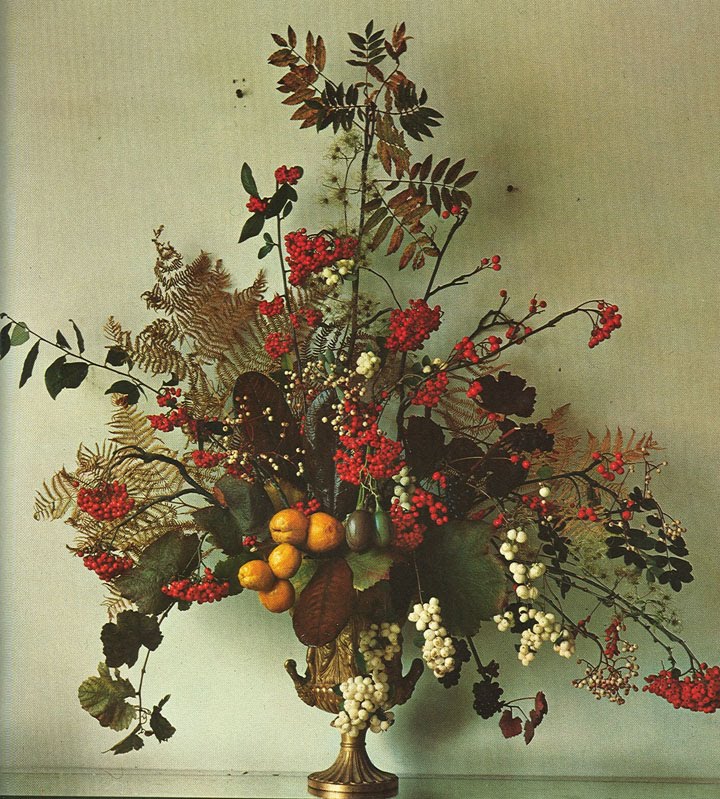 |
| Constance Spry |
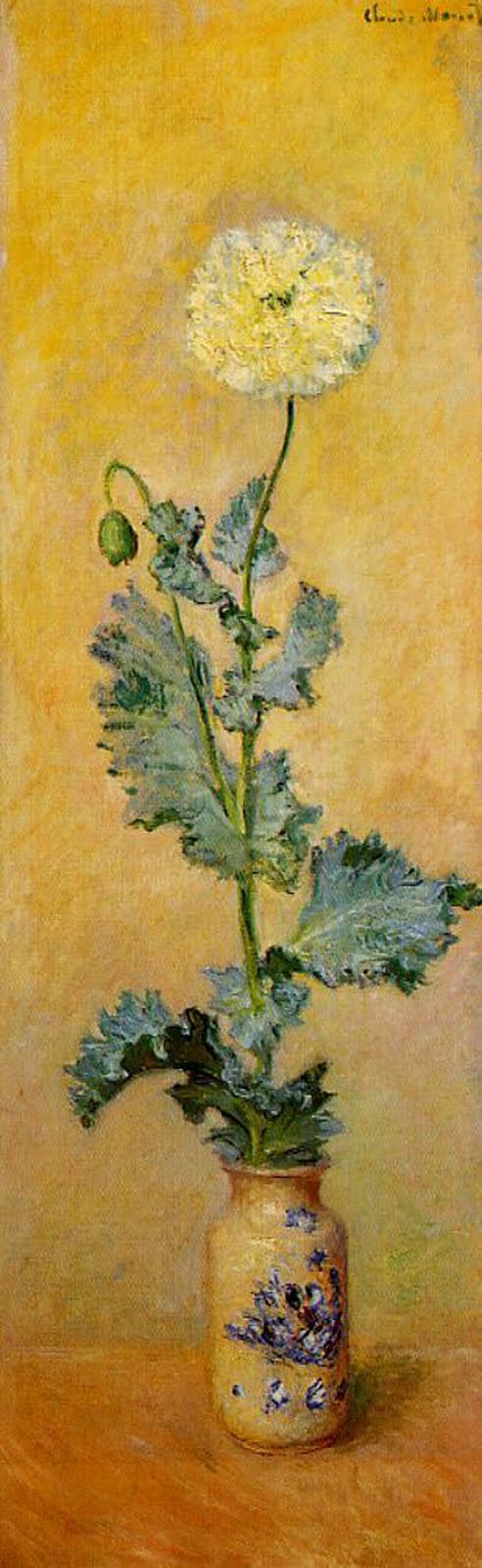 |
| Claude Monet, 1883 |
 |
|
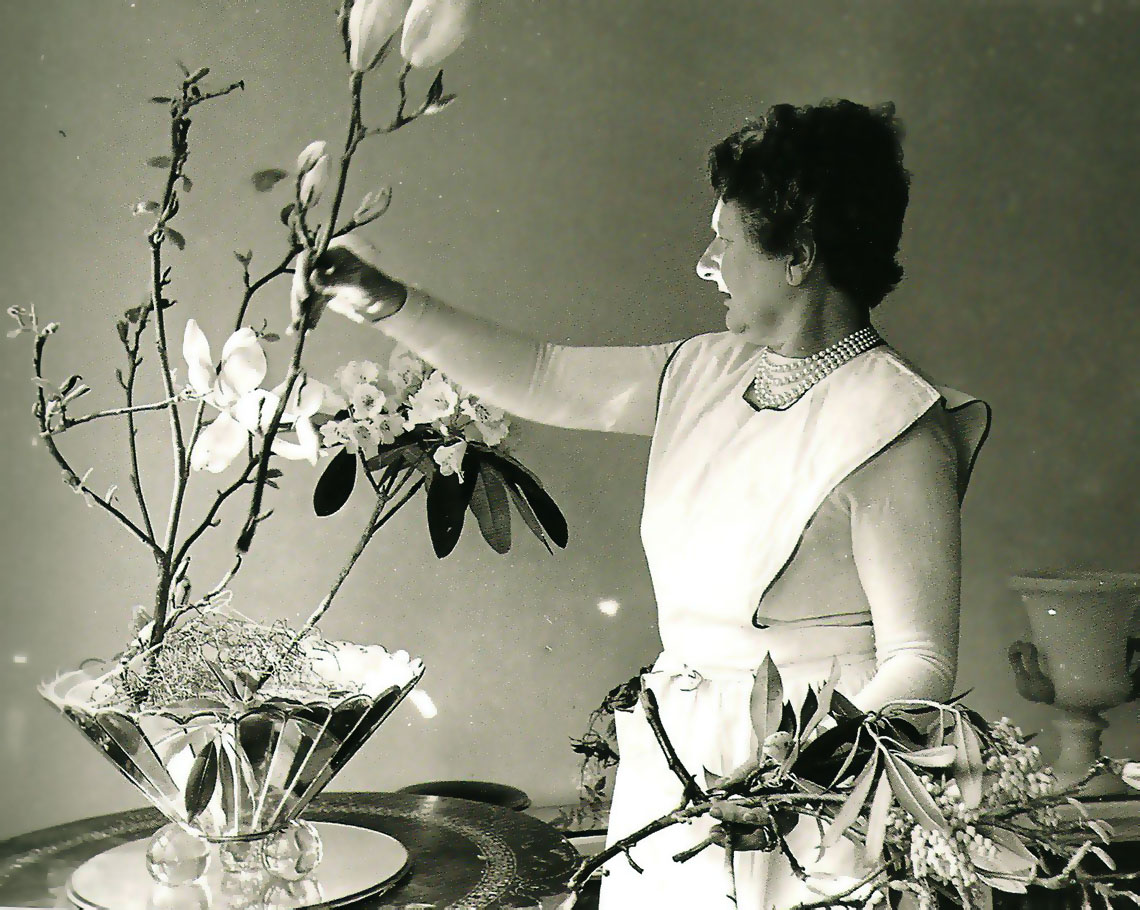
“Dress by Schiaperelli, photographs by Cecil Beaton, flowers by Constance Spry… ‘ The decorator of the moment, the photographer of the moment, the florist of the moment ‘ what more could you ask?” Thus Vogue magazine described the wedding in 1937 of the Duke and Duchess of Windsor, but today Constance Spry is better known as the author of that bible of middle-class housewives throughout the land, The Constance Spry Cookery Book. But who was she? Those of us who recognize the name think only of recipes, but her story is in fact that of a profoundly unconventional woman, who went from a poverty stricken childhood to the height of London society, taking in a career as rich and varied as it was unusual for a woman of her era. Connie began her life teaching slum children and ended it creating the floral displays for the coronation Queen Elizabeth II. Along the way, she escaped a violent marriage, had a lengthy affair with a cross-dressing lesbian artist and built a hugely successful business as a society florist. Today, her influence can be seen in every unorthodox flower arrangement, every ‘natural’ bouquet tied with rattan and, of course, in the gardens up and down the country planted with the Constance Spry rose.
The Surprising Life of Constance Spry by Sue Shepard amazon.com |
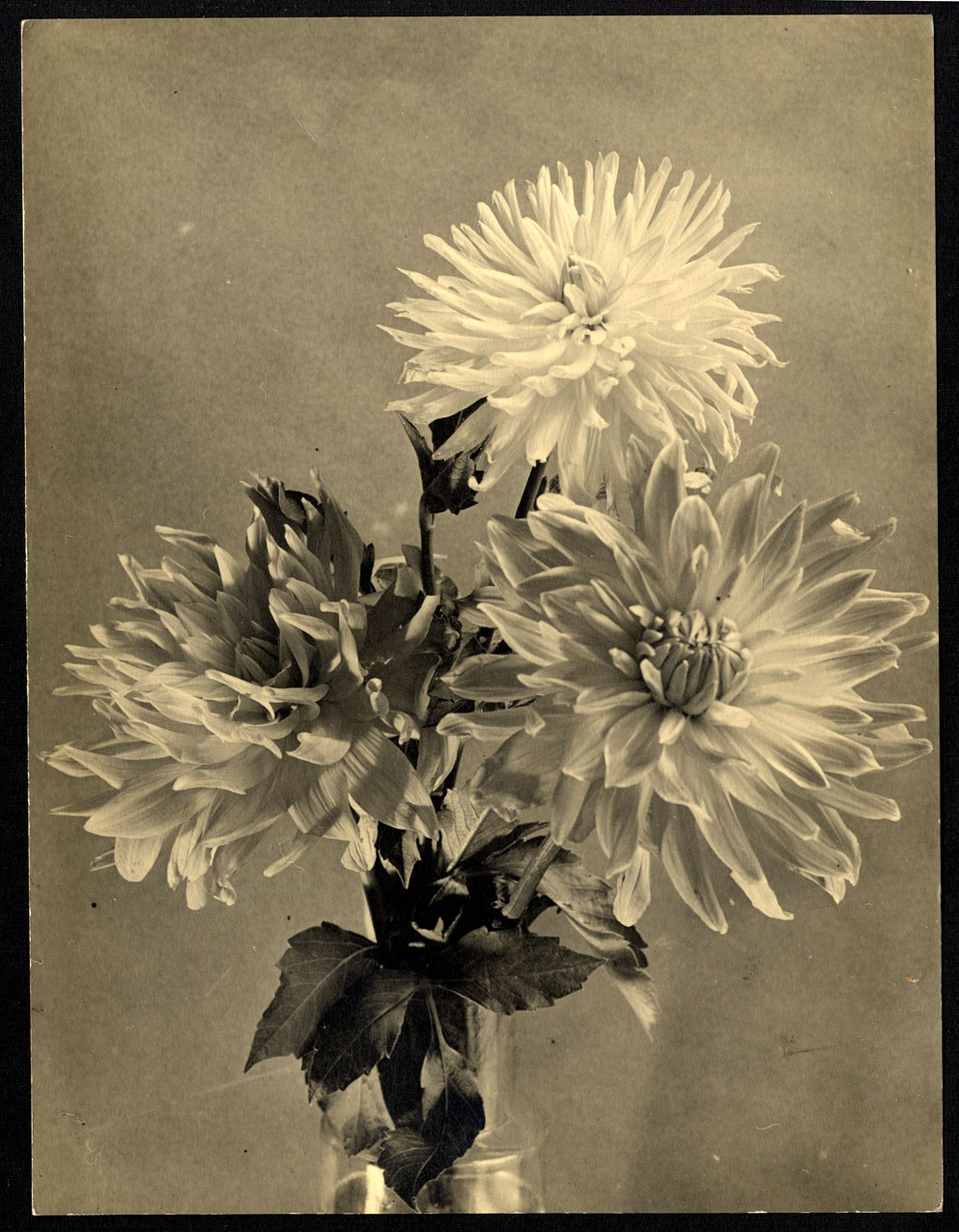
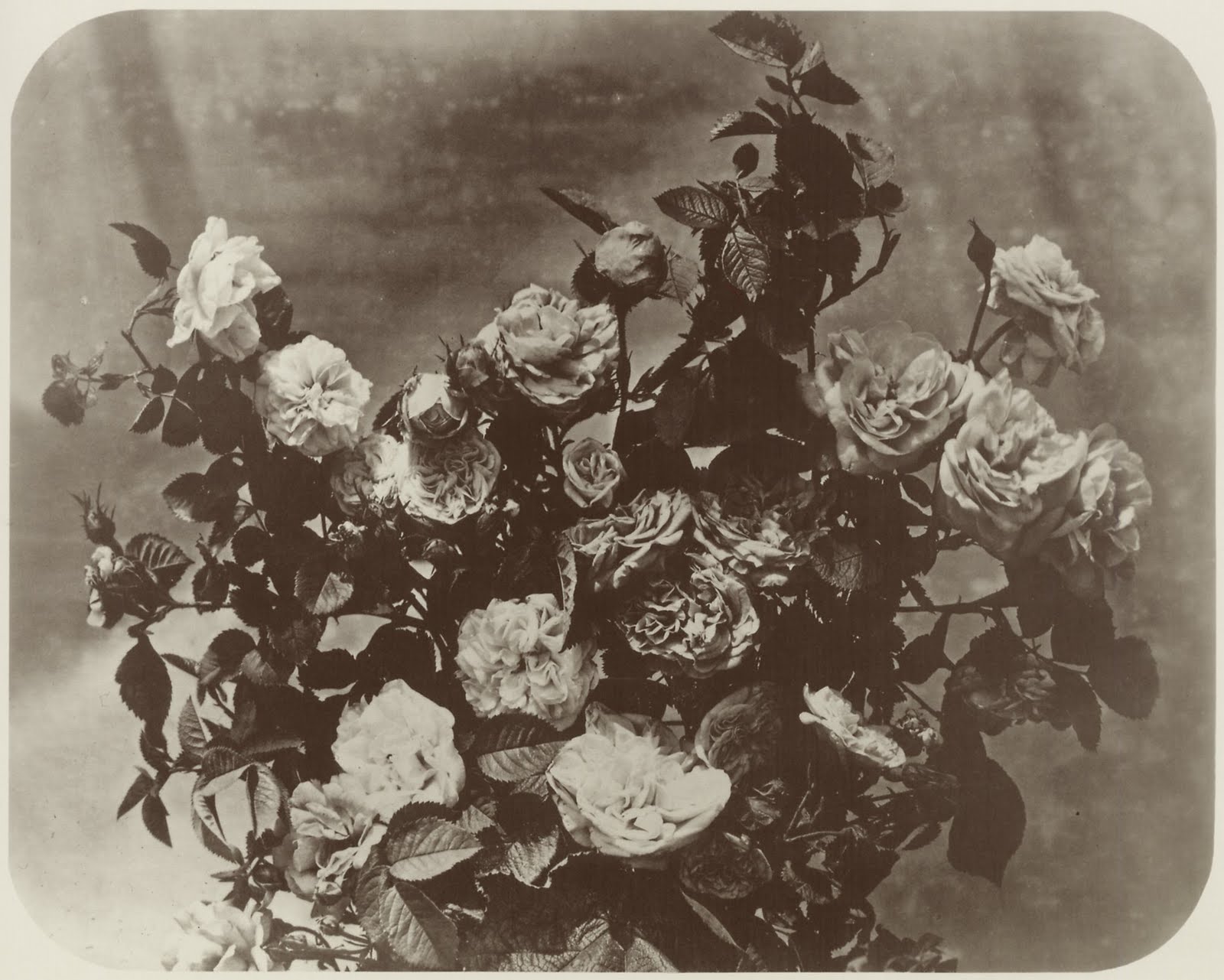
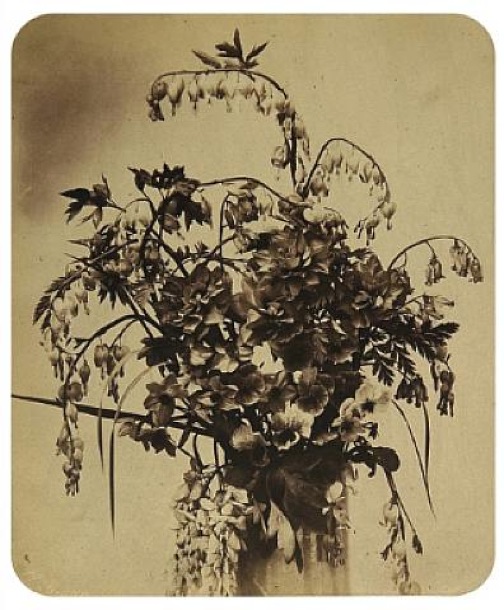
Trained as a fabric designer, Braun turned to photography in 1853. His album Fleurs photographiées earned him a medal at the 1855 Paris Exposition Universelle.
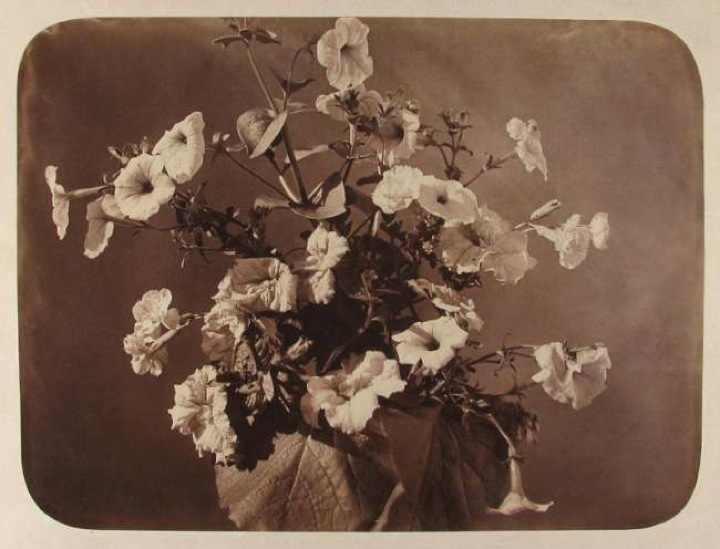
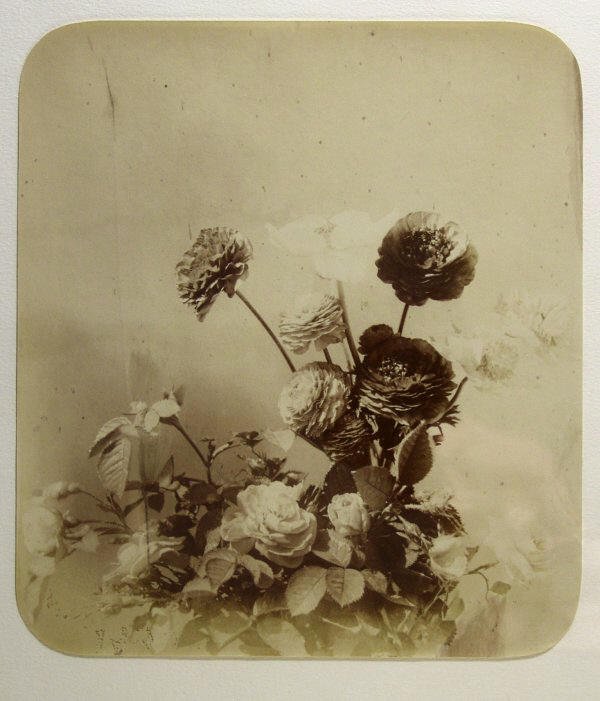
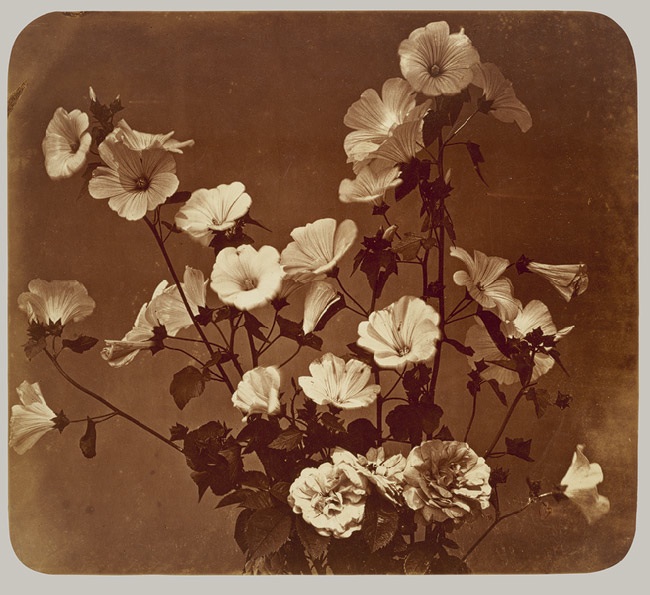
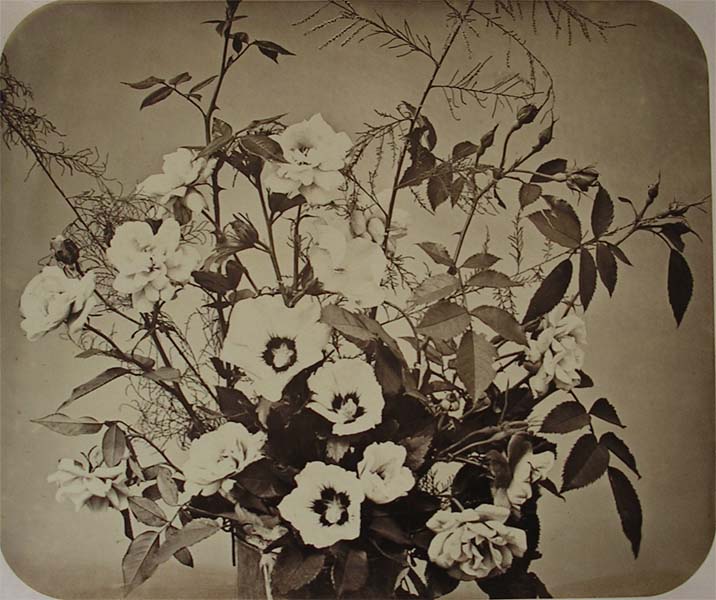
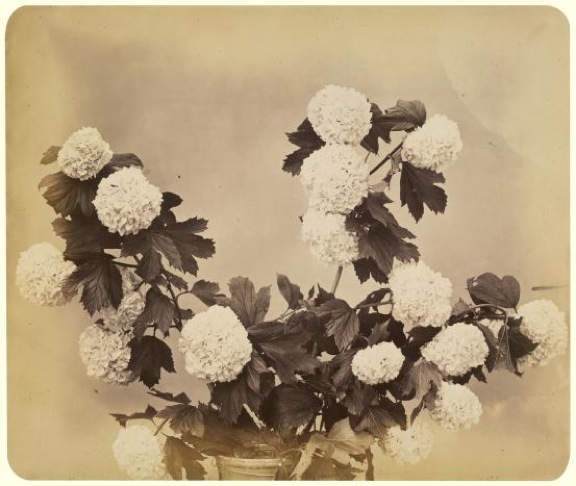
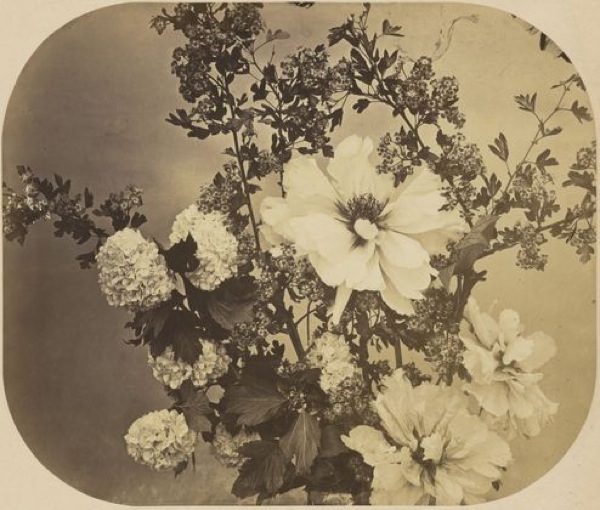
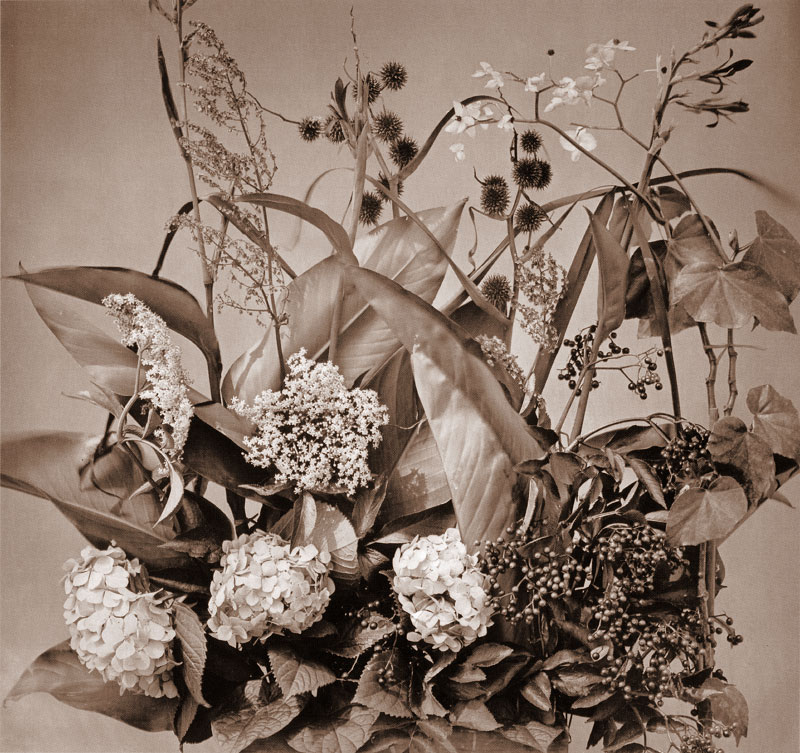
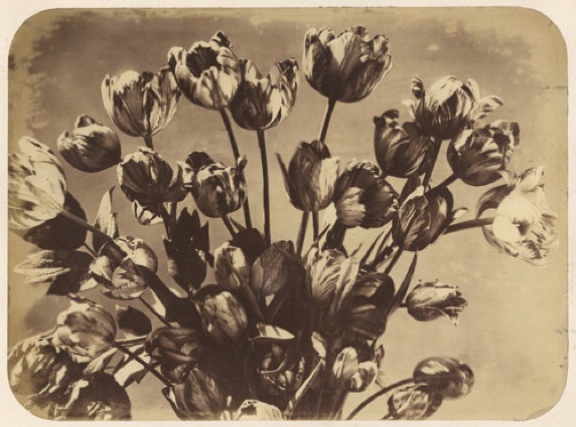
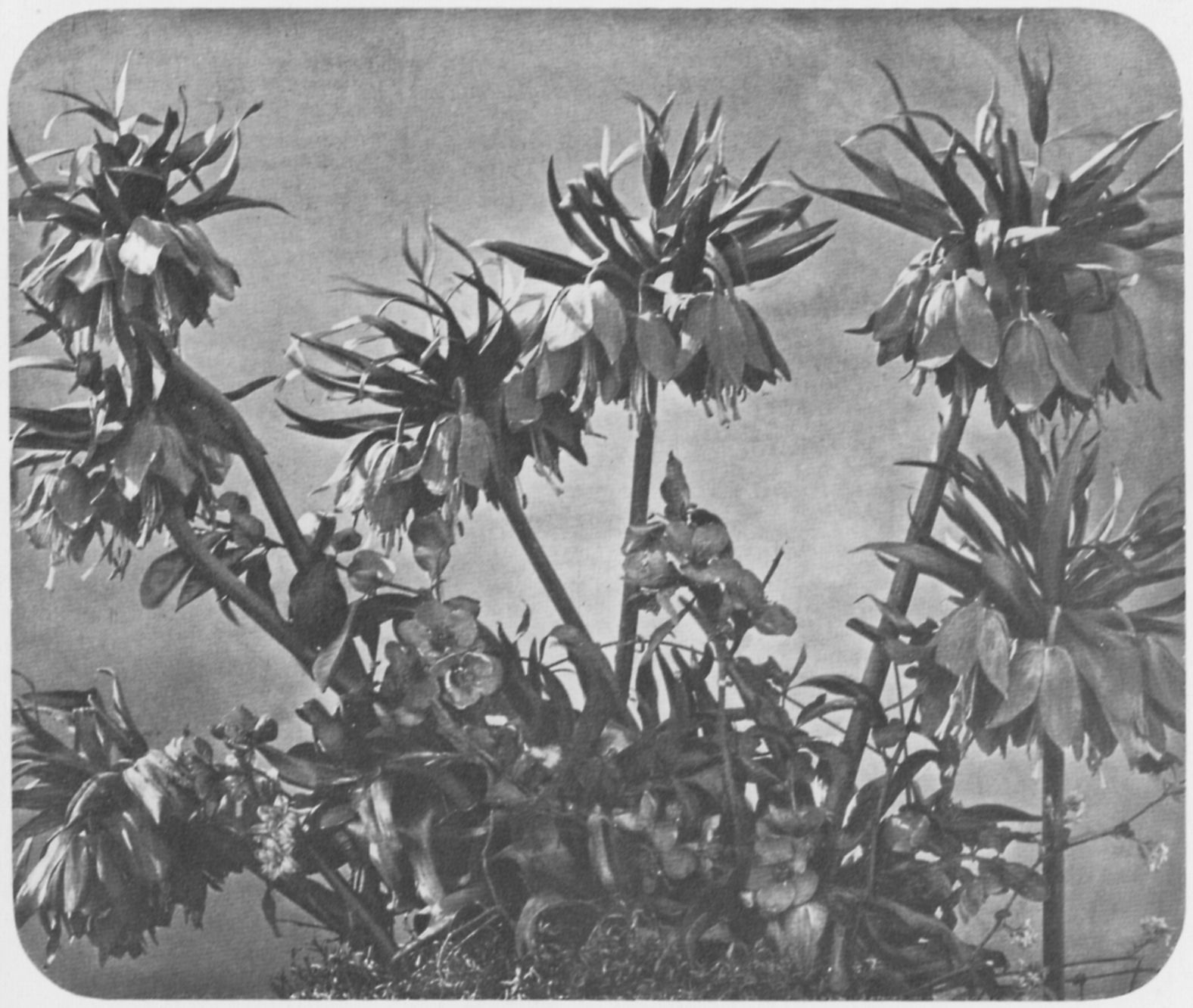
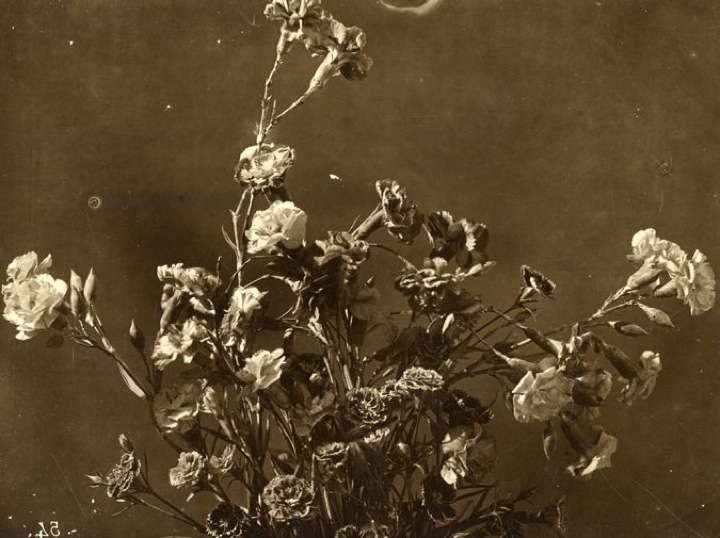
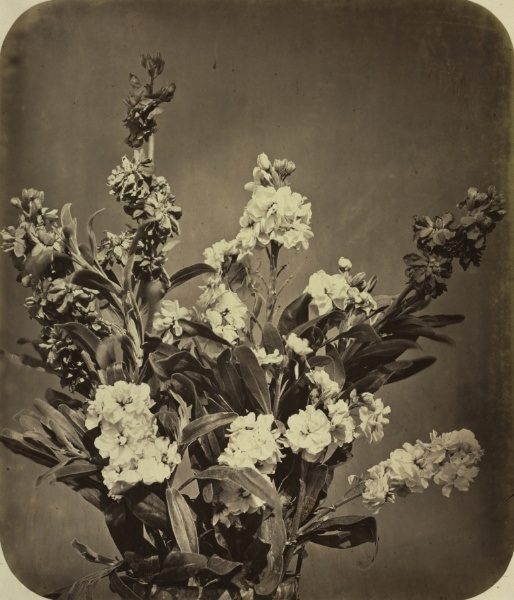
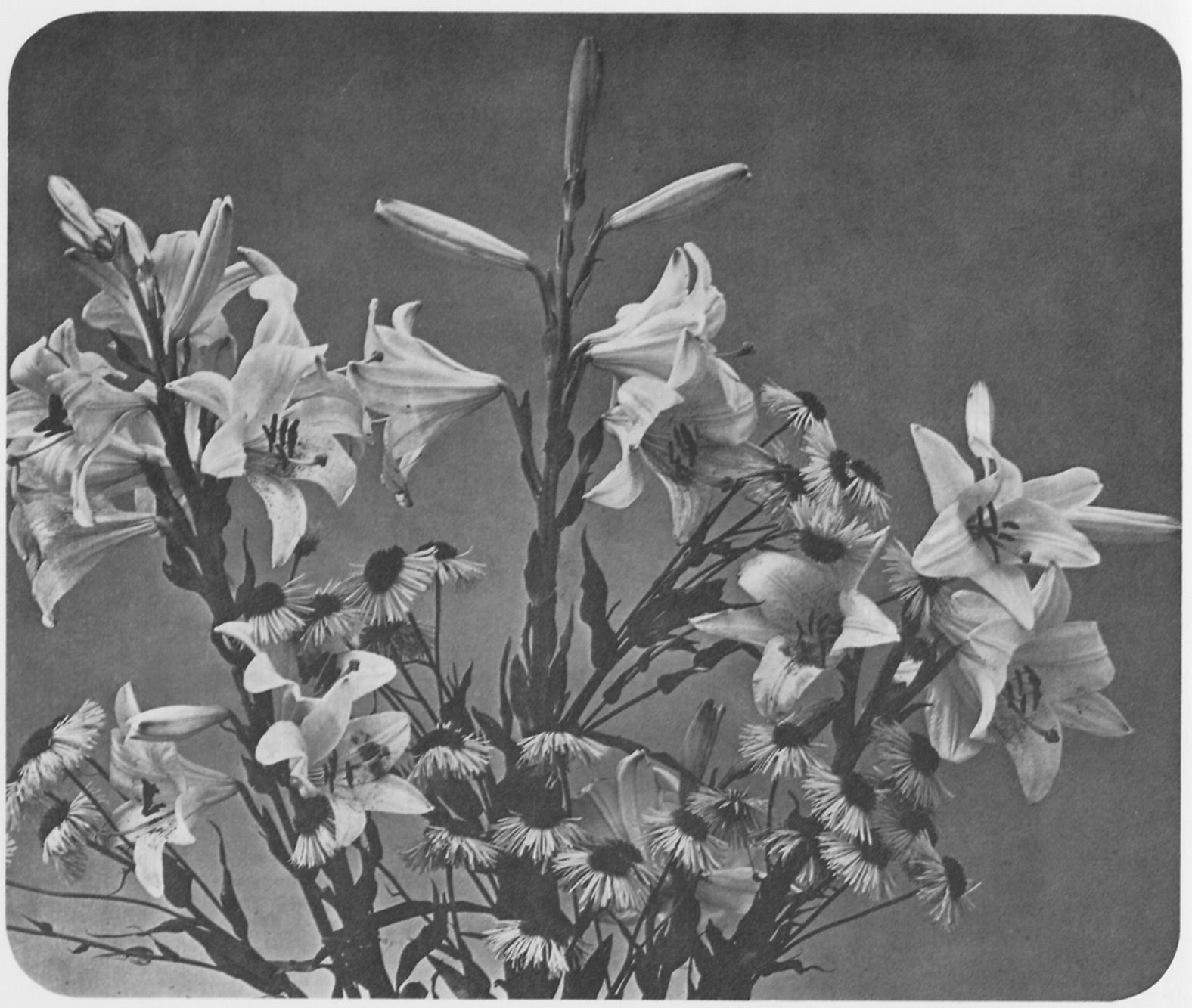
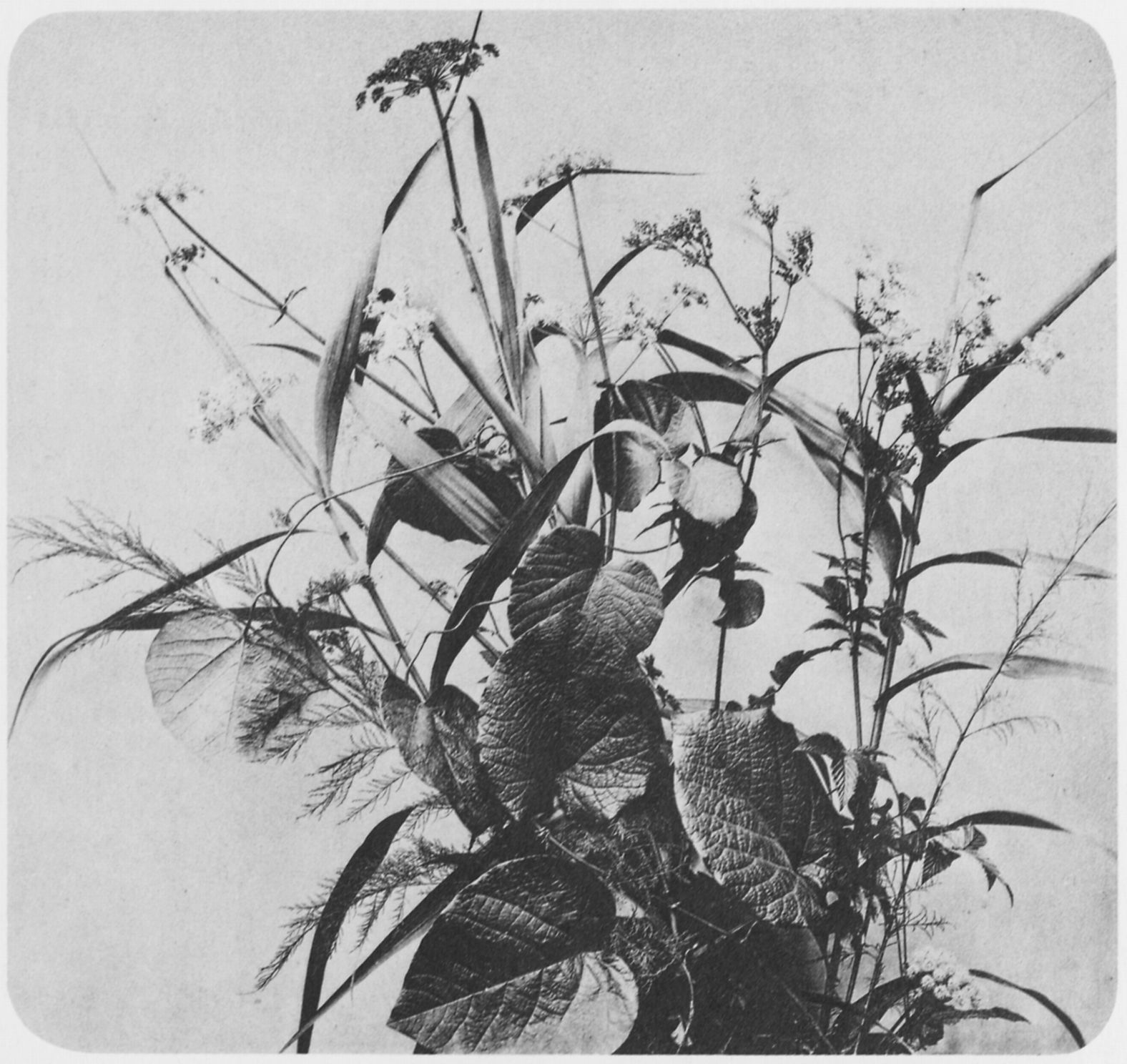
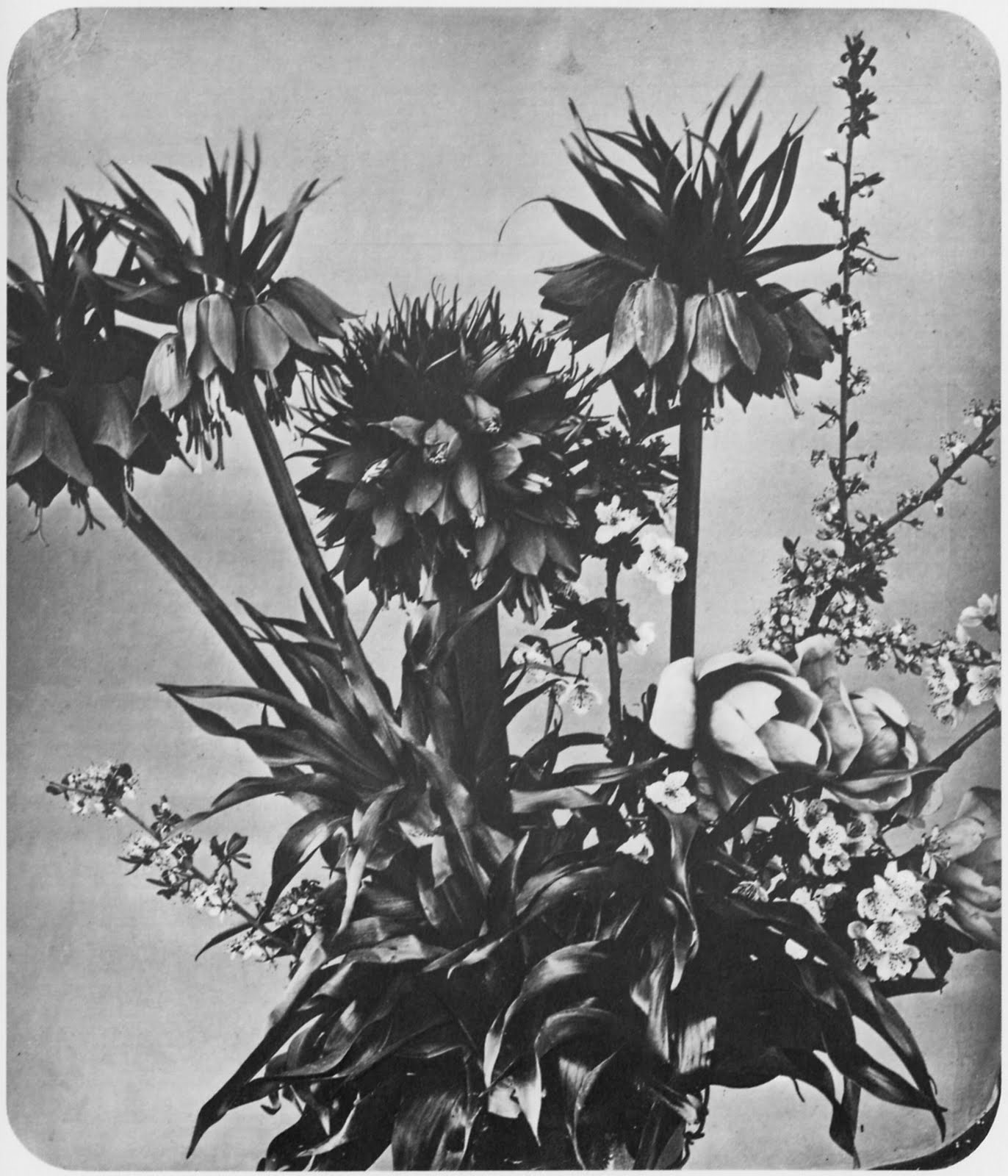
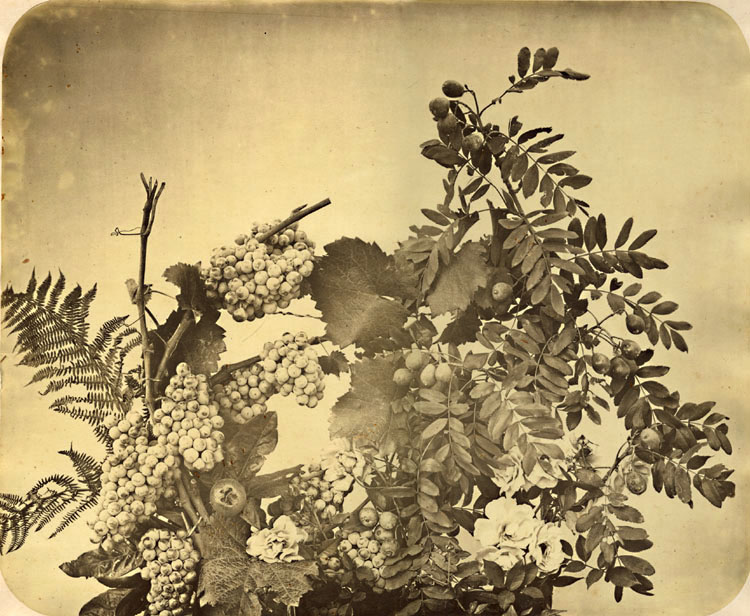
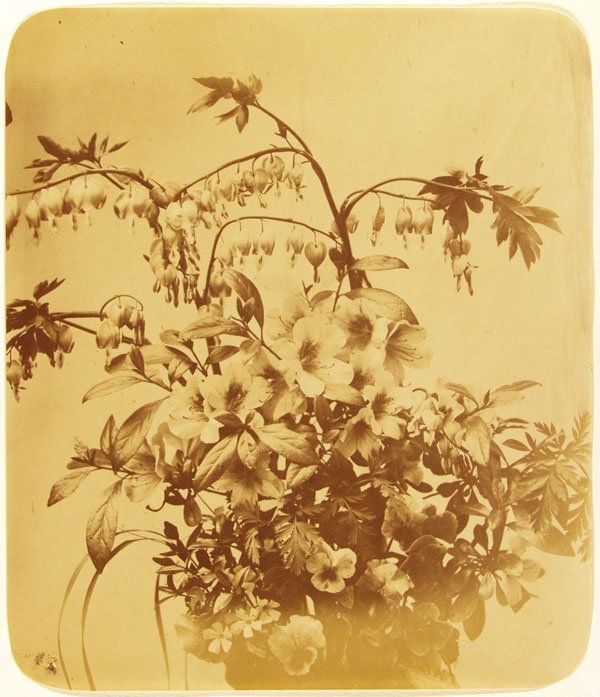
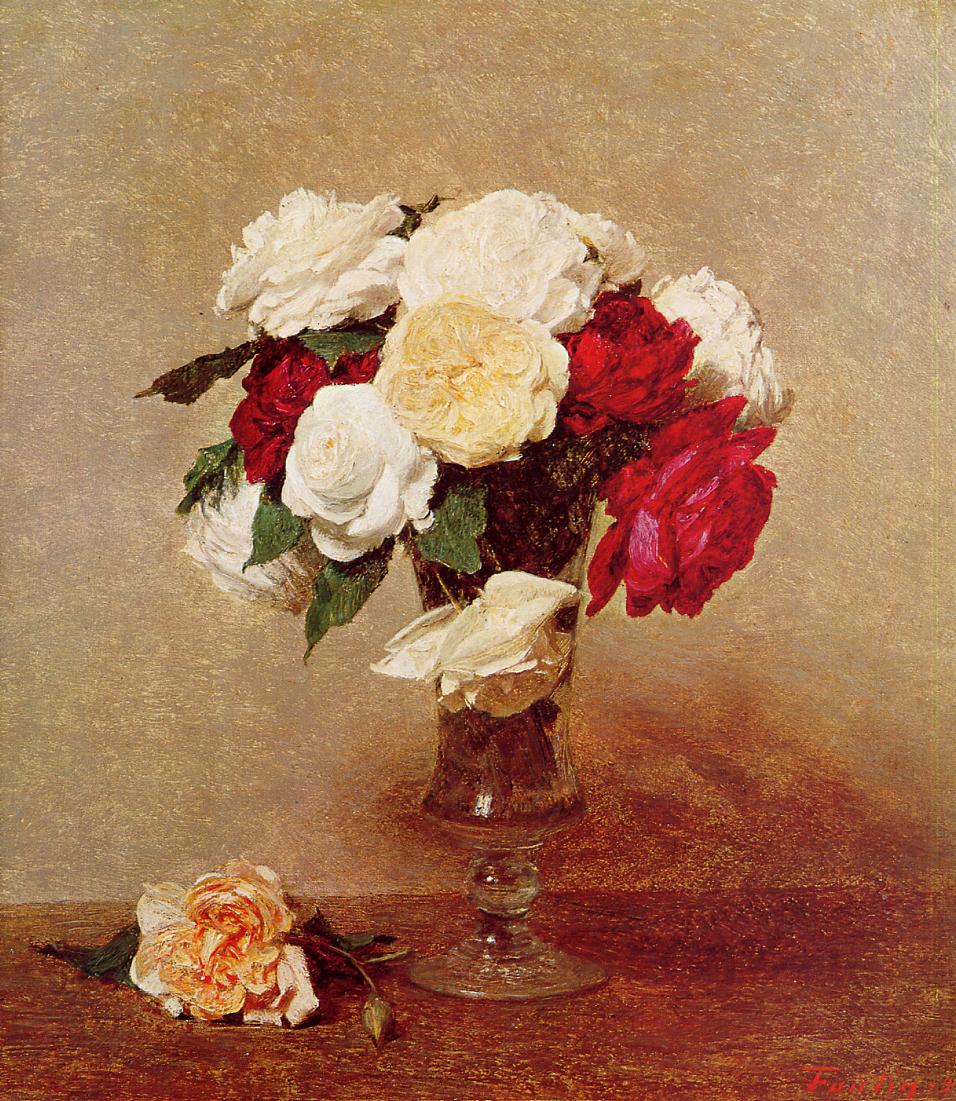
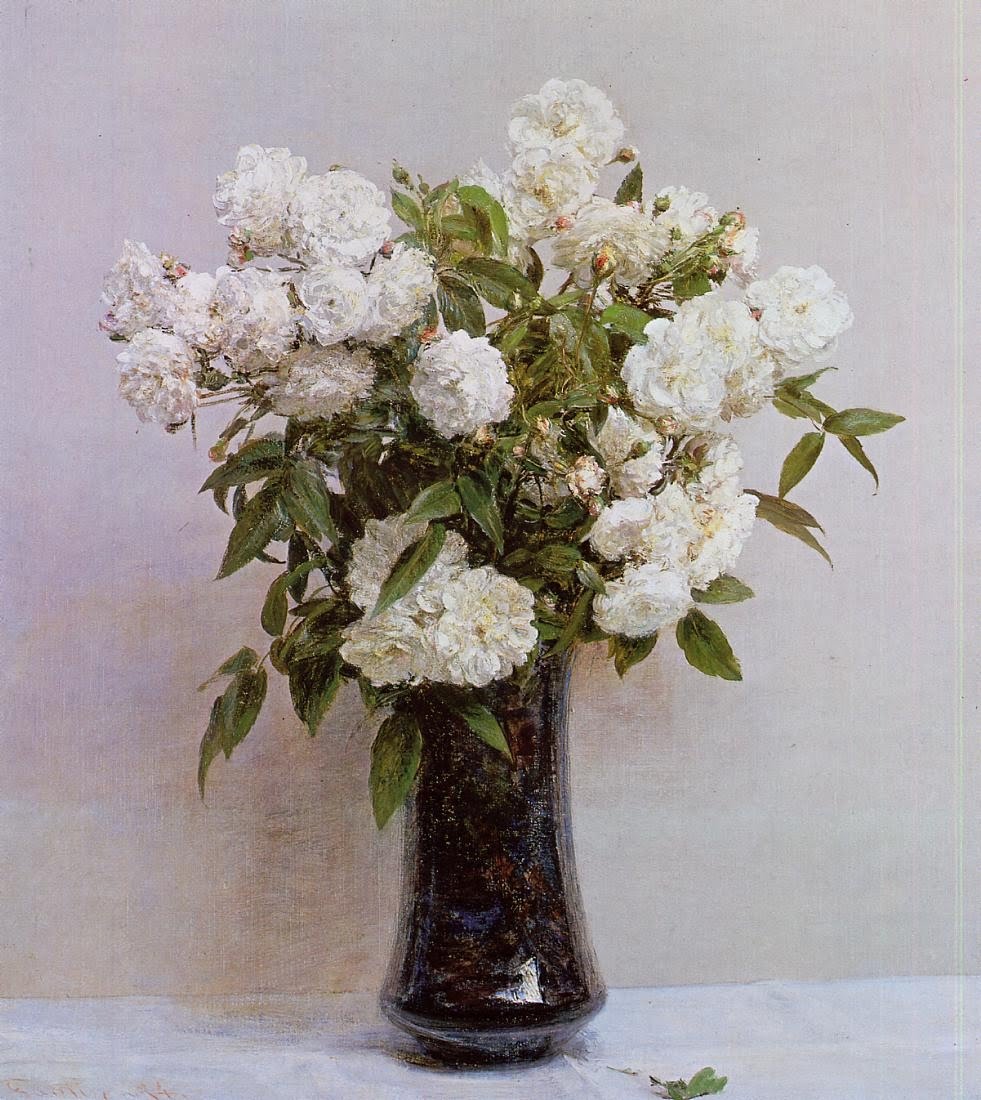
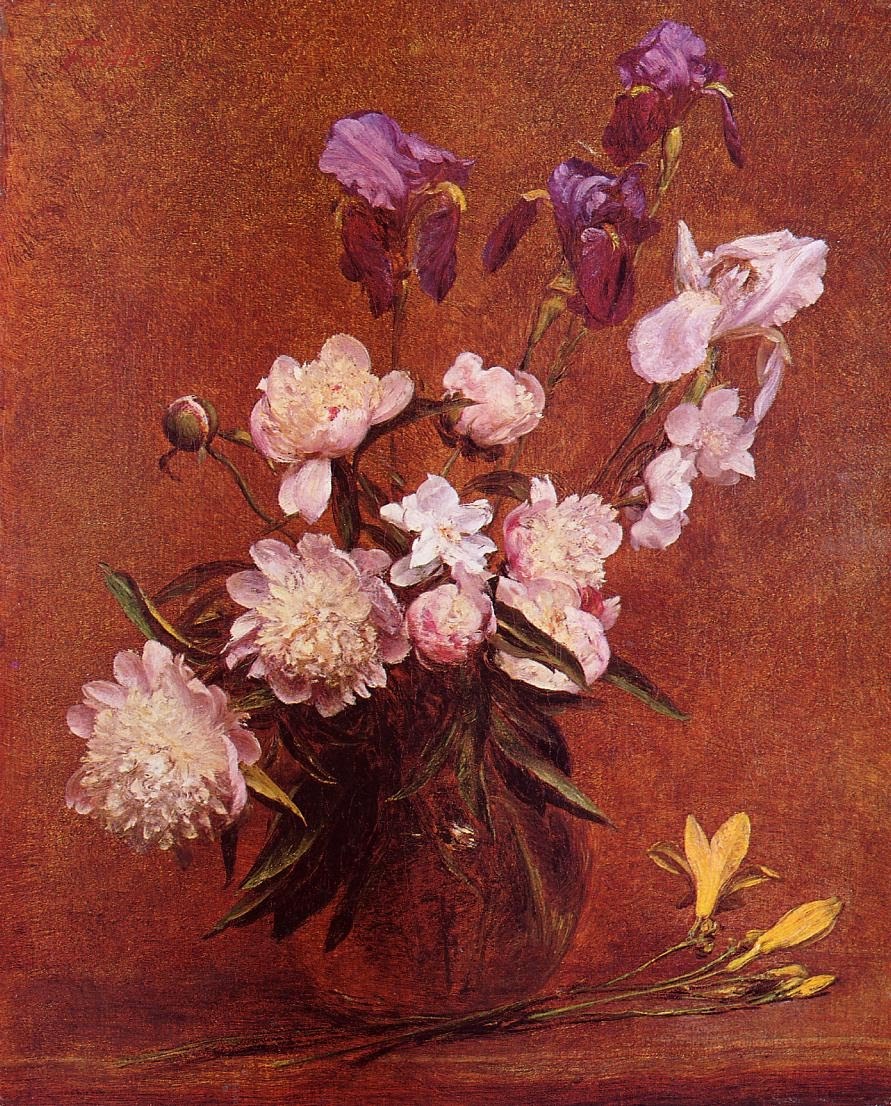
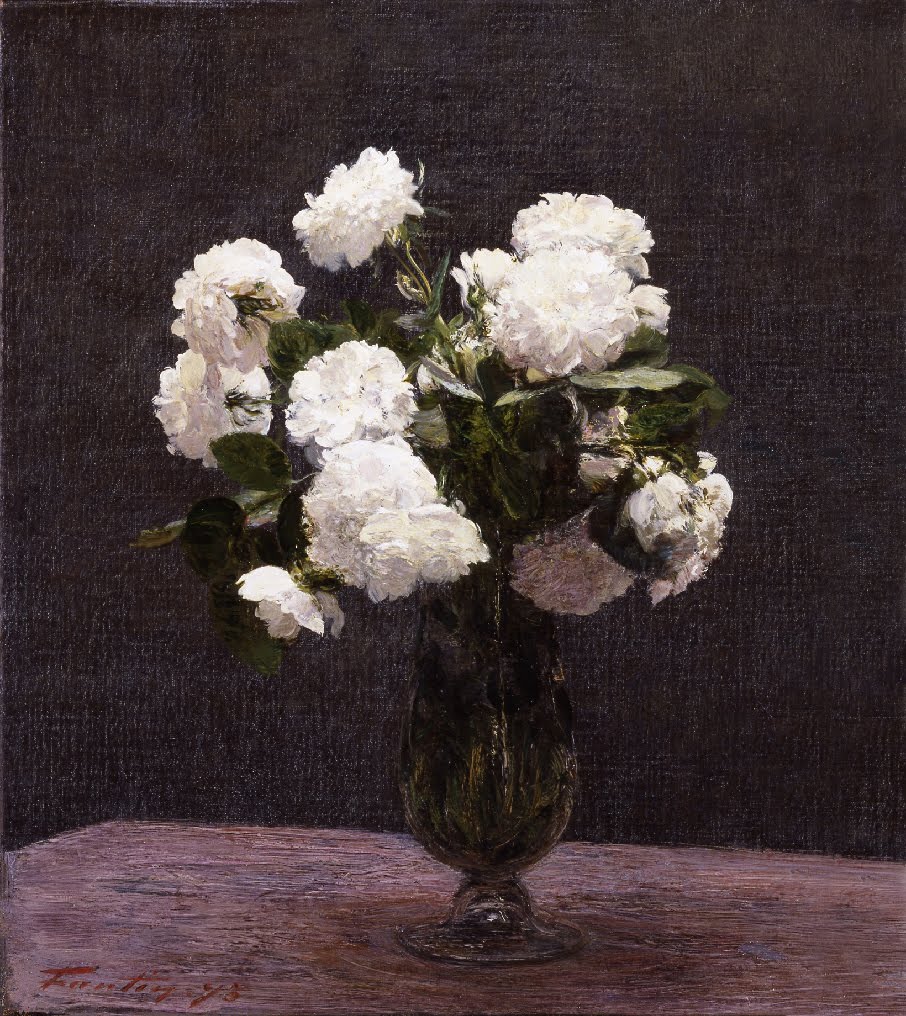
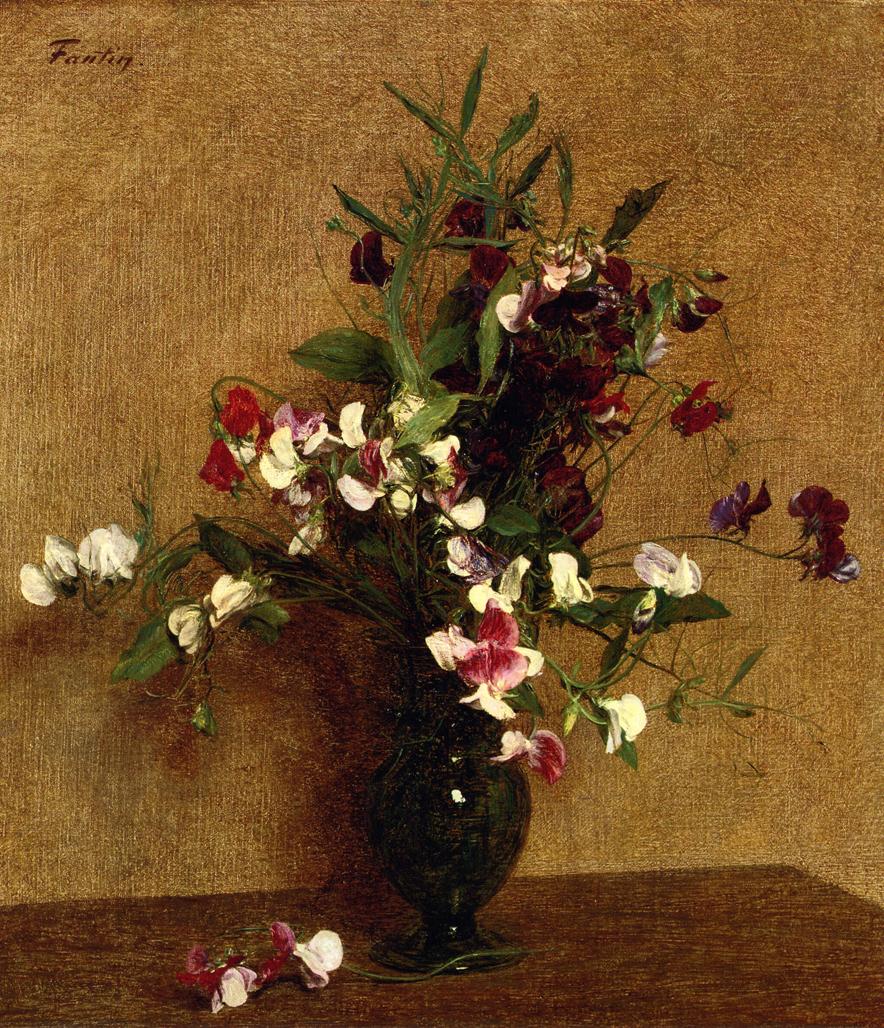
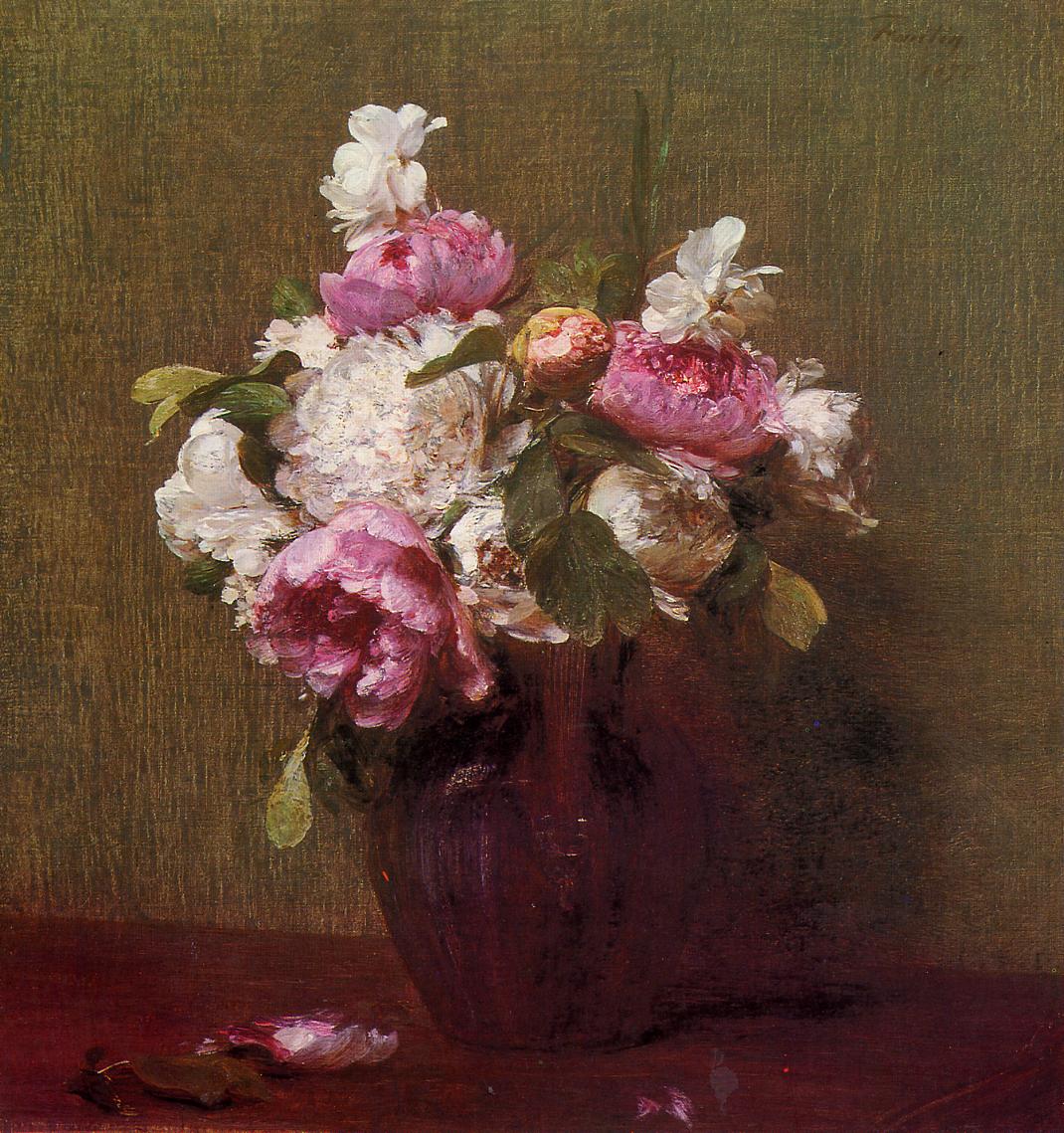
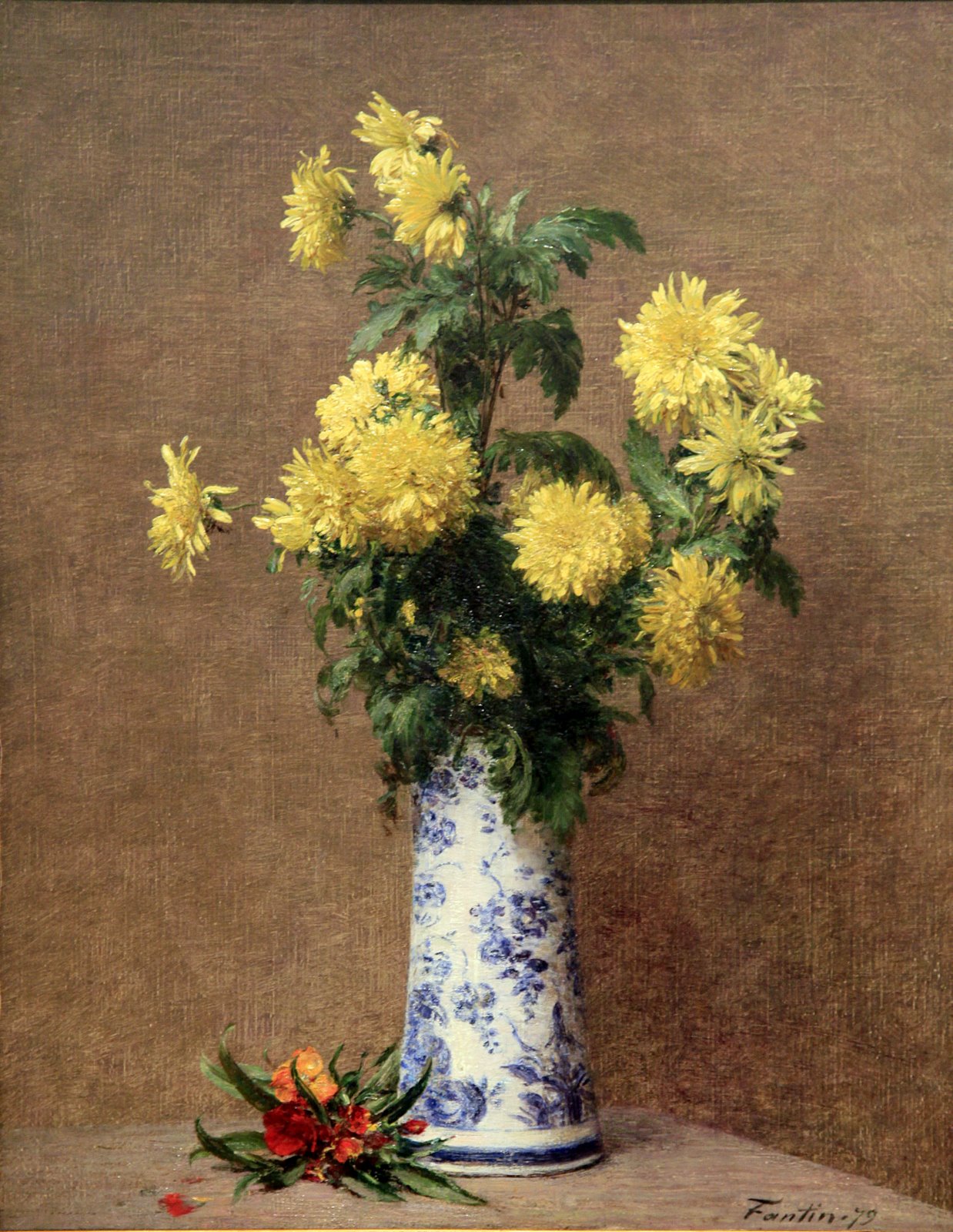
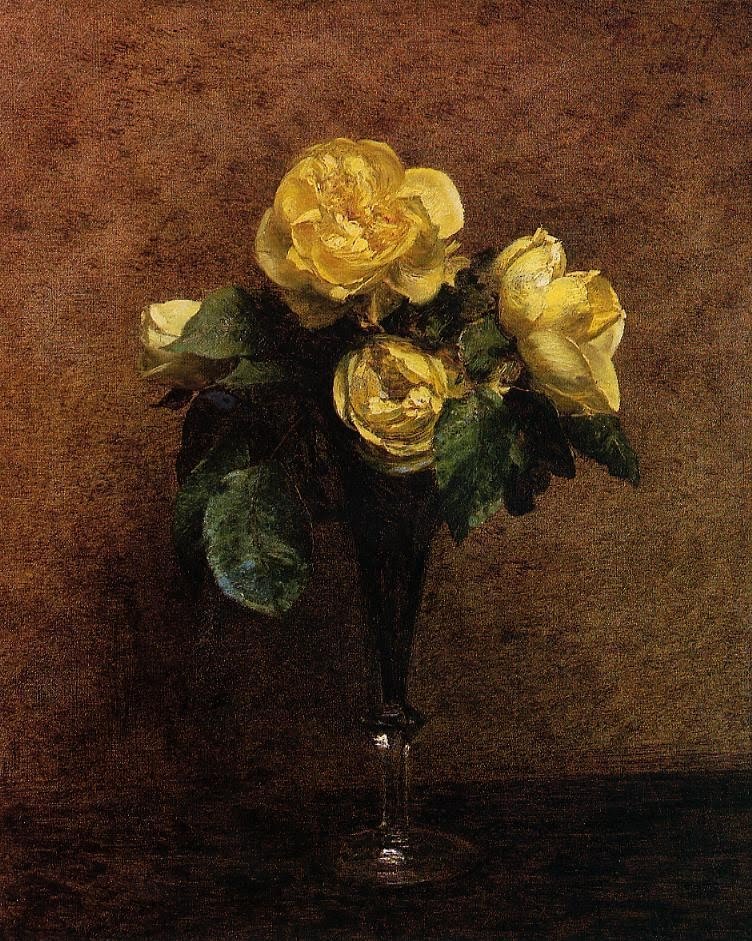
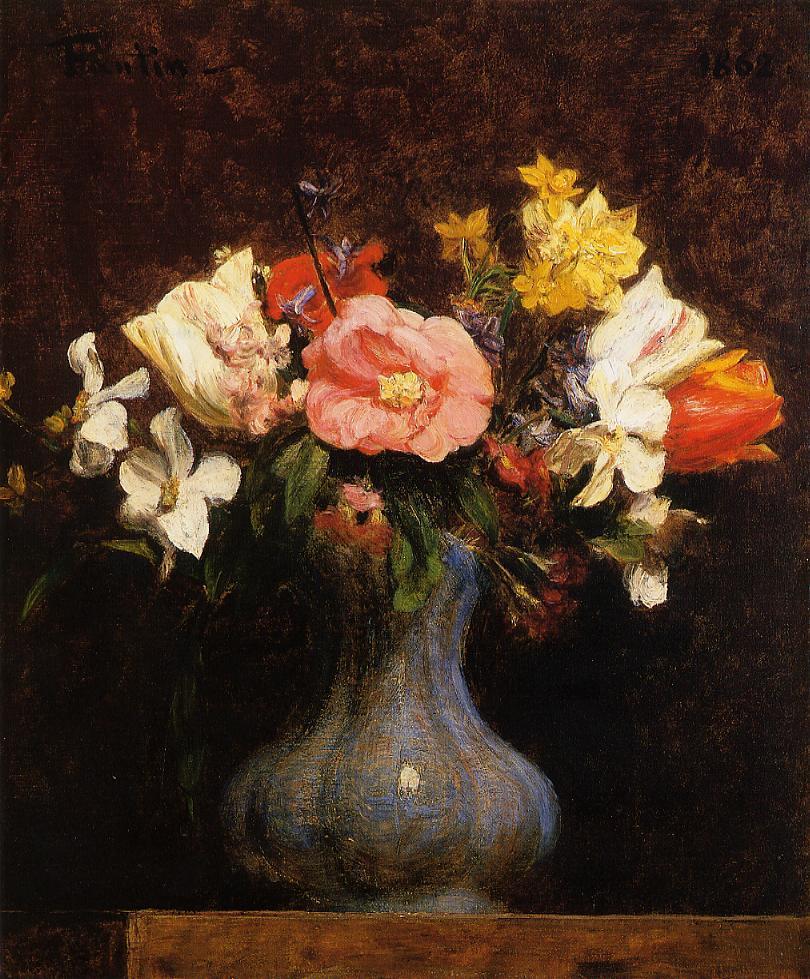
In the final volume of Proust’s A la recherche du temps perdu, Elstir is introduced as “the artist who is cited by connoisseurs today as our leading flower-painter, superior even to Fantin–Latour.”

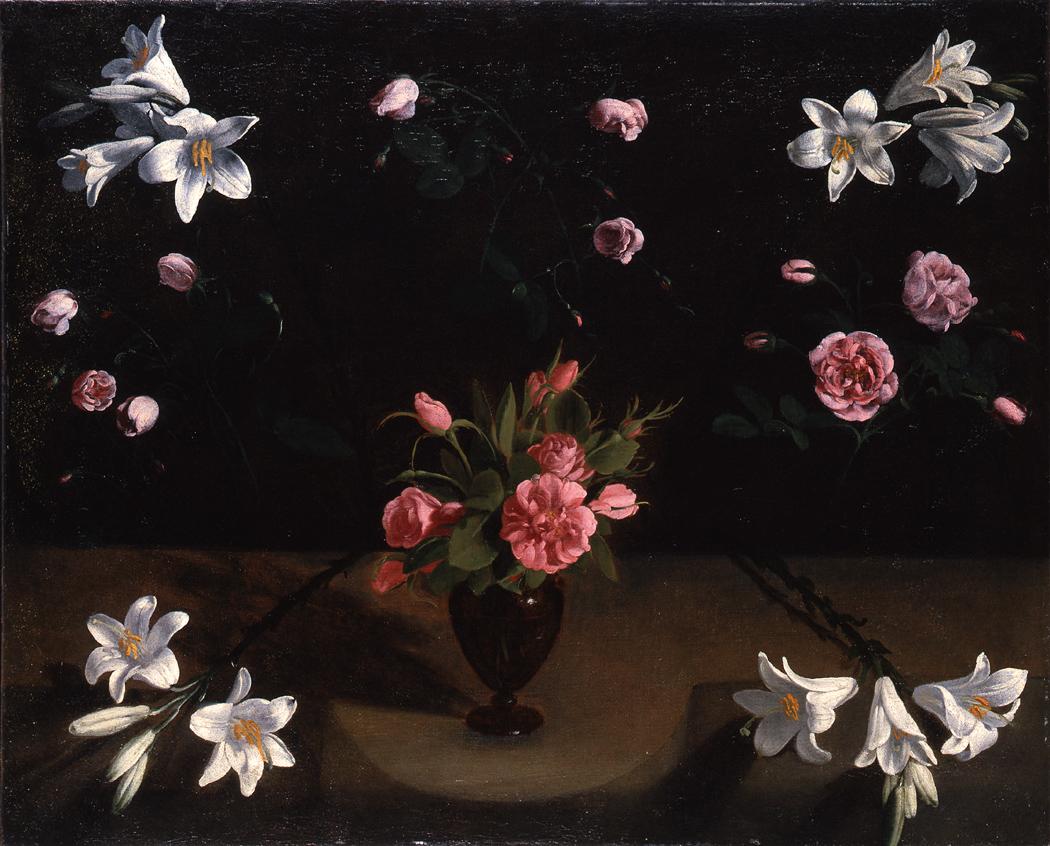 |
| Master of the Veneration of Maria ca. 1625 Lilies and thornless Roses in a Glass Vase This painting is distinguished by the subtlety of A painting structured in this way certainly con- Maurizio Marini |
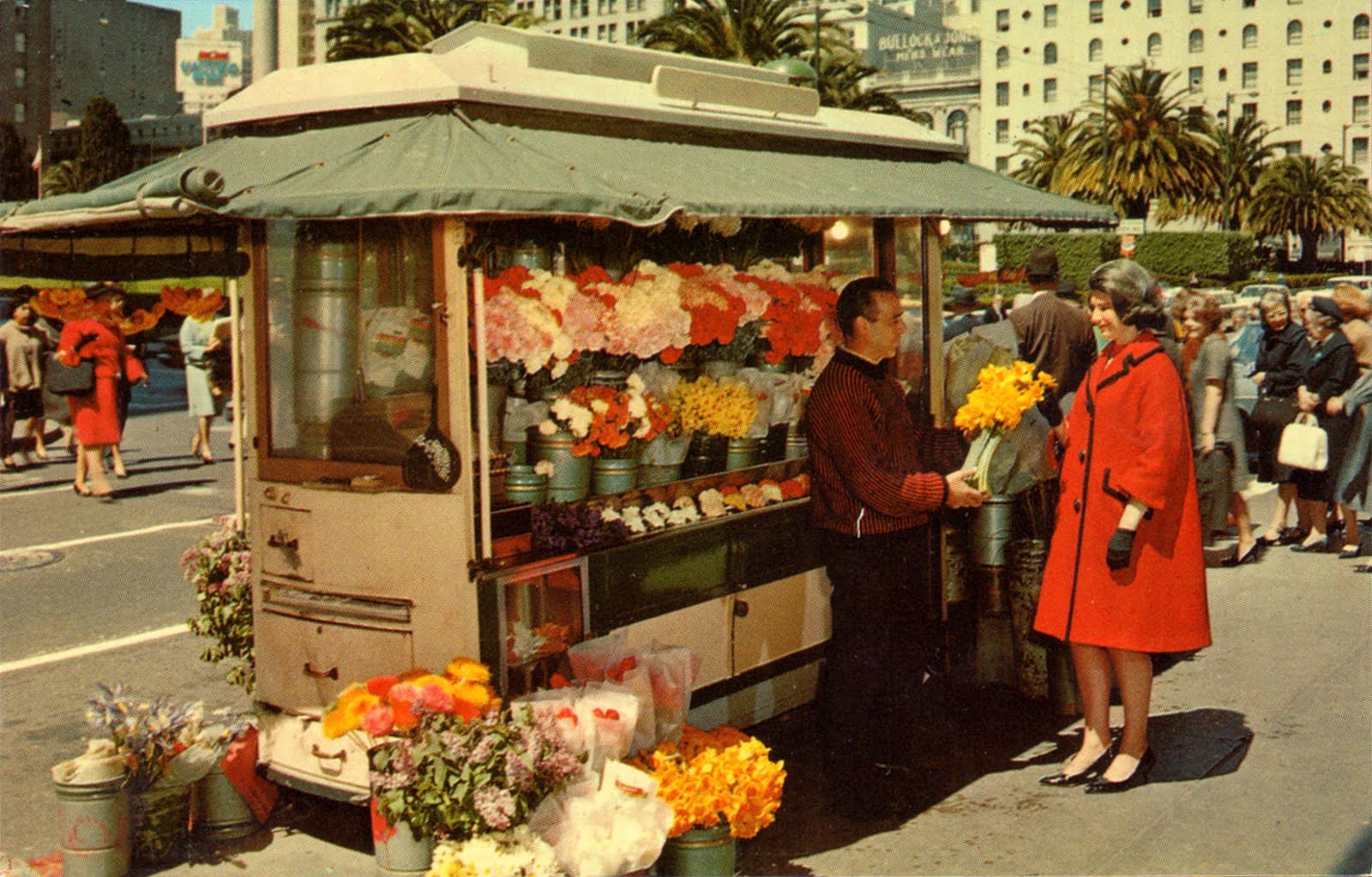
Originally uploaded by Vintage Chrome Postcards
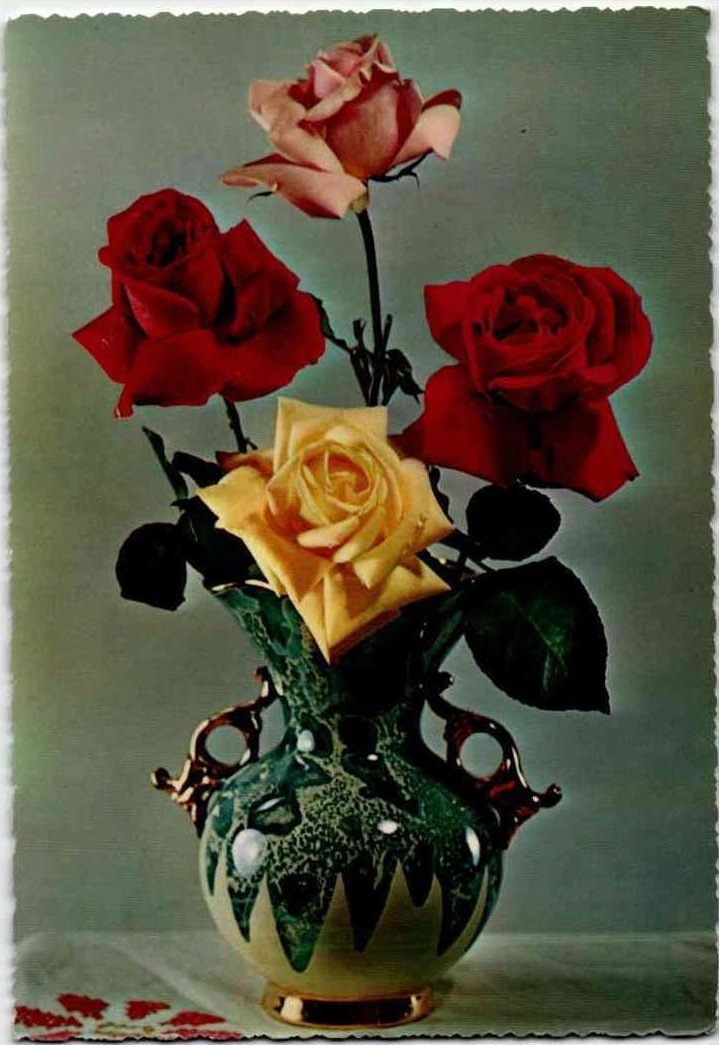
 tout ceci est magnifique