
Elizabeth Taylor ~ Love is Better Than Ever, 1952
“There is no progress in art, any more than there is progress in making love. There are simply different ways of doing it.” Man Ray
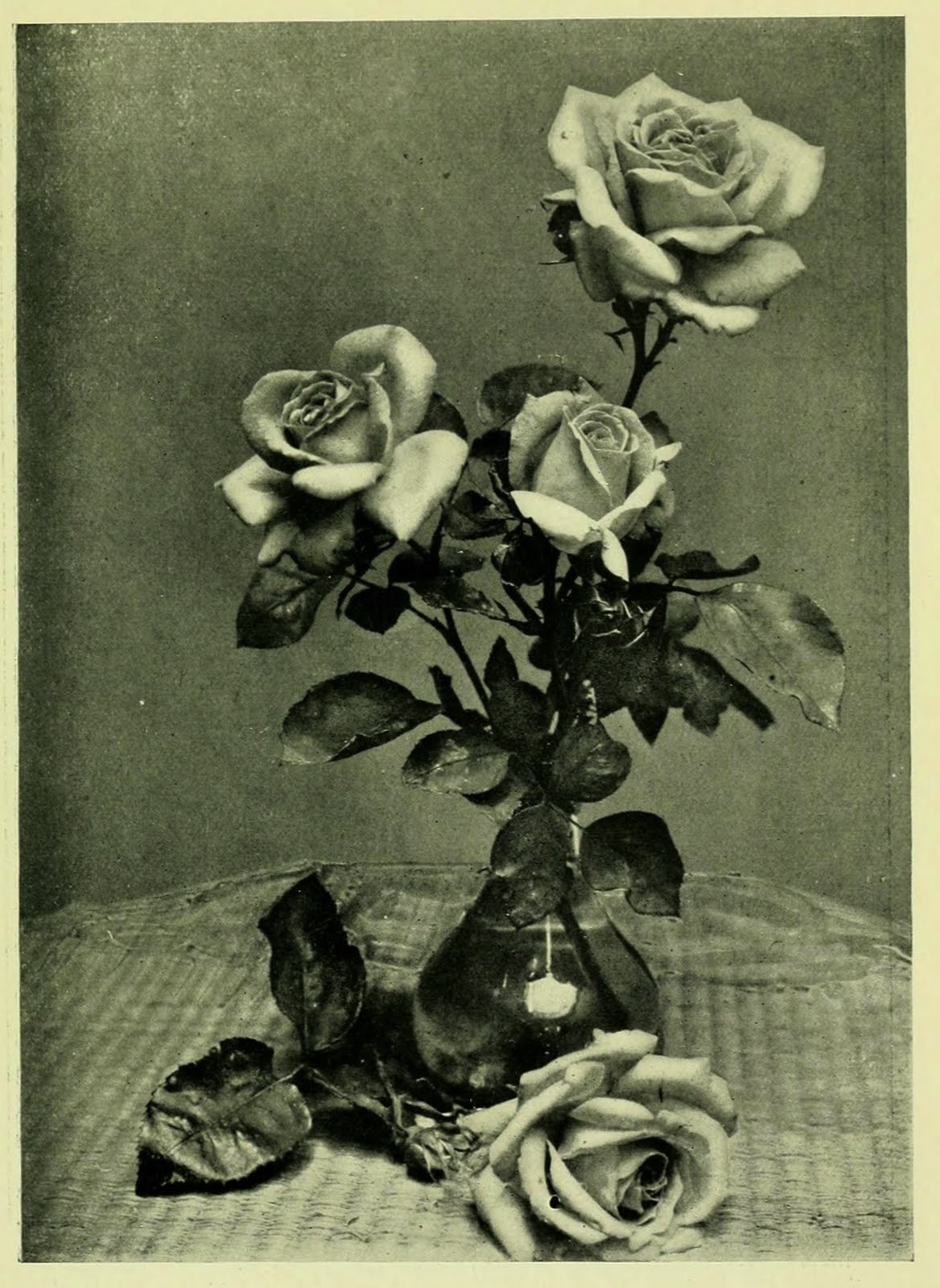
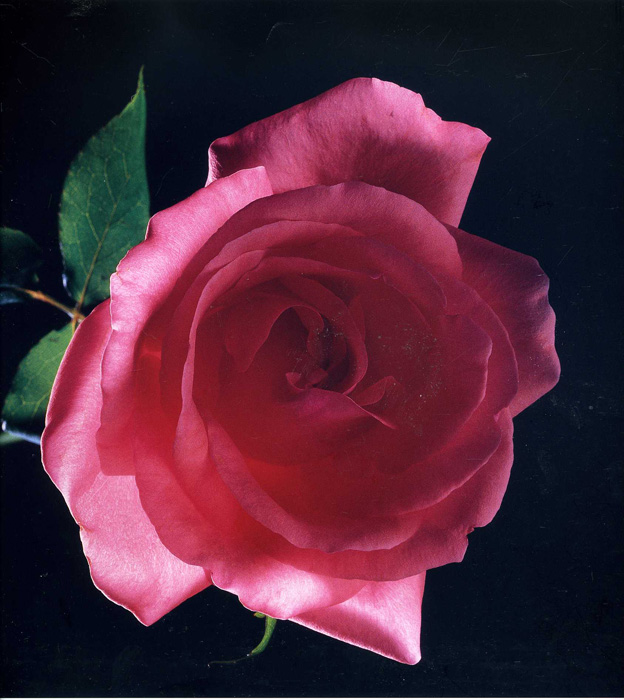
Robert Duncan is a generous-flowering Rose, the blossoms of which are large, perfectly formed and graceful in their proportions. The petals are large, shell-shaped and curly. The plant attains moderate size, but is of sturdy formation. The color — light scarlet or rosy lake — is delicate from the first faint streaks observable, as the buds begin to open, until the petals fall. When planted in masses the effect is decidedly pleasing. [Samuel Todd Walker, 1913 Biltmore Roses]

 |
| Fall, Still-life 1, 2008 |
 |
| Fall, Still-life 5, 2008 |
 |
| Fall, Still-life 2, 2008 |
 |
| Fall, Still-life 6, 2008 |


In the first decade of the 20th century, Memphis-born Maude Fealy became the favorite actress of the post-card and cabinet card collectors. Blessed with a gorgeous face and a tumult of dark hair, she generated a photographic legacy disproportionate to her modest skills as an actress. Debuting on Broadway as Eunice in ‘Quo Vadis‘ in 1900, much of her stage career took place in London as a protégé of William Gillete, and later as Sir Henry Irving’s leading lady during his successful comeback in 1906 just before he died. She was perpetually on tour in the United States in vehicles such as ‘Hearts Courageous‘ and ‘The Truth Tellers.‘ She performed in historical dramas and spectacles, but her forte proved to be comedy. When John Cort became her manager in 1906 he increased her popularity by putting her in a series of humorous plays, ‘The Illusion of Beatrice,’ ‘The Stronger Sex,’ and with an occasional sentimental slice-of-life drama such as ‘Louise.’ In 1907 she married a Denver drama critic Hugo L. Sherwin, but refused to live with him, even when threatened with court orders. In 1909 they divorced which she starred in a play titled ‘Divorce.’ She quit the play and secretly married James Durkin, an actor. They performed together in a number of plays, including ‘The Right Princess‘ (1913), an amusing look at ‘mental healing’ i.e. psychiatry. Her career began slipping in the mid-1910s and she began touring vaudeville performin playlets such as ‘The Turn of the Tide.’ Fealy tired of Durkin, divorced him, and in 1920 married John Cort the son of her manager. They lived together for a year before she took to the roads. Cort divorced Fealy for abandonment in 1923. The life of a stock company diva tired on her in 1931 and she headed for Hollywood where she played minor roles in numerous movies. Cecil B. DeMille, who knew her from his acting days, put her in every sound film he made. During the First World War she had made a number of silent films, but her theatrical gesturing then seemed too extravagant. – Dr. David S. Shields


You love the roses – so do I. I wish
The sky would rain down roses, as they rain
From off the shaken bush. Why will it not?
Then all the valley would be pink and white
And soft to tread on. They would fall as light
As feathers, smelling sweet; and it would be
Like sleeping and like waking, all at once!


 tout ceci est magnifique