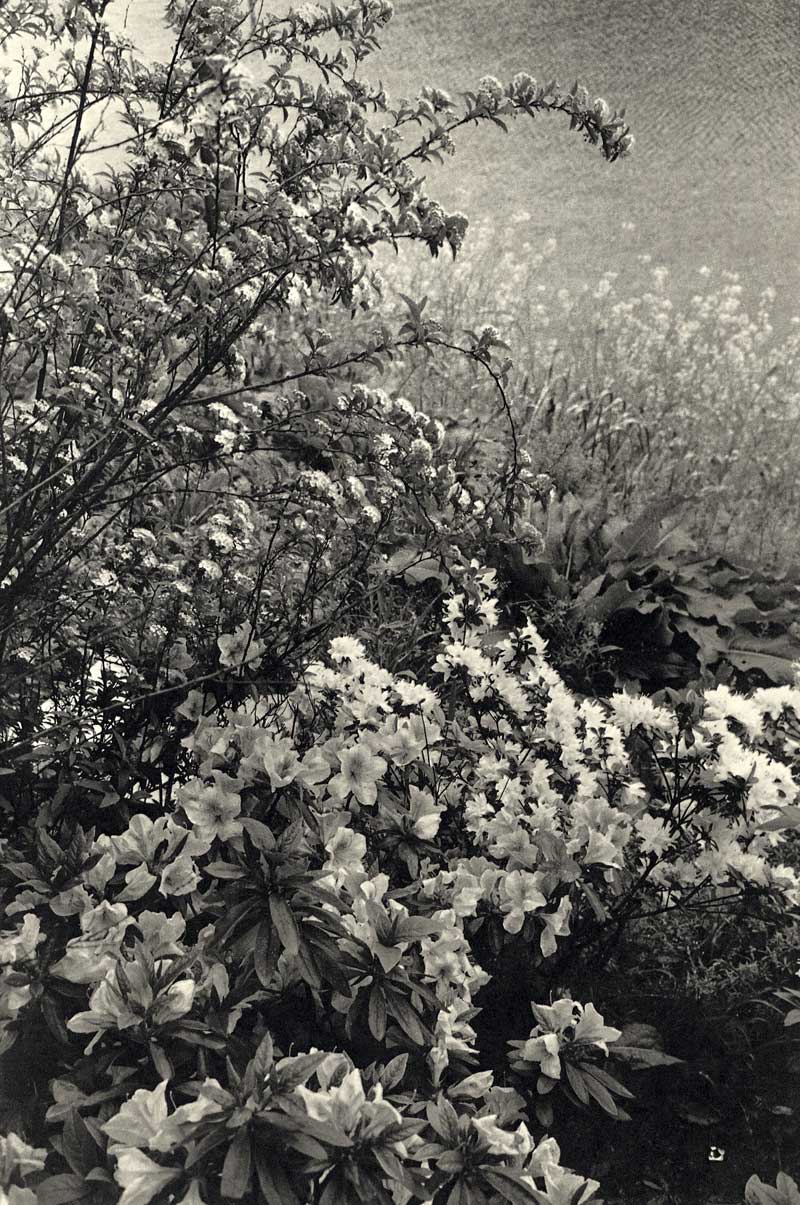
Lee Friedlander

“There is no progress in art, any more than there is progress in making love. There are simply different ways of doing it.” Man Ray
 |
|
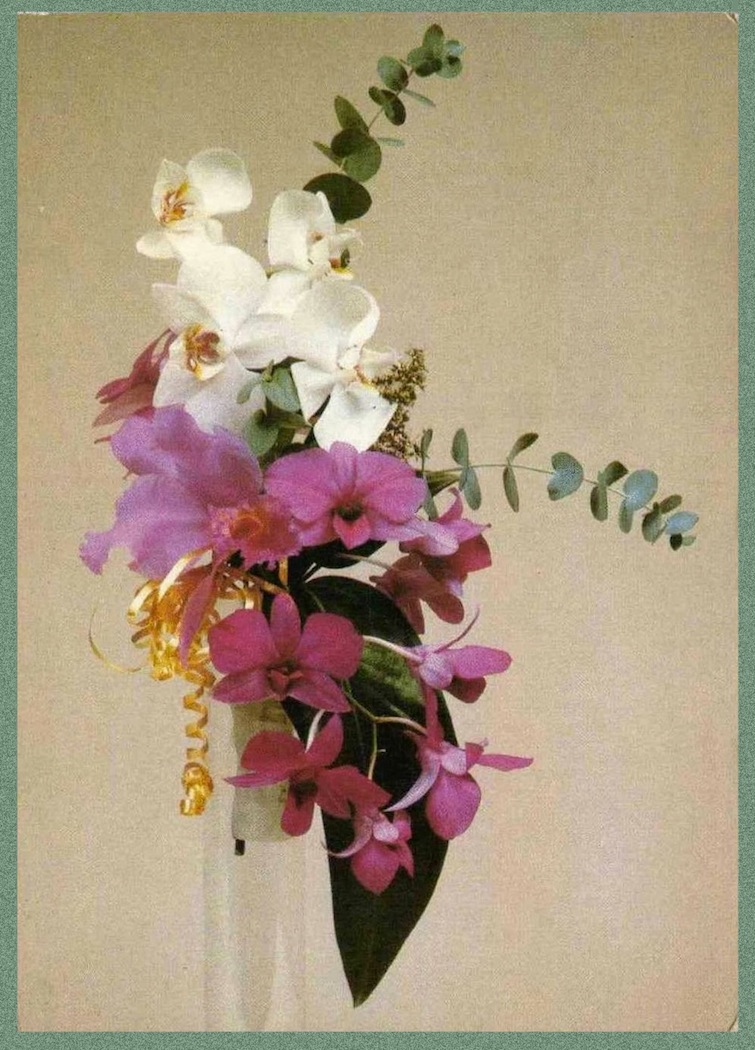
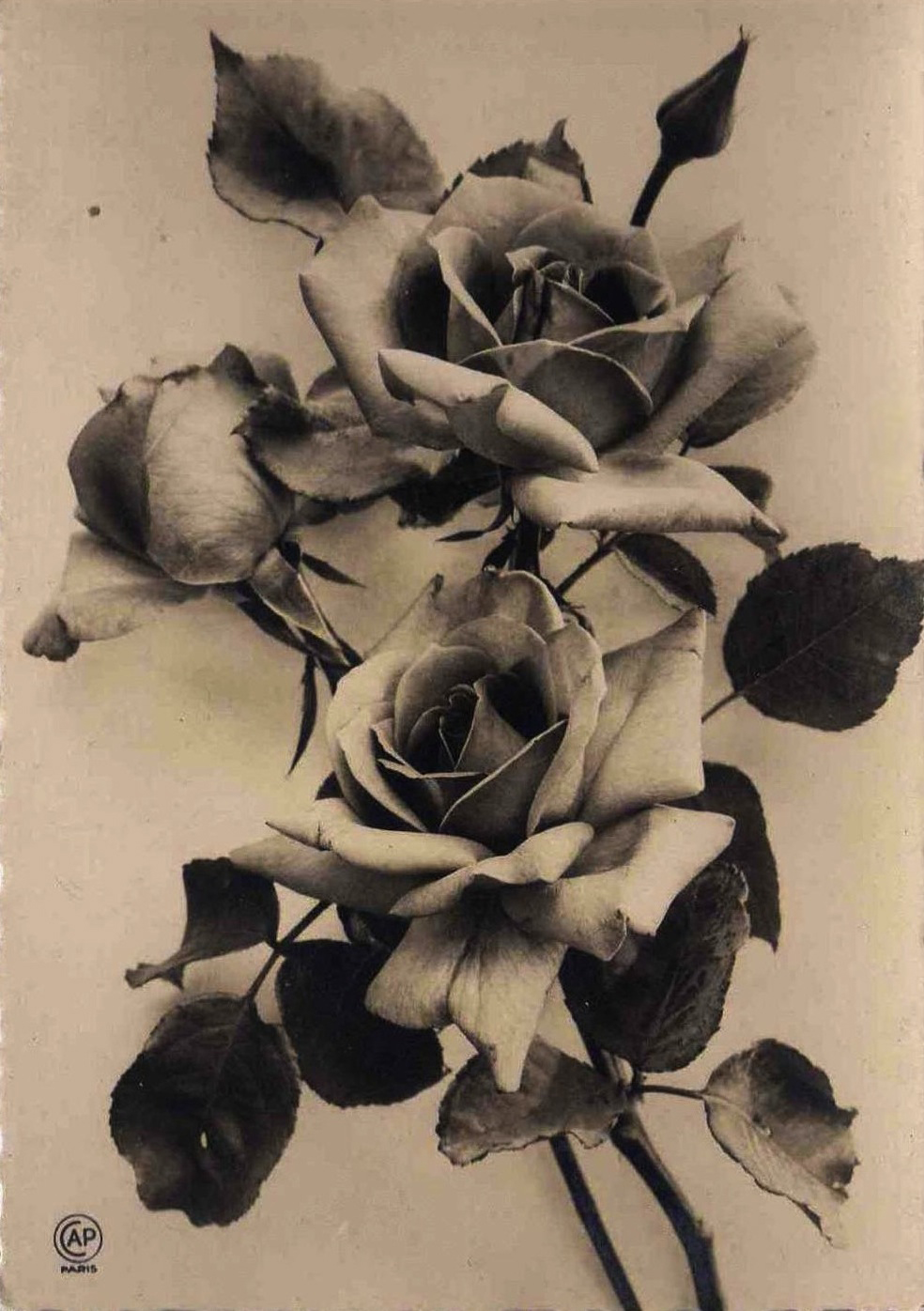
Cie des Arts Photomécaniques, Paris
~~~
C’était un gamin, un gosse de Paris,
Pour famille il n’avait qu’ sa mère Une pauvre fille aux grands yeux rougis, Par les chagrins et la misère Elle aimait les fleurs, les roses surtout, Et le cher bambin tous les dimanche Lui apportait de belles roses blanches, Au lieu d’acheter des joujoux La câlinant bien tendrement, Il disait en les lui donnant : “C’est aujourd’hui dimanche, tiens ma jolie maman Voici des roses blanches, toi qui les aime tant Va quand je serai grand, j’achèterai au marchand Toutes ses roses blanches, pour toi jolie maman” Au printemps dernier, le destin brutal, Vint frapper la blonde ouvrière Elle tomba malade et pour l’hôpital, Le gamin vit partir sa mère Un matin d’avril parmi les promeneurs N’ayant plus un sous dans sa poche Sur un marché tout tremblant le pauvre mioche, Furtivement vola des fleurs La marchande l’ayant surpris, En baissant la tête, il lui dit : “C’est aujourd’hui dimanche et j’allais voir maman J’ai pris ces roses blanches elle les aime tant Sur son petit lit blanc, là-bas elle m’attend J’ai pris ces roses blanches, pour ma jolie maman” La marchande émue, doucement lui dit, “Emporte-les je te les donne” Elle l’embrassa et l’enfant partit, Tout rayonnant qu’on le pardonne Puis à l’hôpital il vint en courant, Pour offrir les fleurs à sa mère Mais en le voyant, une infirmière, Tout bas lui dit “Tu n’as plus de maman” Et le gamin s’agenouillant dit, Devant le petit lit blanc : “C’est aujourd’hui dimanche, tiens ma jolie maman Voici des roses blanches, toi qui les aimais tant Et quand tu t’en iras, au grand jardin là-bas Toutes ces roses blanches, tu les emporteras” ~~~
Interprète: Berthe Sylva
Paroles: Charles Louis Pothier Musique: Léon Raiter, 1926 |

The Asiatic Ranunculus, or Garden Ranunculus, exclusively the ranunculus of florists, a native of the Levant, has been cultivated in Europe for almost 300 years. The cultivated varieties are extremely numerous, brilliantly colored, and very symmetrical in form. The ranunculus is propagated by seed, by offset tubers, or by dividing the clusters of tubers. The roots are often taken up in summer, after the leaves die, and kept in a dry place till the beginning of the ensuing winter or spring. The ranunculus loves a free and rich soil. Double-flowered varieties of some other species, with taller stems and smaller white or yellow flowers, are cultivated in flower-gardens, sometimes under the name of Bachelors’ Buttons.
Chambers’s Encyclopædia

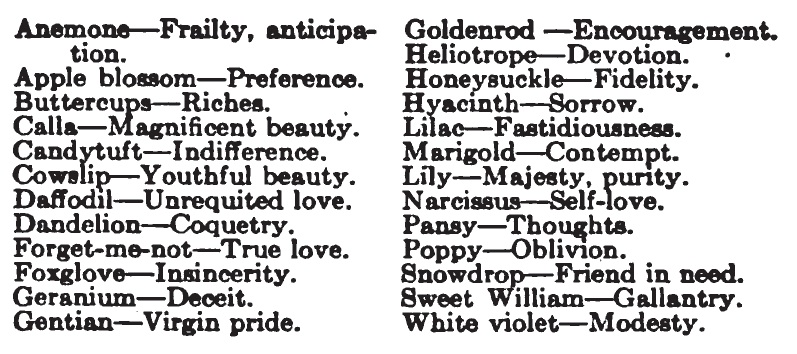 |
| New international encyclopedia, Volume 8 |

 |
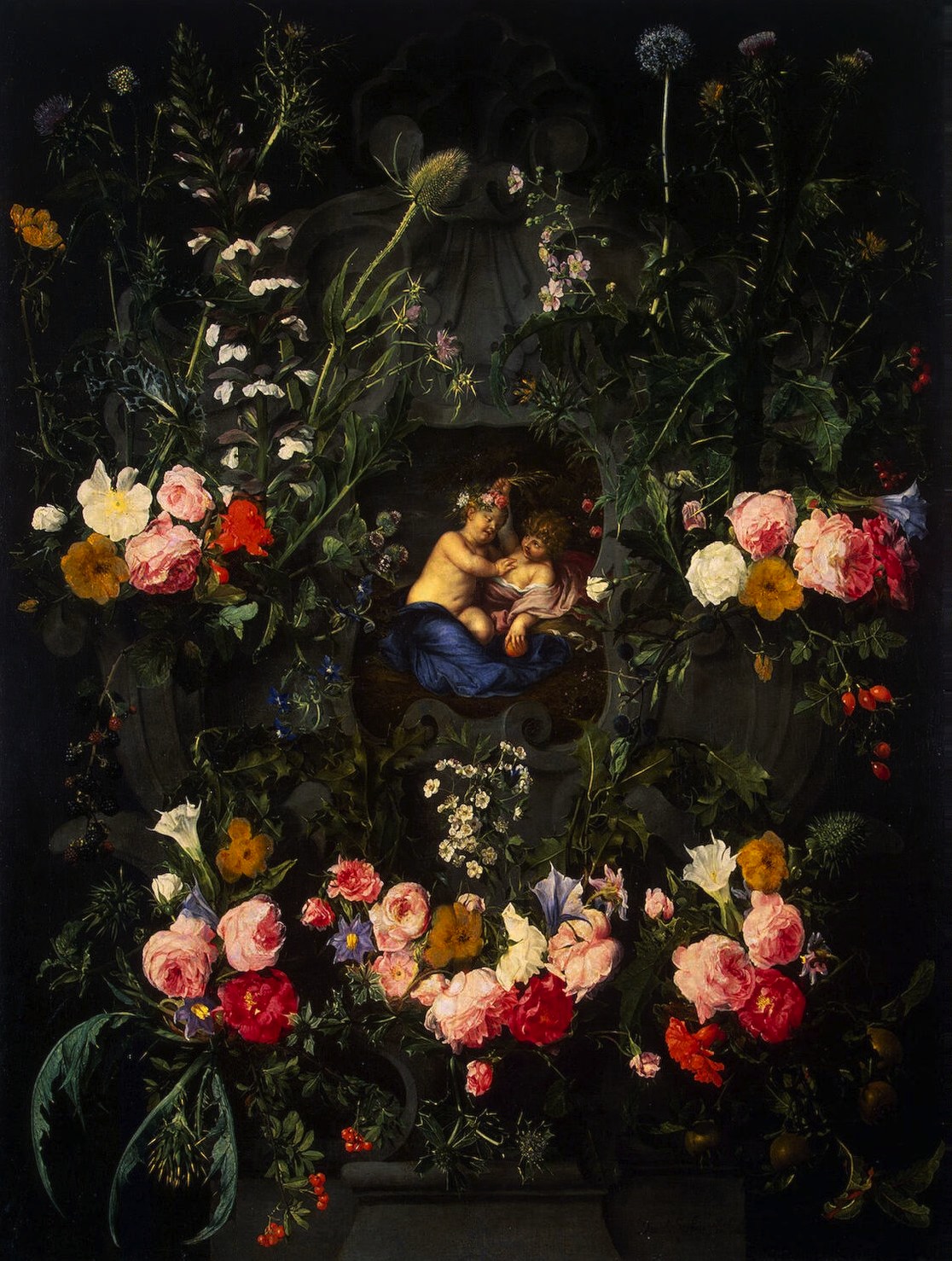
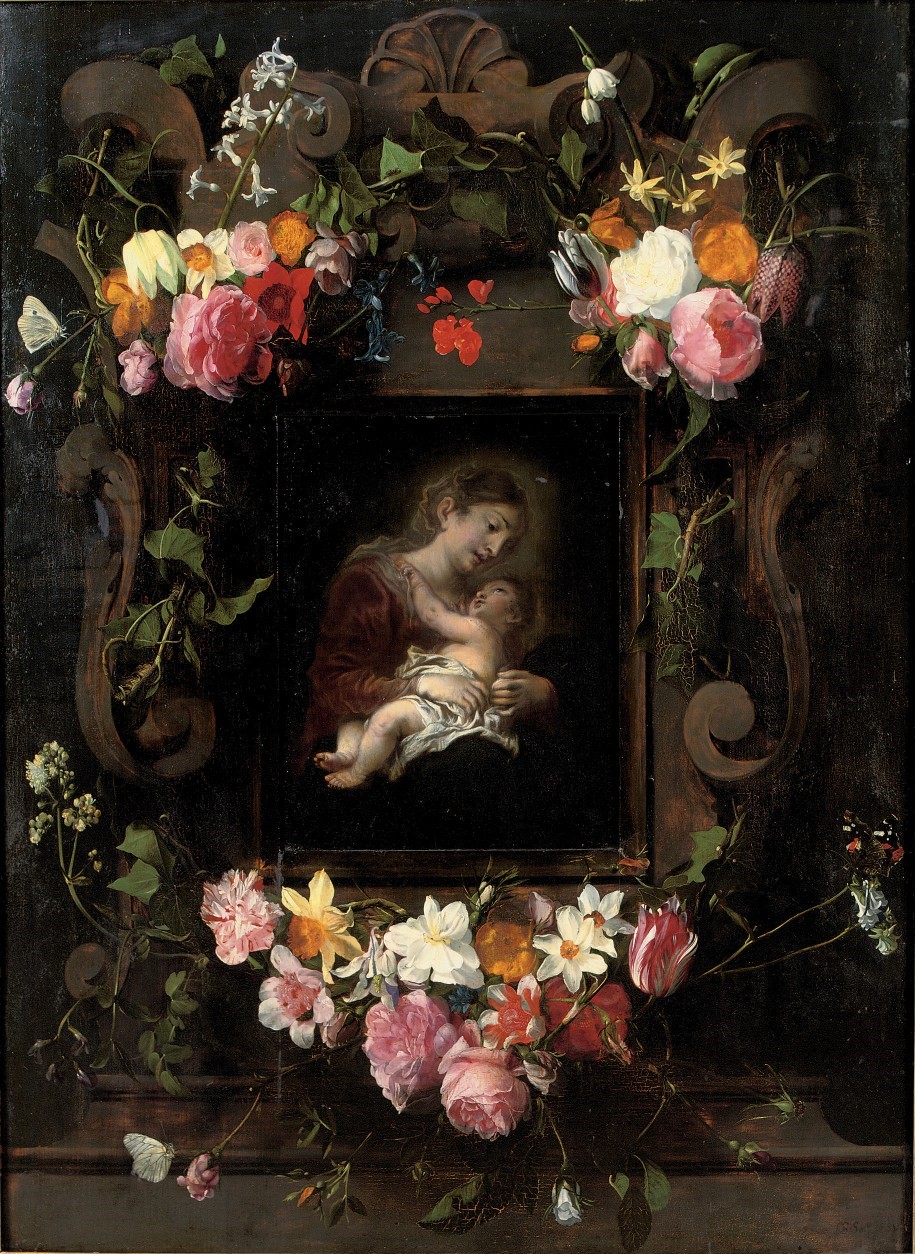
| E. Louise Marillier ~ Peonies, 1912 [Art Gallery of New South Wales] |
To anyone who is fond of flowers this is one of the most interesting branches of photography, although not without its many difficulties. At the request of the editor of Photo-era I will tell, by describing my modus operandi, how some of them may be overcome.
One of the most essential things required is a good background. I have several which I have painted in oil-colors on artist’s large-sized canvasses. My favorite is shaded from rather light gray to warm gray-brown.
Flowers should always be gathered fresh and put into water for two hours before arranging them. This is best done on a deal-top table; it is a trying ordeal and sometimes much patience is required. As it is very difficult to get the blossoms and foliage into satisfactory focus, a little wire or a pin has to be resorted to if the exposure must be long, for I find the flowers are inclined to move…
Photo-era magazine, The American Journal of Photography Volume XXII, January 1909, to June 1909, published by Wilfred A. French
 |
| Photographer unknown ~ Hibiscus, ca. 1915 |


 tout ceci est magnifique