
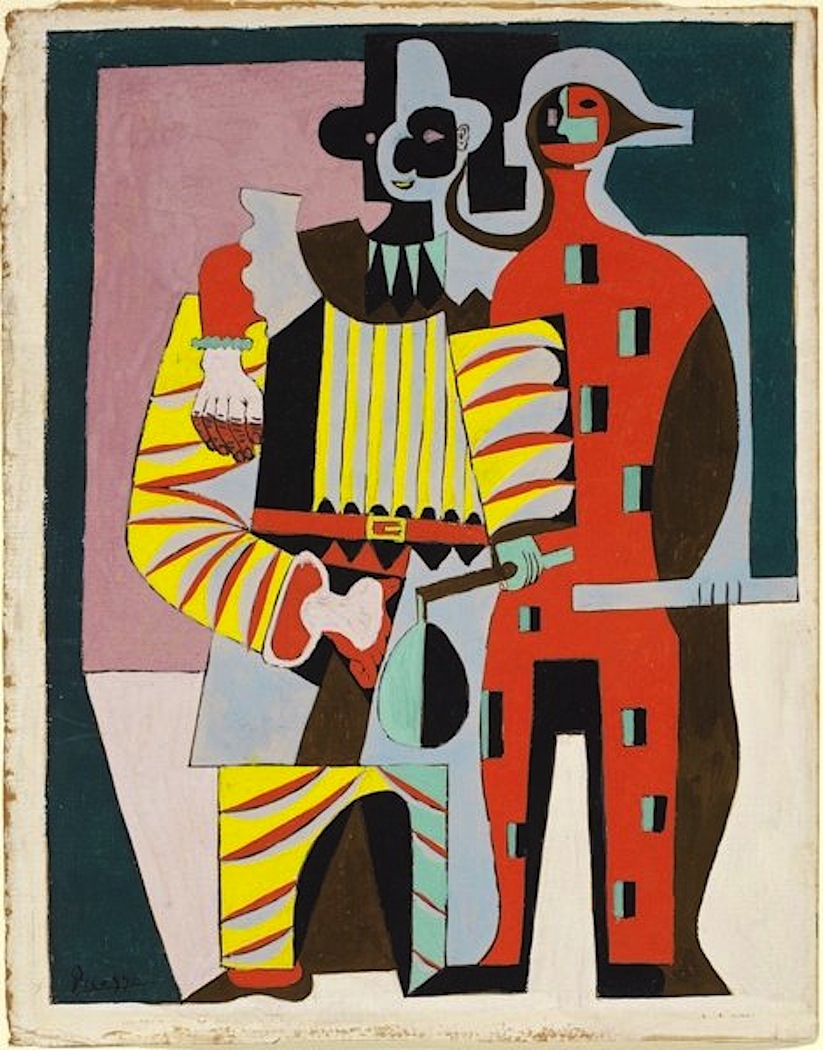
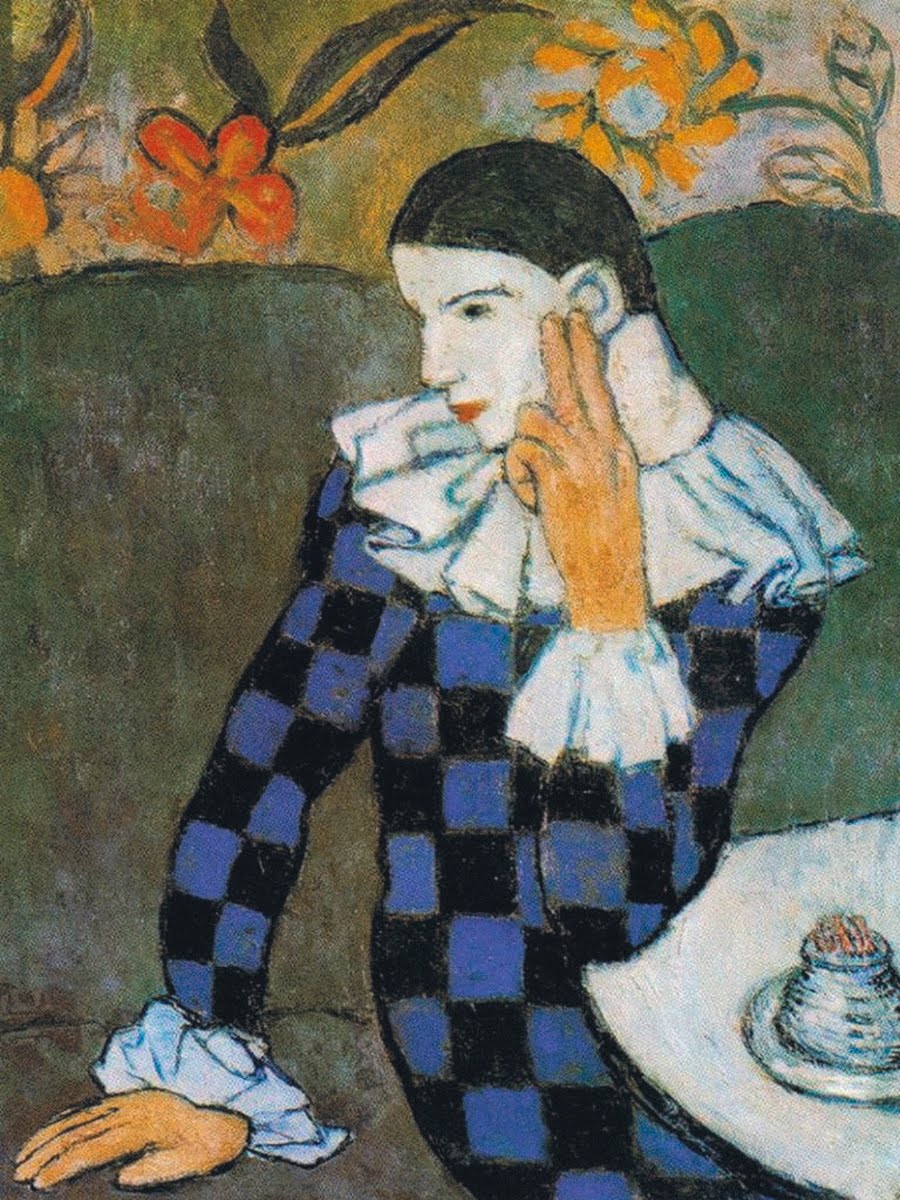
Pablo Picasso, 1906
“There is no progress in art, any more than there is progress in making love. There are simply different ways of doing it.” Man Ray

 |
| ➔ Porzellan Manufaktur Nymphenburg |
His most outstanding figures and services still in production today include the CHINOISERIES, the portrait bust of Count Sigmund von Haimhausen, who was director of the manufactory at the time, as well as his CRUCIFIXION GROUP dating from 1755/56.
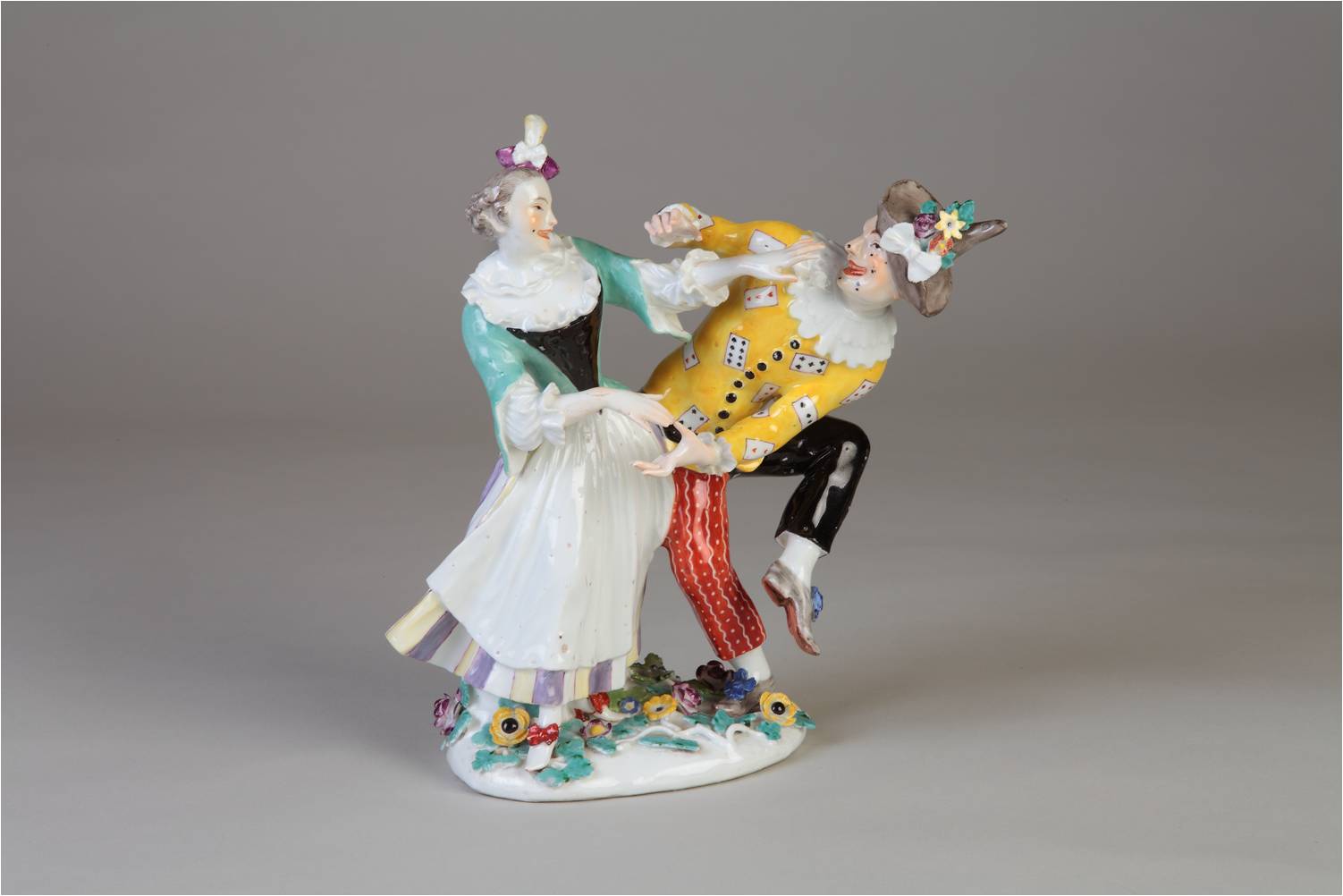
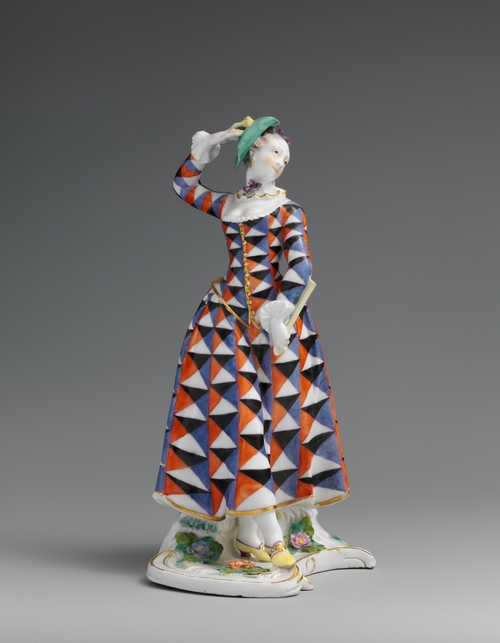
This is also the case for the most artistic of Franz Anton Bustelli’s ensembles of figures – the 16 characters of the COMMEDIA DELL’ARTE, which were first mentioned in the manufactory’s records in 1760 and which to this day are still produced according to his designs.
As highly sought after collectors’ pieces, the 16 figures will be reissued in a limited edition to celebrate the manufactory’s 260th anniversary: such contemporary fashion designers as Vivienne Westwood, Christian Lacroix, Emanuel Ungaro, Naoki Takizawa and Elie Saab were invited to “dress” one of the protagonists in the COMMEDIA DELL’ARTE ” in new clothes”.
 |
| ➔ The Metropolitan Museum of Art |
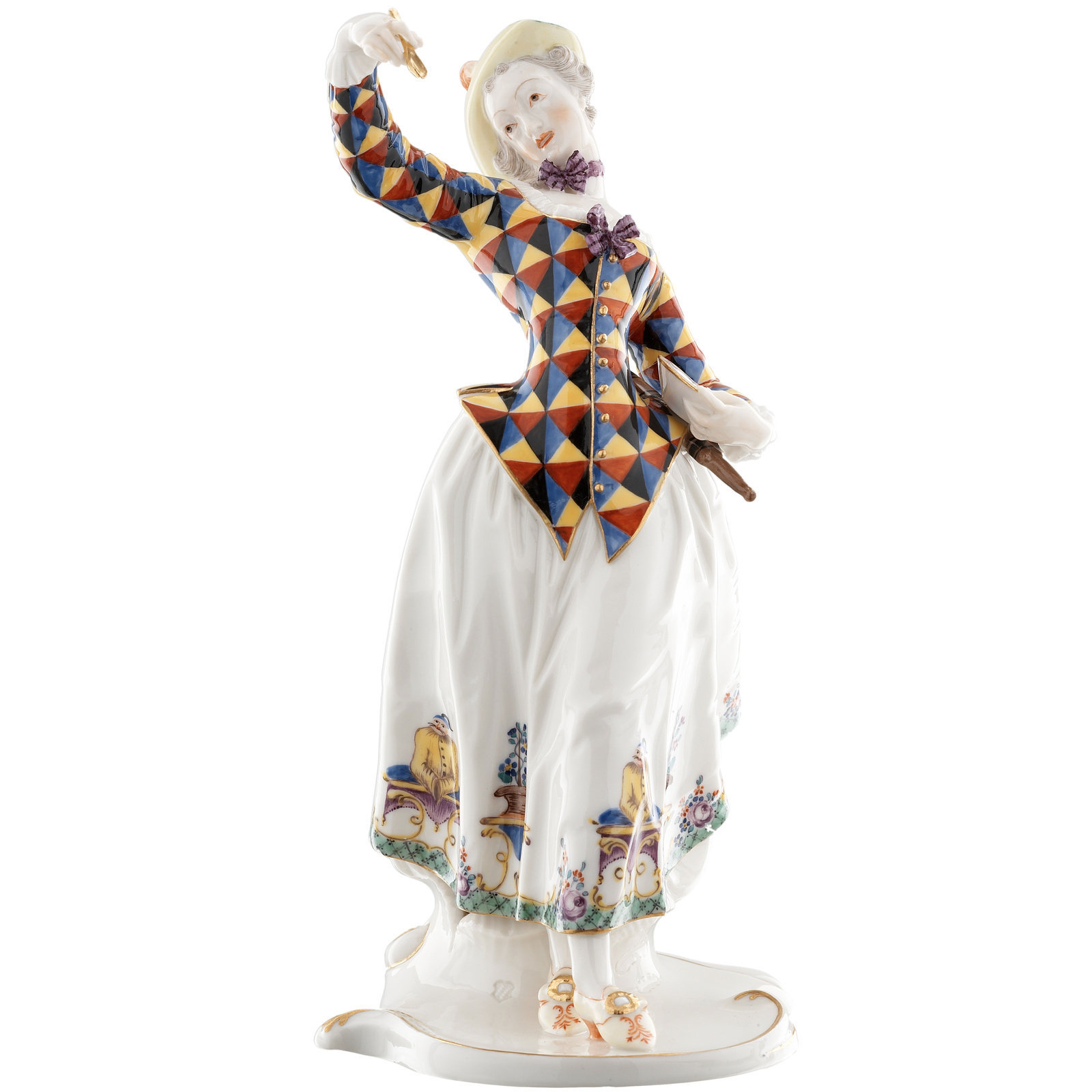
Bustelli modeled sixteen characters from the Italian commedia dell’arte, the lively improvisatory theater that came to life in the sixteenth century. Harlequin was the commedia’s principal character, always dressed in a brightly colored suit of triangular patches. Sometimes he was accompanied by Columbine, who played different roles in the plays. Here Harlequina wears the same patchwork costume as her partner. Although some of Bustelli’s figures were inspired by engravings, they all have a sense of graceful movement that suggests the artist’s firsthand impression of a theatrical performance.
 |
| Miró
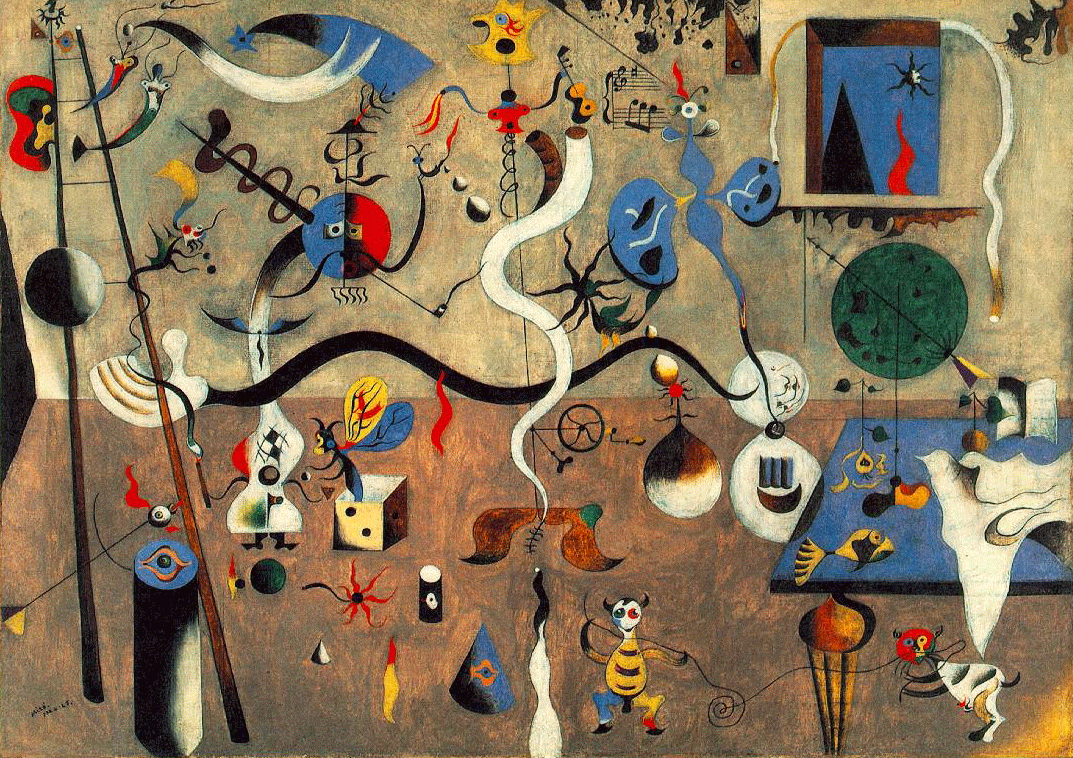
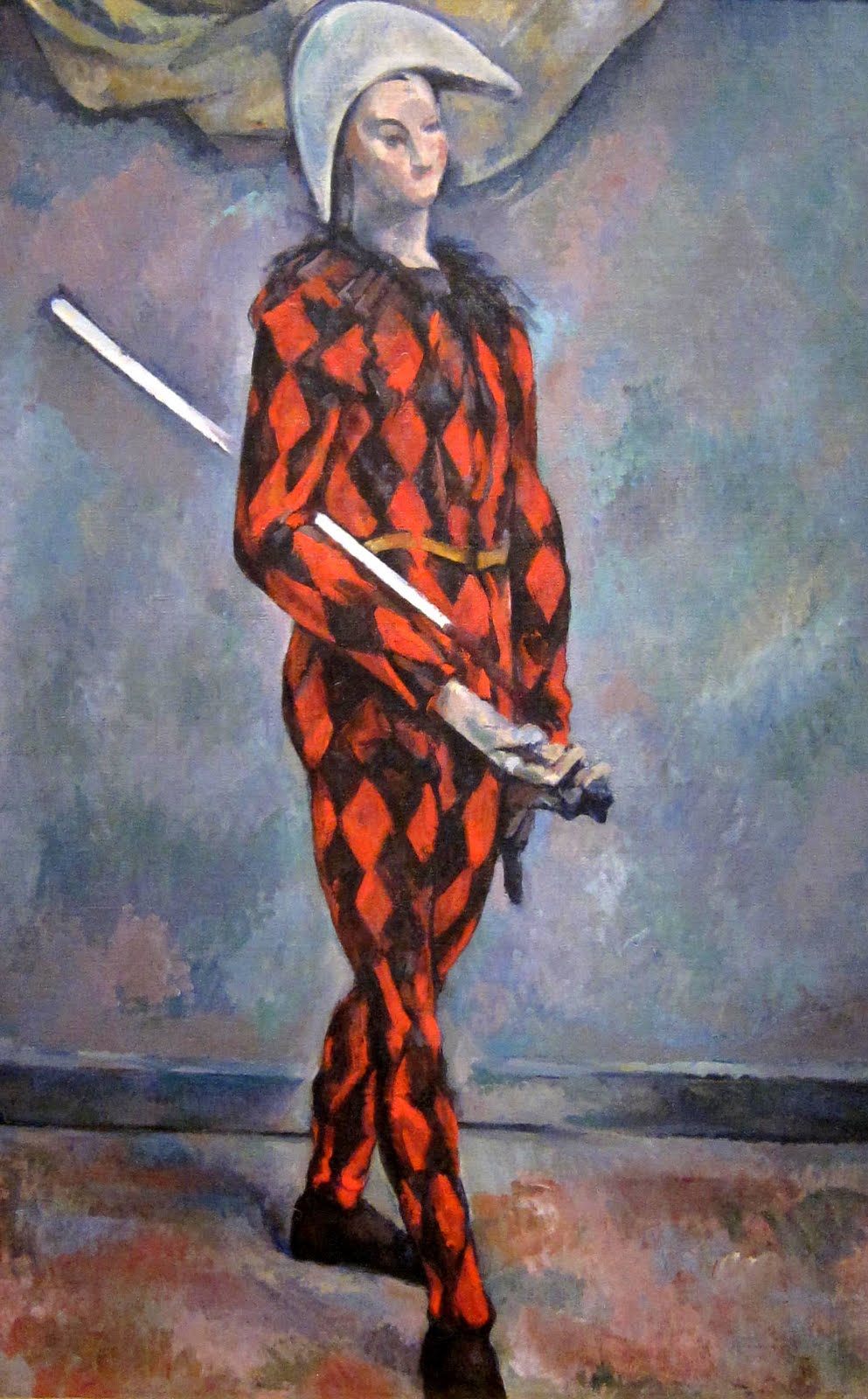
HARLEQUIN, in modern pantomime, the posturing and acrobatic character who gives his name to the “harlequinade,” attired in mask and parti-coloured and spangled tights, and provided with a sword like a bat, by which, himself invisible, he works wonders. It has generally been assumed that Harlequin was transferred to France from the “Arlecchino” of Italian medieval and Renaissance popular comedy; but Dr Driesen in his Ursprung des Harlekins (Berlin, 1904) shows that this is incorrect. An old French “Harlekin” (Herlekin, Hellequin and other variants) is found in folk-literature as early as 1100; he had already become proverbial as a ragamuffin of a demoniacal appearance and character; in 1262 a number of harlekins appear in a play by Adam de la Halle as the intermediaries of King Hellekin, prince of Fairyland, in courting Morgan le Fay; and it was not till much later that the French Harlekin was transformed into the Italian Arlecchino. In his typical French form down to the time of Gottsched, he was a spirit of the air, deriving thence his invisibility and his characteristically light and aery whirlings. Subsequently he returned from the Italian to the French stage, being imported by Marivaux into light comedy; and his various attributes gradually became amalgamated into the latter form taken in pantomime.
1911 Encyclopædia Britannica |
 |
| Picasso |
 |
| Cézanne |
 tout ceci est magnifique