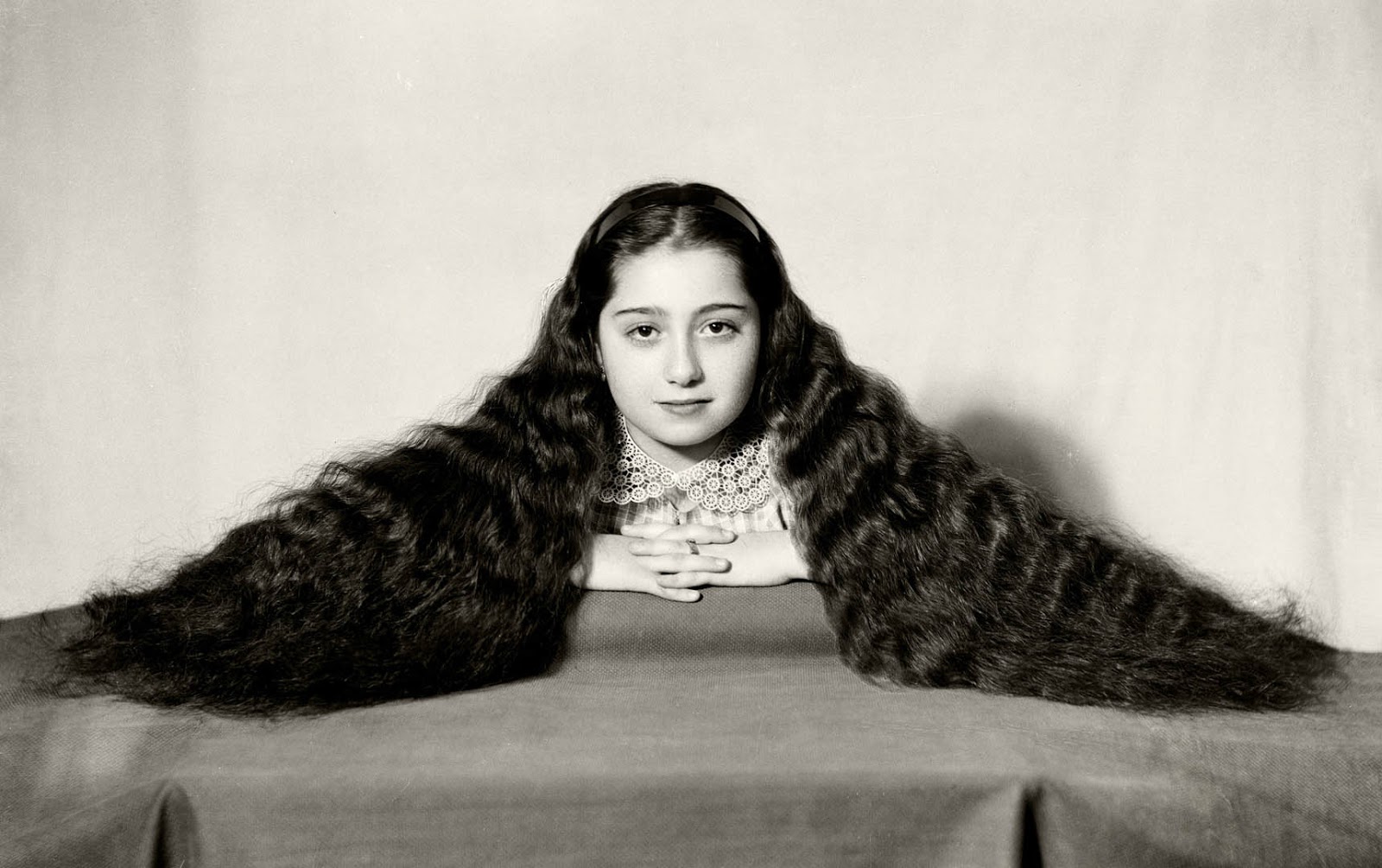
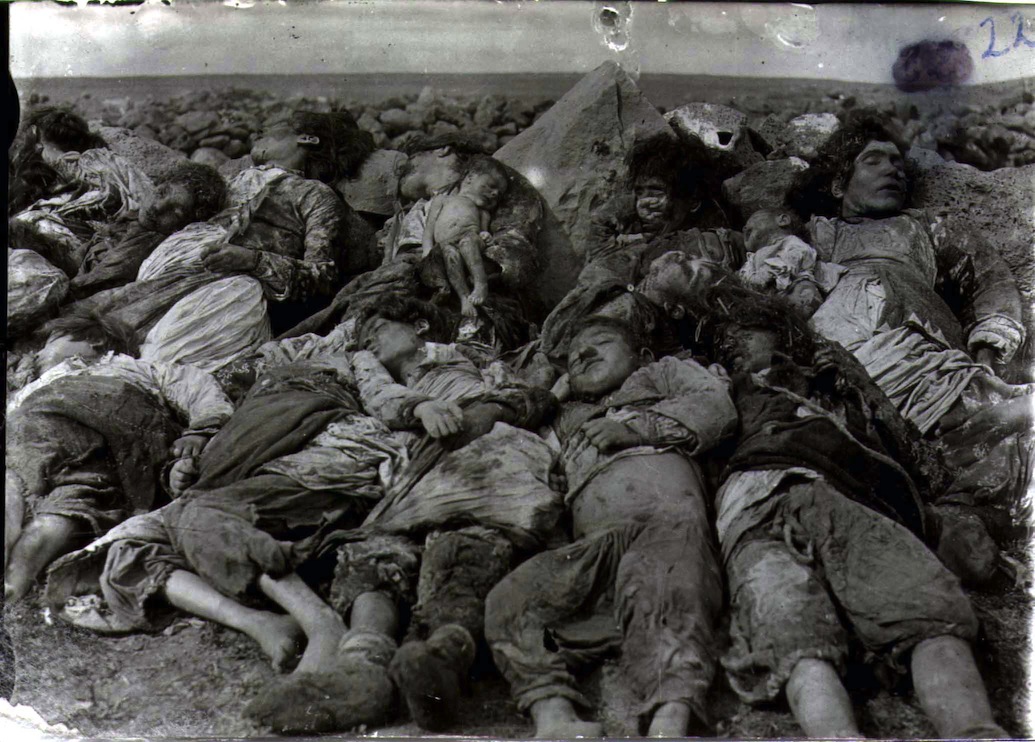
Armenian photographer Maryam Şahinyan
“There is no progress in art, any more than there is progress in making love. There are simply different ways of doing it.” Man Ray
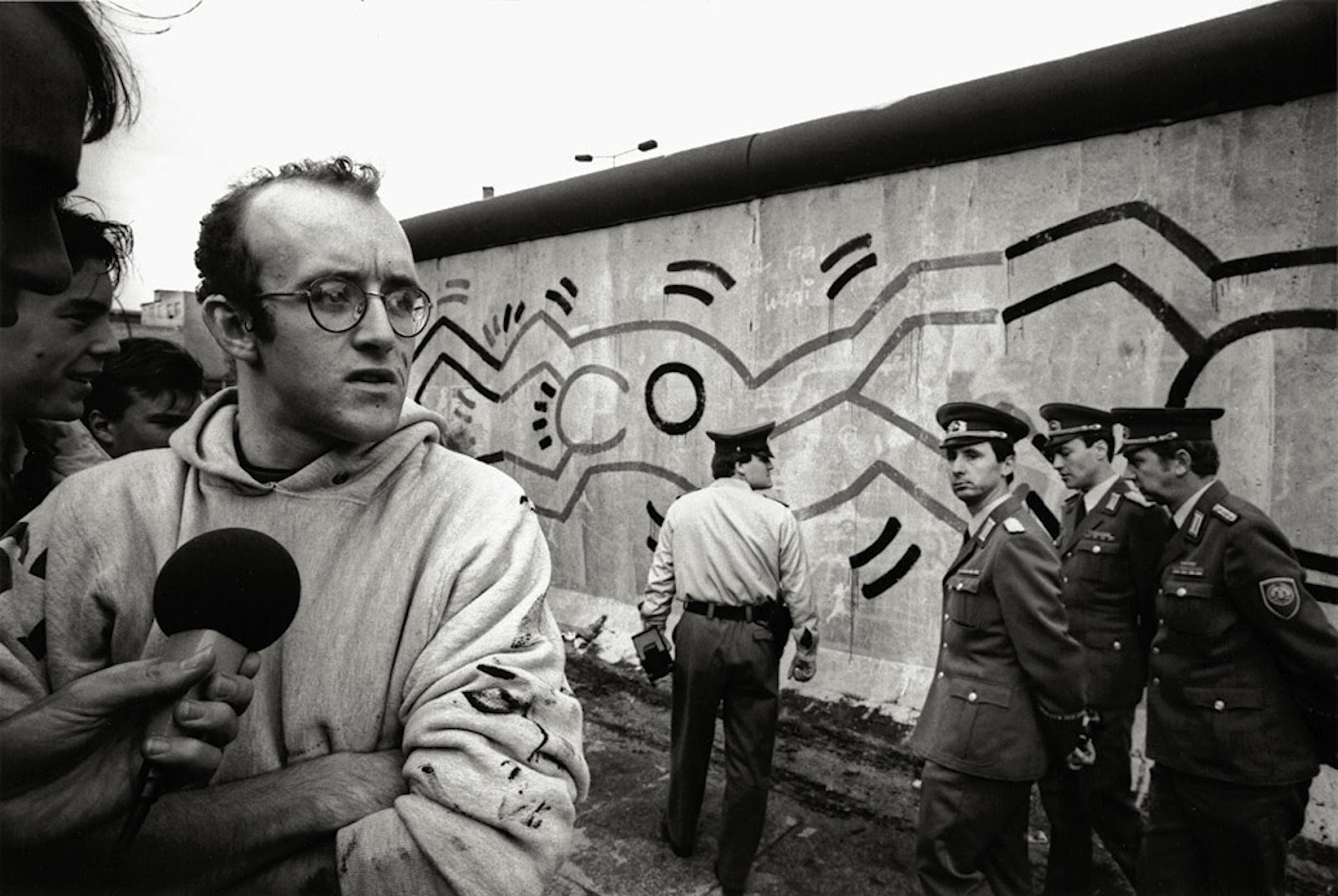
In 1986 the Checkpoint Charlie Museum in West Berlin asked Keith to paint a 350 foot wall mural. ➔ Keith Haring Foundation archives


Kisses them. IRAS falls and dies
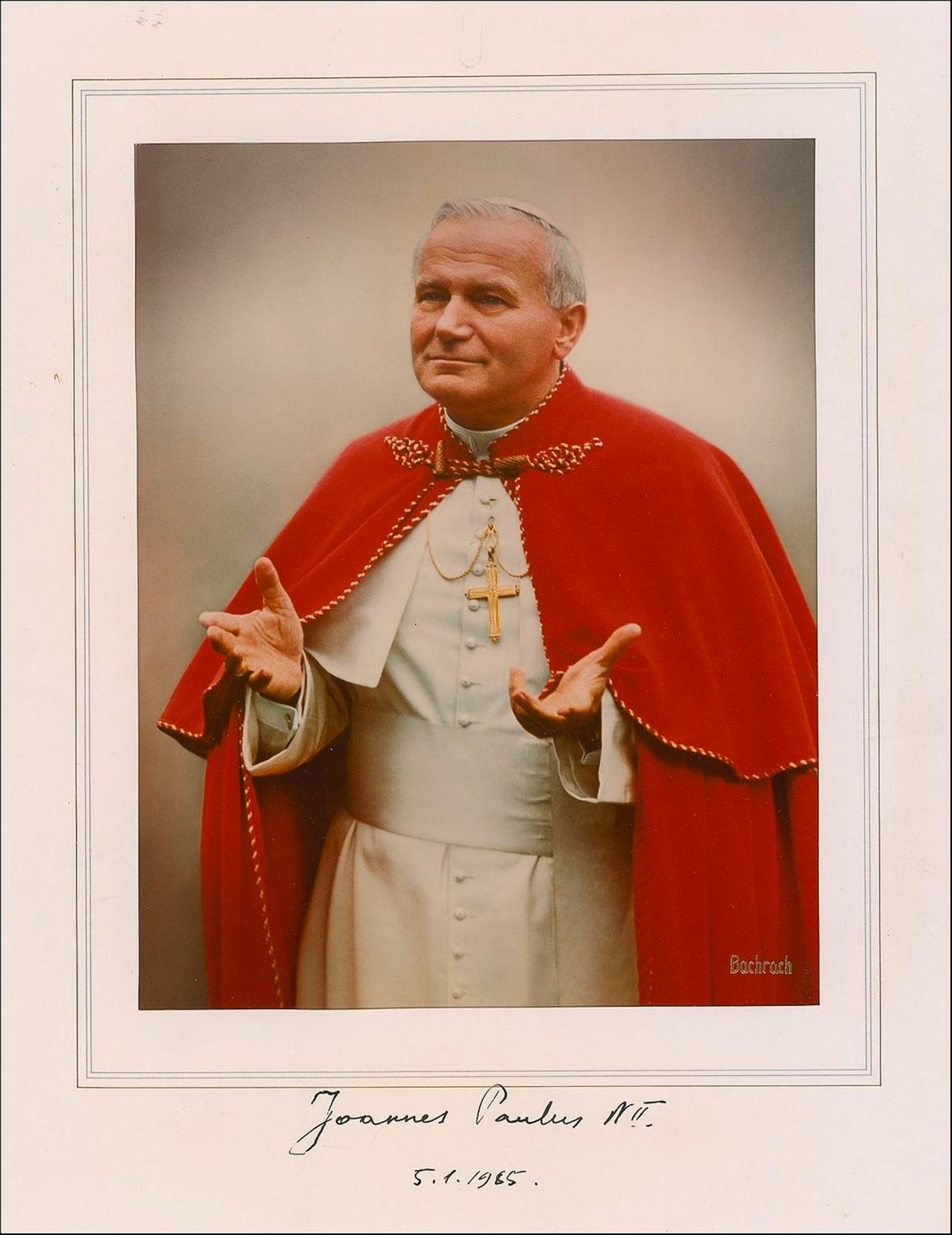
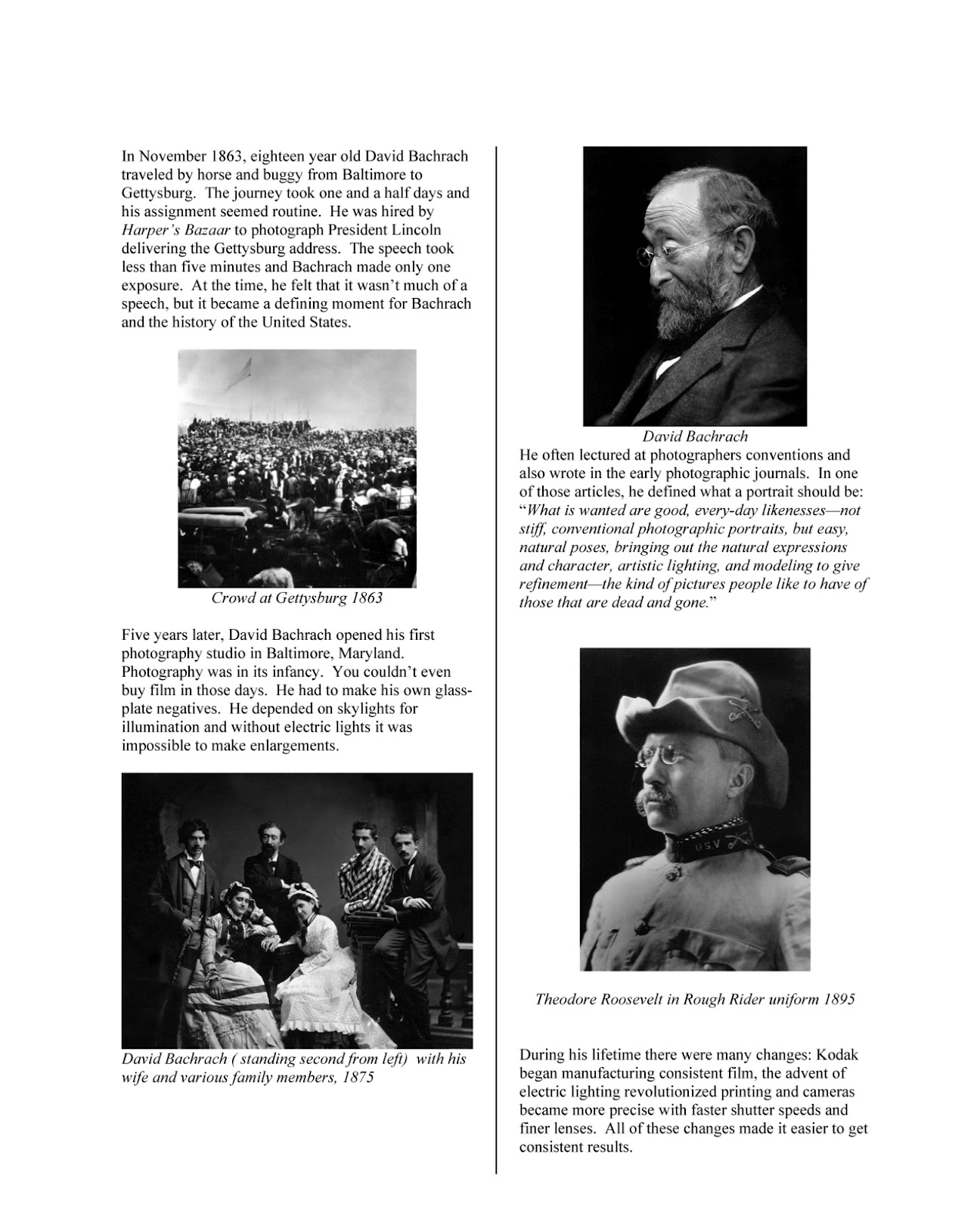
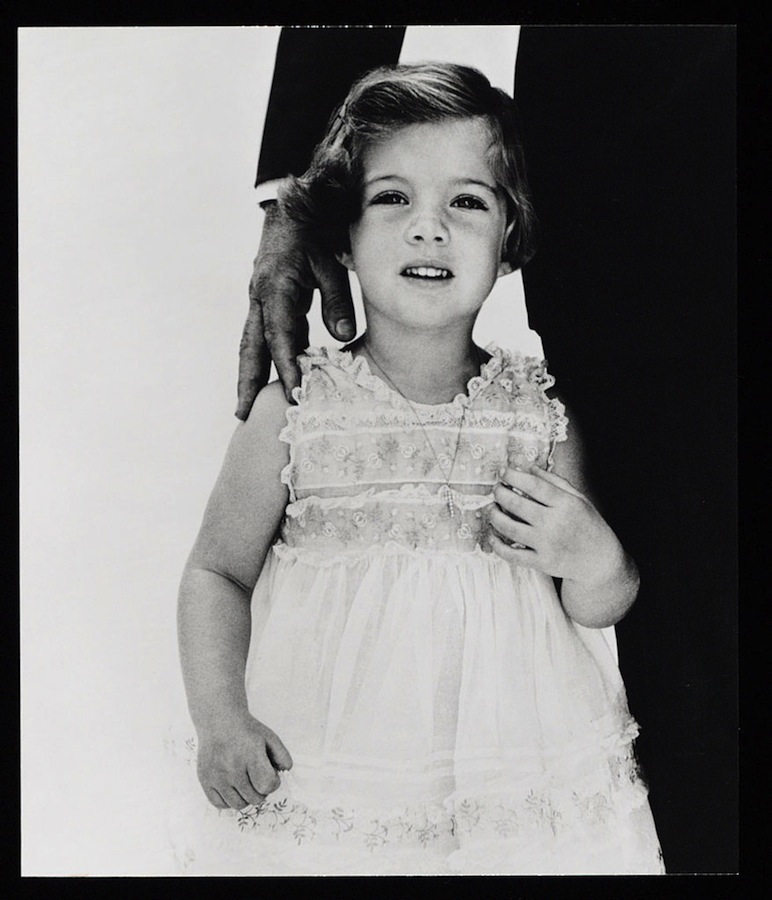
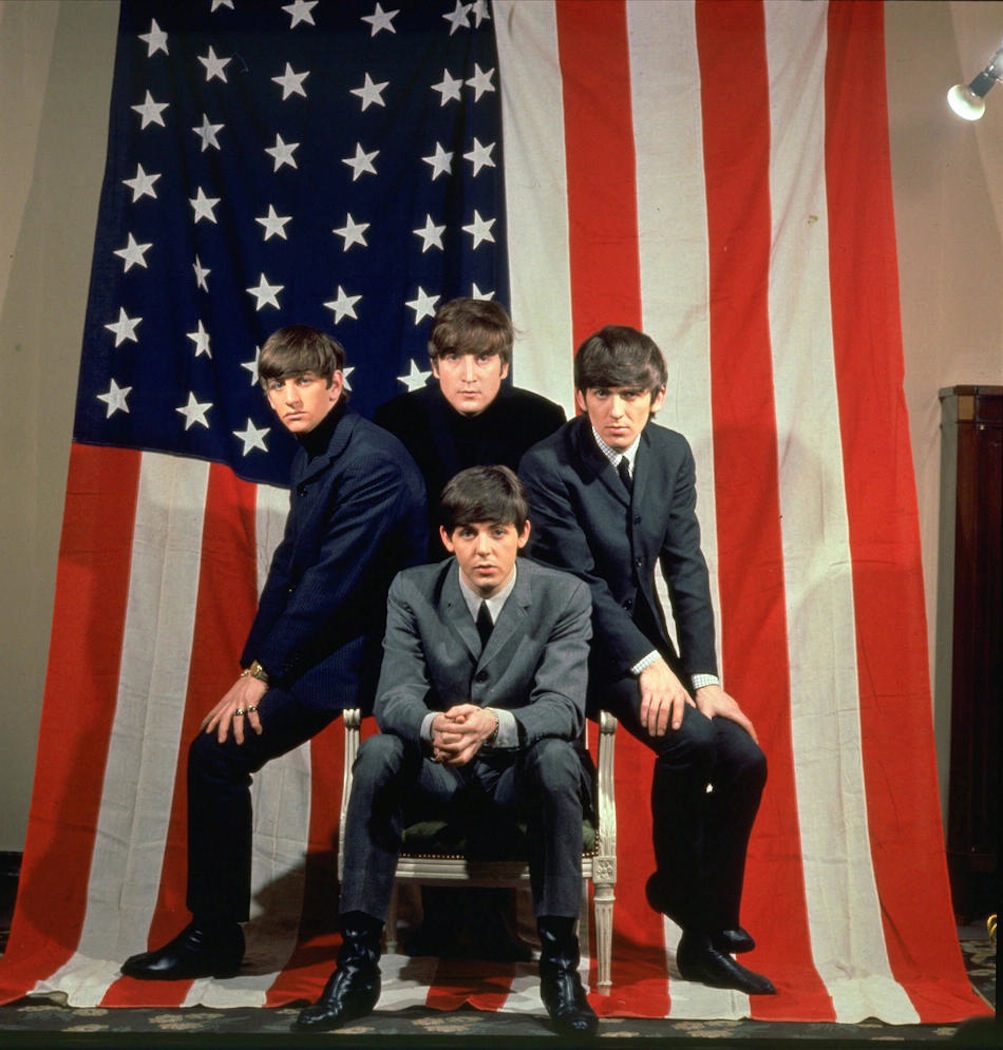
 |
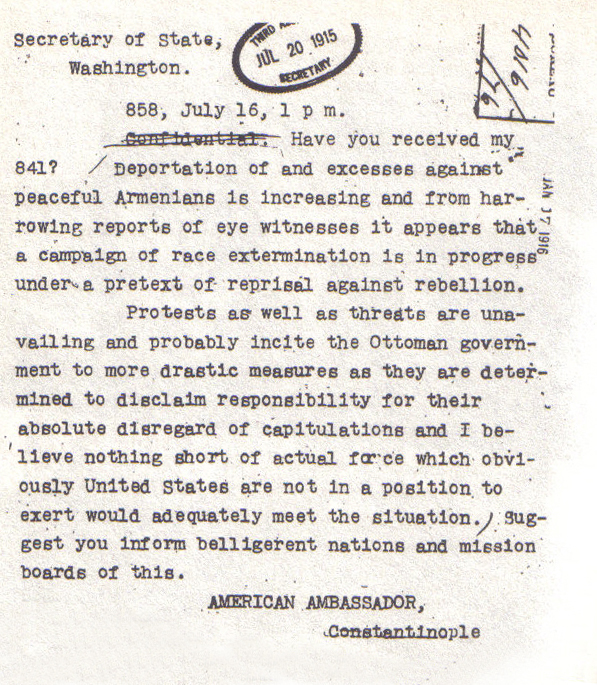
| The Proud Armenians By Robert Paul Jordan Photographs by Harry N. Naltchayan National Geographic, June 1978 |
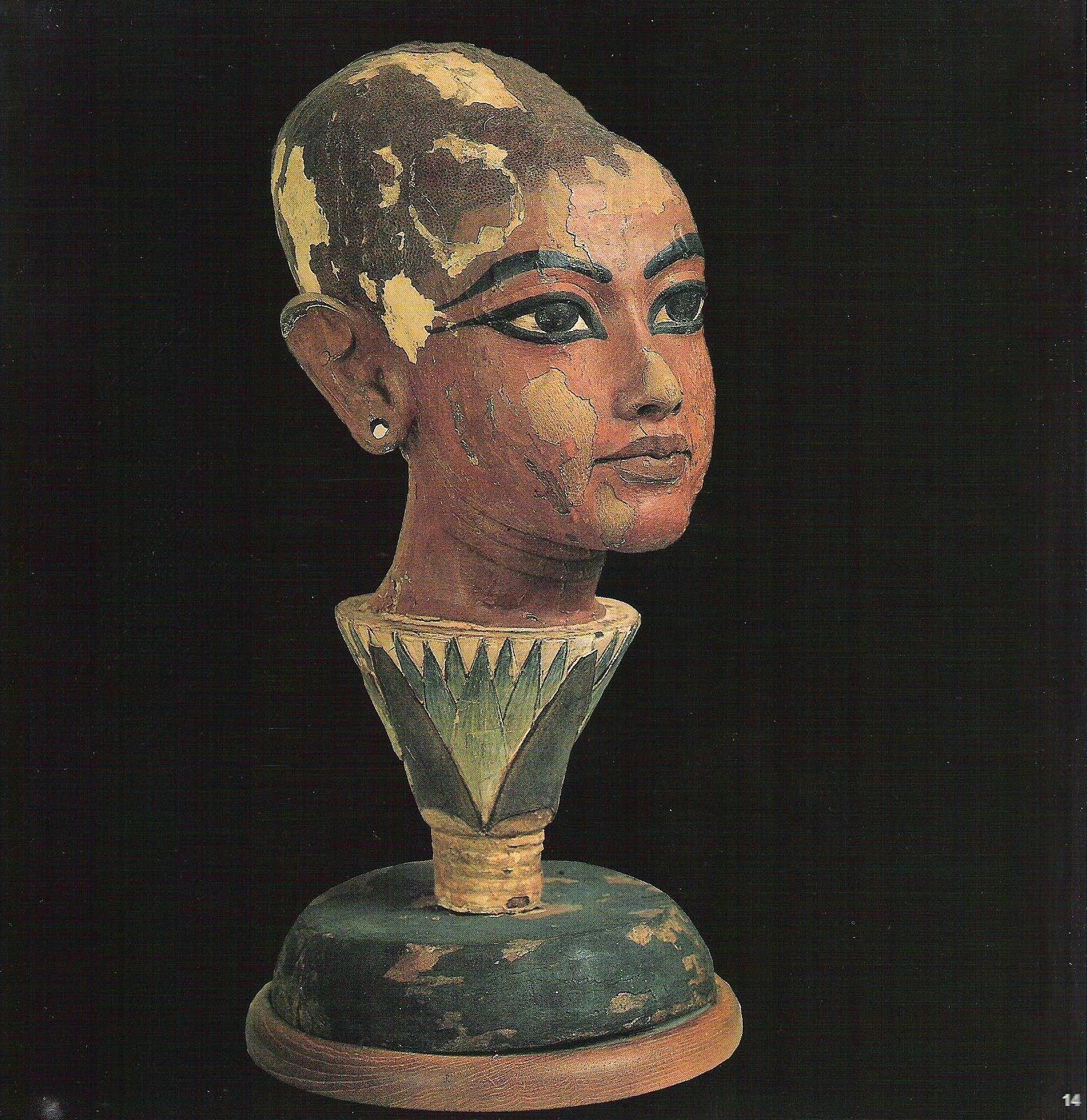 |
| ca. 1354 BC |
Howard Carter, the British explorer who opened the tomb of Tutankhamun in 1922, will forever be associated with the greatest trove of artifacts from ancient Egypt. But was he also a thief?
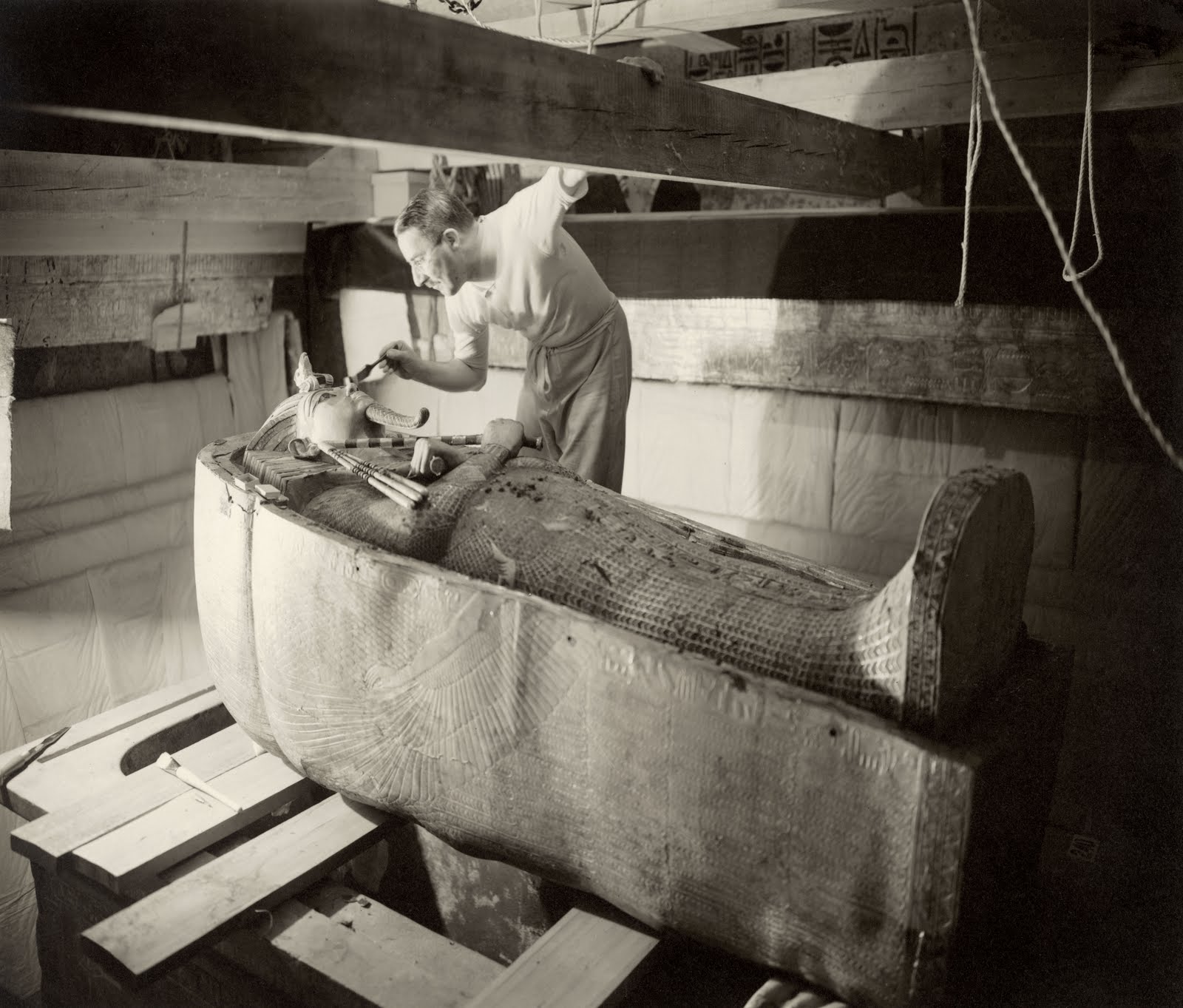 |
| Howard Carter examins the inner coffin [The Metropolitan Museum of Art] |
Tutankhamun tomb photographs: a photographic record in 5 albums containing 490 original photographic prints ; representing the excavations of the tomb of Tutankhamun and its contents
➔ Harry Burton
| Volume 1, [S.l.], [ca. 1922] | |
| Volume 2, [S.l.], [ca. 1922] | |
| Volume 3, [S.l.], [ca. 1923] | |
| Volume 4, [S.l.], [ca. 1923] | |
| Volume 5, [S.l.], [ca. 1924] |
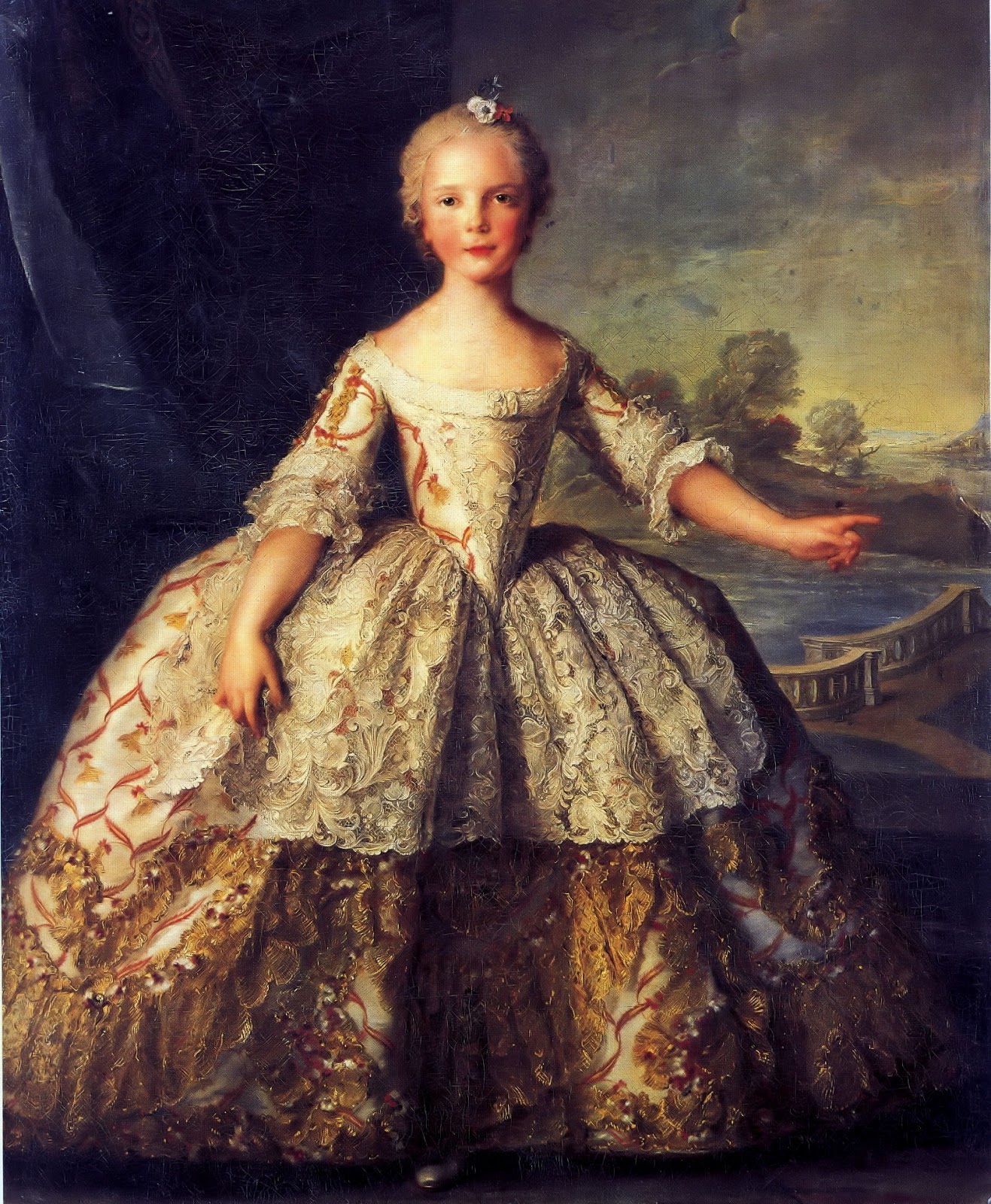 |
| Jean-Marc Nattier ~ Princess Maria Isabella of Parma, Infanta of Spain, 1749
• • • • •
A most interesting Habsburg story, which has never been published, concerns Maria-Theresa’s son, the Emperor Joseph II., who married Isabella, daughter of Ferdinand, Duke of Parma —one of the Spanish Bourbons—and if I may here digress, I should like to tell it.
Isabella was a lovely girl, and her ambitious mother, a daughter of Louis XV. of France, naturally wished her to make a brilliant marriage. The gratification of the Duke and Duchess of Parma was extreme when the Emperor Joseph sent his Ambassador to ask for Isabella’s hand, and her proud parents at once gave a willing assent
Unfortunately for her future happiness, the girl had already bestowed her affection on a young Spaniard at her father’s Court. The lovers met in secret and at night enacted the parts of Romeo and Juliet, from the balcony of Isabella’s room.
It is not, therefore, surprising that the news of her proposed marriage to another threw Isabella into a pitiable state of despair. She implored her lover to fly with her and marry her as soon as possible, and at last he consented, although he fully realised the danger and trouble attending such a daring step.
Isabella took her maids into her confidence and, needless to say, was betrayed by them, as servants of a certain class always abuse the confidence and kindness of their employers.
The longed-for evening at last came; horses were in readiness for the eloping couple, but the anxious girl waited for her lover in vain. From her window she saw dark forms passing and re-passing amid the trees and suddenly a scream broke the stillness of the night; it was followed by another and fainter cry, and Isabella could bear no more; hardly knowing what she did she climbed over the balcony, and fear lending her wings, she ran like a wild thing through the gardens. Some one was lying on the grass, and her anguished gaze saw that it was her sweetheart. He was dying, but was just able to tell her that two men had attacked and stabbed him. The poor girl looked with unutterable love into his fast glazing eyes, and managed to catch the words, “In three . . . you,” but he expired before he was able to finish the sentence.
Isabella fainted and was carried back to the palace, where she lay for a long time unconscious. When she came to herself, her one prayer was that she might die, and she imagined that the words, ” In three . . . you,” meant that in three hours she would rejoin her murdered lover.
Death did not come, however, and the next day she was obliged to receive the Austrian Ambassador. So she made one despairing appeal to her father.
“You force me to do this, Sire?” she faltered through her sobs.
“Yes,” said the Duke. “I do: your lover will trouble me no more, and I can dispose of you as I will.”
After the Princess had received the betrothal ring, she went back to her rooms, hoping that in three days her sufferings would be terminated, but when the third day passed, she concluded that it would be in three weeks that she should die.
The marriage was celebrated by proxy, and Isabella left Parma for Vienna. Directly the Emperor saw his beautiful young wife he fell desperately in love with her, and she received all his protestations of affection with a sad dignity which was infinitely appealing.
When the newly wedded pair found themselves alone in their bridal chamber, Isabella stood silently by the window and looked out into the night; the moon rode high in the serene heavens, and no doubt she thought of that other night when its rays had shown her the face of her dying lover. Her husband bent over her with passionate endearments, and she said, looking at him with touching sweetness:
“I will be kind, and I will make you a good wife, but I am doomed to die, either in three months or in three years.”
Isabella was greatly beloved by all with whom she came in contact, but her health rapidly declined after her marriage, and although the birth of a daughter was a source of joy to the Emperor, the doctors were apprehensive about the mother’s delicate constitution. The Empress seemed as though she belonged to another world, and was always waiting to hold commune with some one invisible; she was highly strung, and it is said that once when she went to the performance of a new opera by Gluck, one of the scenes brought back so forcibly her own tragic love-story that she fainted, and for some time it seemed doubtful whether she would recover.
Three years passed, and when the anniversary of her lover’s death came round, she seemed absolutely transfigured with joy, and became once more a laughing, happy girl. That night, exquisitely dressed, radiant and charming, she supped with the Emperor in their private apartments at Schdnbrunn. All at once, without a word, she rose from the table, and made her way into the gardens, walking quickly; just as she was about to cross the parterre, she suddenly stopped, stretched out her arms as if in welcome, and fell dead.
The story goes that the Empress looked angelically lovely and peaceful in her rose-filled coffin, and it is said that no one knew whence the flowers came. The Emperor was inconsolable at her loss; but, as the child soon followed its mother, he married again for reasons of State. That marriage, also, was celebrated by proxy, but Joseph II. never lived with his second
wife, whose neck and arms were covered with spots due to a skin disease, and he was wont to say that no other woman existed who could compare with sweet Isabella of Parma.
• • • • •
My own story by Louisa of Tuscany, ex-crown princess of Saxony
 |
 |
| Augustin DUFLOS, d’après Claude RONDÉ Couronne de Louis XV, 1722 Musée du Louvre |
 |
| © Musée du Louvre / E. Lessing
|
 tout ceci est magnifique