|
Marcel Duchamp, Man Ray
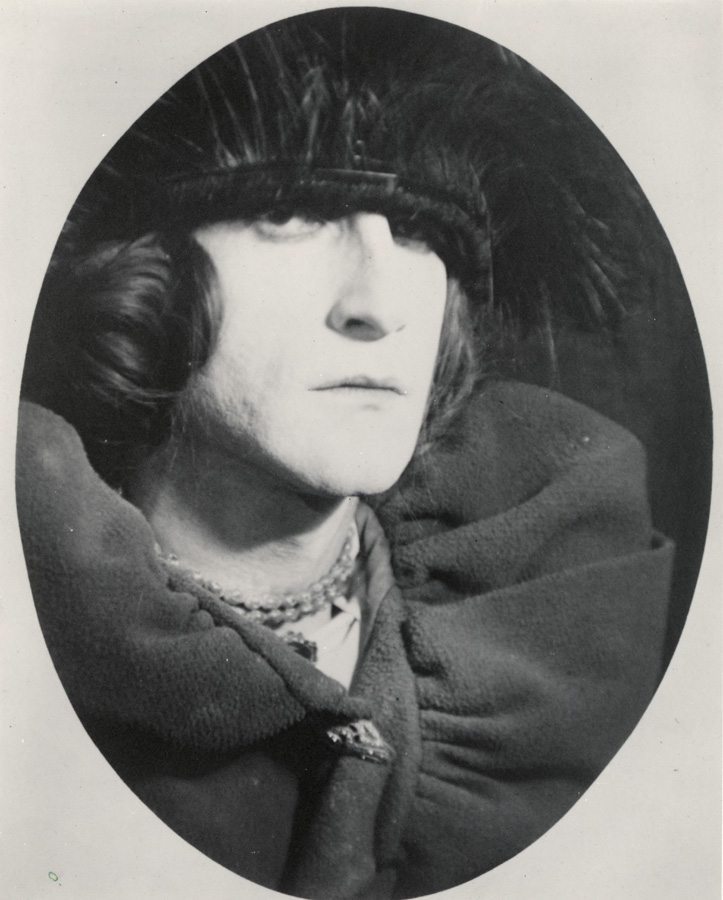
“Rrose Sélavy”, also spelled Rose Sélavy, was one of Duchamp’s pseudonyms. The name, a pun, sounds like the French phrase “Eros, c’est la vie”, which may be translated as “Eros, such is life”. It has also been read as “arroser la vie” (“to make a toast to life”).
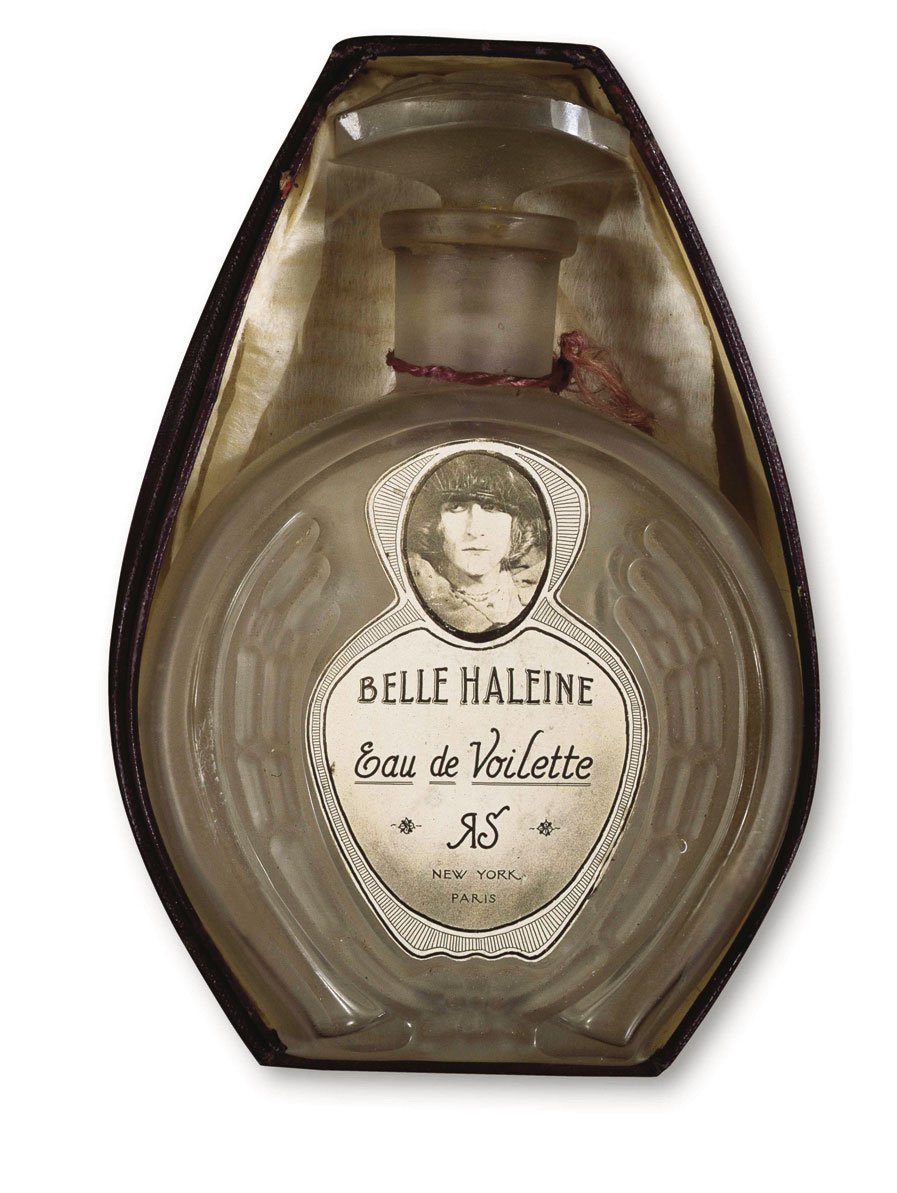
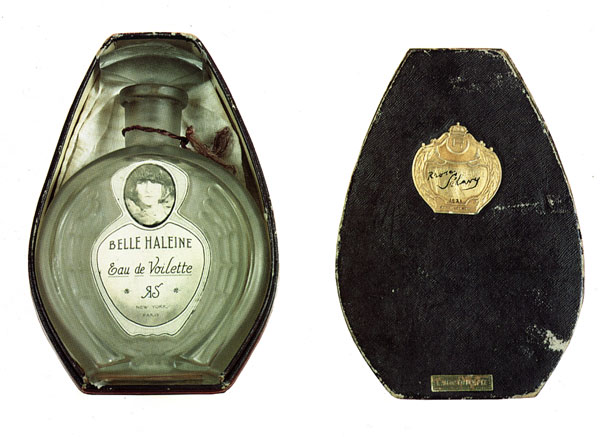
Sélavy emerged in 1921 in a series of photographs by Man Ray showing Duchamp dressed as a woman. Through the 1920s Man Ray and Duchamp collaborated on more photos of Sélavy. Duchamp later used the name as the byline on written material and signed several creations with it. These included at least one sculpture, Why Not Sneeze Rrose Sélavy?. The sculpture, a type of readymade called an assemblage, consists of an oral thermometer, and several dozen small cubes of marble resembling sugar cubes inside a birdcage.
The inspiration for the name “Rrose Sélavy” may have been Belle da Costa Greene, J.P. Morgan’s librarian of the Pierpont Morgan Library. Following the death of J.P. Morgan, Sr., Greene became the Library’s director, working there for a total of forty-three years. Empowered by the Morgans, she built the library collection, buying and selling rare manuscripts, books and art.
|
 tout ceci est magnifique