Memorable, haunting, enchanting…

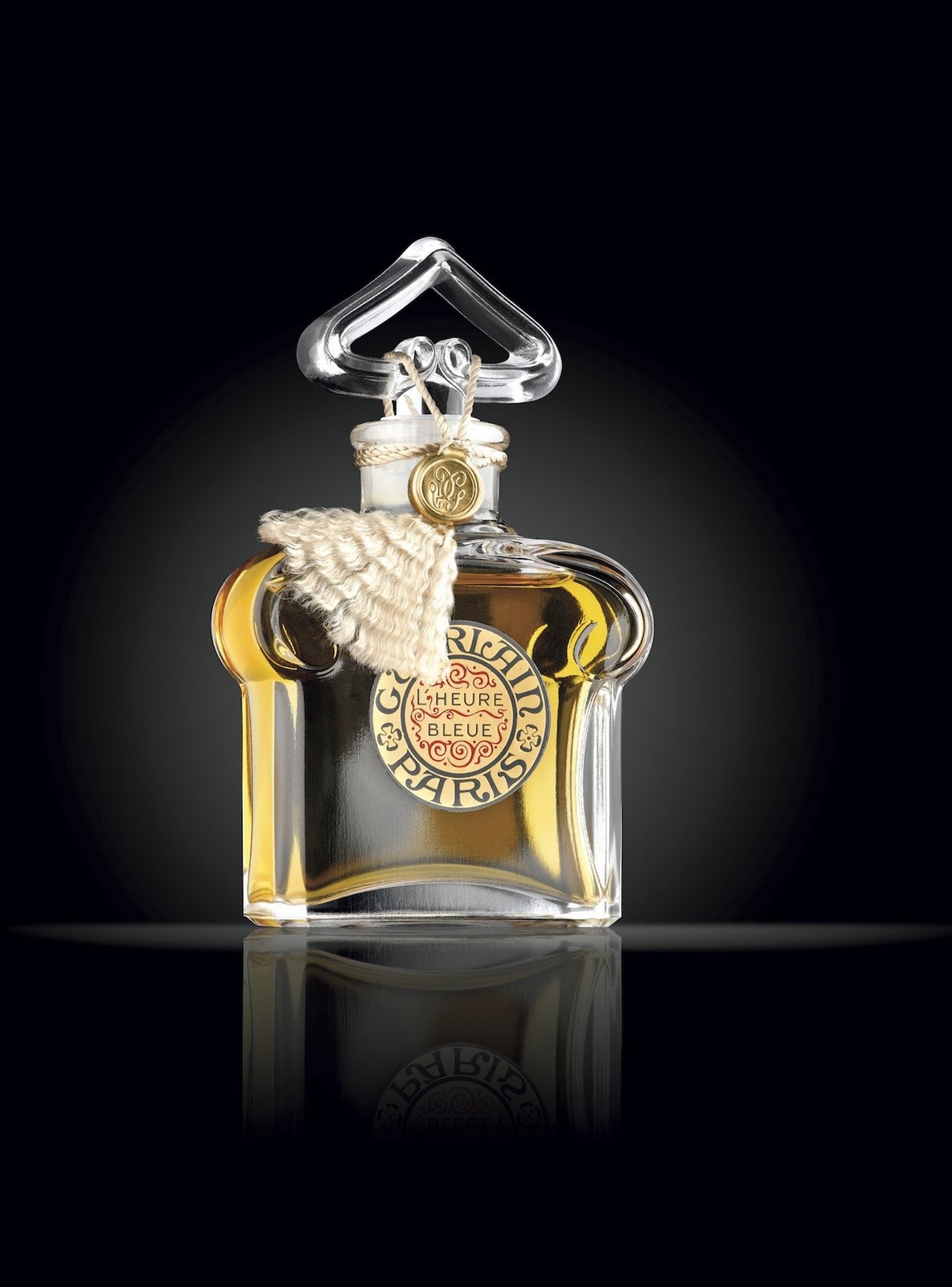
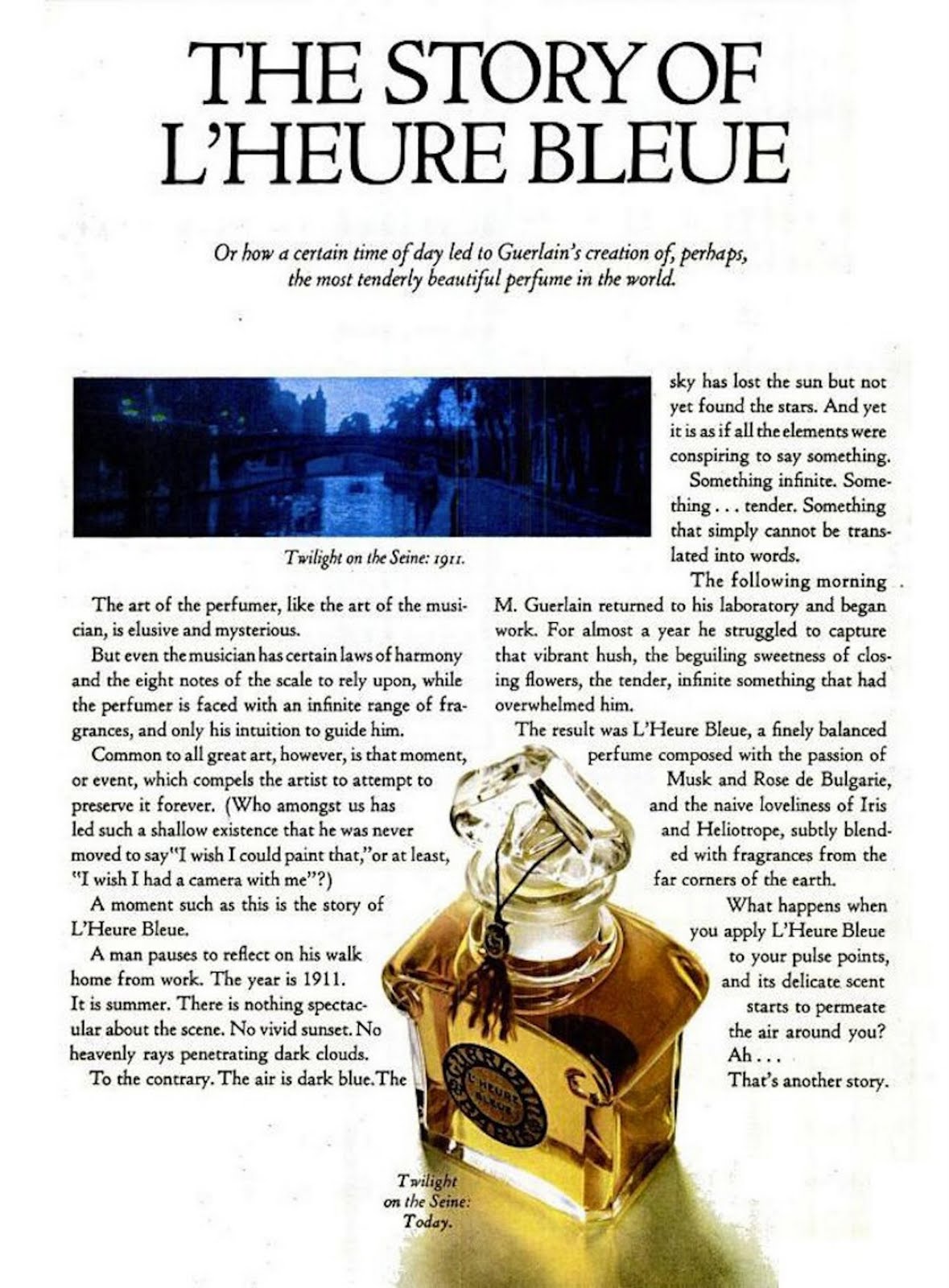
It all began in 1912 when Guerlain launched Heure Bleue.  Anyone who caught a whiff of that iris, heliotrope, 
jasmine and Bulgarian rose felt transported into the first twilight of the world, when the first stars were scintillating ...  
The Midnight Love Feast by Michel Tournier

La Maison Guerlain
L’ Heure Bleue, 1912
Jacques Guerlain, Perfumer
Raymond Guerlain, Bottle Designer, in collaboration with Baccarat
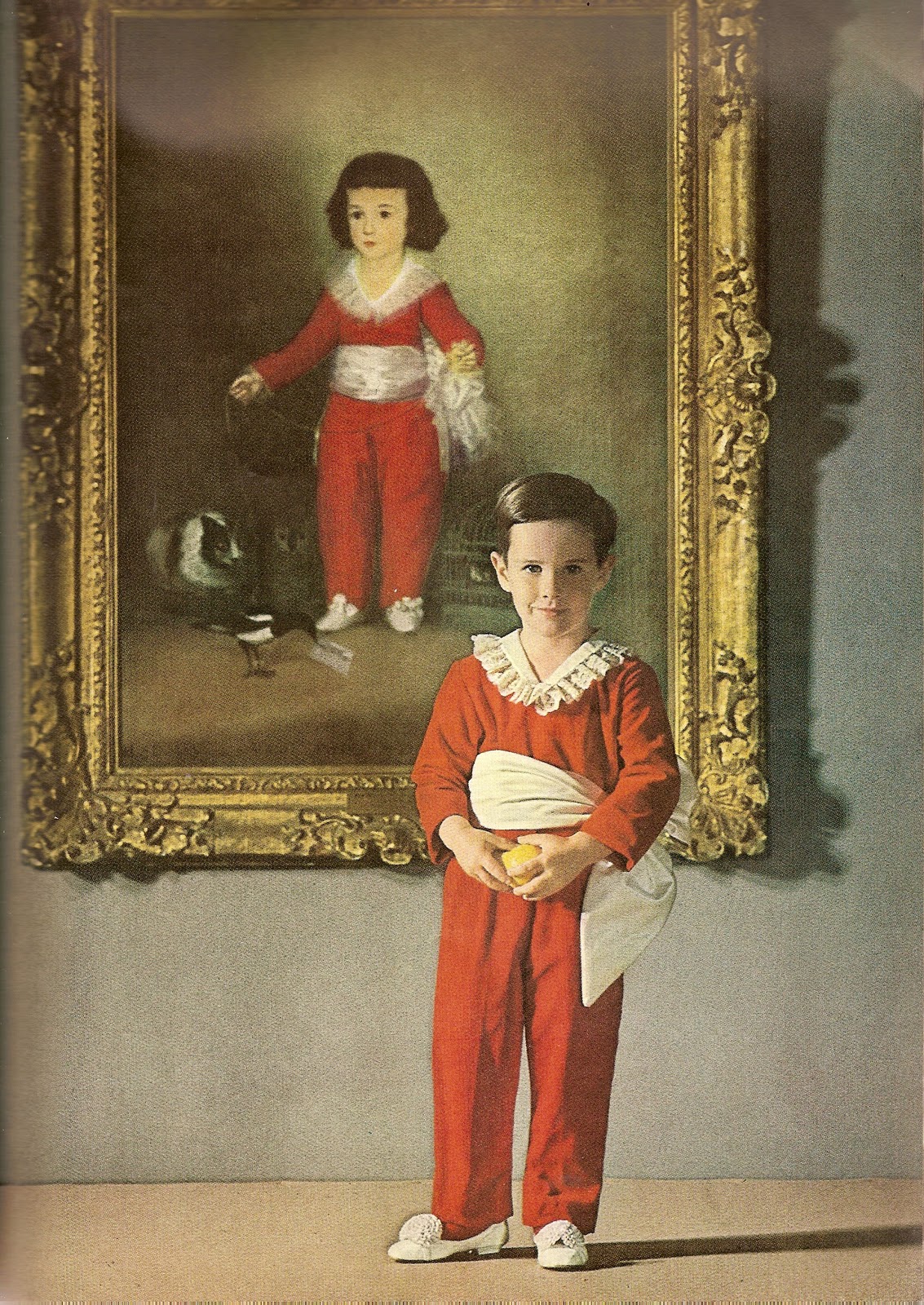
New York Magazine ~ May 4, 1970

Few companies, French or otherwise, have as romantic and regal a history as GUERLAIN.  The company was founded in 1828 by Pierre-François-Pascal Guerlain at a time when perfume – indeed the entire world of beauty products – wasn’t yet an industry.  But Guerlain would change all that.  Before the century was out, the house had won the favor of Empress Eugénie (wife of Napoleon III) and had made specially commissioned scents for clients as diverse as Balzac and Sarah Bernhardt…
[New York Magazine Jun 5, 1989] 
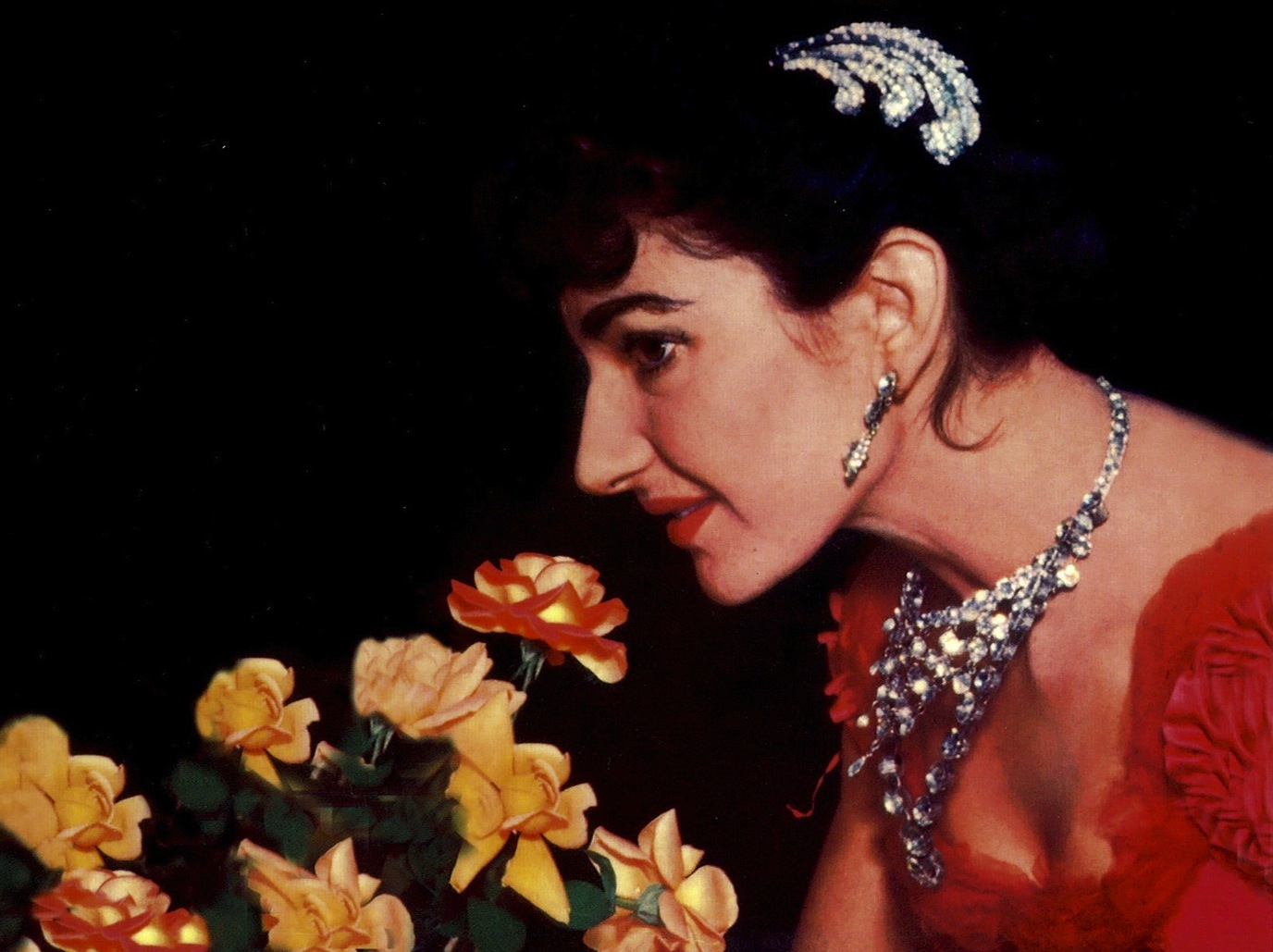
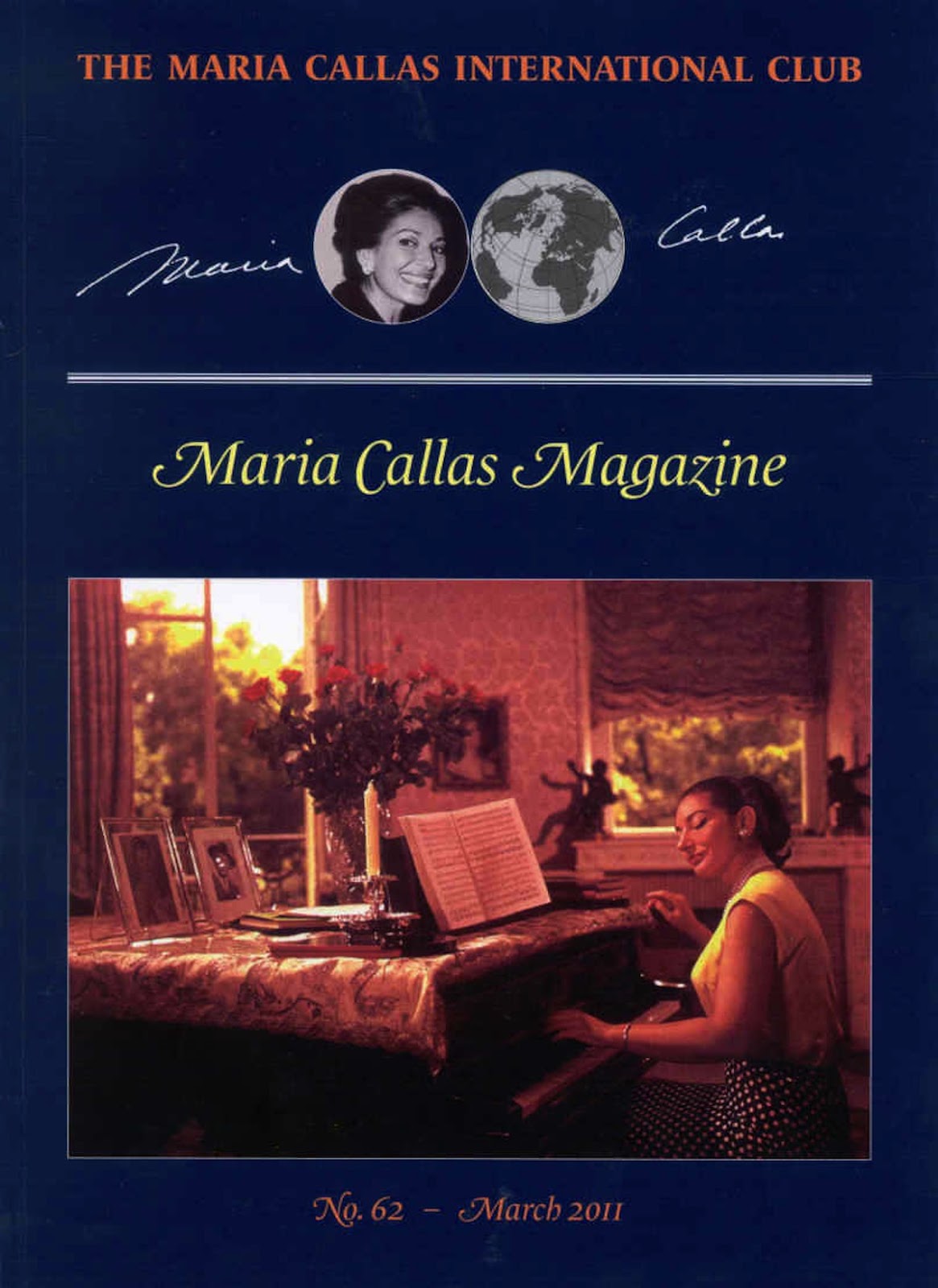
LA DIVINA

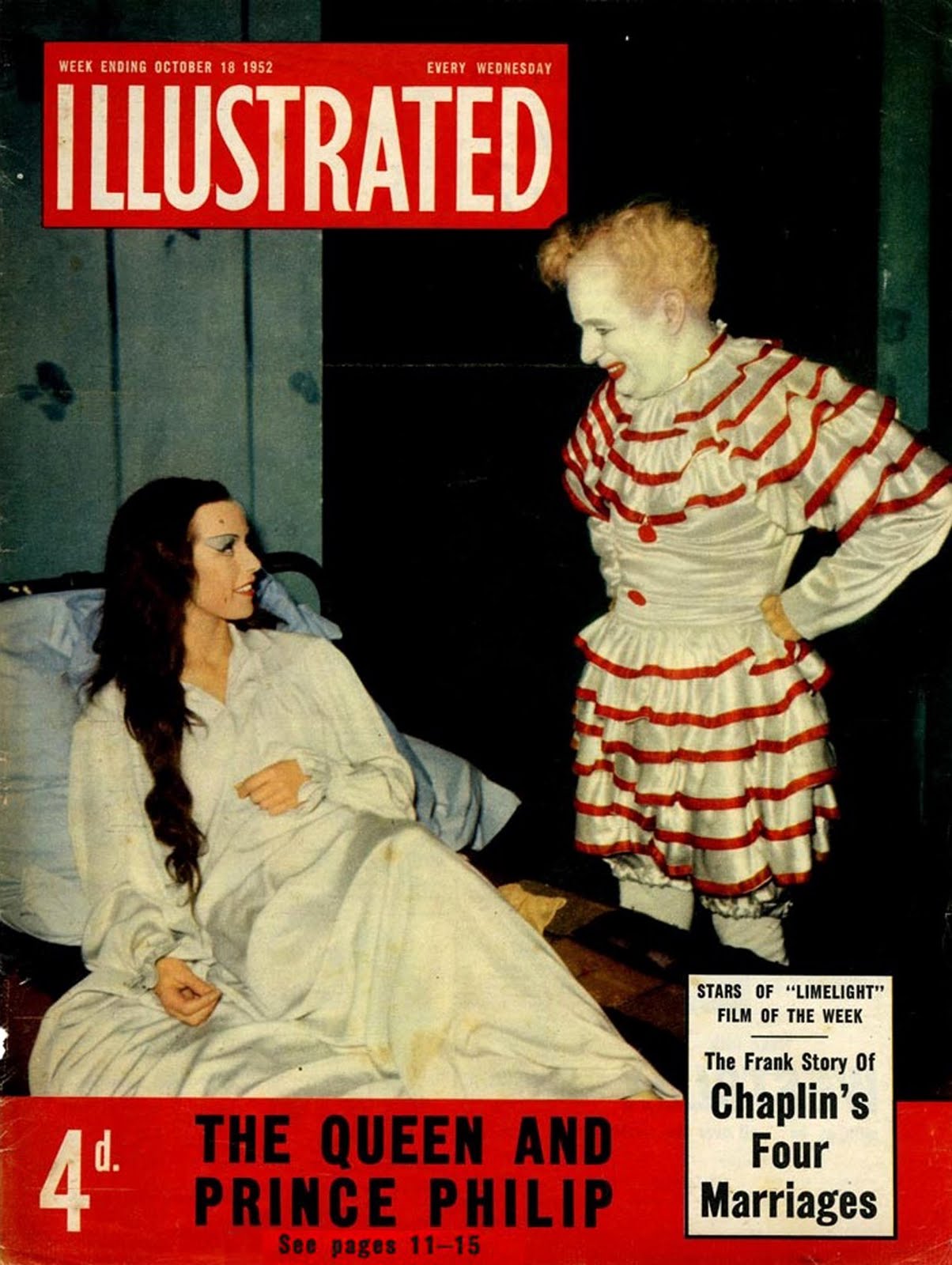
Limelight

Charlie Chaplin and Claire Bloom, 1952

Filming Limelight
 
Charles Chaplin made Limelight at the most troubled period of his adult career. In the late 1940s, America¹s Cold War paranoia reached its peak, and Chaplin, as a foreigner with liberal and humanist sympathies, was a prime target for political witch-hunters. It did not help that he had recently been cited in an unseemly paternity suit. Pilloried as he was by the right-wing press and reactionary institutions like the American Legion, it seemed that America had turned against the man it had once idolised. 
 
In this atmosphere, his 1947 film, Monsieur Verdoux with its sardonic view of war, was attacked as being anti-American. Not surprisingly, then, in choosing his next subject he deliberately sought escape from disagreeable contemporary reality. He found it in bitter-sweet nostalgia for the world of his youth – the world of the London music halls at the opening of the 20th century, where he had first discovered his genius as an entertainer.

His story concerns a once-famous comedian who has lost the ability to command his audience. Chaplin said that he based the character on real-life stage personalities whom he had seen lose their gifts and their public – the American black-face comedian Frank Tinney (1878-1940) and the Spanish clown Marceline (1873-1927) with whom he had himself worked as a boy. Clearly he was also thinking of his own present bitter experience of a faithless public...

Keep reading here  ➔  Charlie Chaplin: Official Website
Text by David Robinson / Copyright 2004 MK2 SA
facebook   ➔   Charlie Chaplin (Official)