 |
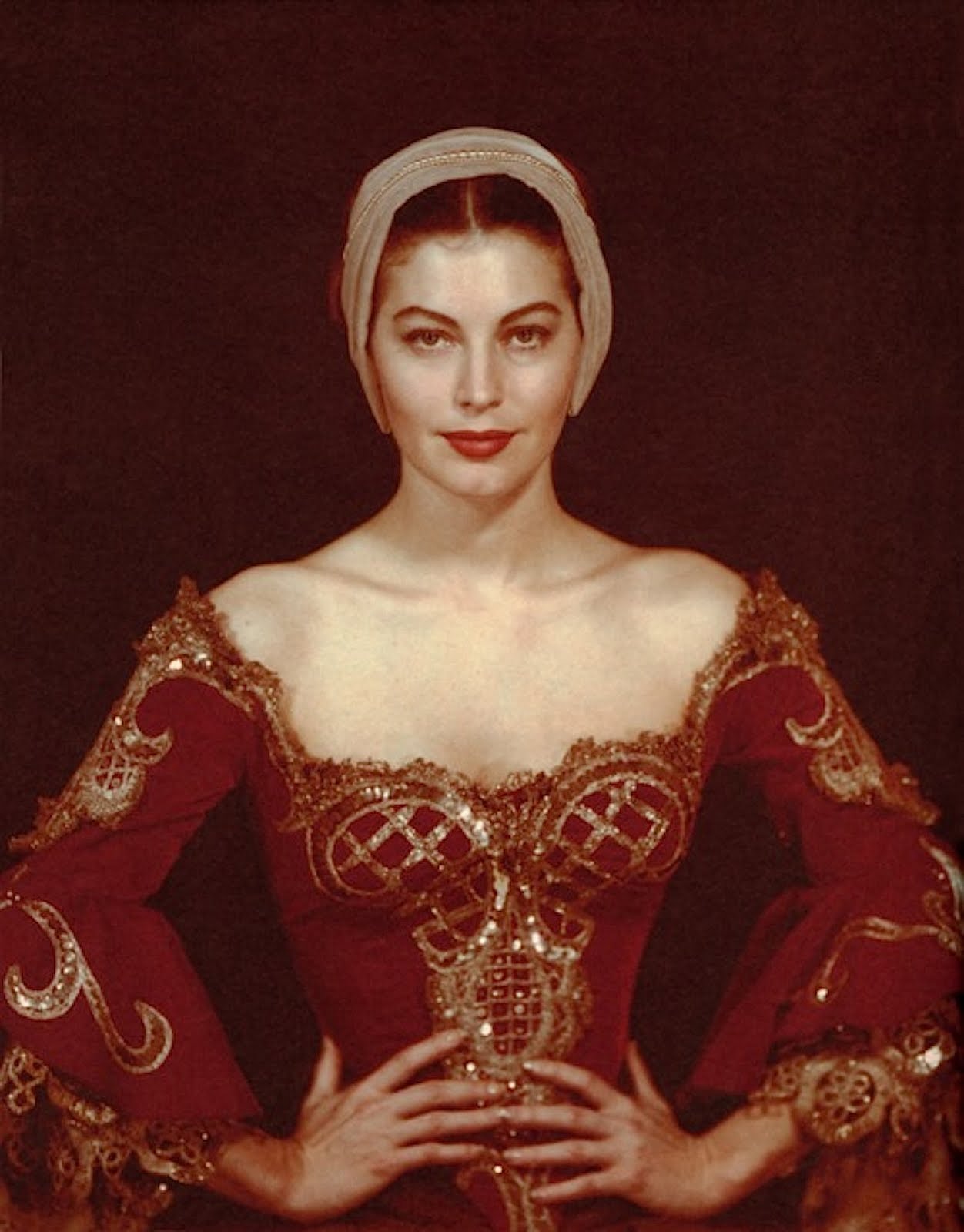
| Man Ray ~ Ava Gardner, 1950 |
Albert Lewin tried to find work for Man Ray in Hollywood, finally getting him a job on one of the last films Lewin made in America, Pandora and the Flying Dutchman. Lewin needed a color photograph of Ava Gardner in her period costume. “She was absolutely ravishing,” Man Ray said of Gardner. “no film, I thought, had ever done her justice. And as a model, no one in my experience with mannequins and professionals surpassed her.” Man Ray felt that Gardner posed for still photography as if before a movie camera. In fact the portrait appears in the films as if it were a painting. ➔ The Bad and the Beautiful: Hollywood in the Fifties by Sam Kashner and Jennifer Macnair
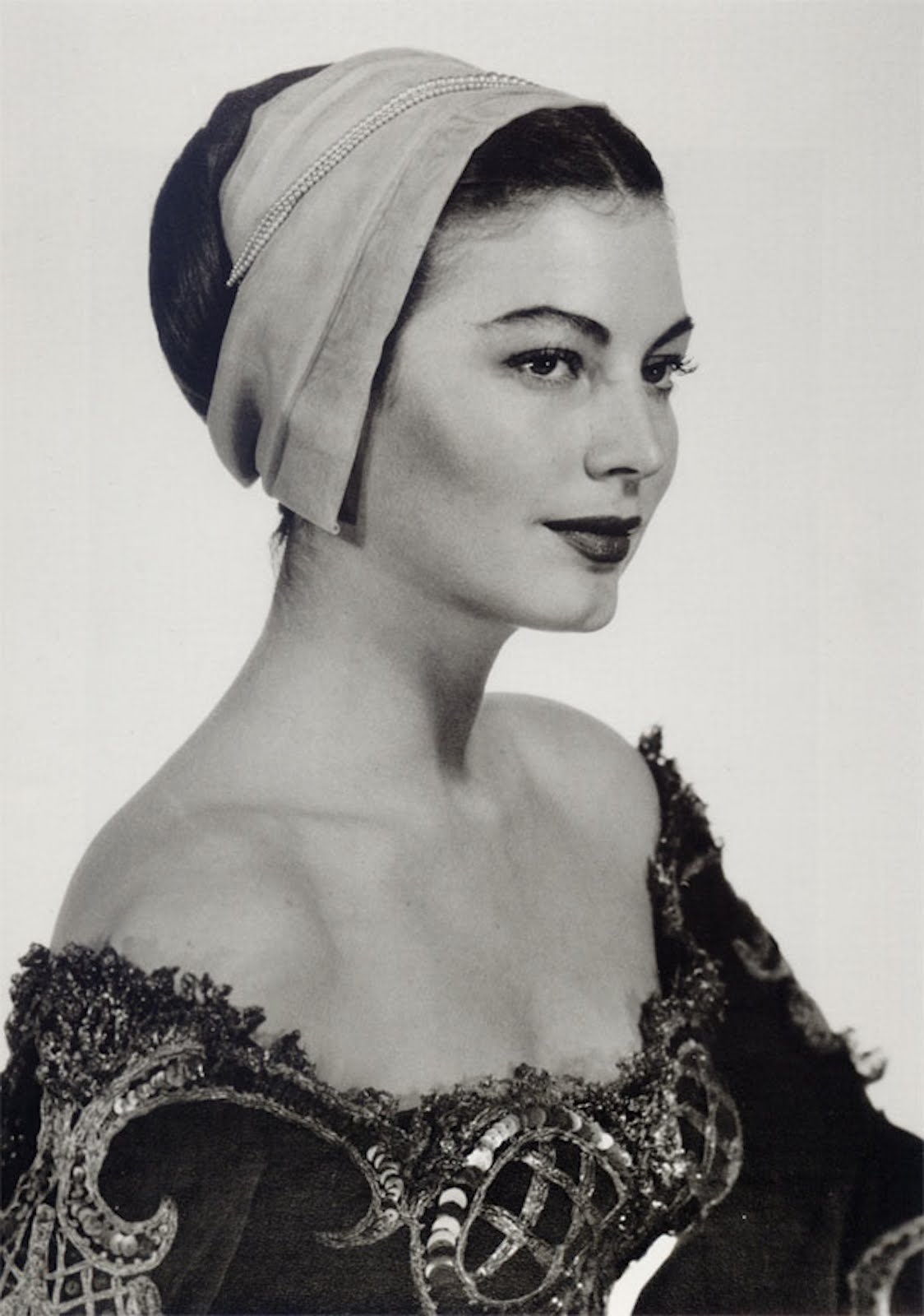
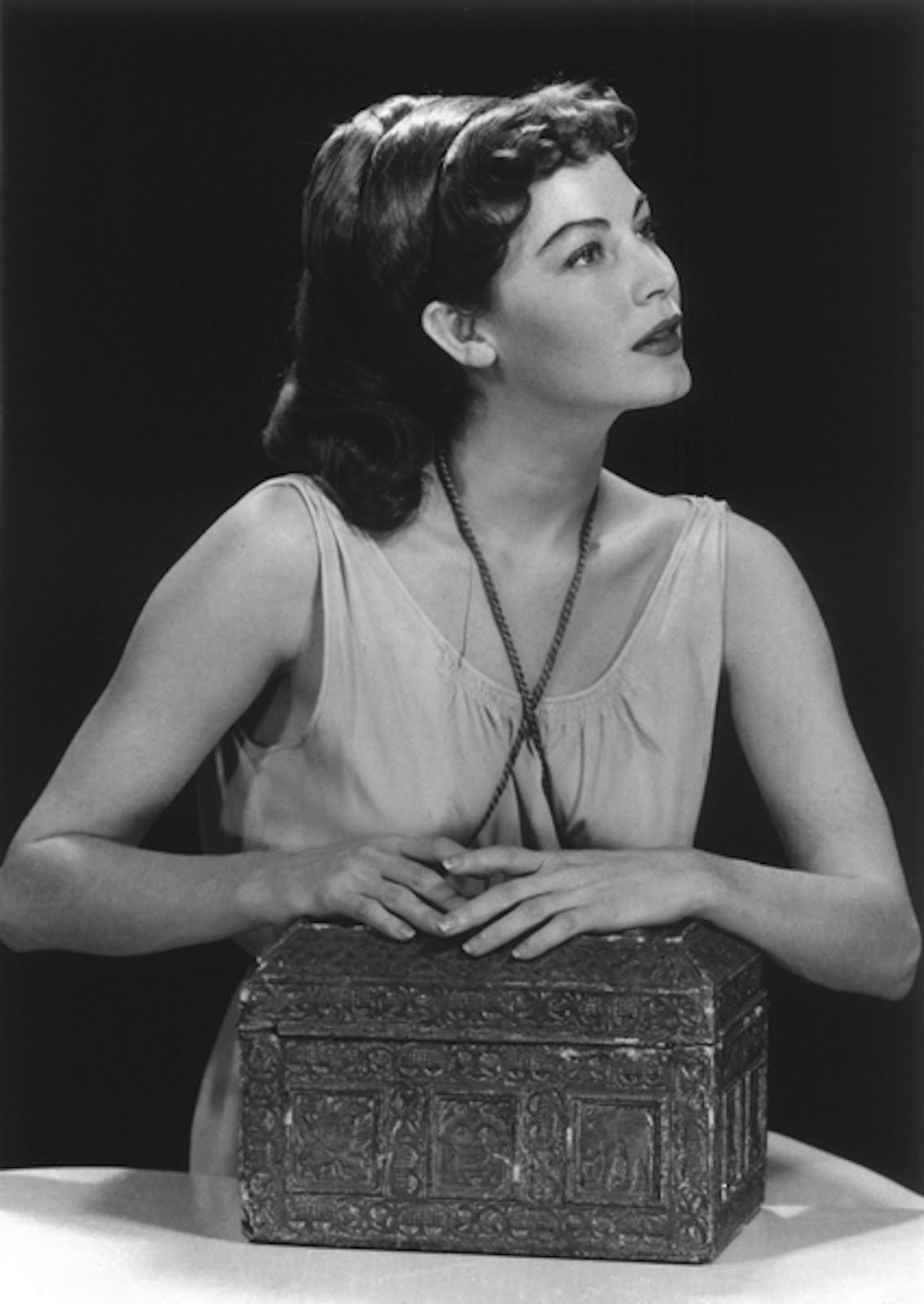
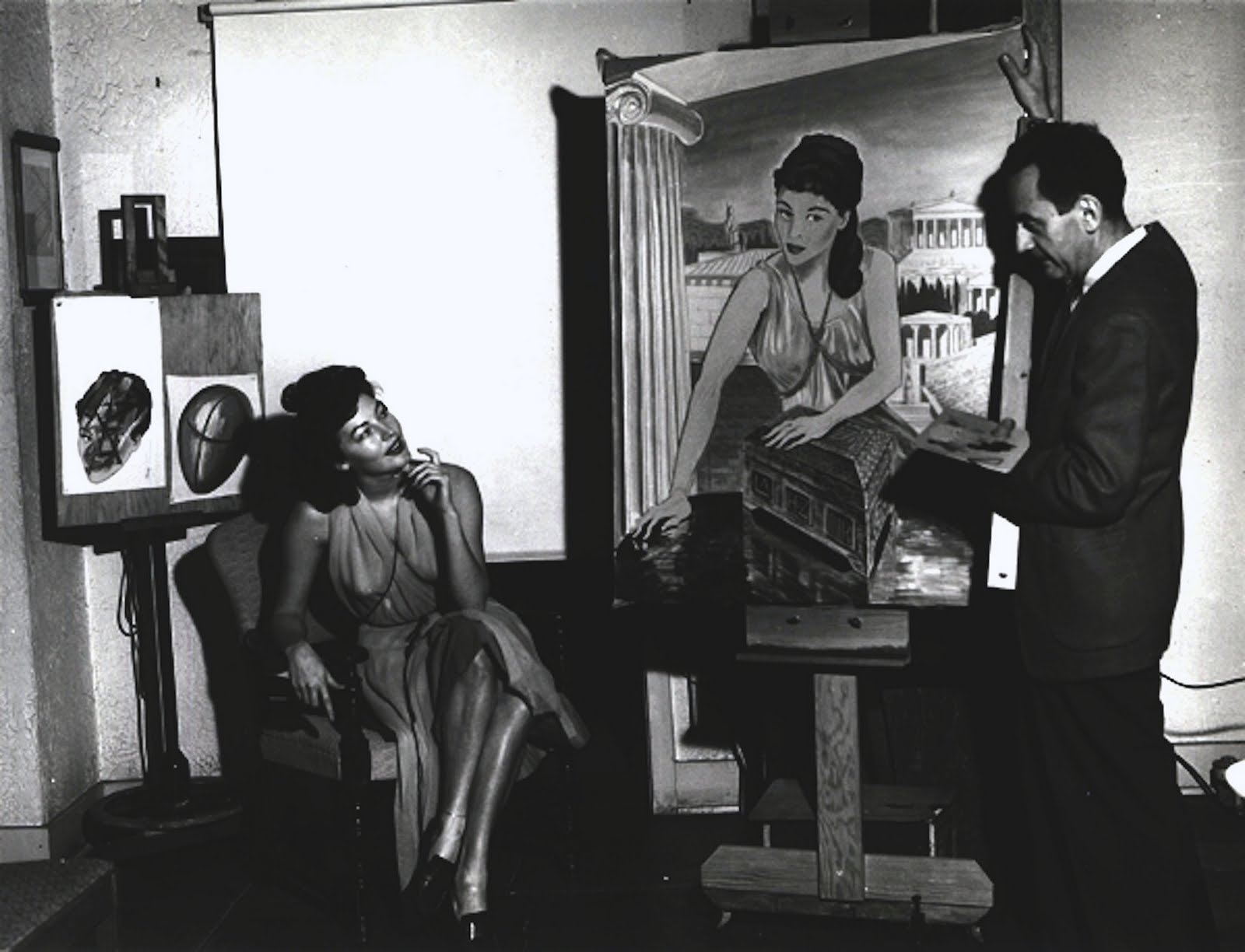
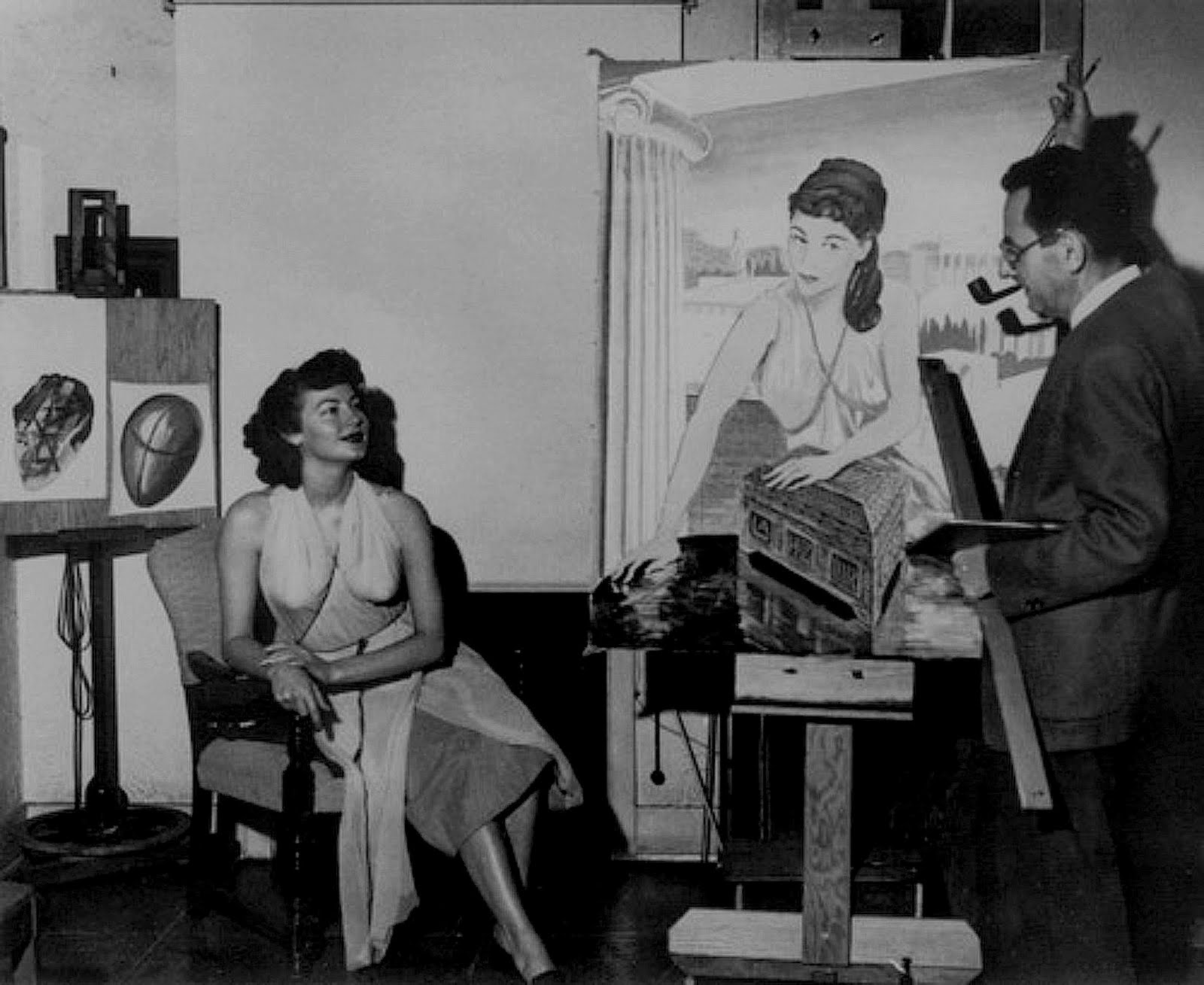
Although she sat for Man Ray, Gardner’s portrait intended for the film was rejected and replaced with a more de Chirico-esque painting by set designer Ferdinand Bellan.
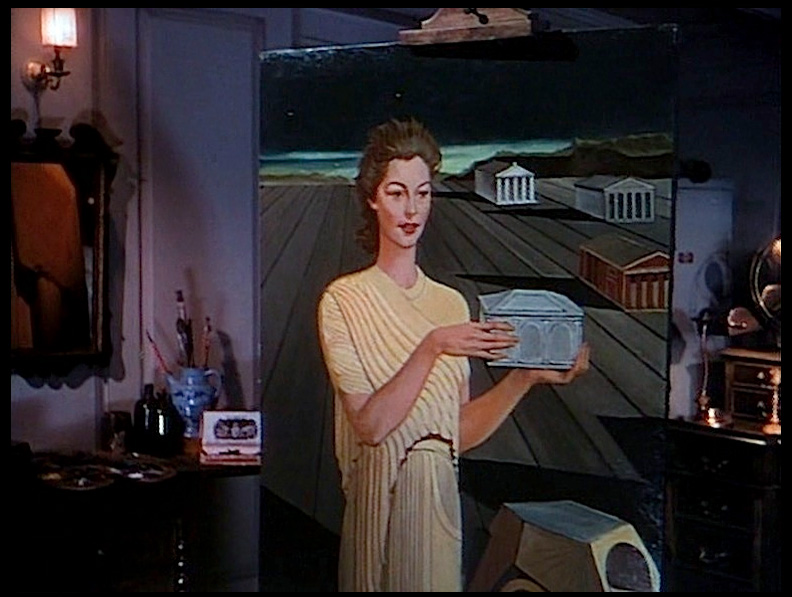


Ray’s color photograph was used as a portrait miniature.




 tout ceci est magnifique