True champions are born, not made

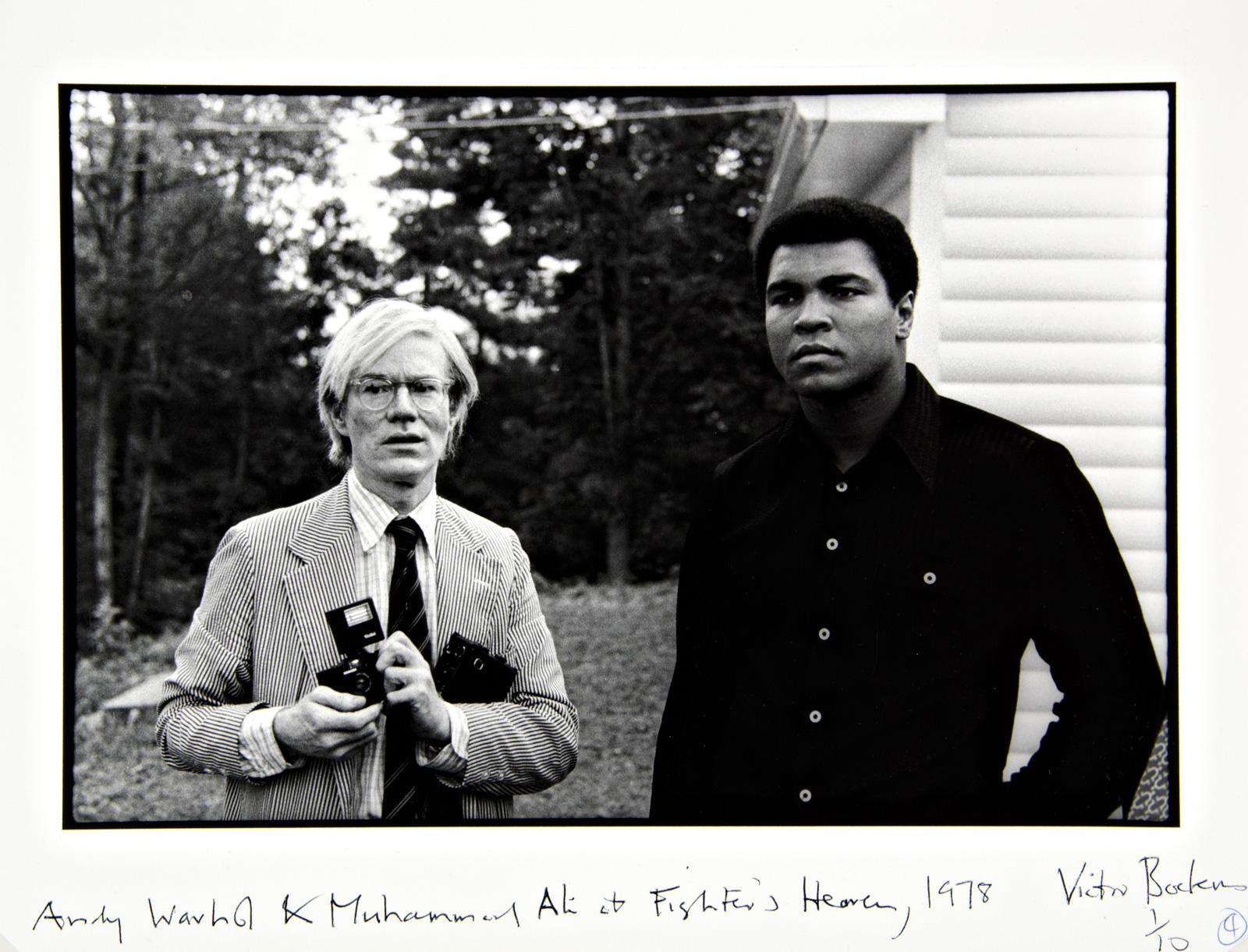
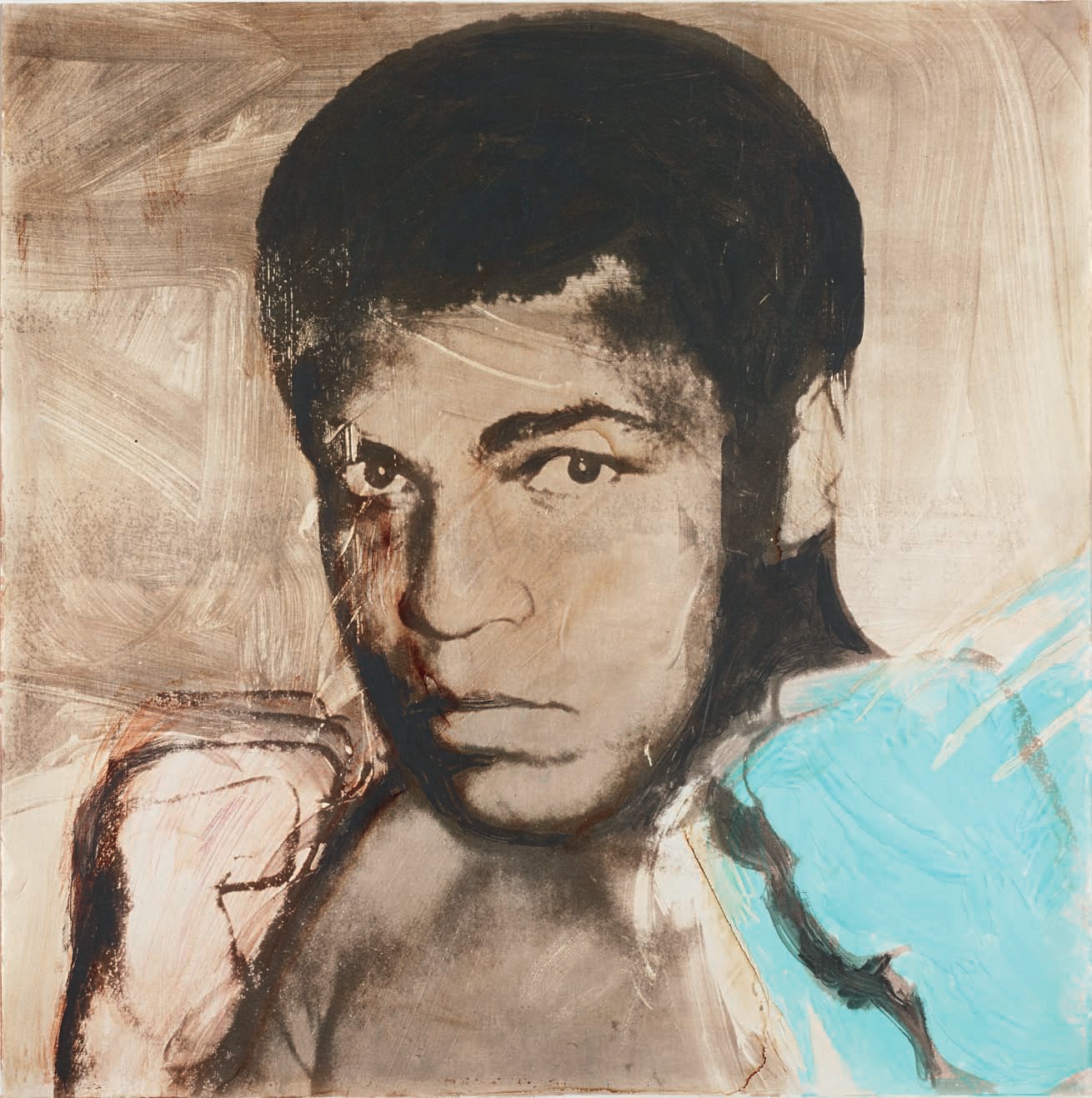
Andy Warhol ~ Muhammad Ali (Cassius Clay), 1978

“I am the greatest, I said that even before I knew I was.” Muhammad Ali


Victor Bockris ~ Andy Warhol and Muhammad Ali at Fighters Haven, 1978

“I said that the athletes were better than movie stars and I don’t know what I’m talking about because athletes are the new movie stars.” Andy Warhol

 ✻

In 1977, Ali sat for an Andy Warhol silk-screen portrait, thus joining Marilyn and Elvis among the artist’s gallery of American “icons.” The champ was astounded to learn how much Warhol was being paid for “an hour’s work,” and Warhol dryly agreed that ti was an easy life.  In retrospect, the Warhol portrait marks the moment of symbolic appropriation, the transition of Ali from a divise to a consensual figure.  In Warhol’s iconography, Ali became one among an infinite series of celebrity images, all equivalent, all interchangeable.  For the best part of two decades, the boxer used the electronic conduits of the burgeoning global media industry to project his personal identity and the messages that sprang from it to a vast new audience.  At the same time, this industry used Ali to project its messages, to itself and its products.  The icon of Ali could not but be transformed in the process.  

➔  Redemption Song: Muhammad Ali and the Spirit of the Sixties by Mike Marqusee
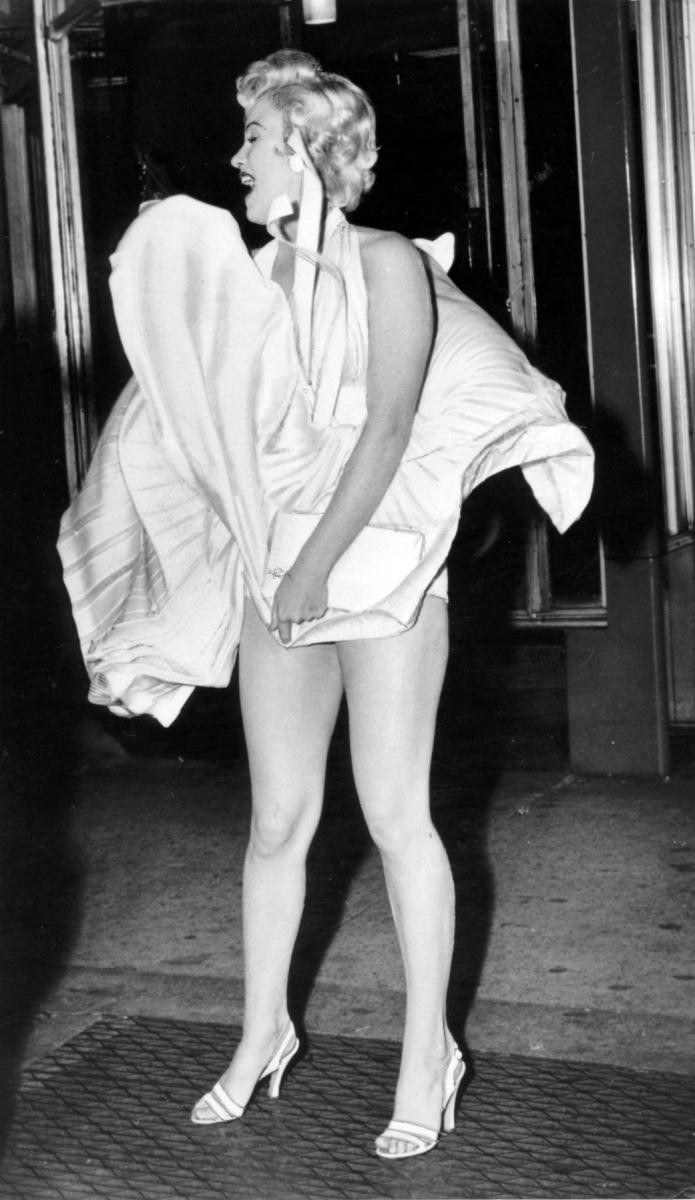
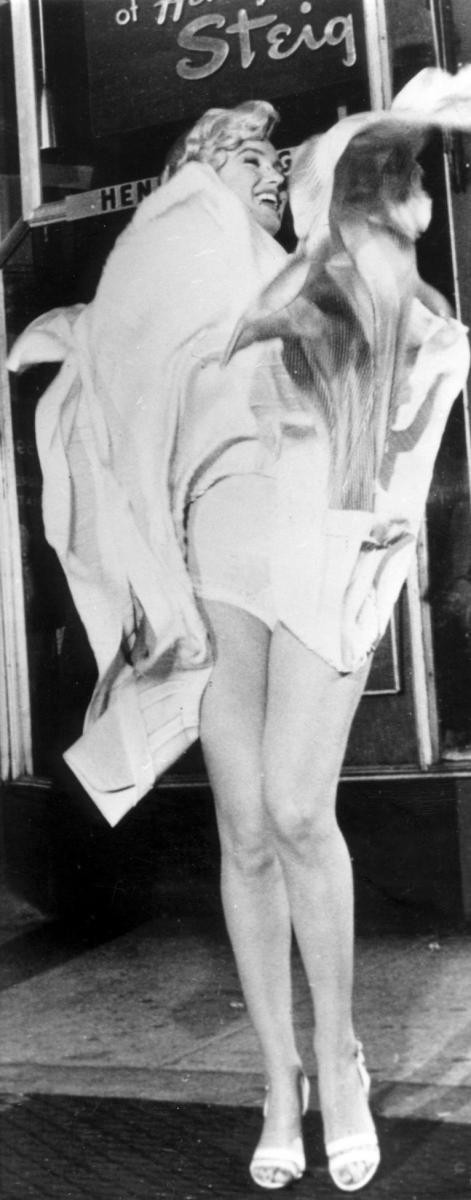
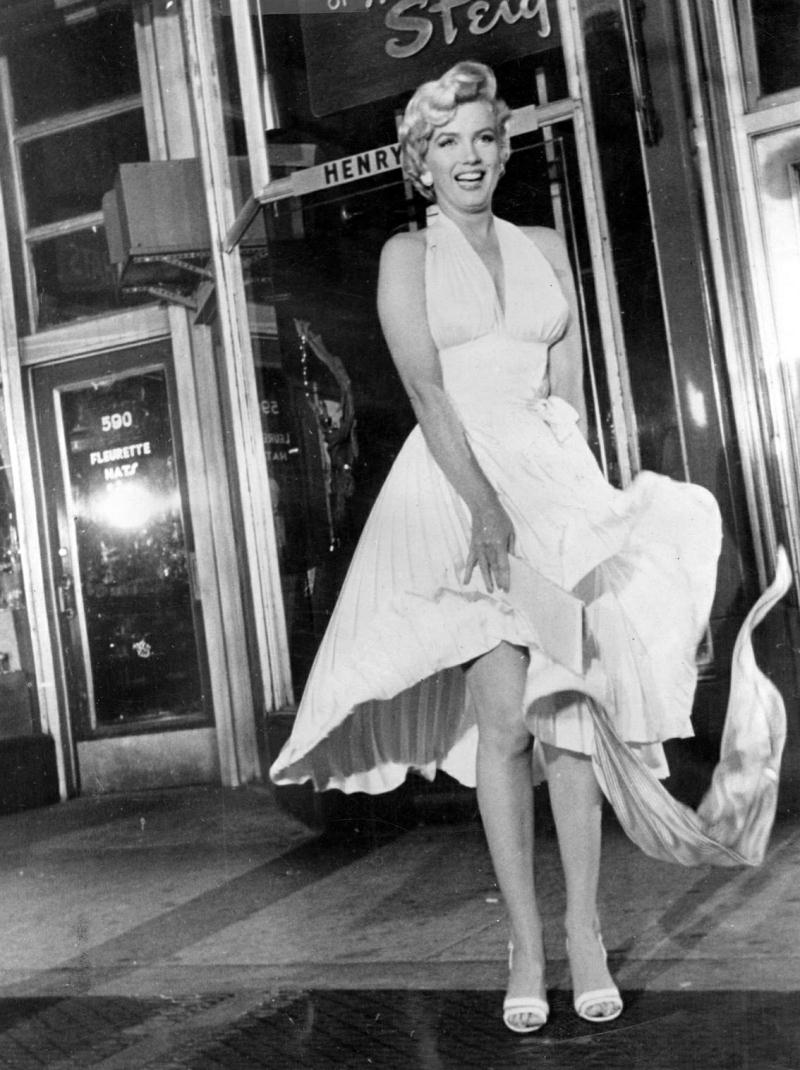
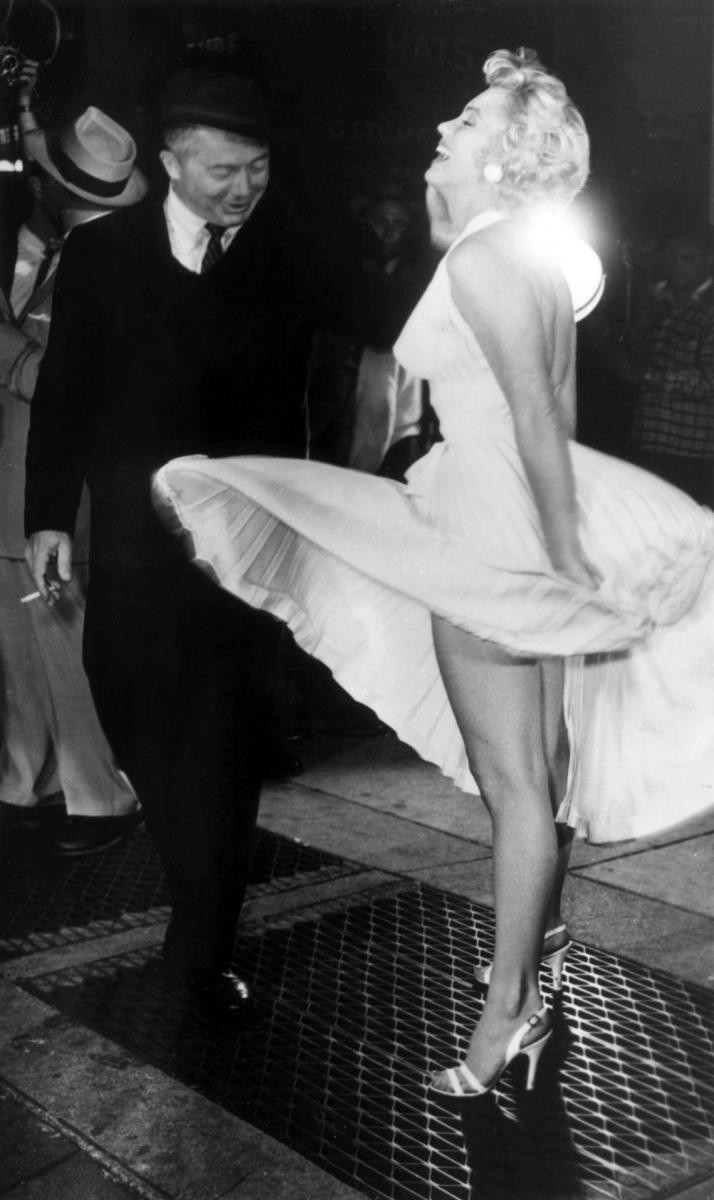
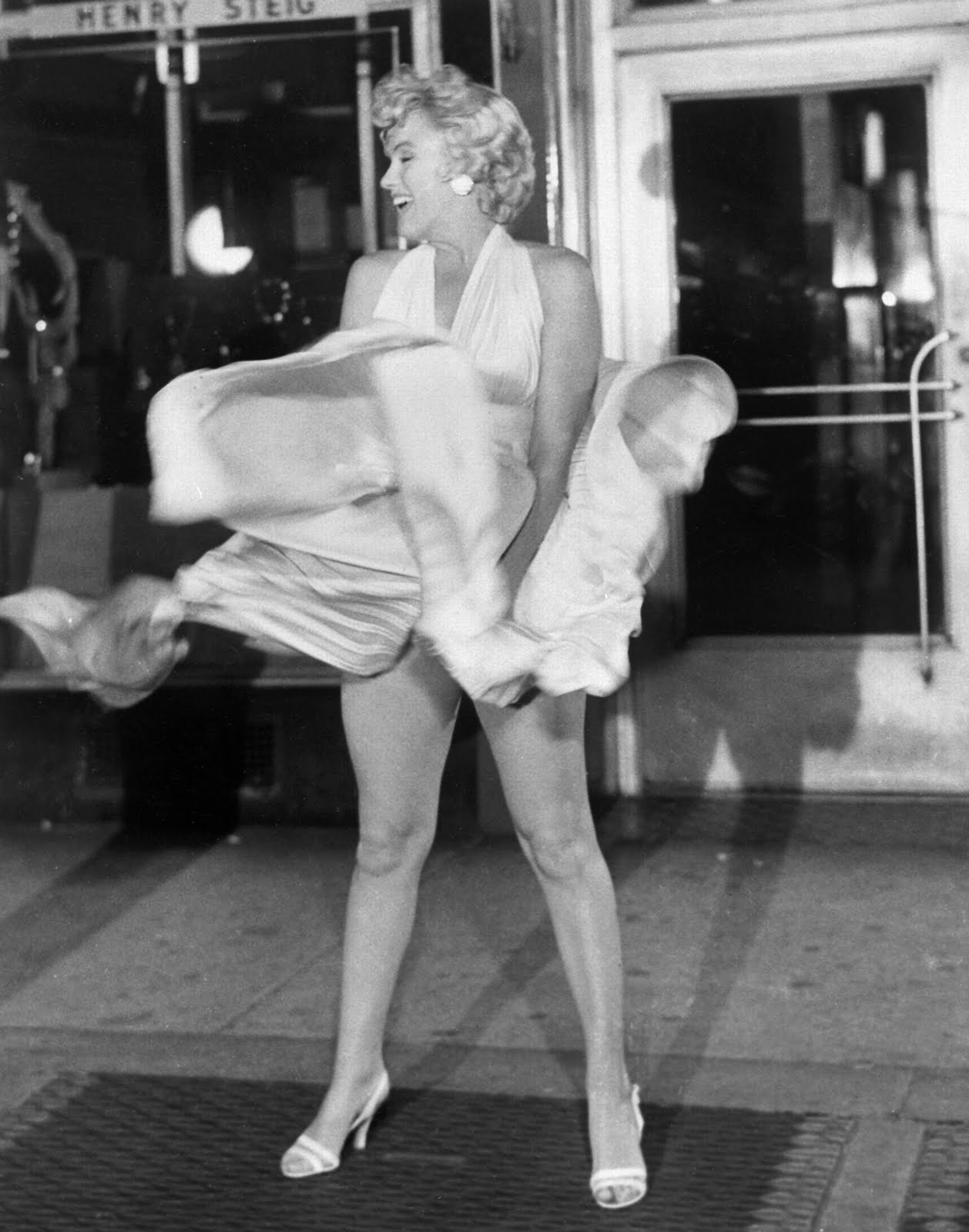
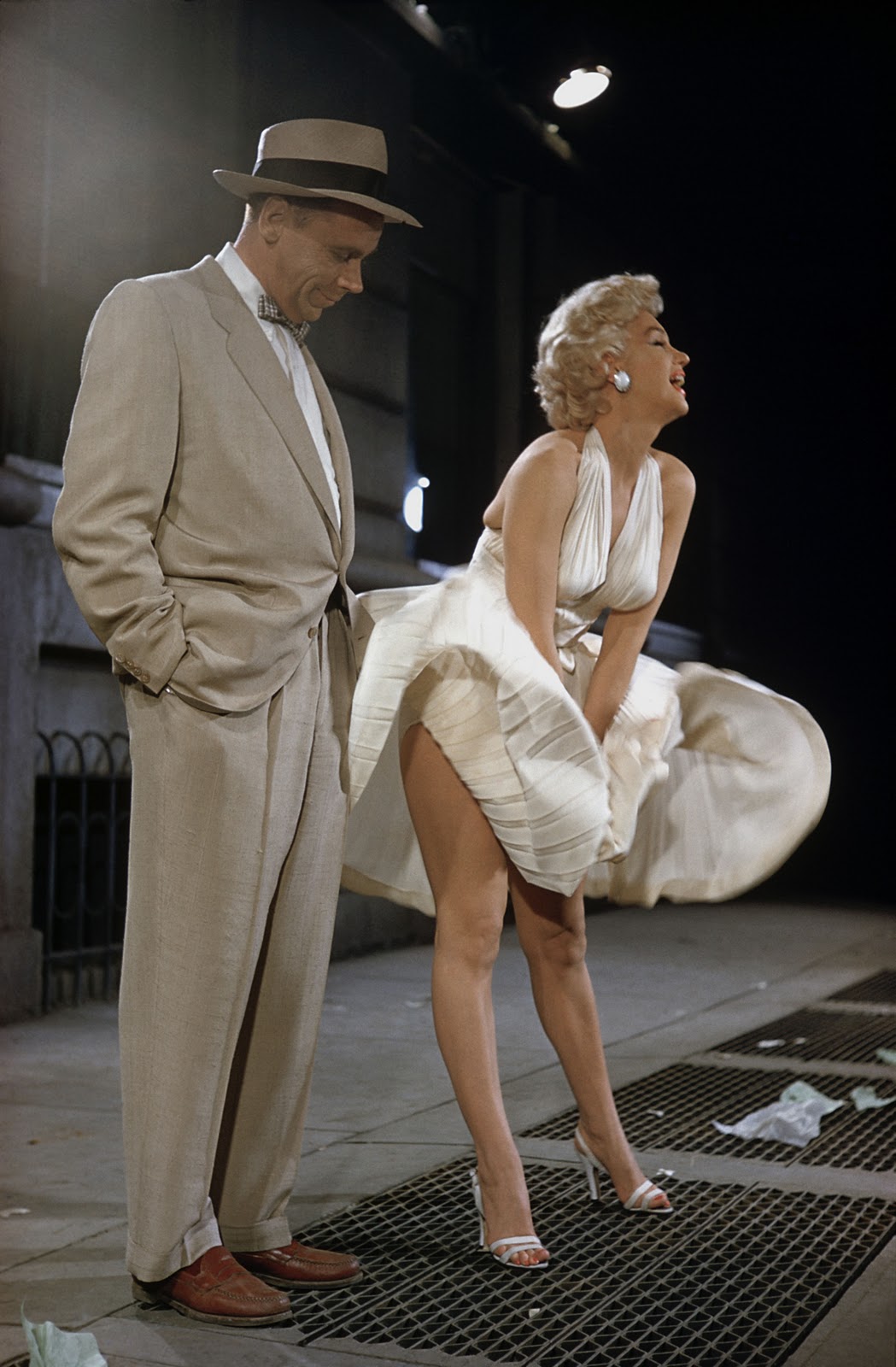
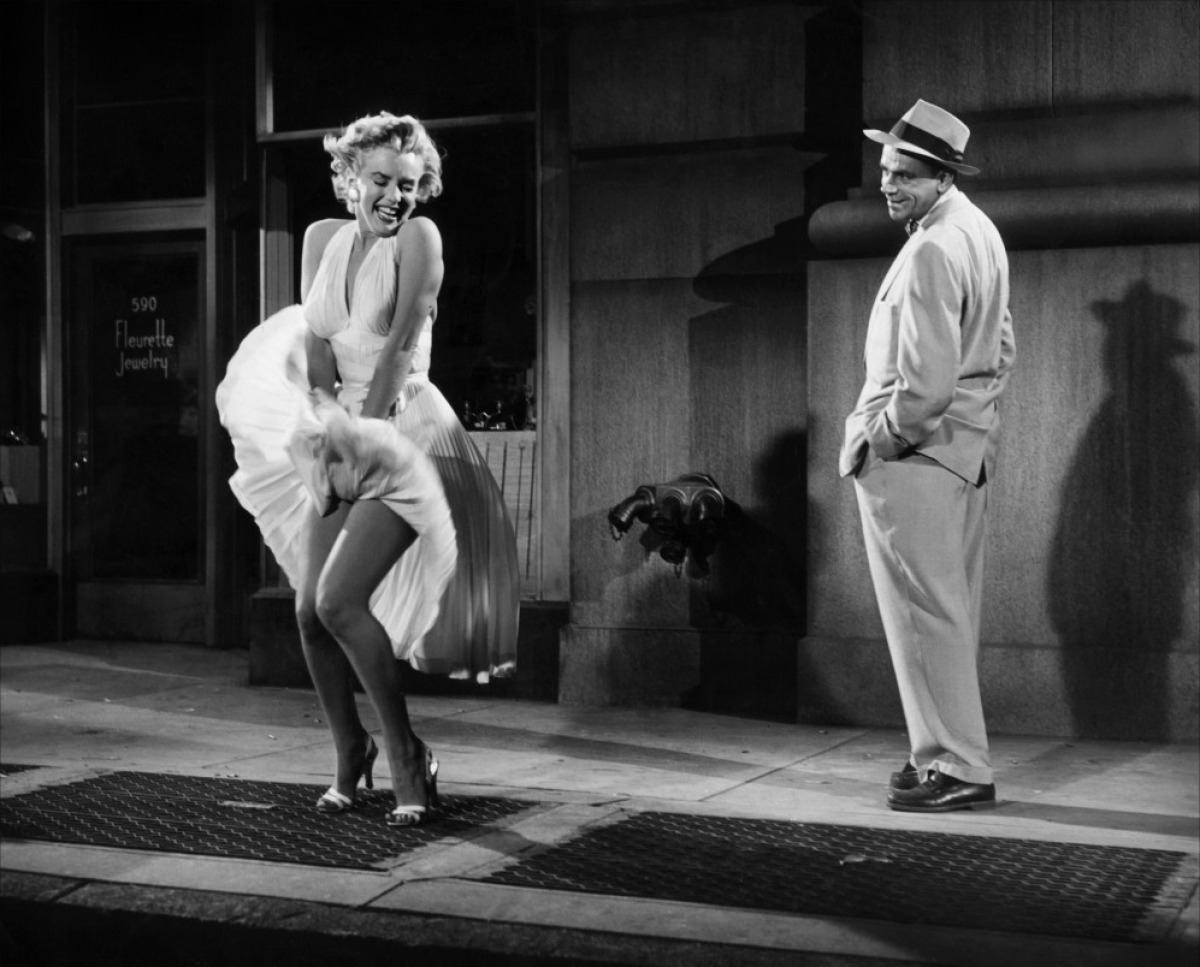
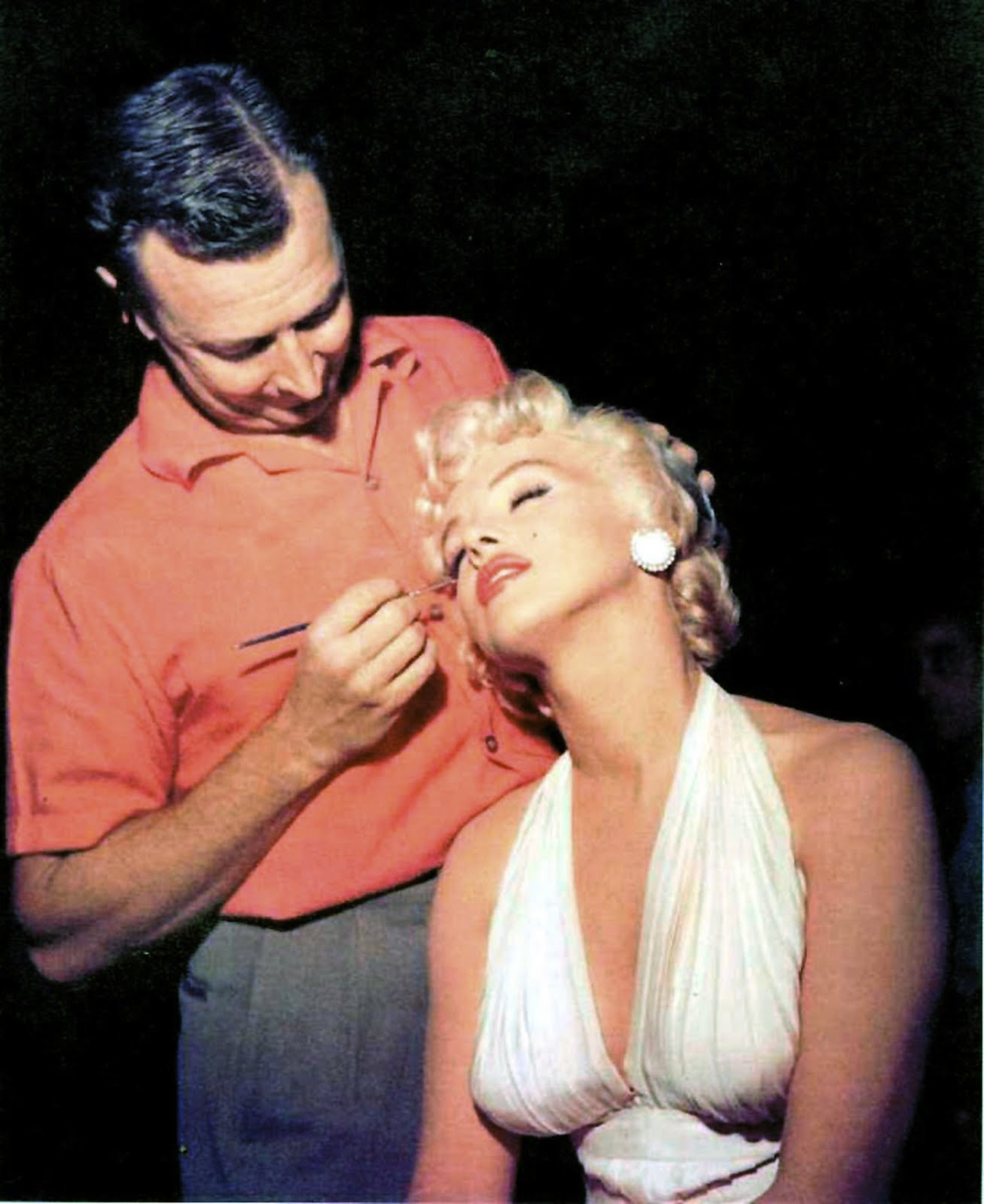
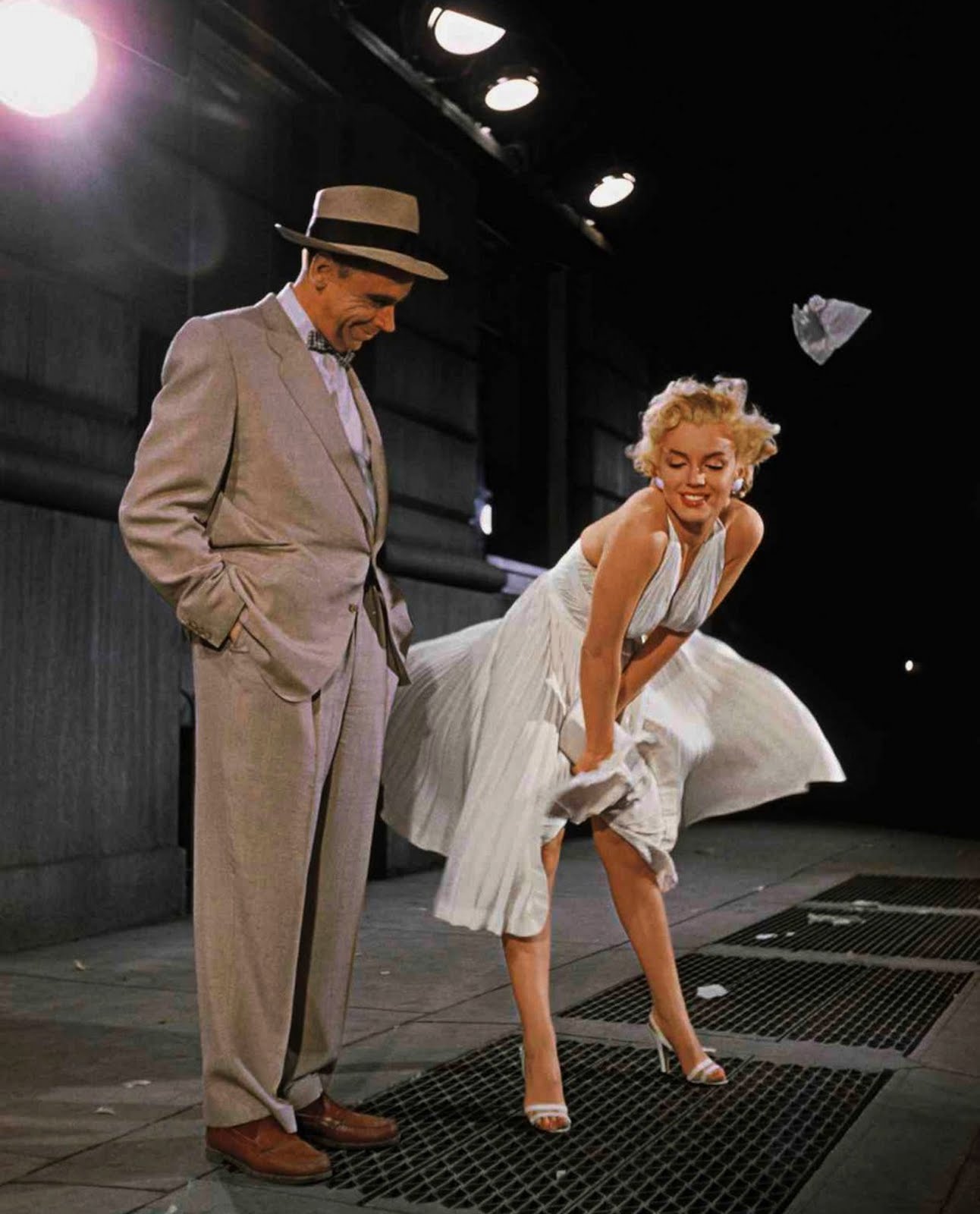
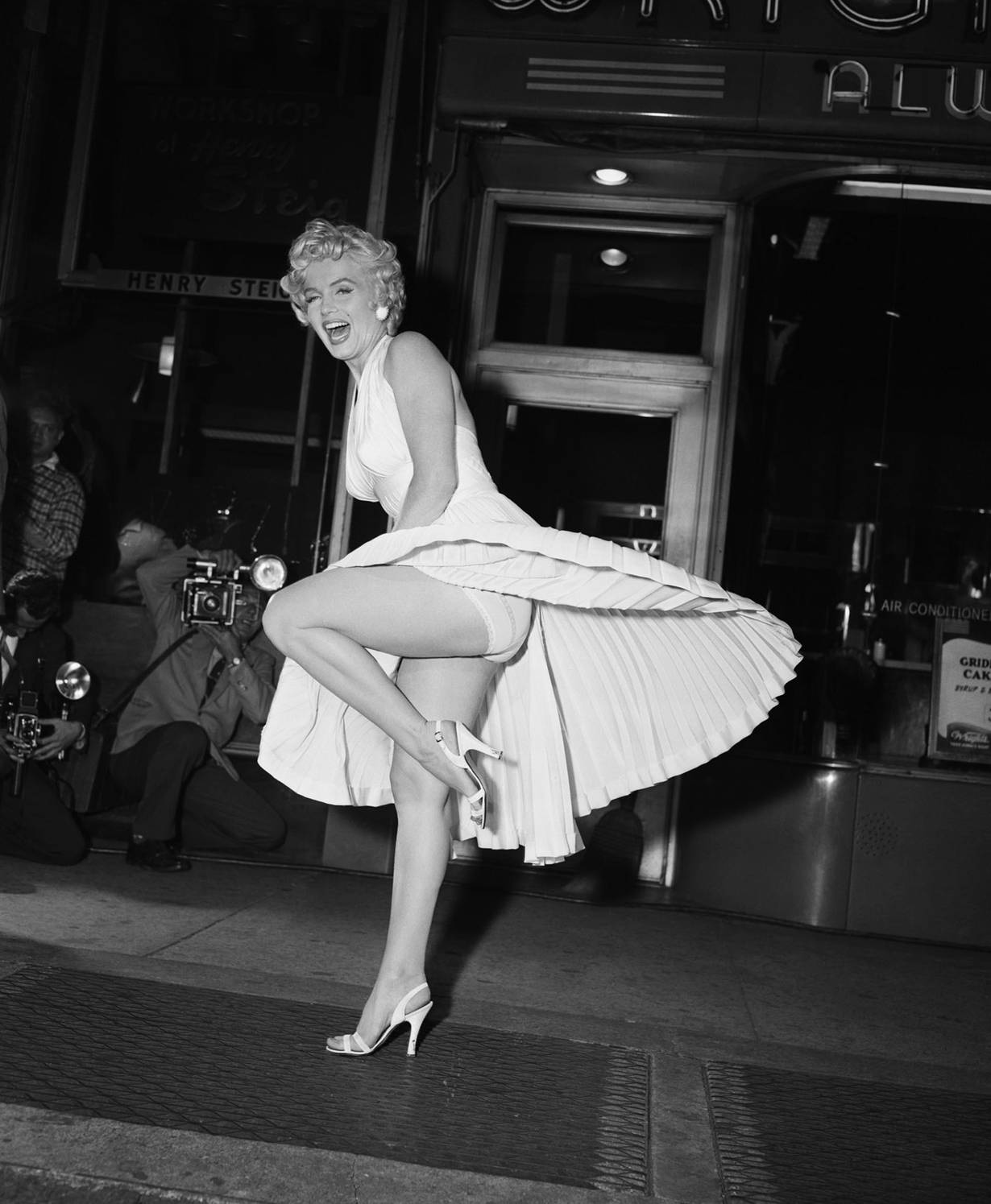
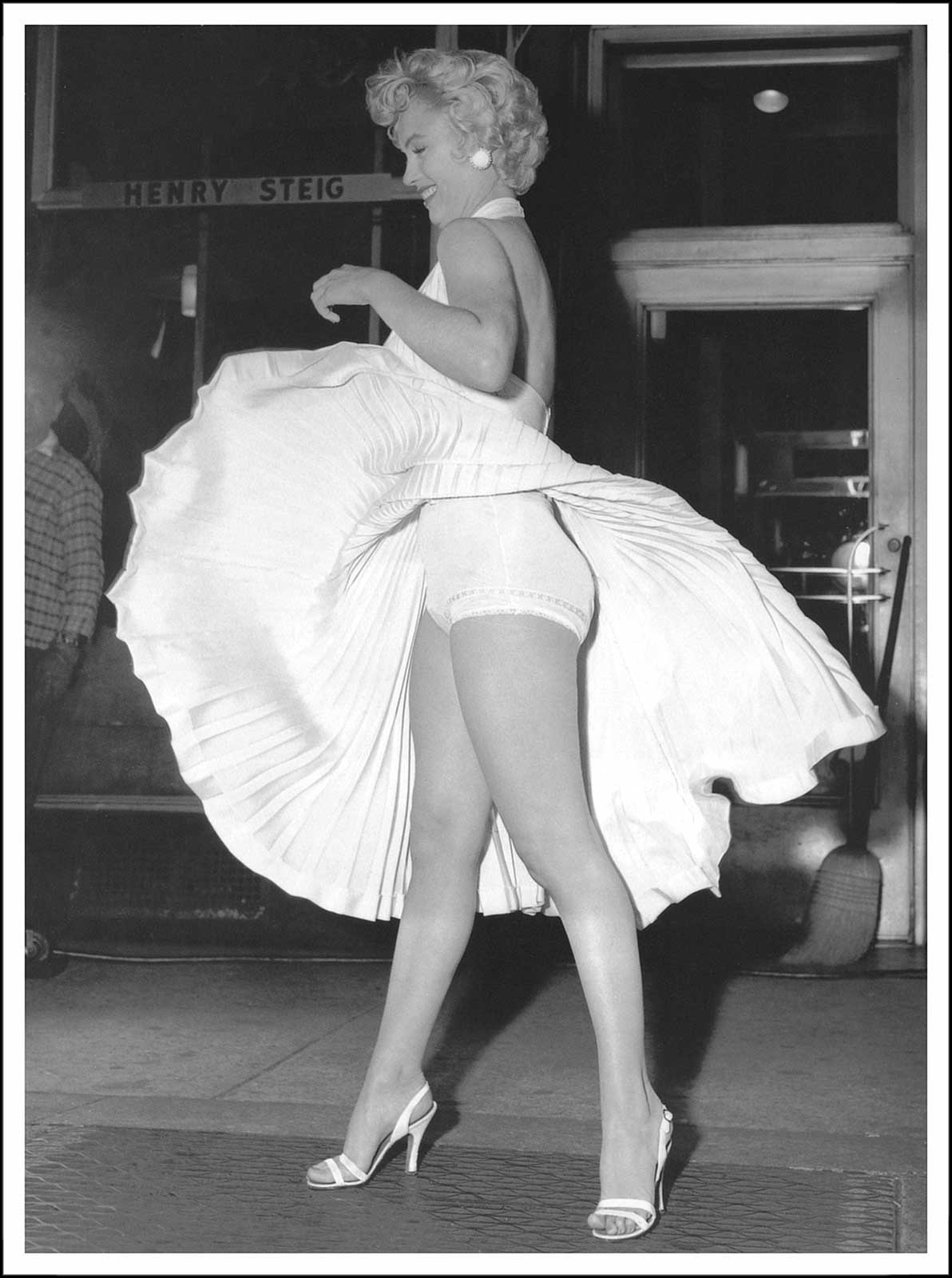
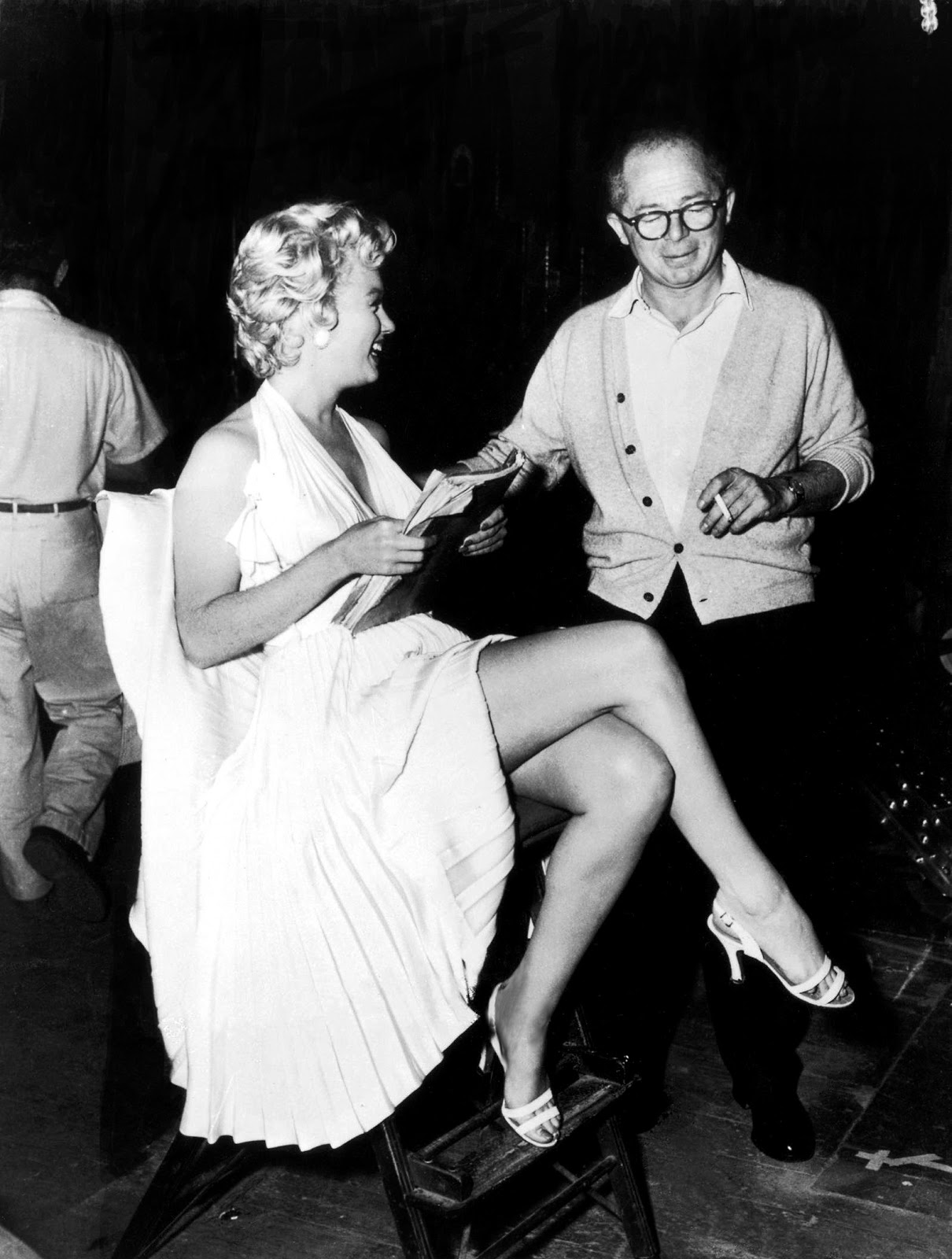
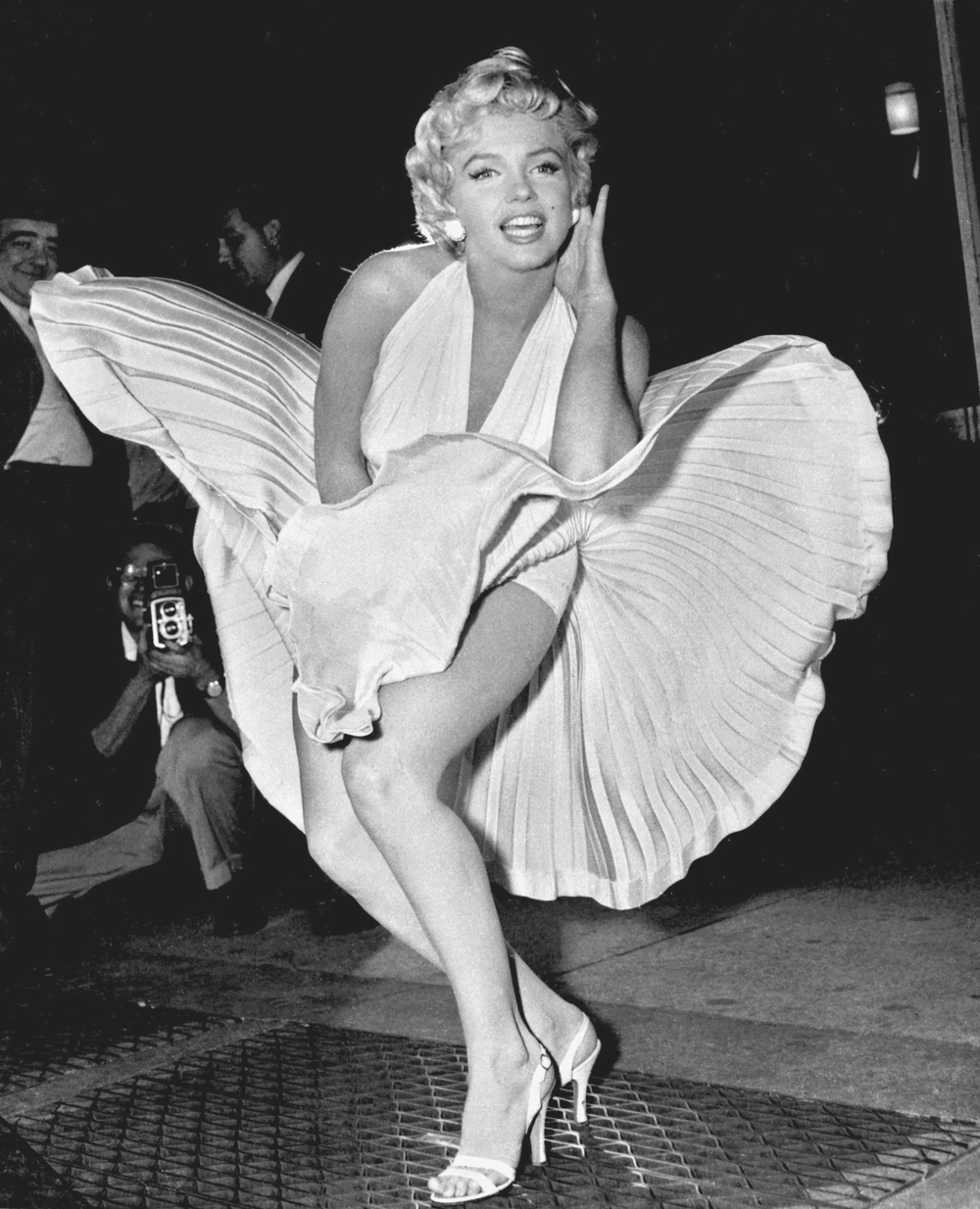
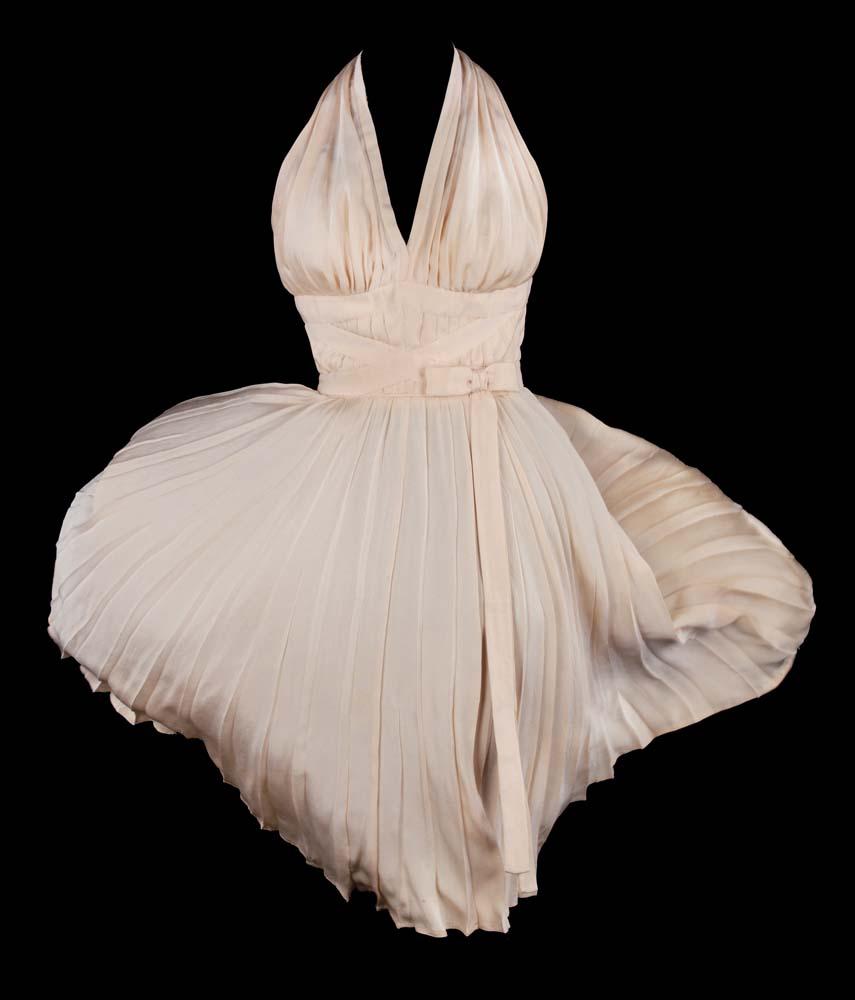
The little white dress that fetched 5,658,000.00 USD

Start Price : 1,000,000.00  USD
Estimates : 1,000,000.00 – 2,000,000.00 USD
Sold: 4,600,000.00 + 1,058,000.00 (buyer’s premium, taxes, fees, etc…) = 5,658,000.00 USD

➔  Debbie Reynolds The Auction 

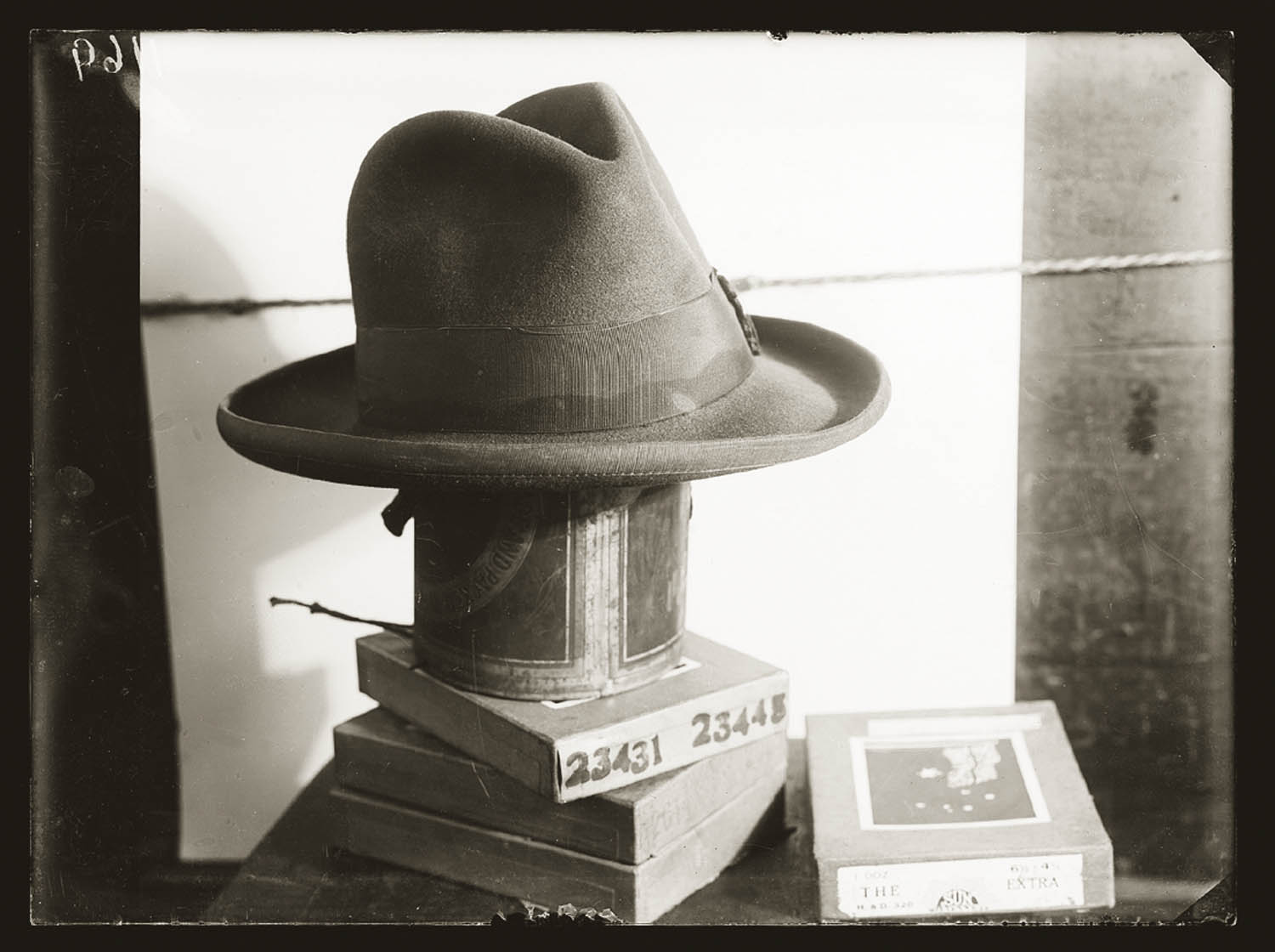
wherever he laid his hat was his home

 Man’s sweat-stained hat, presumably evidence in a criminal matter, atop boxes of police negatives. Location and details unknown, but possibly CIB, Sydney, ca. 1928
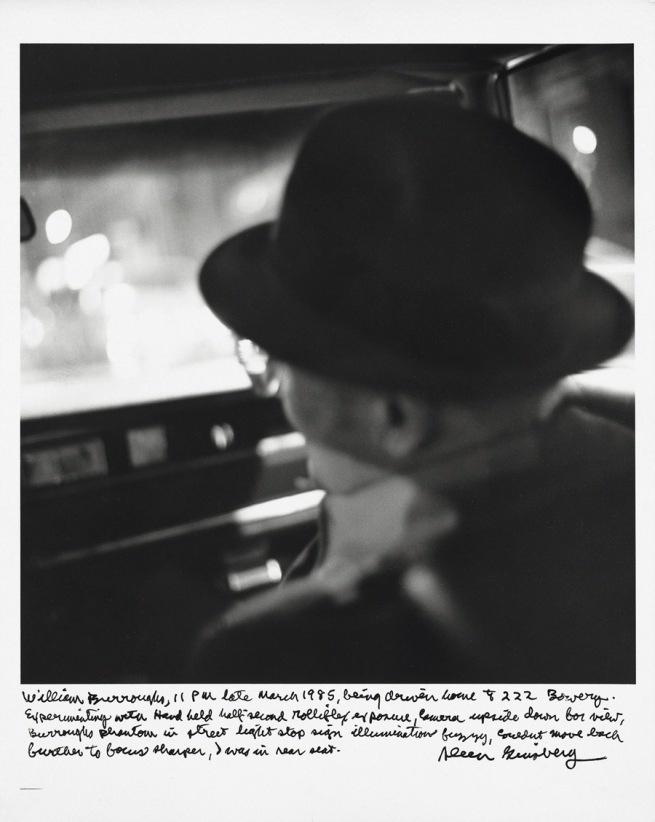
 William Burroughs, 11pm late March 1985, being driven home to 222 Bowery. Experimenting with hand held half second Roloflex exposure camera upside down for view, Burroughs phantom in street light stop sign illumination fuzzy, couldn’t move back further to focus sharper, I was in rear seat.Allen Ginsberg  [©Allen Ginsberg Estate]
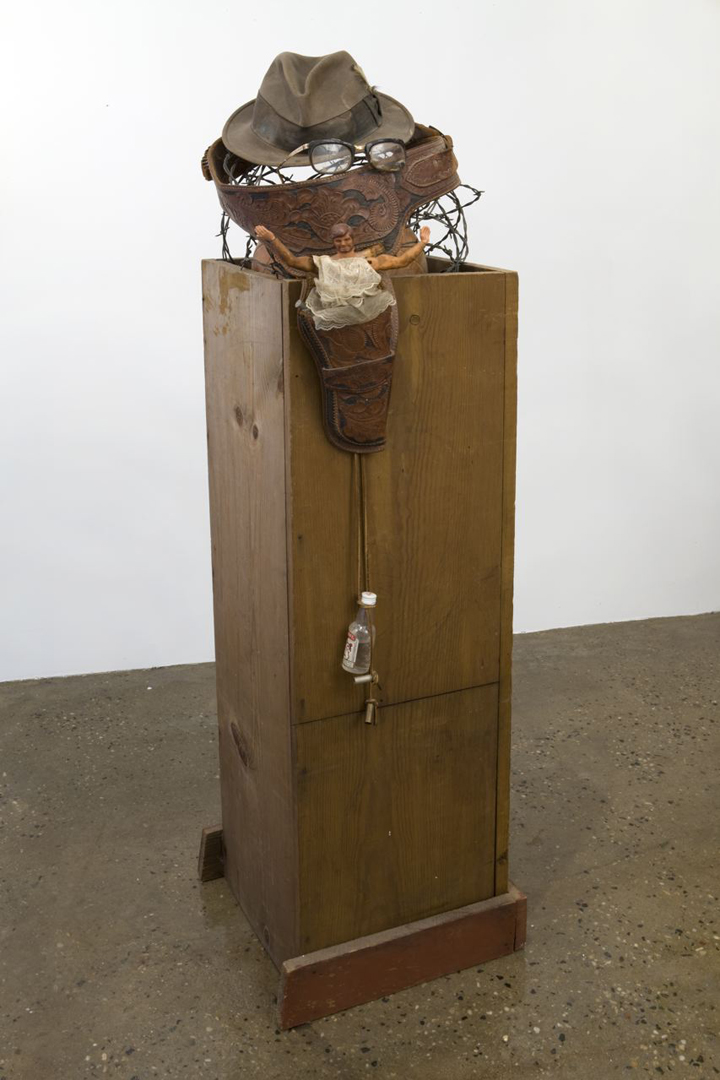
 George Condo + William S. Burroughs, Untitled, 1992. 
Barbed wire, leather waistband ammunition and gun holster, plastic Ken-doll, glasses, felt hat, vodka bottle, wood pedestal

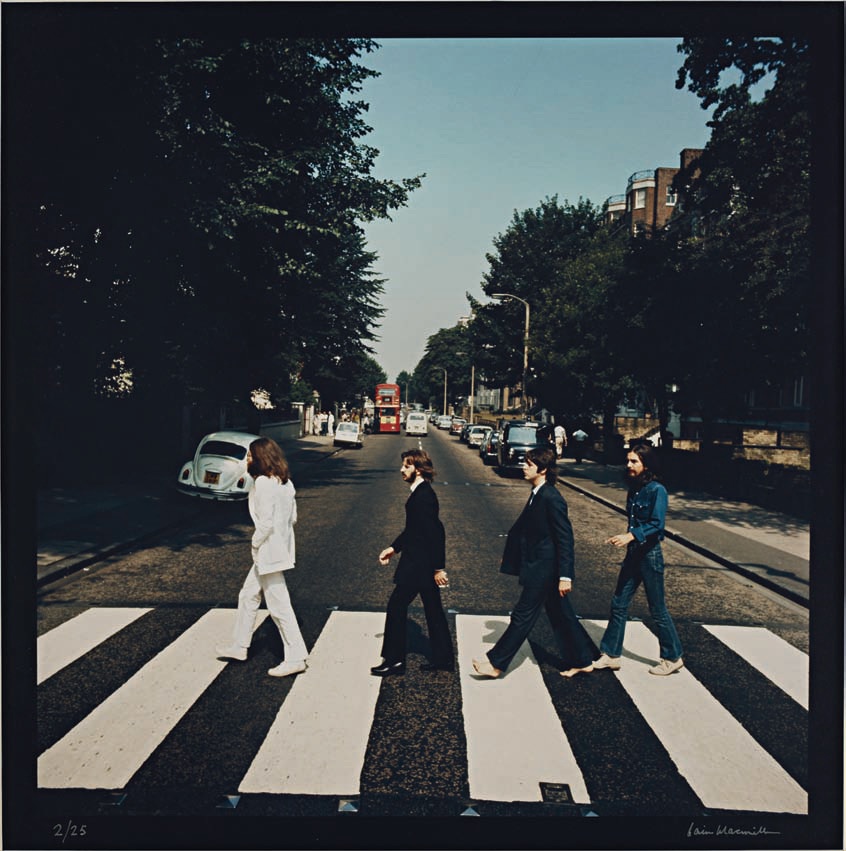
Abbey Road

Iain MacMillan, 1969
The Beatles music is really some of the best music we’ve had in the last century. Children continue to rediscover the music, generation after generation. It’s like saying why is Gershwin timeless? Their music is part of history, it will last forever.” — Sir George Martin 
 Read about The Abbey Road cover photography session ➔  The Beatles Bible

Plumes et Plumetis

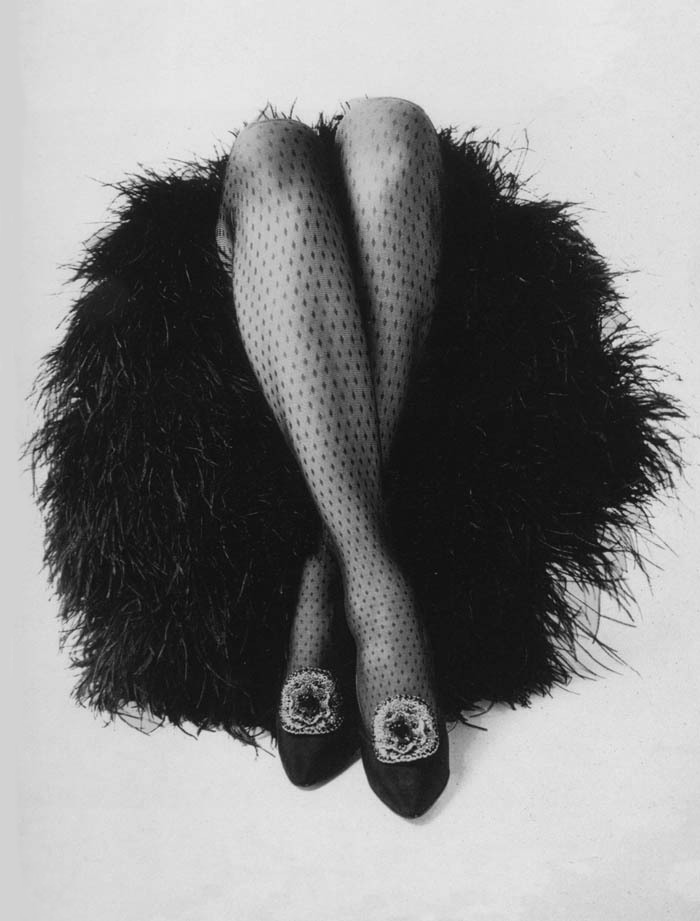
John Rawlings ~ Hanes hosiery, 1964

John Rawlings was a Condé Nast Publications fashion photographer from the 1930s through the 1960s. Rawlings left a significant body of work, including 200 Vogue and Glamour magazine covers to his credit and 30,000 photos in archive, maintained by curator Kohle Yohannan.
 

Rawlings was in the elite circle of top Vogue photographers Irving Penn, Horst P. Horst, George Hoyningen-Huene, and George Platt Lynes. His archive includes photographs of stage, screen, and society stars of the 1940s and 1950s, including Marlene Dietrich, Salvador Dali, Veronica Lake, Bridget Bate Tichenor and Montgomery Clift.

John Rawlings: 30 Years in Vogue