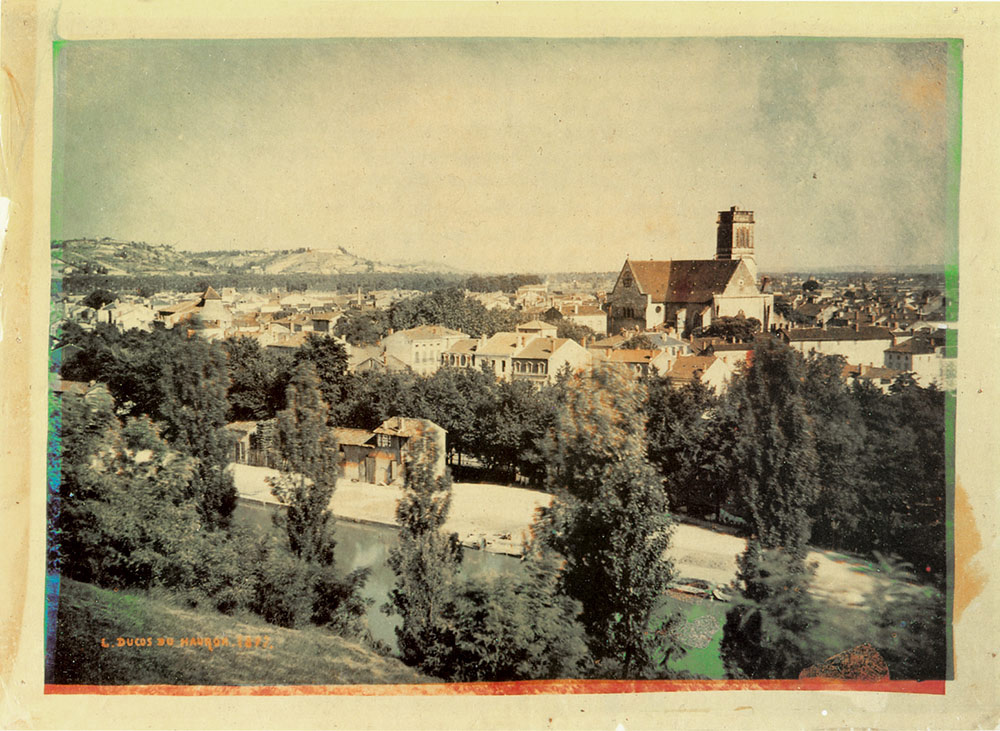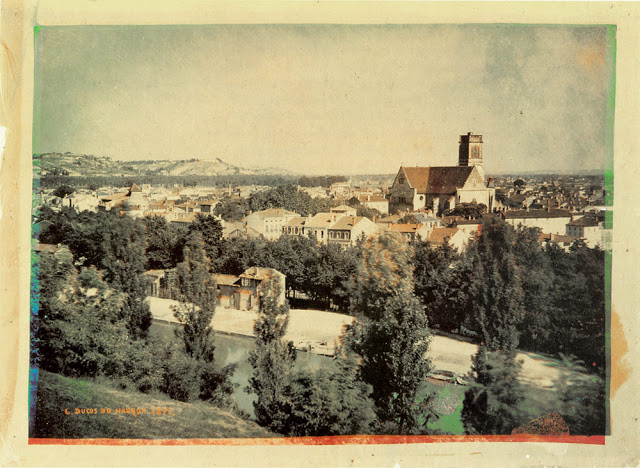
The oldest known color photograph?

 Louis Arthur Ducos du Hauron, 1872
 ‘Rarely has any inventor shown such imaginative foresight, or received so little encouragement.’ 
 The colour technologist D. A. Spencer
S’il est inconnu du grand public, son invention reste un événement majeur du XIXème s. :  Ducos du Hauron, c’est lui qui a mis au point le premier les procédés de photographie et d’impression polychrome, principe qui reste le même de nos jours.
Né à Langon le 8 décembre 1837, il était issu d’une vieille famille agenaise et fils d’un fonctionnaire des Contributions Indirectes. Il montra très tôt des prédispositions et une ardeur au travail remarquables dans les domaines scientifique et musical, à tel point que sa famille décida de le sortir du système scolaire classique et d’engager des professeurs particuliers.
Le jeune Ducos du Hauron se tourna finalement vers les sciences physiques, même si ses talents de pianiste l’amenèrent à la fin du XIXème s. à entretenir une correspondance suivie avec le compositeur Camille Saint Saëns.

Son goût pour la peinture va surtout l’orienter vers l’étude et les interactions entre la lumière et la couleur. Au début du siècle, la science avait fait de grandes avancées dans ce domaine : le médecin britannique Thomas Young avait mis en évidence que le système optique humain était sensible à trois couleurs de base qui, bien mélangées, pouvaient produire toutes les autres nuances, les travaux du chimiste français Chevreul, le procédé photographique (l’héliographie) de Niepce perfectionné par Daguerre (le daguerréotype), le calotype de l’Anglais Talbot, le physicien Fizeau qui diminua considérablement les temps de pose… 
Ducos du Hauron, qui n’avait jamais touché un appareil photo, présenta à 22 ans à la Société des Arts et Sciences d’Agen un mémoire d’ “Etude des sensations lumineuses” qui lui vaudra d’être surnommé ” le jeune savant du Midi ” par la presse parisienne. Il commence à entrevoir le moyen de reproduire des images en couleur. Les premières tentatives réalisées par Becquerel en 1848 avaient démontré qu’une plaque d’argent recouvert de chlorure d’argent pur reproduisait directement les couleurs, mais de manière instable. Dix années de recherches vont être nécessaires à Ducos du Hauron avant de déposer un brevet en 1868 et en 1869, il édite une brochure ” les couleurs en photographie, solution du problème “.

La première photographie couleur, prise à Agen, reposait sur le principe de Maxwell de décomposition de la lumière par les trois couleurs fondamentales que sont le rouge, le vert et le bleu. Il réalisa trois photographies d’un même sujet au travers de filtres de verre colorés successivement en rouge, bleu et jaune, qui laissaient passer seulement les radiations de sa couleur, interceptant toutes les autres. En superposant enfin les trois épreuves, il obtint la restitution des couleurs. Le procédé de trichromie était né.

L’inventeur du phonographe Charles Cros avait déposé en 1867 un pli cacheté à l’Académie des Sciences et avait publié la même année que Ducos du Hauron la description d’un procédé identique. Mais c’est à ce dernier que la paternité de la trichromie fut finalement attribuée de par l’antériorité de ses travaux.
Notre physicien connut la gloire à l’occasion de l’Exposition Universelle de Paris en 1878 qui présentait une série de ses reproductions.
Il continua ses recherches avec pour objectif l’application à l’impression couleur. Un des plus grands imprimeurs d’Europe, Albert, de Munich, lui offre un pont d’or pour développer son procédé en Allemagne à l’échelle industrielle. Mais, par patriotisme, il refusa et s’entêta à convaincre le Ministère du Commerce français de moderniser l’imprimerie française qui n’était pas prête techniquement. 
Lorsque finalement une imprimerie toulousaine fut en mesure d’adopter le procédé, celle-ci fut détruite par un incendie en 1885 alors que les premières éditions rencontraient un vif succès. Ducos du Hauron ne connut donc pas la réussite commerciale et l’histoire se répéta avec une autre de ses nombreuses inventions, la chronophotographie, que l’on appellera plus tard le cinématographe, popularisé par les frères Lumière.

Il termina sa vie dans des conditions précaires, ne percevant qu’une maigre rente de la société Cinéma Gaumont et une pension du gouvernement. Louis Ducos du Hauron décéda à Agen, le 31 août 1920 au n°58 de la rue Lamouroux.
 
Triste destinée pour ce génie qui avait écrit : ” le peintre n’a plus besoin d’une palette qu’il commande au soleil, le soleil, collaborateur soumis, donnera à ses œuvres la couleur et la vie.”
Graham Saxby

From Russia with love

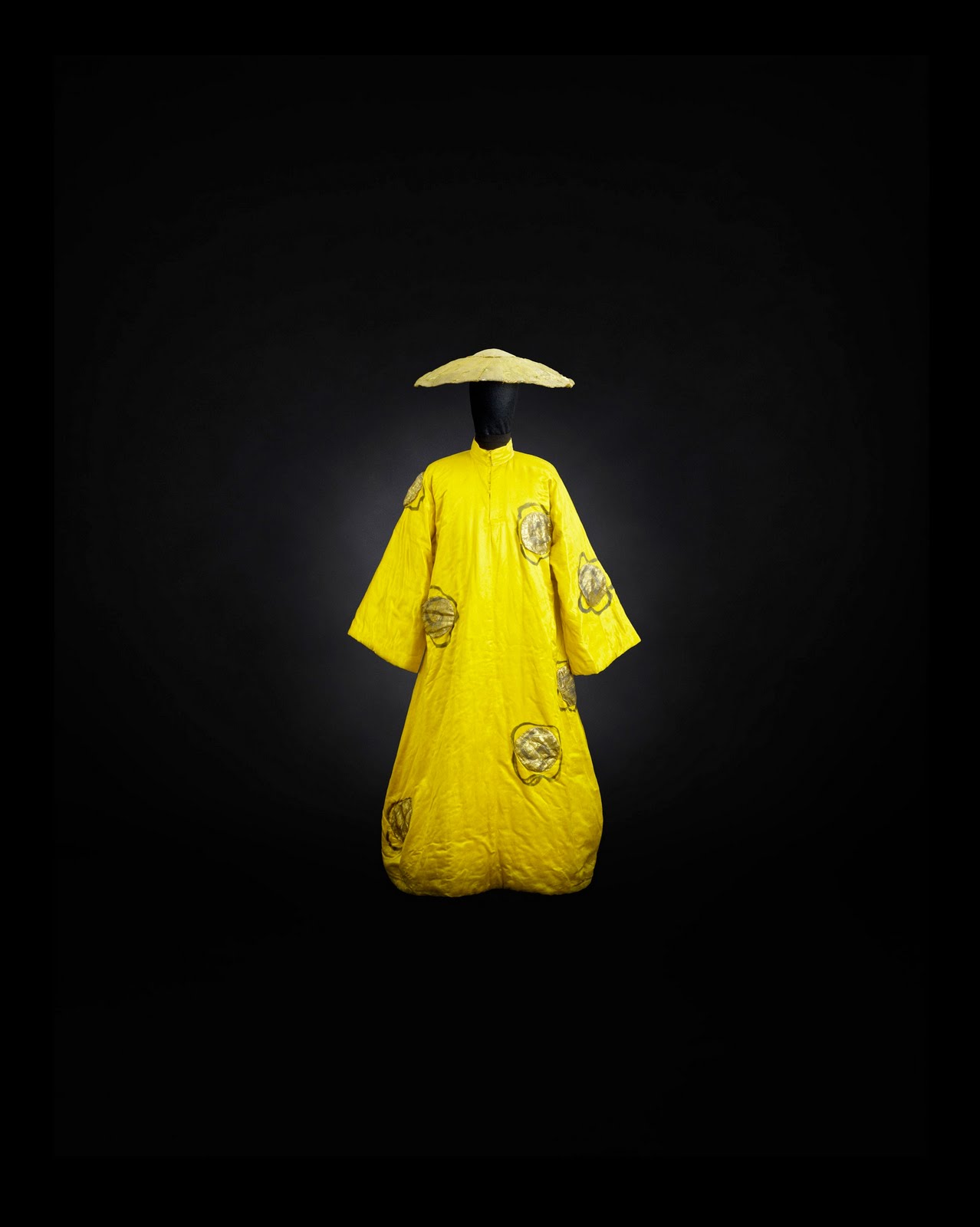
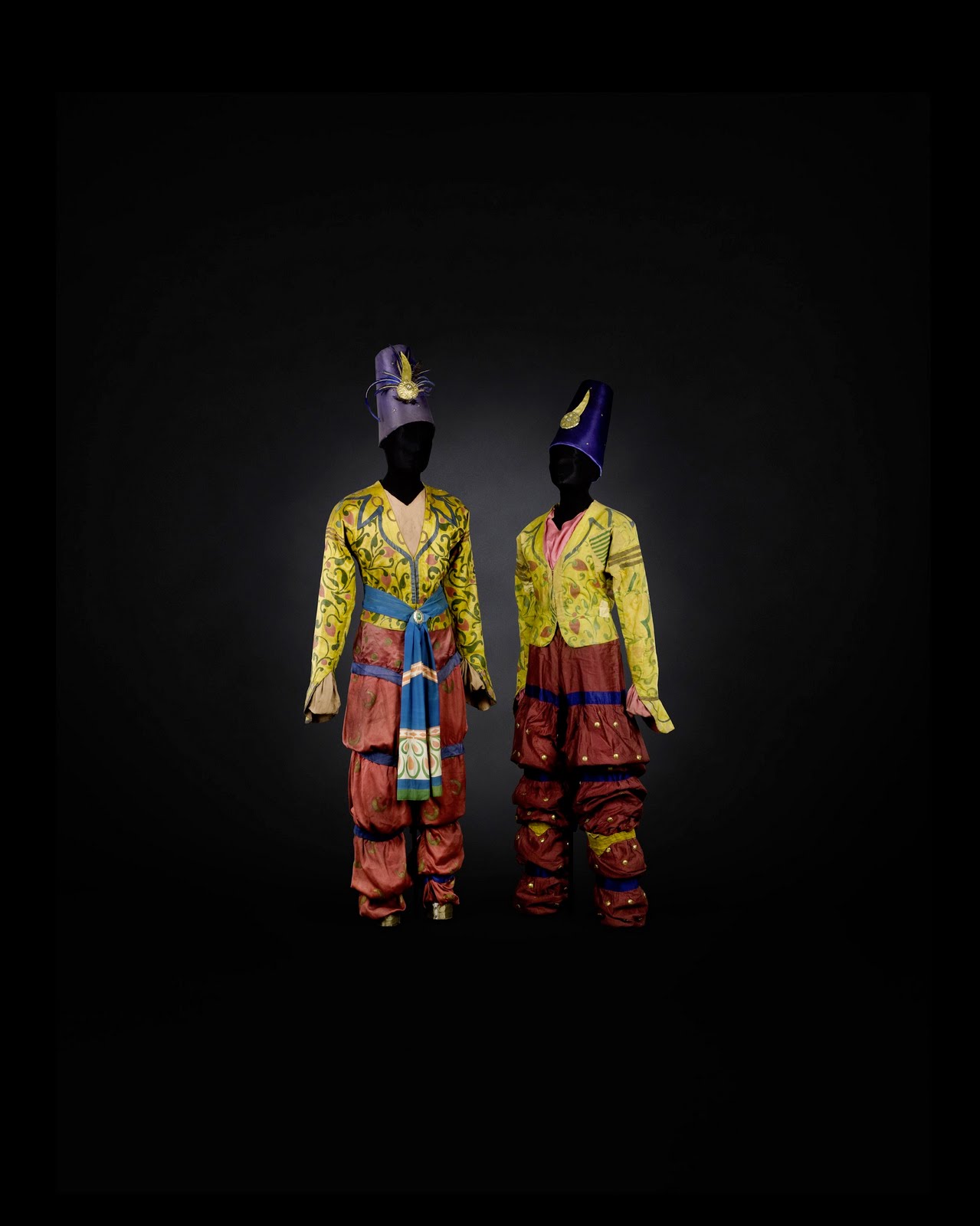
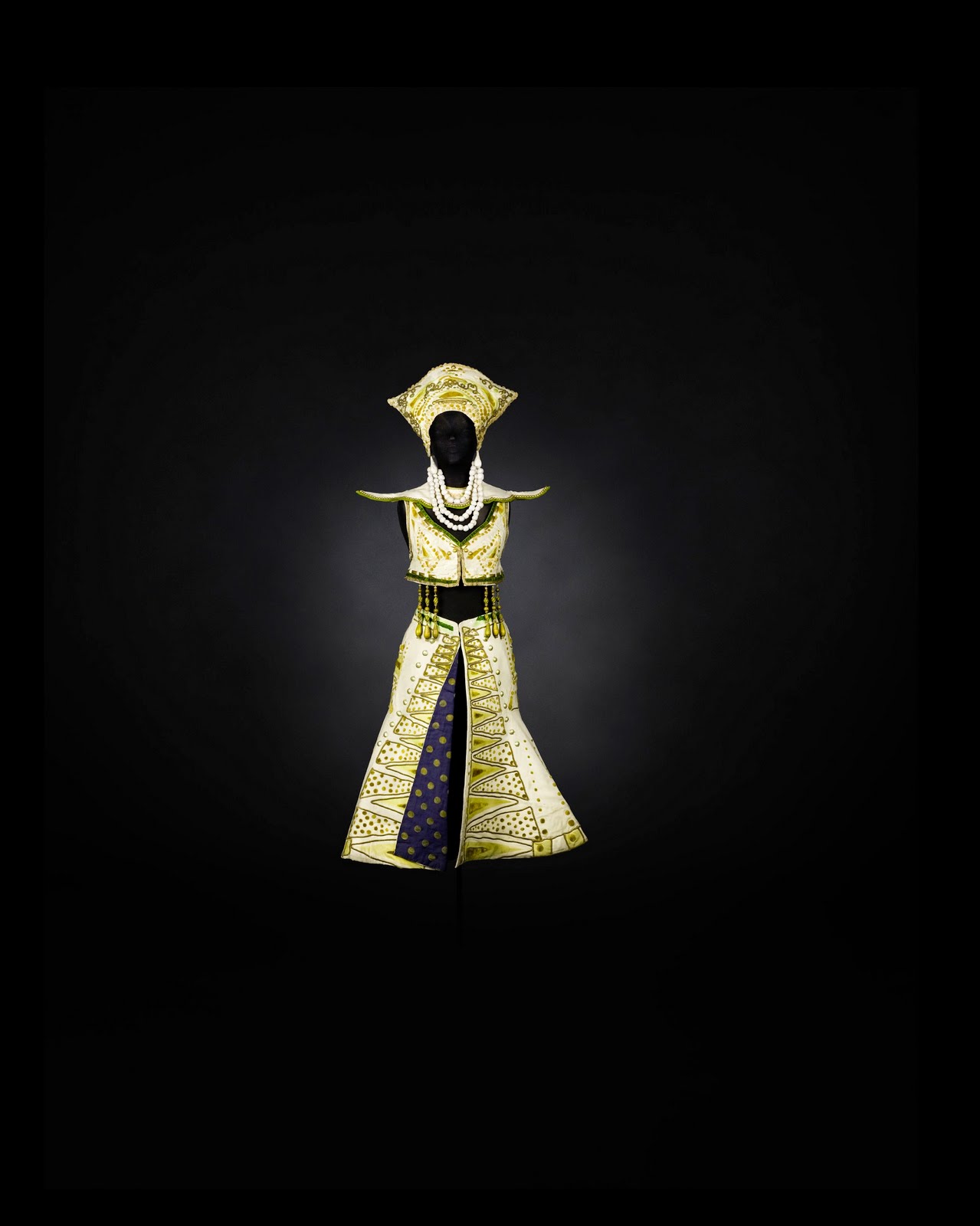
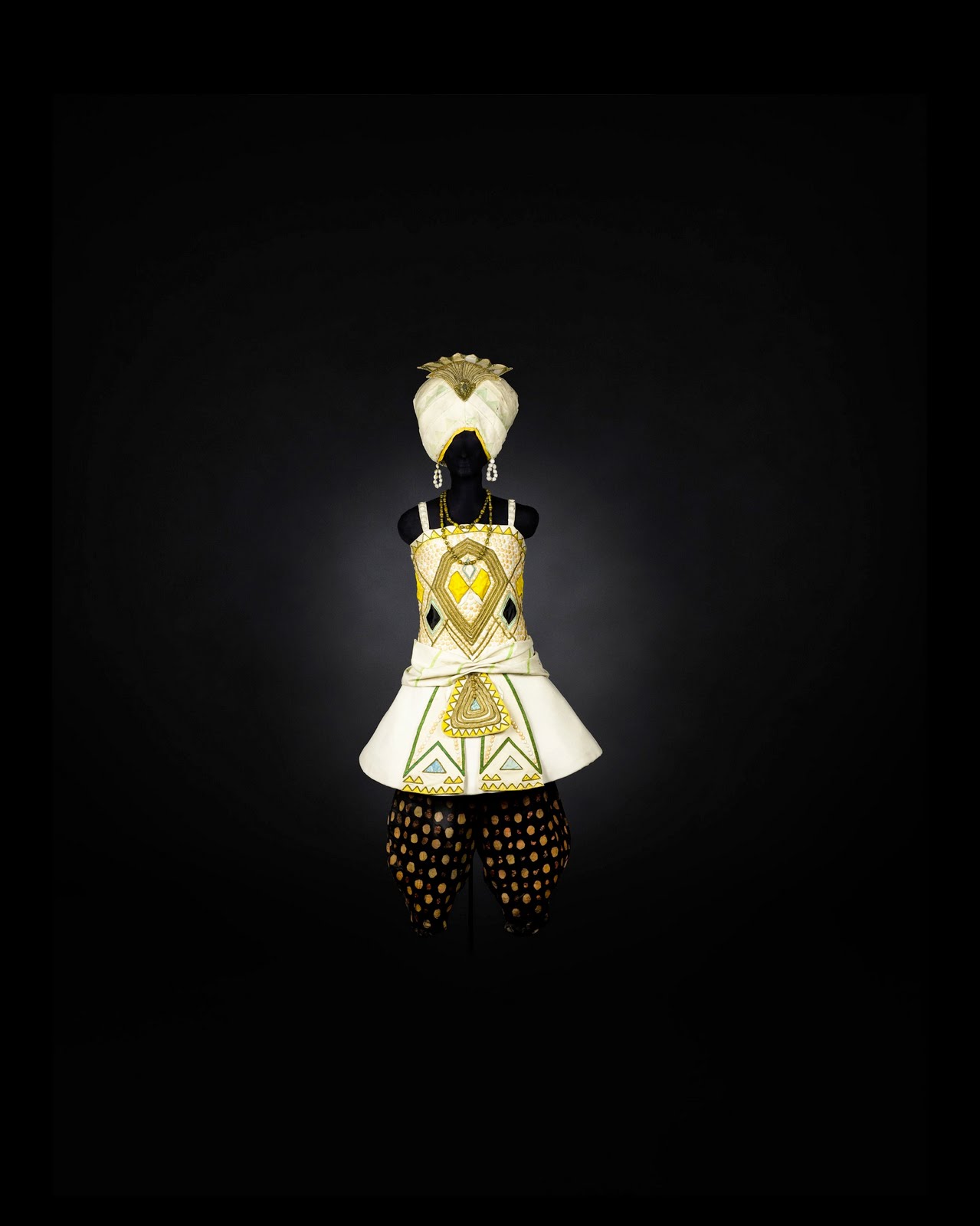
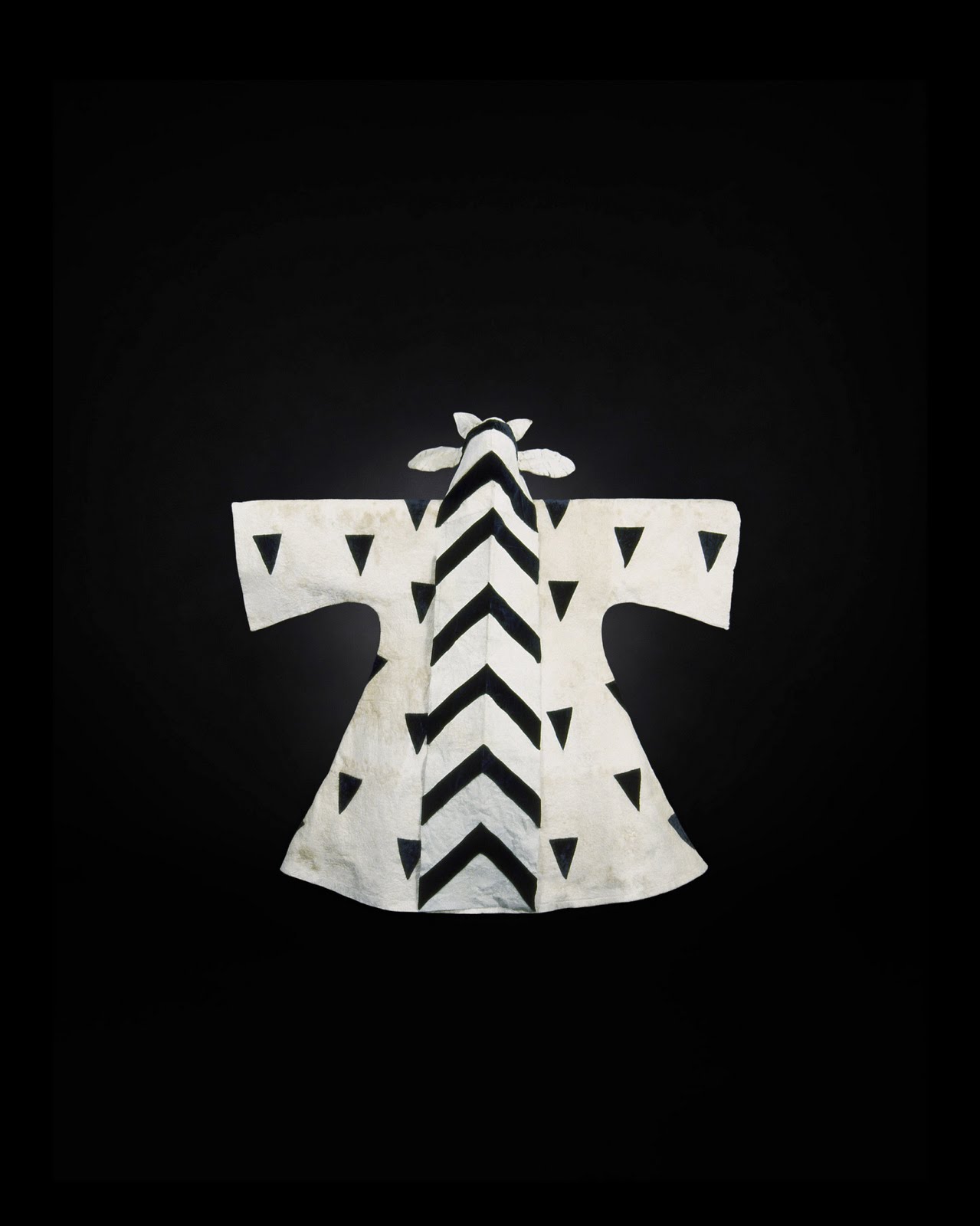
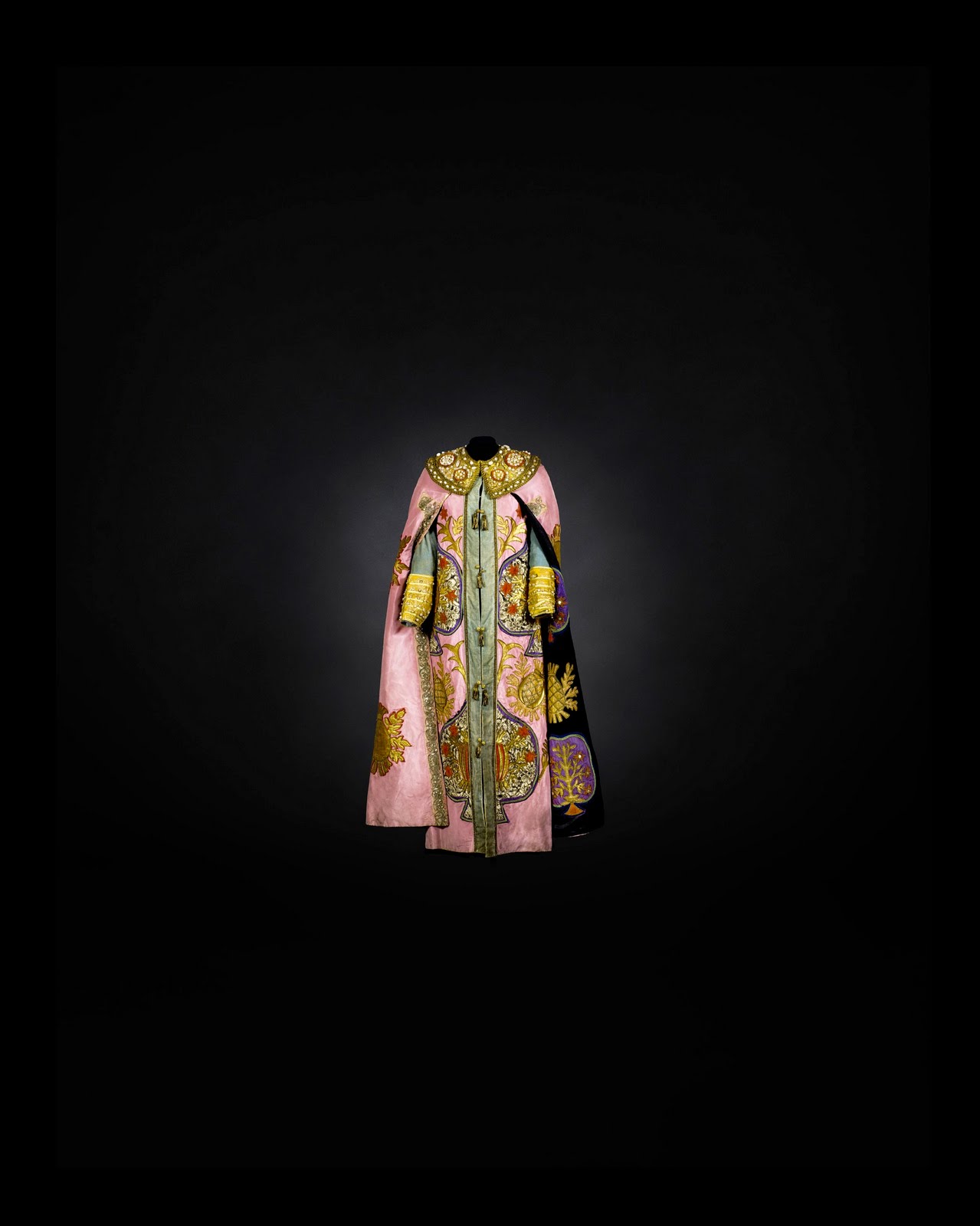
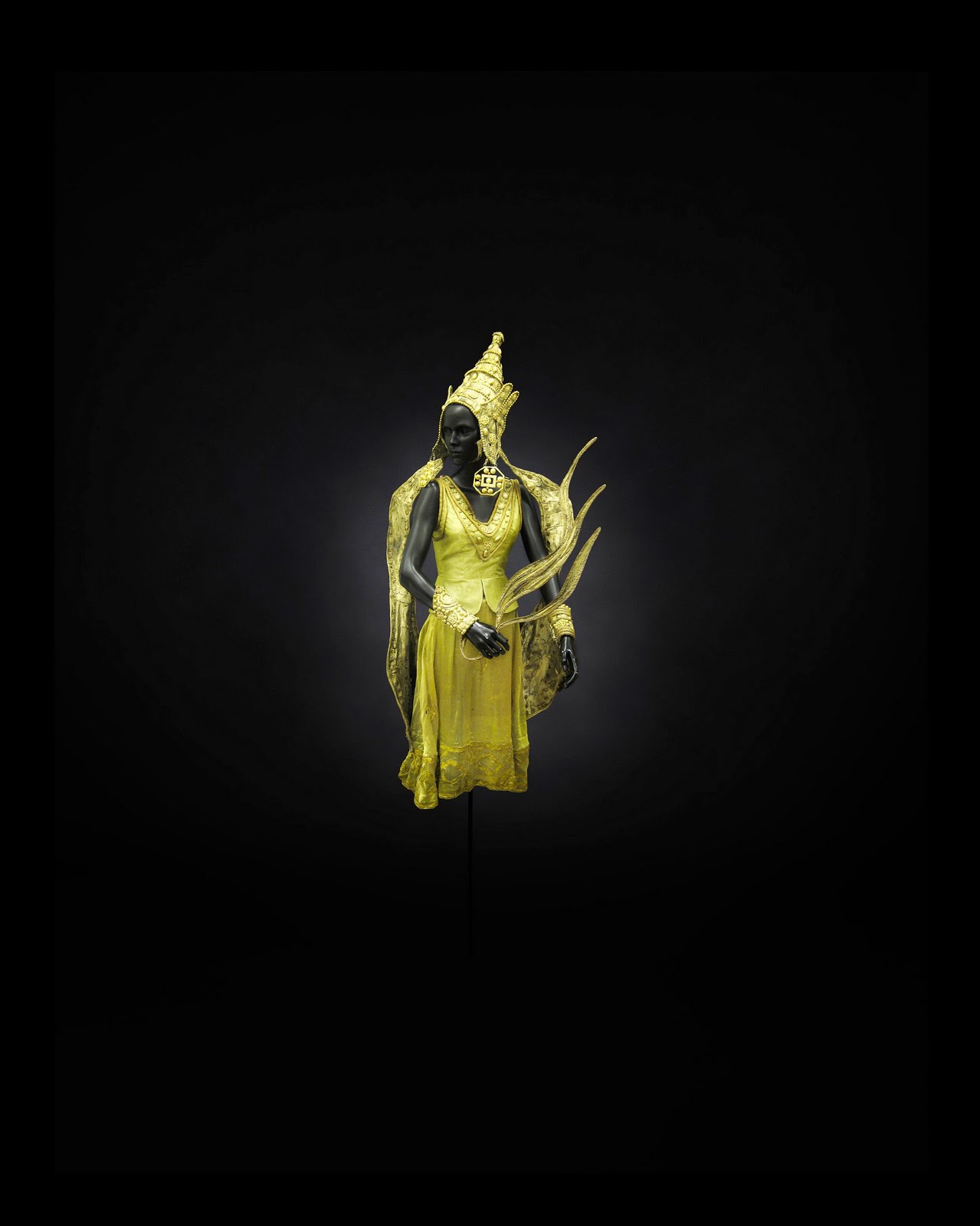
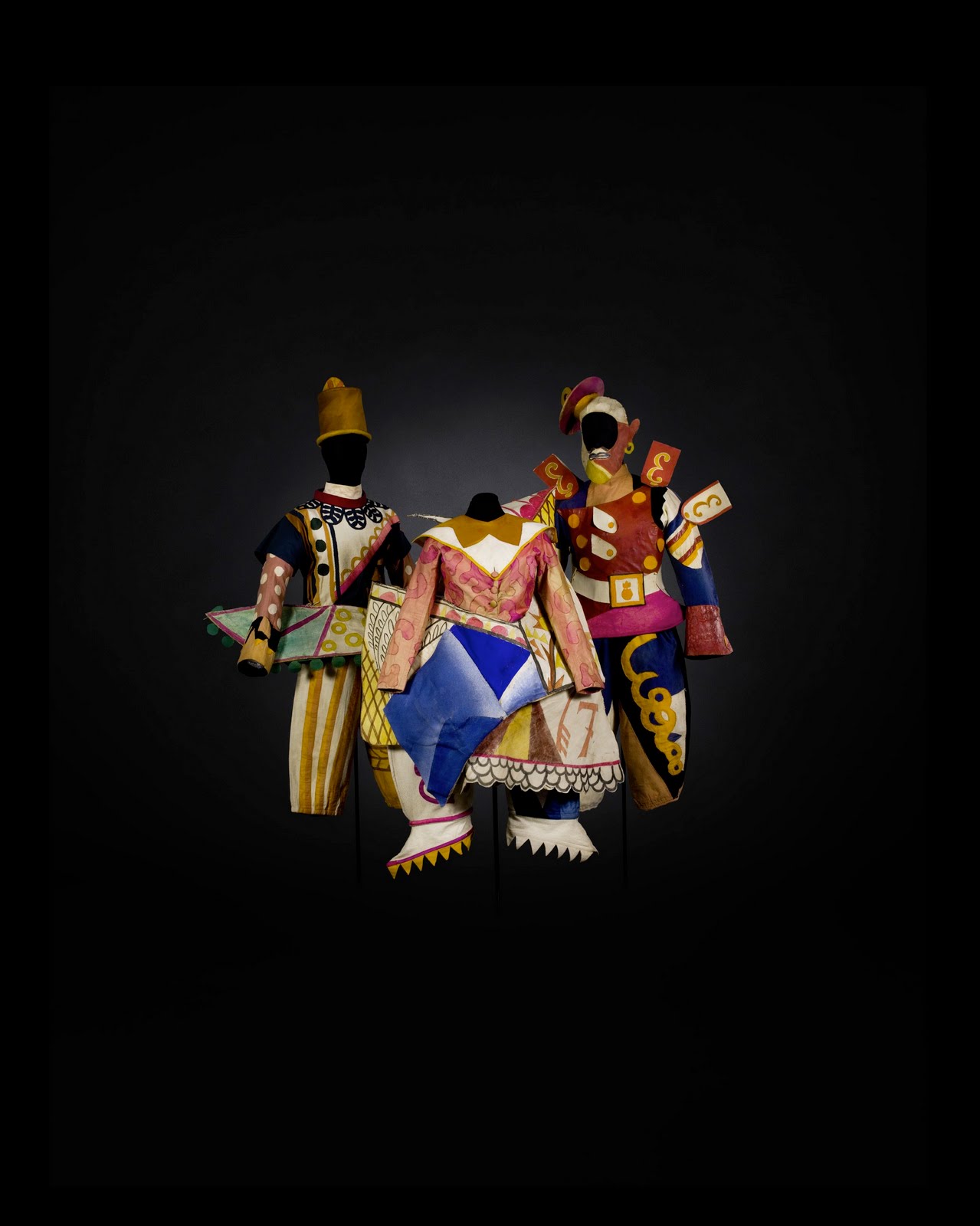
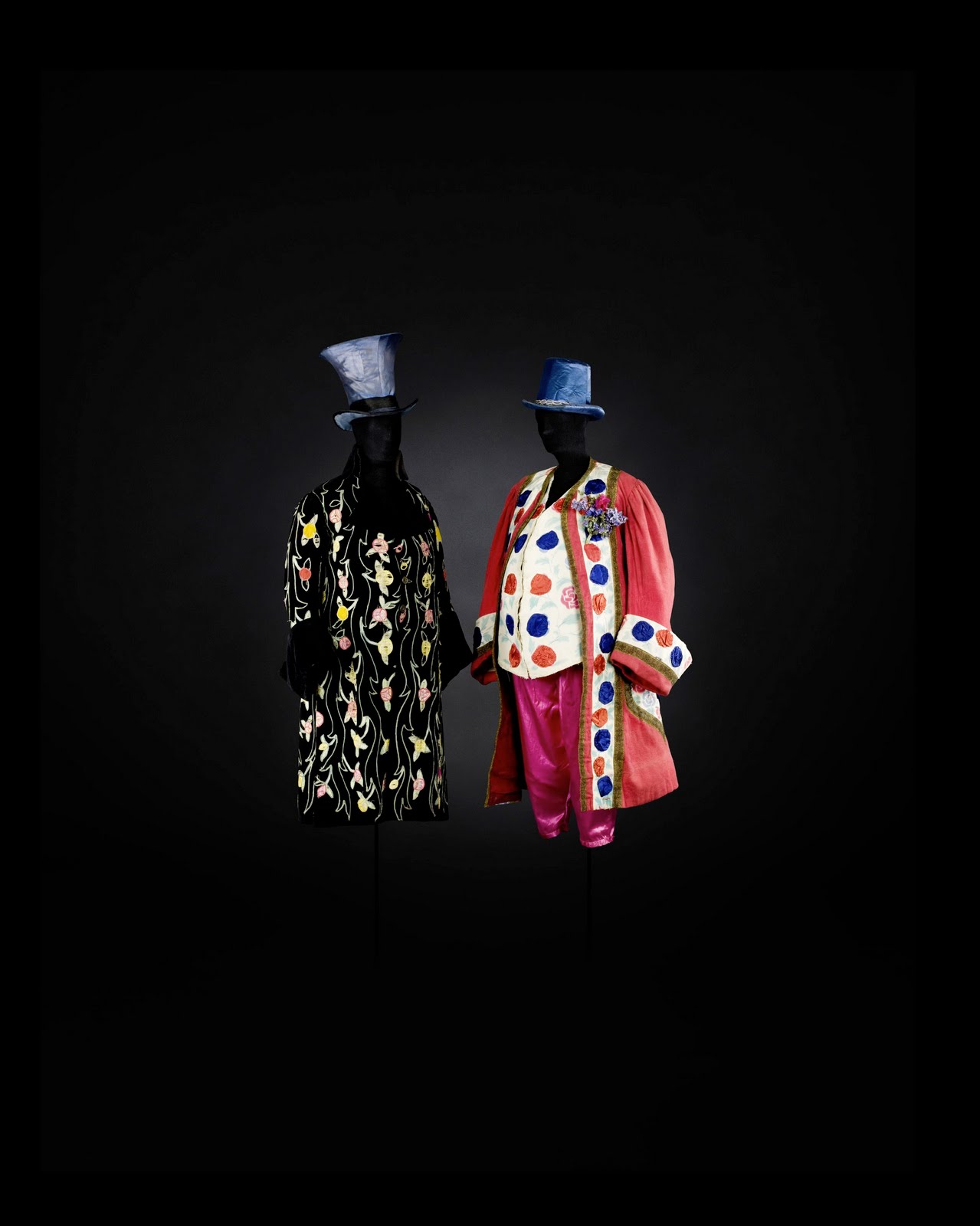
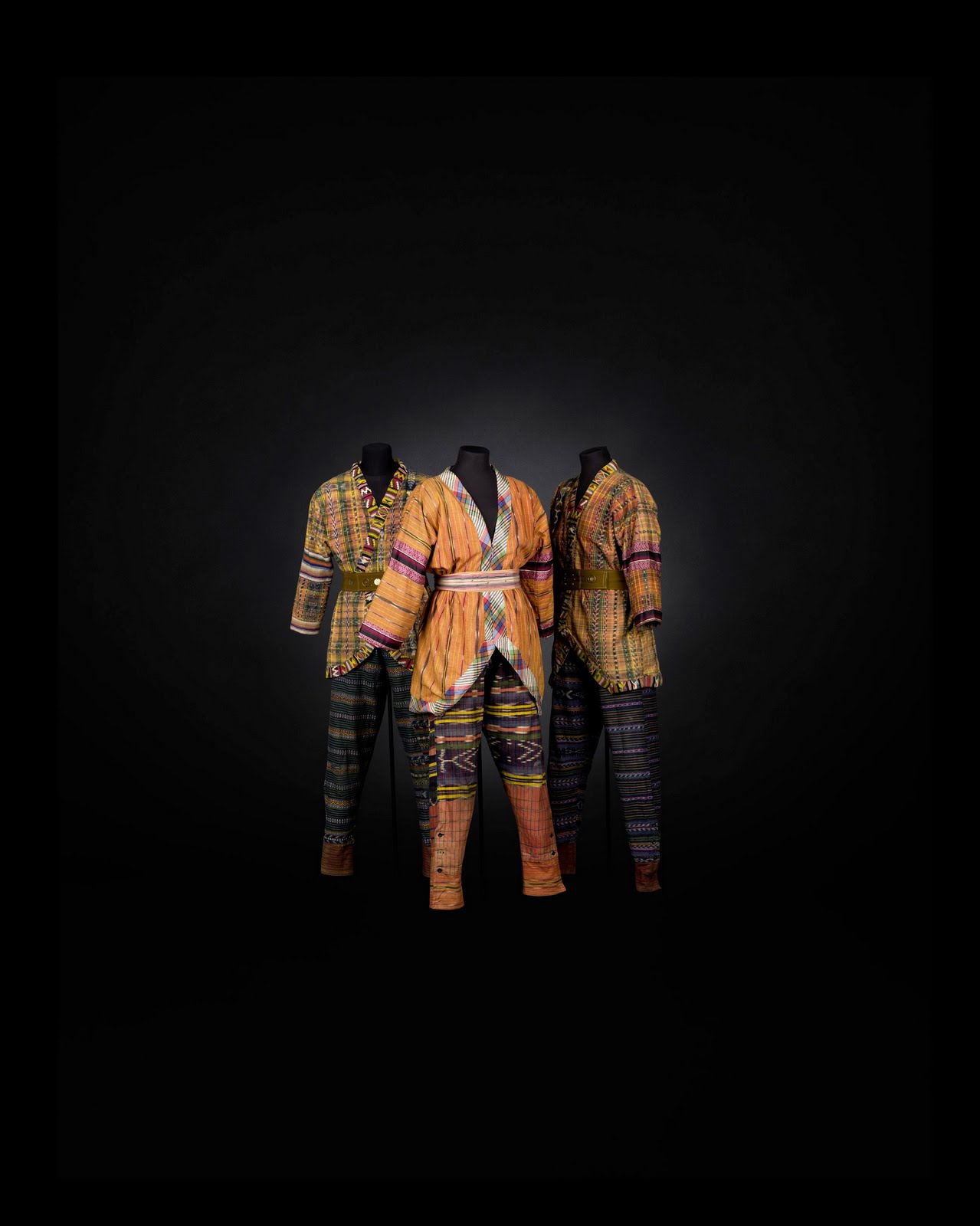
1. Costume for a chamberlain Le Chant du Rossignol, 1920 by Henri Matisse; 2. Costume for two young males in Shéhérazade,  1910 by Léon Bakst; 3. Léon Bakst, Le Dieu Bleu, 1912(1); 4. Léon Bakst, Le Dieu Bleu, 1912(2); 5. Léon Bakst, Schéhérazade, 1910; 6. Henri Matisse, Le Chant de Rossignol, 1920; 7. Natalia Gontcharova, Le Coq d´Or, 1914; 8. Léon Bakst, Le Dieu Bleu, 1912; 9. Alexander Golovin, L’Oiseau de feu, 1910; 10. Mikhail Larionov, Chout, 1921; 11. José-Maria Sert, Le Astuzie Femminili – Cimarosiana, 1924; 12. Nicholas Roerich, The Polovtsian Dances from Prince Igor, 1909

The National Gallery of Australia has a renowned collection of costumes from the Ballets Russes (the Russian Ballet), which was founded by the flamboyant Russian arts producer Serge Diaghilev (1872–1929). By integrating design, music and dance, and encouraging the artistic experimentation and collaboration of painters, choreographers and composers, Diaghilev created the new art of modern ballet. From 1909 to 1929, his company Les Ballets Russes de Serge Diaghilev performed in Paris, throughout Europe (although never in Russia) and in North and South America.  

Based in Paris from 1909, Diaghilev created opera and dance productions that brought the exoticism of Russian culture to a wider Western audience, and with it the work of Russian artists and designers such as Léon Bakst, Alexandre Benois, Natalia Goncharova and Mikhail Larionov; choreographers Michel Fokine and Léonide Massine; composers Igor Stravinsky, Alexander Borodin, Nikolai Rimsky-Korsakov and Nicholas Tcherepnin; and dancers such as Tamara Karsavina, Anna Pavlova, Adolph Bolm, Serge Lifar and Vaslav Nijinsky. Through the work of these artistic collaborators and performers Diaghilev was able to orchestrate and bring to life a new vision of the Slavic, oriental, baroque, romantic and later constructivist elements of Russian culture. 

Diaghilev’s association with the wider world of the arts led to him commissioning artists such as Pablo Picasso, Henri Matisse, André Derain, Robert and Sonia Delaunay, Georges Braque, José Maria Sert and Giorgio de Chirico to design costumes and scenery for a number of his productions. The costumes reveal aspects of these artists’ work as designers and provide insights into the nature of collaboration between the performing and visual arts. Valuable works such as Léon Bakst’s The blue god costume worn by Nijinsky in Le dieu bleu in 1912, Henri Matisse’s design for Costume for a mourner in the 1920 production of Le chant du rossignol and Giorgio de Chirico’s Costume for a male guest in the 1929 production of Le bal are some of the many highlights of the collection.  

The costumes designed and worn by Diaghilev’s designers and dancers from 1909 to 1929 form the main part of the Gallery’s Ballets Russes collection, and complementing these are costumes from some of the productions of his successor Colonel Wassily de Basil, whose companies revived much of Diaghilev’s repertoire from 1932 to the late 1940s. 

With Diaghilev’s untimely death in Venice in 1929, the Ballets Russes disbanded, and a diaspora of its dancers and choreographers formed new and influential dance companies in North America and Europe. In 1932 de Basil and René Blum formed a new company, Les Ballets Russes de Monte Carlo, which de Basil took over as sole director in 1935. This company (under various names and business arrangements) toured to Australia in 1936, 1938–39 and 1939–40, creating a sensation with its repertoire of Diaghilev and newer productions and its integration of avant-garde design with innovative performance and music. The legacy of the Ballets Russes is its role in the introduction of modern dance in Australia, led by a number of the company’s dancers and choreographers who remained in Australia or returned to work here. This legacy is currently being examined during a four-year collaborative research project between the National Library of Australia, The Australian Ballet and the University of Adelaide, which will provide a further Australian dimension to the National Gallery of Australia’s collection.  

Following the demise of de Basil’s company in 1951, its rich remaining stock of Diaghilev’s original costumes and those from de Basil’s earlier companies, maintained in Paris long after their arduous life on the stage, eventually found their way into several major museum collections during the 1960s and 1970s, including that of the then fledgling Australian National Gallery (now the National Gallery of Australia), which acquired a large group of Ballets Russes costumes in 1973 and again in 1976.1 The Gallery’s collection of Ballets Russes costumes is one of its major assets and is one of the world’s largest collections of this material. The last exhibition of these costumes, From Russia with love, was staged by the National Gallery of Australia in 1999. Selections from the collection, focusing on individual productions of the Ballets Russes, are regularly displayed in the International Art galleries to show their relationship to, and influence on other design and decorative arts of the early twentieth century. 

Many of these costumes have been restored during the past twenty years by the Gallery’s textile conservators. Their painstaking work continues on a group of costumes not previously exhibited due to their degraded condition. The conservators’ long experience with the particular characteristics of the Ballets Russes designers’ materials and construction methods allows for the complex and sometimes seemingly impossible reconstruction of costumes that have had little care since they were last donned for performance. The conservators’ brief is to maintain the working and visual condition of costumes that have been used, while repairing and replacing elements of their fabric that have been lost or damaged by insects or extended exposure to light.  

Robert Bell
Senior Curator, Decorative Arts and Design

National Gallery of Australia
From Russia with love

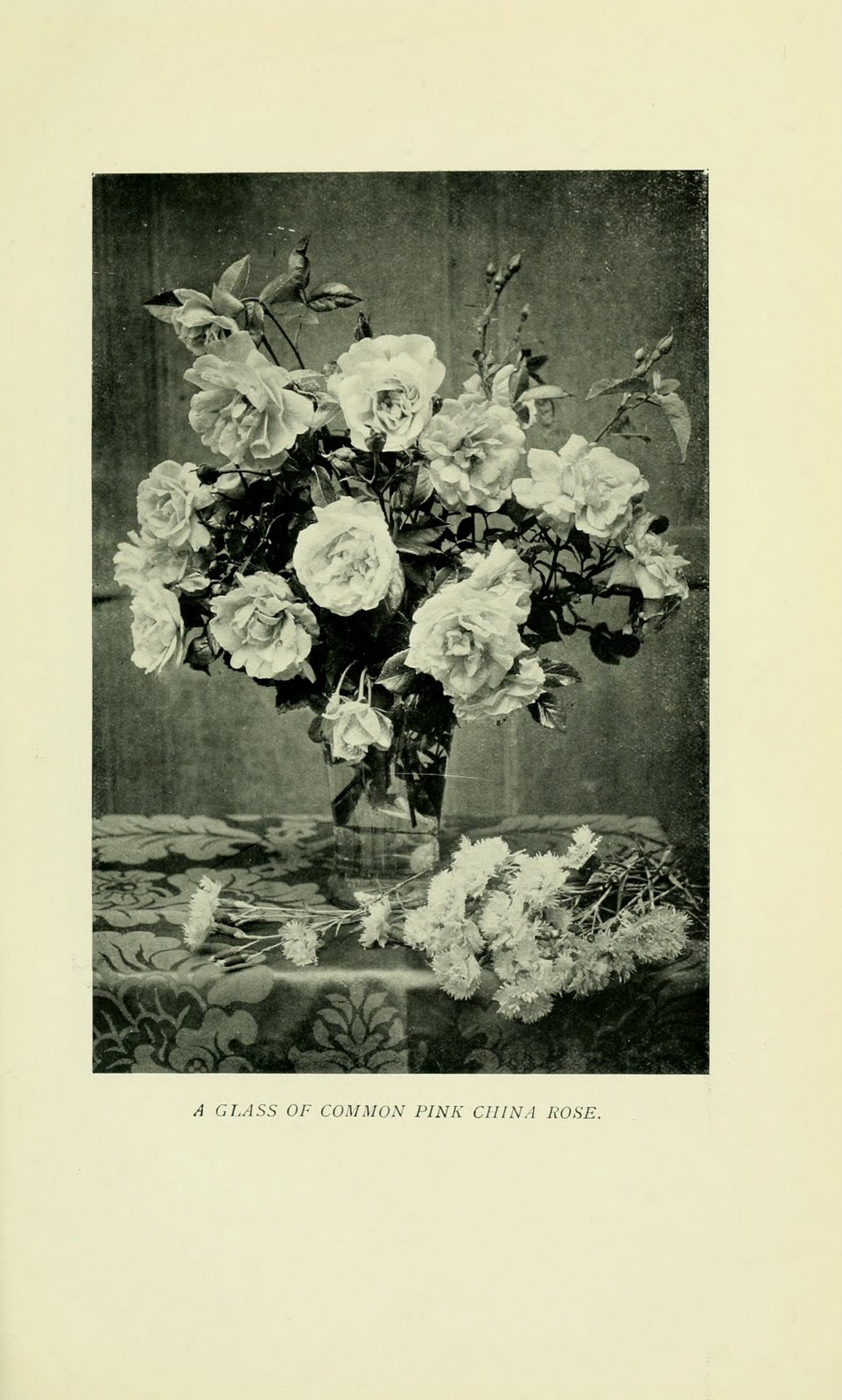
Rose

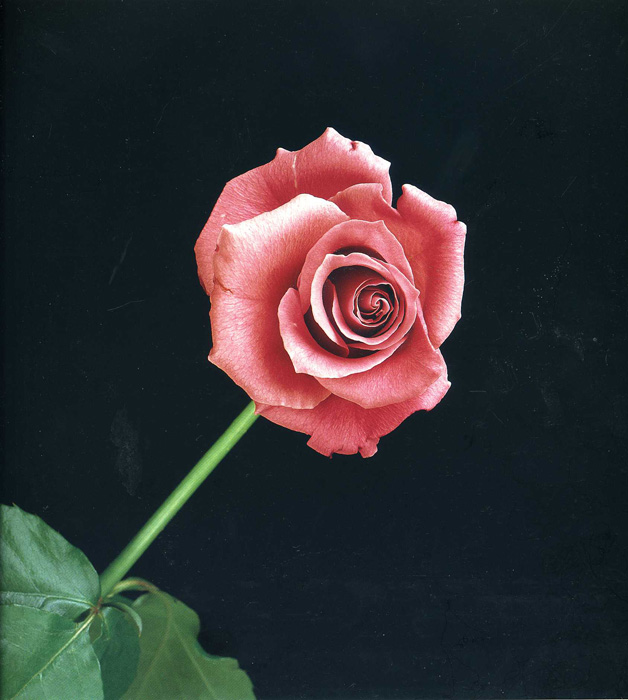
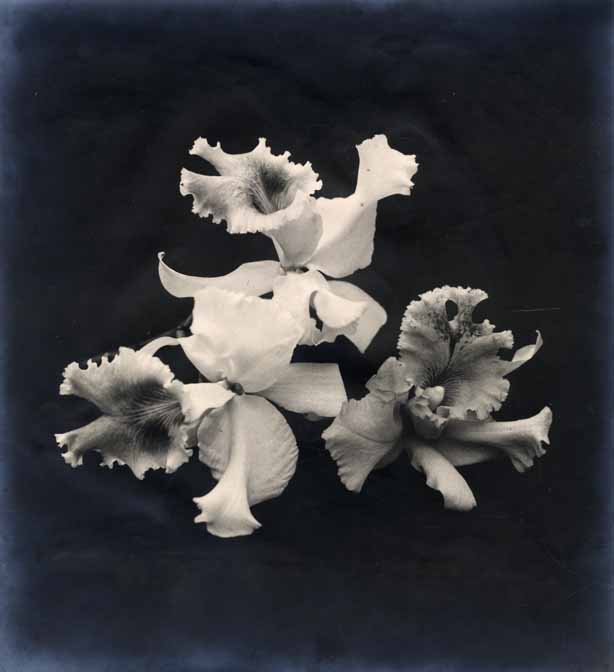
Robert Mapplethorpe’s flower art photography

“I am obsessed with beauty,” he explained to Anne Horton in a 1987 interview.  “I want everything to be perfect and, of course, it isn’t.  And that’s a tough place to be because you’re never really satisfied.”  Mapplethorpe: A Biography by Patricia Morrisroe

Ladies Who Launch

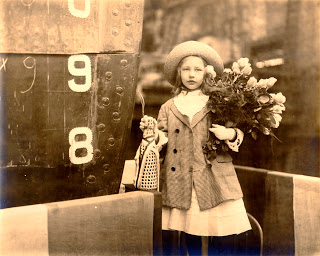
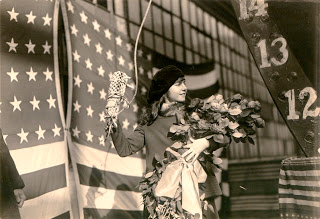
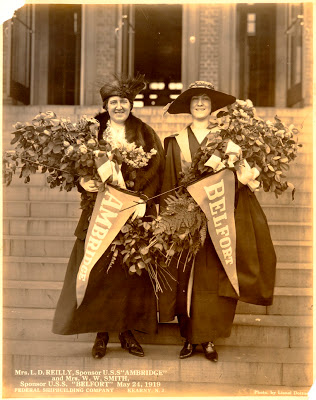
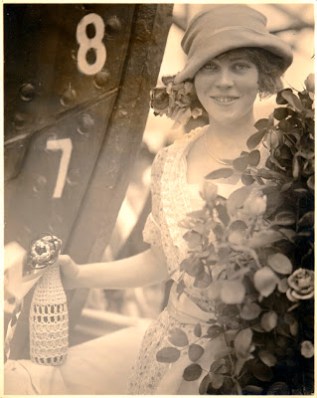
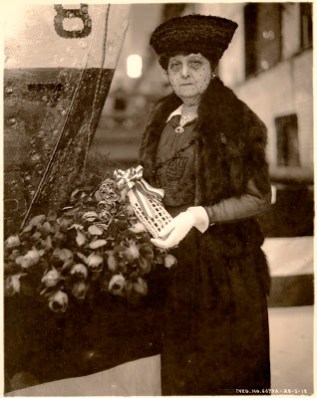
Ship Christening Photographs from Delaware Valley Shipyards

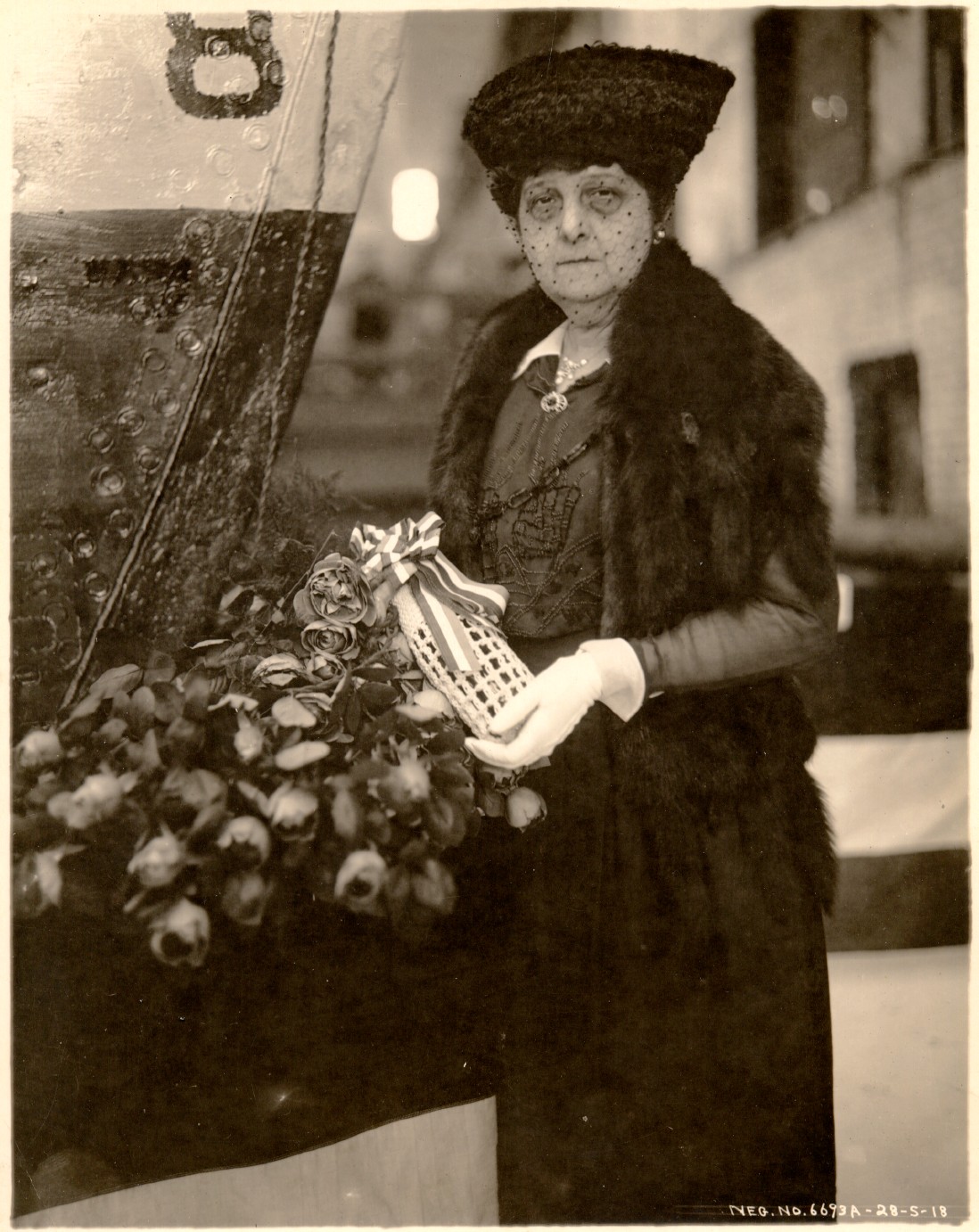
Ship launching ceremonies have been recorded as long ago as 3,000 B. C. Although modern ceremonies no longer include such ancient customs as animal sacrifice to the gods, the sentiment behind them is the same as in ages past: to officially name the ship and bless it on its voyages.
In America, women became the preferred sponsors of ships around the 1840s, charged with breaking a bottle of spirits over the bow. Champagne eventually became the libation of choice for its effervescence.
Local shipyards documented their ceremonies with photographs of the participants, leaving us a record not only of the massive machinery they produced, but also of the human ritual that made an appeal to forces beyond mere technology.
USS Sonoma, 1912
Sinclair Oil Company tanker, c. 1921
SS Eurana, 1921
USS Reuben James, 1919
USS Twiggs, 1918

Ladies Who Launch

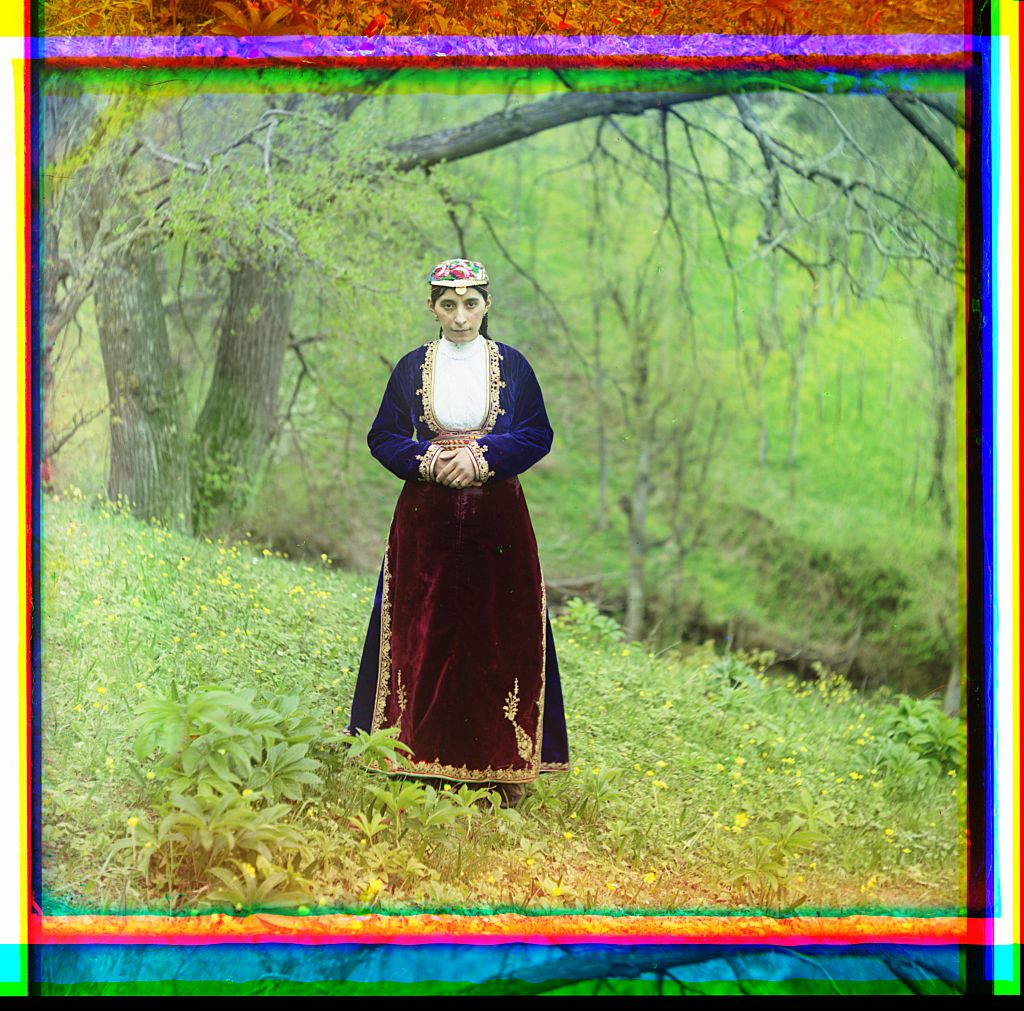
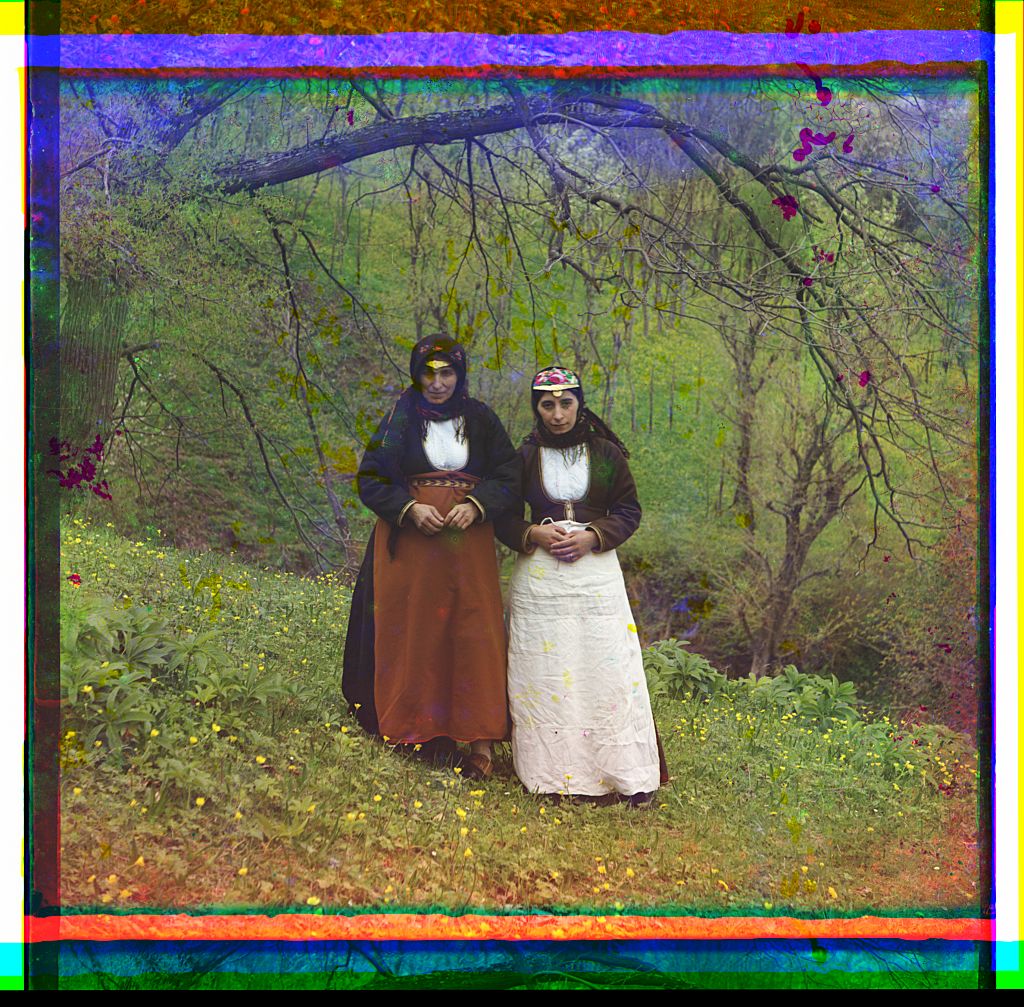
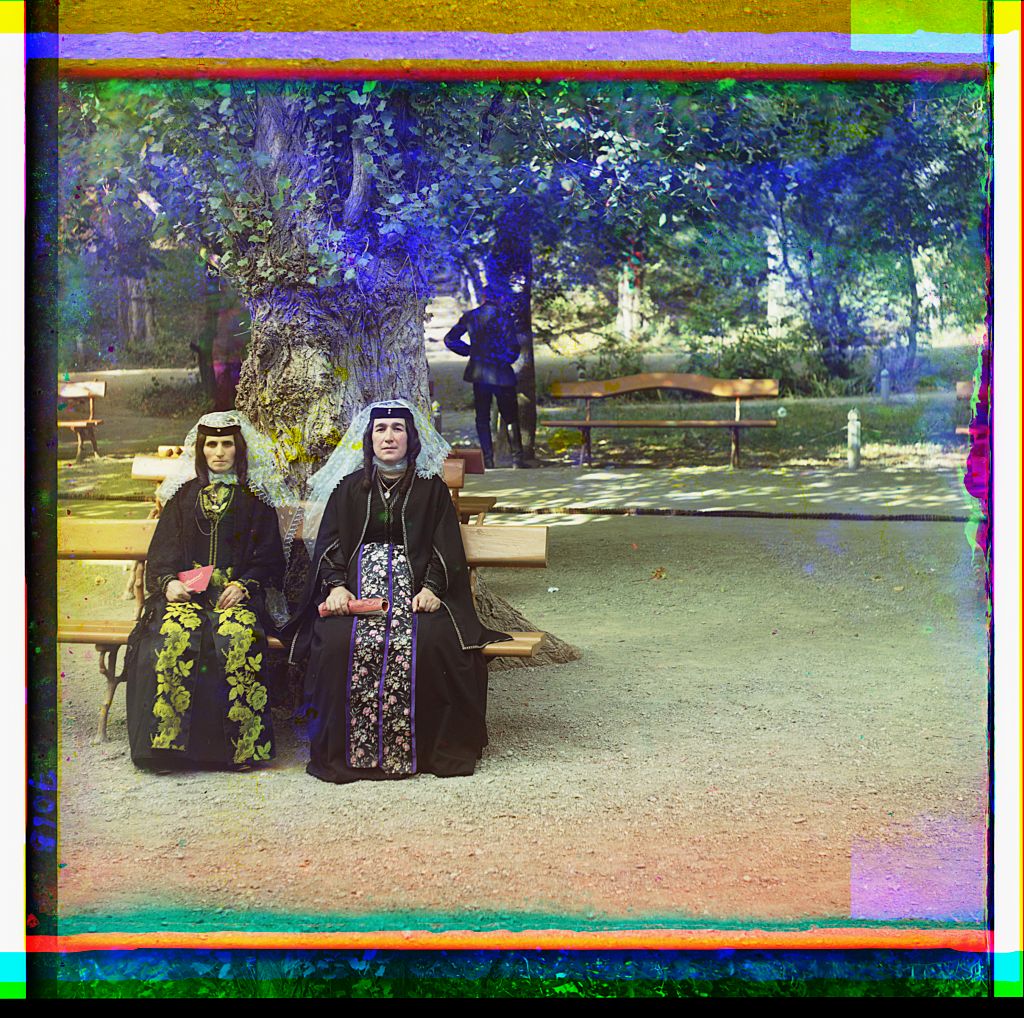
Armenian women

Armenian woman in national costume, Artvin [between 1905 and 1915]
Armenian women (Catholics) in customary dress, Artvin [between 1905 and 1915]
Armenian women in holiday attire, Artvin [between 1905 and 1915]

Photographer to the Tsar: Sergei Mikhailovich Prokudin-Gorskii

Portrait of Prokudin-GorskiiThe photographs of Sergei Mikhailovich Prokudin-Gorskii (1863-1944) offer a vivid portrait of a lost world–the Russian Empire on the eve of World War I and the coming revolution. His subjects ranged from the medieval churches and monasteries of old Russia, to the railroads and factories of an emerging industrial power, to the daily life and work of Russia’s diverse population. 

In the early 1900s Prokudin-Gorskii formulated an ambitious plan for a photographic survey of the Russian Empire that won the support of Tsar Nicholas II. Between 1909-1912, and again in 1915, he completed surveys of eleven regions, traveling in a specially equipped railroad car provided by the Ministry of Transportation.

Prokudin-Gorskii left Russia in 1918, going first to Norway and England before settling in France. By then, the tsar and his family had been murdered and the empire that Prokudin-Gorskii so carefully documented had been destroyed. His unique images of Russia on the eve of revolution–recorded on glass plates–were purchased by the Library of Congress in 1948 from his heirs. For this exhibition, the glass plates have been scanned and, through an innovative process known as digichromatography, brilliant color images have been produced. This exhibition features a sampling of Prokudin-Gorskii’s historic images produced through the new process; the digital technology that makes these superior color prints possible; and celebrates the fact that for the first time many of these wonderful images are available to the public.

Born in Murom, Vladimir Province, Russia (originally believed to be St. Petersburg) in 1863 and educated as a chemist, Prokudin-Gorskii devoted his career to the advancement of photography. He studied with renowned scientists in St. Petersburg, Berlin, and Paris. His own original research yielded patents for producing color film slides and for projecting color motion pictures. Around 1907 Prokudin-Gorskii envisioned and formulated a plan to use the emerging technological advancements that had been made in color photography to systematically document the Russian Empire. Through such an ambitious project, his ultimate goal was to educate the schoolchildren of Russia with his “optical color projections” of the vast and diverse history, culture, and modernization of the empire. Outfitted with a specially equipped railroad car darkroom provided by Tsar Nicholas II, and in possession of two permits that granted him access to restricted areas and cooperation from the empire’s bureaucracy, Prokudin-Gorskii documented the Russian Empire around 1907 through 1915. He conducted many illustrated lectures of his work. Prokudin-Gorskii left Russia in 1918, after the Russian Revolution, and eventually settled in Paris, where he died in 1944.
The Empire That Was Russia

About the Prokudin-Gorskii Collection at The Library of Congress

The Sergei Mikhailovich Prokudin-Gorskii Collection features color photographic surveys of the vast Russian Empire made between ca. 1905 and 1915. Frequent subjects among the 2,607 distinct images include people, religious architecture, historic sites, industry and agriculture, public works construction, scenes along water and railway transportation routes, and views of villages and cities. An active photographer and scientist, Prokudin-Gorskii (1863-1944) undertook most of his ambitious color documentary project from 1909 to 1915. The Library of Congress purchased the collection from the photographer’s sons in 1948.  
Prokudin-Gorskii Collection