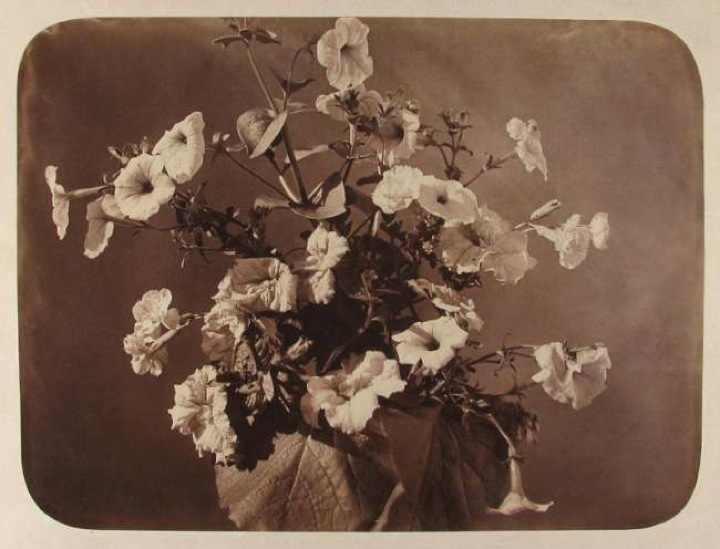
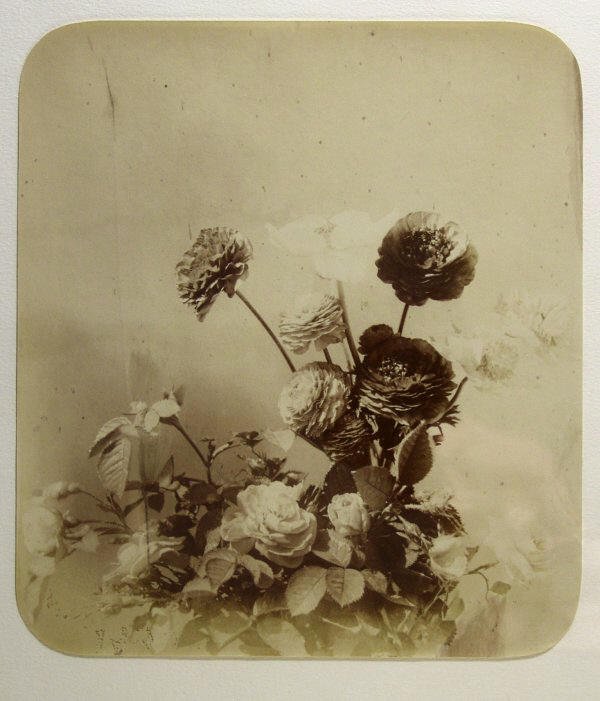
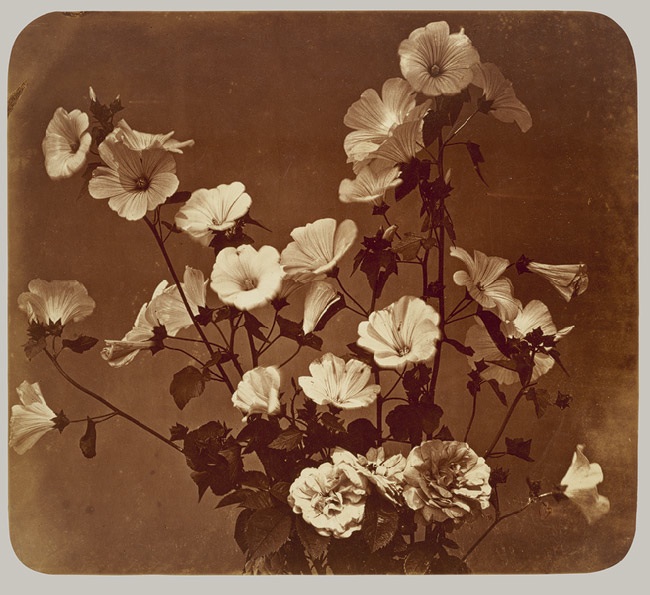
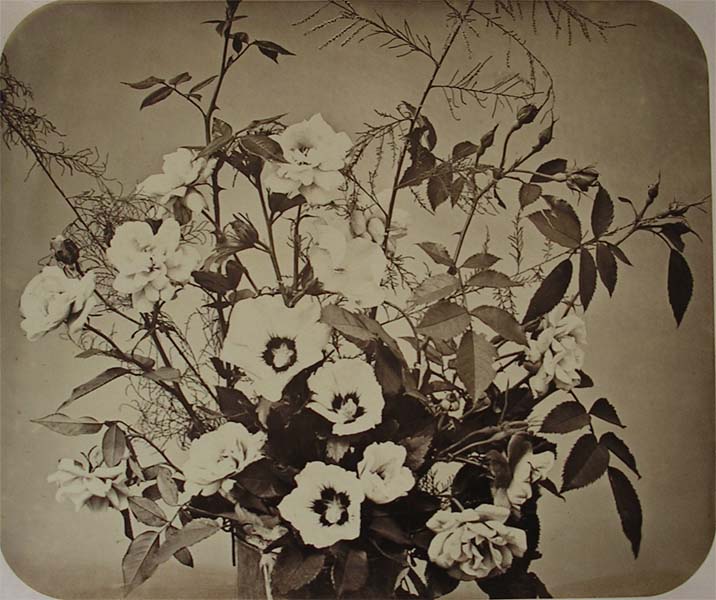
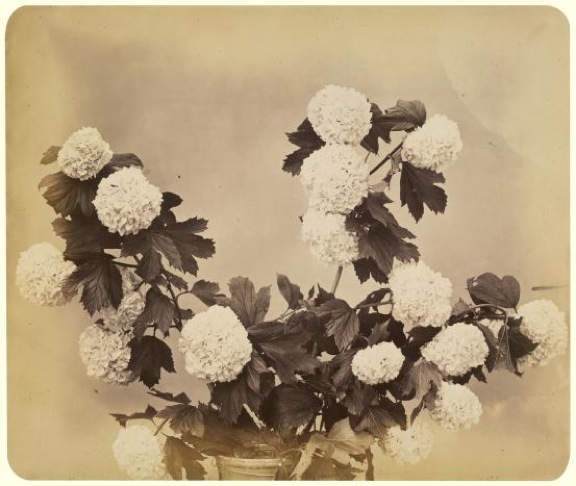
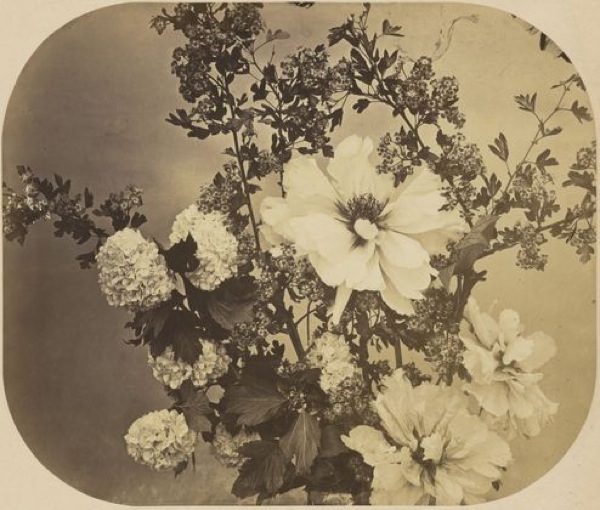
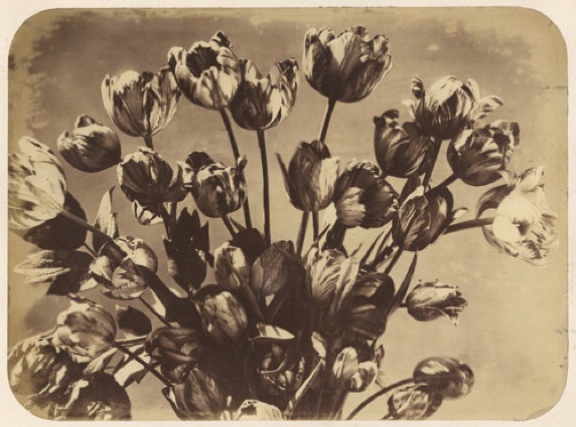
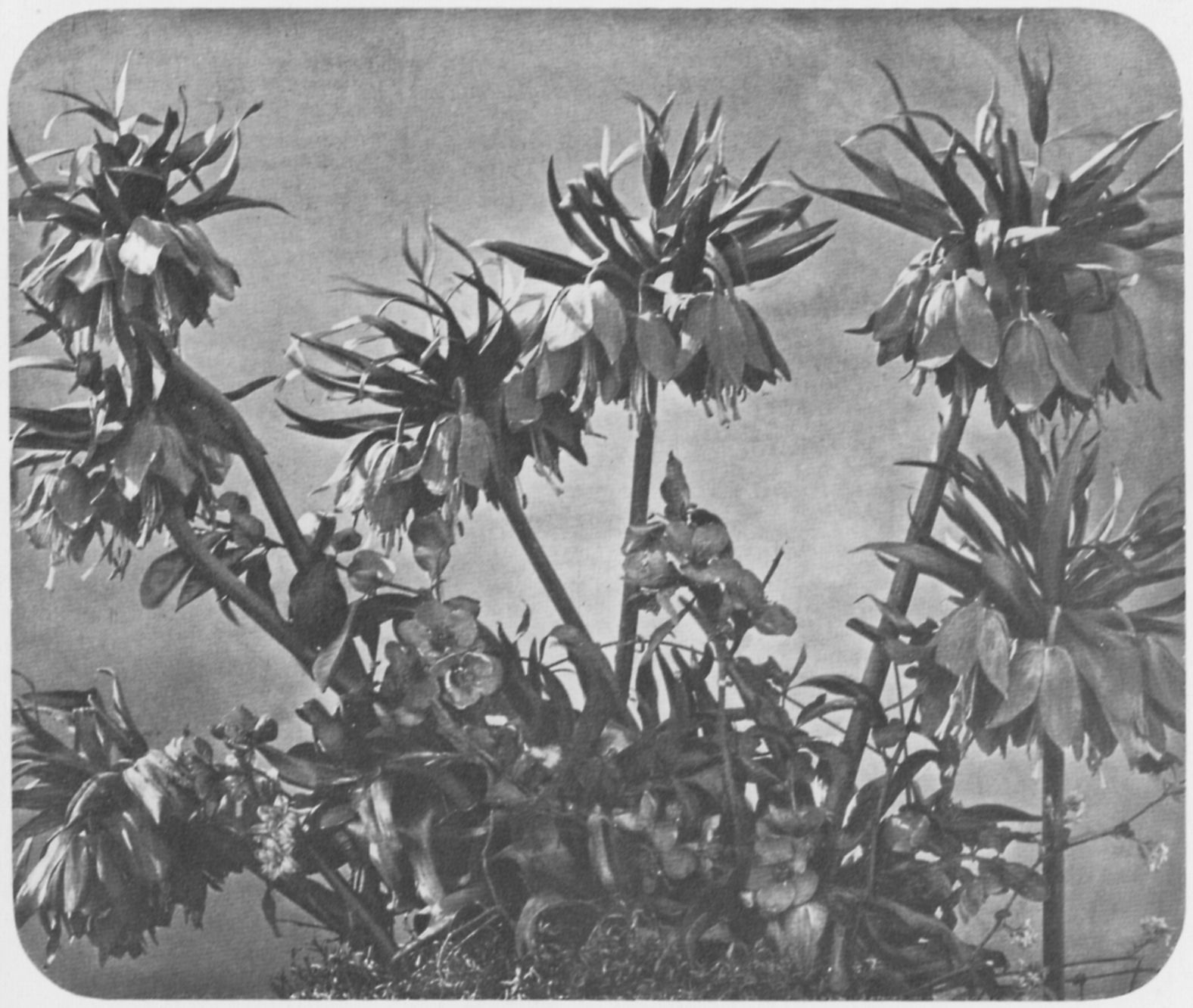
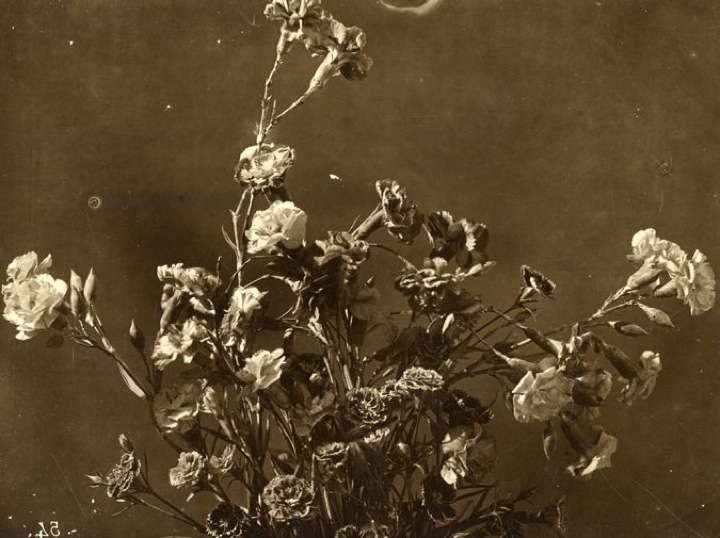
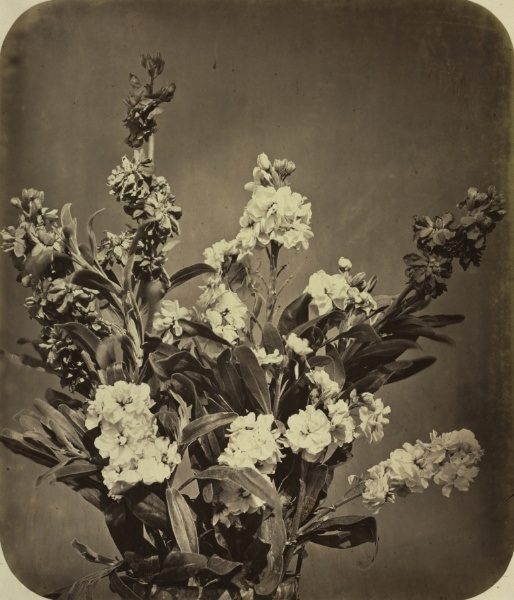
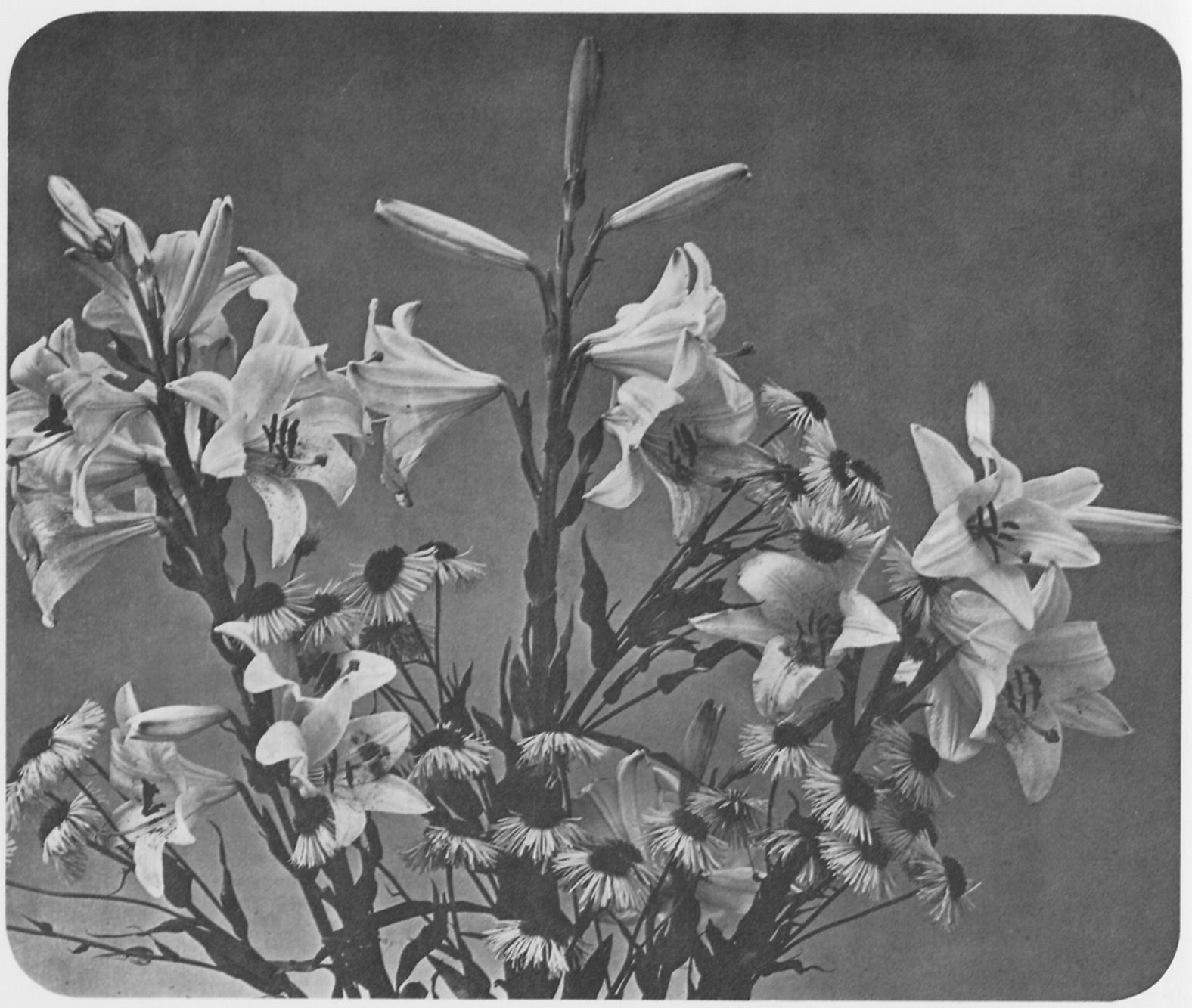
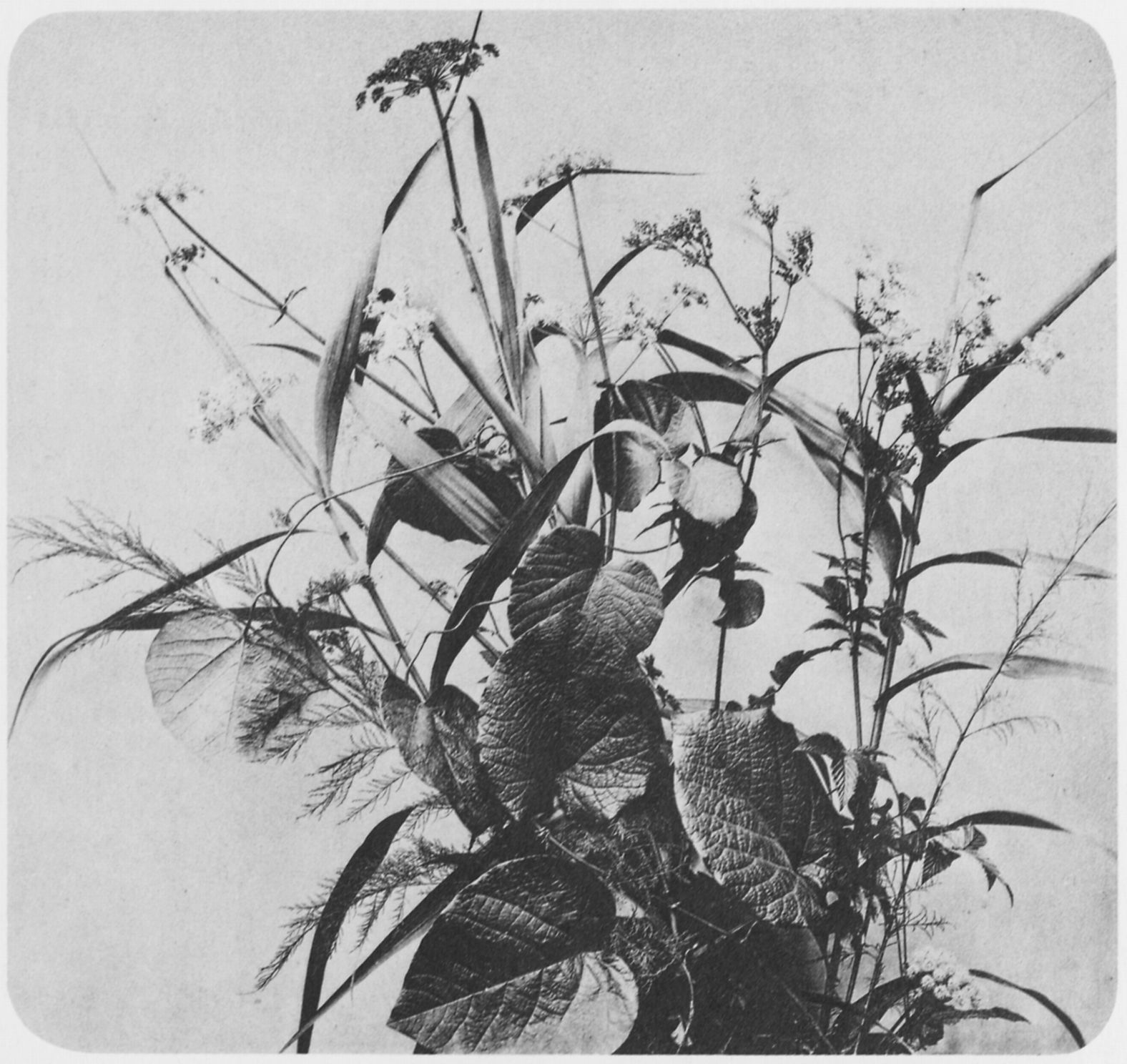
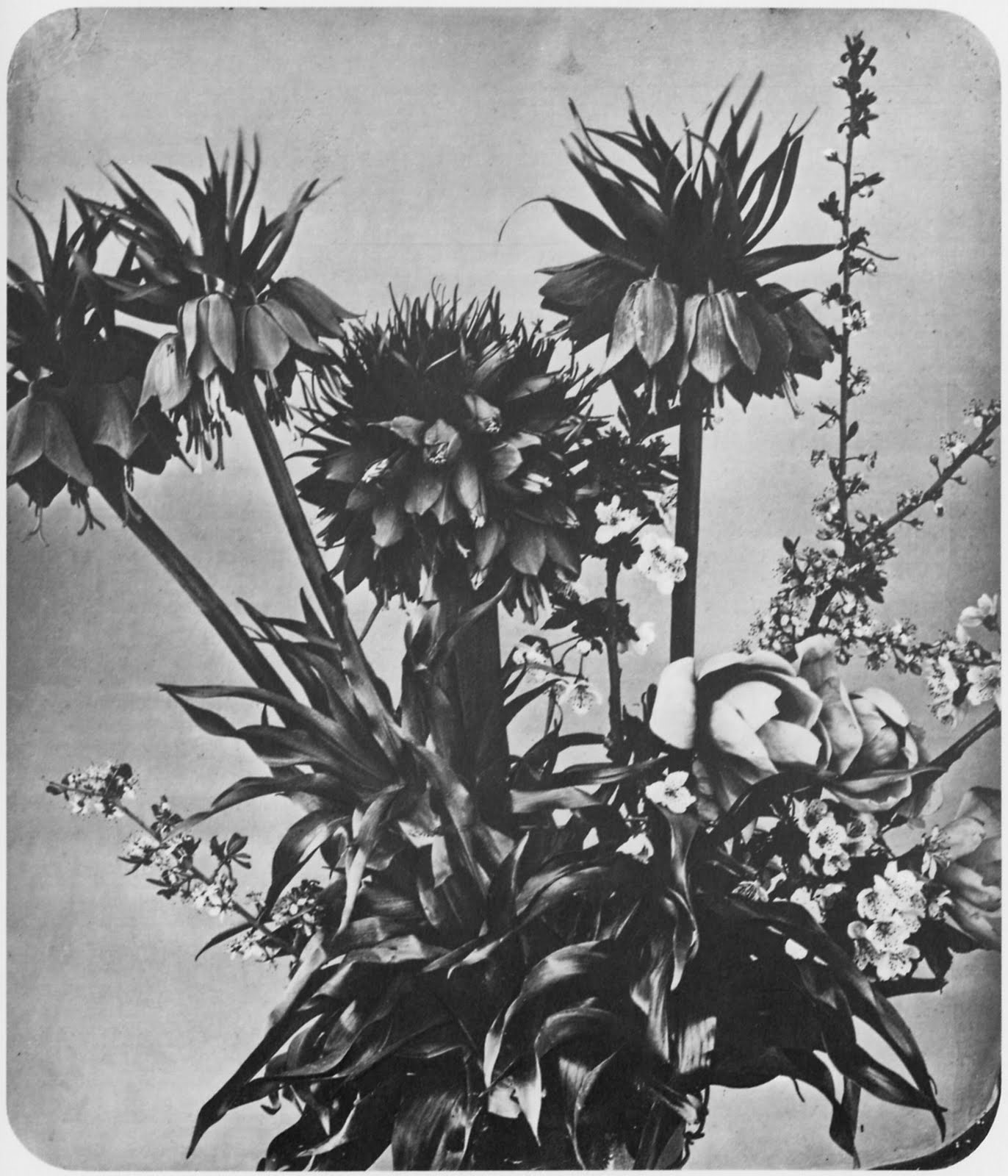
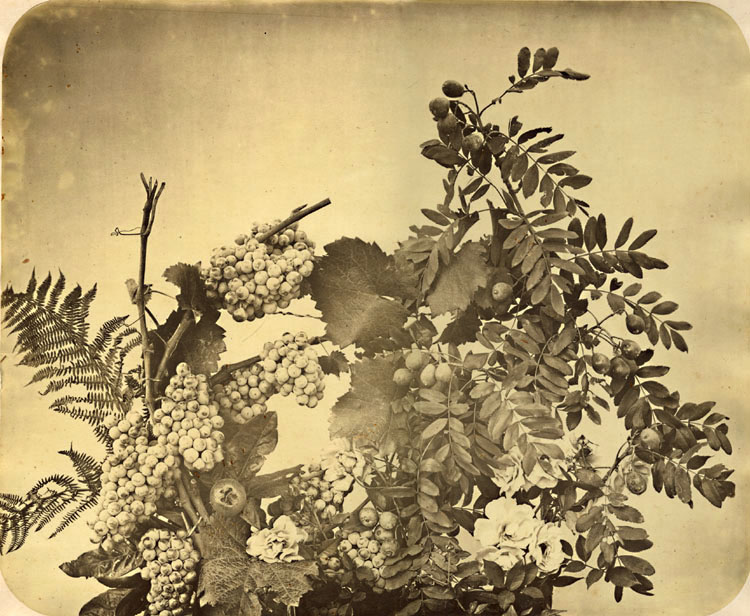
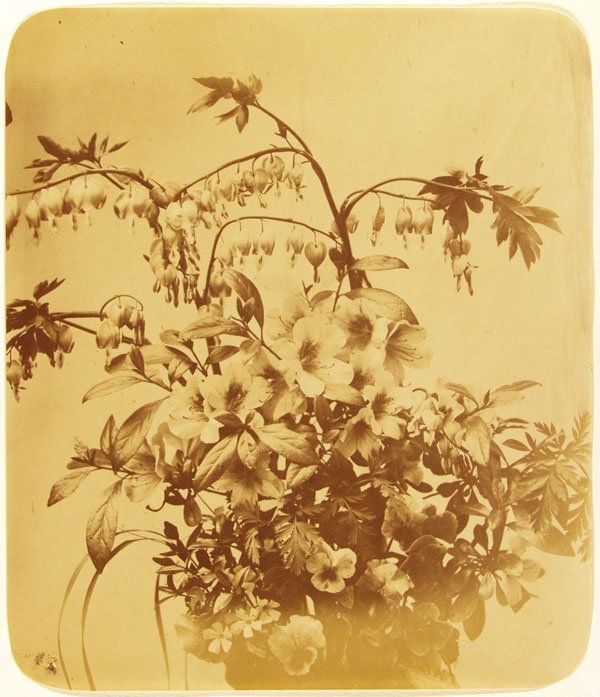
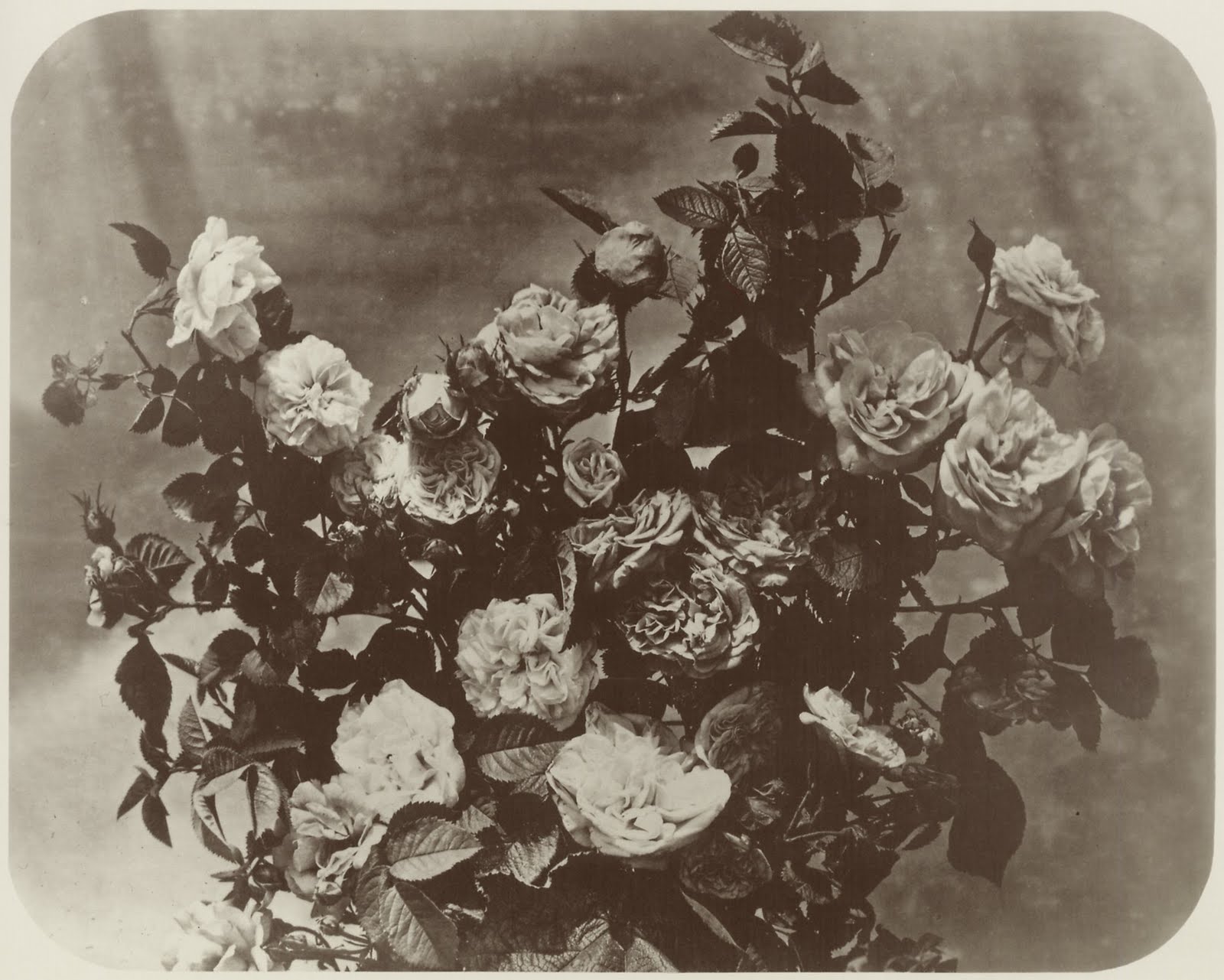
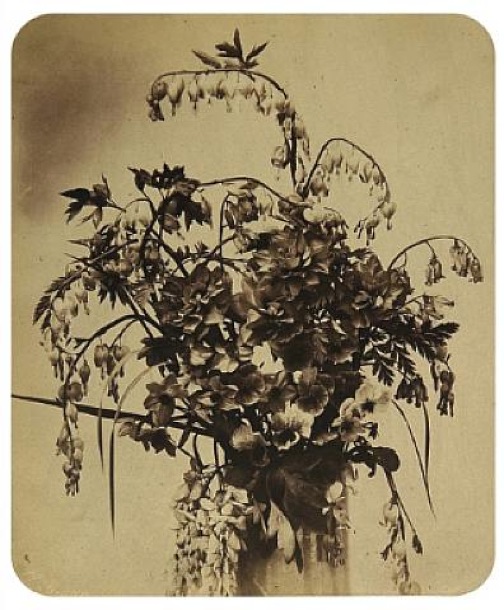
Trained as a fabric designer, Braun turned to photography in 1853. His album Fleurs photographiées earned him a medal at the 1855 Paris Exposition Universelle.
“There is no progress in art, any more than there is progress in making love. There are simply different ways of doing it.” Man Ray
Trained as a fabric designer, Braun turned to photography in 1853. His album Fleurs photographiées earned him a medal at the 1855 Paris Exposition Universelle.
 |
|
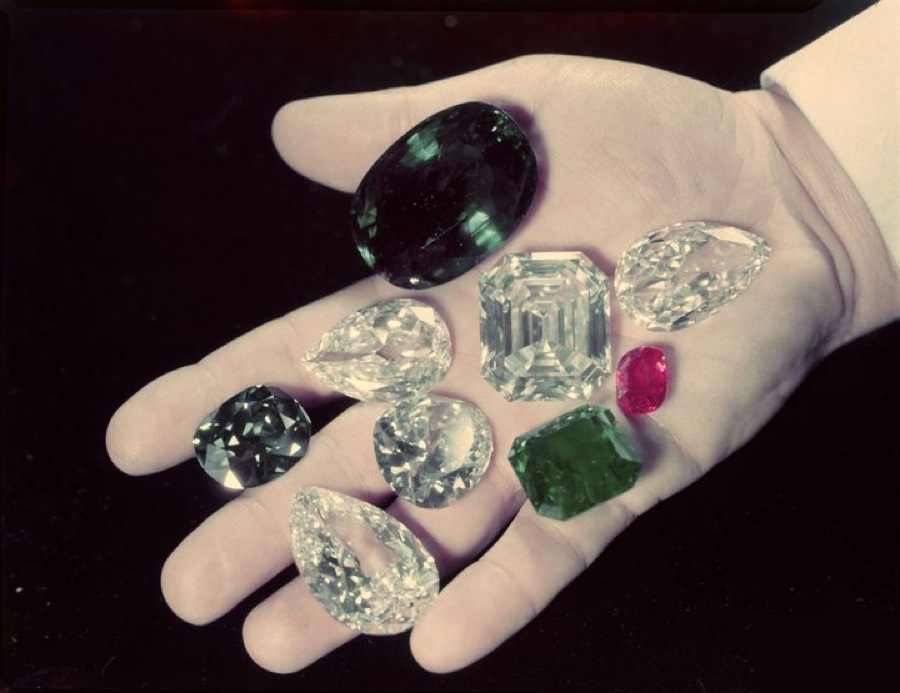
| Palm of jeweler Harry Winston displaying some of the gems in his collection including the Sapphire of Catherine the Great (next to thumb), the Hope Diamond (between index & middle) the Royal Spanish Emerald (green), the Idol’s Eye (to L of emerald) the Jonker Diamond (C, square cut) the Star of the East diamond ( tear shaped, bottom) a large ruby, & pair of 50 carat matched pear shaped diamonds. Bernard Hoffman; LIFE images |
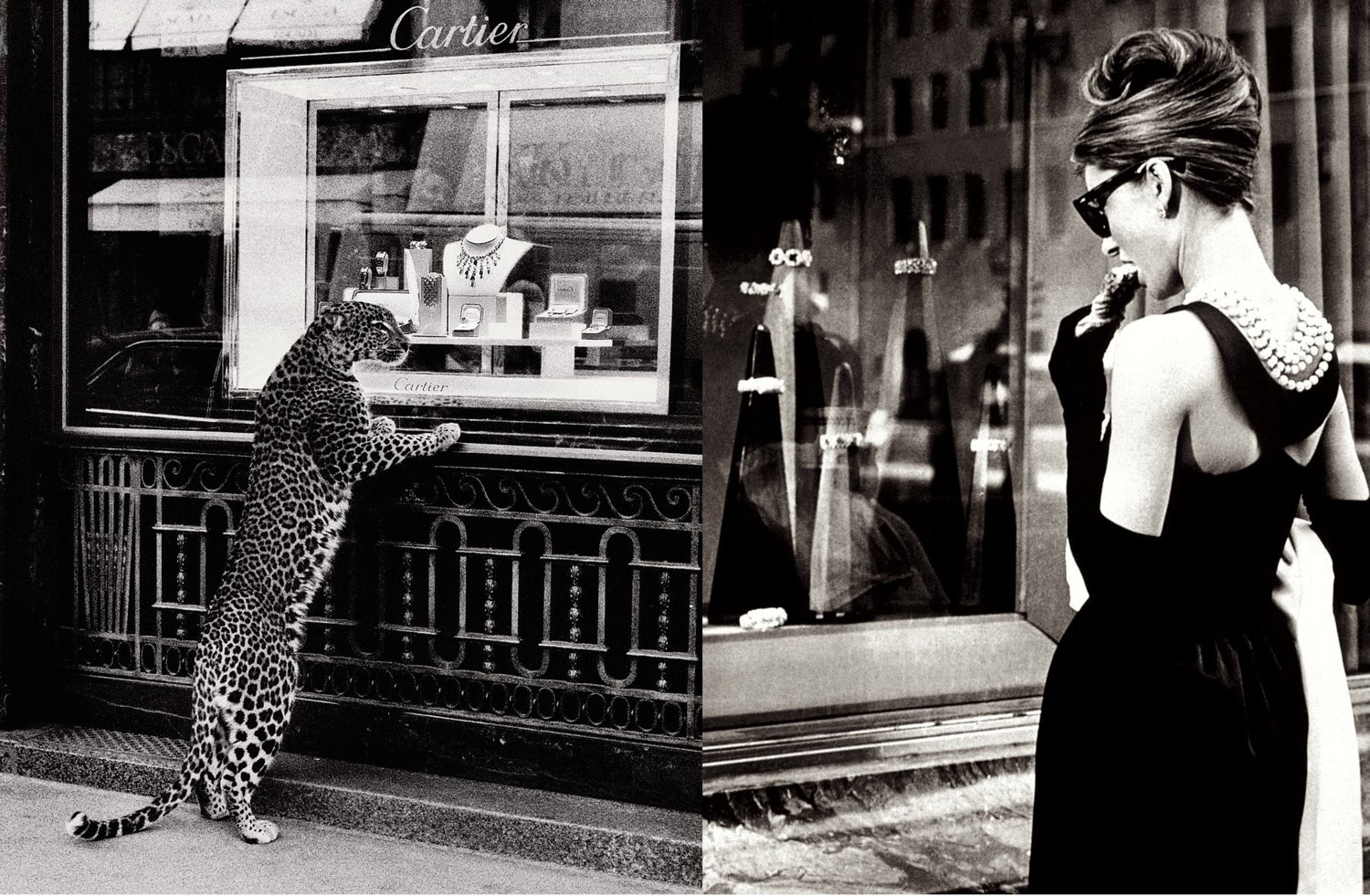 |
| Cartier, Tiffany |
 |
|
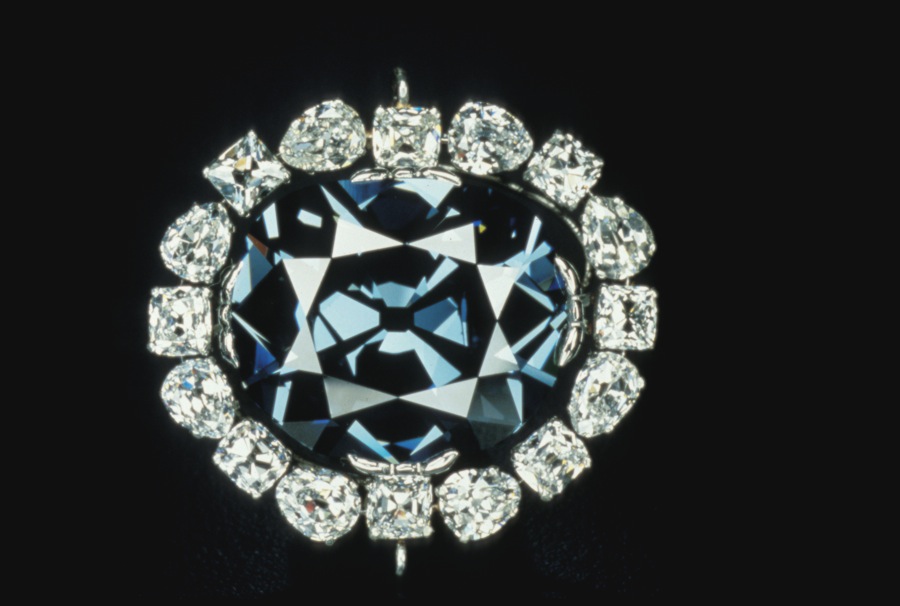
| The famous Hope Diamond |
 |
|
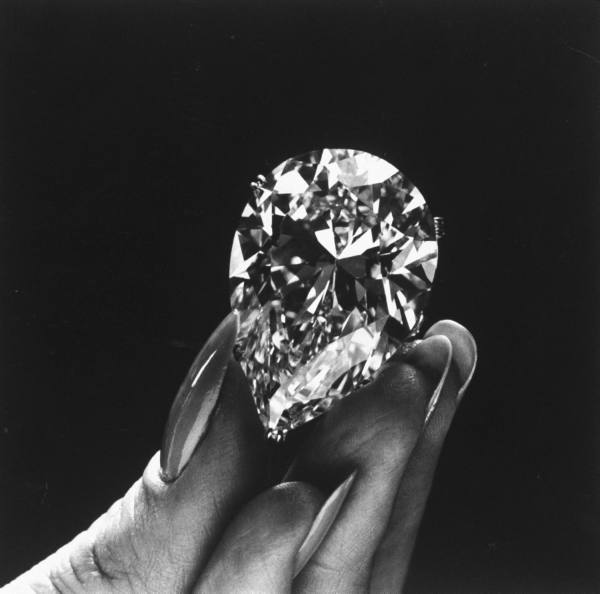
| Taylor-Burton Diamond |
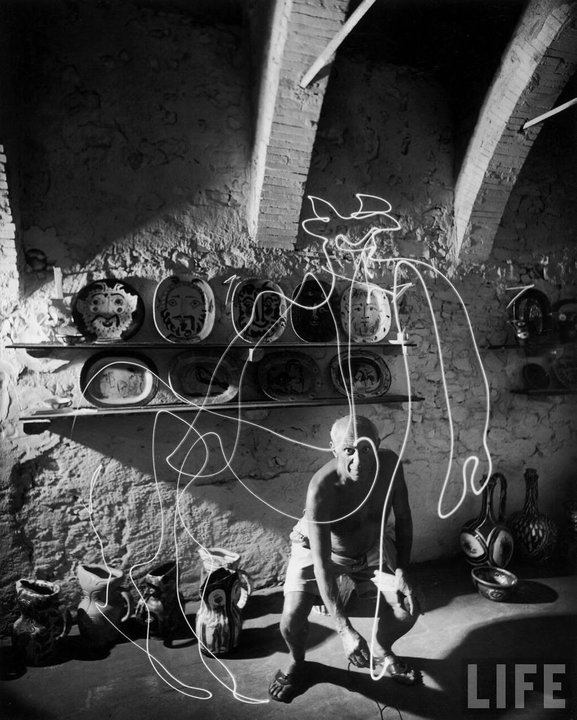
The series of photographs Picasso’s light drawings were made with a small flashlight in a dark room. The images vanished almost as soon as they were created.
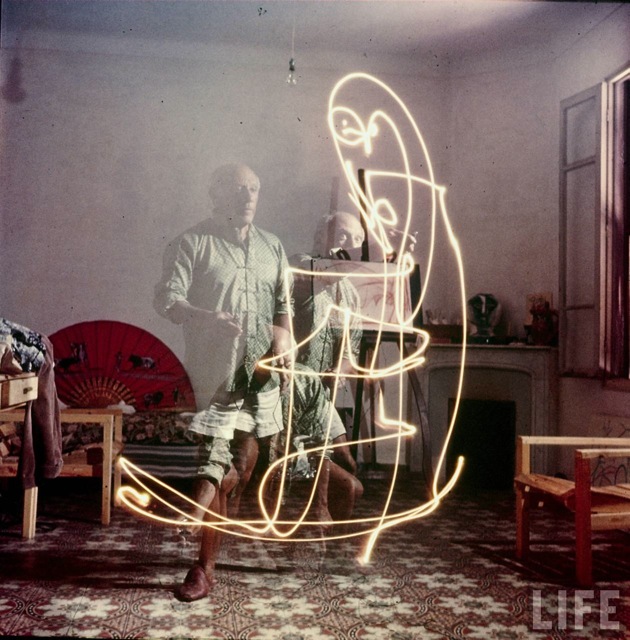 |
| Pablo Picasso |
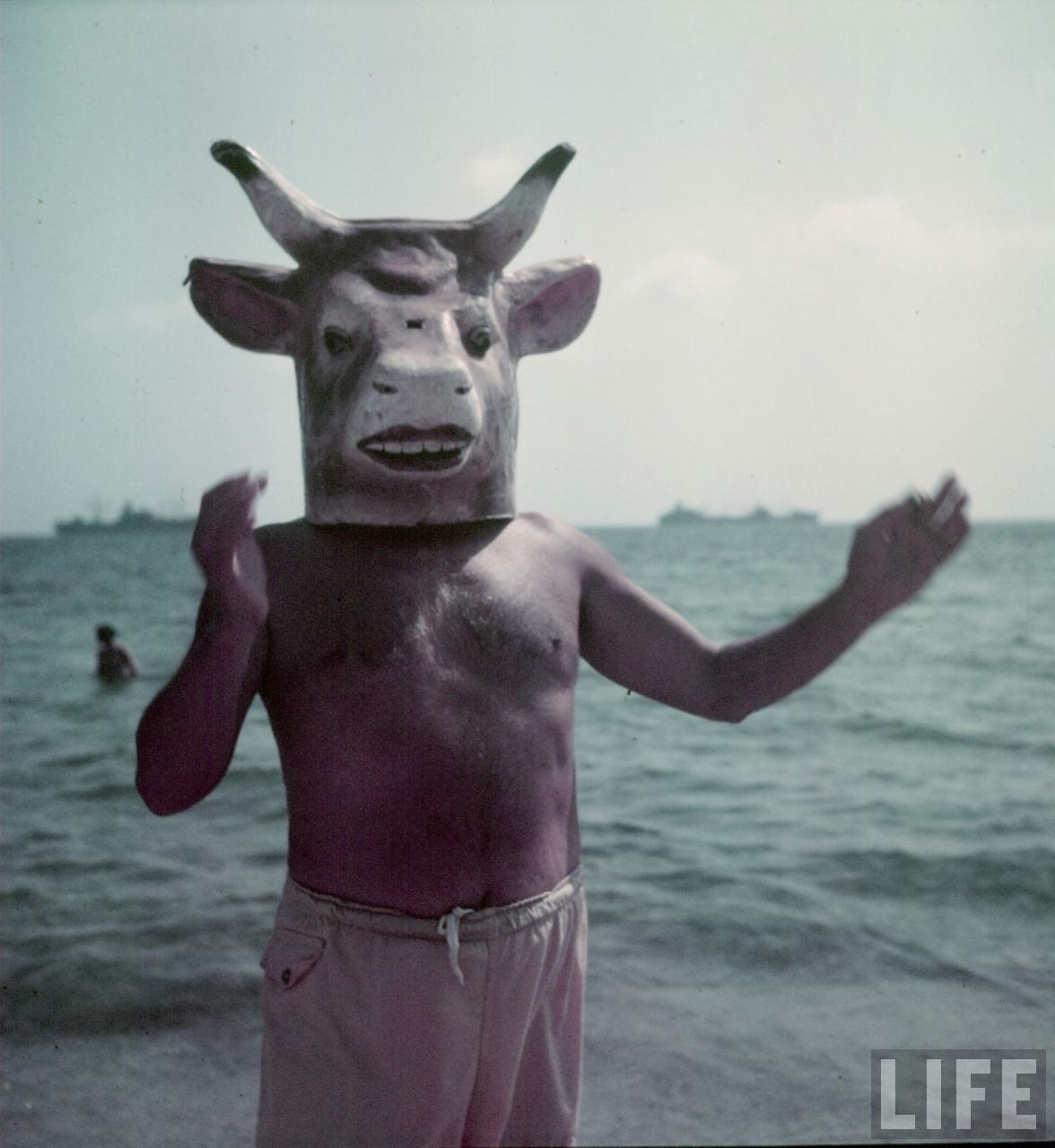 |
|
| Pablo Picasso |
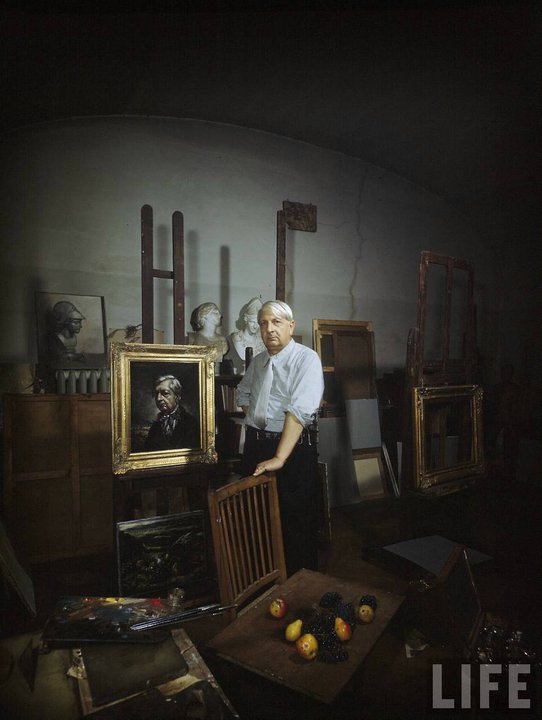 |
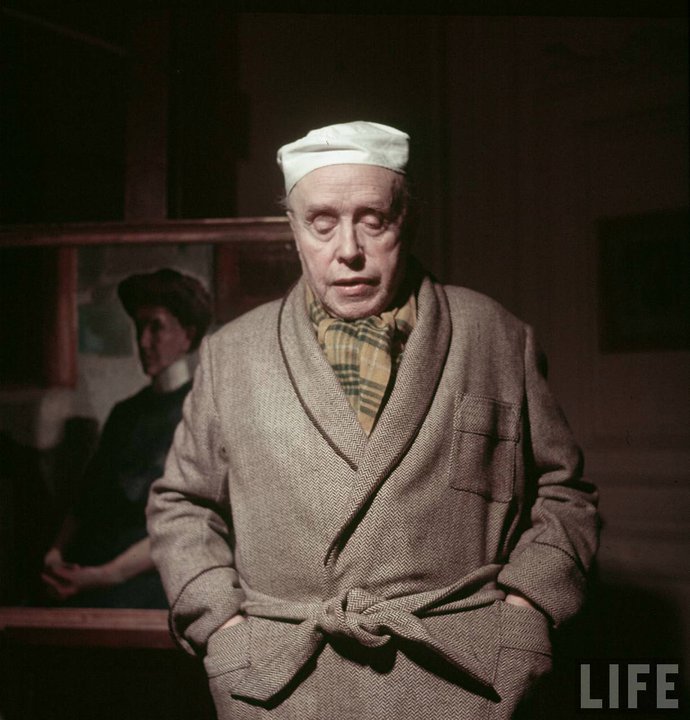
| Giorgio de Chirico |
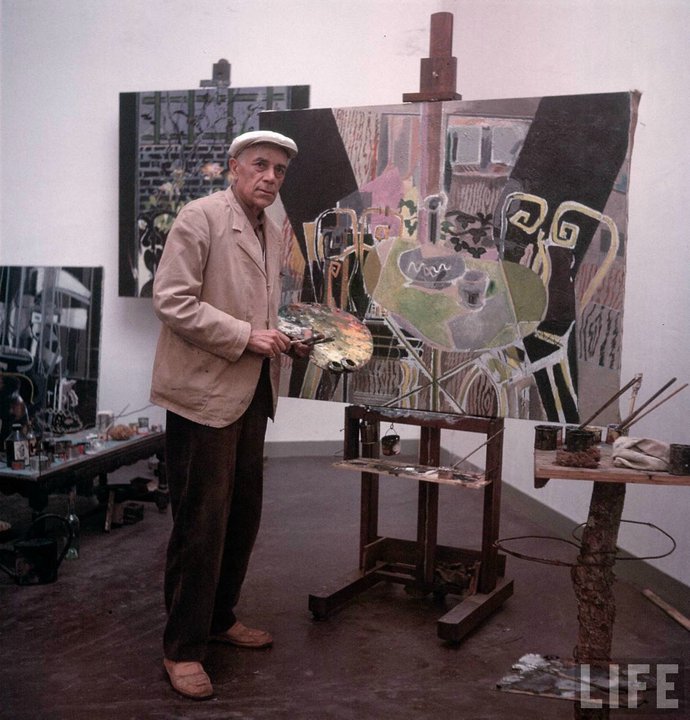 |
| Georges Braque |
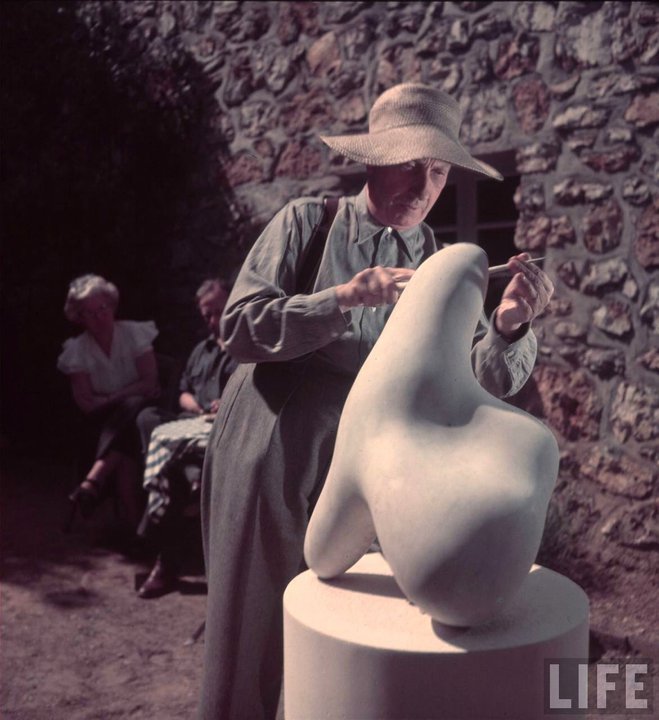 |
| Jean Arp |
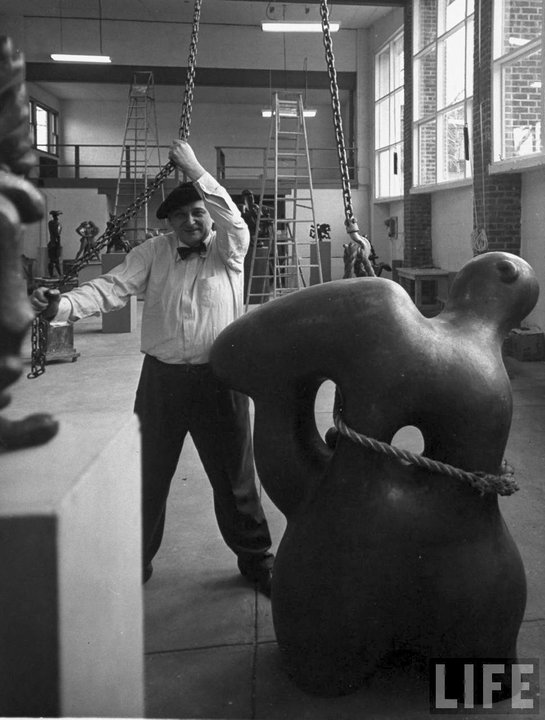 |
| Jacques Lipschitz |
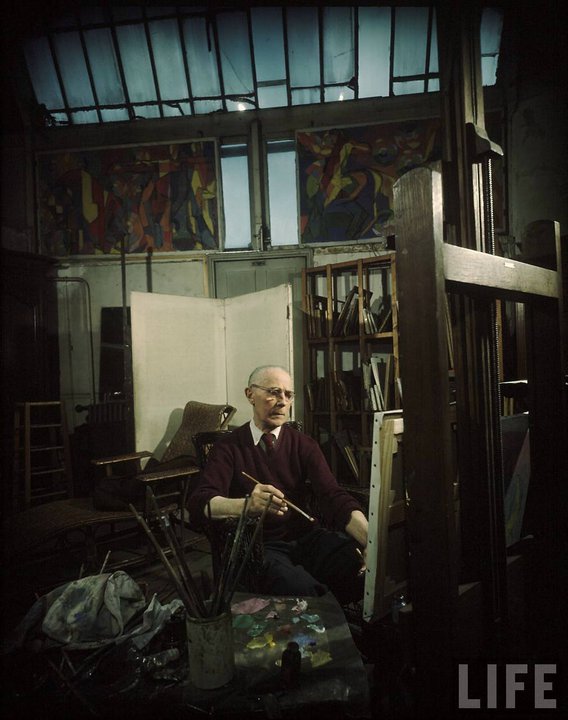 |
| Jacques Villon |
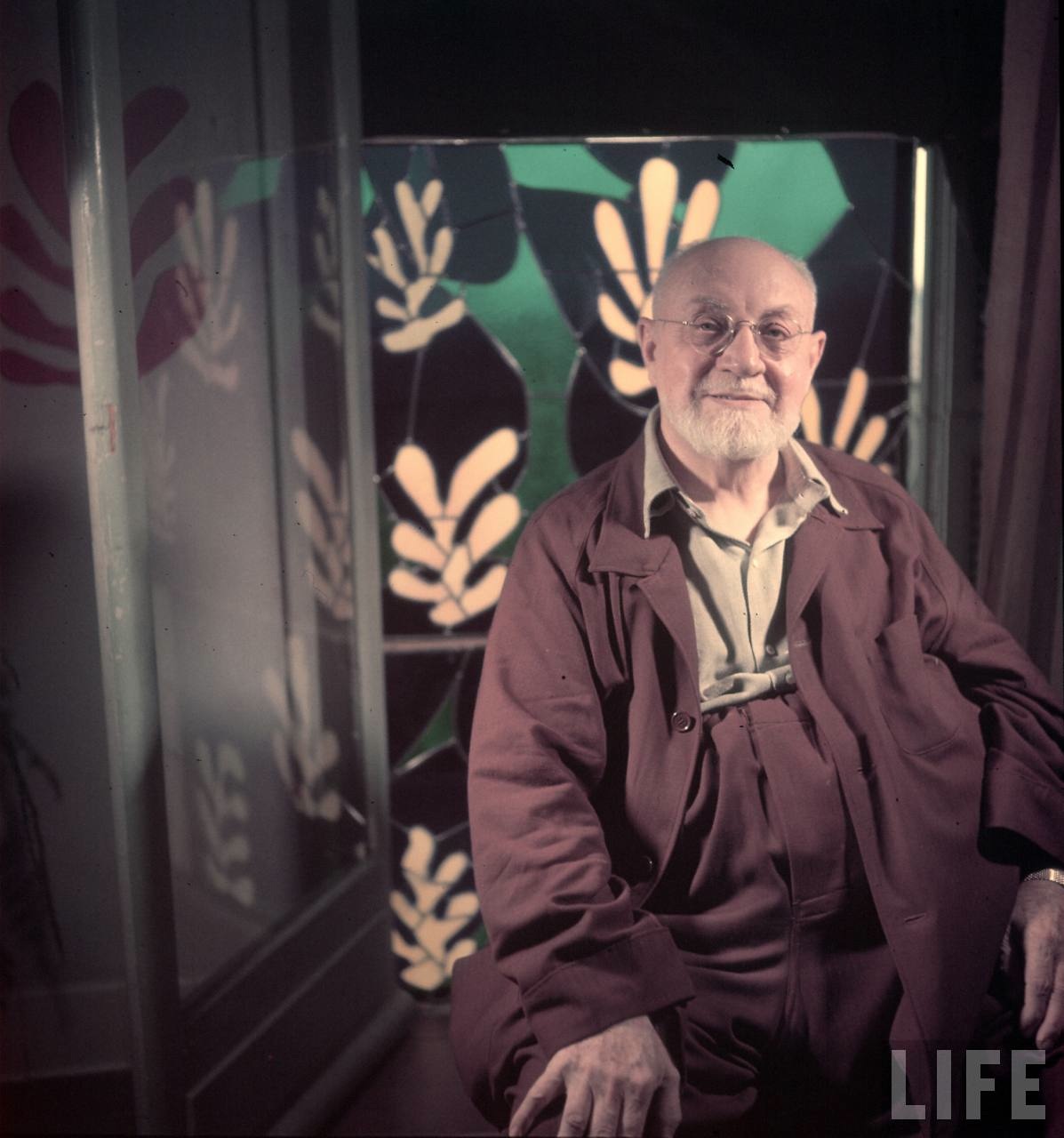 |
| Henri Matisse |
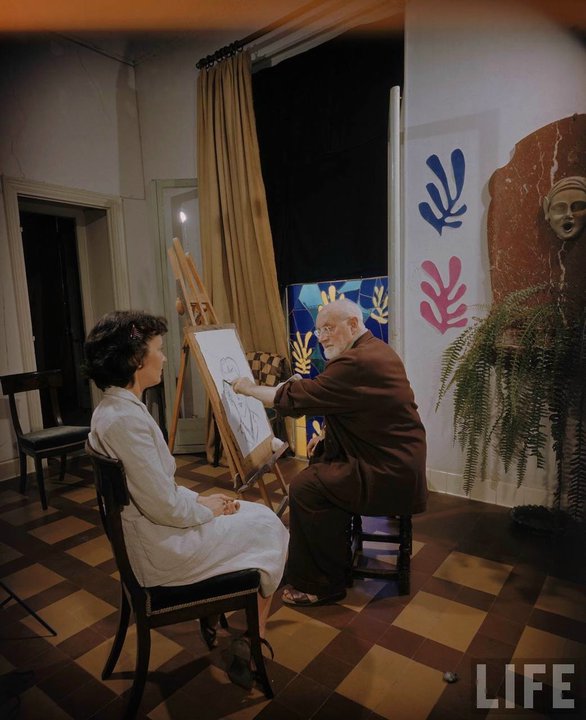 |
| Henri Matisse |
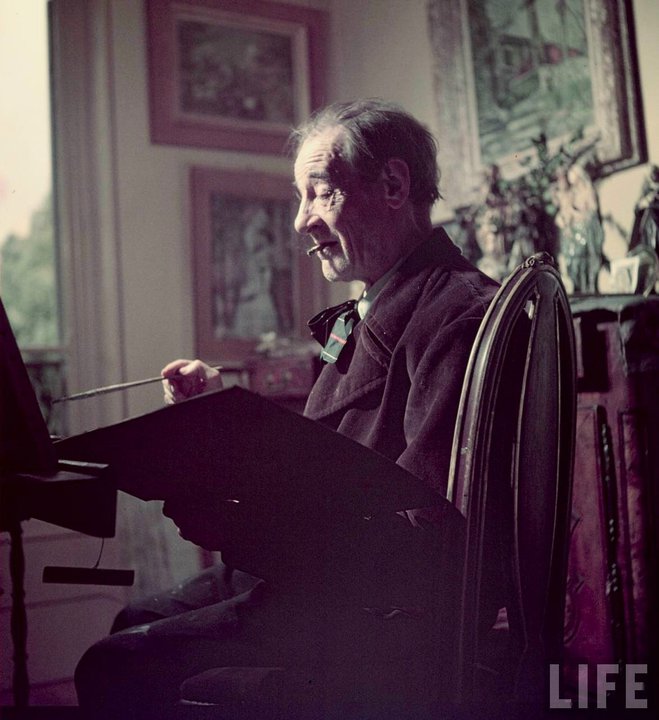 |
| Maurice Utrillo |
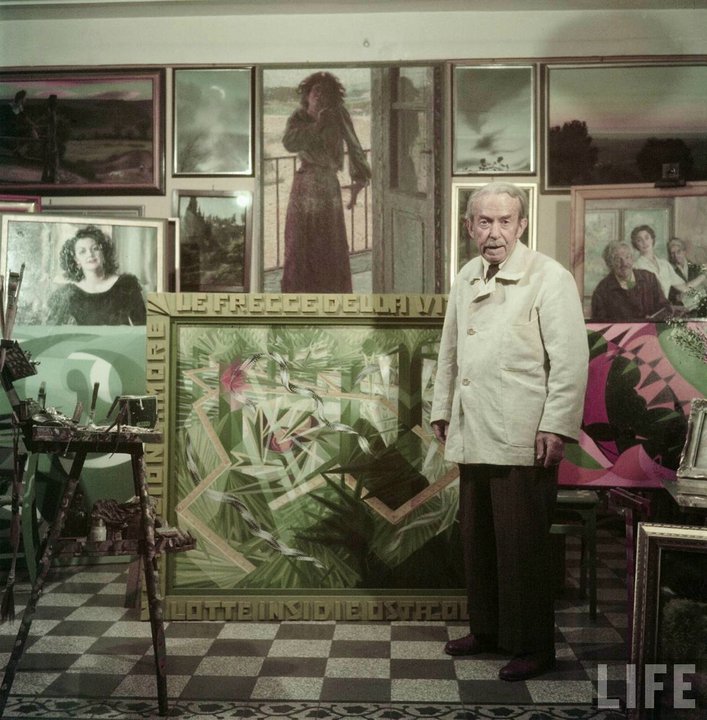 |
| Giacomo Balla |
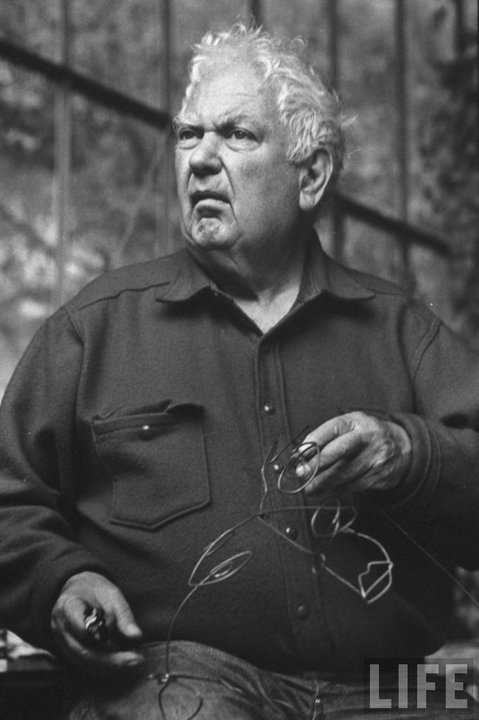 |
| Alexander Calder |
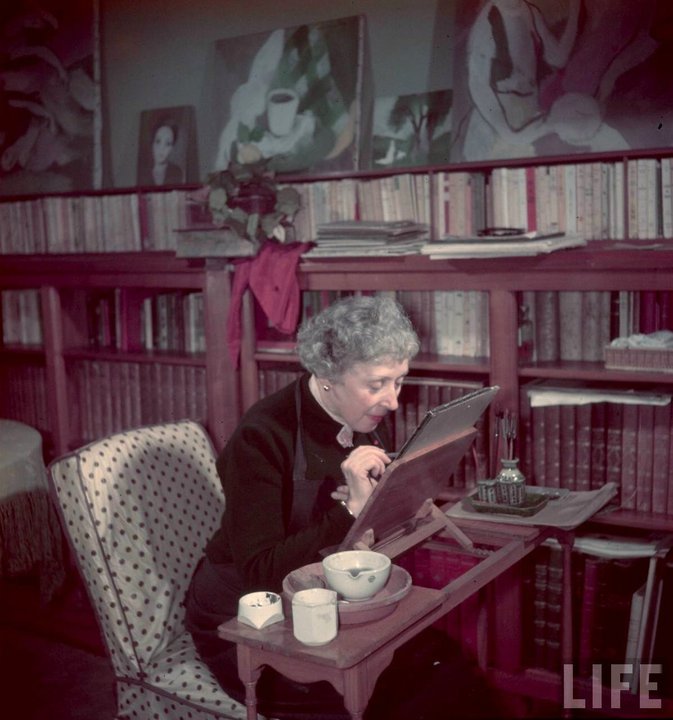 |
| Marie Laurencin |
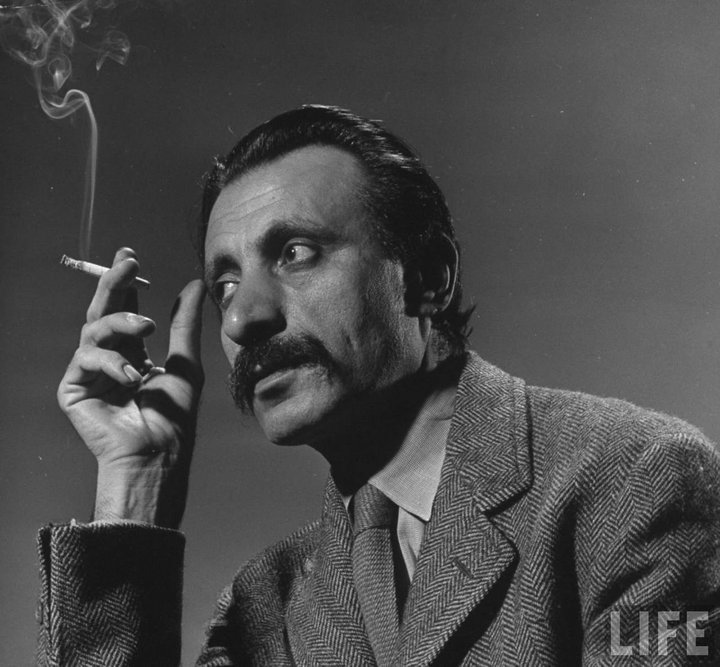 |
| Arshile Gorky |
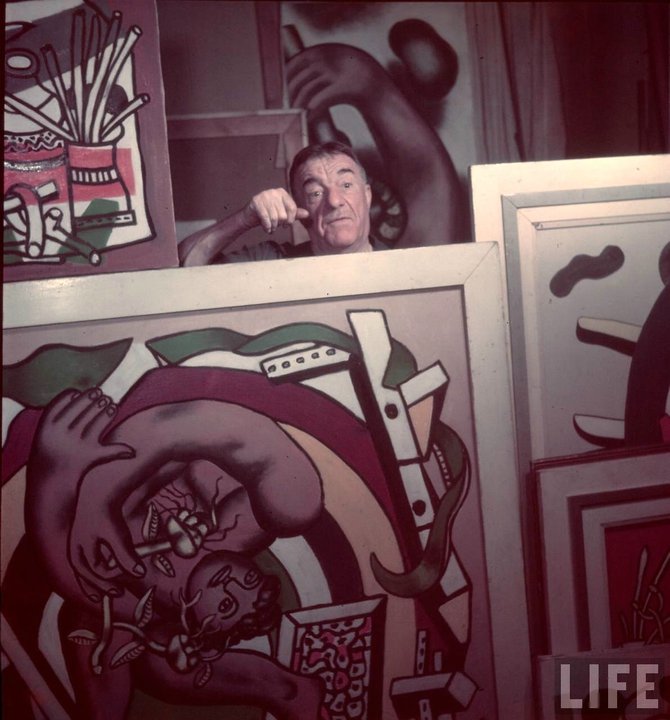 |
| Fernand Léger |
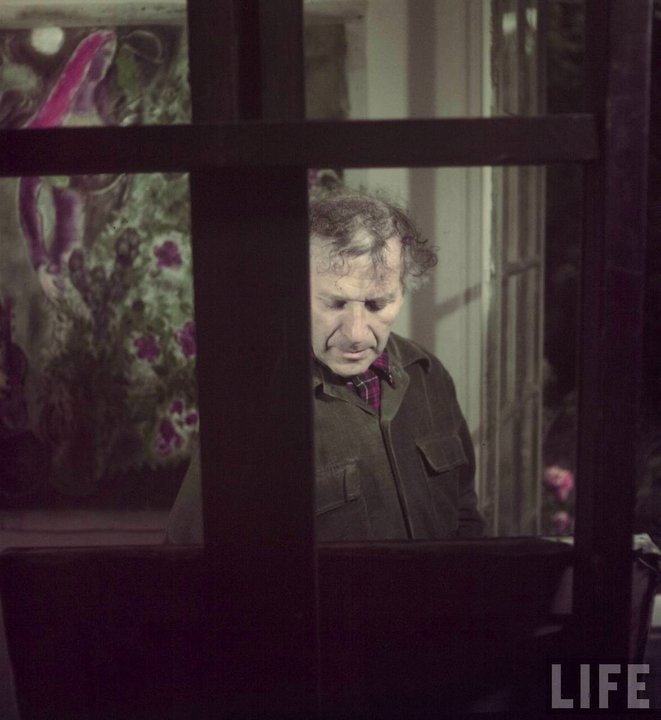 |
| Marc Chagall |
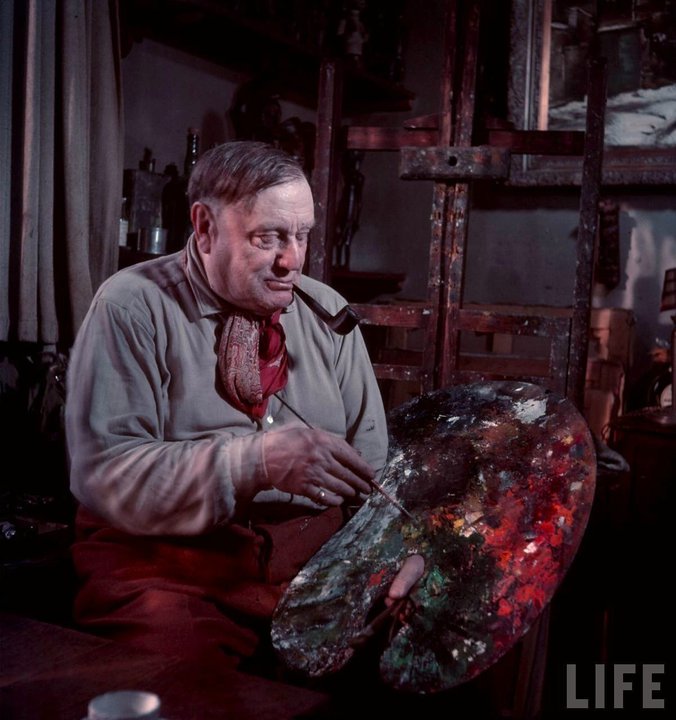 |
| Maurice Vlaminck |
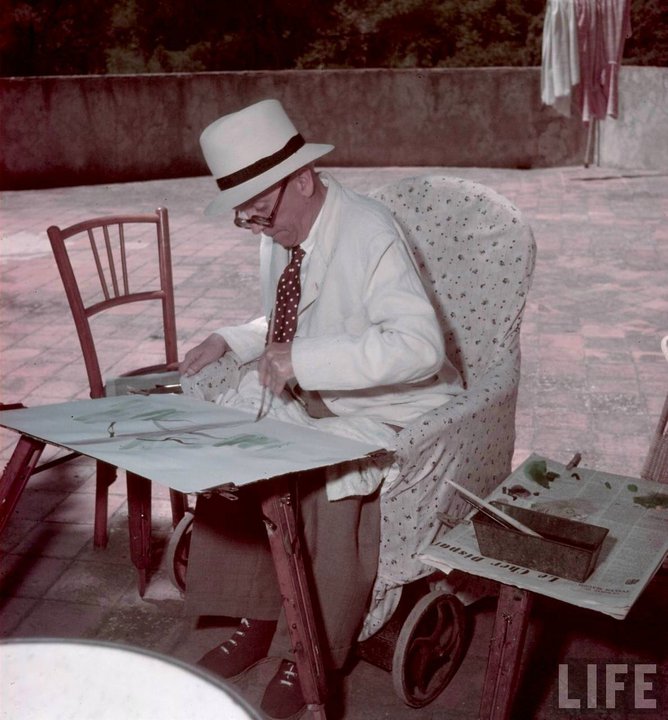 |
| Raoul Dufy |
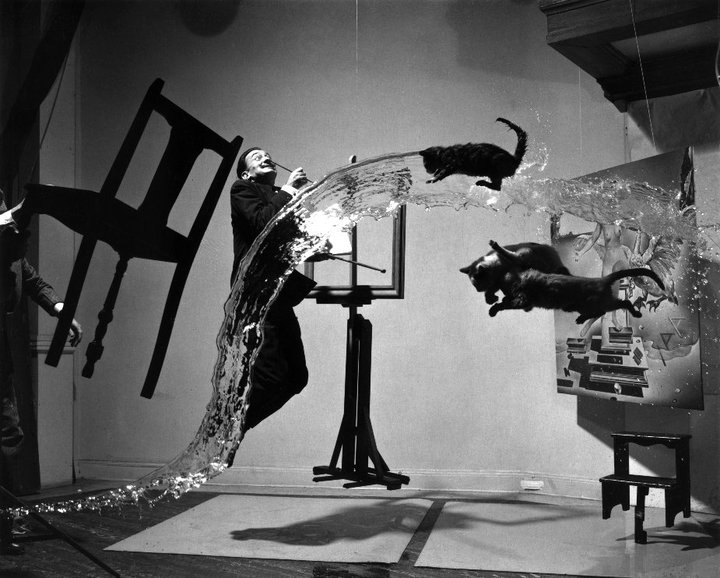 |
| Salvador Dali |
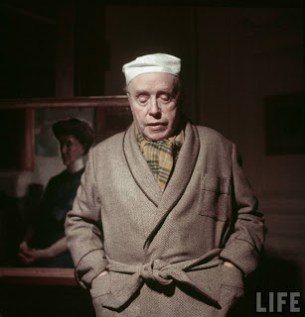 |
||
| Georges Rouault |
 |
||||
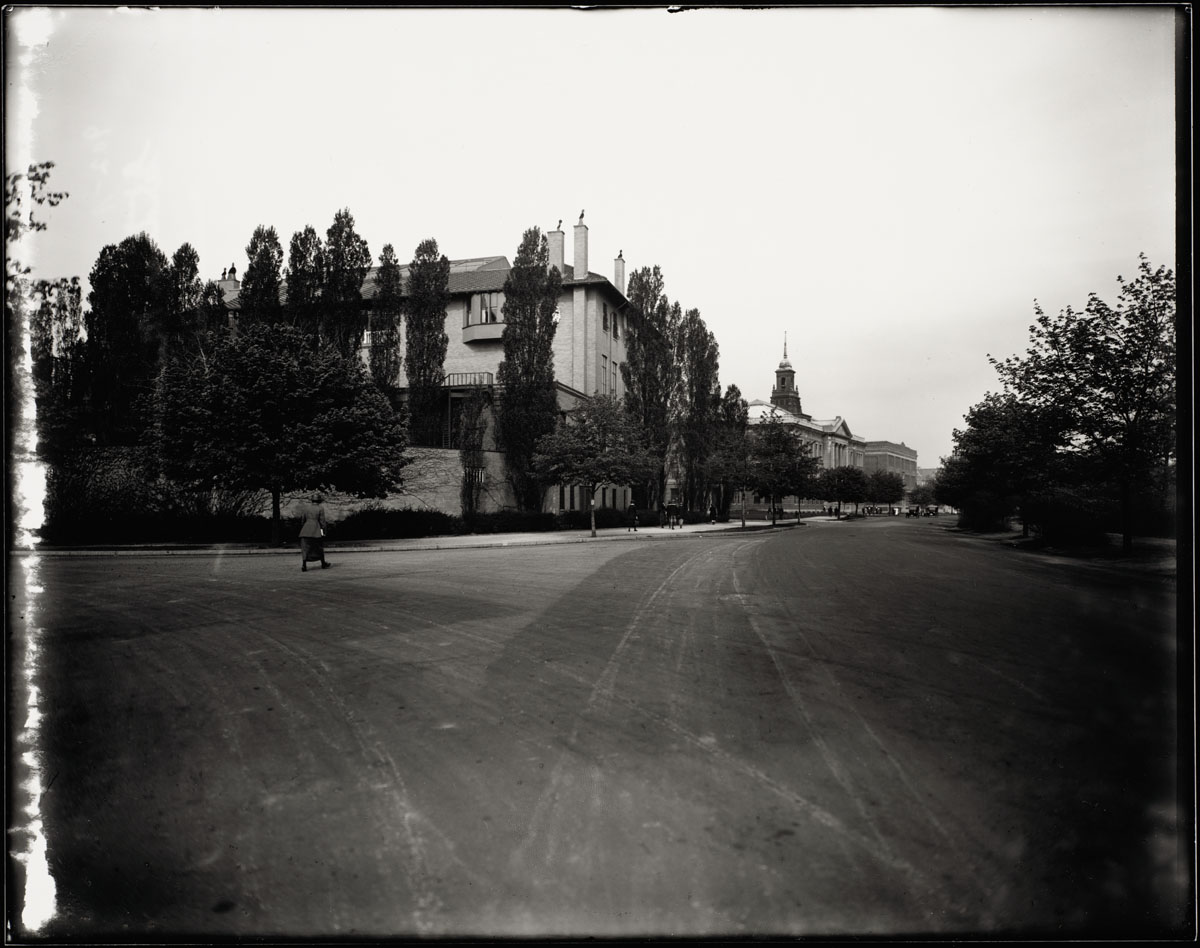
| “Mrs. Jack” Gardner Museum, Gardner Way West, Fenway Leon Abdalian, 1920 |
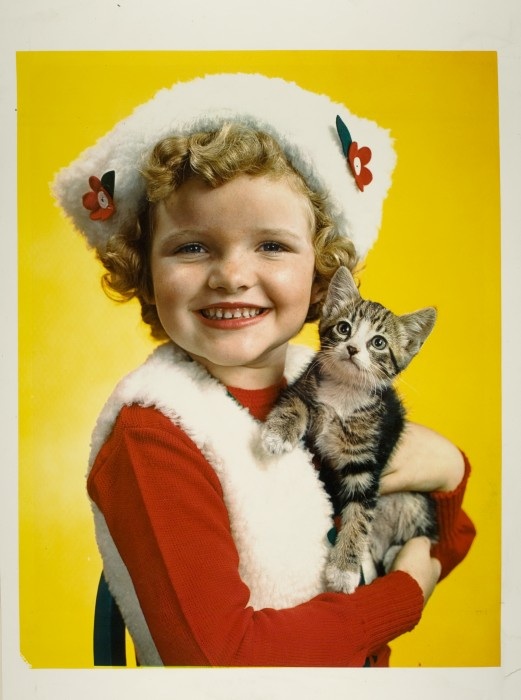 |
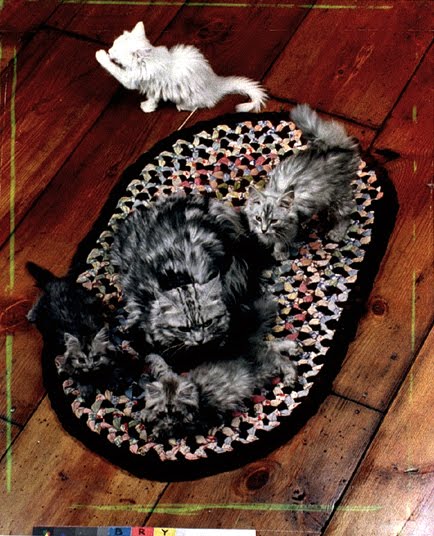
| Girl with Cat ca.1945 |
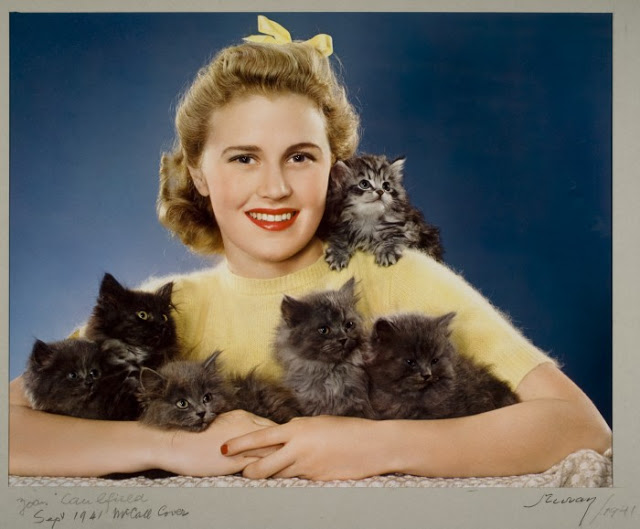 |
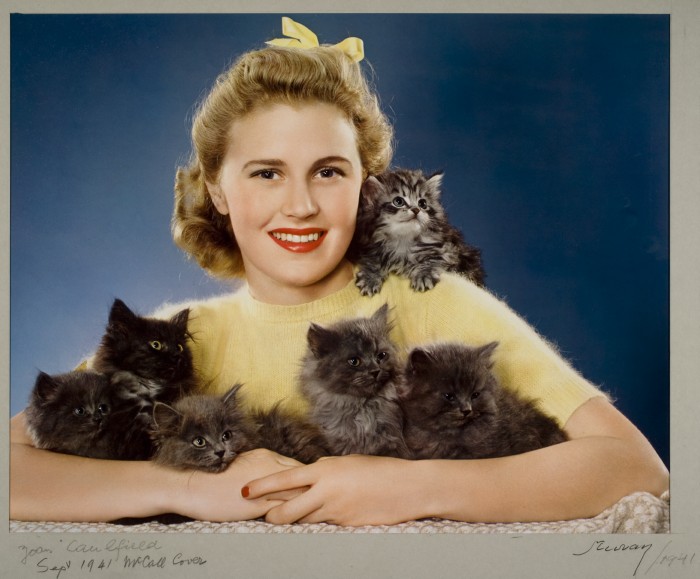
| Joan Caulfield, 1941 |
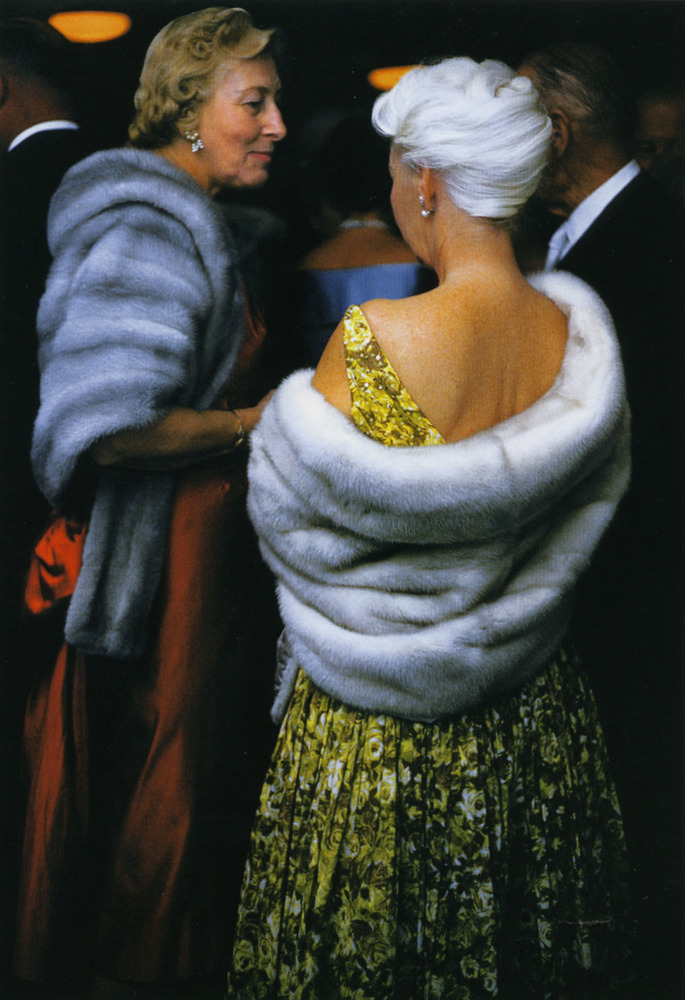 |
| Robert Doisneau
Robert Doisneau: Palm Springs 1960, Flammarion
Publication released date: September 2010 A previously unpublished collection of Robert Doisneau’s color photography provides a unique opportunity to revisit the early years of one of America’s legendary holiday destinations. In 1960, Robert Doisneau was invited by Fortune magazine to cover Palm Springs, the hottest travel destination of the day. Renowned as a playground for the rich and famous, as well as for a silver-haired and well-heeled clientele, it was a world of swimming pools awash with bobbing beehives, martini-fueled parties, and relaxed games of golf, all unfolding against a desert backdrop. There, Doisneau took hundreds of photographs, twenty-three of which were published in the magazine. The rest have been rediscovered in his archives and one hundred are featured here for the first time. Doisneau is best known for his black and white portraits of Parisian street scenes. This rare color collection—which is supplemented with a facsimile reproduction of Doisneau’s original Fortune article—offers a new perspective on his photographic legacy. Accompanying these nostalgic images are extracts from the photographer’s personal correspondence—small masterpieces of derision and self-derision in which he describes being marooned in the “world capital of winter golf”—and an equally amusing introduction written by award-winning French novelist Jean-Paul Dubois. |
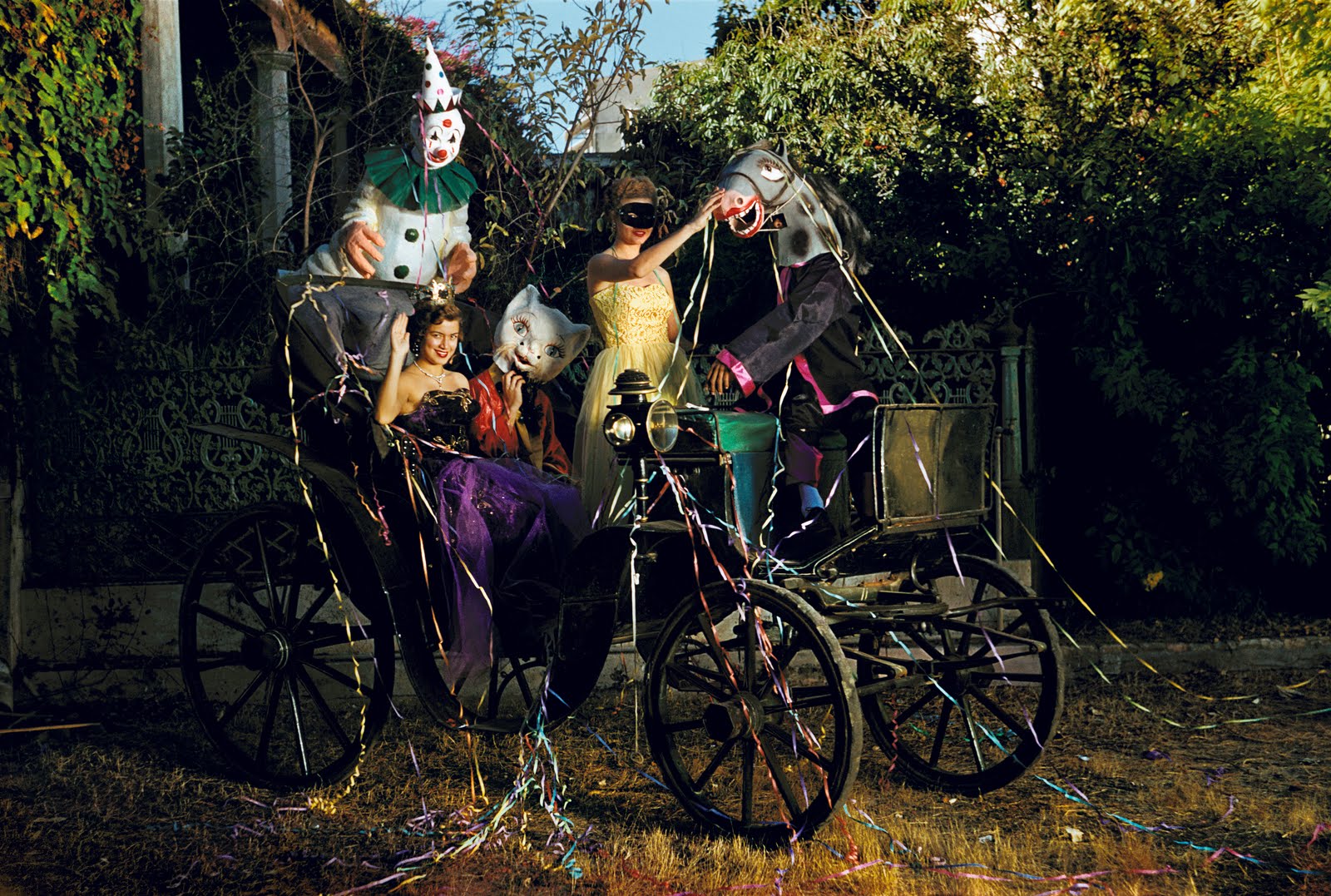 |
| Paul Outerbridge Mexico, 1950 “Art is life seen through man’s inner craving for perfection and beauty–his escape from the sordid realities of life into a world of his imagining. Art accounts for at least a third of our civilization, and it is one of the artist’s principal duties to do more than merely record life or nature. To the artist is given the privilege of pointing the way and inspiring towards a better life.”
–Paul Outerbridge
So wrote Paul Outerbridge, rather exaltedly, about his chosen profession. He was a designer and illustrator in New York before turning to photography in the 1920s. In 1925, having established himself as an innovative advertising photographer and graphic designer, he moved to Paris and worked for the French edition of Vogue magazine. There he met Edward Steichen, with whom he developed a friendly rivalry. Around 1930, having returned to New York, Outerbridge began to experiment with color photography, in particular the carbro-color process. He focused primarily on female nudes–striking, full-color images that were ahead of their time. The growing popularity of the dye transfer process lead to cheaper color photographs and Outerbridge, who stuck fast to the carbro process as superior in its richness and permanence, saw his commercial work dry up, leaving him without a regular source of income. In 1943 Outerbridge moved to California, where he photographed only intermittently.
|
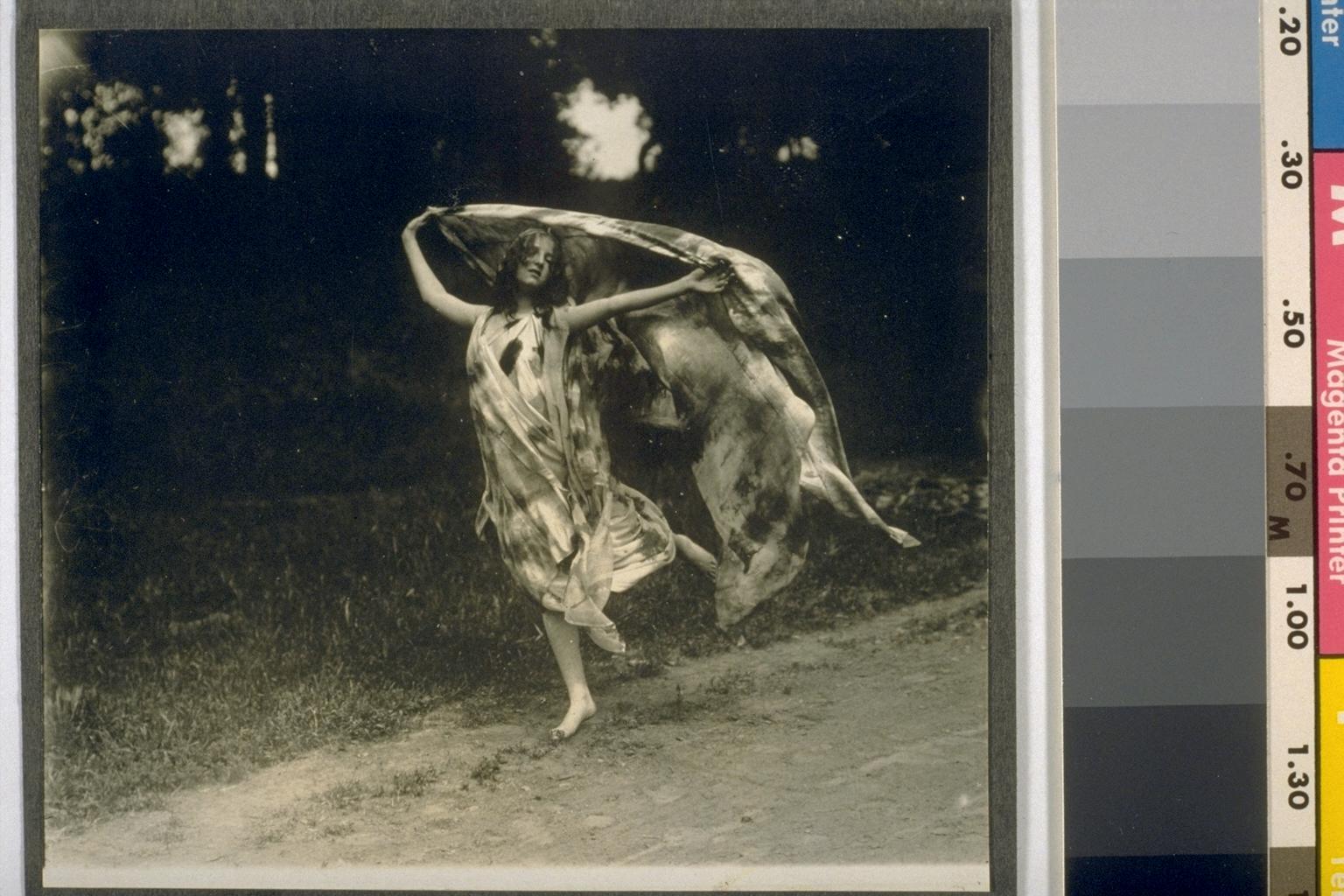
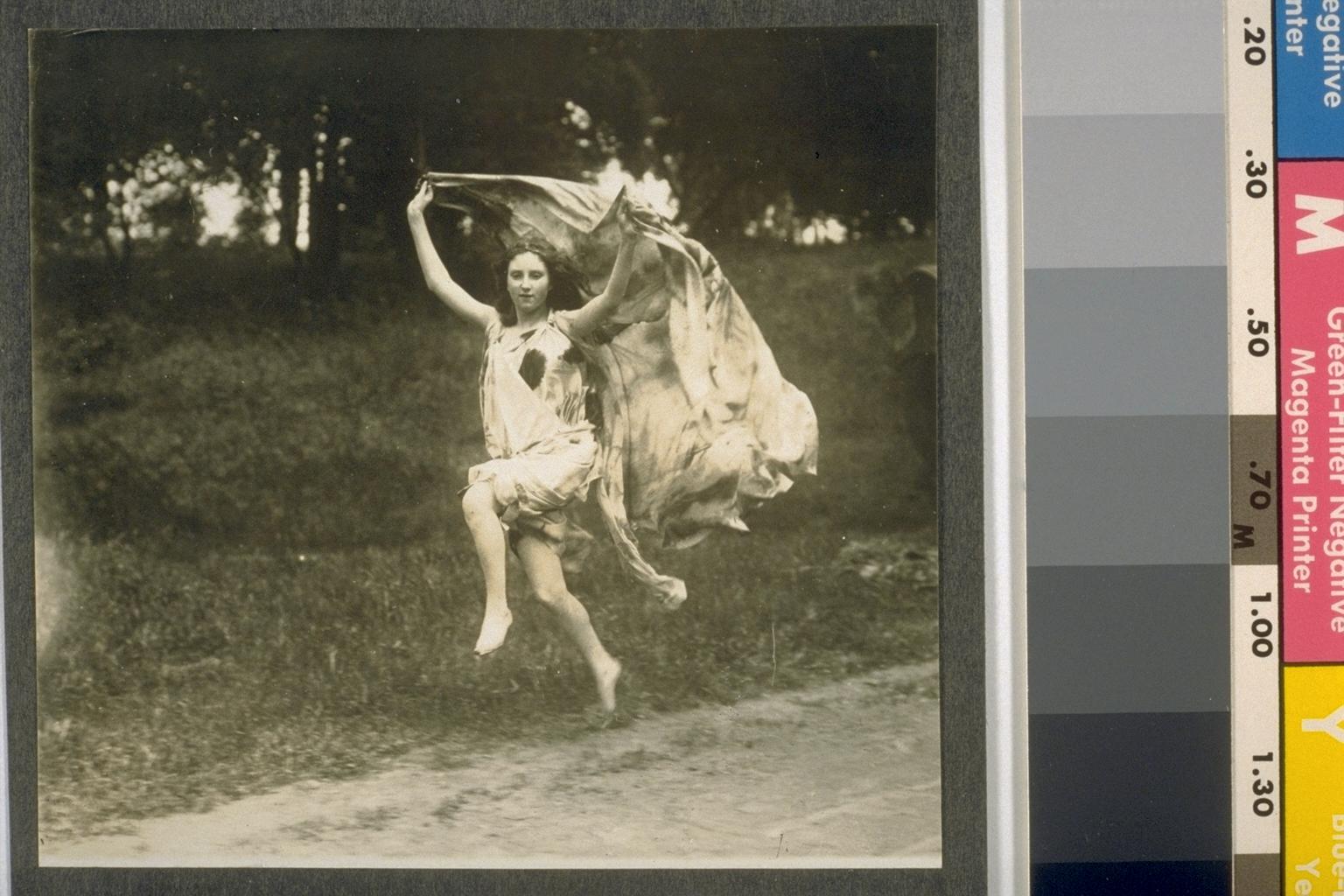

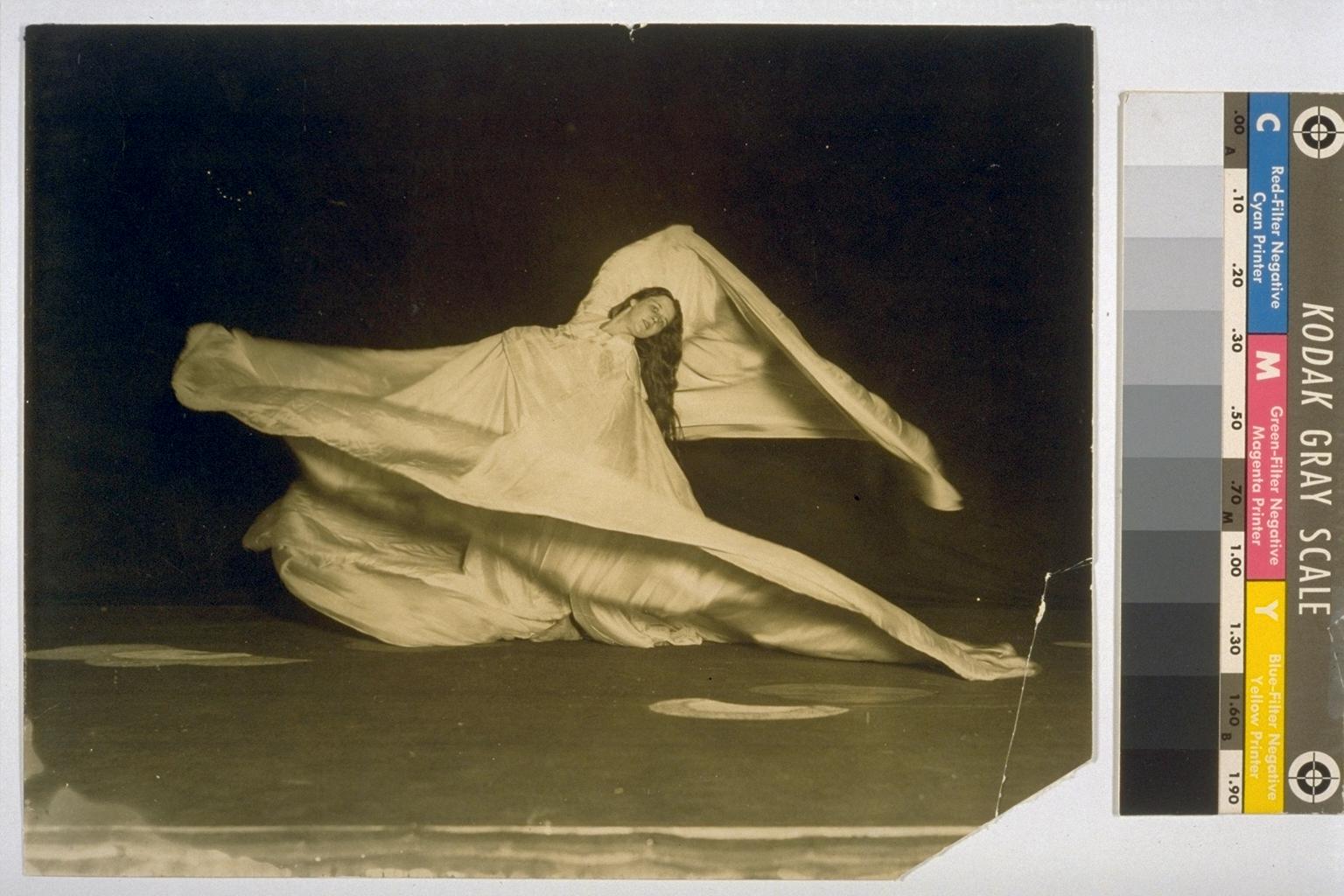
Marie Louise Fuller [1862-1928]
Born in Chicago in 1862, Loïe Fuller began her stage career as a child actress. During her twenties, she performed as a skirt dancer on the burlesque circuit. In 1891 she went on tour with a melodrama called “Quack MD,” playing a character who performed a skirt dance while under hypnosis. Fuller began experimenting with the effect the gas lighting had on her silk skirt and received special notice in the press. Her next road tour, in a show called “Uncle Celestine,” featured this new version of the skirt dance. By emphasizing the body was transformed by the artfully moving silk. One reviewer described the effect as “unique, ethereal, delicious…she emerges from darkness, her airy evolutions now tinted blue and purple and crimson, and again the audience…insists upon seeing her pretty piquant face before they can believe that the lovely apparition is really a woman.”
Source: University of Pittsburgh
Images: Online Archive of California (OAC)
 tout ceci est magnifique