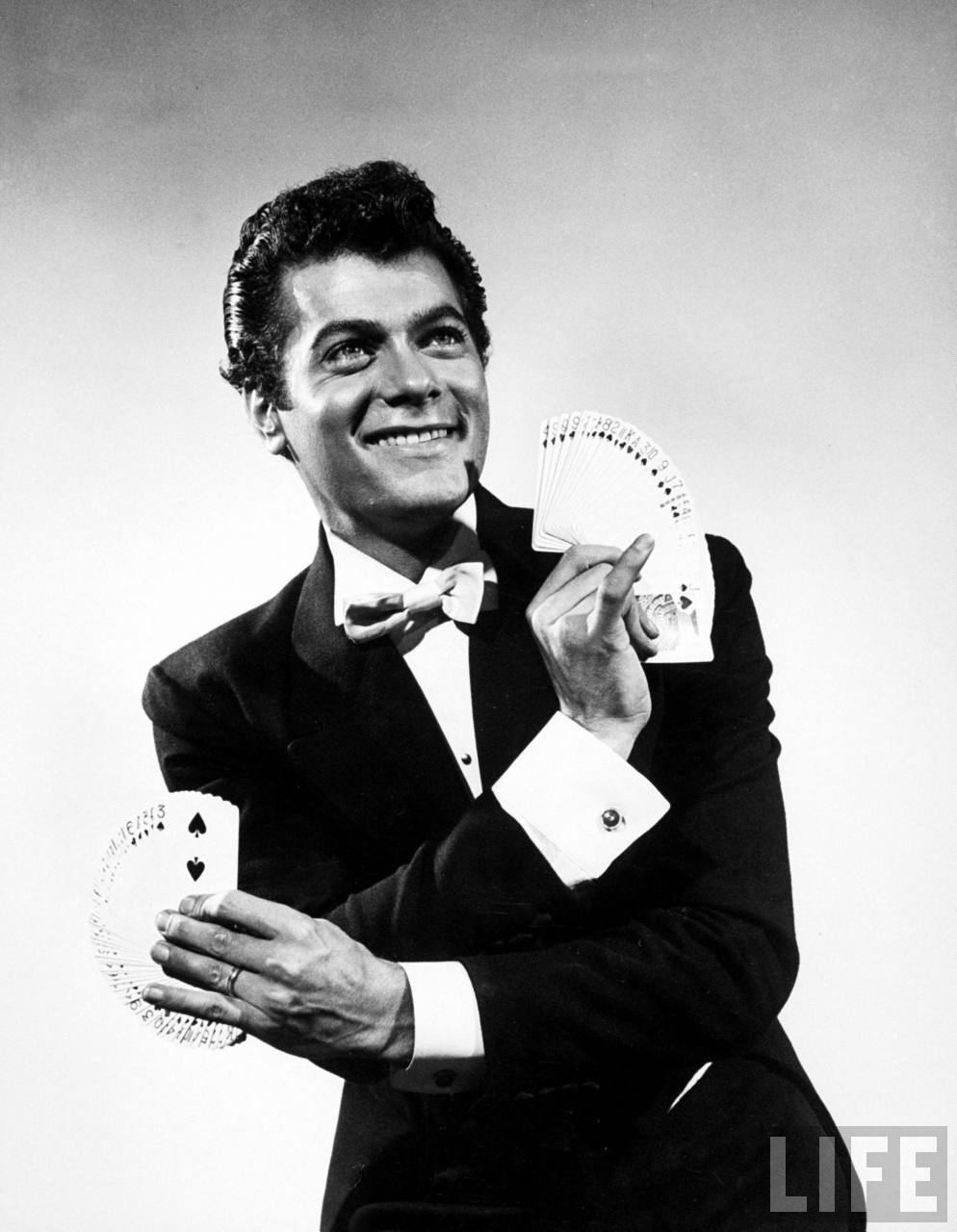
 |
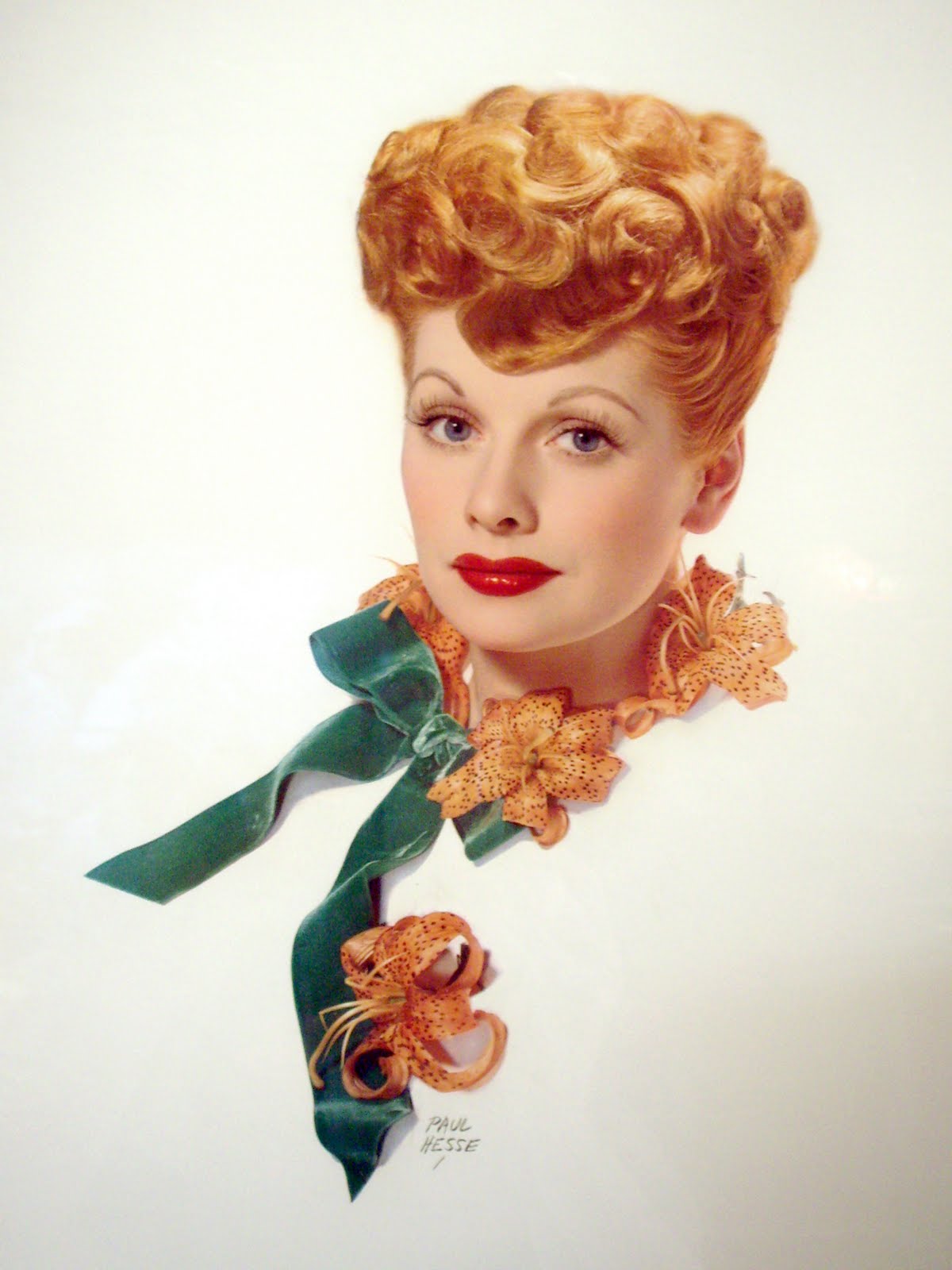
Lucille Desiree Ball
The Glamorous World of Paul Hesse |
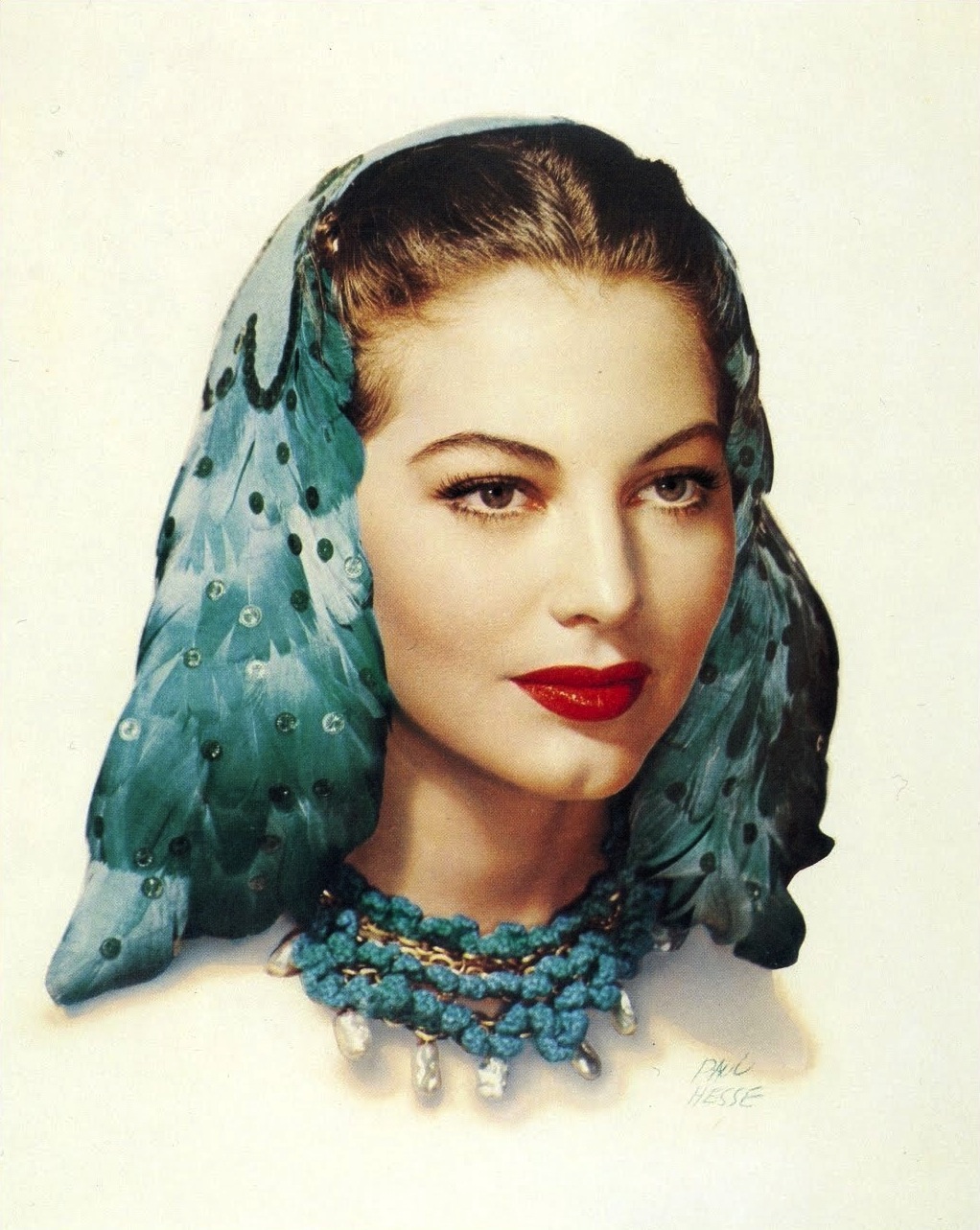 |
| Ava Lavinia Gardner |
“There is no progress in art, any more than there is progress in making love. There are simply different ways of doing it.” Man Ray
|
Lucille Desiree Ball
The Glamorous World of Paul Hesse |
|
| Ava Lavinia Gardner |
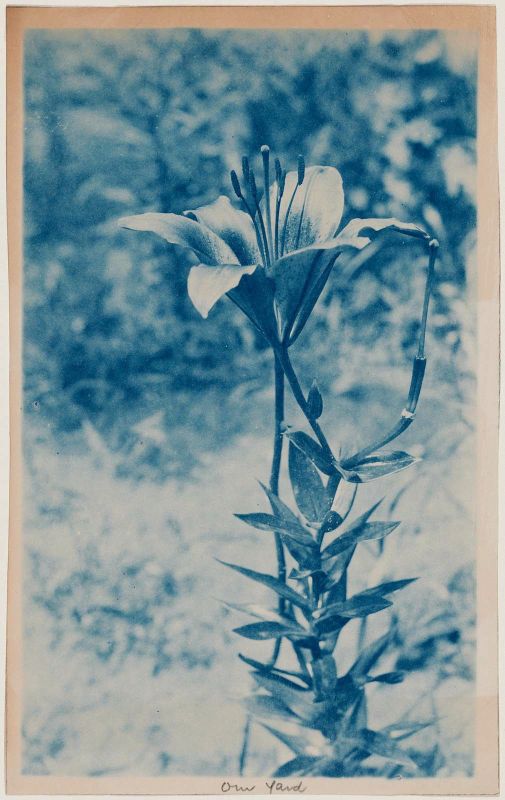 |
| Our Yard, ca. 1900 |
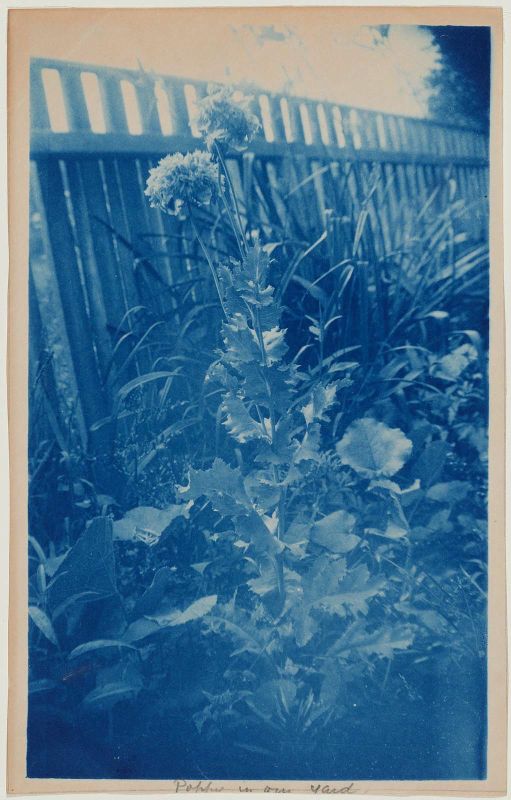 |
| Popping in Our Yard, ca. 1900 |
Arthur Wesley Dow, landscape painter, printmaker, photographer, and influential art educator, was born in Ipswich, Massachusetts on April 6, 1857, the eldest son of Mary Patch and David Dow. As a young man, he showed interest in the colonial history of Ipswich and together with Reverend Augustine Caldwell, he produced the serial Antiquarian Papers from 1875 to 1880, which featured Dow’s drawings of local colonial architecture. It was Caldwell who advised him to pursue formal art instruction and in 1880 Dow began studying in the Boston studio of James M. Stone.
Like many aspiring American artists of his generation, Dow traveled to Paris for further art instruction. Between 1884 and 1889, the artist alternated between spending time in Paris, where he had enrolled in the Académie Julian, and in Brittany where he painted landscapes en plein air. During this period he produced landscape paintings that were accepted into the Paris Salon and exhibited to moderate success back in the United States.
Shortly after his return to Ipswich, Dow took a studio in Boston, where he hoped to attract students and began an extremely fertile and successful period as an art educator. He began studying Japanese art, particularly the compositional elements employed in Japanese prints, which he synthesized with Western art techniques and utilized in teaching composition and design. In addition to seeing students in his Boston studio, he began the Ipswich Summer School of Art, which continued into 1907. Pratt Institute hired Dow as an art instructor in 1895 and he remained there until 1904, when he was appointed the Director of Fine Arts of the Columbia University Teacher’s College, a position he retained until his death in 1922. Between 1897 and 1903, he also taught at the Art Students League.
In 1899 his seminal book, Composition: A Series of Exercises in Art Structure for the Use of Students and Teachers, was published. Composition illustrated Dow’s teaching method, which focused on the compositional elements of line, notan (a Japanese word for the balance of light and dark in a composition) and color. The book underwent several printings and art schools across the United States adopted the Dow method. Max Weber, Georgia O’Keefe and the photographer Alvin Langdon Coburn were among the artists who personally benefited from Dow’s instruction. Through his teaching, publications, and public speeches, Arthur Wesley Dow played an important role in shaping modern American art.
Source Smithsonian Archives of American Art
Museum of Fine Arts, Boston
 |
|
Strikes With Nose, Oglala Sioux Chief
© Heyn Photo, Omaha 1899
Gift of David A. Rector, 2007 |
 |
|
Bone Necklace, Council Chief, Oglala Sioux Chief
© Heyn Photo, Omaha 1899
Gift of David A. Rector, 2007 |
 |
|
Left Hand Bear, Oglala Sioux Chief
© Heyn Photo, Omaha 1899
Gift of David A. Rector, 2007 |
 |
|
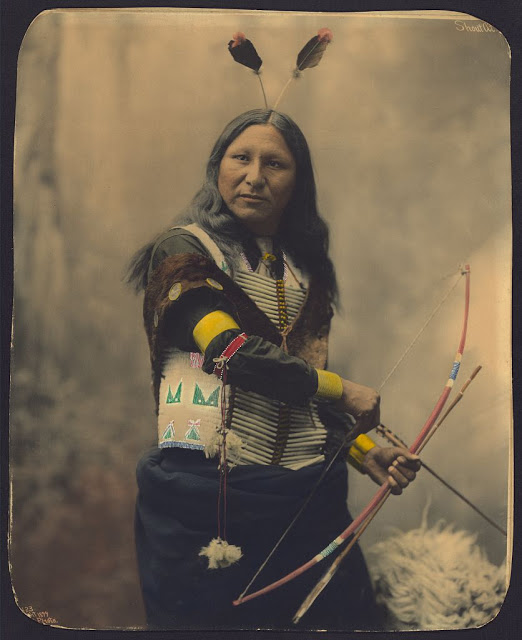
Shout At
© Heyn Photo, Omaha 1899
Gift of David A. Rector, 2007 |
“A very great vision is needed and the man who has it must follow it as the eagle seeks the deepest blue of the sky. I was hostile to the white man…we preferred hunting to a life of idleness on our reservations. At times we did not get enough to eat and we were not allowed to hunt. All we wanted was peace and to be left alone. Soldiers came and destroyed our villages. Then Long Hair (Custer) came…They say we massacred him, but he would have done the same to us. Our first impulse was to escape but we were so hemmed in we had to fight.” Crazy Horse
Library of Congress

On the stormy New Year’s Eve of 1925, the liner Versailles reached Halifax from Beirut. After a voyage of twenty-nine days, her most excited passenger in the steerage class must have been a seventeen-year-old Armenian boy who spoke little French, and less English. I was that boy.
My first glimpse of the New World on a steely cold, sunny winter day was the Halifax wharf, covered with snow. I could not yet begin to imagine the infinite promise of this new land. For the moment, it was enough to find myself safe, the massacres, torture, and heartbreak of Armenia behind me. I had no money and little schooling, but I had an uncle, my mother’s brother, who was waiting for me and recognized me from a crude family snapshot as I stepped from the gangplank. George Nakash, whom I had not seen before, sponsored me as an immigrant, guaranteed that I would not be a “public charge,” and traveled all the way from his home in Sherbrooke, Quebec, for our meeting — the first of his many great kindnesses.
We went up from the dock to the station in a taxi, the likes of which I had never seen — a sleigh-taxi drawn by horses. The bells on their harnesses never stopped jingling; the bells of the city rang joyously to mark a new year. The sparkling decorations on the windows of shops and houses, the laughing crowds — for me it was an unbelievable fantasy come true. On the two-day journey to my uncle’s home, I marveled at the vast distances. The train stalled in a deep snowdrift; we ran out of food; this situation, at least, was no novelty for me.
I was born in Mardin, Armenia, on December 23, 1908, of Armenian parents. My father could neither read nor write, but had exquisite taste. He traveled to distant lands to buy and sell rare and beautiful things — furniture, rugs, spices. My mother was an educated woman, a rarity in those days, and was extremely well read, particularly in her beloved Bible. Of their three living children, I was the eldest. My brothers Malak and Jamil, today in Canada and the United States, were born in Armenia. My youngest brother, Salim, born later in Aleppo, Syria, alone escaped the persecution soon to reach its climax in our birthplace.
It was the bitterest of ironies that Mardin, whose tiers of rising buildings were said to resemble the Hanging Gardens of Babylon, and whose succulent fruits convinced its inhabitants it was the original Garden of Eden, should have been the scene of the Turkish atrocities against the Armenians in 1915. Cruelty and torture were everywhere; nevertheless, life had to go on — albeit fearfully — all the while. Ruthless and hideous persecution and illness form part of my earliest memories: taking food parcels to two beloved uncles torn from their homes, cast into prison for no reason, and later thrown alive into a well to perish; the severe typhus epidemic in which my sister died, in spite of my mother’s gentle nursing. My recollections of those days comprise a strange mixture of blood and beauty, of persecution and peace.
I remember finding brief solace in my young cousin relating her Thousand and One Nights tales of fantastic ships and voyages and faraway people, and always, solace in the example of my mother, who taught me not to hate, even as the oppression continued.
One day, I returned from school, my forehead bleeding. I had been stoned by Turkish boys who tried to take away my only playthings, a few marbles. “Wait,” I told my mother defiantly, “from now on I am the one who will carry stones.” My mother took me in her arms and said, “My son, they do not know what they are doing. However, if you must retaliate — be sure you miss!”
My mother’s generosity, strength, and hope sustained our family. She took into our home a young Armenian girl, shared our few morsels of food with her, and encouraged her to use her hands instead of her eyes, which had been cruelly mutilated. My mother herself seemed tireless. She had to go every day to the distant mountain spring which was the one source of water for the whole community. Allowed only one small pail, she would wait patiently in line for hours to get enough water for her children. Running water, to me, is still a great blessing.
In 1922, our family was allowed to flee. We had to leave our doors open — with us we took no baggage, only our lives. And we had to flee on foot. During our month-long journey with a Bedouin and Kurdish caravan, which would have taken only two days by the forbidden train, my parents lost every valuable they had managed to save. My father’s last silver coin went to rescue me after I was caught foolishly making a sketch of piled-up human bones and skulls, the last bitter landmark of my country.
In the safety of Aleppo, Syria, my father painstakingly tried to rebuild our lives. Only those who have seen their savings and possessions of a lifetime destroyed can understand how great were the spiritual resources upon which my father must have drawn. Despite the continual struggle, day after day, he somehow found the means to send me to my Uncle Nakash, and to a continent then to me no more than a vague space on a schoolboy’s map.
Uncle Nakash was a photographer of established reputation, still a bachelor when I went to live with him, and a man of generous heart. If my first day at Sherbrooke High School proved a dilemma for the teachers—in what grade did one place a seventeen-year-old Armenian boy who spoke no English, who wanted to be a doctor, and who came armed only with good manners? — the school was for me a haven where I found my first friends. They not only played with me instead of stoning me, but allowed me to keep the marbles I had won. My formal education was over almost before it began, but the warmth of my reception made me love my adopted land.
 |
 |
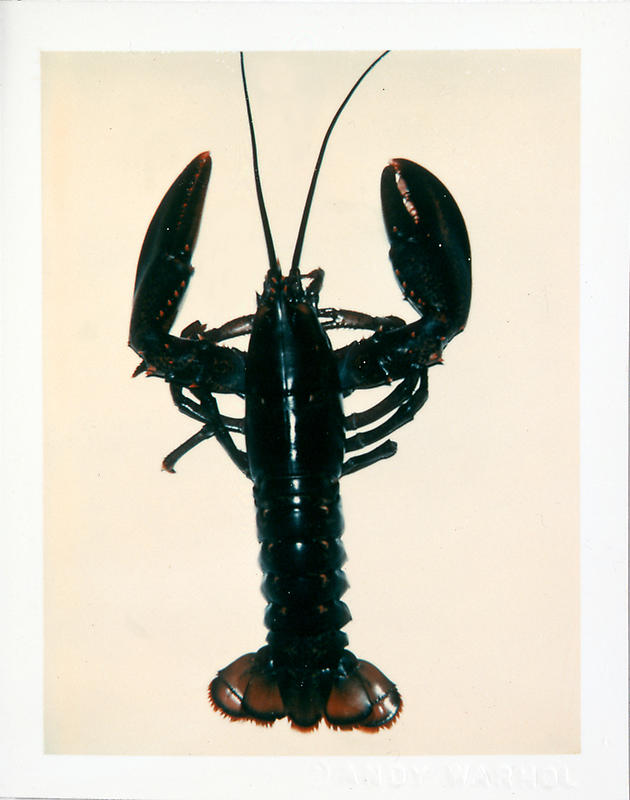 |
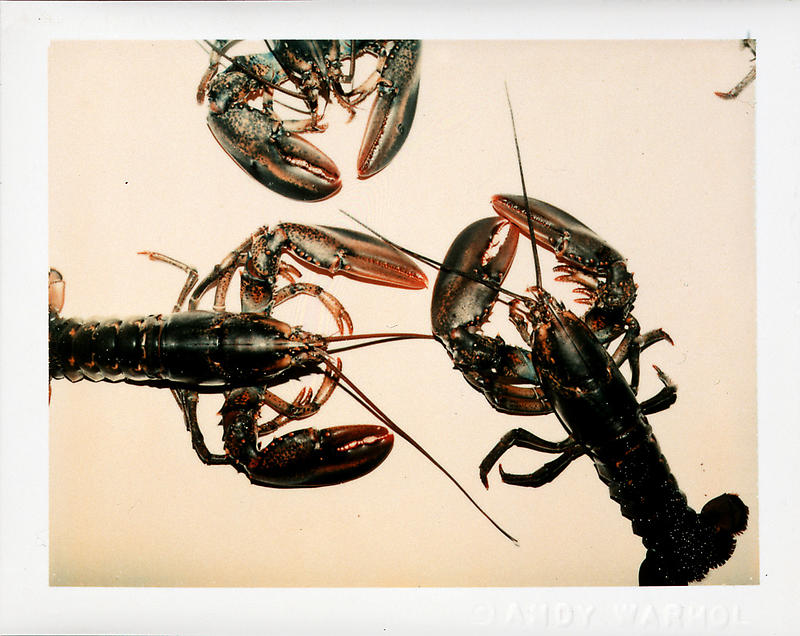
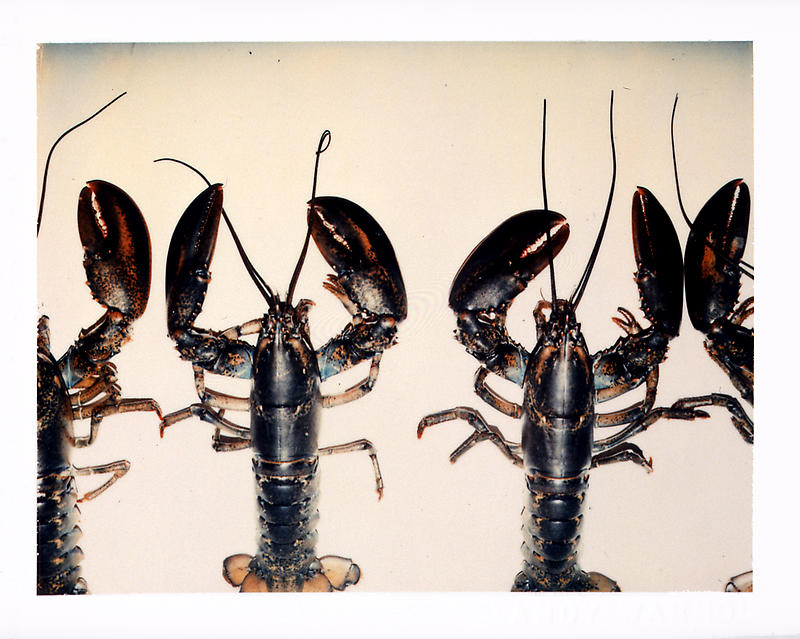
| Lobsters, 1982 © The Andy Warhol Foundation |
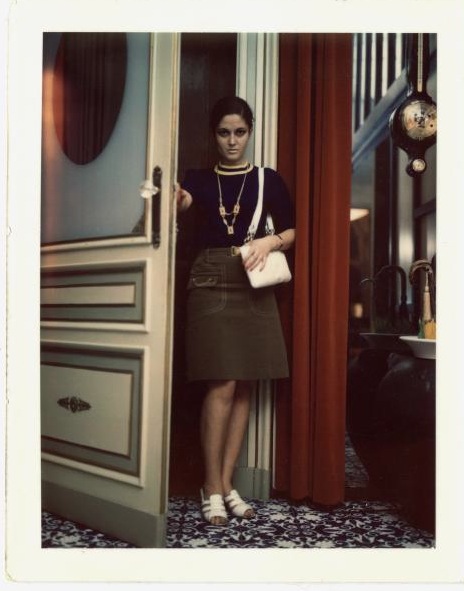 |
| Carlo Mollino |
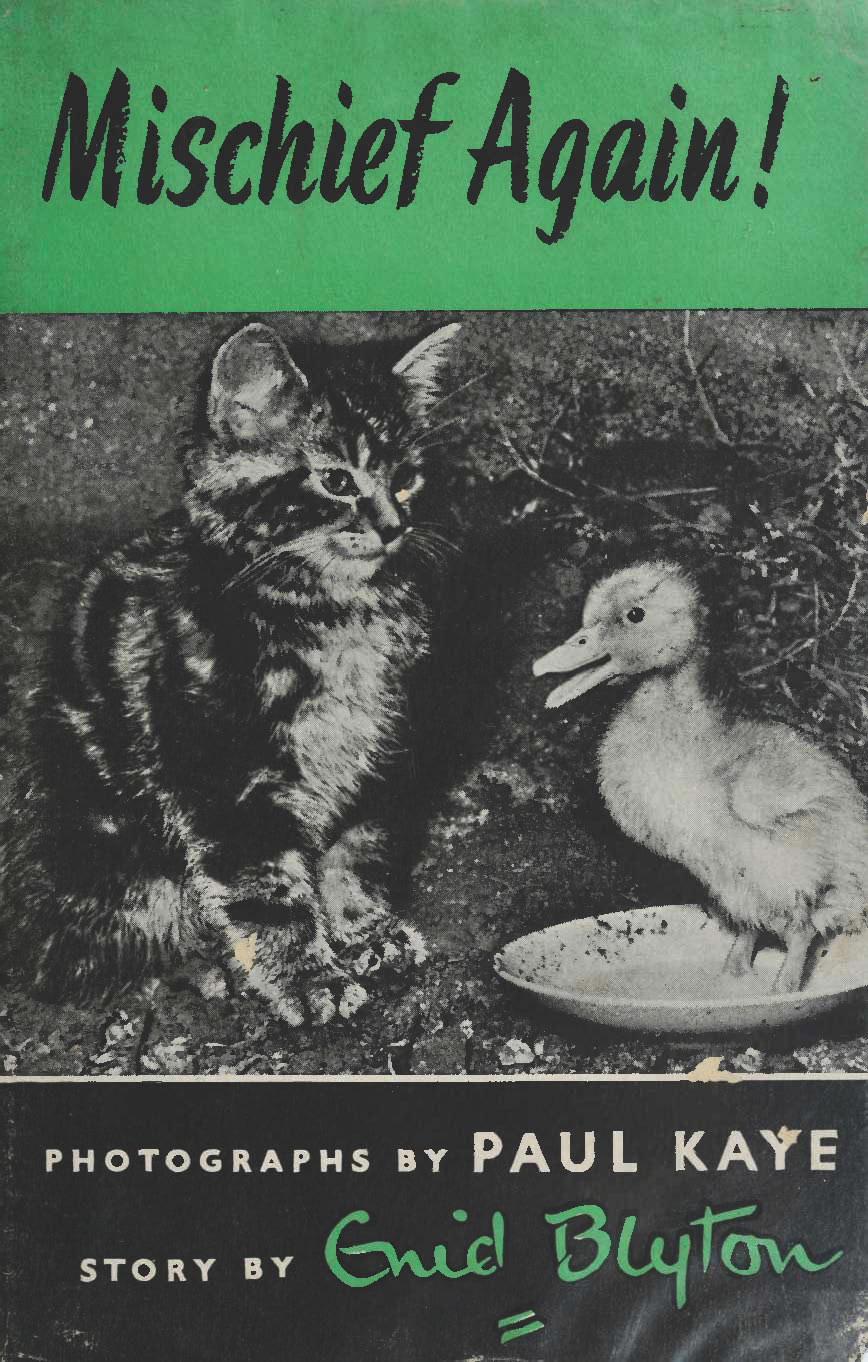 |
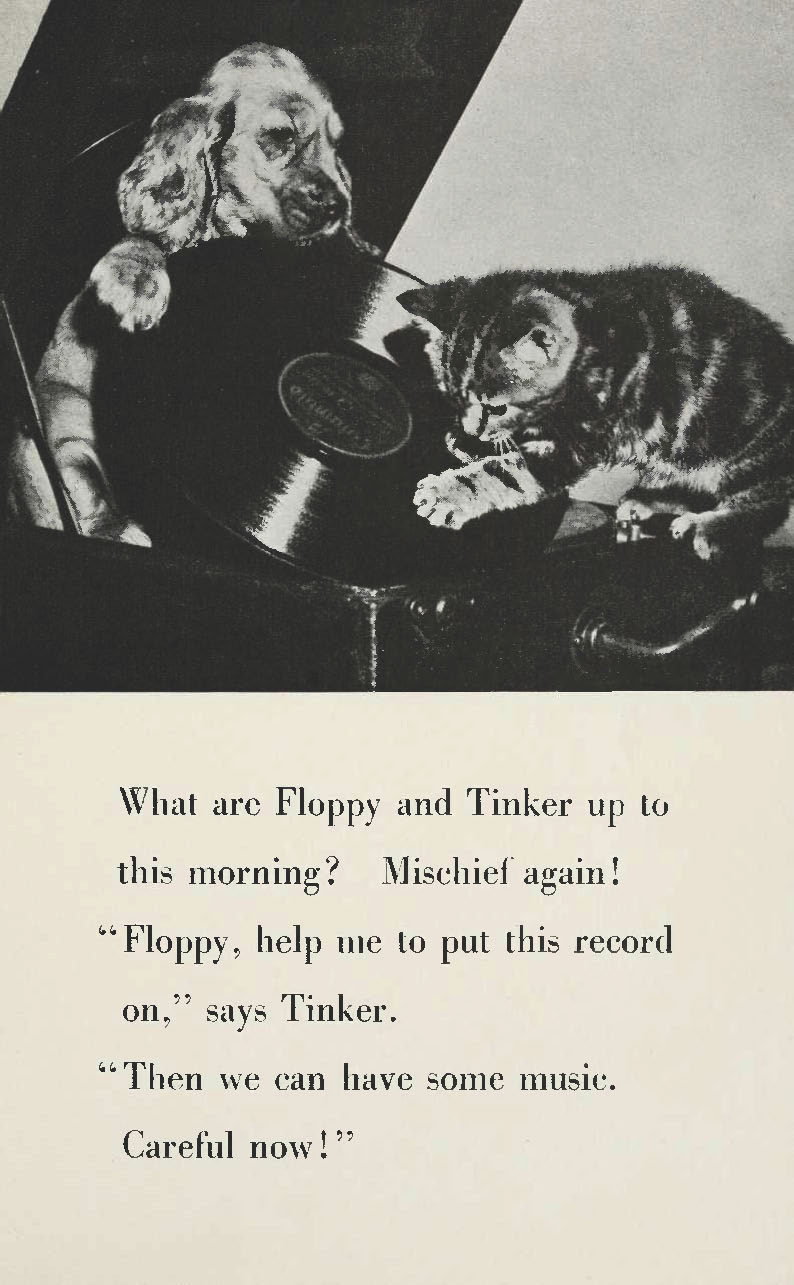
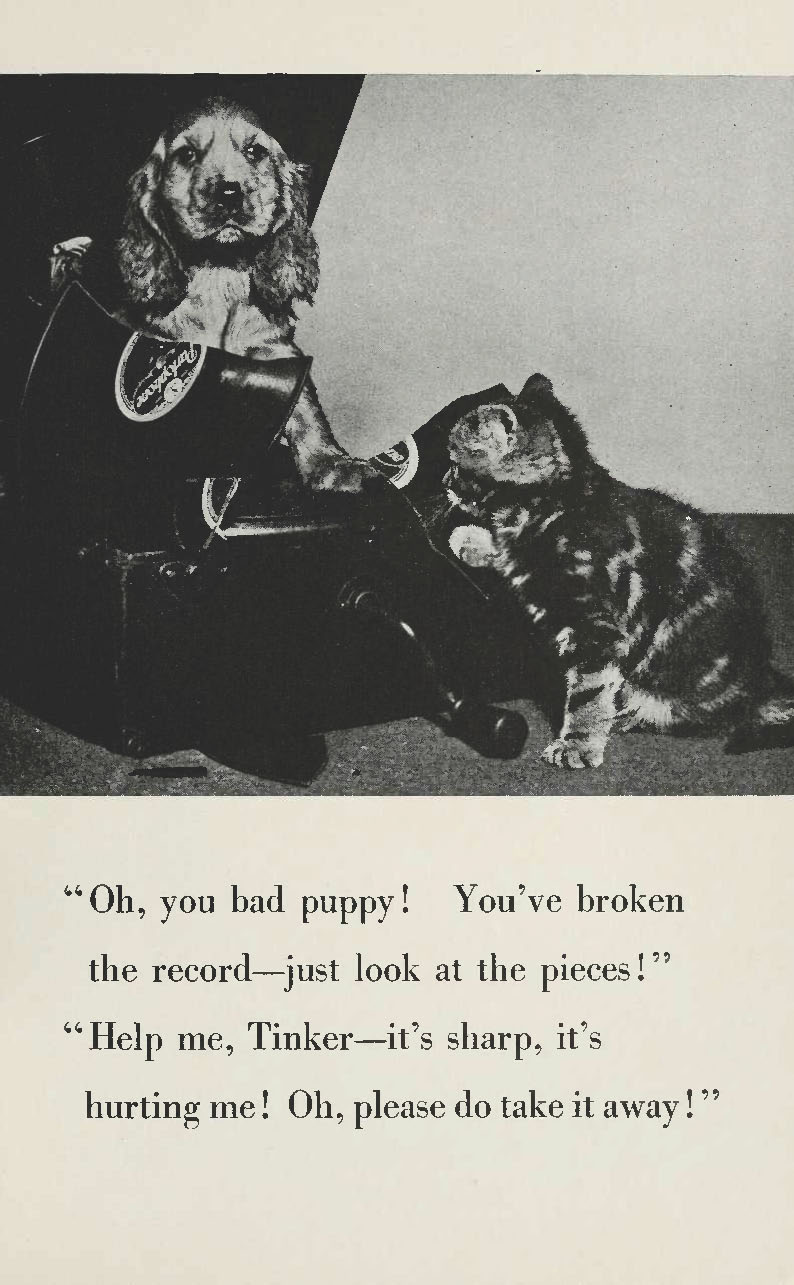
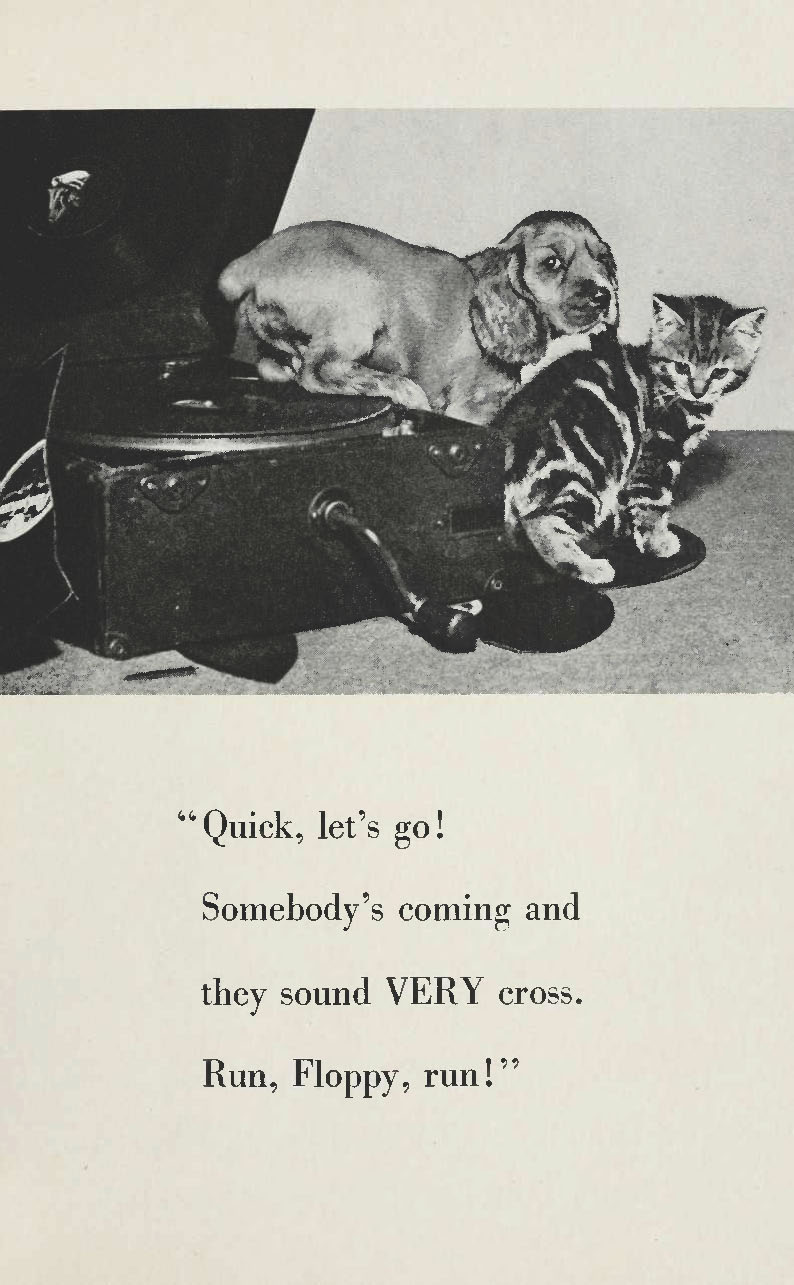
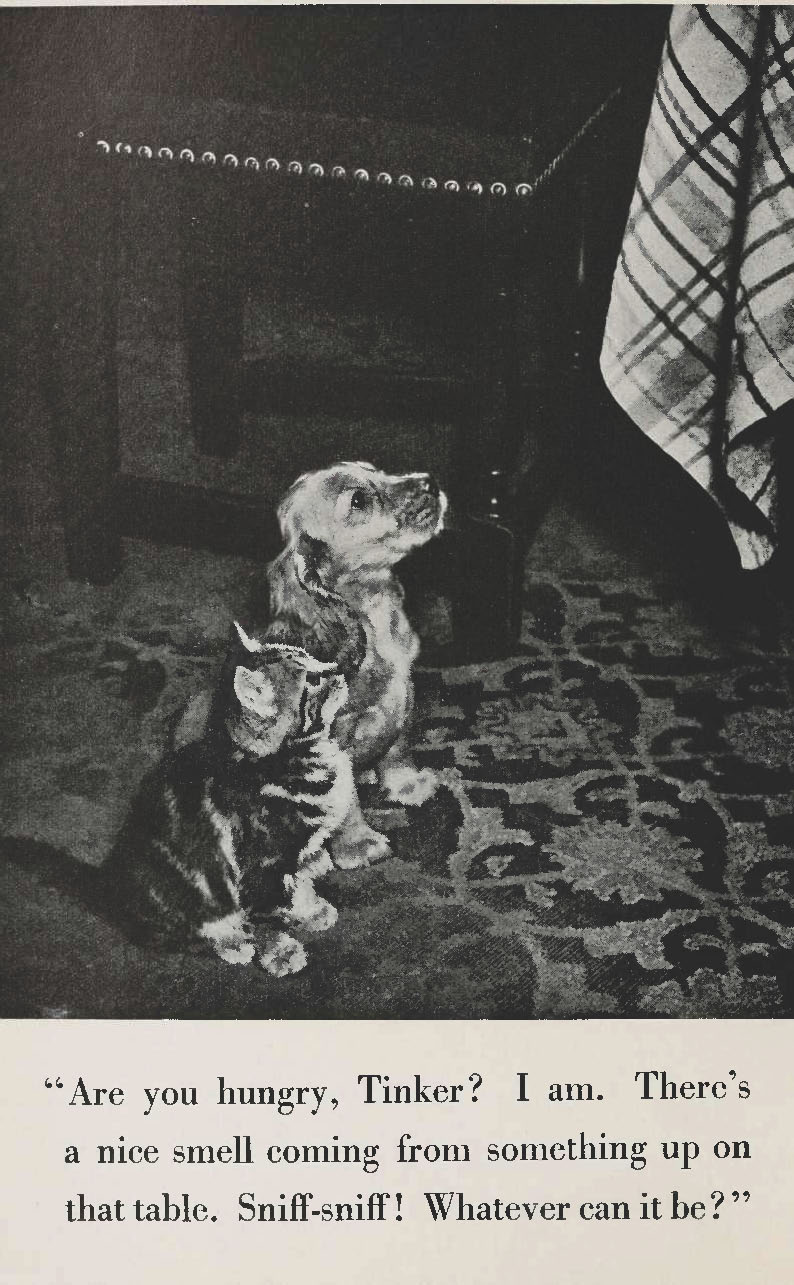
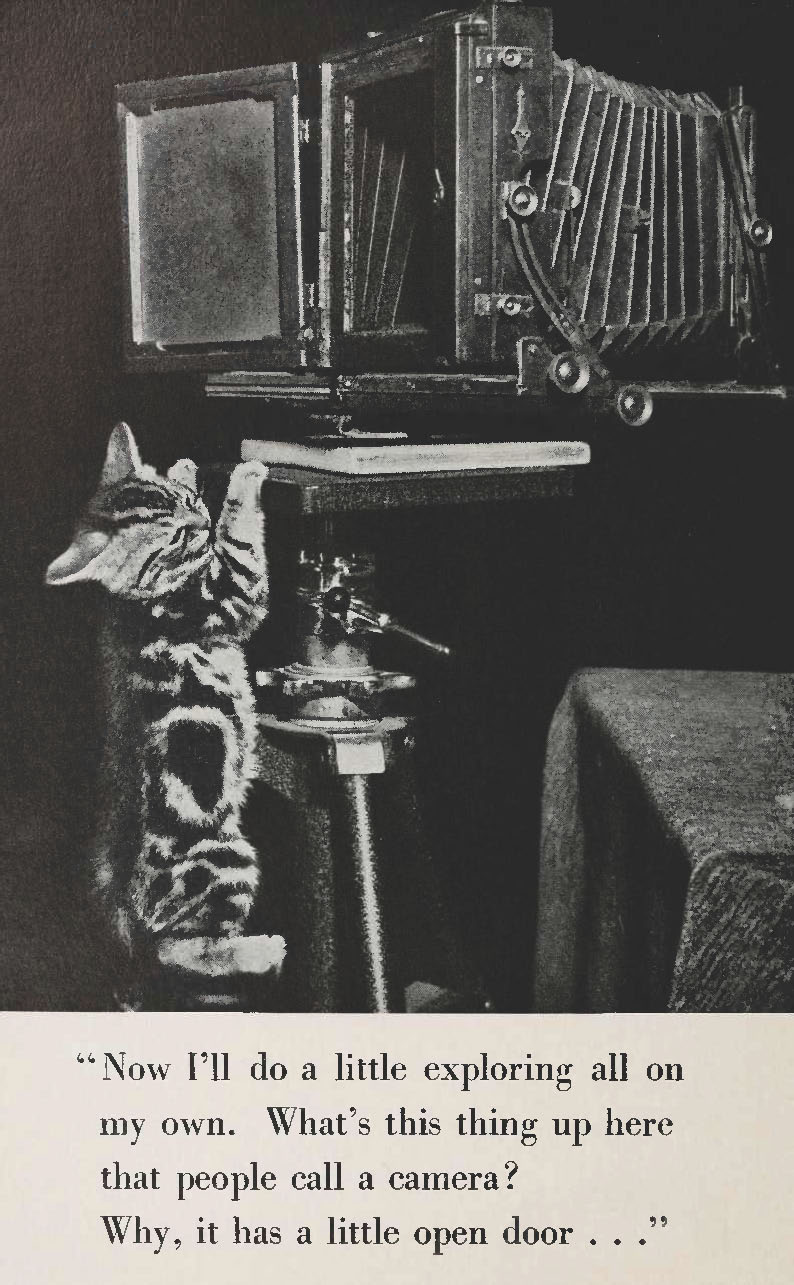
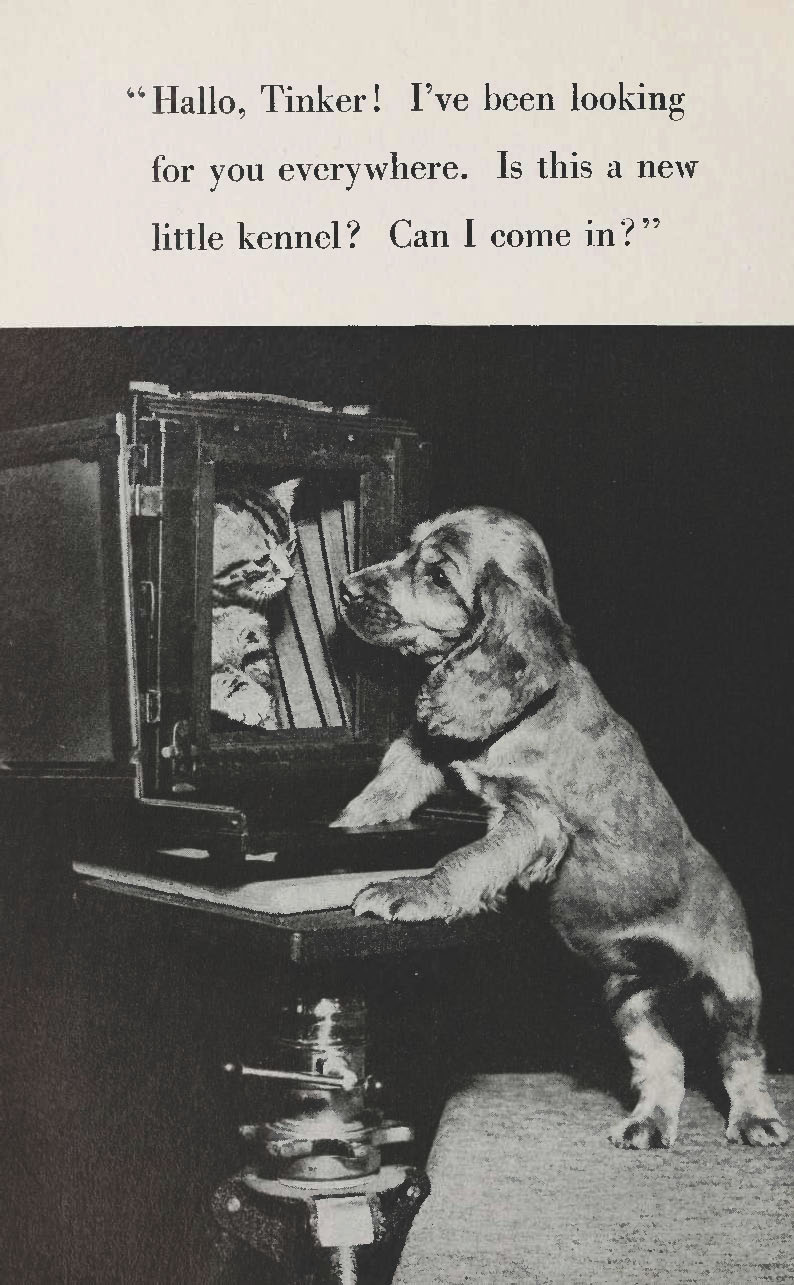
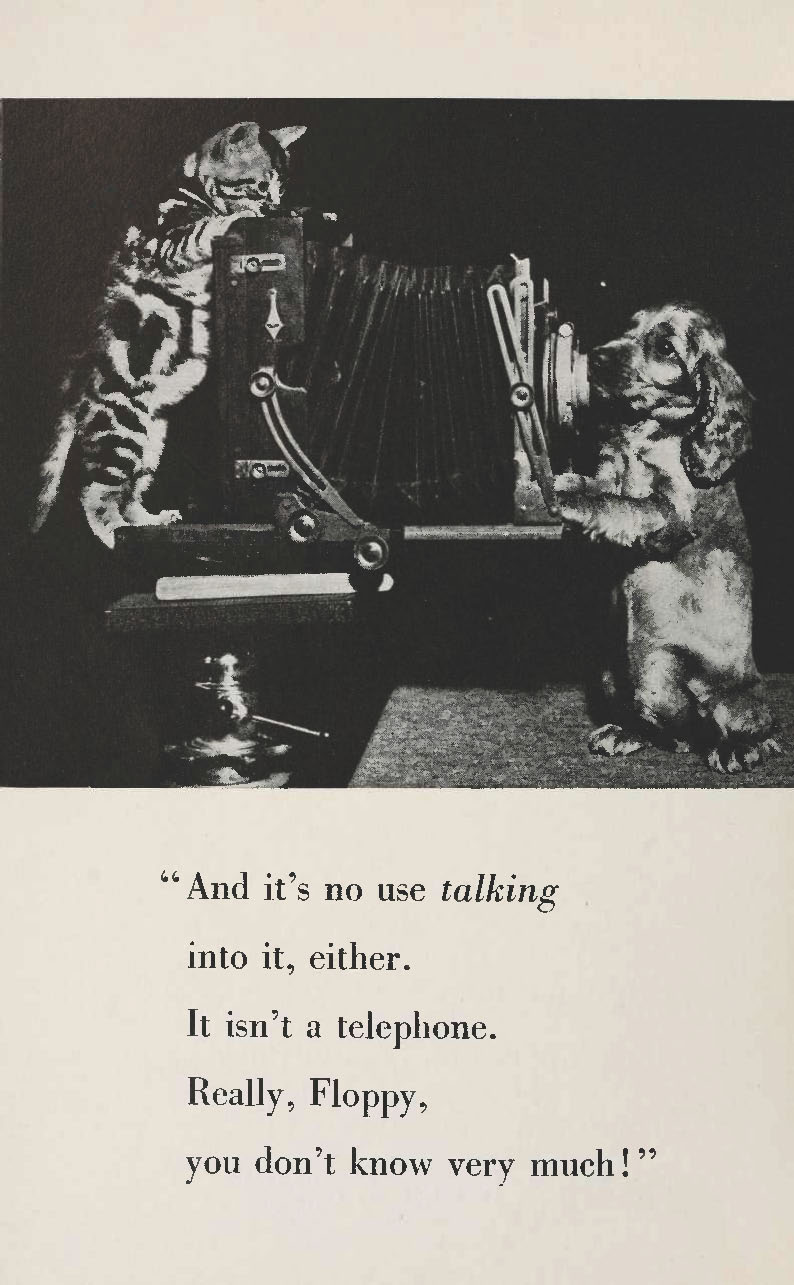
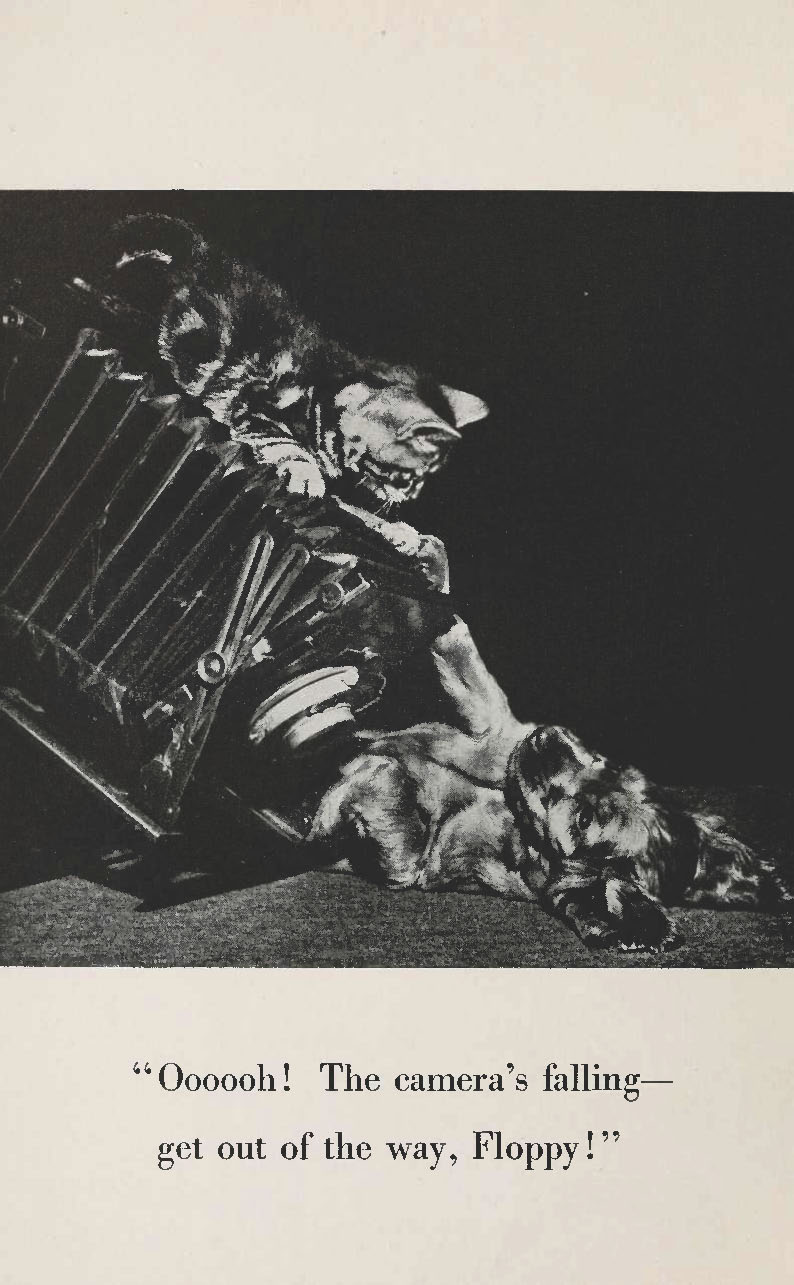
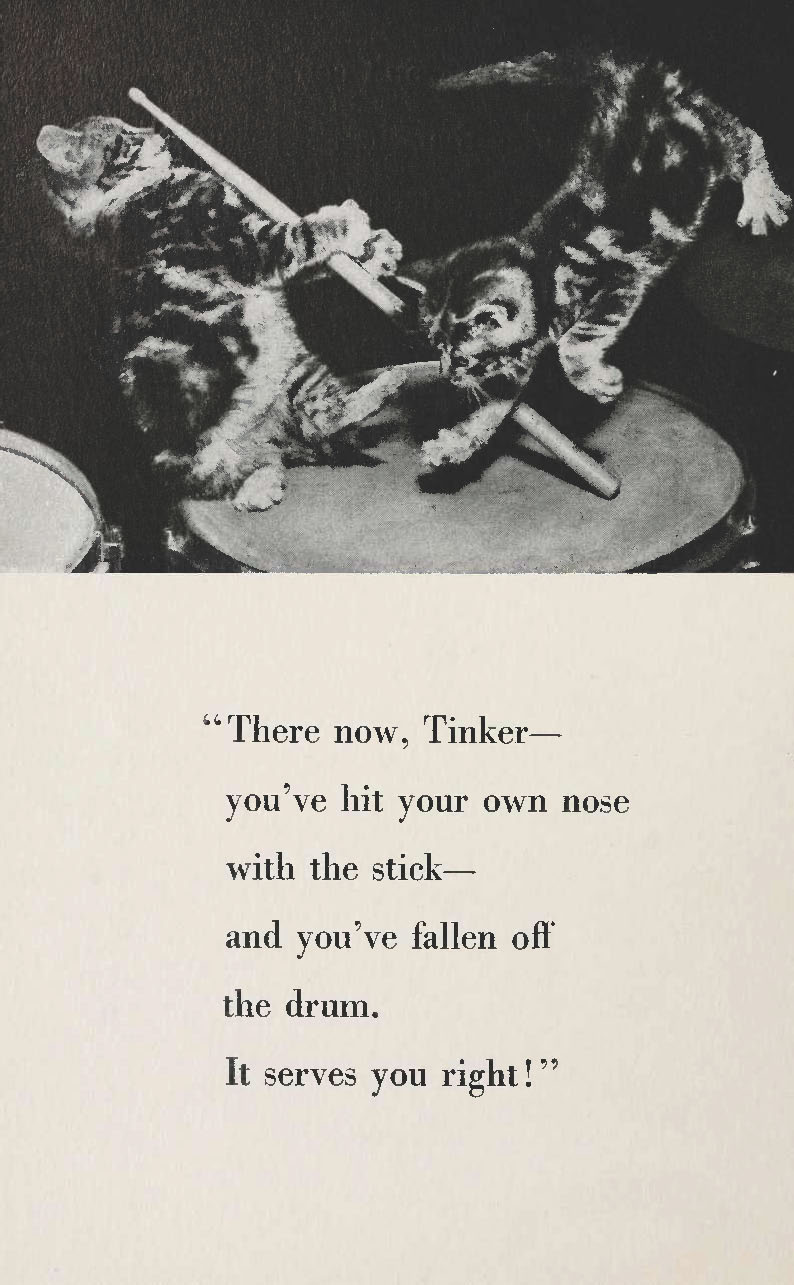
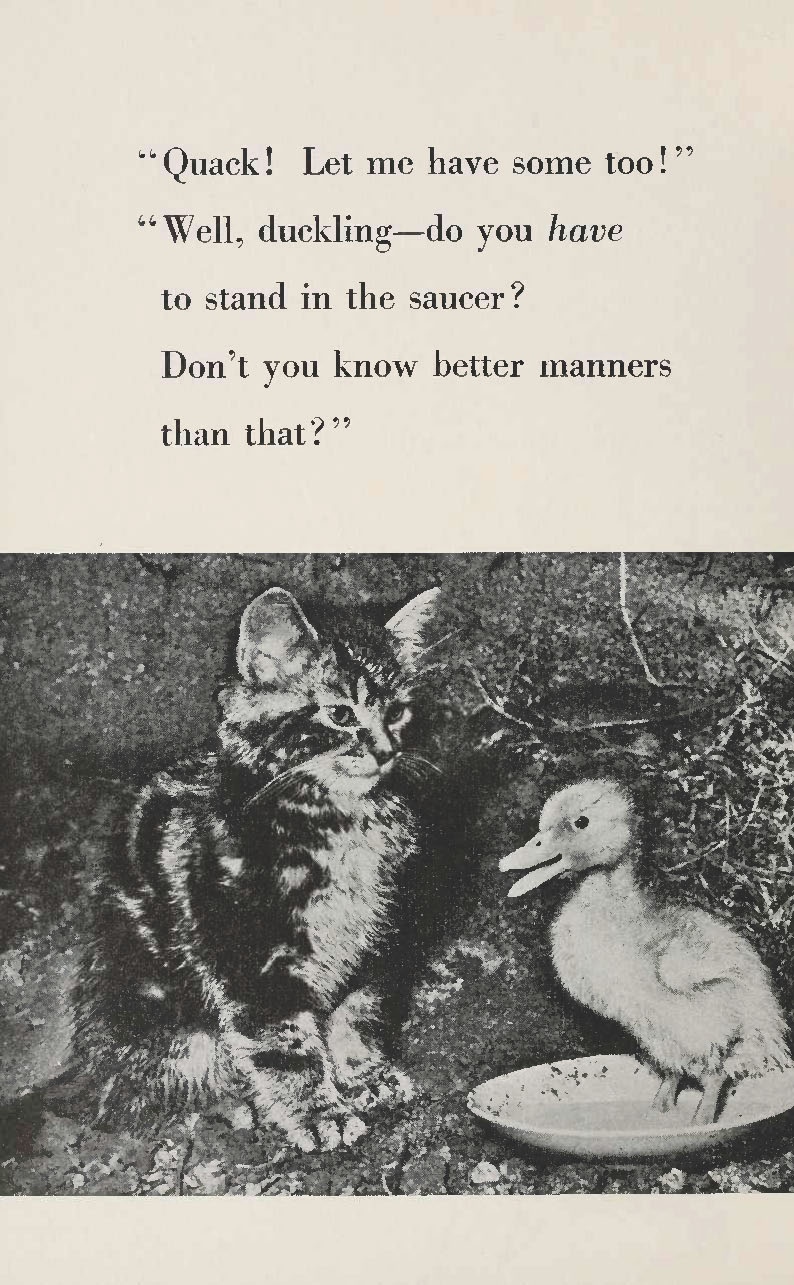
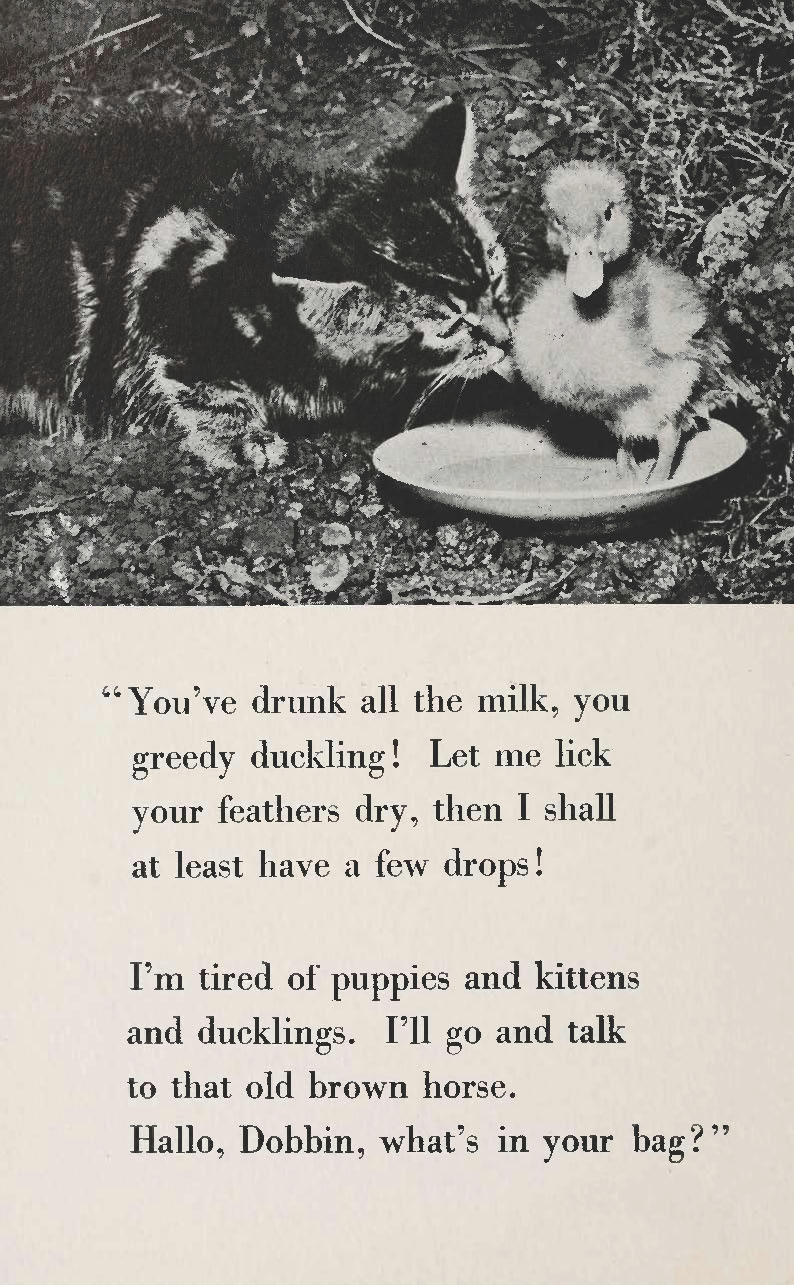
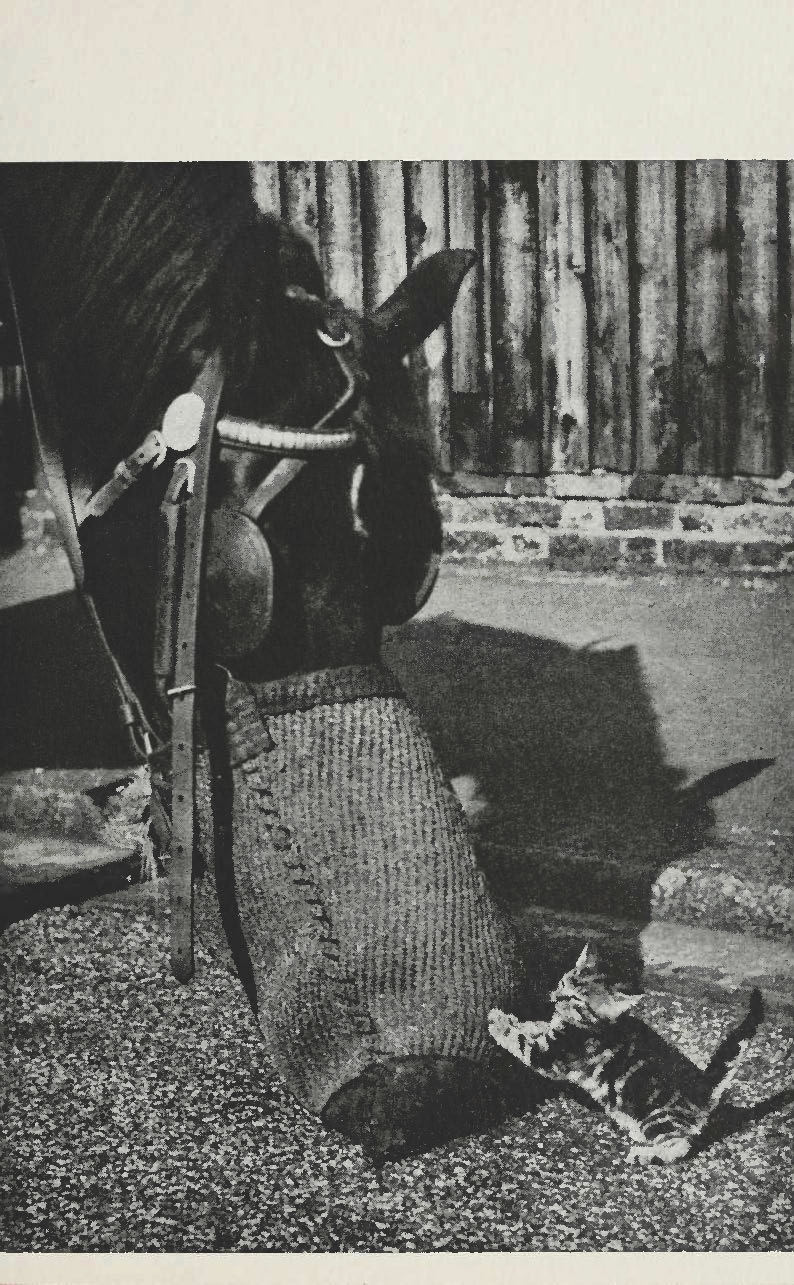
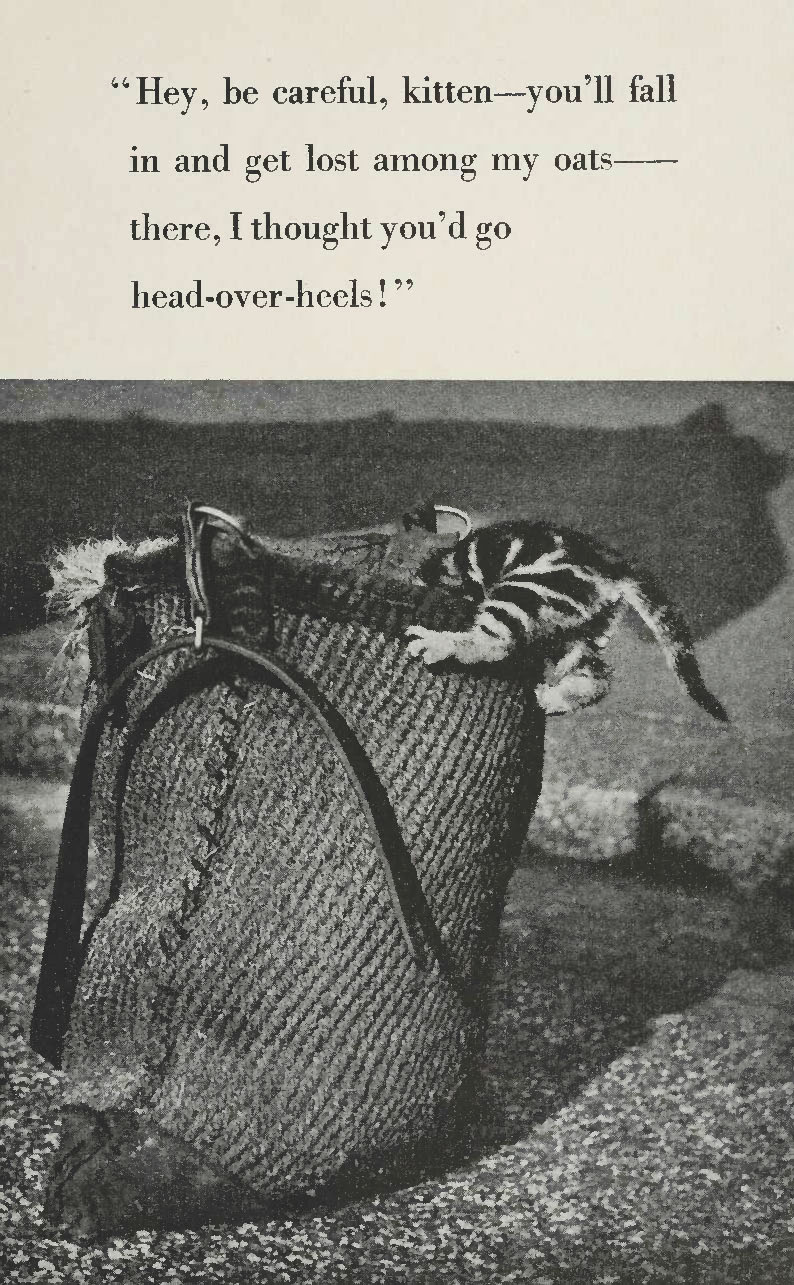
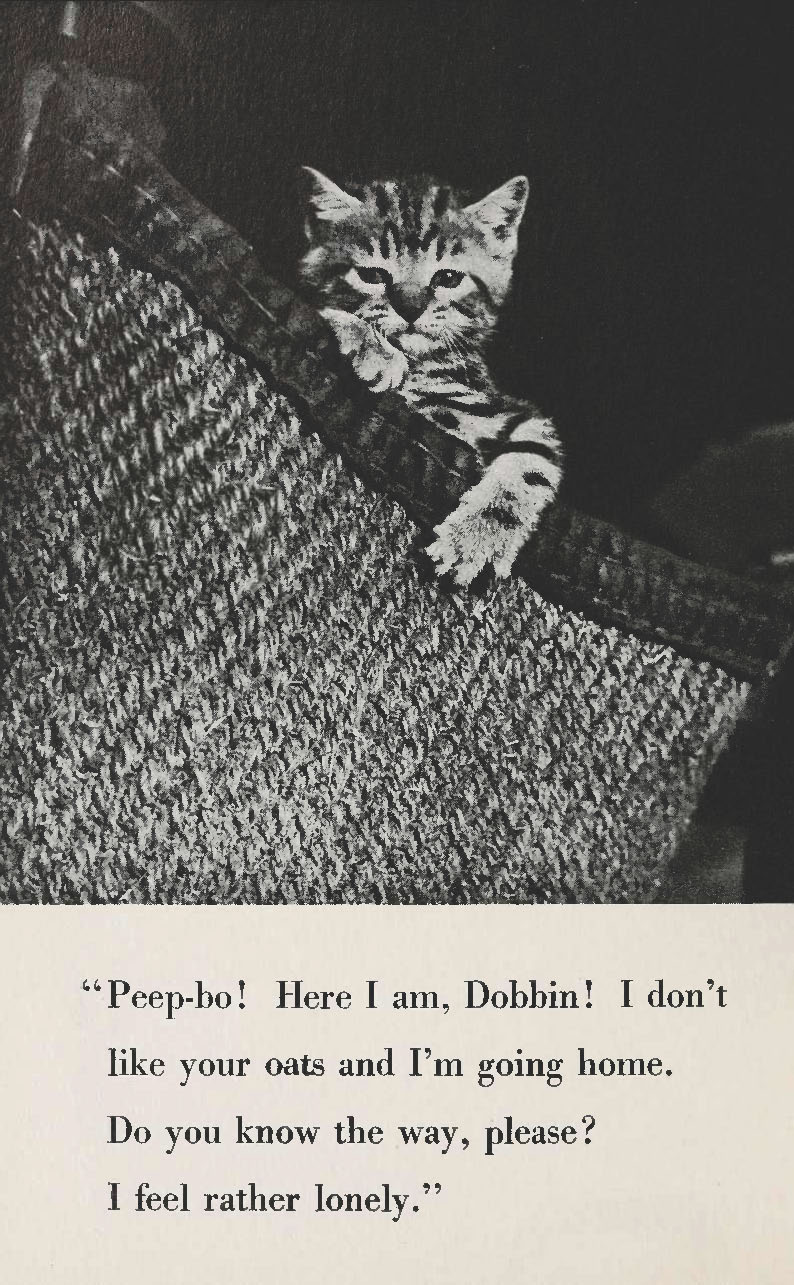
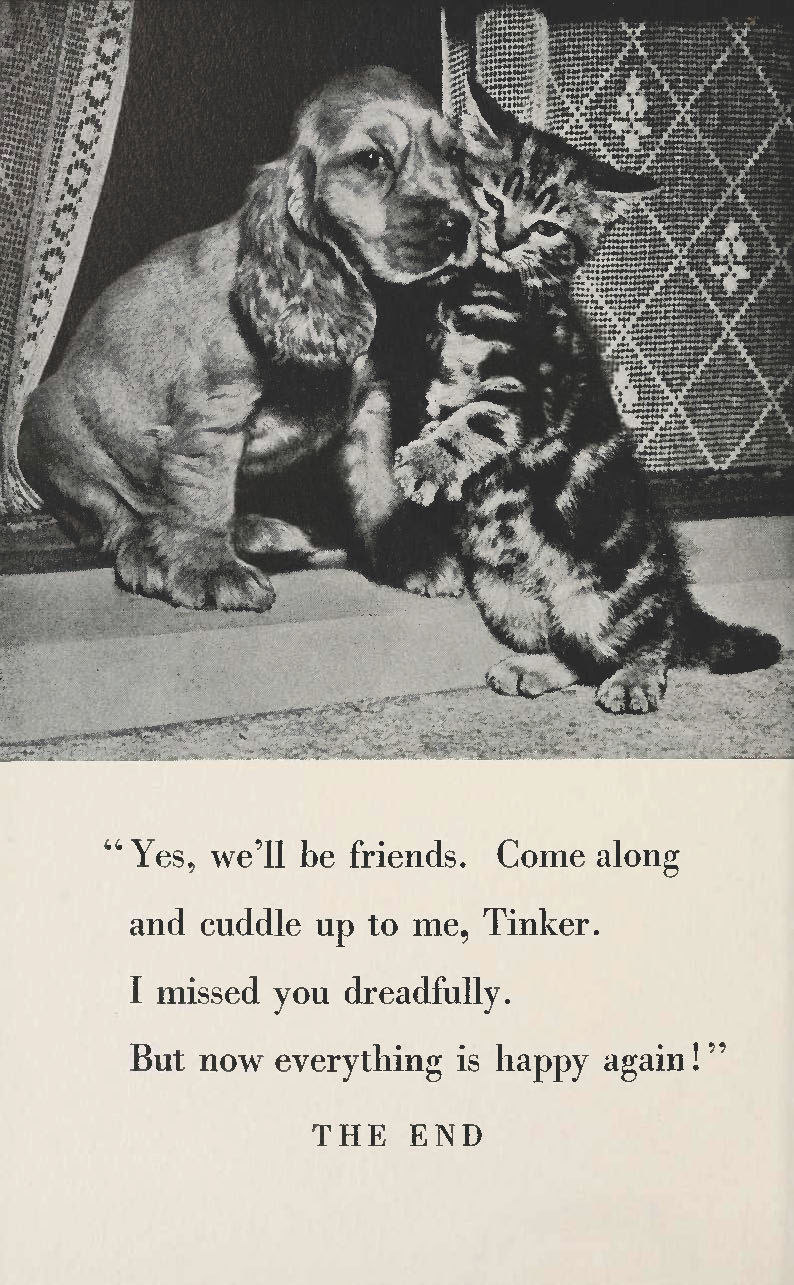
Here is the second book about the |


















 |
➔ Internet Archive
   The Laughing Kitten, First Published in 1954 by Harvill Press |
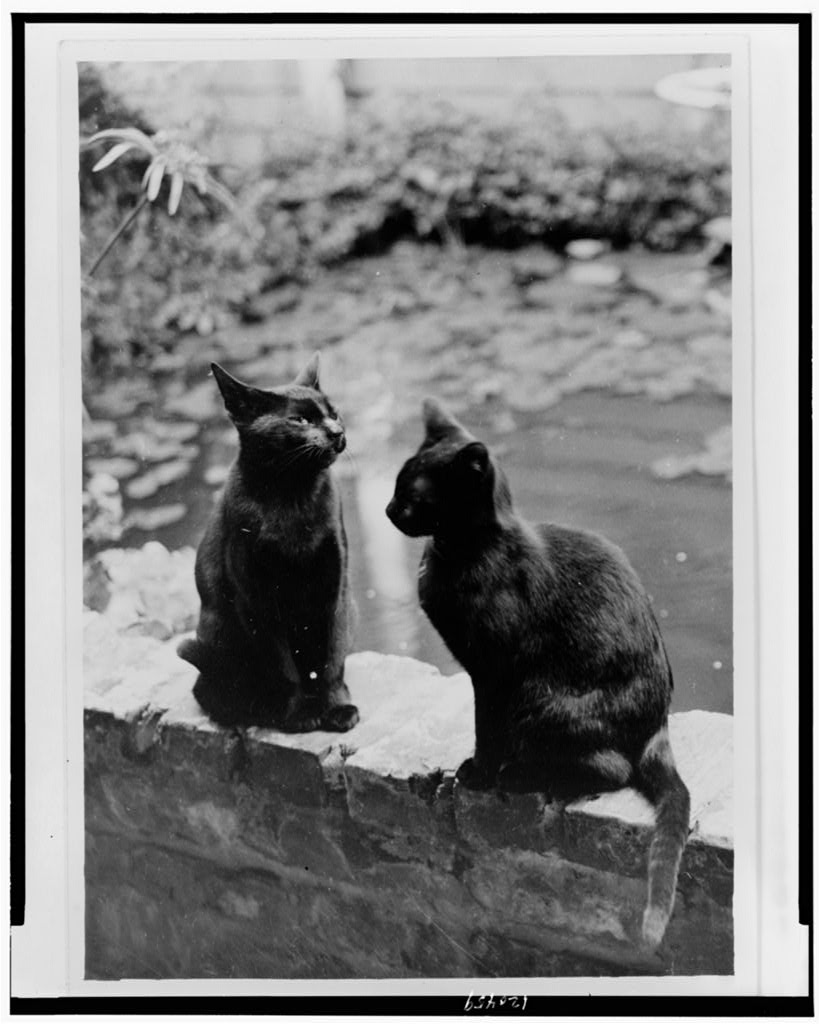 |
| Frances Benjamin Johnston’s cats seated on brick railing of New Orleans house, Louisiana (between 1920 and 1950) |
Frances Benjamin Johnston (1864-1952) was a photographer whose prodigious career spanned six decades and whose lens captured a vast array of topics. A woman of immense drive and energy, she is most commonly referred to as the first female photojournalist. However, she was also a charter member of the Photo-Secession, exhibiting her pictorialist work in a wide variety of salons and shows; she was a businesswoman who operated her own Washington, DC portrait studio and later, in New York City, a studio devoted to architectural photography; she was the recipient of awards and accolades and served as a mentor -particularly through her published essays and private correspondence -to countless women who aspired to her profession; and she was a peripatetic soul whose travels in the United States and abroad resulted in a tremendous body of work concentrating primarily on architecture and gardens (the fruit of her later years).
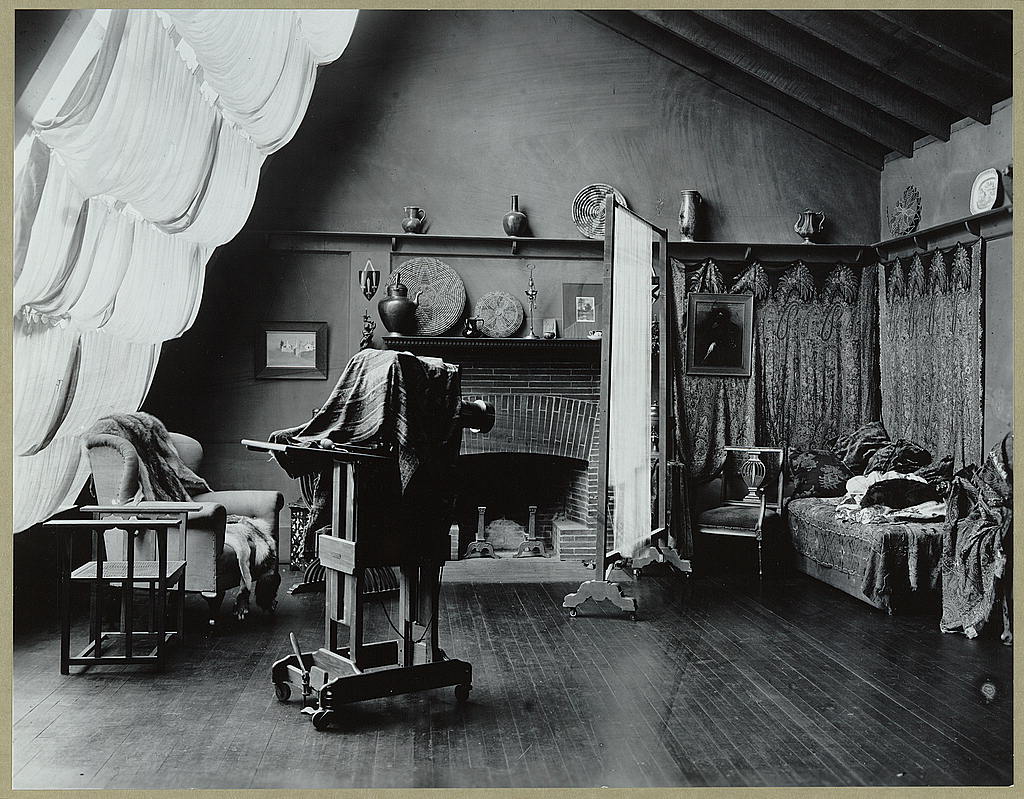 |
| Interior of Frances Benjamin Johnston’s studio at 1332 V St. NW, Washington, D.C |

 tout ceci est magnifique