Dr. Ernst König

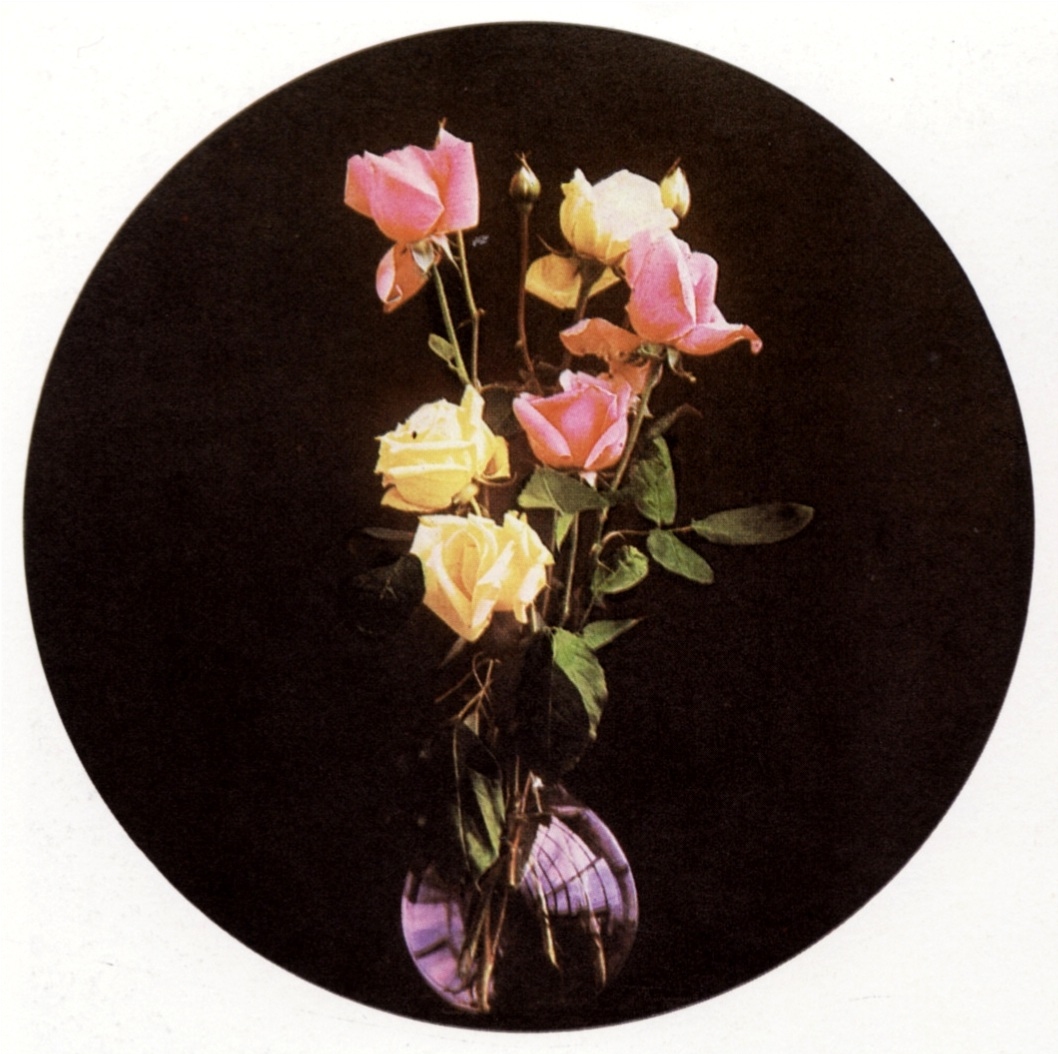
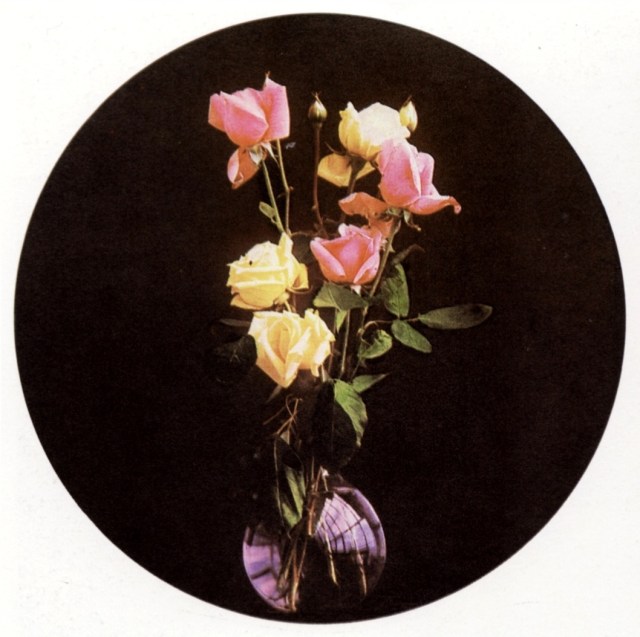
Rosen, 1905


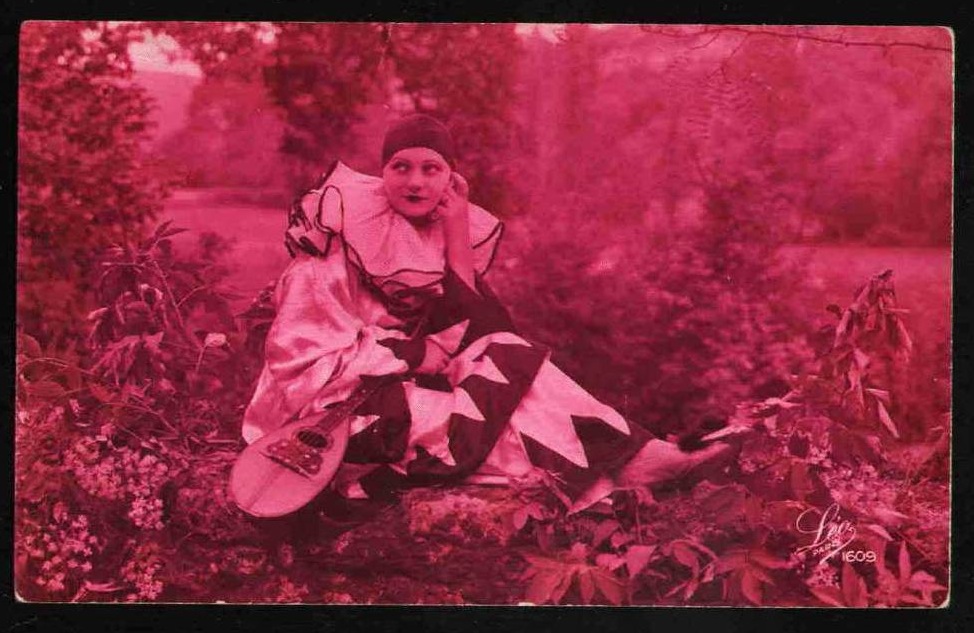
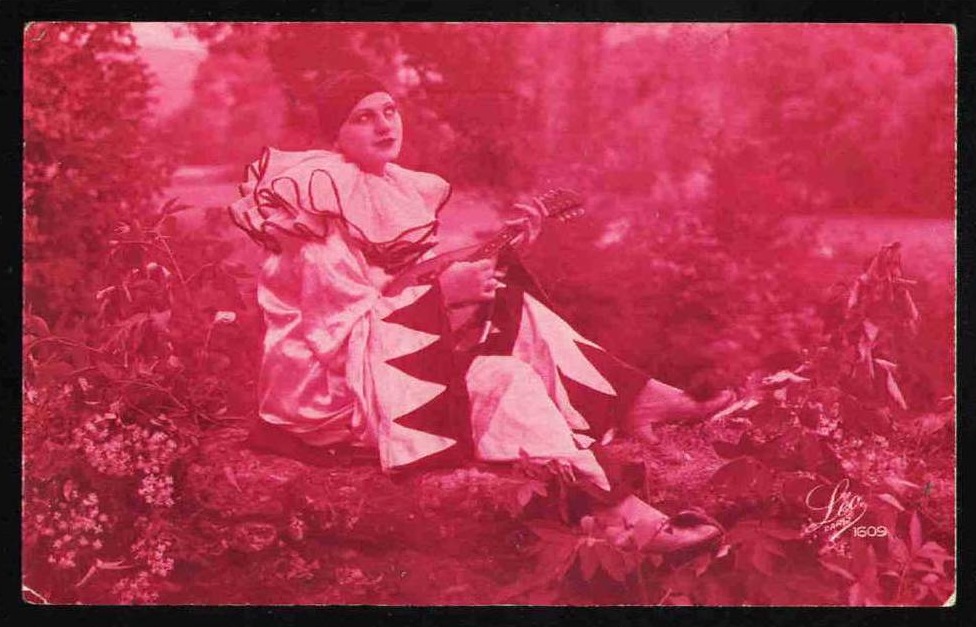
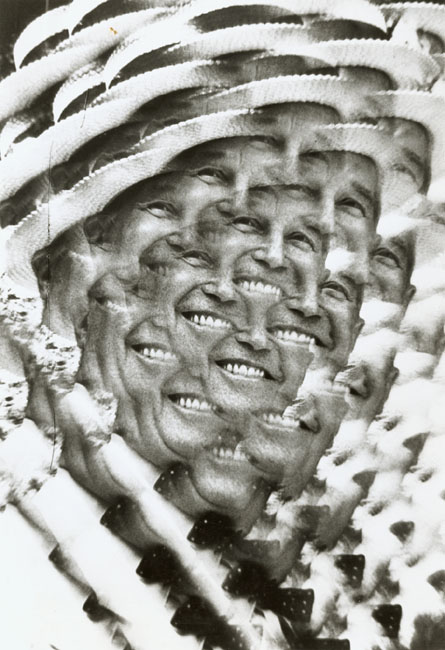
[Obituary]The death on October 29 of Dr. Ernst Konig, of the famous dyeworks at H6chst-am-Main (formerly Meister, Lucius, and Bruning) at the early age of fifty-five, is recorded by the Chemiker – Zeitung. Konig’s reputation rests securely upon his well-known researches in the field of photochemistry. Born at Flensburg in Schleswig, he graduated at the University of Leipzig, where for a very brief period he acted as assistant to Prof. Stohmann. In 1893 he entered the service of the dyeworks at Hochst, where he eventually attained a position of the highest responsibility. At first he undertook the investigation of new coal-tar colours, but his chief interest lay in their application to photographic processes. In 1902 a photographic department of the works was formed under his direction, and two years later a new kind of three-colour collodion process, the pinachrome process, was invented. This was followed by the application of dyes to chromate-gelatin emulsions and the development of the pinatype process. He also devoted much attention to the production of various light-filters and desensitisers. One of the most important of his discoveries was that of the panchromatic plate. The problem of extending the region of sensitiveness of the emulsion beyond the yellow into the red and even far down into the infrared region was solved by employing as sensitisers derivatives of quinoline, containing auxochromic groups in the benzene nucleus. Konig was also the author of numerous scientific papers and books on photographic subjects. 

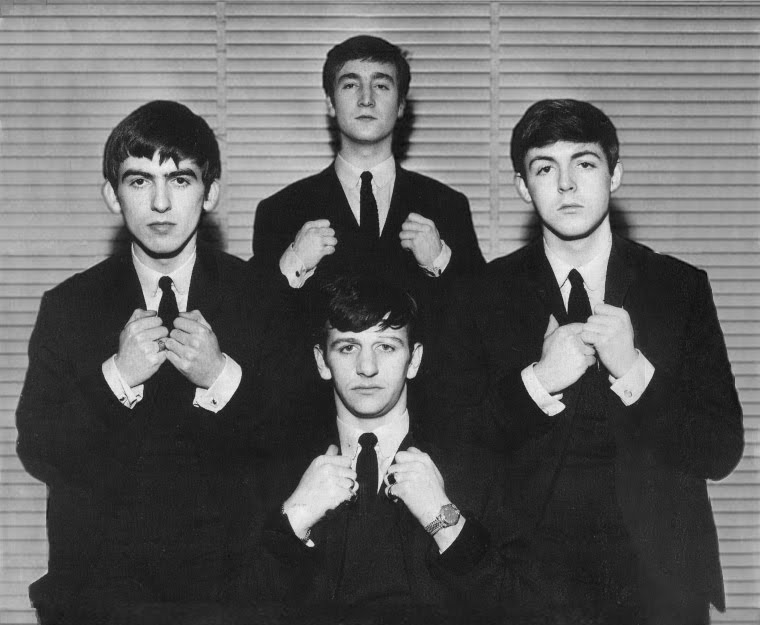
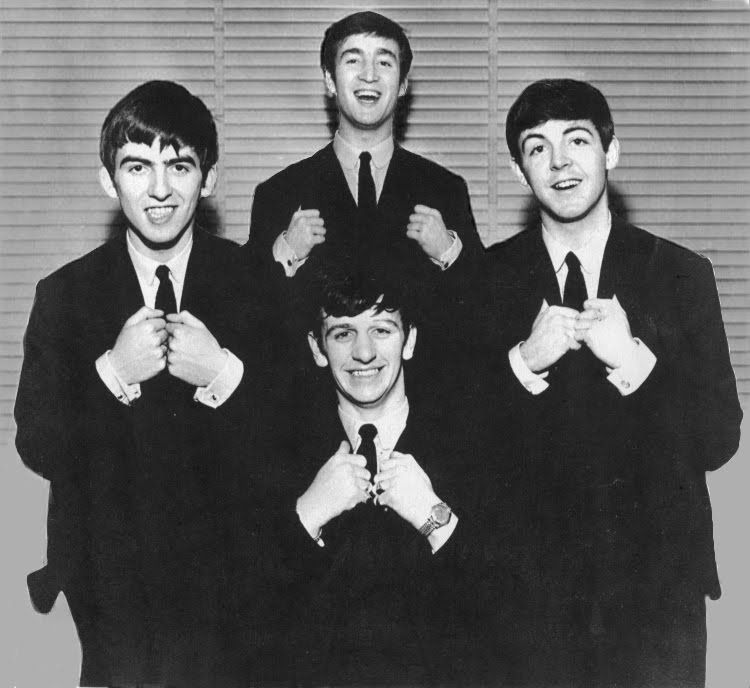
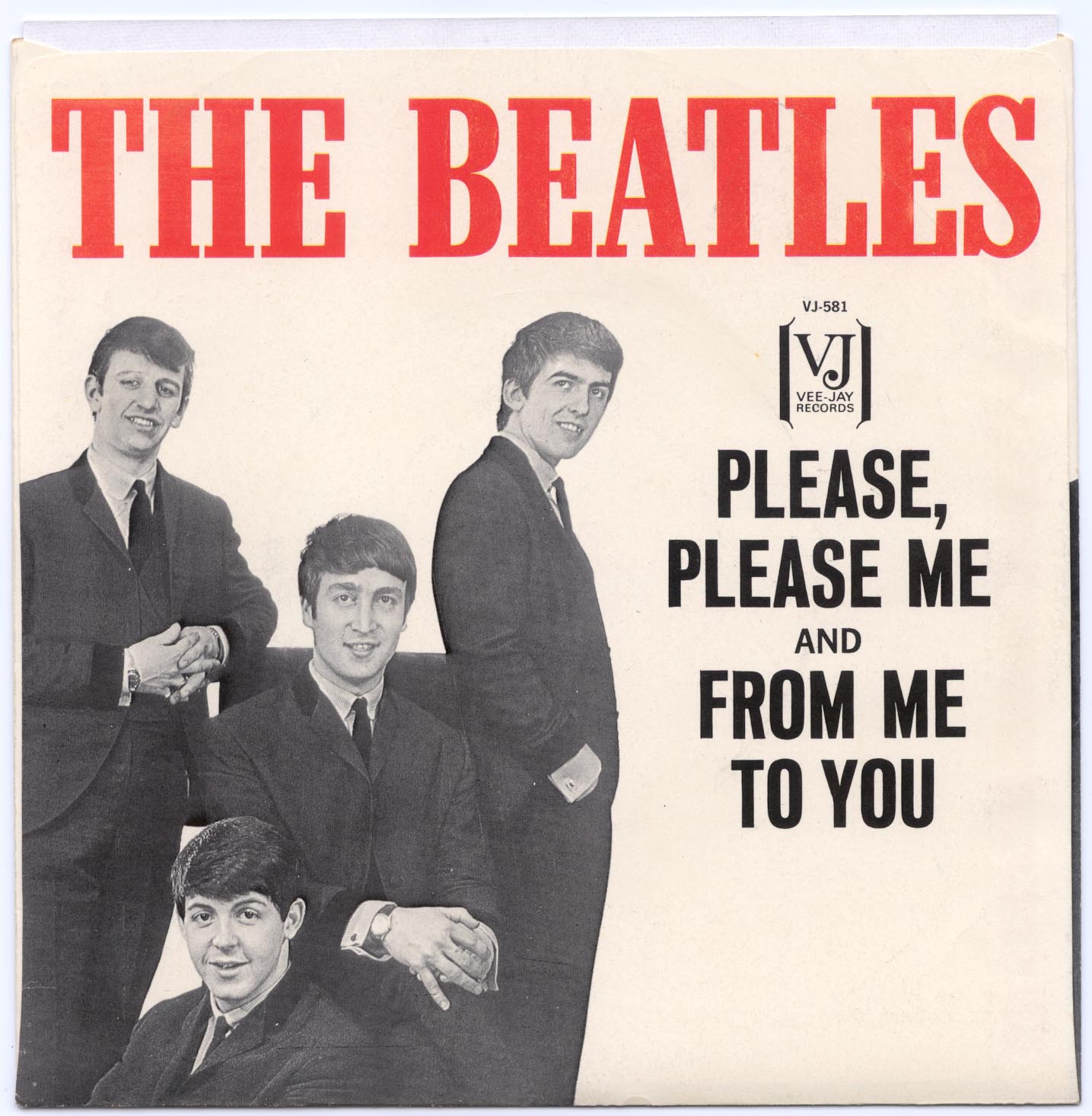
Beatles x2

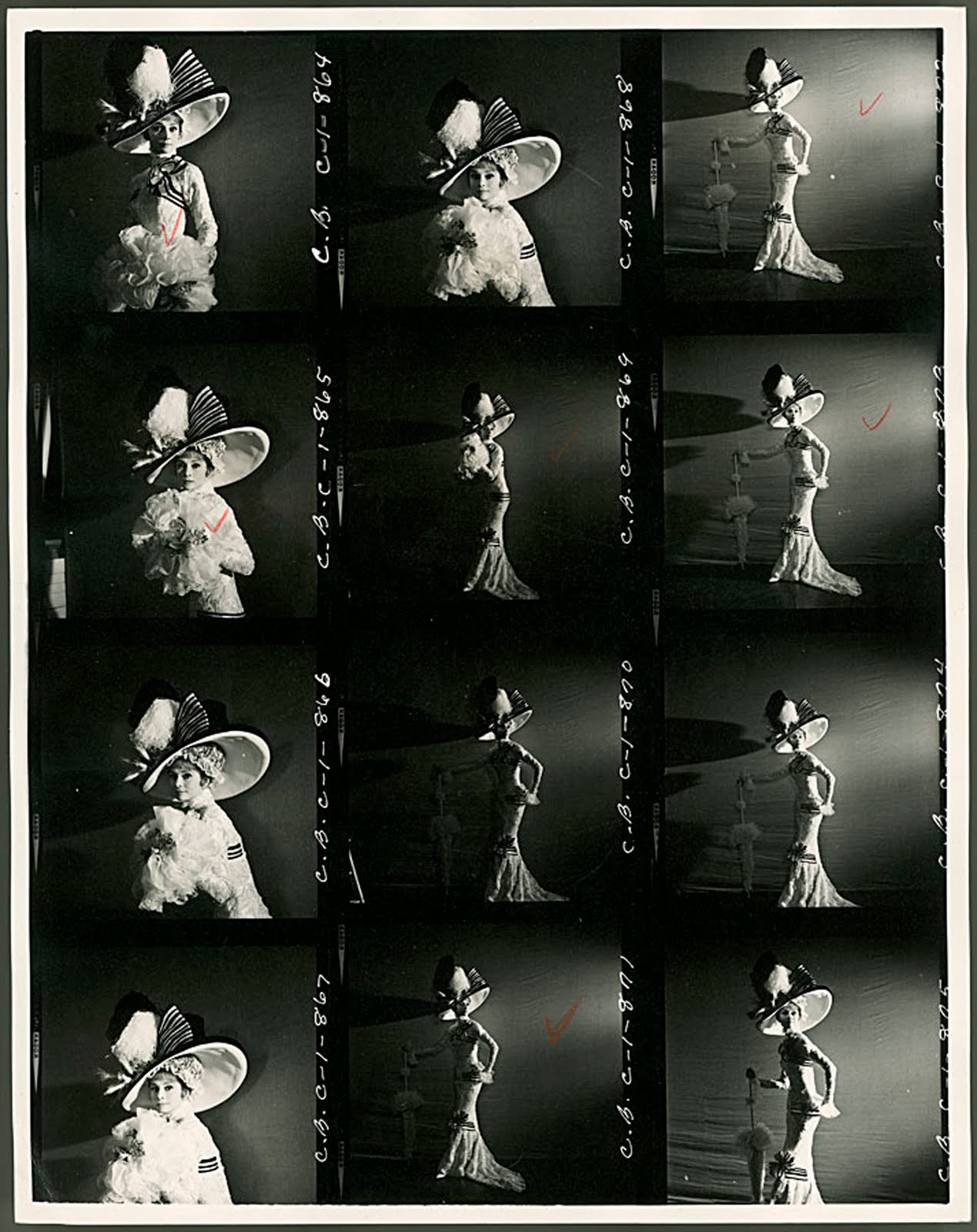
Cecil Beaton called him the best photographer in the country; Lord Snowden declared him a genius. It is no exaggeration to say that Angus McBean revolutionized portraiture in the 1930s, or that he immortalized the likes of Audrey Hepburn, Marlene Dietrich and Elizabeth Taylor. Blending wit, drama and fantasy with the consummate skill of a master photographer, without a doubt Angus McBean has been one of the greatest influences on theatrical, portrait, creative and commercial photography in the last 100 years. 

McBean’s later works included being the photographer for The Beatles’ first album 

  
Source: Angus McBean biography & gallery

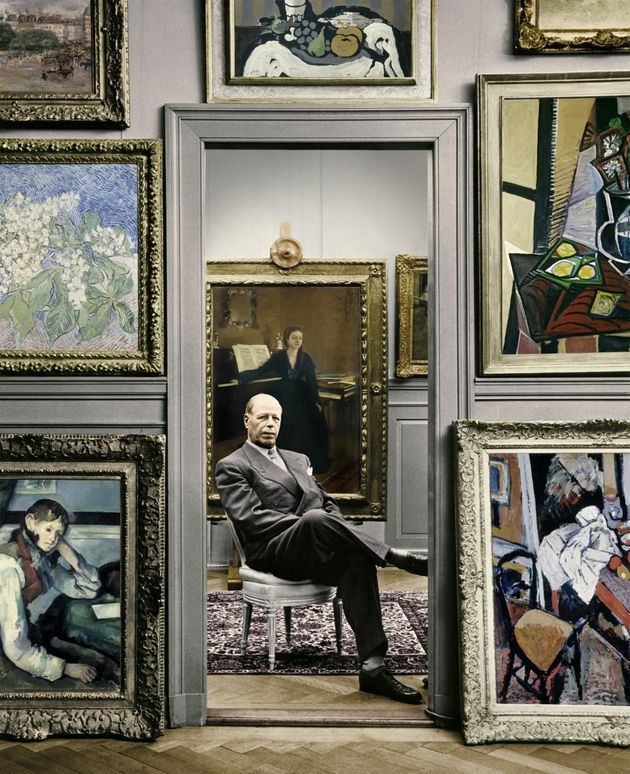
Emil Georg Bührle

The art collection of Emil Georg Bührle (1890-1956), a Zurich industrialist, is among the most important 20th-century private collections of European art. French Impressionism and Post-Impressionism constitute the core of the collection. Around these works is an ensemble of 19th-century French art that paved the way for Impressionism or developed alongside it. In the other direction, the core collection opens out onto the Nabis, Fauves, Cubists and other representatives of the French avant-garde after 1900. The collection is rounded off by sections devoted to earlier periods, in particular Dutch painting of the 17th and Italian painting of the 16th to 18th centuries and a group of Gothic wood sculptures. Emil Bührle acquired most of his pictures and sculptures between 1951 and 1956. The central theme of the collection is the gradual evolution of a new artistic freedom from Impressionism onwards as the driving force behind Modernist painting in the 20th century. His acquisitions also indirectly reflected changes in the contemporary art scene of the early 1950’s in that they included important examples of what by this time was the historic avant-garde of the early 20th century. In 1960, the collector’s family placed a representative selection of about 200 pictures and sculptures in a foundation and opened it to the public. The Foundation’s museum is housed in a villa adjoining Emil Bührle’s former home, which Bührle had used to store part of his collection during his lifetime.
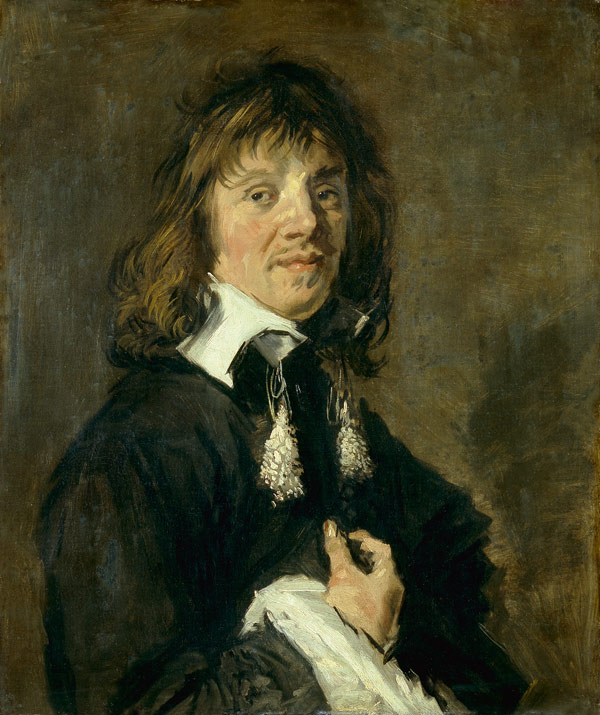
Frans Hals