‘Tis the Season

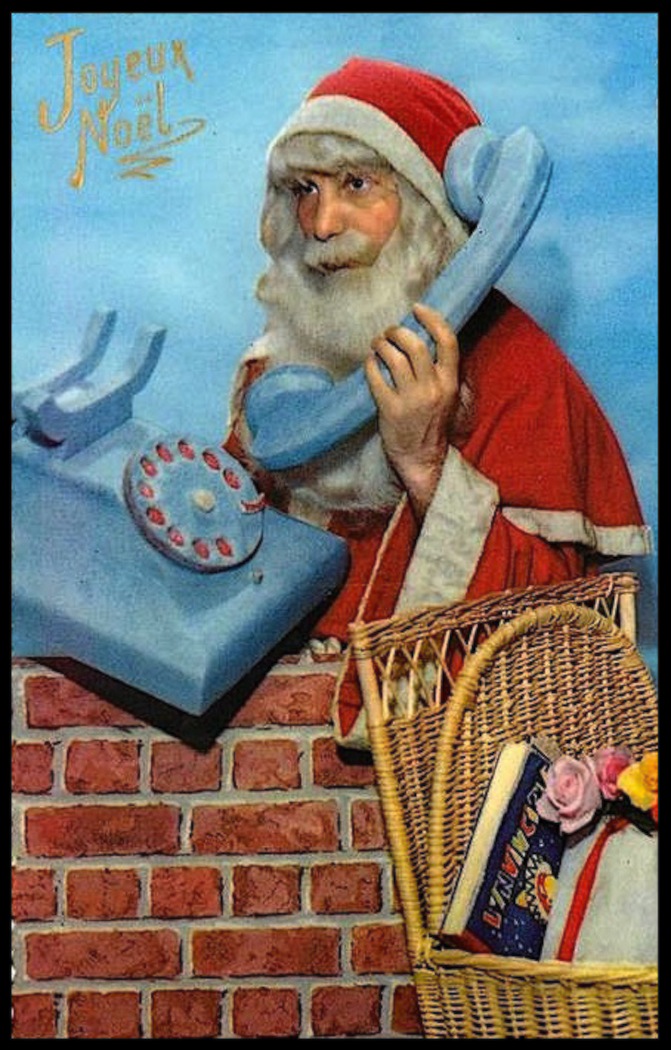
He comes in the night! He comes in the night!
He softly, silently comes,
While the little brown heads on the pillows so white
Are dreaming of bugles and drums.
He cuts thro’ the snow like a ship thro’ the foam,
While the white flakes ’round him whirl.
Who tells him I know not, but he findeth the home
Of each good little boy and girl.
His sleigh it is long, and deep, and wide;
It will carry a host of things,
While dozens of drums hang over the side,
With the sticks sticking under the strings.
And yet not the sound of a drum is heard,
Not a bugle blast is blown,
As he mounts to the chimney-top like a bird,
And drops to the hearth like stone.
The little red stockings he silently fills,
Till the stockings will hold no more;
The bright little sleds for the great snow hills
Are quickly set down on the floor.
Then Santa Claus mounts to the roof like a bird,
And glides to his seat in the sleigh;
Not the sound of a bugle or drum is heard
As he noiselessly gallops away.
Santa Claus
Anonymous, 1880

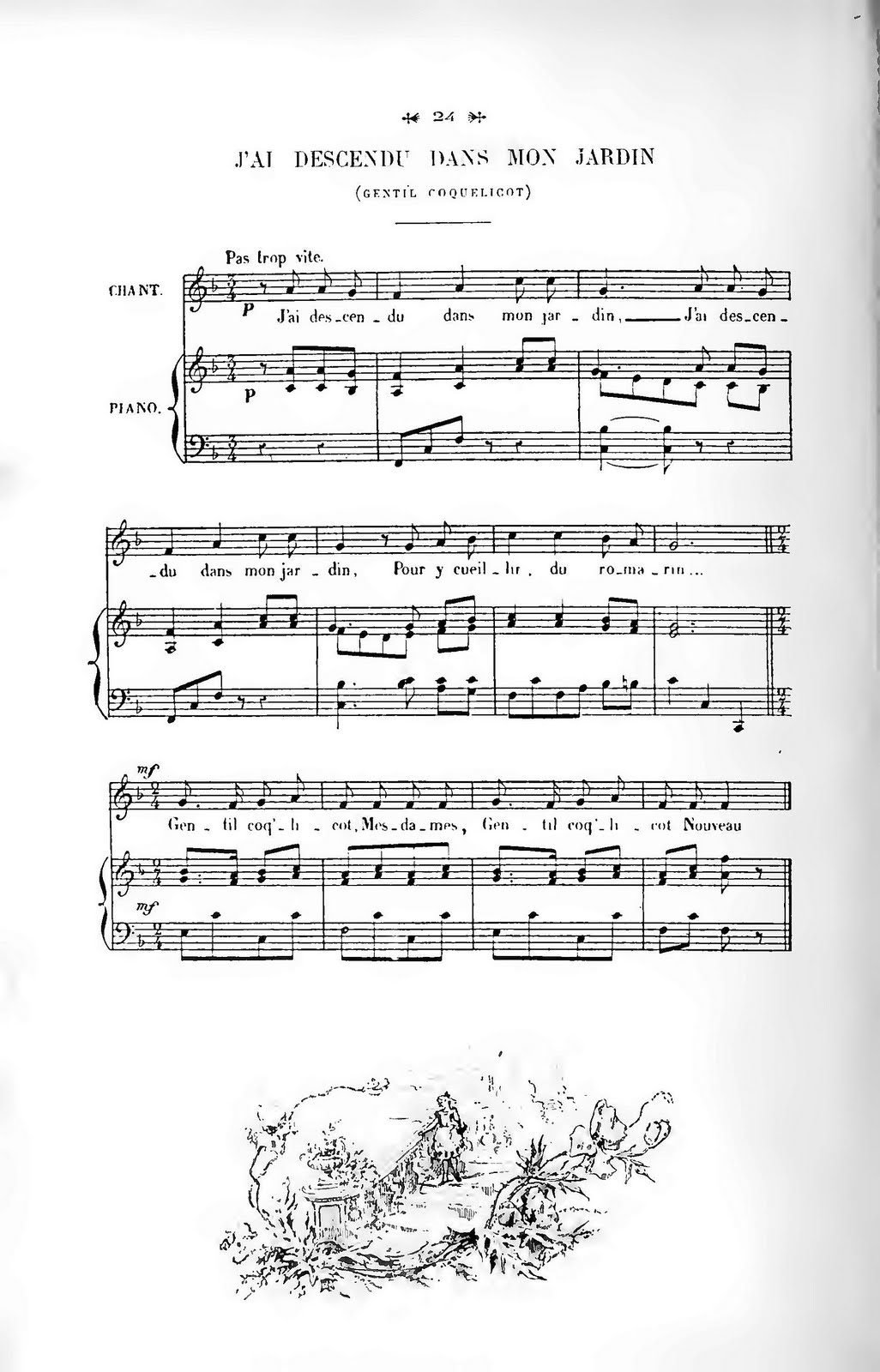
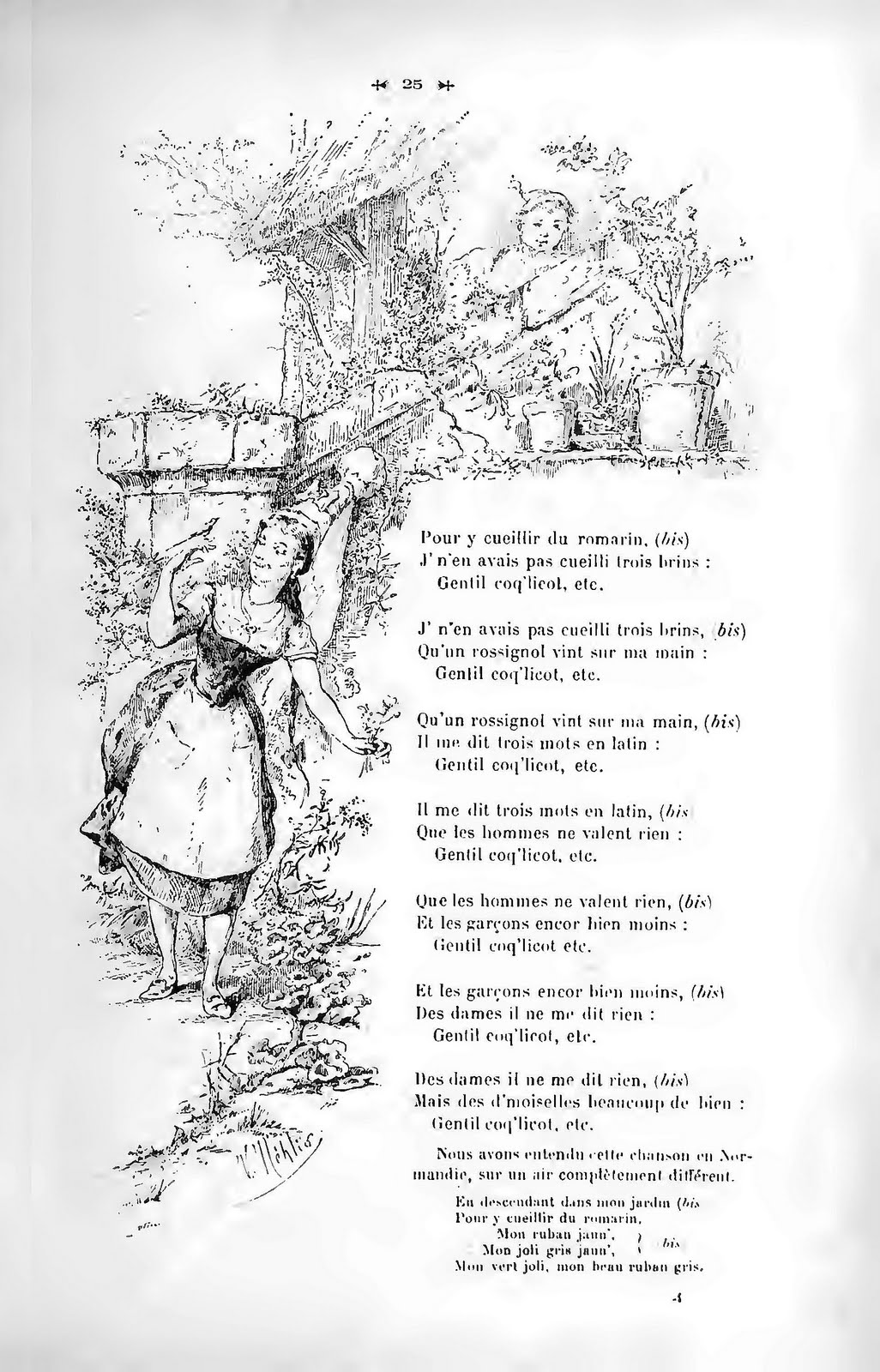
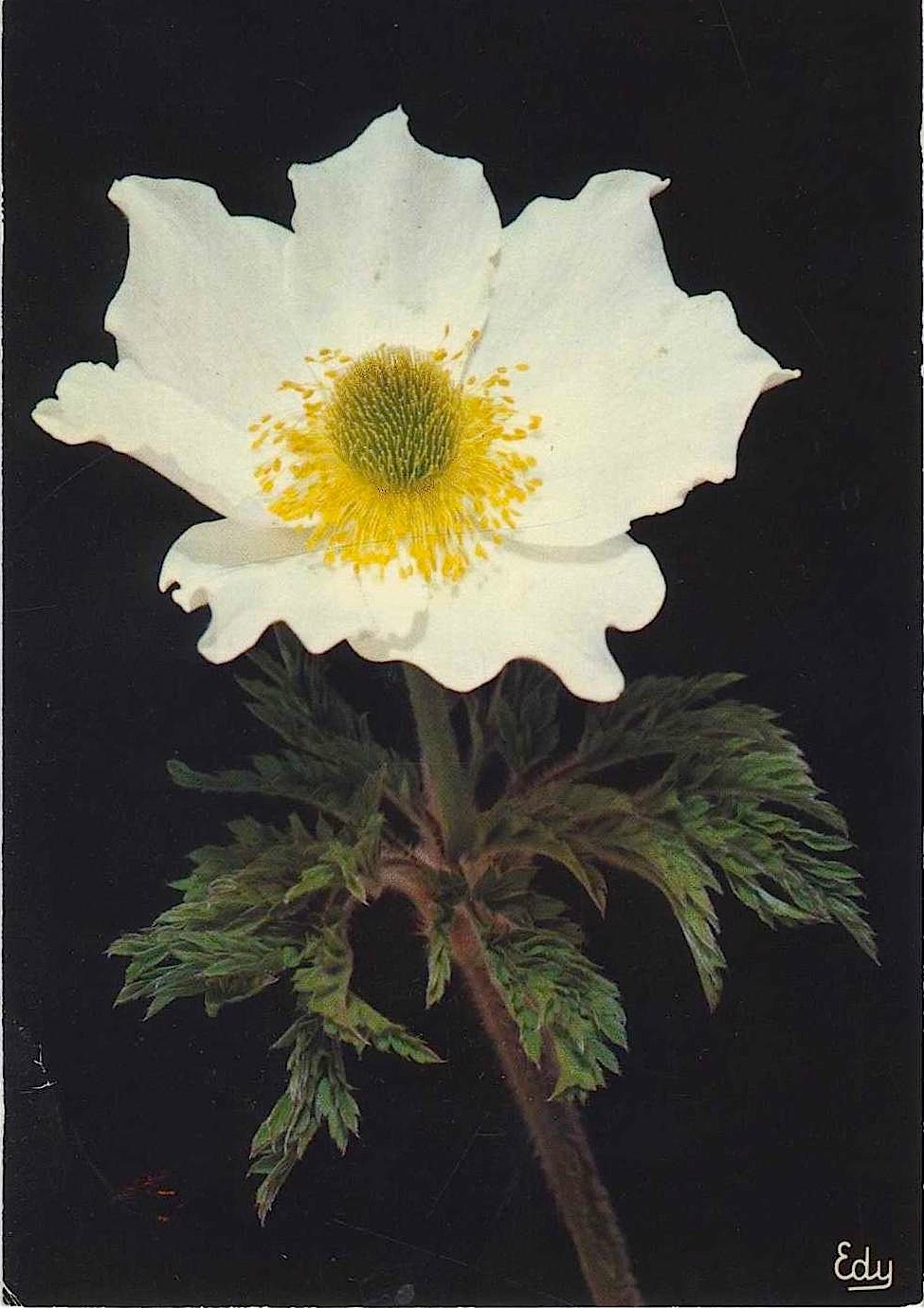
J’ai descendu dans mon jardin [Gentil coquelicot]

*** 
J’ai descendu dans mon jardin,
Pour y cueillir du romarin;
Gentil coq’licot
Mesdames,
Gentil coq’licot

Nouveau.
Pour y cueillir du romarin,
Pour y cueillir du romarin ;
J’ n’en avais pas cueilli trois brins ;
Gentil coq’licot
,
Mesdames,
Gentil coq’licot

Nouveau.
J’ n’en avais pas cueilli trois brins,
Qu’un rossignol vient sur ma main;
Gentil coq’licot,
Mesdames, Gentil coq’licot
Nouveau.
Qu’un rossignol vient sur ma main,
Il me dit trois mots en latin;
Gentil coq’licot
,
Mesdames,
Gentil coq’licot

Nouveau. 
Il me dit trois mois en latin,
Il me dit trois mots en latin,
Que les hommes ne valent rien,
Gentil coq’licot
,
Mesdames,
Gentil coq’licot

Nouveau.

Que les hommes ne valent rien,
Que les hommes ne valent rien, 
Et les garçons encor bien moins;
Gentil coq’licot
,
Mesdames,
Gentil coq’licot

Nouveau.

Et les garçons encor bien moins,
Et les garçons encor bien moins ,
Des dames il ne me dit rien ;
Gentil coq’licot
,
Mesdames,
Gentil coq’licot

Nouveau.

Des dames il ne me dit rien.
Des dames il ne me dit rien ;
Mais des d’moiselles beaucoup de bien
Gentil coq’licot
,
Mesdames,
Gentil coq’licot

Nouveau. 
➔  Jean-Baptiste Théodore Weckerlin ~ Chansons et rondes enfantines. Garnier, 1870

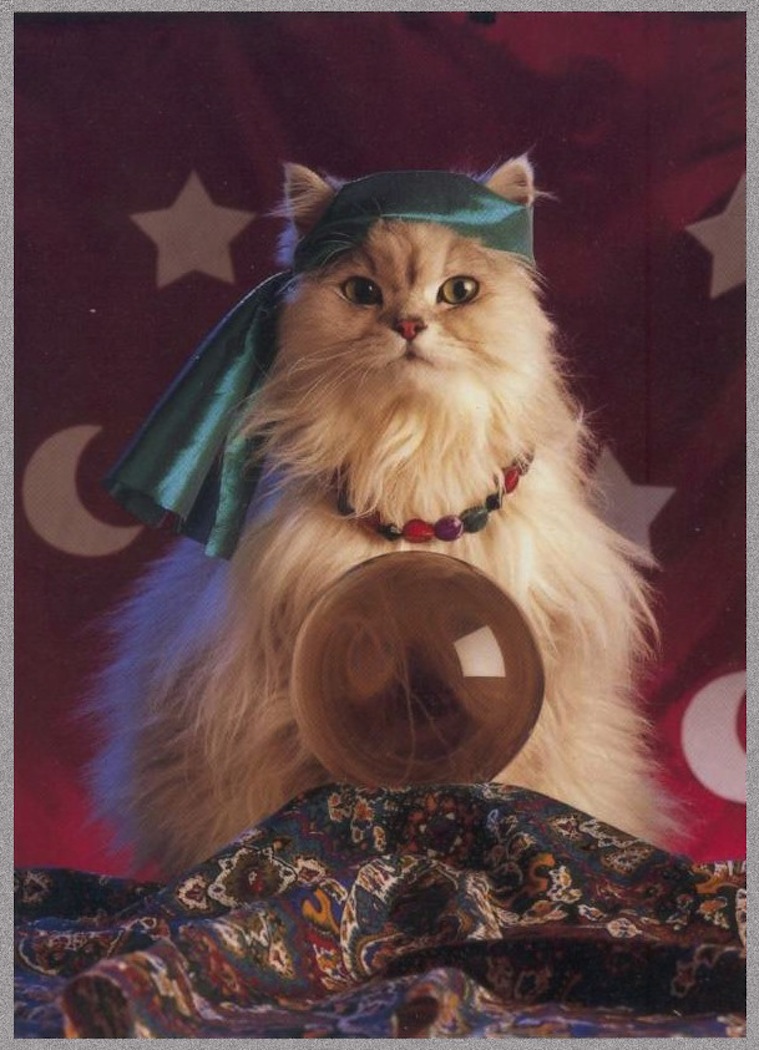
fortune-teller

If you have any questions to ask—ask them freely—and if it be in my power, I will answer without reserve—without reserve.
I asked a few questions of minor importance—paid her $2 and left—under the decided impression that going to the fortune-teller’s was just as good as going to the opera, and cost scarcely a trifle more—ergo, I will disguise myself and go again, one of these days, when other amusements fail. 
 
Mark Twain ~ Fragment of a letter to his brother Orion Clemens New Orleans, February 6, 1861 
[The clairvoyant of this visit was Madame Caprell, famous in her day.  Fee was $2; address, 37 Conti Street]

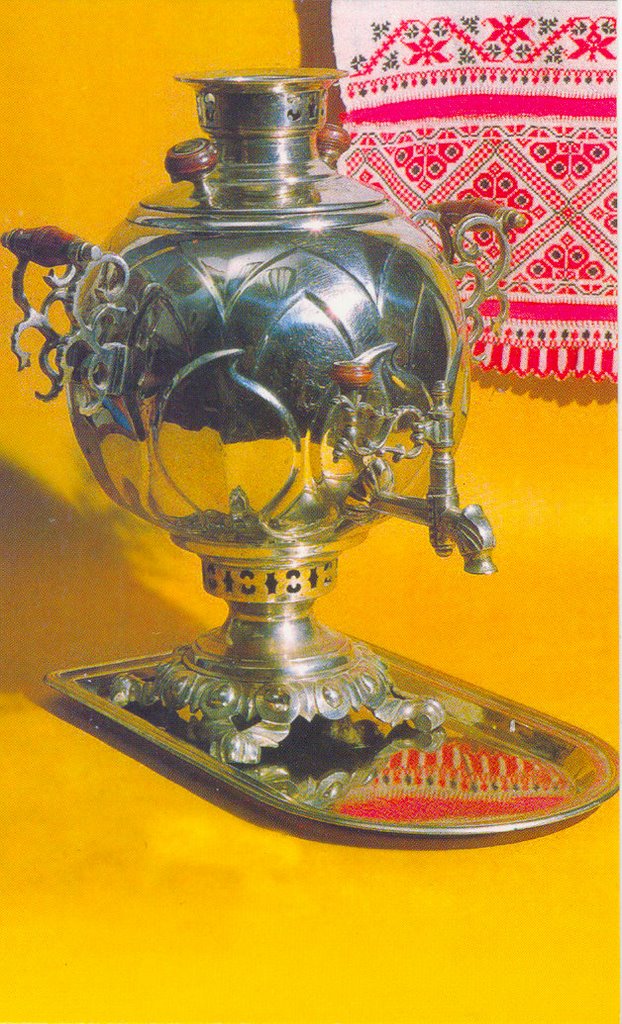
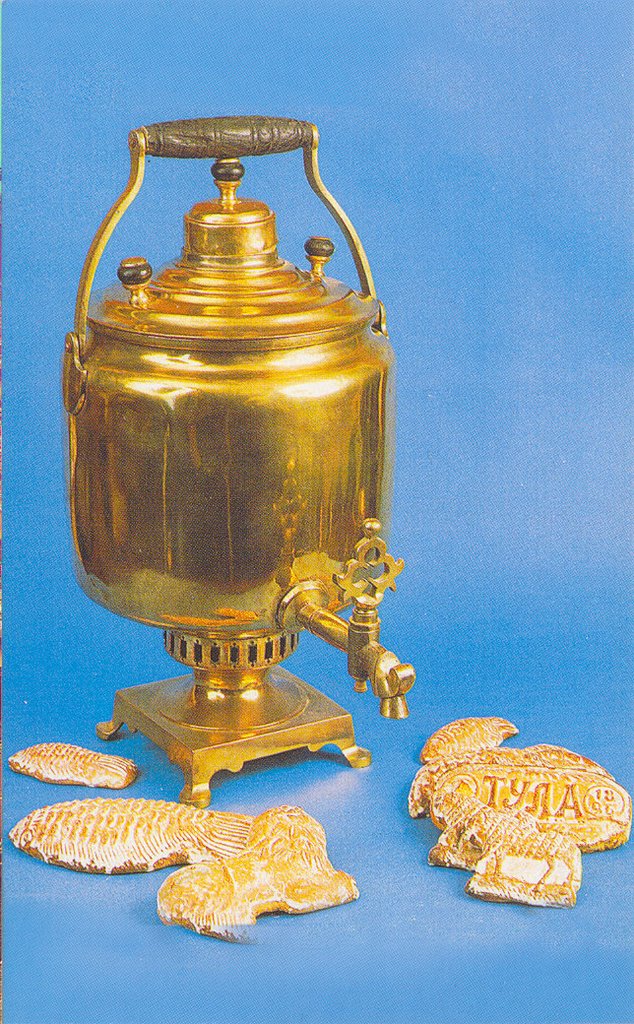
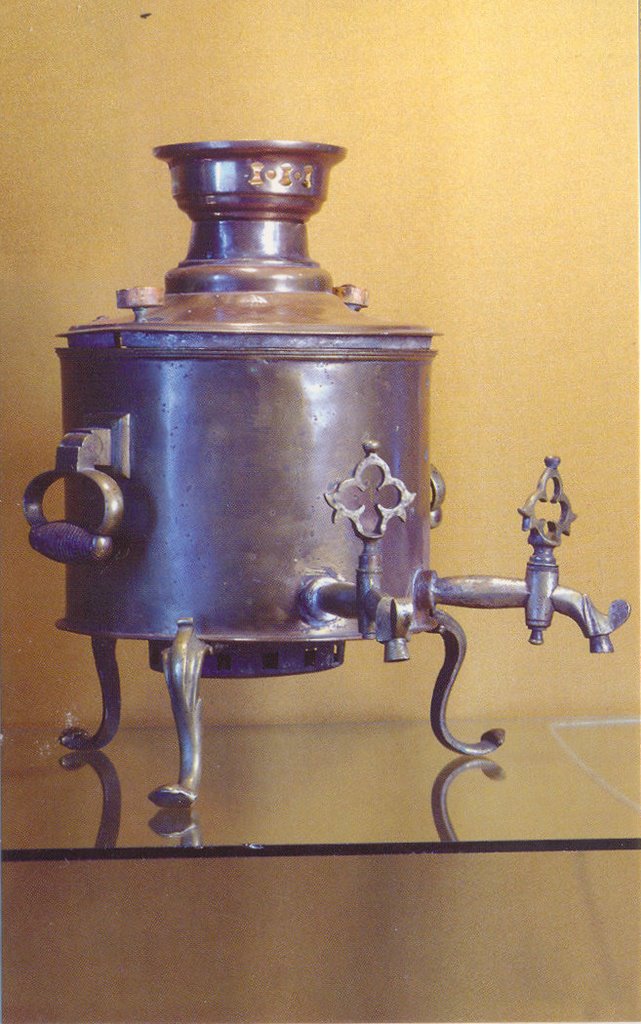
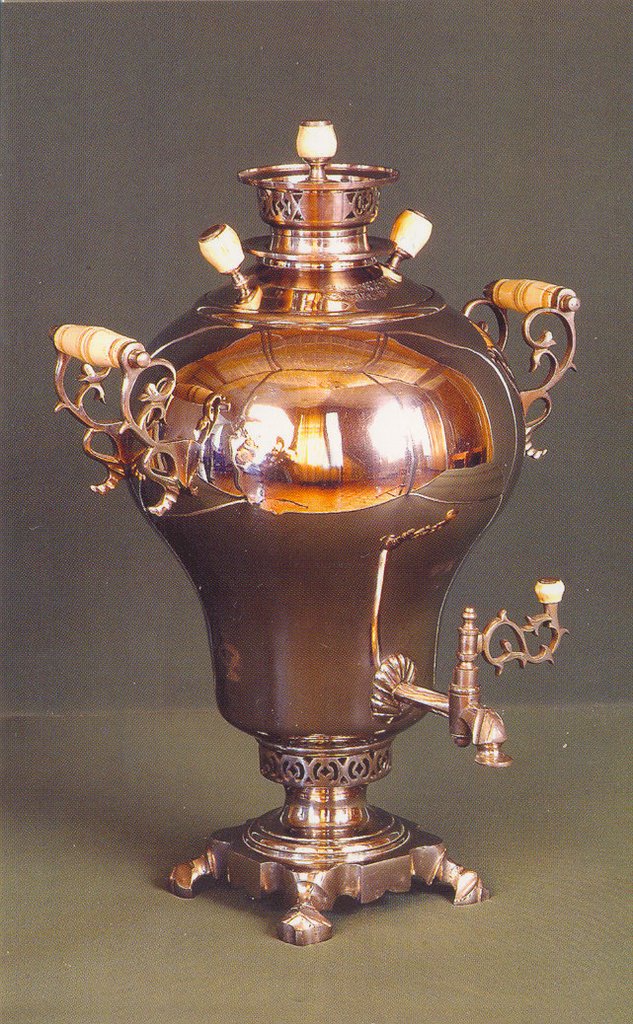
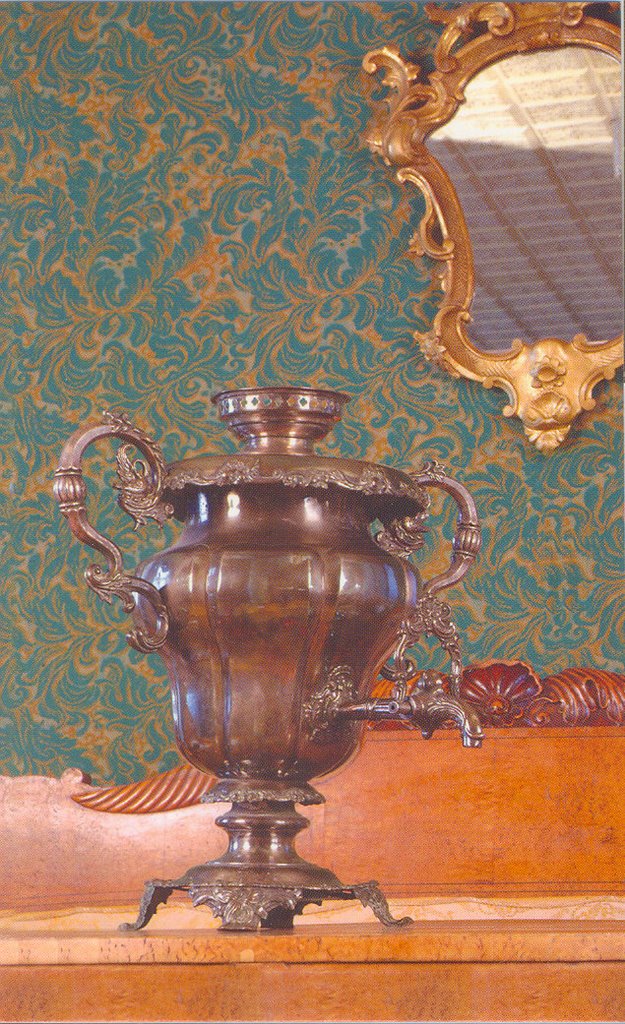
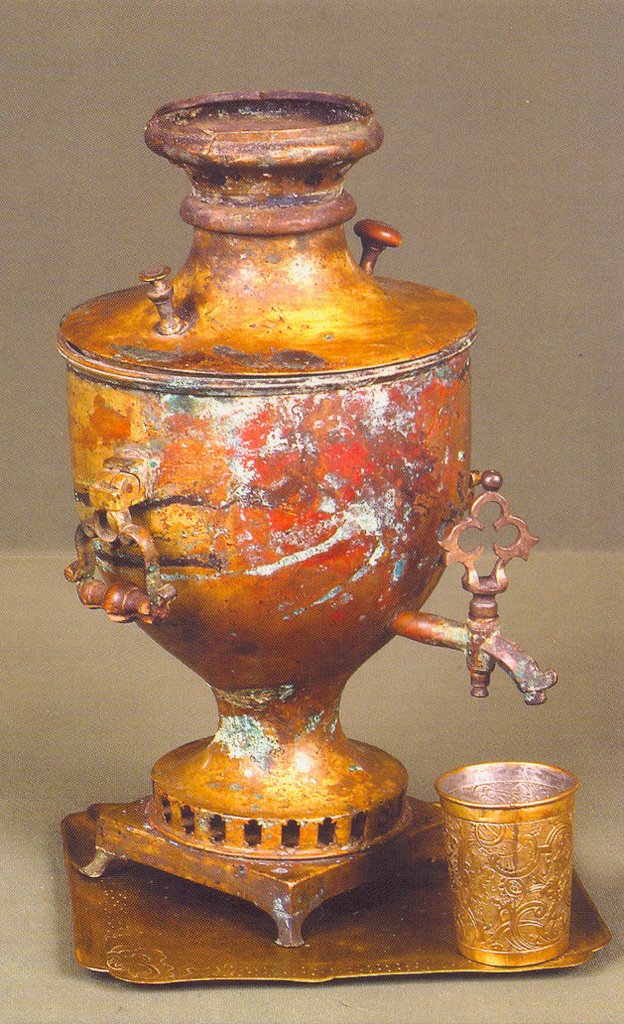
Tula’s Samovars

To take one’s own samovar  to Tula‘, a well-known Russian idiom coined by Anton Chekhov, is similar to the Western saying, carrying coals to Newcastle.  
[meaning: to do something pointless and superfluous]
        
Арсений Николаев’s Gallery

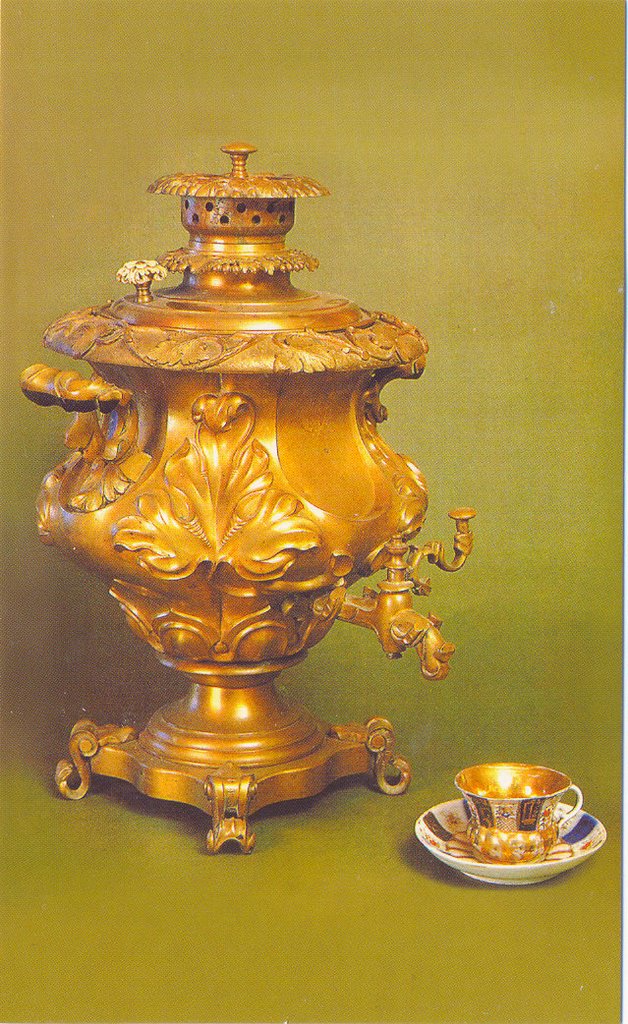
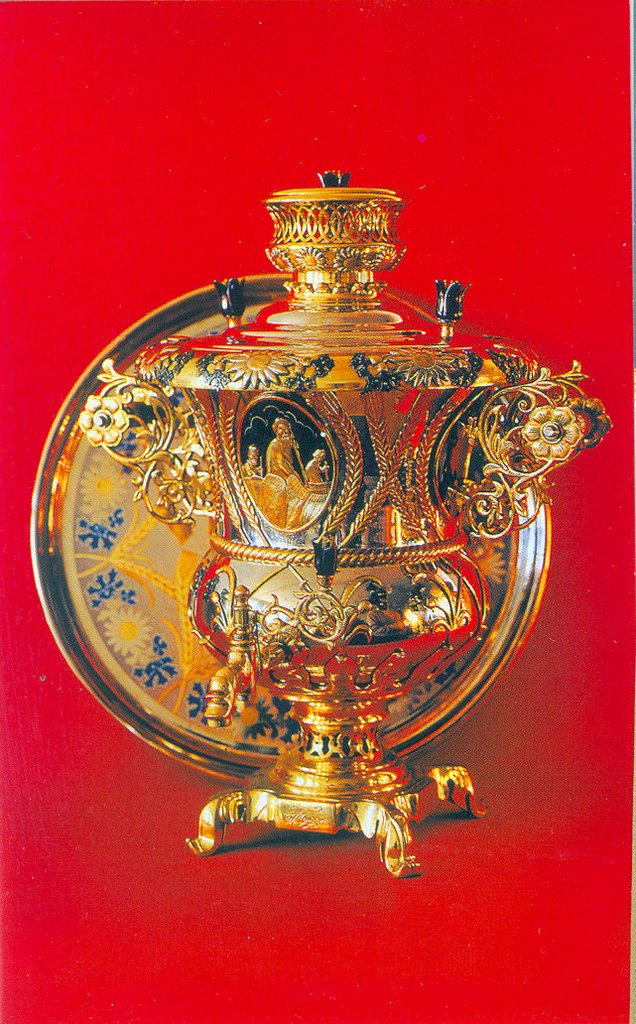
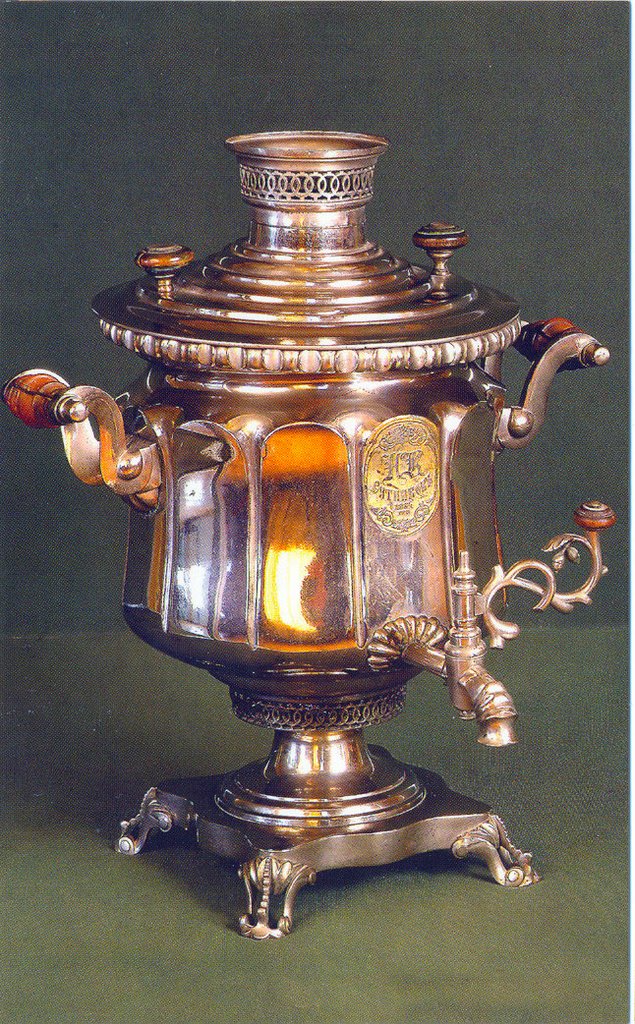
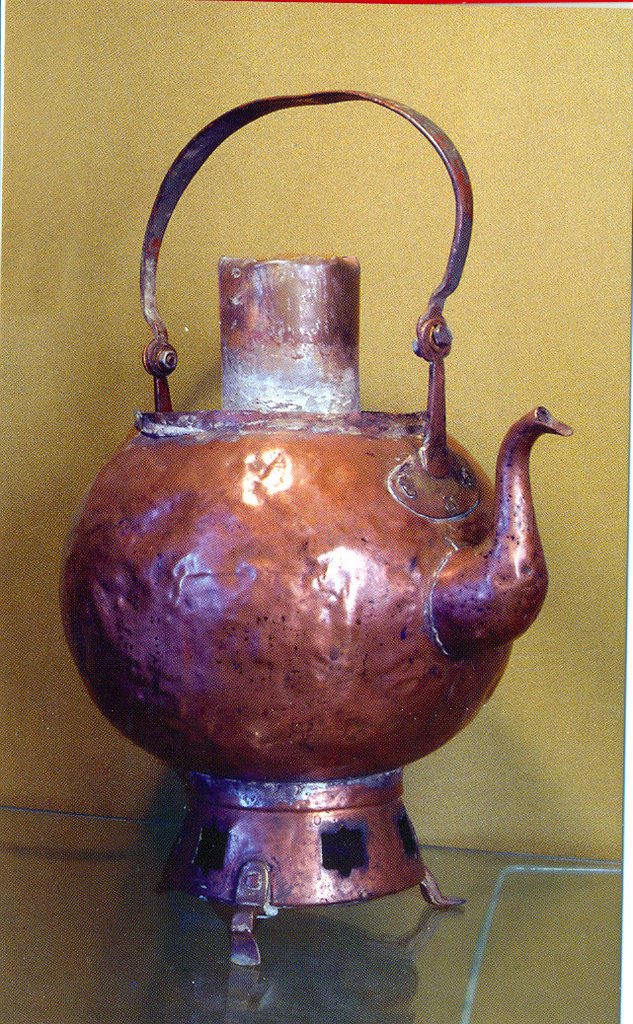
1. Globe-shaped samovar with leaves. 1920s. Nickel-plated brass.
2. Pot-shaped samovar, magazine. Early 20th cent. Brass
3. Samovar “Florentine Vase” 1870. Copper
4. Vase-shaped samovar “The Russian Field”. 1986. Nickel-plated, Steel.
5. Semi-Vase-shaped Samovar. Late 19th cent. Brass
6. Tea-pot samovar. Late 18th сent. Red Copper.
7. Traveler’s samovar. Early 19th сent. Copper
8. Pear-shaped samovar. Late 19th сent. Brass
9. Vase-Shaped Samovar. Late 19th – early 20th cent. Copper
10. Vase-shaped samovar ”Scythos.“ 1800. Brass

Bouquet du jour

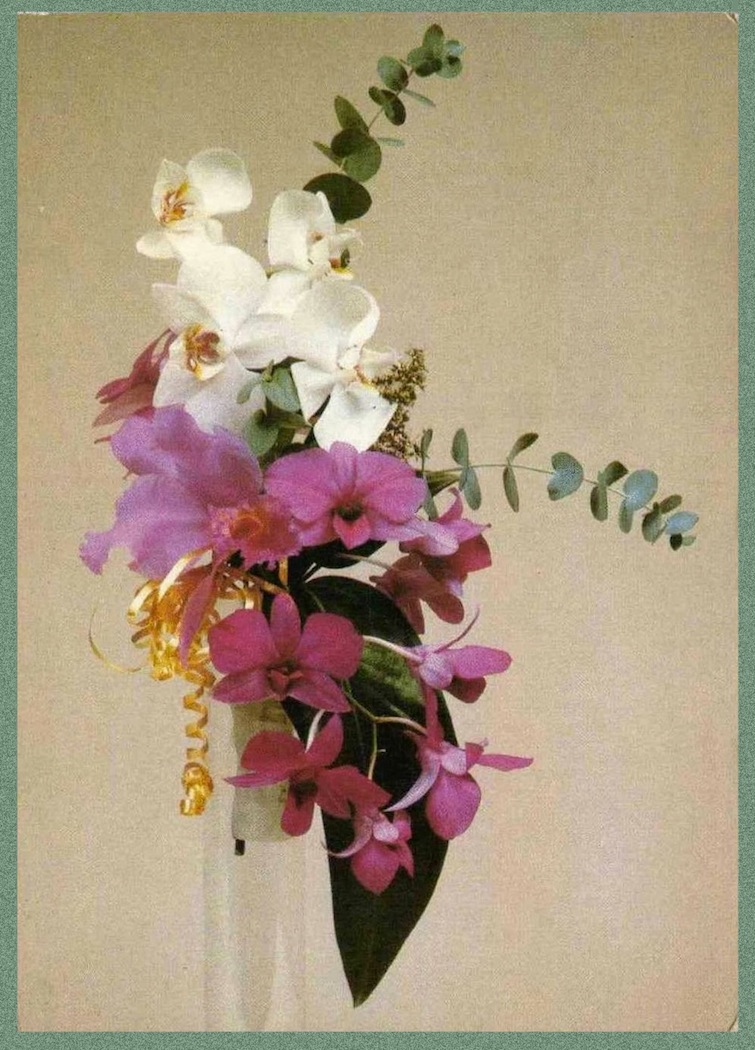
orchid 
1845, introduced by John Lindley in “School Botanty,” from Mod.L. Orchideæ (Linnaeus), the plant’s family name, from L. orchis, a kind of orchid, from Gk. orkhis (gen. orkheos) “orchid,” lit. “testicle,” from PIE *orghi-, the standard root for “testicle” (cf. Avestan erezi “testicles,” Arm. orjik, M.Ir. uirgge, Ir. uirge “testicle,” Lith. erzilas “stallion”). The plant so called because of the shape of its root. Earlier in Eng. in L. form, orchis (1562). Marred by extraneous -d- in attempt to extract the Latin stem.  

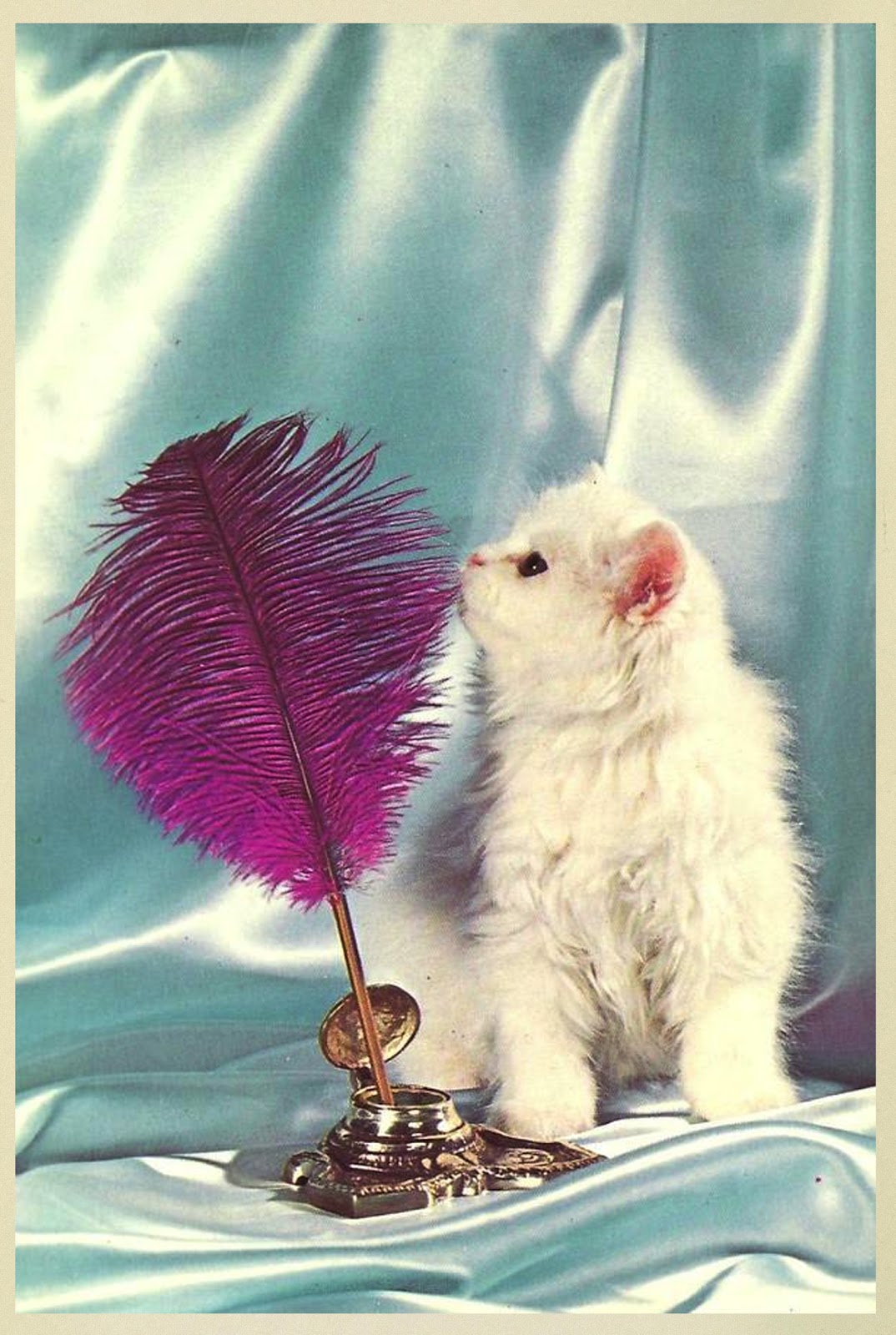
The White Cat

➔   La Chatte Blanche
Contes Nouveaux ou Les Fées à la Mode (New Tales, or Fairies in Fashion) 1698


❈ ❈ ❈ 
 Once upon a time there was a king who had three brave and handsome sons. He feared they might be seized with the desire of reigning before his death. Certain rumours were abroad that they were trying to gain adherents to assist them in depriving him of his kingdom. The king was old, but as vigorous in mind as ever, and had no desire to yield them a position he filled so worthily. He thought, therefore, the best way of living in peace was to divert them by promises he could always escape fulfilling… 
 ❈ ❈ ❈