Soupe à l’Oignon

Lorsque vous n’avez pas, sous la main de bouillon
Vous pouvez faire à l’eau cette soupe à l’oignon
En liant la farine, alors pour compenser
Ou prenez du bouillon de légume passé
Donc,  faites revenir des oignons émincés
Recouvrez du liquide en tournant, puis, laissez.
Pendant que cela cuit, profitez de répit
Salez, poivrez, beurrez, de très minces tartines
Faites griller au four toutes ces tranches fines
En les nappant d’abord de rappé de gruyère
Mettez-en la moitié dans la marmite en terre
Versez dessus la soupe et les croutons restants
Tour cela va tremper pendant quelques instants
Recouvrer de fromage en maintenant au four
Et quand la soupe gonfle et s’offre mitonnée
Servez la, bouillante, en coulis de velours
Et qu’on savoure alors, la bonne “Gratinée”

Emilie Bernard 
[Recette N° 45]
Éditions LYNA, Paris

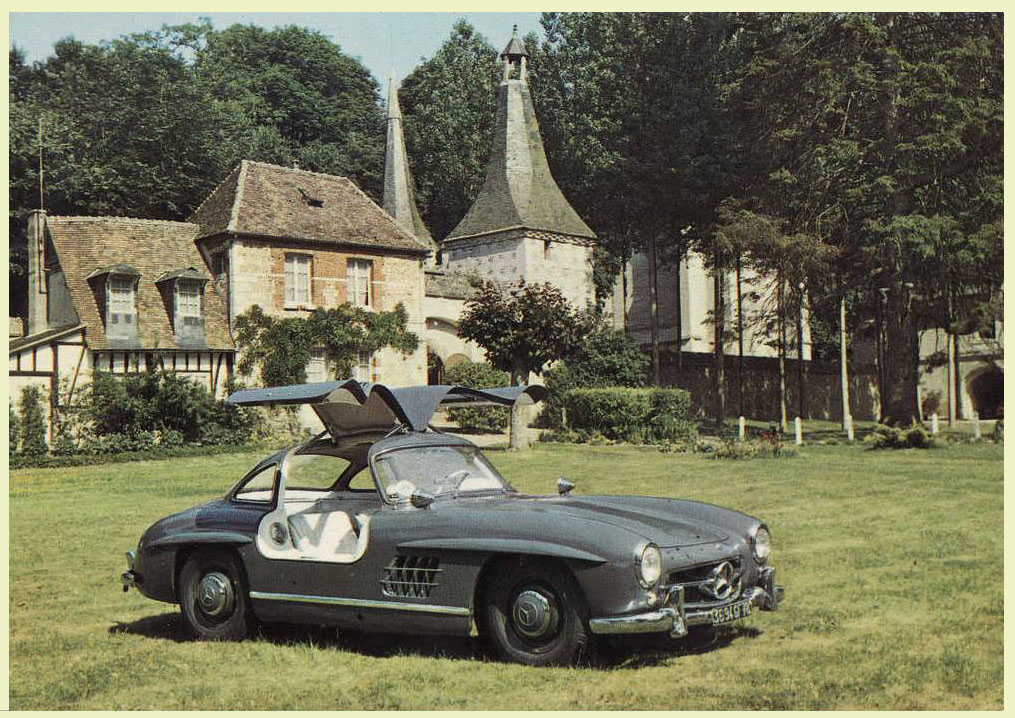
Photo Appollot – Grasse

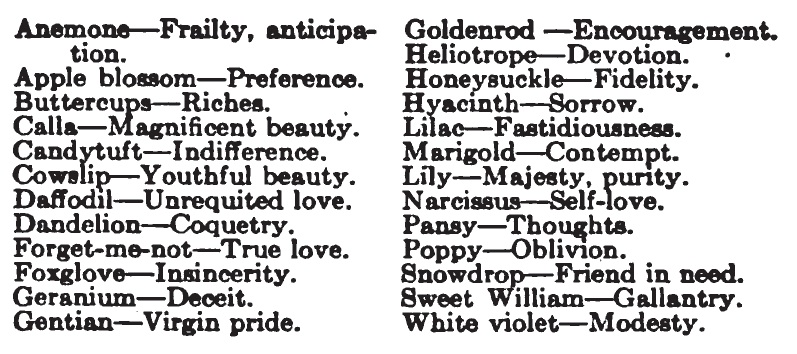
florigraphy

FLOWERS, Language Of, or Florigraphy. The language of flowers is supposed to have been used among the earliest nations; but the Greeks are the first users of whom we have any trustworthy records. They carried it to a very high degree, using flowers as types of everything interesting, public as well as private. The Romans also had a well-developed flower language, and its study was revived during the Middle Ages, when chivalry became preeminent; and it received great development at the hands of the Roman church. Flowers have had an important part in all mythologies. Oak was the patriot’s crown, bay the poet’s, and the myrtle the crown for beauty. The olive was the token of peace, as the ivy was the emblem of Bacchus. The significance of many flowers is derived from their properties. The amaranth has been selected to typify immortality because of its duration. The rose, by universal suffrage made the queen of the flowers, has a symbolism varying with its color: a single red rose signifies “I love you”; the small white bridal rose typifies happy love; and the moss-rose bud a confession of love.  The following are some wellknown flowers, with their symbolism as used in poetry:
New international encyclopedia, Volume 8

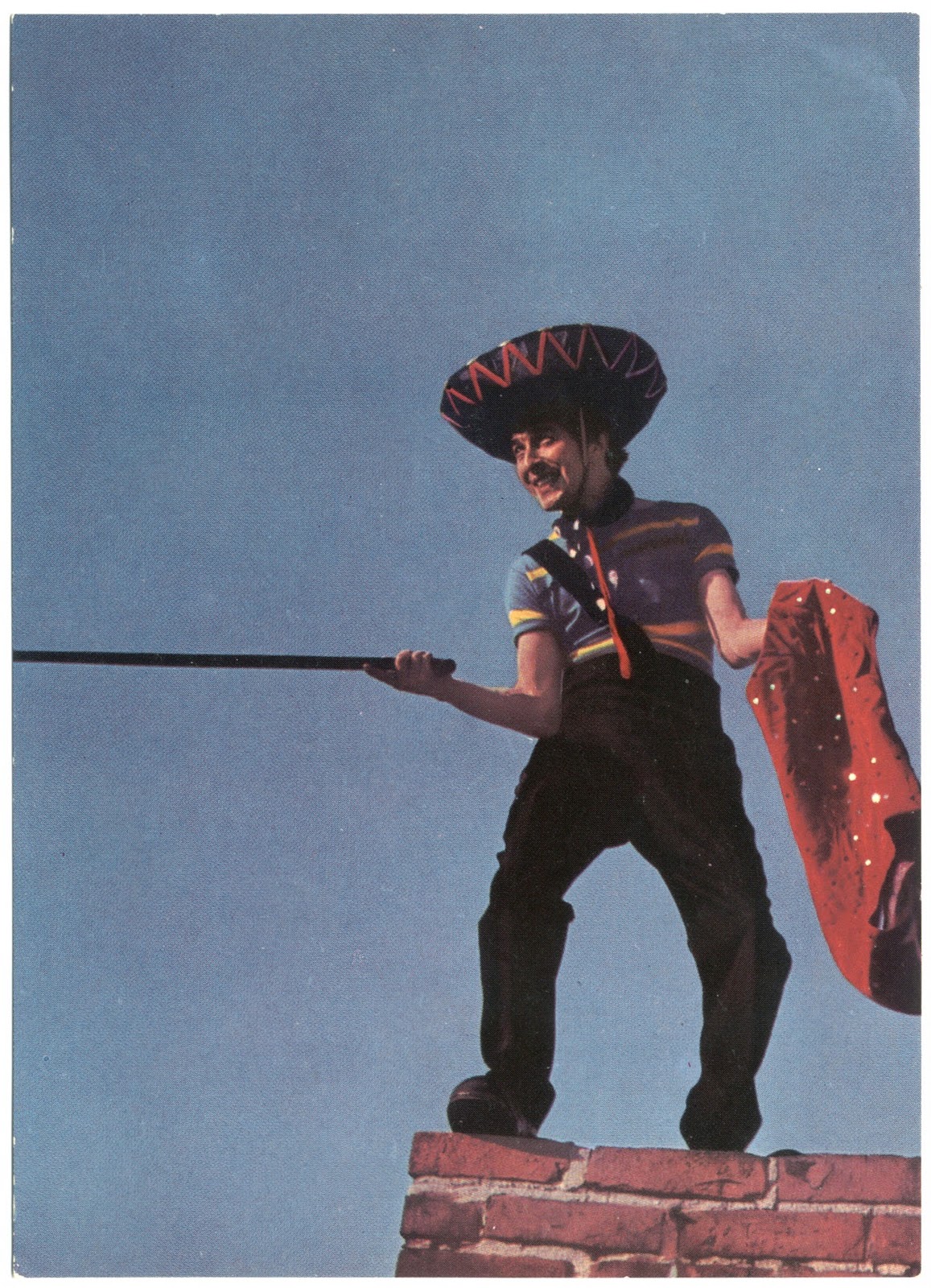
The Clown

Cloony The Clown by Shel Silverstein
I’ll tell you the story of Cloony the Clown
Who worked in a circus that came through town.
His shoes were too big and his hat was too small,
But he just wasn’t, just wasn’t funny at all.
He had a trombone to play loud silly tunes,
He had a green dog and a thousand balloons.
He was floppy and sloppy and skinny and tall,
But he just wasn’t, just wasn’t funny at all.
And every time he did a trick,
Everyone felt a little sick.
And every time he told a joke,
Folks sighed as if their hearts were broke.
And every time he lost a shoe,
Everyone looked awfully blue.
And every time he stood on his head,
Everyone screamed, “Go back to bed!”
And every time he made a leap,
Everybody fell asleep.
And every time he ate his tie,
Everyone began to cry.
And Cloony could not make any money
Simply because he was not funny.
One day he said, “I’ll tell this town
How it feels to be an unfunny clown.”
And he told them all why he looked so sad,
And he told them all why he felt so bad.
He told of Pain and Rain and Cold,
He told of Darkness in his soul,
And after he finished his tale of woe,
Did everyone cry? Oh no, no, no,
They laughed until they shook the trees
With “Hah-Hah-Hahs” and “Hee-Hee-Hees.”
They laughed with howls and yowls and shrieks,
They laughed all day, they laughed all week,
They laughed until they had a fit,
They laughed until their jackets split.
The laughter spread for miles around
To every city, every town,
Over mountains, ‘cross the sea,
From Saint Tropez to Mun San Nee.
And soon the whole world rang with laughter,
Lasting till forever after,
While Cloony stood in the circus tent,
With his head drooped low and his shoulders bent.
And he said,”THAT IS NOT WHAT I MEANT –
I’M FUNNY JUST BY ACCIDENT.”
And while the world laughed outside.
Cloony the Clown sat down and cried.

Poupées de Cire

Louis XV and Mozart at the home of the Marquise de Pompadour

Le Musée Grévin is a waxwork museum in Paris located on the Grands Boulevards in the IXe arrondissement on the right bank of the Seine, at 10, Boulevard Montmartre, Paris, France. It is open daily; an admission fee is charged.
The museum was founded in 1882 by Arthur Meyer, a journalist for Le Gaulois, and named for its first artistic director, caricaturist Alfred Grévin. It is one of the oldest wax museums in Europe. Its baroque architecture includes a mirrored mirage room based on the principle of a catoptric cistula and a theater for magic shows.
Le Musée Grévin now contains some 300 characters arranged in scenes from the history of France and modern life, including a panorama of French history from Charlemagne to Napoleon III, bloody scenes of the French Revolution, movie stars, and international figures such as Albert Einstein, Mahatma Gandhi, and Pope John Paul II. The tableau of Charlotte Corday murdering Jean-Paul Marat includes the actual knife and bathtub used.
Louis Aragon wrote poems under the name of Le Musée Grévin (using the pseudonym of François la Colère), published during the Vichy regime by the Éditions de Minuit underground editor.

Ratatouille


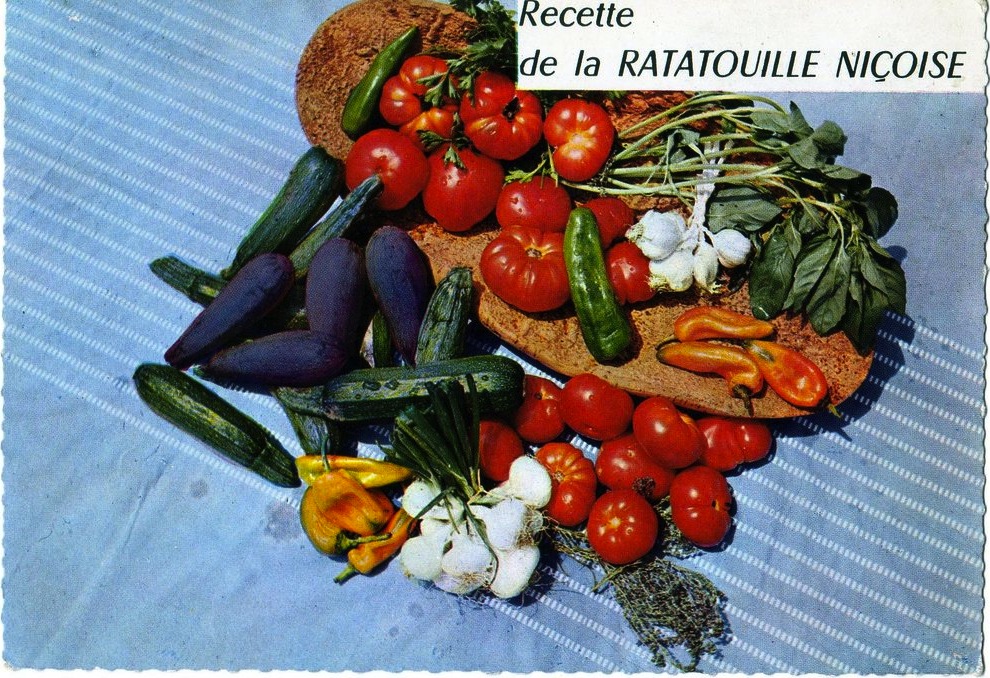
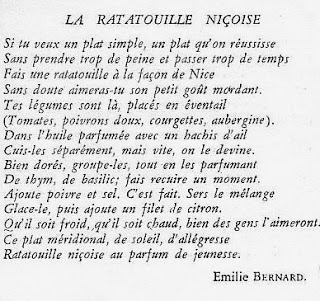
La Ratatouille Niçoise

Emilie Bernard 
[Recette N° 4]
Éditions LYNA, Paris 
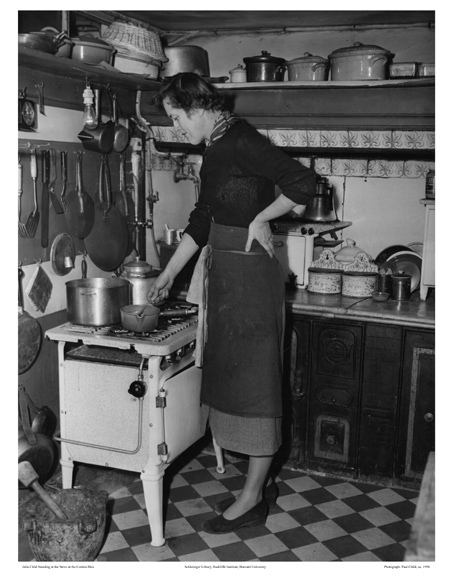
Photograph by Paul Child  ~ Julia Child at her apartment at 81 rue de l’universite in Paris, ca. 1950  [Collections of the Schlesinger Library]
Julia Child’s Ratatouille    
1 pound eggplant
1 pound zucchini
A 3-quart, porcelain or stainless-steel mixing bowl
1 teaspoon salt
A 10- to 12-inch enameled skillet
4 tablespoons olive oil, more if needed
1/2 pound (about 1 1/2 cups) thinly sliced yellow onions
2 (about 1 cup) sliced green bell peppers
2 to 3 tablespoons olive oil, if necessary
2 cloves mashed garlic
Salt and pepper to taste
1 pound firm, ripe, red tomatoes, peeled, seeded and juiced (makes 1 1/2 cups pulp)
Salt and pepper
A 2 1/2 quart fireproof casserole about 2 1/2 inches deep
3 tablespoons minced parsley
Salt and pepper

 Peel the eggplant and cut into lengthwise slices 3/8 inch thick, about 3 inches long and 1 inch wide. 
Scrub the zucchini, slice off the two ends and cut the zucchini into slices about the same size as the eggplant slices. 
Place the vegetables in a bowl and toss with the salt. Let stand for 30 minutes. Drain. Dry each slice in a towel.
One layer at a time, saute the eggplant and then the zucchini in hot olive oil in the skillet for about a minute on each side to brown very lightly. Remove to a side dish.
In the same skillet, cook the onions and peppers slowly in olive oil for about 10 minutes, or until tender but not browned. Stir in the garlic and season to taste.
Slice the tomato pulp into 3/8-inch strips. Lay them over the onions and peppers. Season with salt and pepper. Cover the skillet and cook over low heat for 5 minutes, or until tomatoes have begun to render their juice. Uncover, baste the tomatoes with the juices, raise heat and boil for several minutes, until juice has almost entirely evaporated.
Place a third of the tomato mixture in the bottom of the casserole and sprinkle over it 1 tablespoon of the parsley. Arrange half of the eggplant and zucchini on top, then half the remaining tomatoes and parsley. Put in the rest of the eggplant and zucchini and finish with the remaining tomatoes and parsley. 
Cover the casserole and simmer over low heat for 10 minutes. Uncover, tip casserole and baste with the rendered juices. Correct seasoning, if necessary. Raise heat slightly and cook uncovered for about 15 minutes more, basting several times, until juices have evaporated leaving a spoonful or two of flavored olive oil. Be careful of your heat; do not let the vegetables scorch in the bottom of the casserole.
Set aside uncovered. Reheat slowly at serving time or serve cold. Yields 6-8 servings.

Mastering the Art of French Cooking