
Happy St. Patrick’s Day
“There is no progress in art, any more than there is progress in making love. There are simply different ways of doing it.” Man Ray
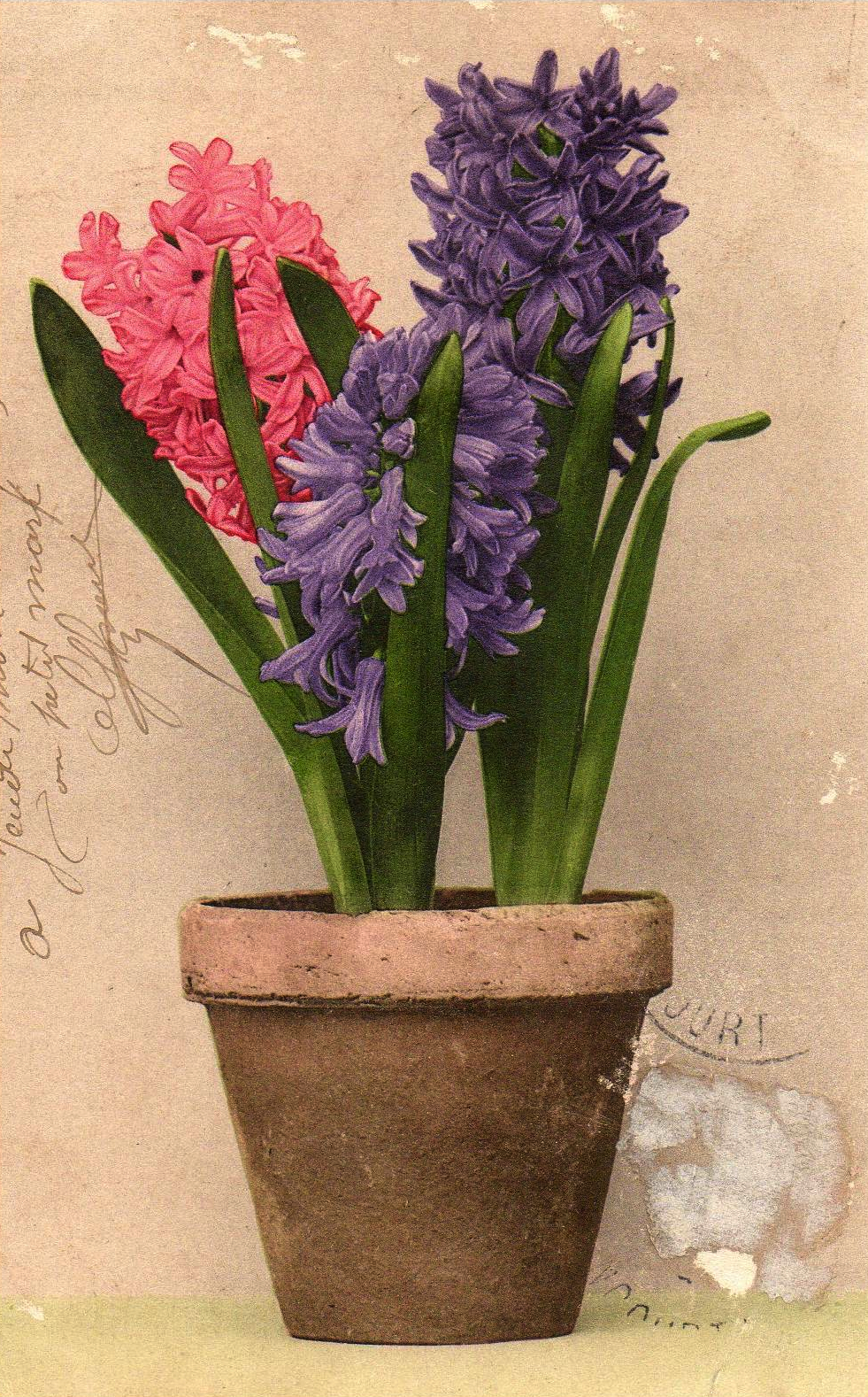
Hyacinths
For centuries, hyacinths have filled the spring air with sweet perfume, inspired poets to songs of praise and gardeners to feats of horticultural elegance.
In the mid-18th century, Madame de Pompadour ordered the gardens of Versailles filled with Dutch Hyacinths and had hundreds forced “on glasses” inside the palace in winter. The predominant fashion trend-setter of her age, the passion for these sweetly-scented Dutch bulb flowers sparked a national rage among the French elite.
Today, the hyacinth remains a symbol of style and elegance, with the grand tradition of large formal beds planted with hyacinths carried on in many of the world’s great public and private gardens.
Of humble origin
Dutch Hyacinths: But the lush hyacinth varieties that so enthused Madame de Pompadour and those which give us such pleasure today, are a far cry from the hyacinth which first caught the attention of our ancestors. Hyacinths, it is believed, were first cultivated in Europe by the ancient Greeks and Romans. Both Homer and Virgil described the plant’s fragrance. The hyacinth known to these men would have been Hyacinthus orientalis, a native of Turkey and the Middle East and the genetic ancestor of our modern cultivars.
This early hyacinth was a rather wan looking specimen. With only about 15 pale blue flowers in a loose raceme, or group of single flowers arranged along a central axis, on ten-inch stems, these plants were valued mainly for their scent. Whether due to their anemic appearance or other factors, the cultivation of hyacinths faded from Europe about the same time as the Romans did.
The Hyacinth goes Dutch
The plant reentered European gardens in the 1560’s, reintroduced from Turkey and Iran, eventually reaching the bulb-loving low countries of Holland.
It was there that the tiny Hyacinthus orientalis experienced a centuries-long “fashion make-over,” as skillful Dutch hybridizers transformed it into a full-flowered garden gem, earning the plant its popular name: the Dutch Hyacinth.




 tout ceci est magnifique