 |
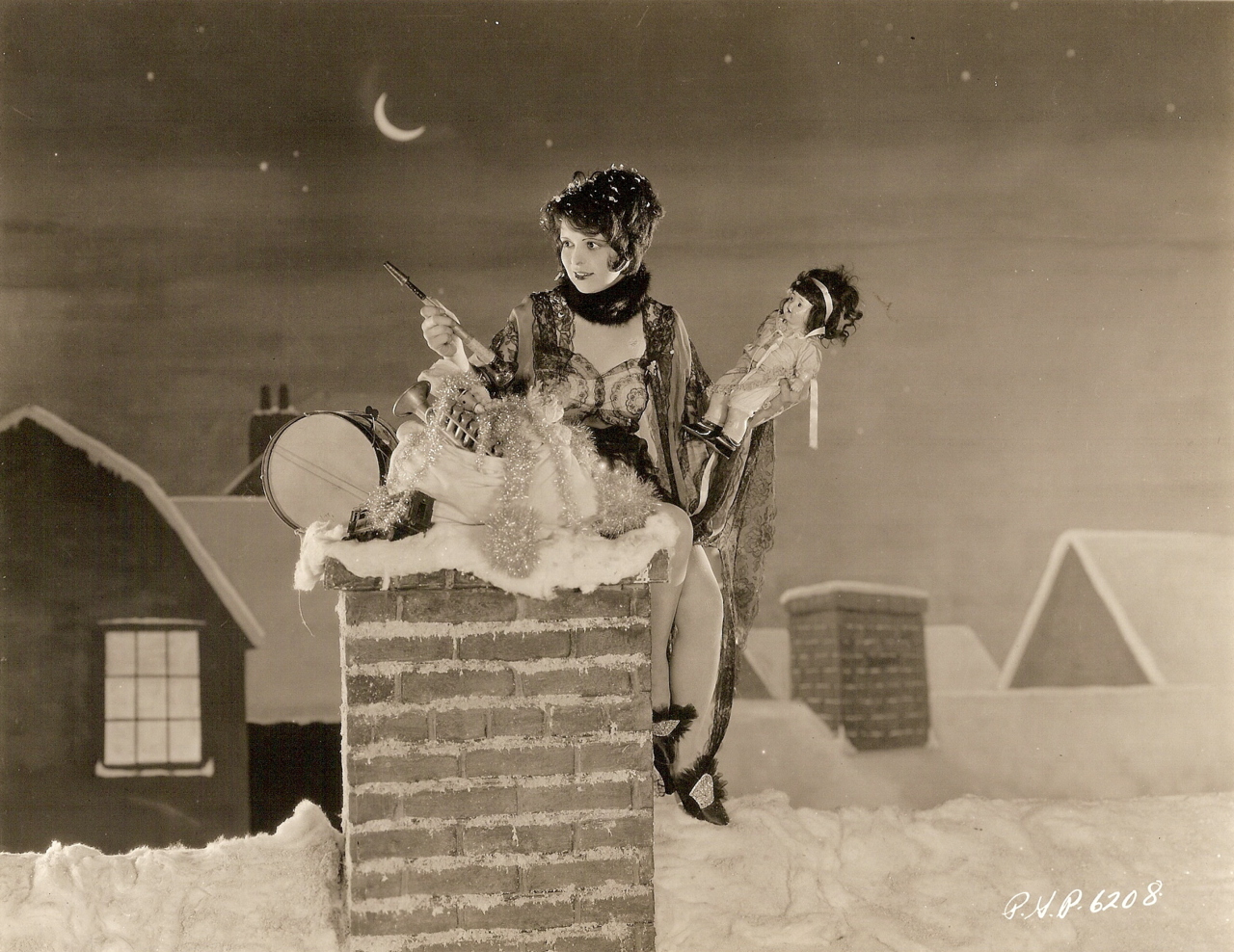
| The divine Clara Bow |
*Wishing everyone Happy Holidays and a Wonderful New Year*
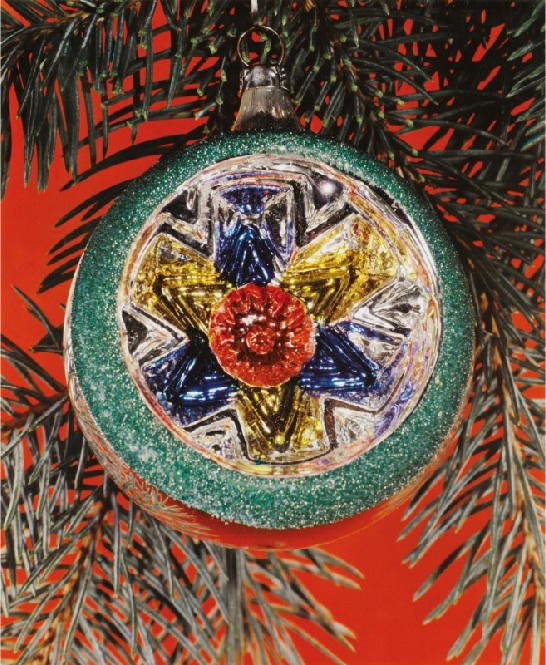 |
| Christmas Tree Ornament, ca. 1937 Paul Outerbridge |
MERRY!
 |
|
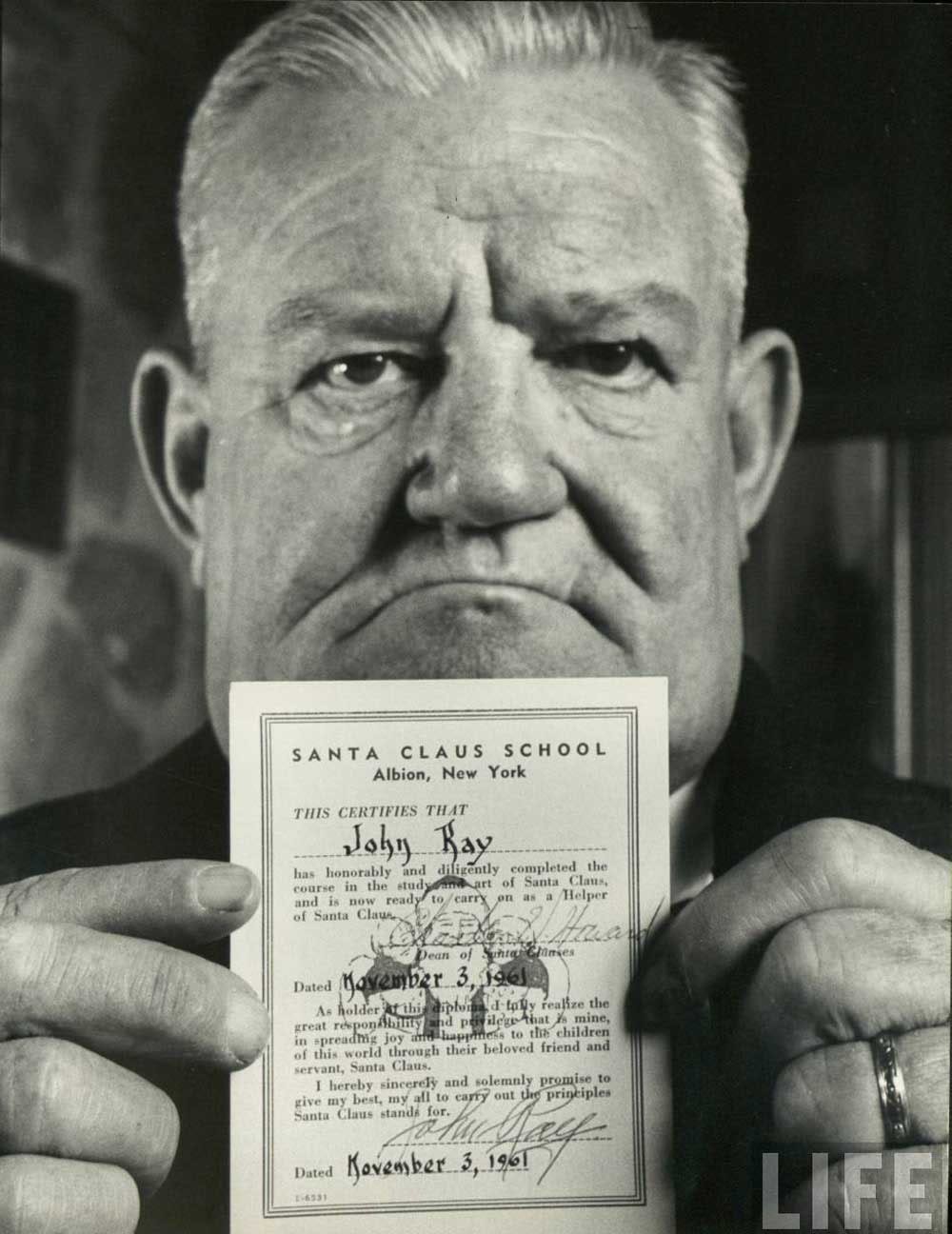
| Alfred Eisenstaedt, 1961 ©Time |
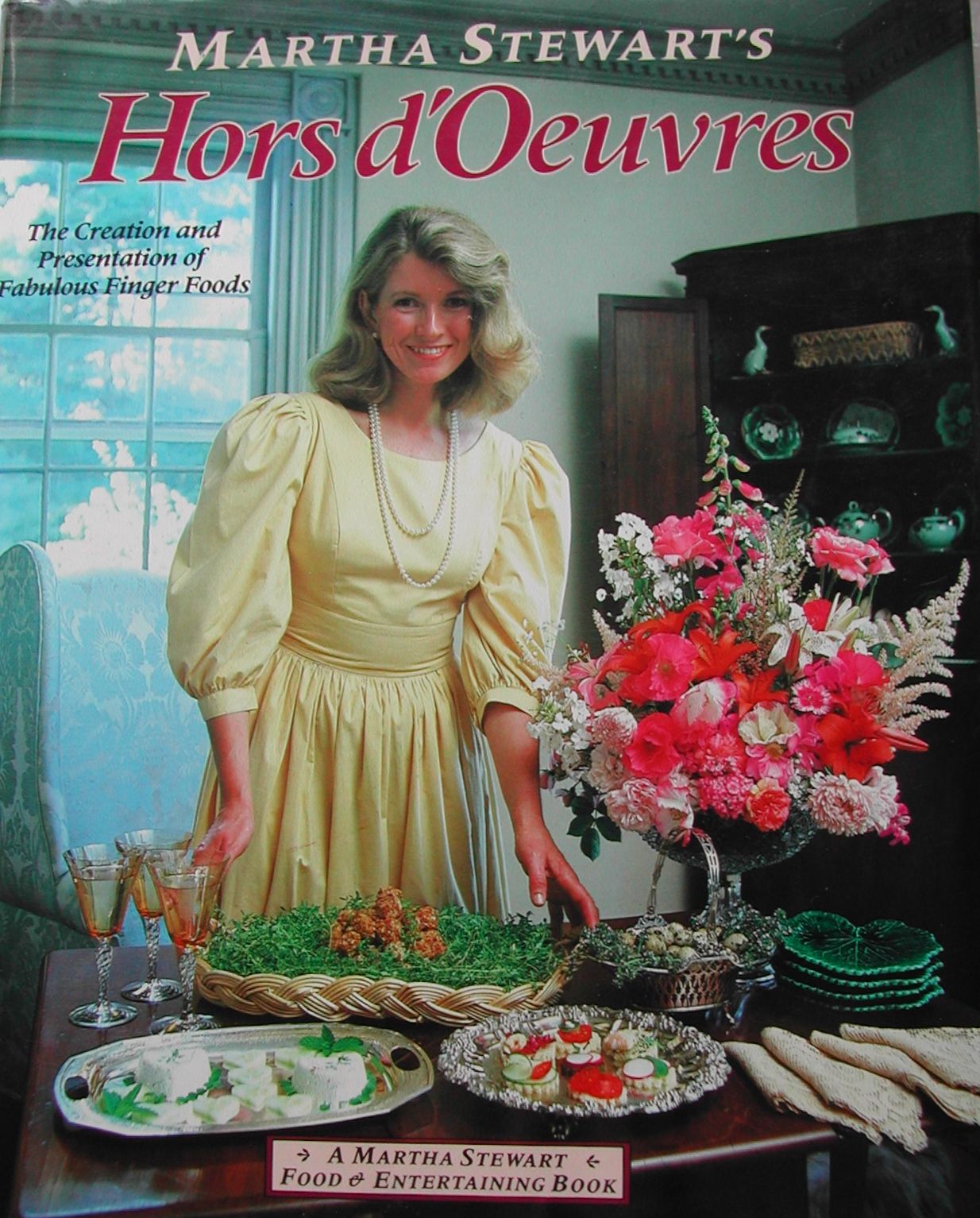
Fabulous Martha
@font-face { font-family: “Cambria”; }p.MsoNormal, li.MsoNormal, div.MsoNormal { margin: 0in 0in 0.0001pt; font-size: 12pt; font-family: “Times New Roman”; }pre { margin: 0in 0in 0.0001pt; font-size: 10pt; font-family: Courier; }span.HTMLPreformattedChar { font-family: Courier; }div.Section1 { page: Section1; }
Martha Stewart’s Holiday Calendar
[ca. 1996-1997]
December 1
Blanch carcass from Thanksgiving turkey.
Spray paint gold, turn upside down and use as a sleigh to hold Christmas Cards.
*
December 2
Have Mormon Tabernacle Choir record outgoing Christmas message
for answering machine.
*
December 3
Using candlewick and handgilded miniature pine cones,
fashion cat-o-nine-tails. Flog Gardener.
*
December 4
Address sympathy cards for all friends with elderly relatives,
so that they’re all ready to be mailed at the moment death occurs.
Repaint Sistine Chapel ceiling in ecru, with mocha trim.
*
December 5
Get new eyeglasses. Grind lenses myself.
*
December 6
Fax family Christmas newsletter to Pulitzer committee for consideration.
*
December 7
Debug Windows ’95
*
December 8
Decorate homegrown Christmas tree with scented candles handmade with
beeswax from my backyard bee colony.
*
December 9
Record own Christmas album complete with 4 part harmony
and all instrument accompaniment performed by myself.
Mail to all my friends and loved ones.
*
December 10
Align carpets to adjust for curvature of Earth.
*
December 11
Lay Faberge egg.
*
December 12
Erect ice skating rink in front yard using spring water I bottled myself.
Open for neighborhood children’s use.
Create festive mood by hand making snow and playing my Christmas album.
*
December 13
Collect Dentures.
They make excellent pastry cutters, particularly for decorative pie crusts.
*
December 14
Install plumbing in gingerbread house.
*
December 15
Replace air in mini-van tires with Glade “holiday scents”
in case tires are shot out at mall.
*
December 17
Child proof the Christmas tree with garland of razor wire.
*
December 19
Adjust legs of chairs so each Christmas dinner guest will be same height
when sitting at his or her assigned seat.
*
December 20
Dip sheep and cows in egg whites and roll in confectioner’s sugar
to add a festive sparkle to the pasture.
*
December 21
Drain city reservoir;
refill with mulled cider, orange slices and cinnamon sticks.
*
December 22
Float votive candles in toilet tank.
*
December 23
Seed clouds for white Christmas.
*
December 24
Do my annual good deed. Go to several stores.
Be seen engaged in last minute Christmas shopping,
thus making many people feel less inadequate than they really are.
*
December 25
Bear son. Swaddle.
Lay in color coordinated manger scented with homemade potpourri.
*
December 26
Organize spice racks by genus and phylum.
*
December 27
Build snowman in exact likeness of God.
*
December 28
Take Dog apart. Disinfect. Reassemble.
*
December 29
Hand sew 365 quilts,
each using 365 material squares I weaved myself
used to represent the 365 days of the year.
Donate to local orphanages.
*
December 30
Release flock of white doves,
each individually decorated with olive branches,
to signify desire of world peace.
*
December 31
New Year’s Eve!
Give staff their resolutions.
Call a friend in each time zone of the world
as the clock strikes midnight in that country.
*
January 1
Catch up on gardening.
Sew leaves back on trees.
Cumberland
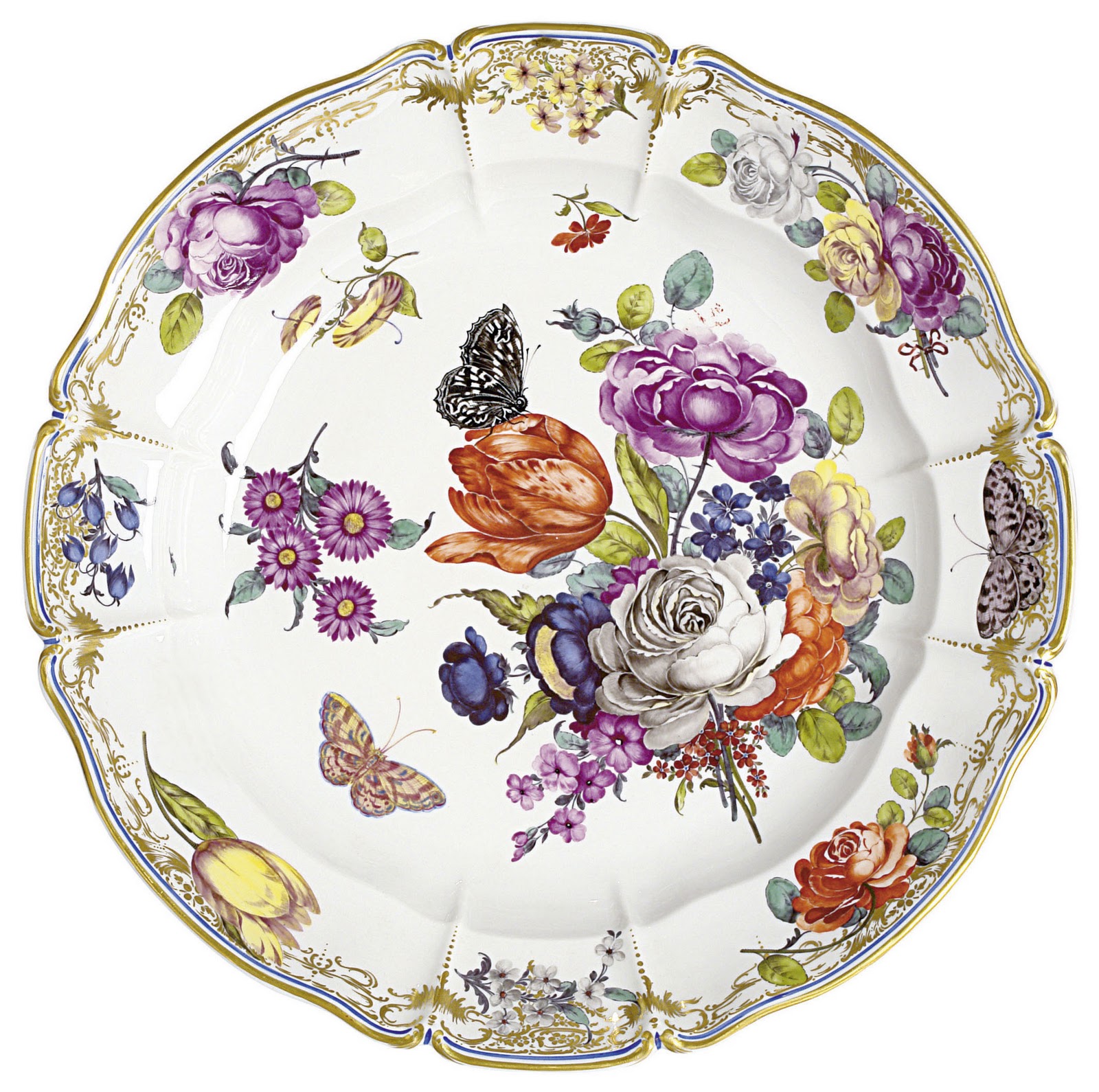 |
| Cumberland Deep Platter painted with flowers and insects by Josef Zachenberger, ca. 1765 |
This rococo service from the period of Franz Anton Bustelli was the first “Electoral Court Service” by Porzellan Manufaktur Nymphenburg. Because fresh flowers were frowned upon as table decoration . they could wilt during the meal . Joseph Zachenberger created a colourful and festive design with flower bouquets, single flowers, butterflies and insects framed by fine golden edging in 1765. At the end of the 18th century, it was replaced as the court service with the Bavarian Court Service by Dominikus Auliczek. But it experienced a renaissance in 1913 when the service was reproduced as an extensive table service at the wedding of Ernst August, Duke of Brunswick and Laneburg, the son the last Duke of Cumberland, with Viktoria Luise, the daughter of the last German Kaiser, Wilhelm II. Cumberland bears the world’s most complex flower design that is today still realized on porcelain: painters require up to three weeks to complete a single plate.
TABLEART
Pont-Aven
 |
| Coiffe et costume |
Cat Brooch
 |
| Gem-Crystal, English, ca. 1920 |
Bazille
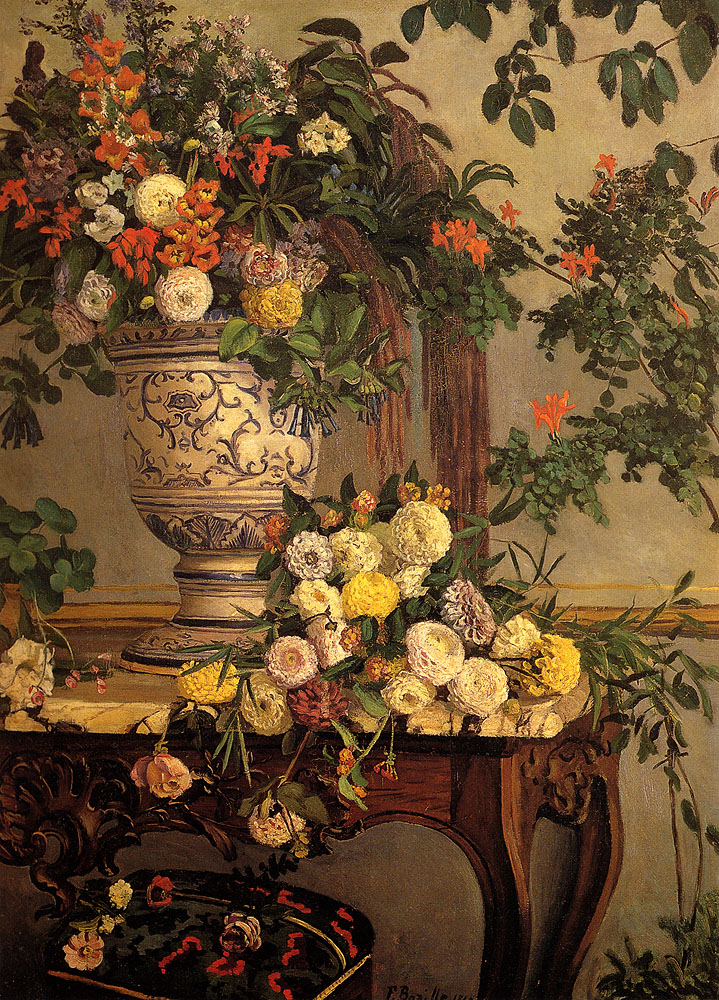 |
| Frédéric Bazille ~ Flowers, 1868 |
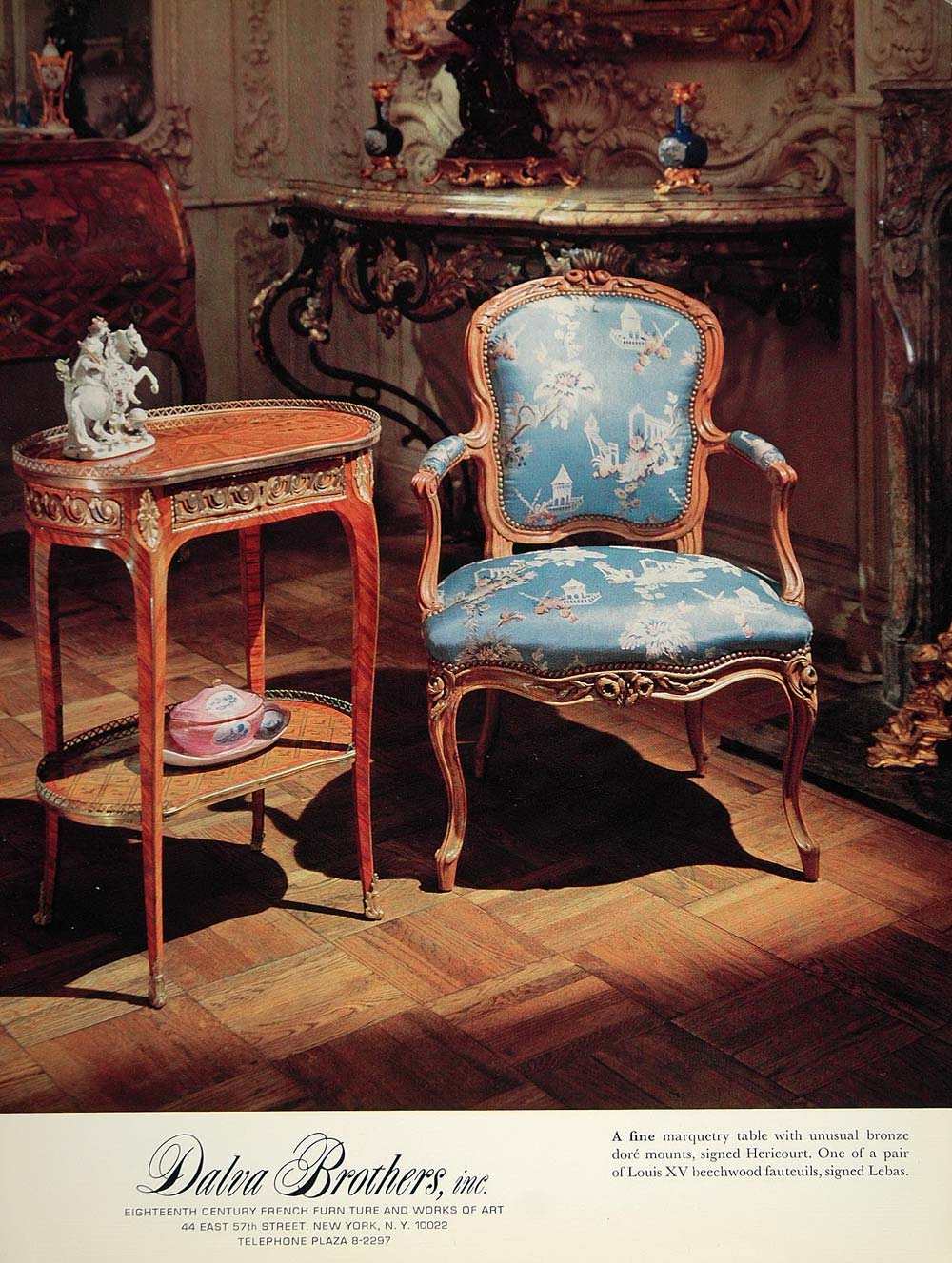
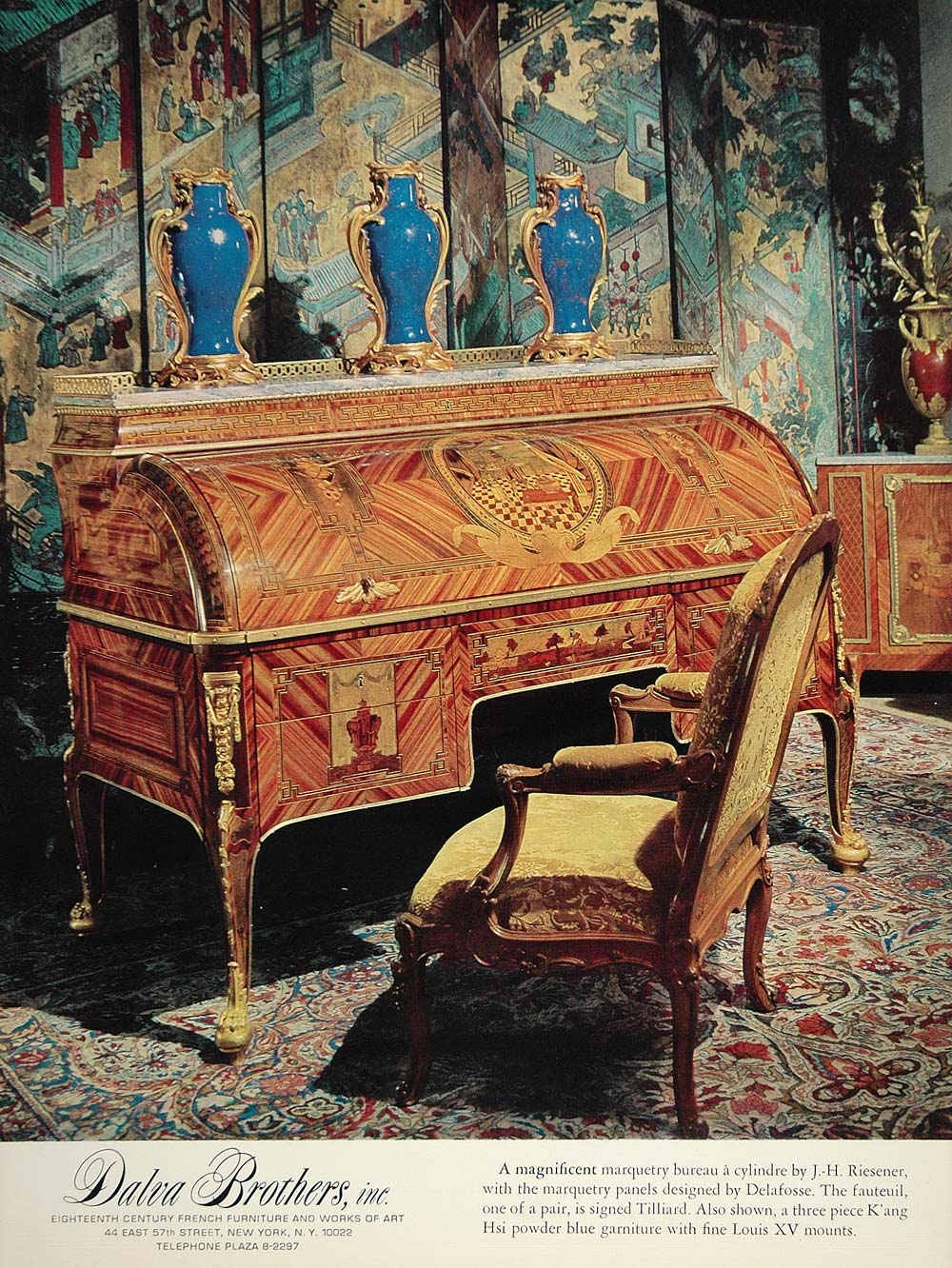
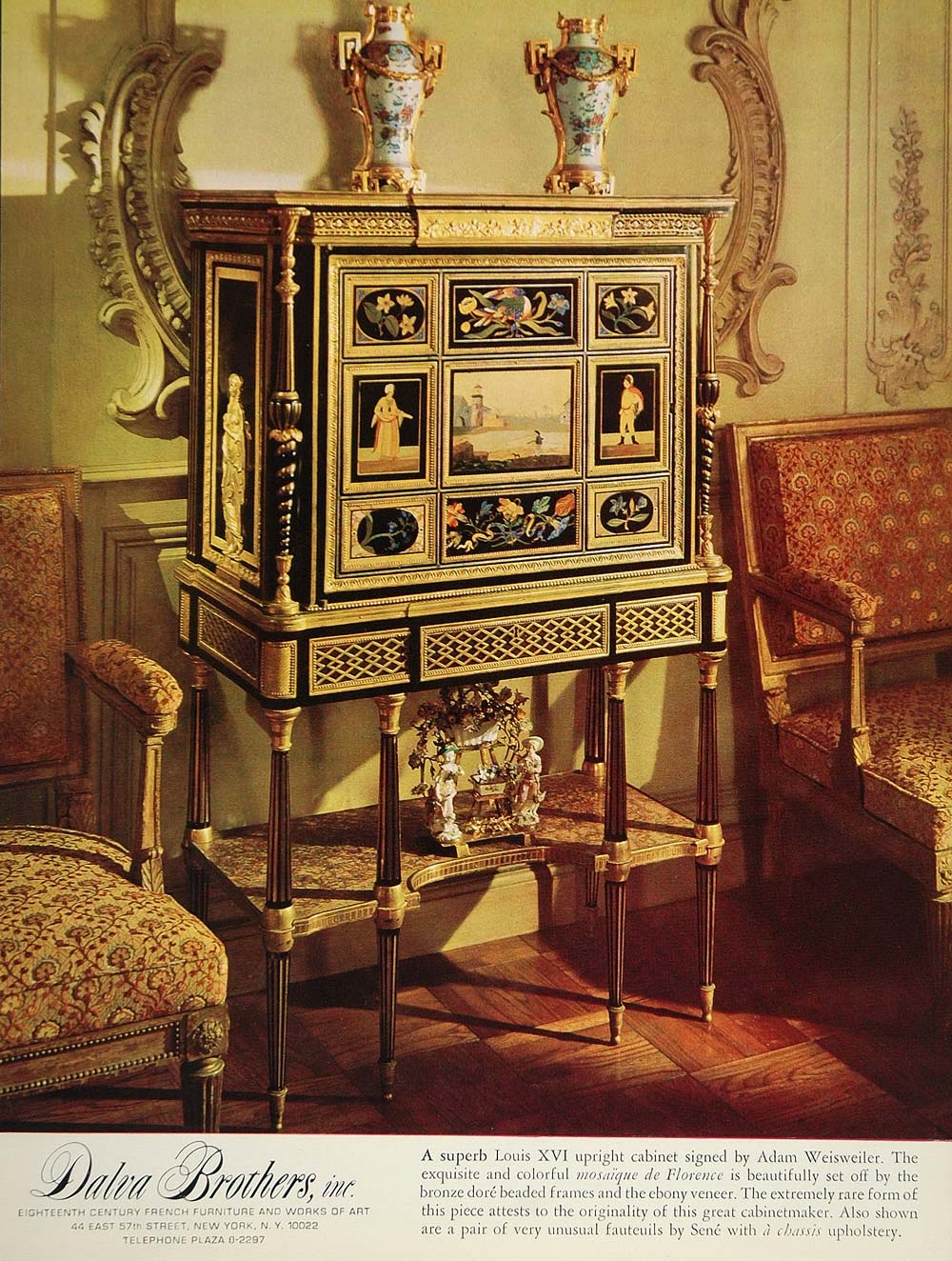
Dalva Brothers
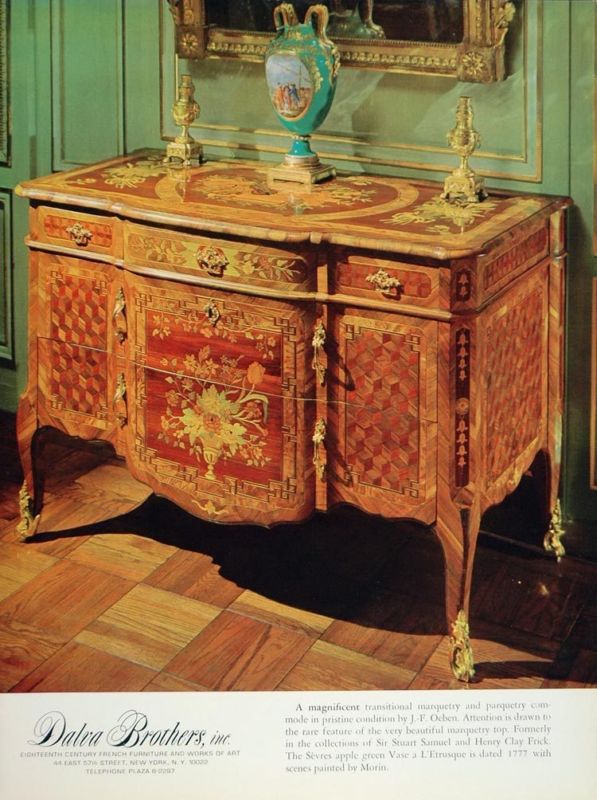 |
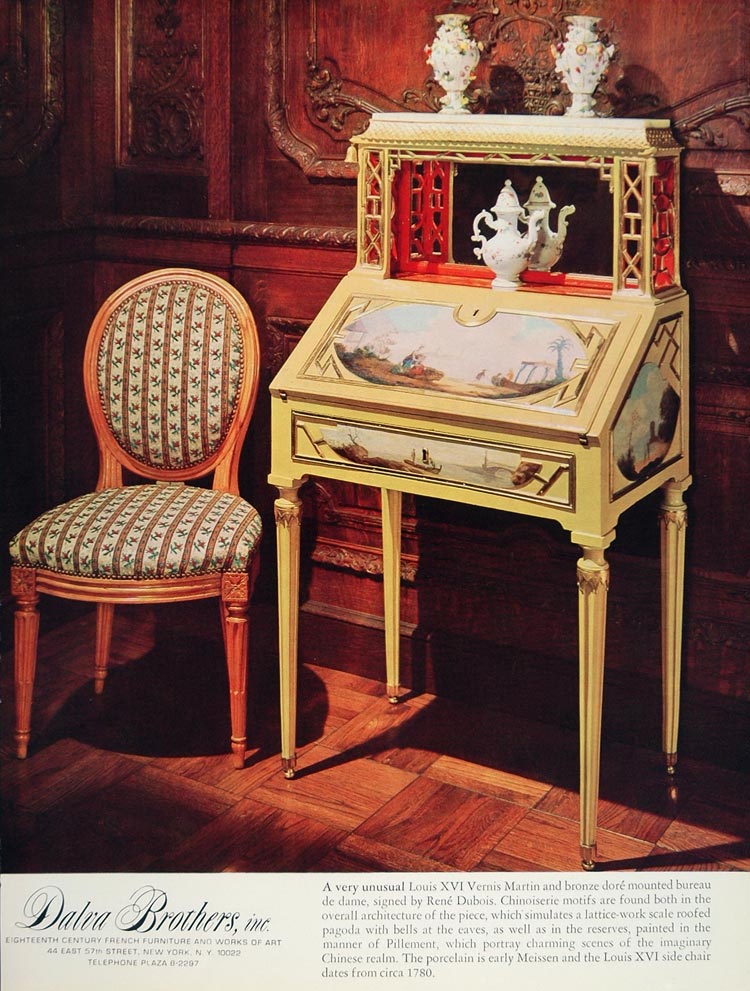
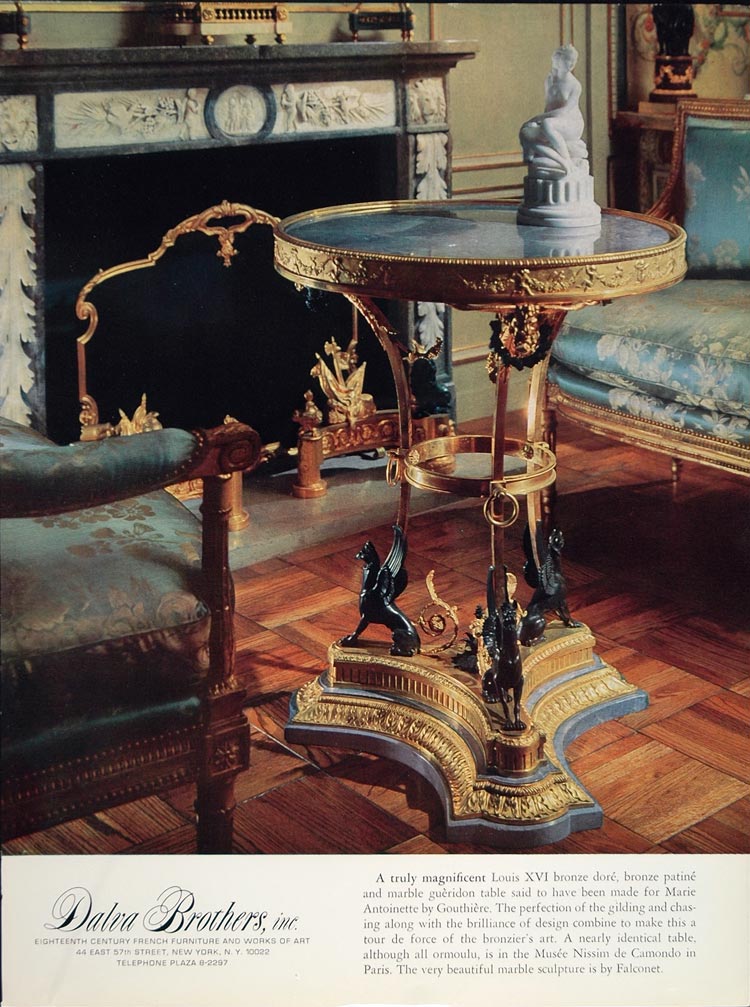
| Ads, 1967 |
Chinoiserie
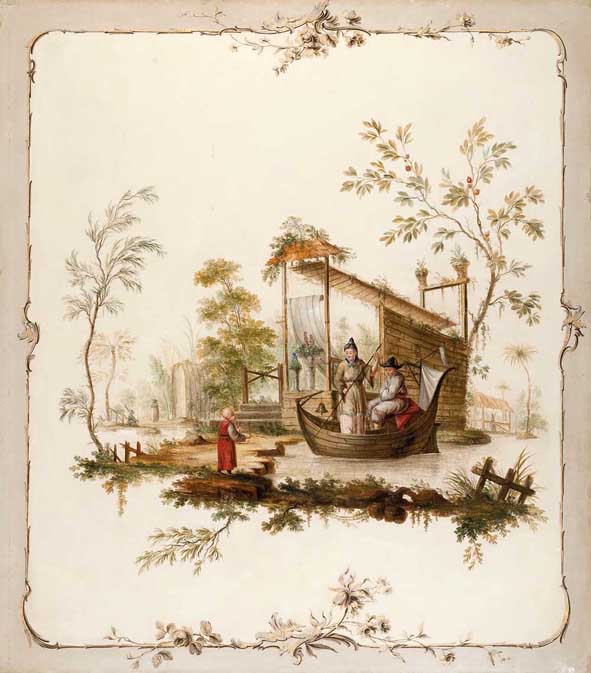 |
| Jean-Baptiste Pillement ~ A couple on a boat departing from a shore where a child stands
One of the most influential decorative and ornamental draughtsmen working in Europe in the second half of the 18th century, Jean Pillement was an equally gifted painter, producing pastoral landscapes, marines, flowerpieces, animal subjects and chinoiseries.
A pupil of Daniel Sarrabat in Lyon, Pillement was a precocious talent and, by the age of fifteen, was working as a designer at the Gobelins tapestry factory in Paris.
In 1745, aged seventeen, he left France for Spain.
He was to spend three years in Madrid, and this was to be the first in a long series of travels throughout Europe over the next forty years.
After a period spent working in Lisbon, where he was offered, and declined, the title of Painter to the King, Pillement spent the next few years working in London, between 1754 and 1762.
His pastoral scenes, seascapes and picturesque views found an appreciative audience in England. A popular and respected member of artistic society in London, he counted among his patrons the influential connoisseur and actor David Garrick.
It was in England in the late 1750’s that some of his ornamental designs were first engraved and published – Pillement himself recorded that more than three hundred prints after his drawings were done while he was working in London – and where he established himself as a fashionable decorative painter.
Pillement continued to travel extensively during the 1760’s, receiving several prestigious commissions.
After returned briefly to Paris in 1761, he spent some time in Italy before travelling to Vienna, where he worked to develop a method of printing coloured designs on textiles.
He executed ten paintings for the Kaiserhof in Vienna for the Prince of Liechtenstein and was ap¬pointed court painter to King Stanislas August Poniatowski of Poland, for whom he decorated rooms in the Royal Castle and the palace of Ujazdów in Waraw between 1765 and 1767.
Back in France and appointed peintre de la reine in 1778, Pillement painted three decorative canvases for Marie Antoinette’s Petit Trianon at Versailles; the only real instance in his long career of an official French commission.
For much of the 1780’s he worked in Portugal – where he founded a school of drawing – and Spain, and it was during this period that he produced some of his finest landscape drawings.
Returning to France in 1789, he abandoned Paris during the Revolution and spent much of the decade of the 1790’s working in the small town of Pezénas in the southern province of Languedoc.
The last years of Pillement’s career found the artist in his native Lyon, where he was employed at the Manufacture de Soie et des Indiennes and gave lessons in decoration and design.
He died in poverty in Lyon in 1808, at the age of eighty, his output having suffered from the decline of the French taste for the rococo in the aftermath of the Revolution.
|
 tout ceci est magnifique