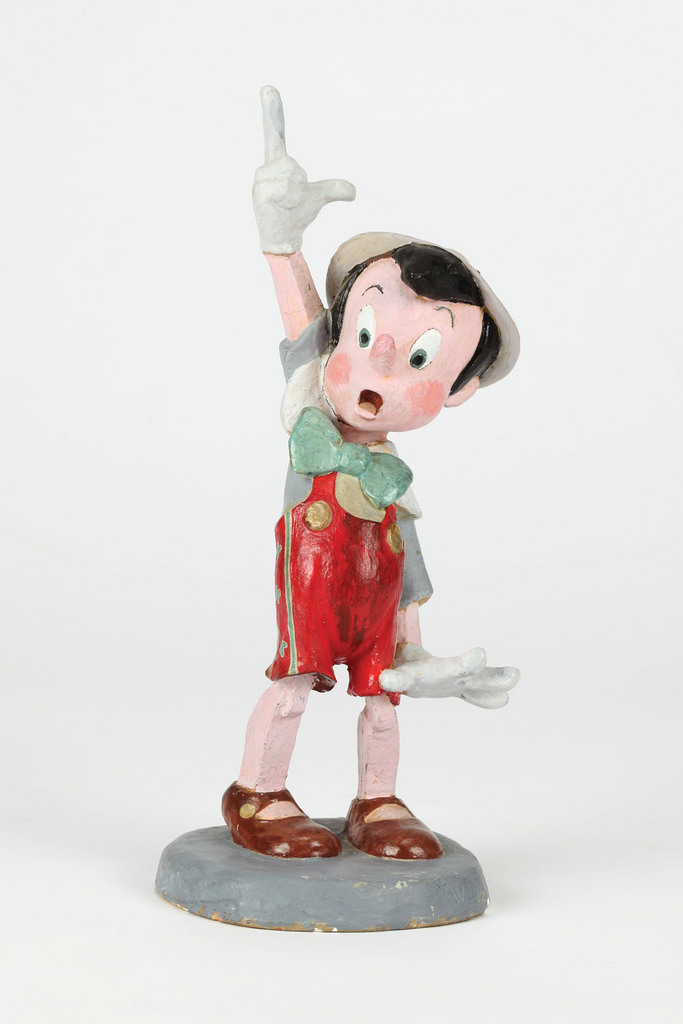
Pinocchio

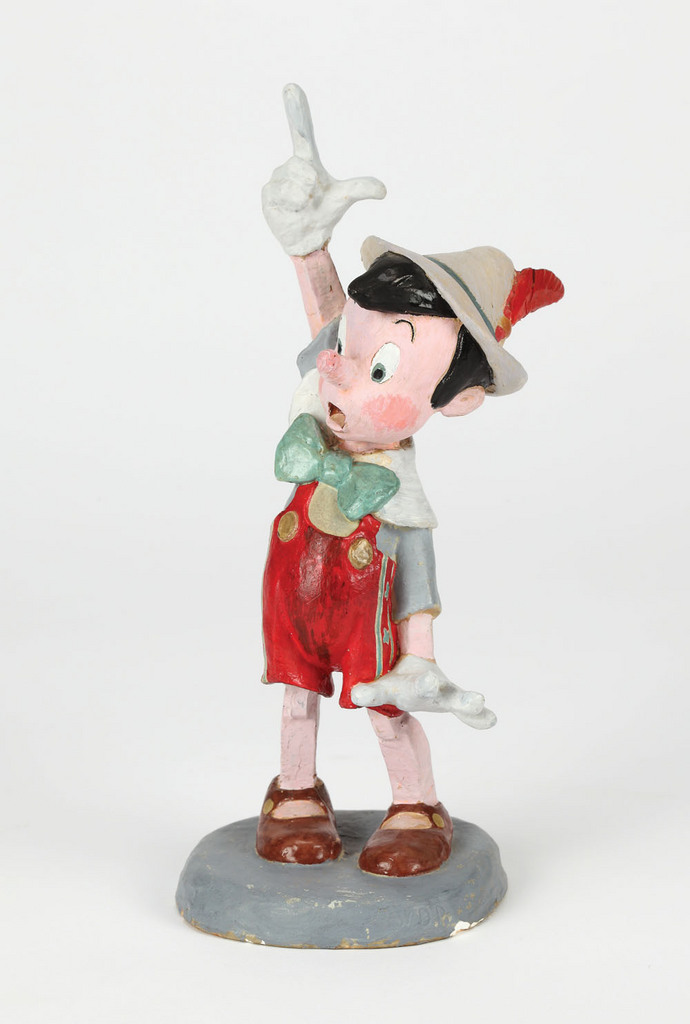
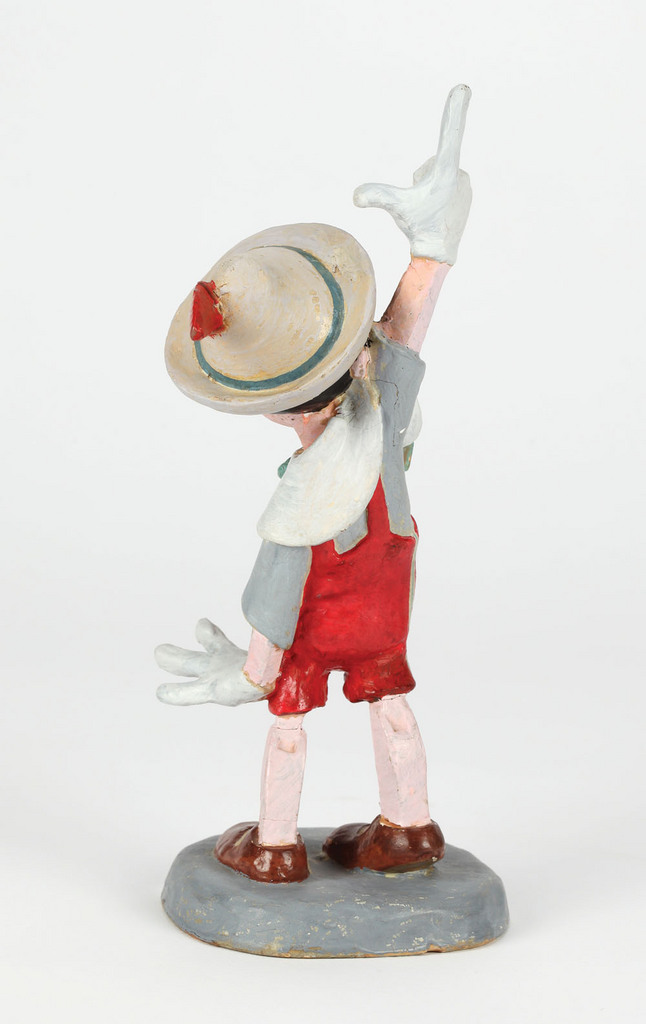
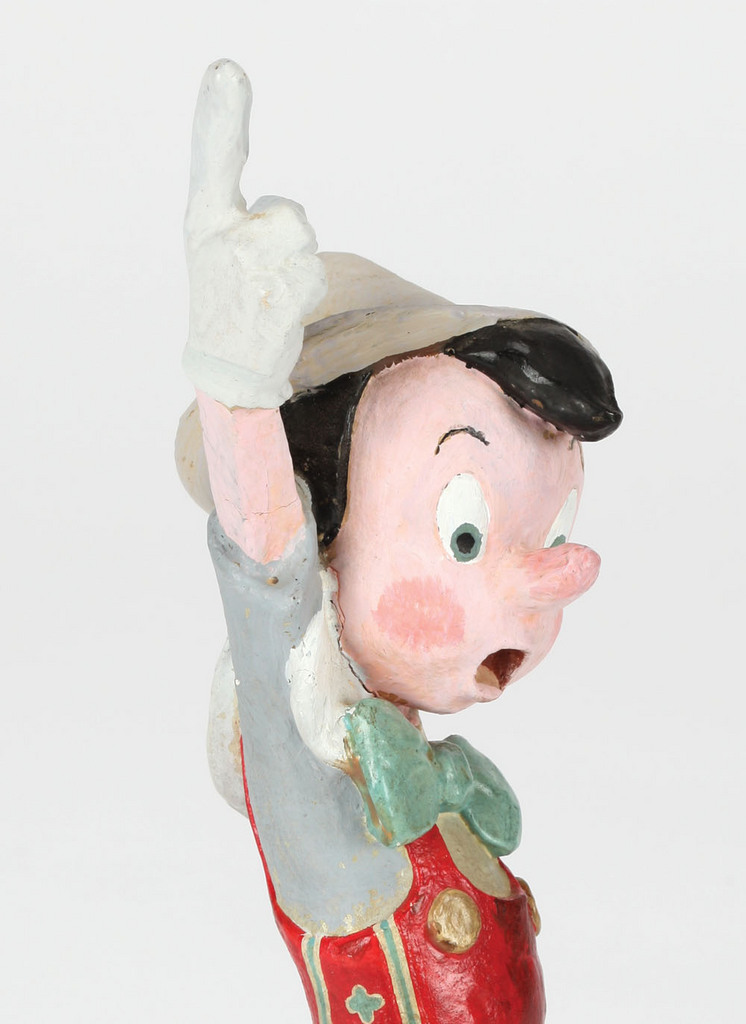
Original Walt Disney Studio maquette of Pinocchio measuring 8 ½ in. tall, constructed of plaster over wire with hand-painted details. The maquette dates from approximately 1938 (prior to the release of the film) and is marked on the edge of the base “© WDP” and stamped on the bottom with “Return to character model department #22”. The animators would refer to these three dimensional plaster maquettes during production for visual continuity. 

LiveAuctioneers

Salon 1879

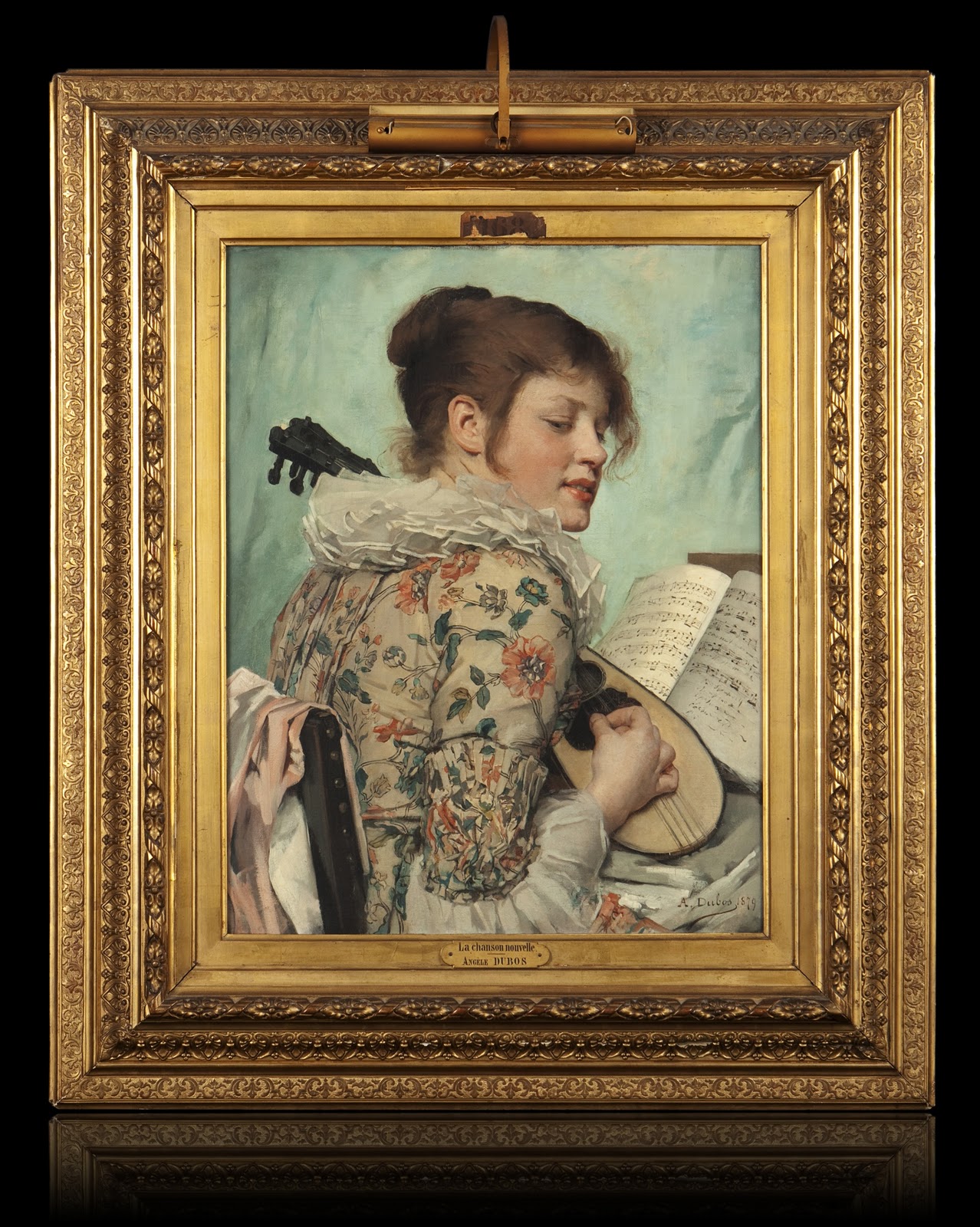
La chanson nouvelle  de Mlle Angèle Dubos
Les salons des artistes français – de la création en 1648 et de l’organisation sous la IIIe République (1870-1940)
 En 1648 un groupe de peintres crée l’Académie royale de peinture et de sculpture à Paris. Pour y entrer, les artistes doivent prouver leur talent en réalisant un « morceau de réception », qu’ils présentent au salon de l’Académie royale des beaux-arts. Au fil du temps, ce salon s’ouvre à des artistes de tous horizons. En 1798, on décide alors de mettre en place un jury d’admission, afin de réguler la quantité de participants. Les meilleurs sont récompensés. Ces prix deviennent de véritables tremplins pour la carrière de l’artiste, lui permettant de se faire connaître, de gagner sa vie, de voyager, de se former avec les plus grands maitres. Les salons sont également des moyens de connaître l’évolution du goût. 
En 1879, le salon des artistes français a lieu au palais des Champs-Elysées. La critique constate que l’école académique, conventionnelle, est en train de disparaître au profit d’un courant de jeunesse, d’une école naturaliste dont les sujets se modernisent. Parmi ces œuvres, une jeune femme expose une scène de genre, intitulé la Chanson nouvelle. Il s’agit d’Angèle Dubos.
Angèle DUBOS (1844 – ?) – femme artiste
Angèle Dubos est élève du grand peintre Charles Chaplin (1825-1891), qui ouvre un cours, consacré uniquement aux artistes femmes, parmi lesquelles nous pouvons citer Mary Cassatt et Louise Abbéma. Chaplin incite ses élèves à participer aux salons. C’est ainsi qu’Angèle Dubos expose à partir de 1873, dans diverses manifestations parisiennes et régionales. Lors de son premier salon, la critique la qualifie d’ « élève délicate et pleine d’entrain de M. Chaplin, dont l’influence est bien visible». Elle est premier lauréat du concours et obtient la médaille d’or.
Ses œuvres sont vigoureuses, le mouvement est bien traduit, les couleurs sont vives. Elle ne cesse de progresser au fur et à mesure des années. Au salon de 1876, les membres du jury remarquent son talent. Elle peint d’une manière aimable, avec de l’entrain, de la facilité et du moelleux dans l’exécution. En 1878 elle participe au salon des femmes artistes ainsi qu’à l’exposition universelle. En 1879 elle expose au salon des artistes français de Paris, où elle présente la Chanson nouvelle, mise en vente par Expertissim.  
Cette scène de genre montrant une jeune femme jouant de la musique, tête tournée de ¾ vers le spectateur est représentée par M. Vallette, graveur, qui suit tous les salons et qui reproduit les œuvres les plus remarquables. Angèle Dubos fait preuve d’un grand talent dans le rendu du mouvement et des différents types de tissus qui composent la robe. Les couleurs sont douces. Les détails des fleurs, des notes de la partition ainsi que de l’instrument, peuvent rappeler la précision des œuvres flamandes du XVIIe siècle. La tête est animée par la bouche et les yeux entrouverts. Elle semble vivante.
Cette œuvre s’inscrit dans un tournant de l’histoire de l’art, typique de ce salon de 1879. L’art académique s’ouvre vers le naturalisme. Les femmes peuvent enfin exposer et sont reconnues pour leurs qualités. Ce tableau montre une jeune femme accomplie, qui joue de la musique, qui est habillée d’une parure assez riche. Elle est donc la représentation même de la bonne éducation. Mais il semble, avec le regard arrogant, la bouche moqueuse, que l’artiste ait voulu dénoncer ce « cliché » et montrer la libération de la femme. C’est donc une œuvre marquée d’une valeur historique indéniable. 
Angèle Dubos, peu connue du fait du manque de sources bibliographiques est pourtant une artiste talentueuse, témoin de son époque. Les critiques des différents salons montrent son importance et la valeur de ses œuvres qu’on redécouvre au fur et à mesure. Certaines se trouvent aujourd’hui dans des musées français, à Caen et au Havre. En 1993, à New York, Sotheby’s a adjugé une œuvre de Dubos « Heureux Age » de 1877, pour 14 950 dollars, preuve de la qualité reconnue de l’artiste.

© Tatiana NICOLAEFF (master école du Louvre)
Expertissim
Porcelain tray

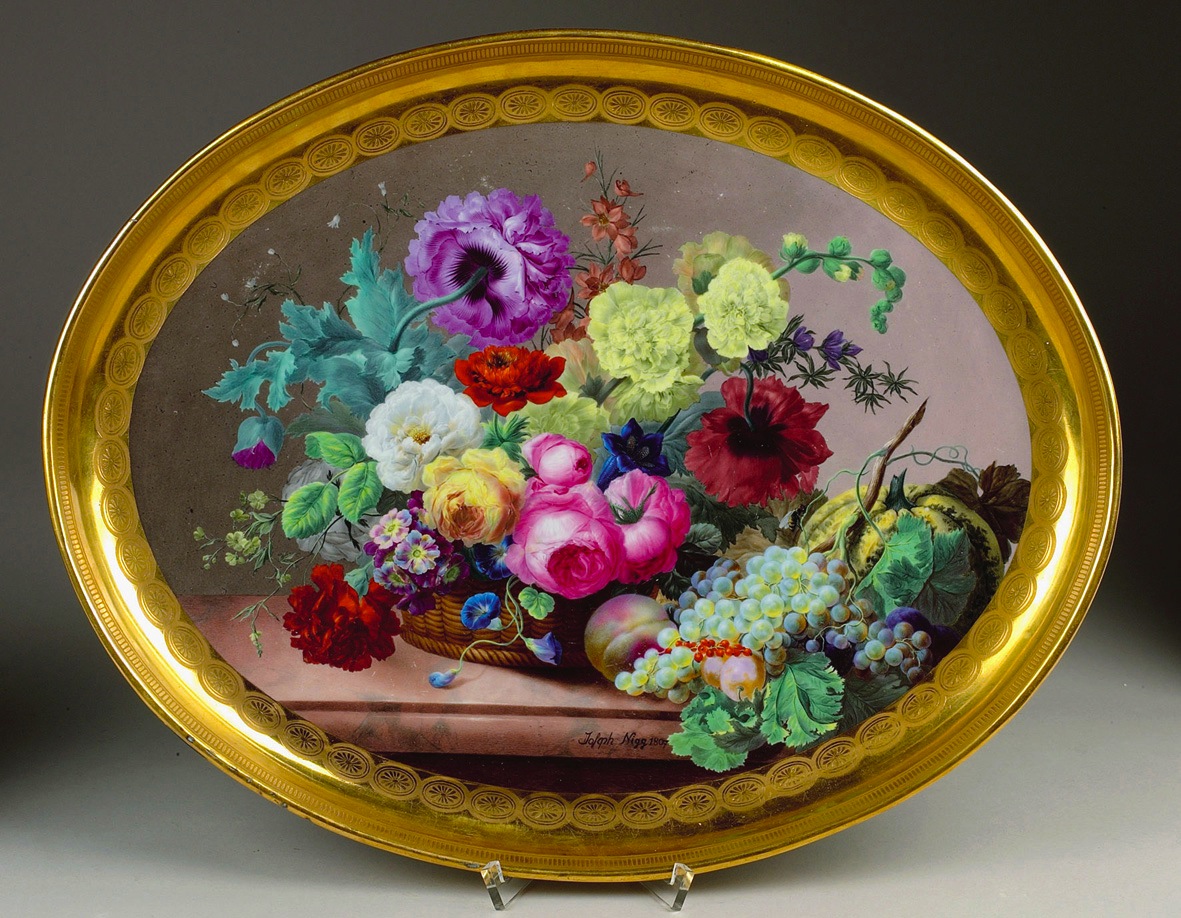
A celebrated Viennese flower painter, Josef Nigg studied under Johan Drechsler at the Academie des Beaux-Arts in Vienna. Primarily a flower and fruit painter, Nigg was best known for his highly detailed still lifes on porcelain. Between 1800 and 1848 he became one of the foremost decorators at the Vienna porcelain factory, and his delicate paintings are considered some of the finest examples of the Austrian style. Examples of his superb work can be found in some of the best museums in the world, including the Hermitage in St. Petersburg. Known for his luxurious still lifes, Nigg paid close attention to every minute detail of the composition from bloomy roses to dewy peaches…

© Benezit, Dictionnaire des Peintres, Sculpteurs, Dessinateurs et Graveurs Vol 10, p. 220; Thieme/Becker, Allgemeines Lexicon der bilden Künstler, Vol. 25/26, p. 473.

Why do the French love Jerry Lewis?

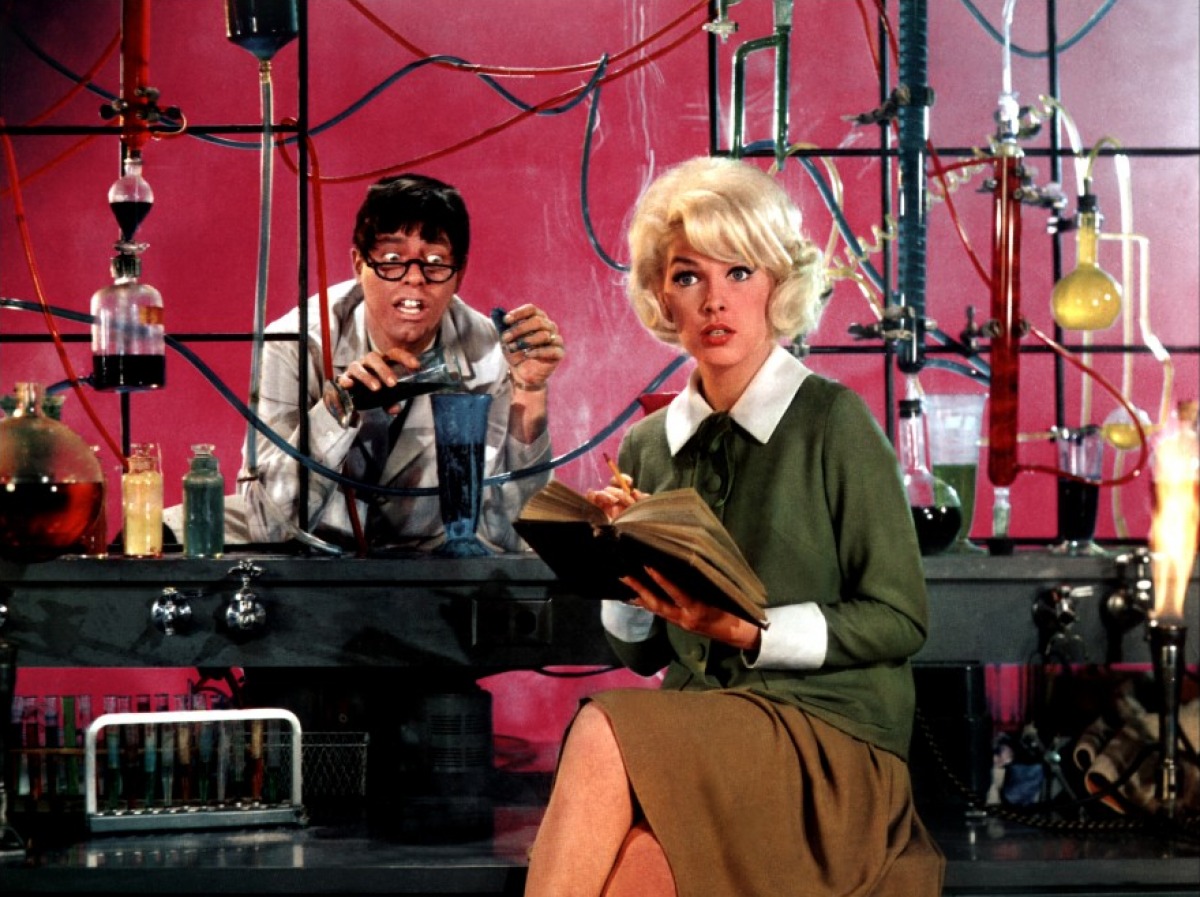
The Nutty Professor, 1963
Vividly bringing to light the tradition of physical comedy in the French cabaret, café-concert, and early French film comedy, this book answers the perplexing question, “Why do the French love Jerry Lewis?” The extraordinary emphasis on nervous pathology in the Parisian café-concert, where the genres of the Epileptic Singer and the Idiot Comic took center stage, and where popular comic monologues and songs included “Man with a Tic” and “I’m Neurasthenic,” points to a fascinating intersection between medicine and popular culture. The French tradition of comic performance style between 1870 and 1910 nearly exactly duplicates the movements, gestures, tics, grimaces, and speech anomalies found in nineteenth-century hysteria; the characteristics of hysteria became a new aesthetics. 
Early French film comedy carried on this tradition of frenetic gesture and gait, as most film performers came from these entertainments and from the circus. Even before Chaplin’s films triumphed in France, film comics were instantly recognizable from their pathological gait, just as Jacques Tati would be a half-century later. Comedy, a genre that dominated French cinema until World War I, has often been linked to a mass public for film; the author elucidates this link by proposing a broadly generalized cultural-medical phenomenon as the explanation for the dominance of the comic genre. Comic performance style drew from a group of nervous disorders characterized by the psychological automatism emanating from the “lower faculties”: nervous reflex, motor impulses, sensation, and instinct. 
Building on her previous work on hysteria, the cabaret, and pathologies of movement in the films of Georges Méliès, and drawing on over 400 French films made between 1896 and 1915, the author contributes to a new theory of spectatorship at work in the cabaret, in shows of magnetizers, and in early French film comedy. Jerry Lewis touches a nerve in French cultural memory because, more than any other film comic, he incarnates this tradition of performance style.

Why the French Love Jerry Lewis
From Cabaret to Early Cinema
Rae Beth Gordon
© 2001-2010 STANFORD UNIVERSITY PRESS 

Sorry, Wrong Number

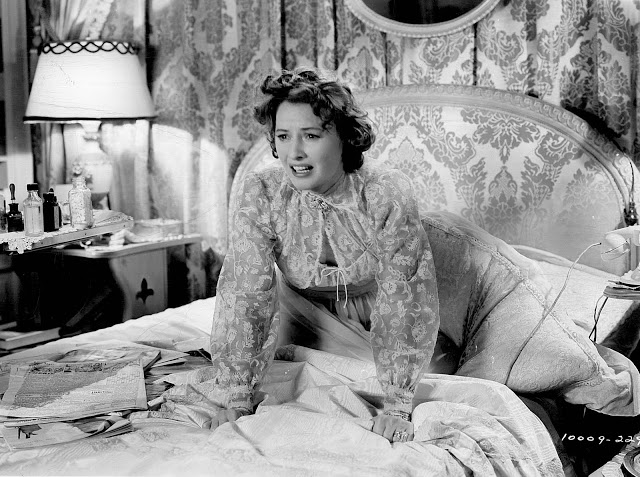
Barbara Stanswick
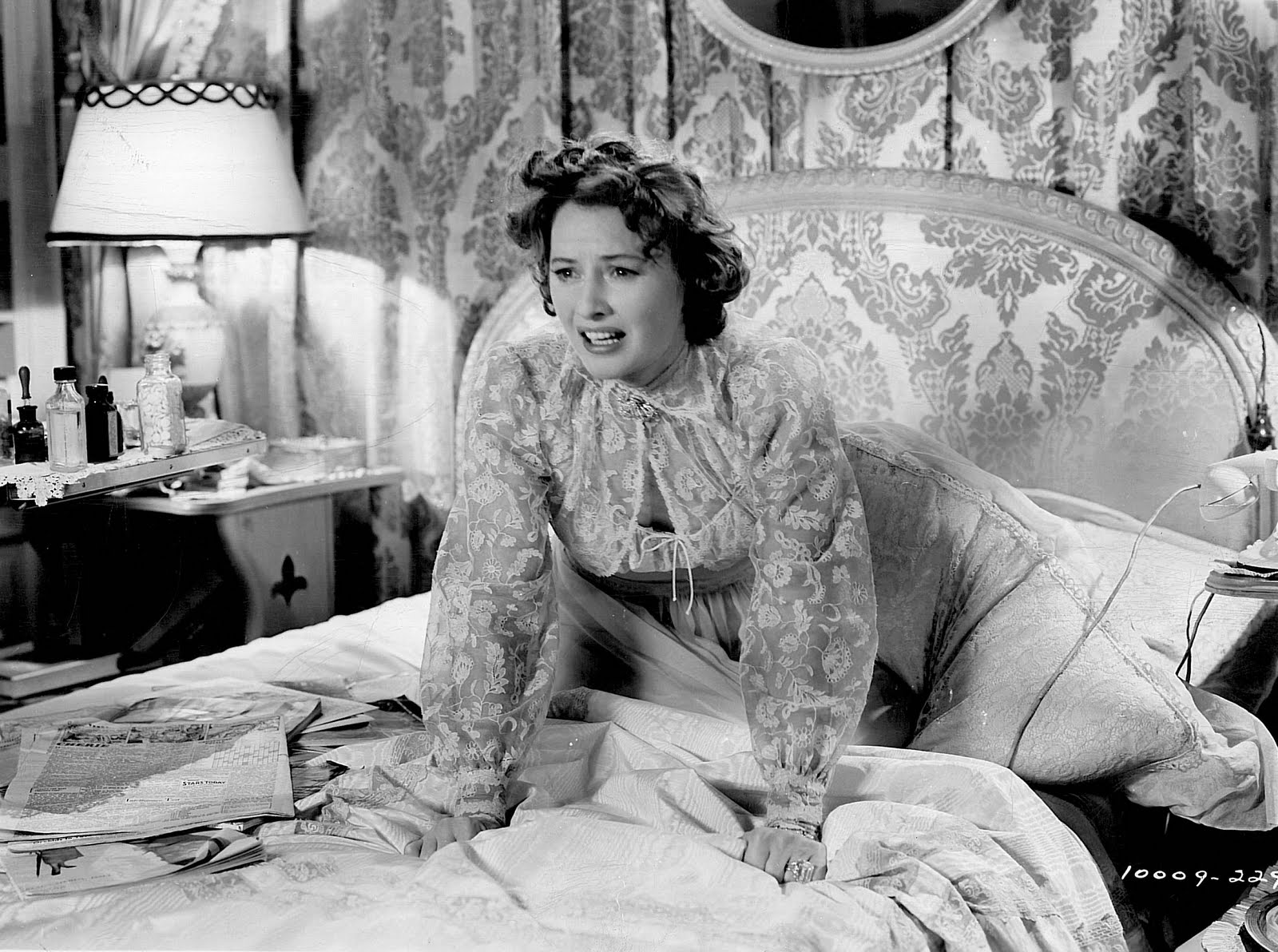
Following 5 years after the highly successful radio program (of the same name) which starred Agnes Moorehead, this thriller features Barbara Stanwyck giving her last of four unrewarded Best Actress Oscar nominated performances as an invalid, wealthy woman whose only contact with the outside world, and that which threatens her one evening, is a telephone. Anatole Litvak co-produced and directed Lucille Fletcher’s play, which she extended significantly with her screenplay. The film also stars Burt Lancaster, looking rather young in his sixth film (two years after his screen debut in The Killers (1946)), Ann Richards, Wendell Corey, Ed Begley, Leif Erickson, and William Conrad (among others).

The story opens with Leona Stevenson (Stanwyck) trying to reach her inexplicably absent husband Henry (Lancaster) on the telephone. Through various circumstances and events, she’s pretty much confined to her bedroom, ostensibly her bed, with no one else home to assist her. Back in the days when operators set-up calls manually, she’s accidentally connected to a man’s voice she doesn’t recognize who’s speaking about murdering a woman at 11:15 that evening. After reporting the incident to a distracted police sergeant (Cliff Clark, uncredited), and then speaking with her father James Cotterell (Begley), her husband’s secretary (Dorothy Neumann), and an old acquaintance & rival Sally (Richards), all by telephone, she learns that she is the intended victim of the crime!

Each of these subsequent telephone calls, plus one with her doctor and a man named Waldo Evans (Harold Vermilyea), leads to a flashback sequence, making this an extraordinarily nonlinear film, during which a piece of the plot’s puzzle is put into place. Leona was a debutante whose father owned a large drug company bearing his name such that she’d learned she could have anything she wanted. While at Harvard, she meets Henry at a dance and “steals” him away from Sally. Henry, like her father, doesn’t even have a high school education but she’s drawn to him (physically) and must have him, as her husband. Henry instantly becomes a VP in Daddy’s company, with little or no responsibility, and learns to hate it. Desperate to make his own way, he tries to get another job but finds that his father-in-law owns the town in which they live such that he can’t make a career move without Cotterell knowing it. In the process, he’d upset his wife so much that her health begins to decline. Now, instead of them living at home with Daddy, the Stevensons live in a multi-level flat nearer to Dr. Alexander (Corey), who’s treating Leona for her “illness”, which has manifested itself as a weak heart.
Sally is now married to a lawyer, Fred Lord (Erickson), who’s investigating Henry’s suspicious activities with Evans, who’s a Cotterell chemist, and a “mob” hood named Morano (Conrad). Though it was originally just a “woman in peril” radio program, it was made into a much more complex (though not convoluted), yet compelling drama. Stanwyck plays her role like no one else could – her character is shown to have been a confident woman who learned that she could always get her way (e.g. with her father, and their money) that’s transformed into an increasingly weaker person, who shrieks helplessly while she loses control of her husband and mobility. The ending is classic; the movie’s title is the last spoken line.