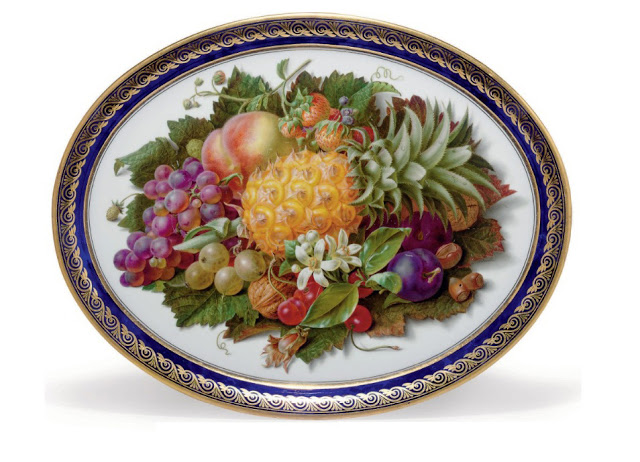
Still-life of fruit and nuts on a bed of shaded leaves, including a pineapple, grapes, strawberries, a peach, plums, gooseberries, hazelnuts, walnuts, cherries and orange blossoms

Grand plateau ovale, première grandeur, en porcelaine de Sèvres
Jacobber, 1826

Provenance
Probablement Marie Caroline, duchesse de Berry (1798-1870)

A partir de 1825, la duchesse de Berry reçoit un service nommé dans les archives de la manufacture de Sèvres Service Fruits peints sur une feuille, fond lapis. Le service est continué jusqu’en 1828 et chaque année la belle-fille de Charles X reçoit ces compléments. Une partie de ce service est récemment passée en vente publique (Paris, hôtel Drouot, Doutrebente, 25 novembre 2005, lot 161). Le décor de ce service est similaire à celui de notre plateau.

Notre plateau apparaît sur la feuille d’appréciation n° 71 de 1826 ainsi décrit : 1 plateau de Déjeuner ovale 1ere gr fond bleu lapis, Peinture de fruits sur feuilles décor en or. Le peintre Jacobber reçoit 800 francs pour la peinture des fruits et la dorure est confiée à Vaubertrand, le prix de fabrication étant de 1072 francs et le prix de vente de 1500 francs (Arch. MNS, Pb6).

Ce plateau est ensuite choisi par Brongniart pour figurer à l’Exposition des Manufactures Royales au Louvre le 1er janvier 1827. Dans un état des principales pièces qui composent l’exposition du1er janvier 1827 manuscrit écrit par Brongniart, il note : des assiettes fruits sur feuilles du service du même nom qui a passé l’an dernier par M Jacobber puis un plateau ovale de Déjeuner pour le service précédent riche amas de beaux fruits sur feuilles par M Jacobber. Le plateau est décrit dans le catalogue de l’Exposition sous le n° 15 : Un plateau ovale pour déjeûner / Groupe de fruits sur des feuilles, pour aller avec le déjeuner du service n° 13. Le service n° 13 est le service à décor de fruits sur des feuilles diverses livré à la duchesse de Berry. 

Bien que ne semblant pas apparaître dans les registres de sorties de la manufacture de Sèvres, le plateau de déjeuner est probablement livré avec le service à la duchesse de Berry en 1827.

Important French Furniture and Works of Art
March 2007, Paris, France

Sotheby’s
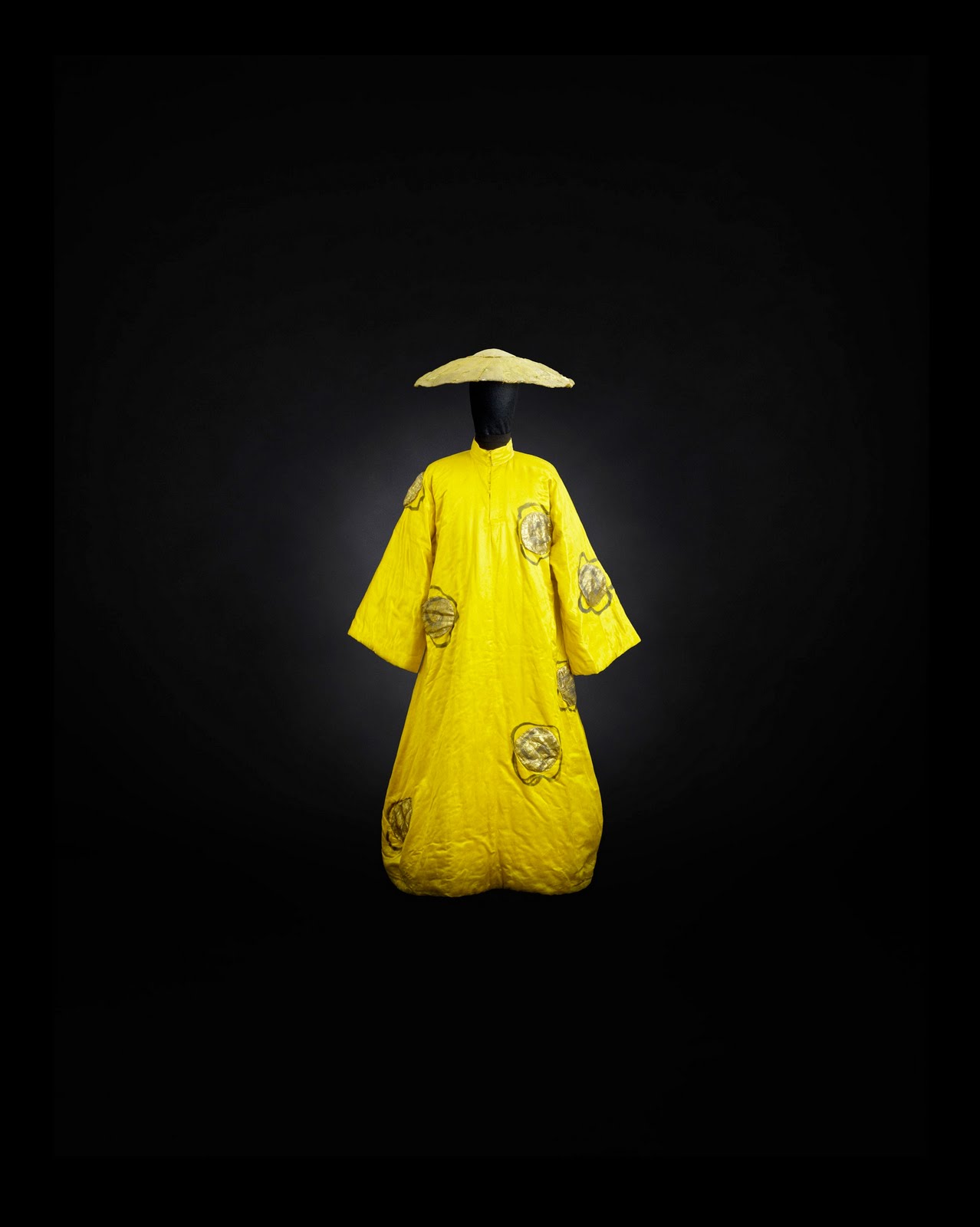
From Russia with love

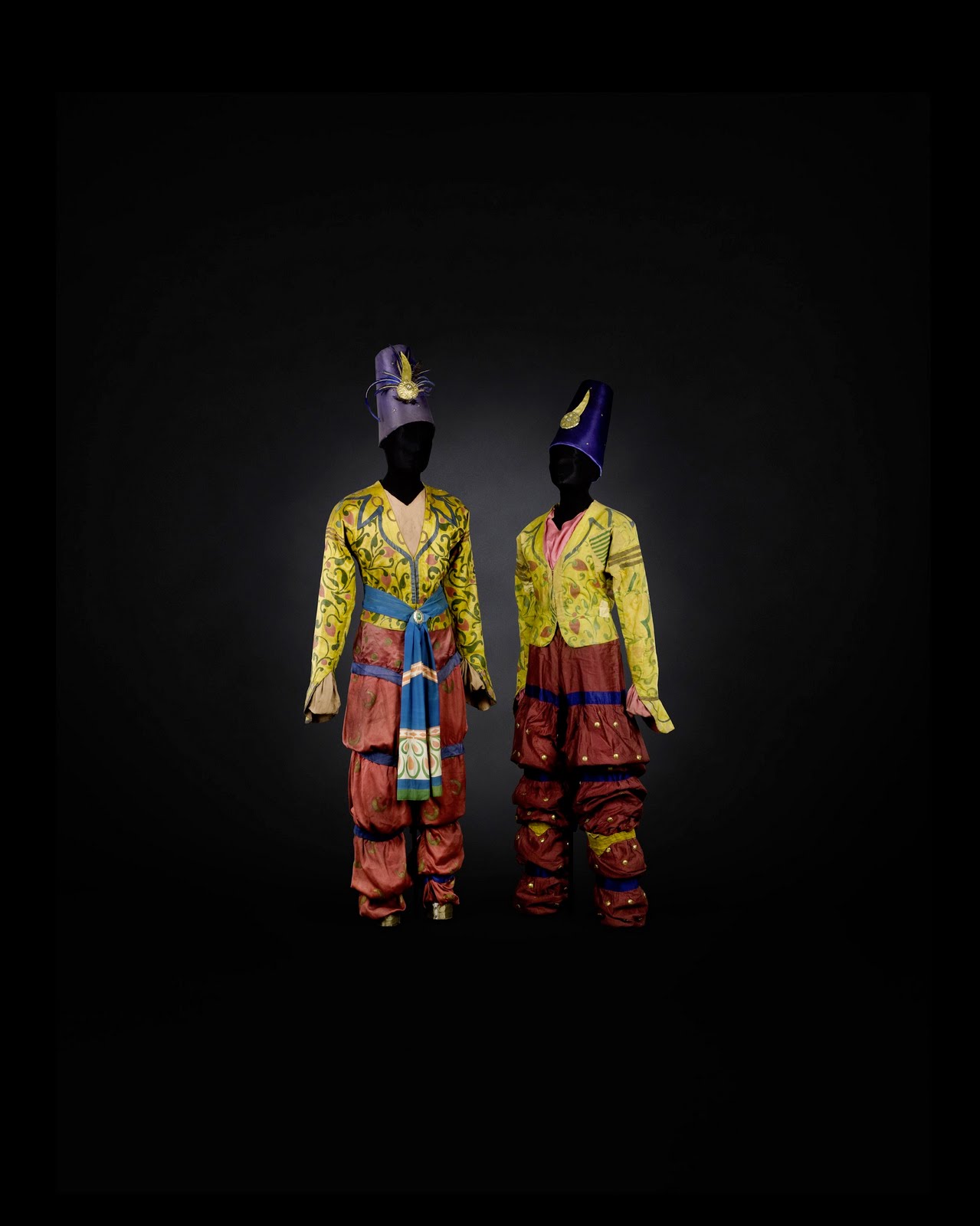
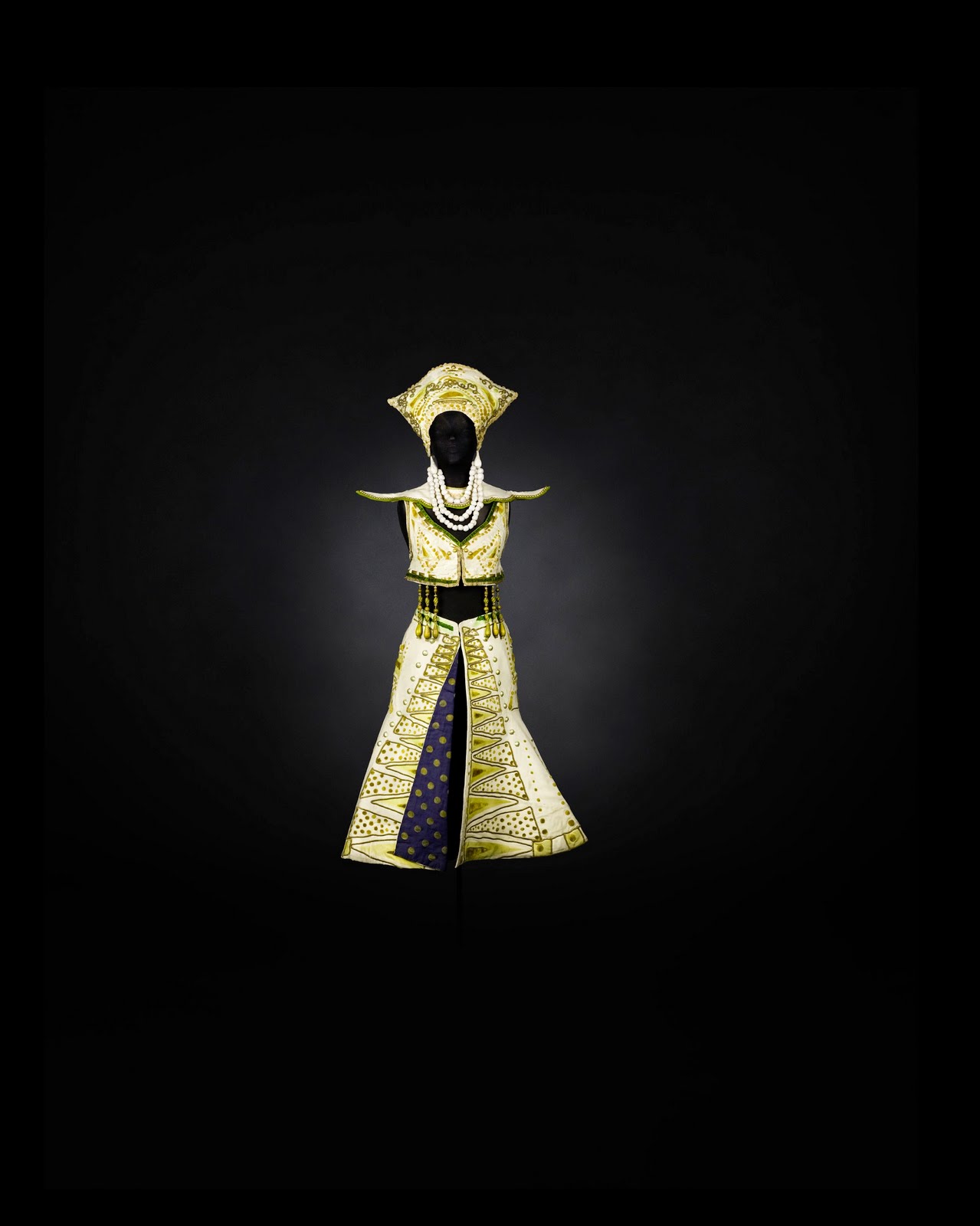
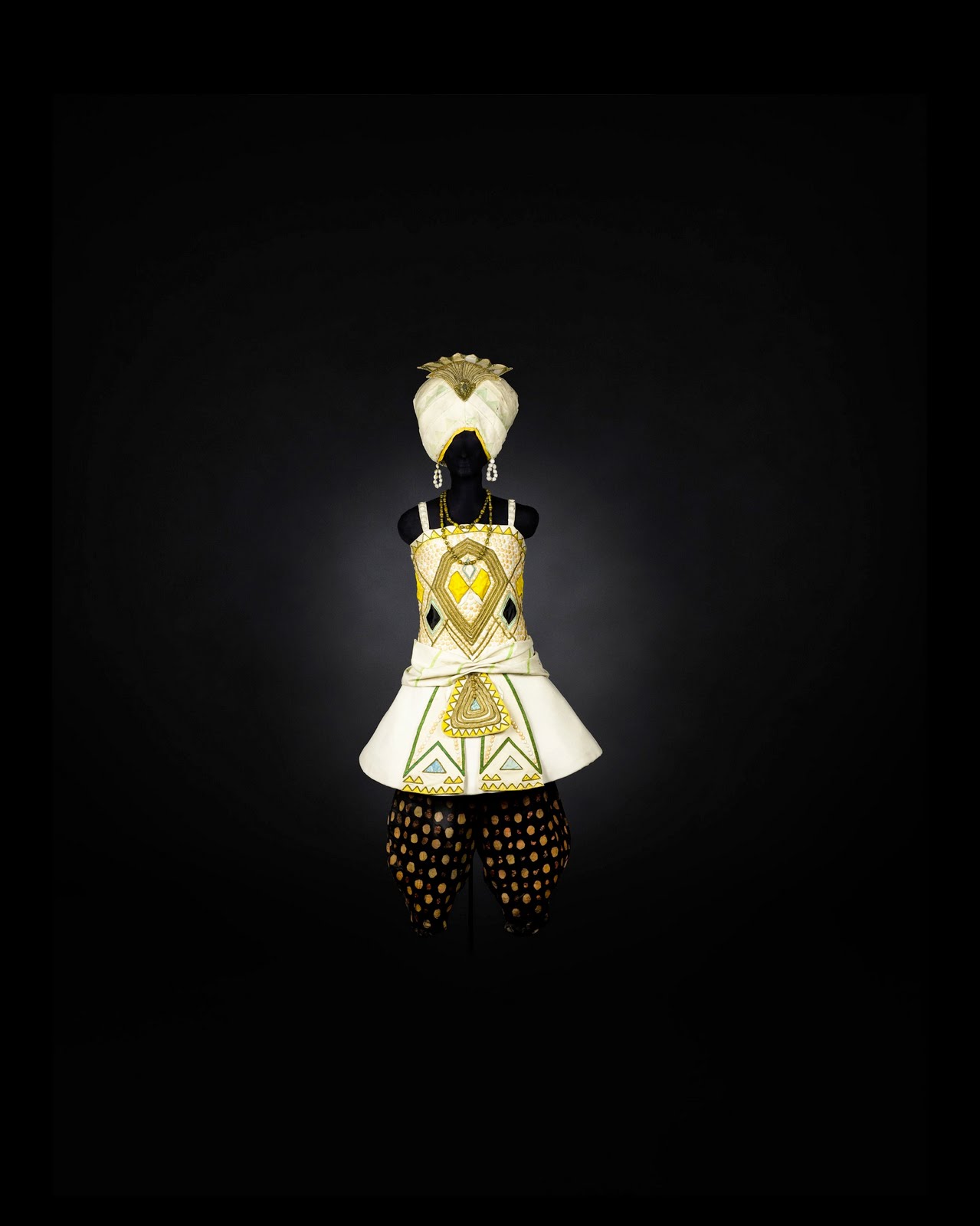
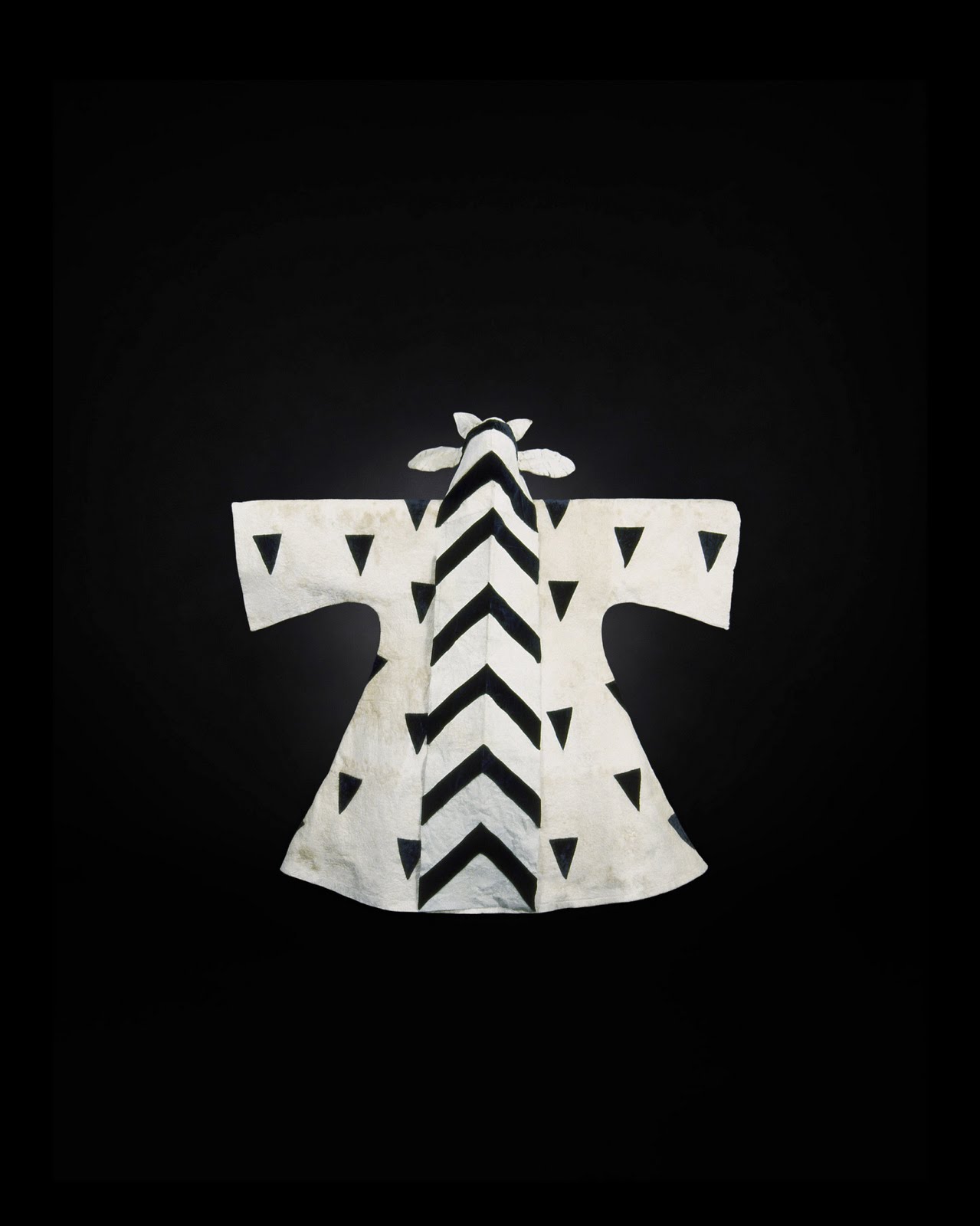
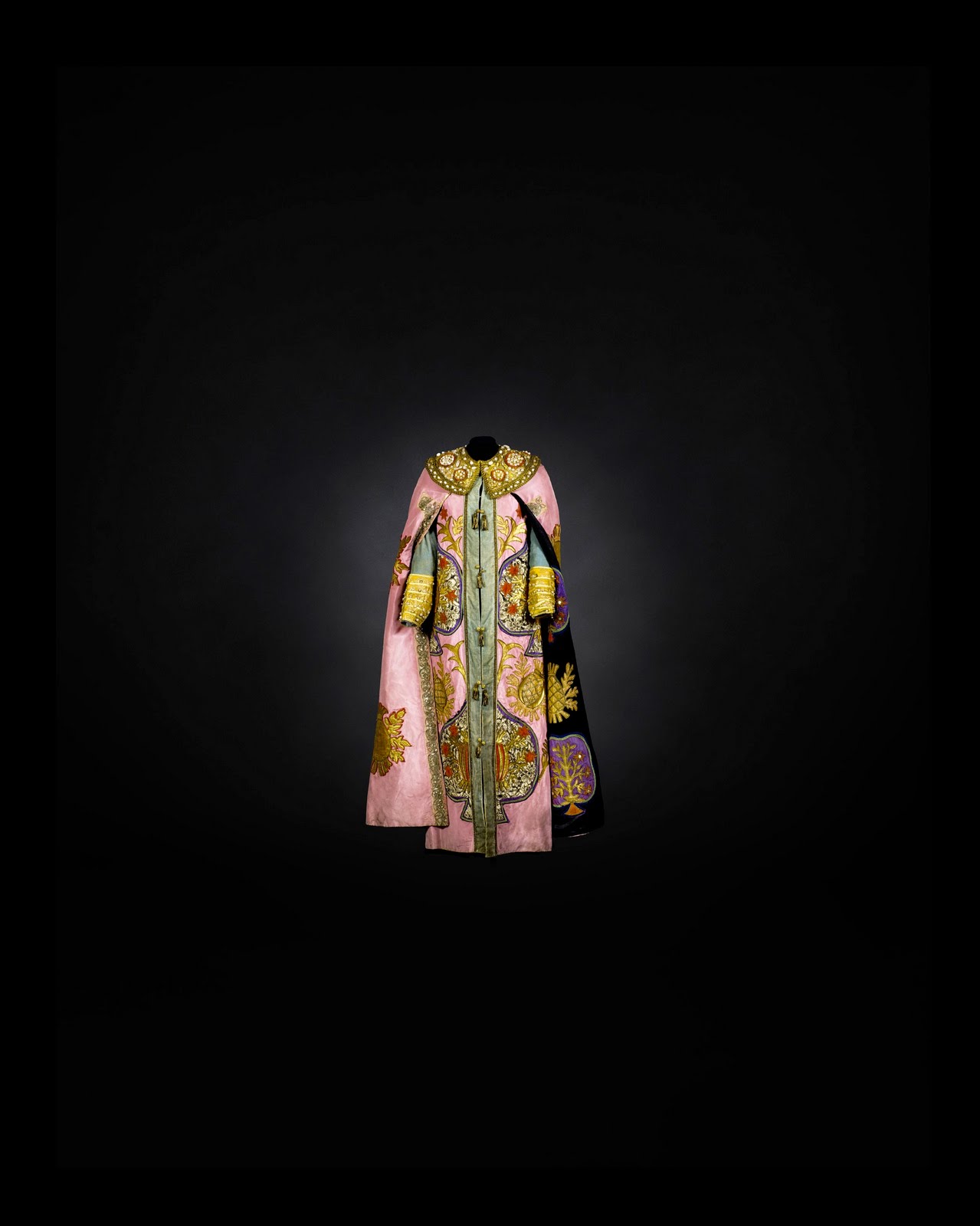
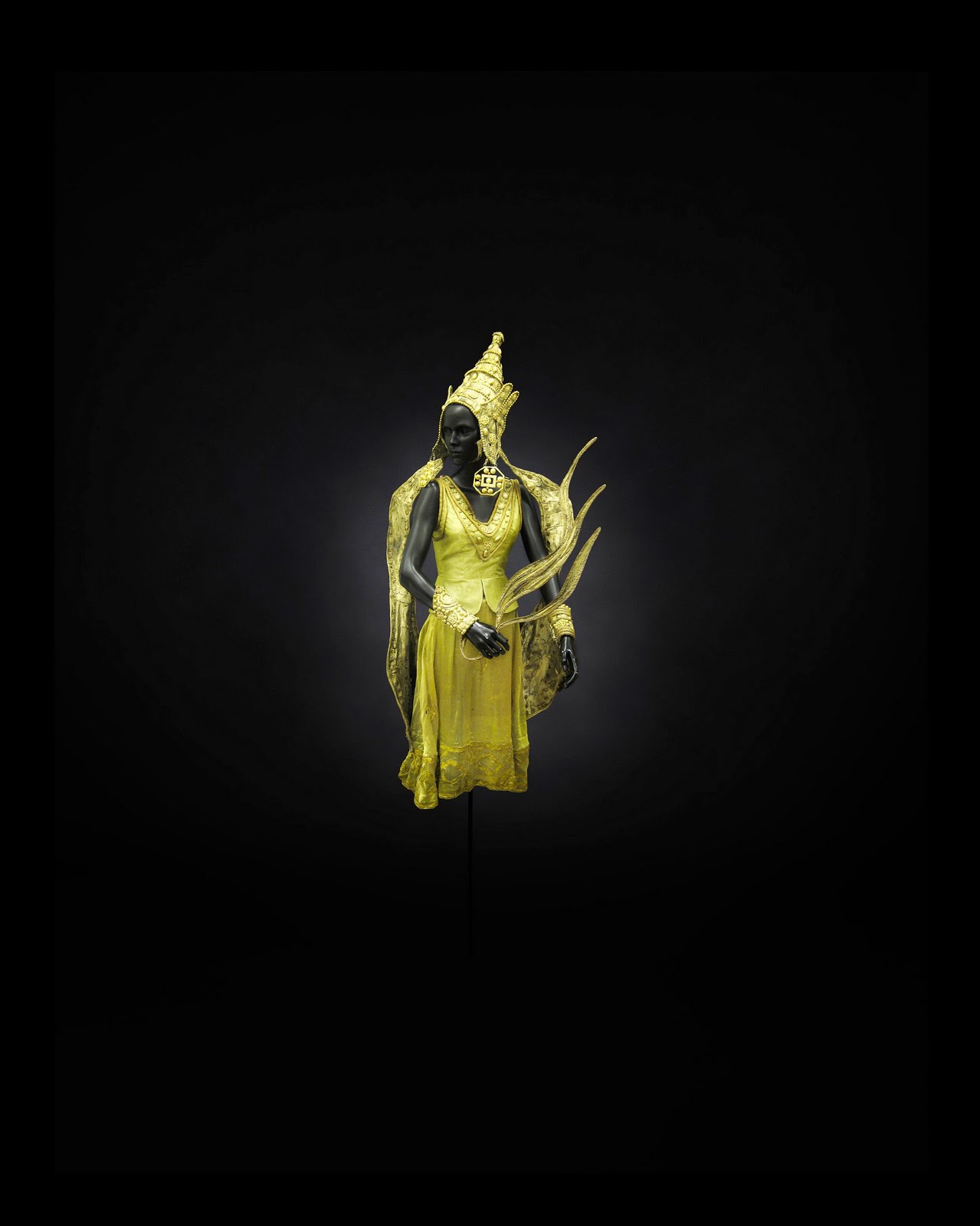
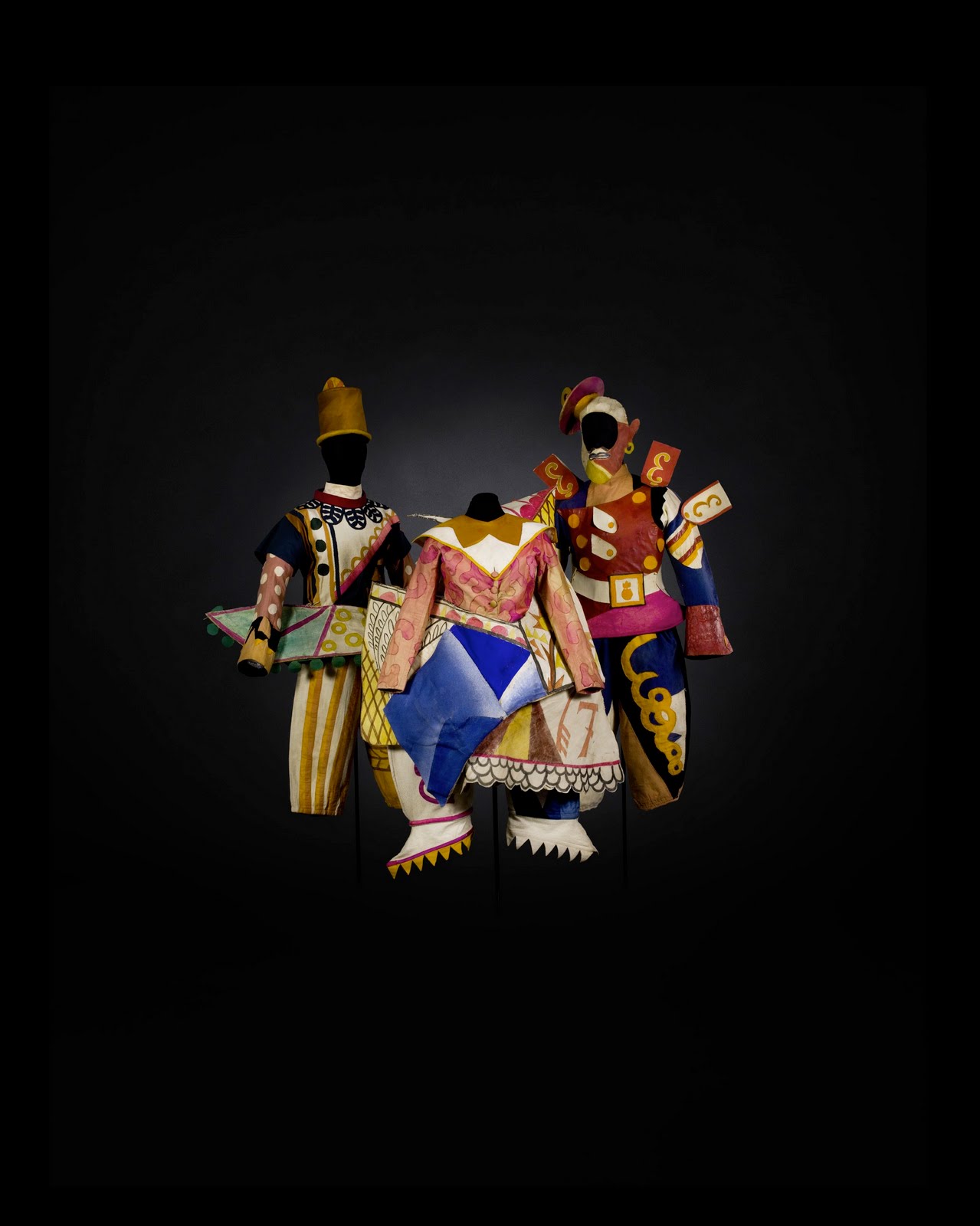
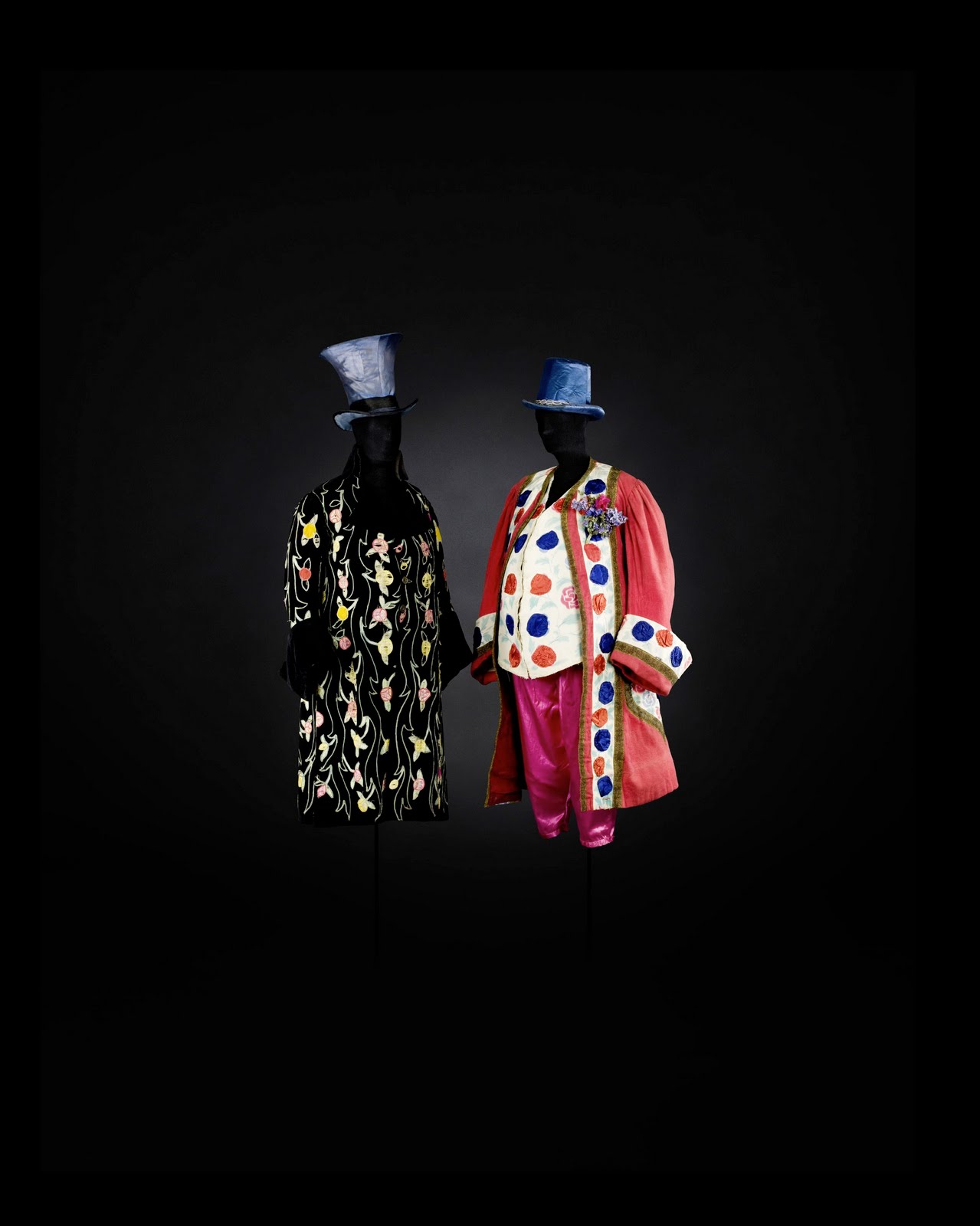
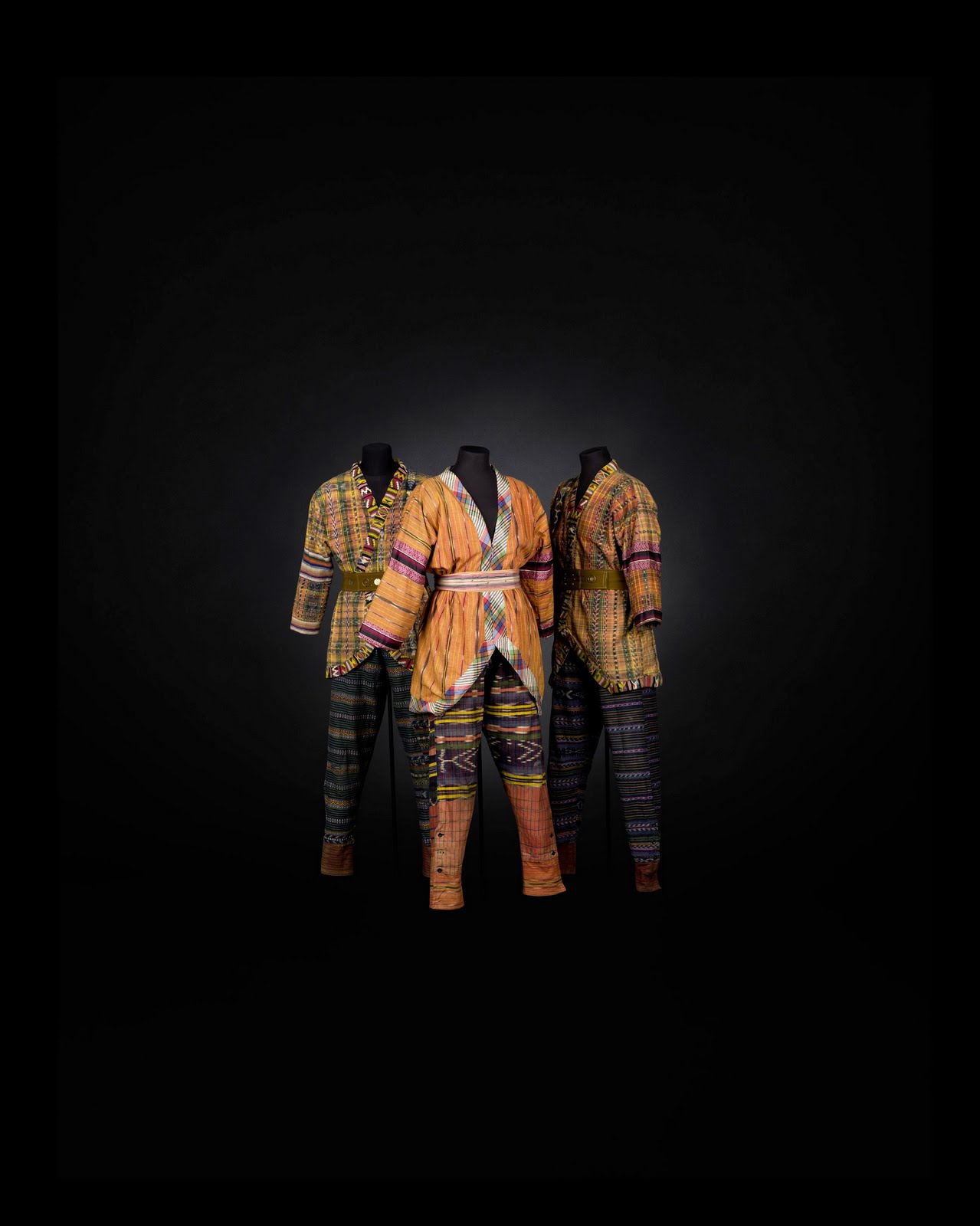
1. Costume for a chamberlain Le Chant du Rossignol, 1920 by Henri Matisse; 2. Costume for two young males in Shéhérazade,  1910 by Léon Bakst; 3. Léon Bakst, Le Dieu Bleu, 1912(1); 4. Léon Bakst, Le Dieu Bleu, 1912(2); 5. Léon Bakst, Schéhérazade, 1910; 6. Henri Matisse, Le Chant de Rossignol, 1920; 7. Natalia Gontcharova, Le Coq d´Or, 1914; 8. Léon Bakst, Le Dieu Bleu, 1912; 9. Alexander Golovin, L’Oiseau de feu, 1910; 10. Mikhail Larionov, Chout, 1921; 11. José-Maria Sert, Le Astuzie Femminili – Cimarosiana, 1924; 12. Nicholas Roerich, The Polovtsian Dances from Prince Igor, 1909
The National Gallery of Australia has a renowned collection of costumes from the Ballets Russes (the Russian Ballet), which was founded by the flamboyant Russian arts producer Serge Diaghilev (1872–1929). By integrating design, music and dance, and encouraging the artistic experimentation and collaboration of painters, choreographers and composers, Diaghilev created the new art of modern ballet. From 1909 to 1929, his company Les Ballets Russes de Serge Diaghilev performed in Paris, throughout Europe (although never in Russia) and in North and South America.  

Based in Paris from 1909, Diaghilev created opera and dance productions that brought the exoticism of Russian culture to a wider Western audience, and with it the work of Russian artists and designers such as Léon Bakst, Alexandre Benois, Natalia Goncharova and Mikhail Larionov; choreographers Michel Fokine and Léonide Massine; composers Igor Stravinsky, Alexander Borodin, Nikolai Rimsky-Korsakov and Nicholas Tcherepnin; and dancers such as Tamara Karsavina, Anna Pavlova, Adolph Bolm, Serge Lifar and Vaslav Nijinsky. Through the work of these artistic collaborators and performers Diaghilev was able to orchestrate and bring to life a new vision of the Slavic, oriental, baroque, romantic and later constructivist elements of Russian culture. 

Diaghilev’s association with the wider world of the arts led to him commissioning artists such as Pablo Picasso, Henri Matisse, André Derain, Robert and Sonia Delaunay, Georges Braque, José Maria Sert and Giorgio de Chirico to design costumes and scenery for a number of his productions. The costumes reveal aspects of these artists’ work as designers and provide insights into the nature of collaboration between the performing and visual arts. Valuable works such as Léon Bakst’s The blue god costume worn by Nijinsky in Le dieu bleu in 1912, Henri Matisse’s design for Costume for a mourner in the 1920 production of Le chant du rossignol and Giorgio de Chirico’s Costume for a male guest in the 1929 production of Le bal are some of the many highlights of the collection.  

The costumes designed and worn by Diaghilev’s designers and dancers from 1909 to 1929 form the main part of the Gallery’s Ballets Russes collection, and complementing these are costumes from some of the productions of his successor Colonel Wassily de Basil, whose companies revived much of Diaghilev’s repertoire from 1932 to the late 1940s. 

With Diaghilev’s untimely death in Venice in 1929, the Ballets Russes disbanded, and a diaspora of its dancers and choreographers formed new and influential dance companies in North America and Europe. In 1932 de Basil and René Blum formed a new company, Les Ballets Russes de Monte Carlo, which de Basil took over as sole director in 1935. This company (under various names and business arrangements) toured to Australia in 1936, 1938–39 and 1939–40, creating a sensation with its repertoire of Diaghilev and newer productions and its integration of avant-garde design with innovative performance and music. The legacy of the Ballets Russes is its role in the introduction of modern dance in Australia, led by a number of the company’s dancers and choreographers who remained in Australia or returned to work here. This legacy is currently being examined during a four-year collaborative research project between the National Library of Australia, The Australian Ballet and the University of Adelaide, which will provide a further Australian dimension to the National Gallery of Australia’s collection.  

Following the demise of de Basil’s company in 1951, its rich remaining stock of Diaghilev’s original costumes and those from de Basil’s earlier companies, maintained in Paris long after their arduous life on the stage, eventually found their way into several major museum collections during the 1960s and 1970s, including that of the then fledgling Australian National Gallery (now the National Gallery of Australia), which acquired a large group of Ballets Russes costumes in 1973 and again in 1976.1 The Gallery’s collection of Ballets Russes costumes is one of its major assets and is one of the world’s largest collections of this material. The last exhibition of these costumes, From Russia with love, was staged by the National Gallery of Australia in 1999. Selections from the collection, focusing on individual productions of the Ballets Russes, are regularly displayed in the International Art galleries to show their relationship to, and influence on other design and decorative arts of the early twentieth century. 

Many of these costumes have been restored during the past twenty years by the Gallery’s textile conservators. Their painstaking work continues on a group of costumes not previously exhibited due to their degraded condition. The conservators’ long experience with the particular characteristics of the Ballets Russes designers’ materials and construction methods allows for the complex and sometimes seemingly impossible reconstruction of costumes that have had little care since they were last donned for performance. The conservators’ brief is to maintain the working and visual condition of costumes that have been used, while repairing and replacing elements of their fabric that have been lost or damaged by insects or extended exposure to light.  

Robert Bell
Senior Curator, Decorative Arts and Design

National Gallery of Australia
From Russia with love

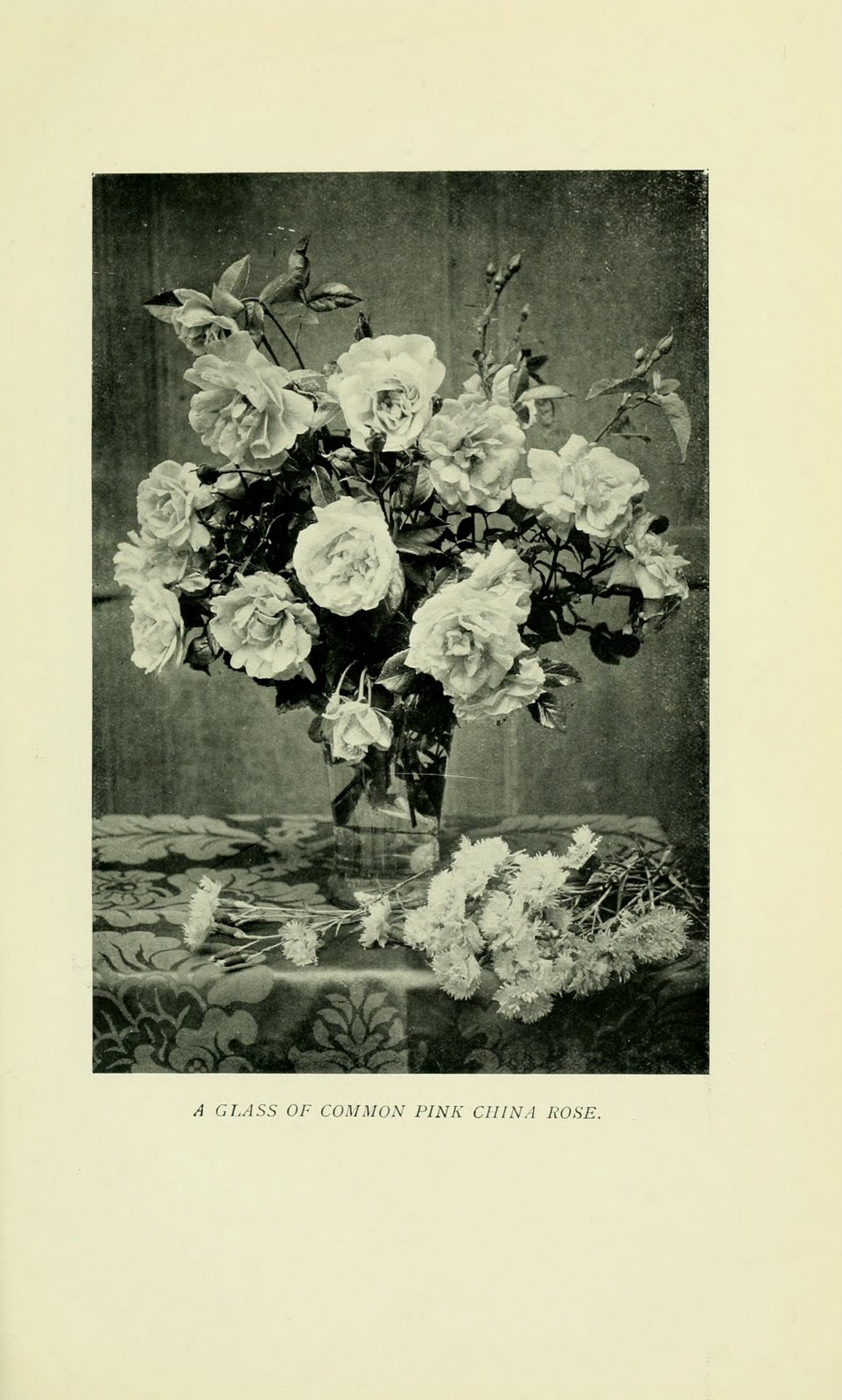
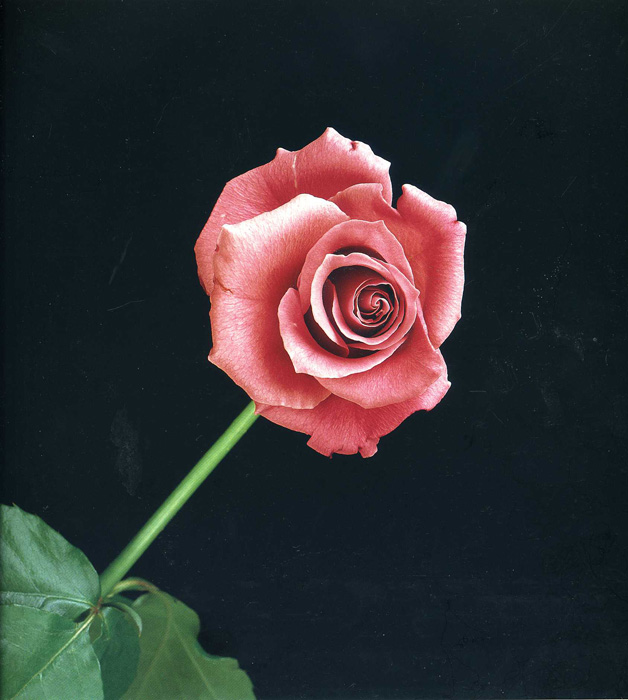
Rose

Robert Mapplethorpe’s flower art photography

“I am obsessed with beauty,” he explained to Anne Horton in a 1987 interview.  “I want everything to be perfect and, of course, it isn’t.  And that’s a tough place to be because you’re never really satisfied.”  Mapplethorpe: A Biography by Patricia Morrisroe

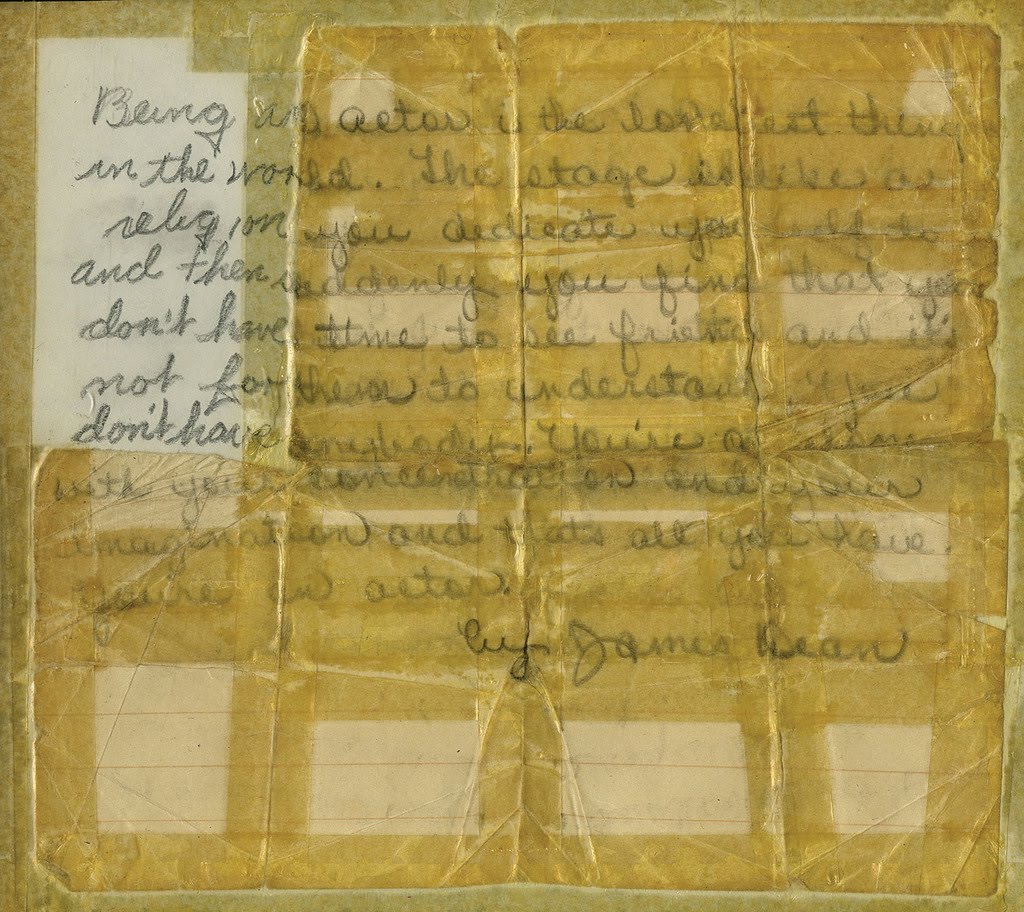
Being an actor

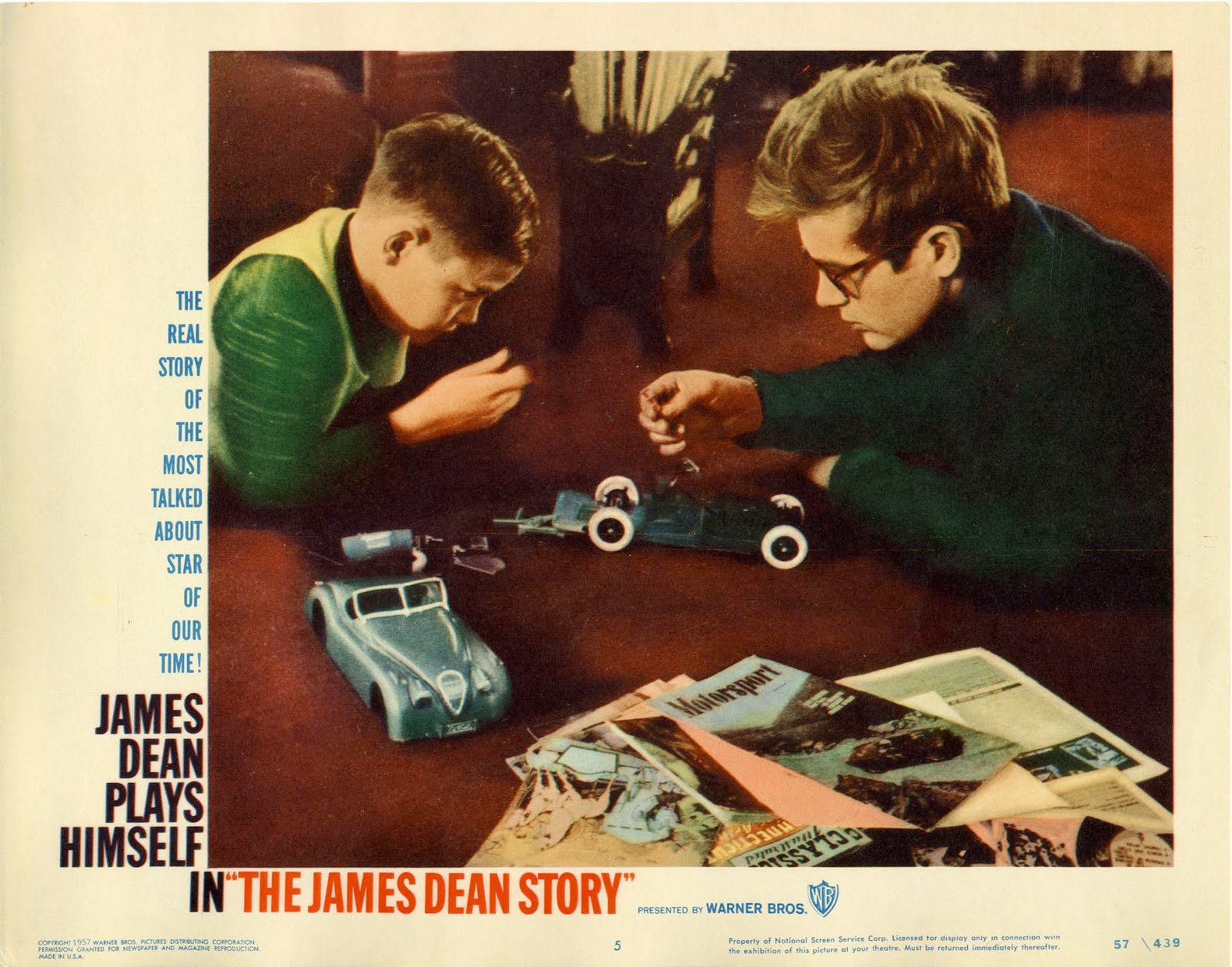
“Being an actor is the loneliest thing in the world. The stage is like a religion you dedicate yourself to and then suddenly you find that you don’t have time to see friends and it’s not for them to understand you don’t have anybody. You’re all alone with your concentration and your imagination and that’s all you have. You’re an actor. by James Dean”This note was written in New York City at Blaty’s Restaurant in 1952.   Live Auctioneers
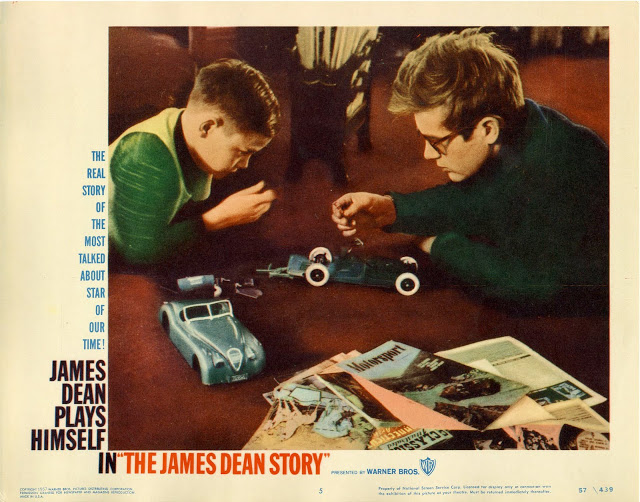
Robert Altman, George W. George, 1957