I am not young enough to know everything

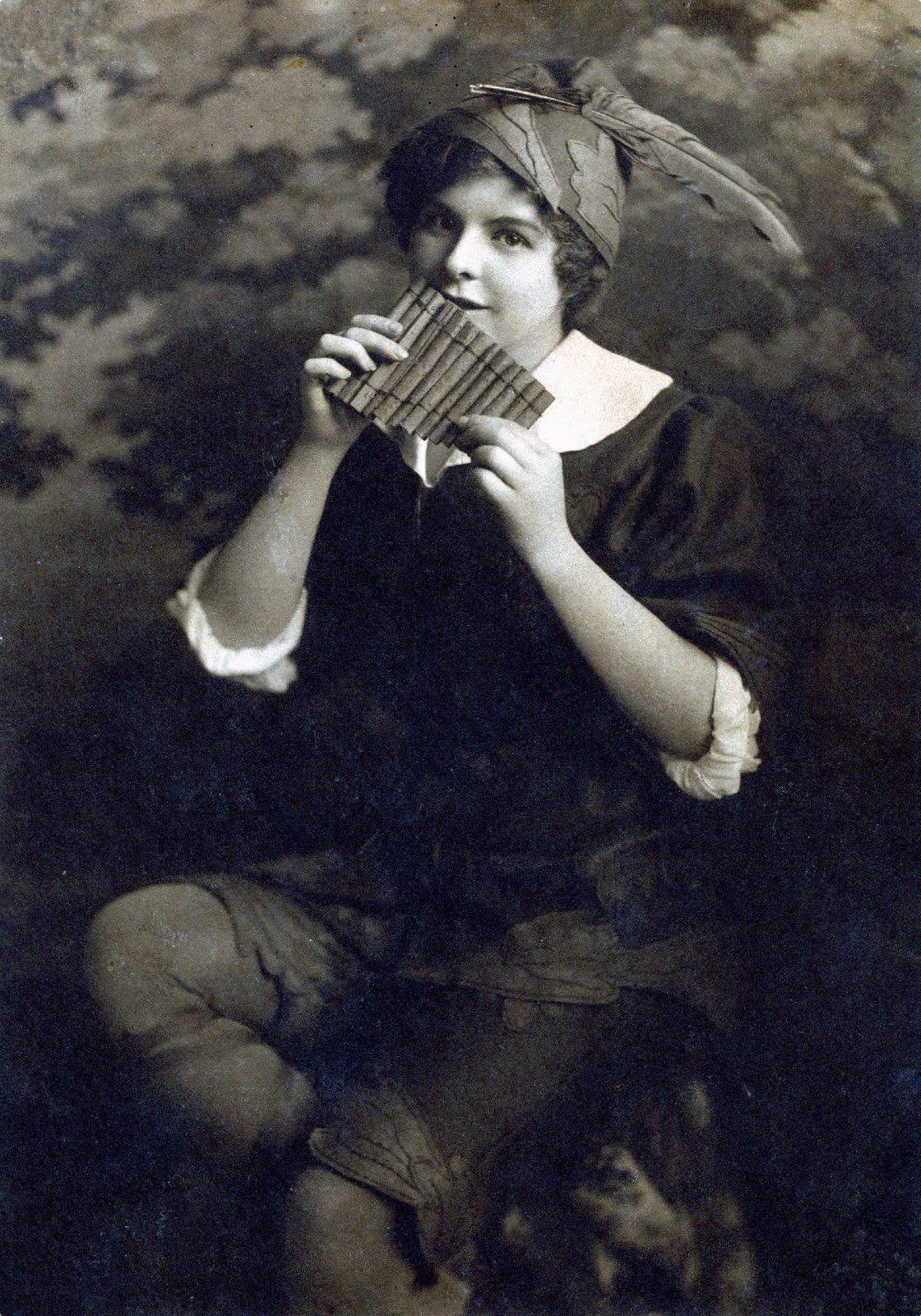
Beatrice Nichols, 1915
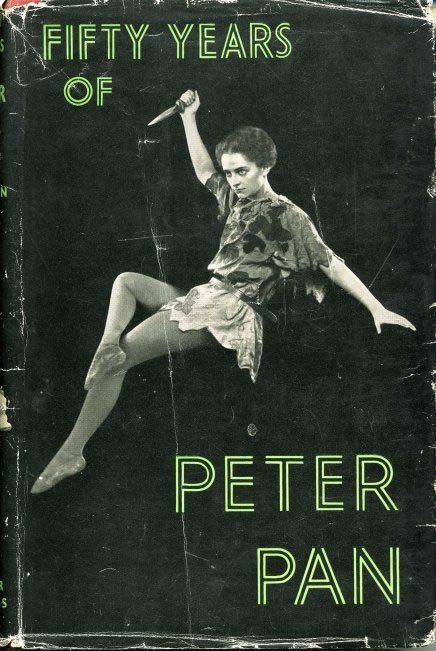
Betty Bronson, 1924
Cecilia Loftus, 1906
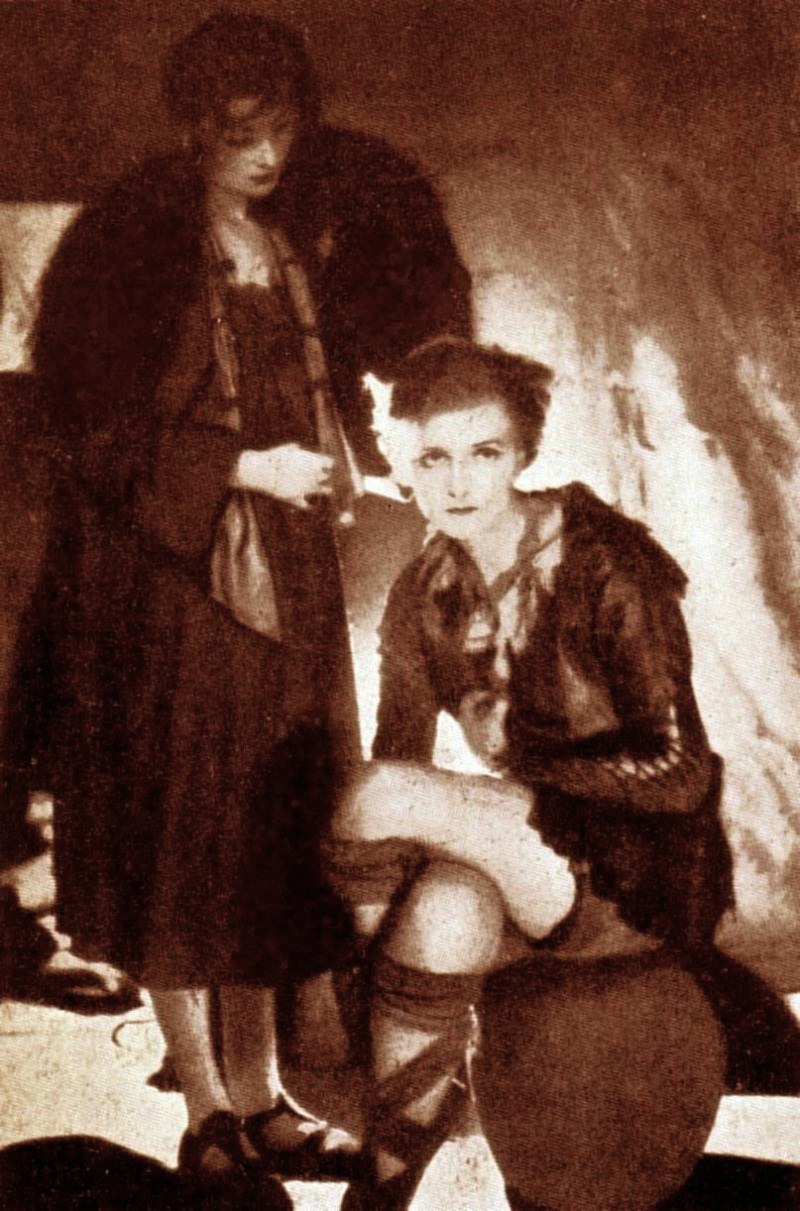
Eva Le Galienne, 1928
Gladys Cooper, 1923
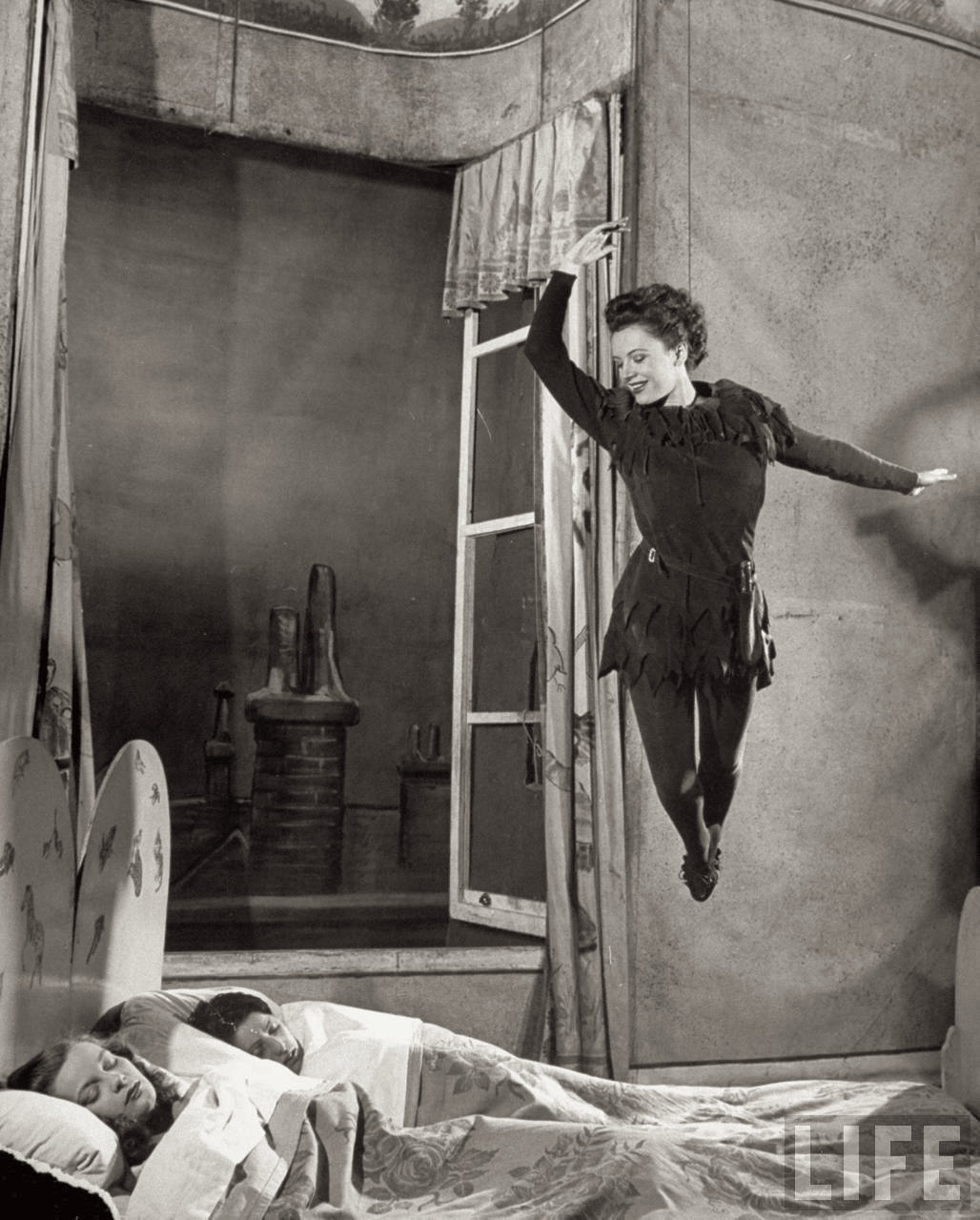
Jean Arthur, 1950
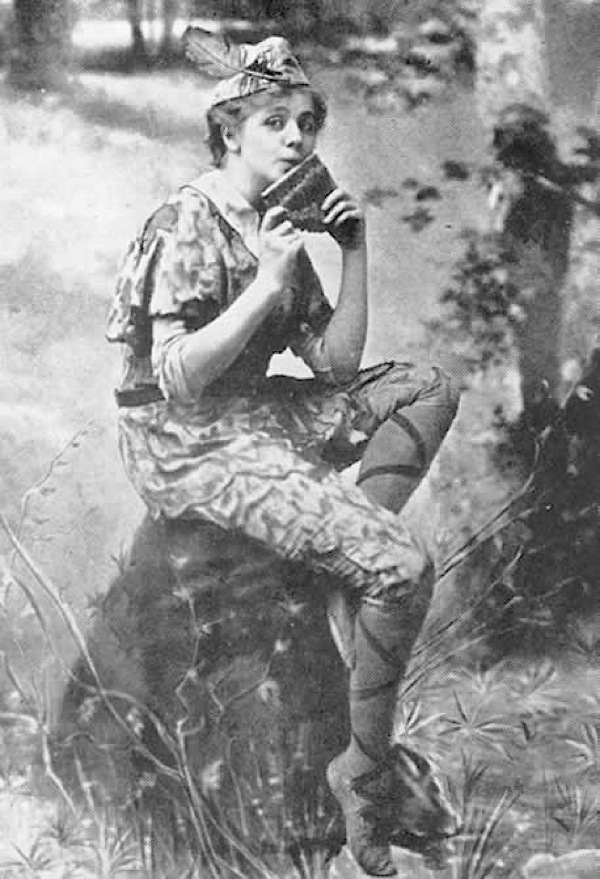
Maude Adams, 1905
Nina Boucicault, 1905
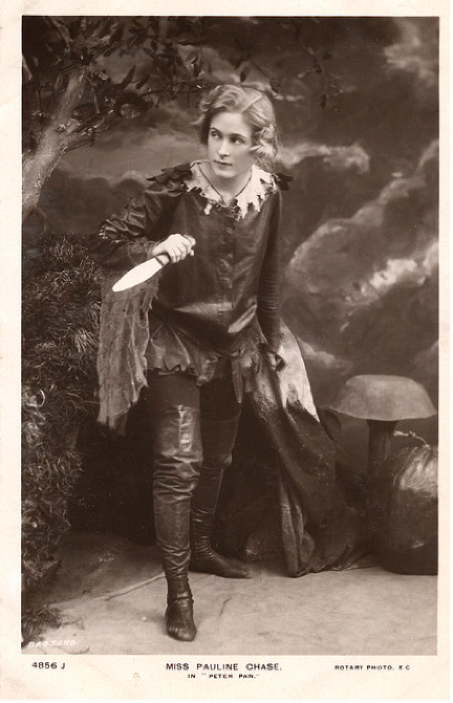
Pauline Chase, 1907
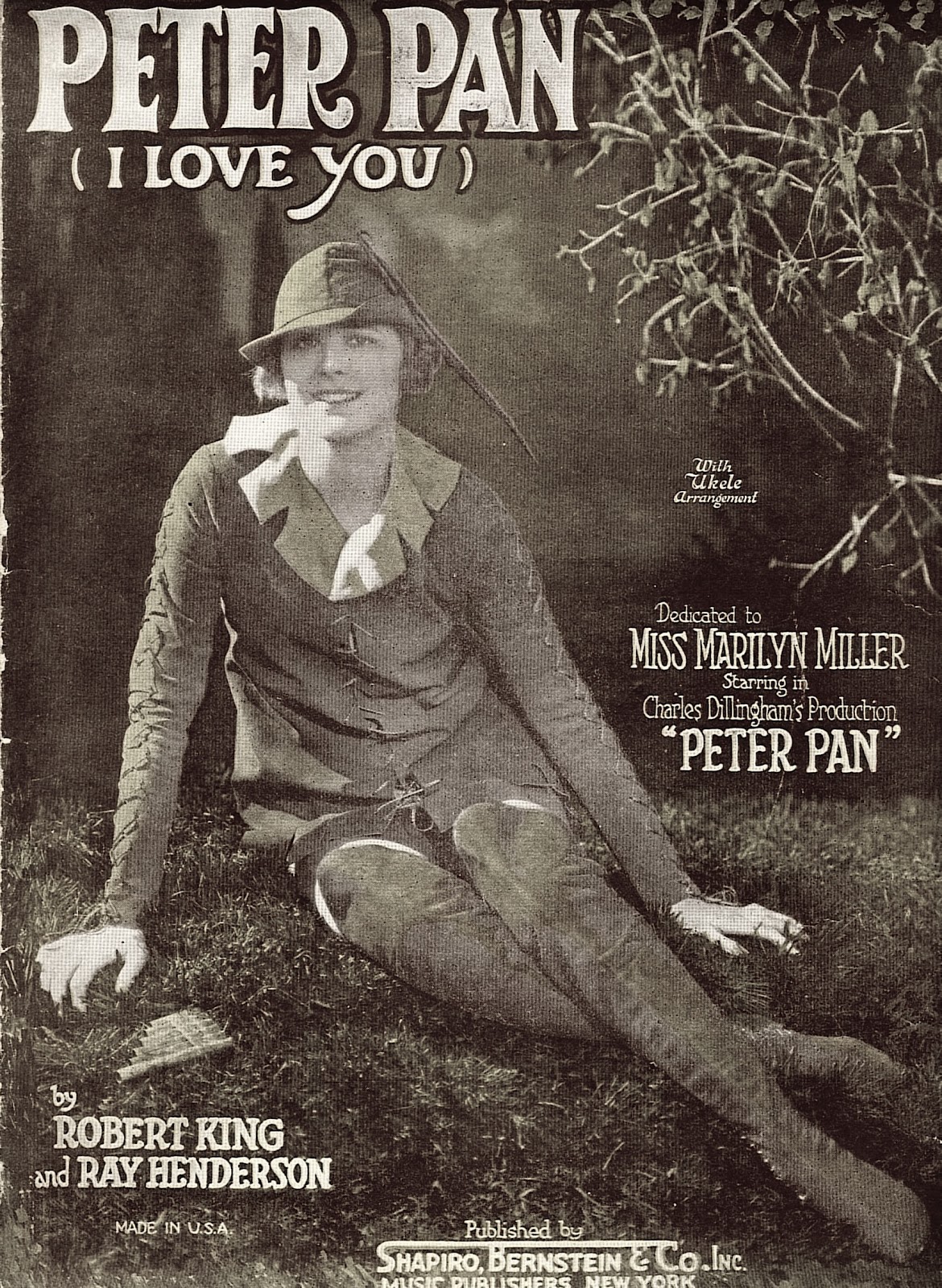
Marilyn Miller, 1924
Phyllis Calvert, 1948
Jean Forbes-Robertson, 1930
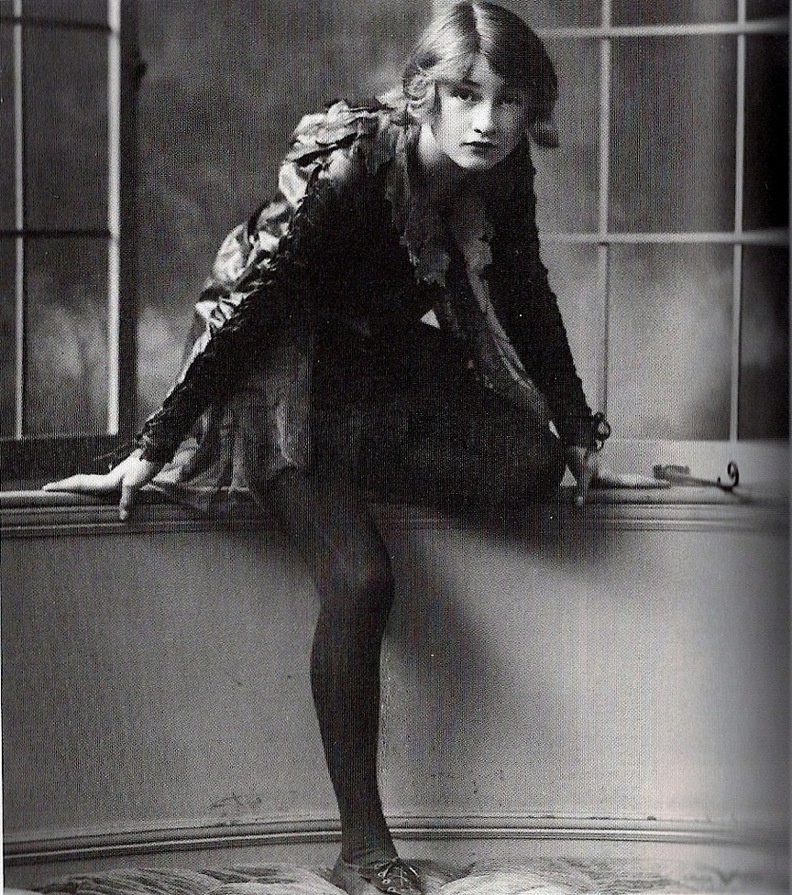
Stephanie Stephens, 1906
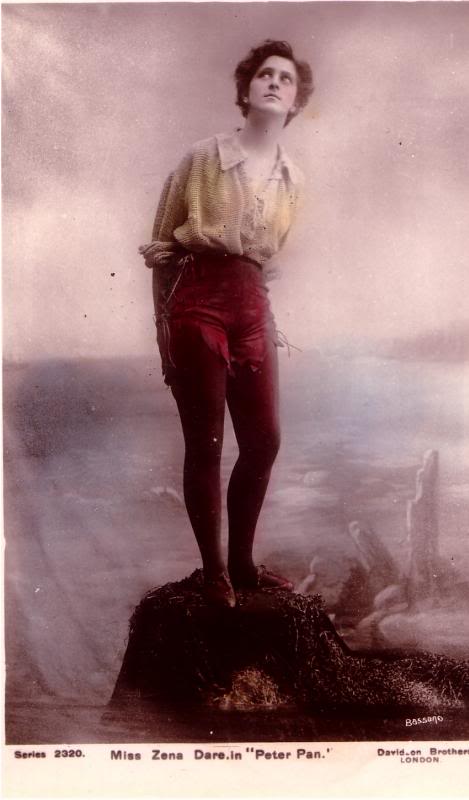
Zena Dare, 1906

The Muppet Show – S3 E9 P3/3 – Liberace

1919 – 1987

For decades, Liberace was known for his music, candelabra, charisma, rhinestones and dazzle. 
Over the years Liberace acquired an astounding array of prestigious awards, including: Instrumentalist of the Year, Best Dressed Entertainer and Entertainer of the Year. He also earned two Emmy Awards, six gold albums, and two stars on the Hollywood Walk of Fame. He is listed in the Guinness Book of World Records as the world’s highest paid musician and pianist. Best of all, he was known and loved throughout the world as “Mr. Showmanship.” 
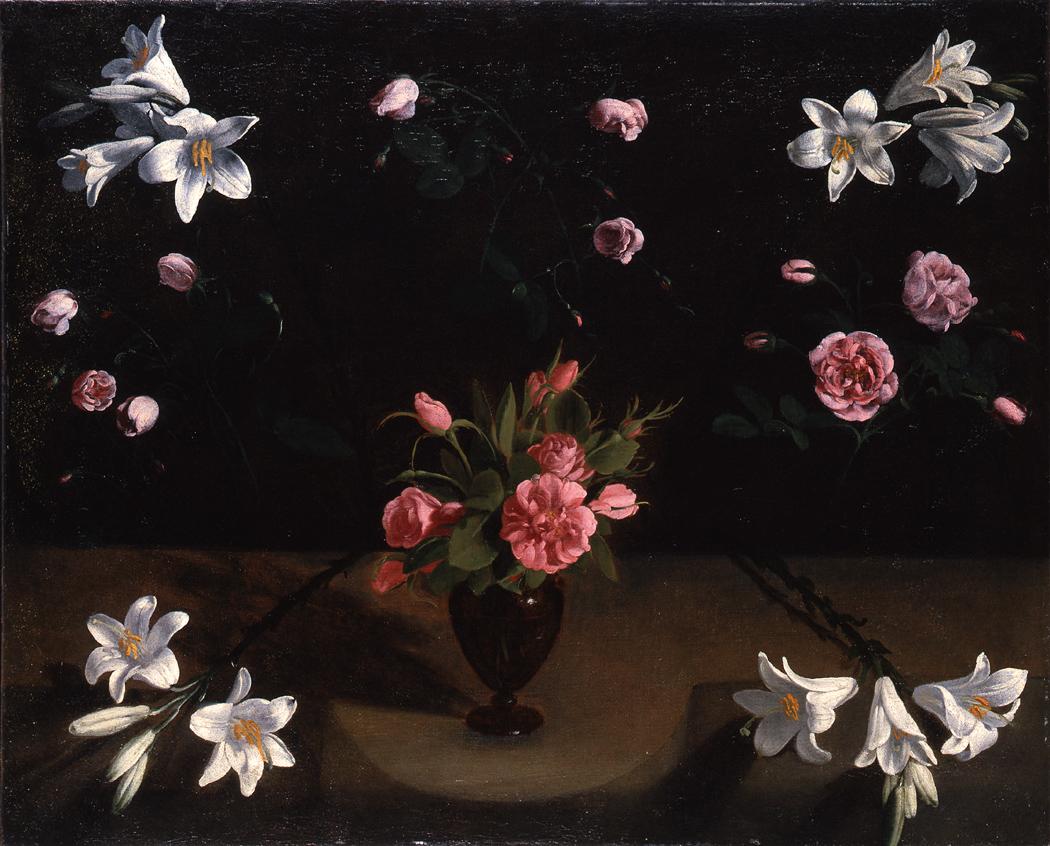
Juan van der Hamen y Leon?

Master of the Veneration of Maria
ca. 1625
Lilies and thornless Roses in a Glass Vase

This painting is distinguished by the subtlety of
Spanish still life painting. It is the work of one of
the greatest specialists in this genre on the Iberian
Peninsula, Juan van der hamen y Leòn (Madrid,
1596-1631), …

A painting structured in this way certainly con-
tains a moral message. It is meant encourage the
viewer to overcome the vanity of the world, … and
to recognise the presence of God in nature’s di-
versity. … The sole intention of the picture discus-
sed is to encourage meditation on the Virgin and
Christ’s Passion. The transparency of the vase and
the arrangement of the light signify virginity. The
purist vessel for the child is implied. … The vase
rests on a kind of altar or a rounded step (this type
of step is sometimes found in paintings at the foot
of the Madonna’s throne) and is surrounded by li-
lies and roses – flowers linked with the Virgin. In
terms of iconography, roses and lilies stand for the
Immaculate Conception as well as Mary’s humi-
lity and her submission to the will of God. …

Maurizio Marini
Rome, June 1985

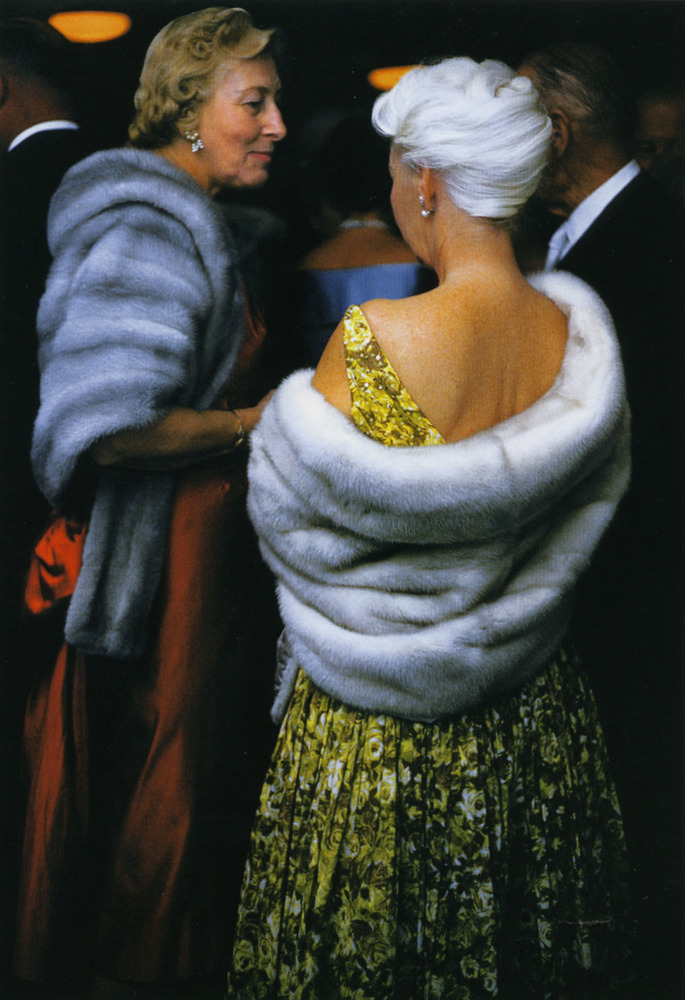
Palm Springs. 1960

Robert Doisneau

Robert Doisneau: Palm Springs 1960, Flammarion
Publication released date: September 2010

A previously unpublished collection of Robert Doisneau’s color photography provides a unique opportunity to revisit the early years of one of America’s legendary holiday destinations. In 1960, Robert Doisneau was invited by Fortune magazine to cover Palm Springs, the hottest travel destination of the day. Renowned as a playground for the rich and famous, as well as for a silver-haired and well-heeled clientele, it was a world of swimming pools awash with bobbing beehives, martini-fueled parties, and relaxed games of golf, all unfolding against a desert backdrop. There, Doisneau took hundreds of photographs, twenty-three of which were published in the magazine. The rest have been rediscovered in his archives and one hundred are featured here for the first time. Doisneau is best known for his black and white portraits of Parisian street scenes. This rare color collection—which is supplemented with a facsimile reproduction of Doisneau’s original Fortune article—offers a new perspective on his photographic legacy. Accompanying these nostalgic images are extracts from the photographer’s personal correspondence—small masterpieces of derision and self-derision in which he describes being marooned in the “world capital of winter golf”—and an equally amusing introduction written by award-winning French novelist Jean-Paul Dubois.

 amazon.com