 |
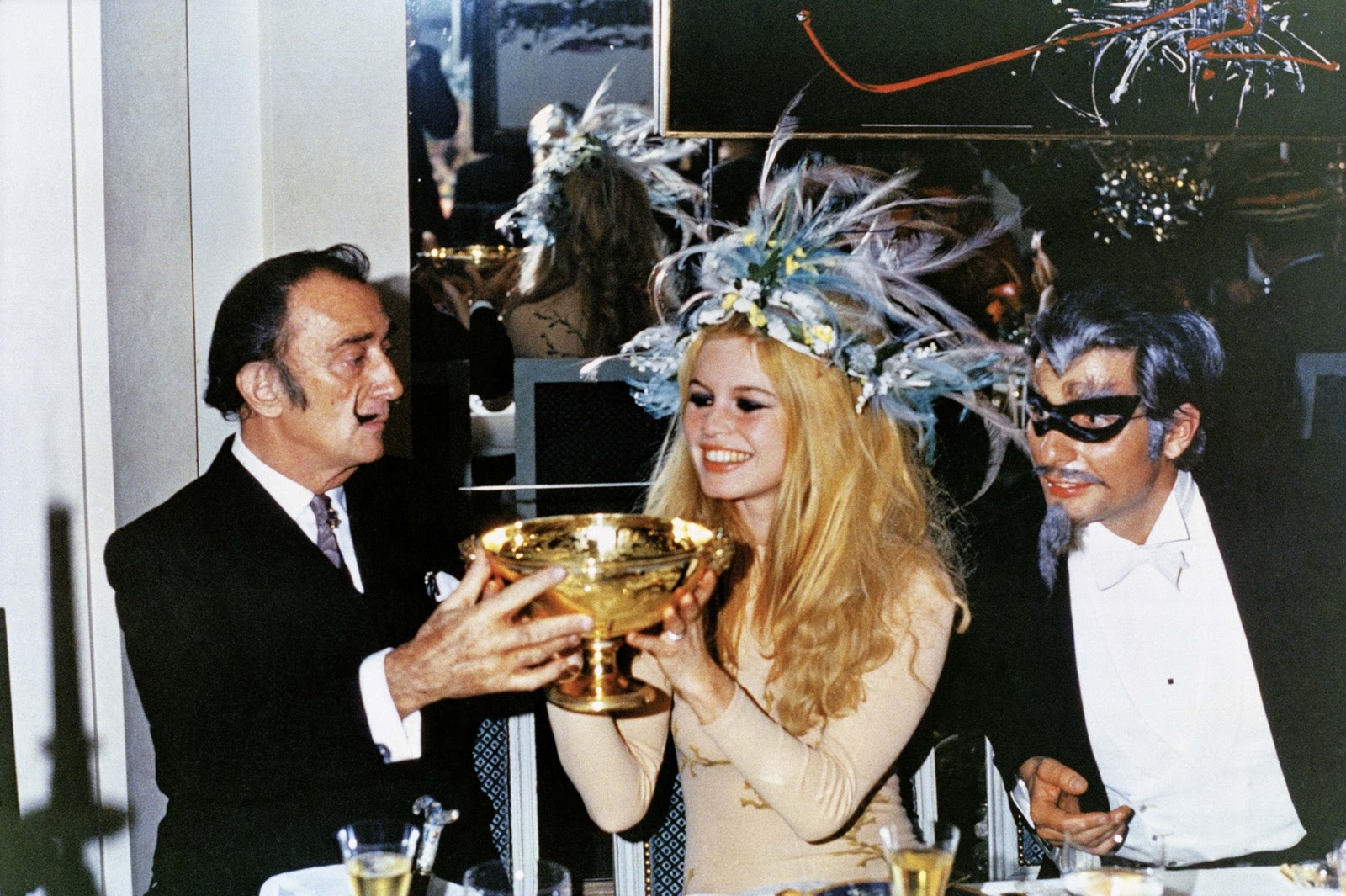
| Dali, Bardot, Sachs |
Le Carnaval d’Arlequin
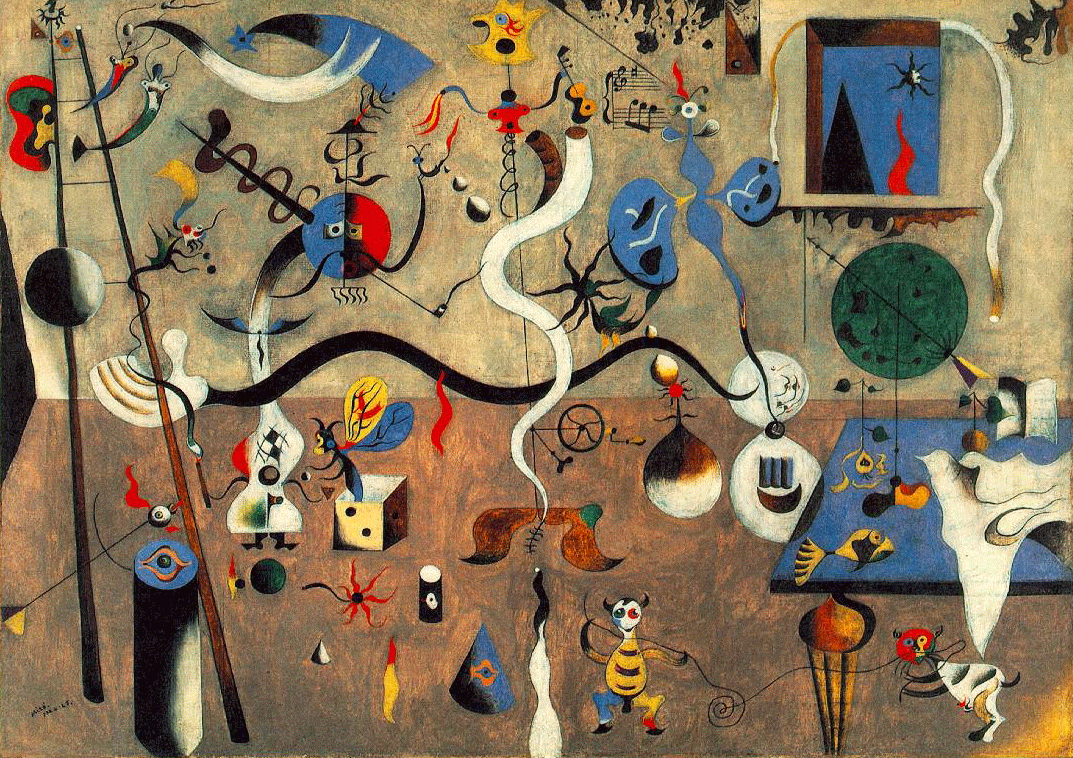 |
| Miró
HARLEQUIN, in modern pantomime, the posturing and acrobatic character who gives his name to the “harlequinade,” attired in mask and parti-coloured and spangled tights, and provided with a sword like a bat, by which, himself invisible, he works wonders. It has generally been assumed that Harlequin was transferred to France from the “Arlecchino” of Italian medieval and Renaissance popular comedy; but Dr Driesen in his Ursprung des Harlekins (Berlin, 1904) shows that this is incorrect. An old French “Harlekin” (Herlekin, Hellequin and other variants) is found in folk-literature as early as 1100; he had already become proverbial as a ragamuffin of a demoniacal appearance and character; in 1262 a number of harlekins appear in a play by Adam de la Halle as the intermediaries of King Hellekin, prince of Fairyland, in courting Morgan le Fay; and it was not till much later that the French Harlekin was transformed into the Italian Arlecchino. In his typical French form down to the time of Gottsched, he was a spirit of the air, deriving thence his invisibility and his characteristically light and aery whirlings. Subsequently he returned from the Italian to the French stage, being imported by Marivaux into light comedy; and his various attributes gradually became amalgamated into the latter form taken in pantomime.
1911 Encyclopædia Britannica |
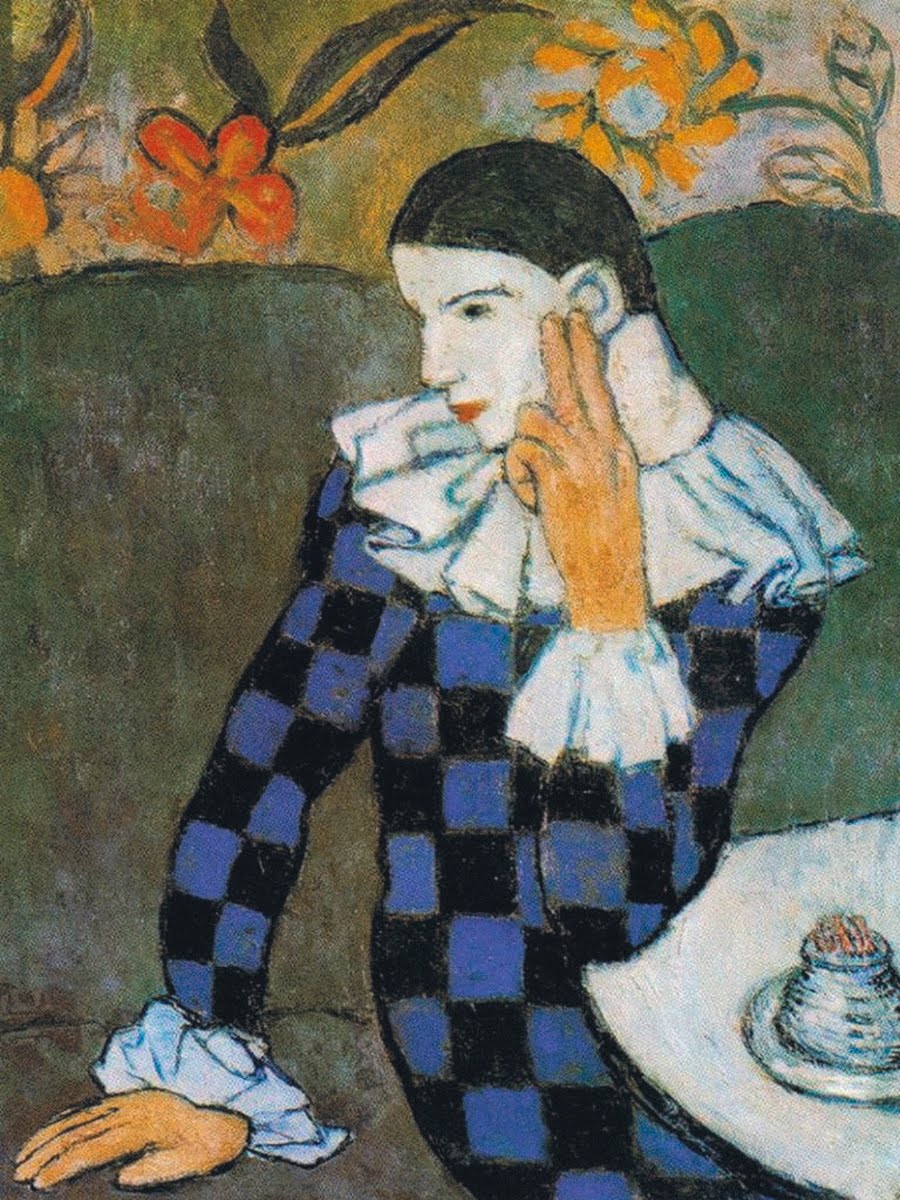 |
| Picasso |
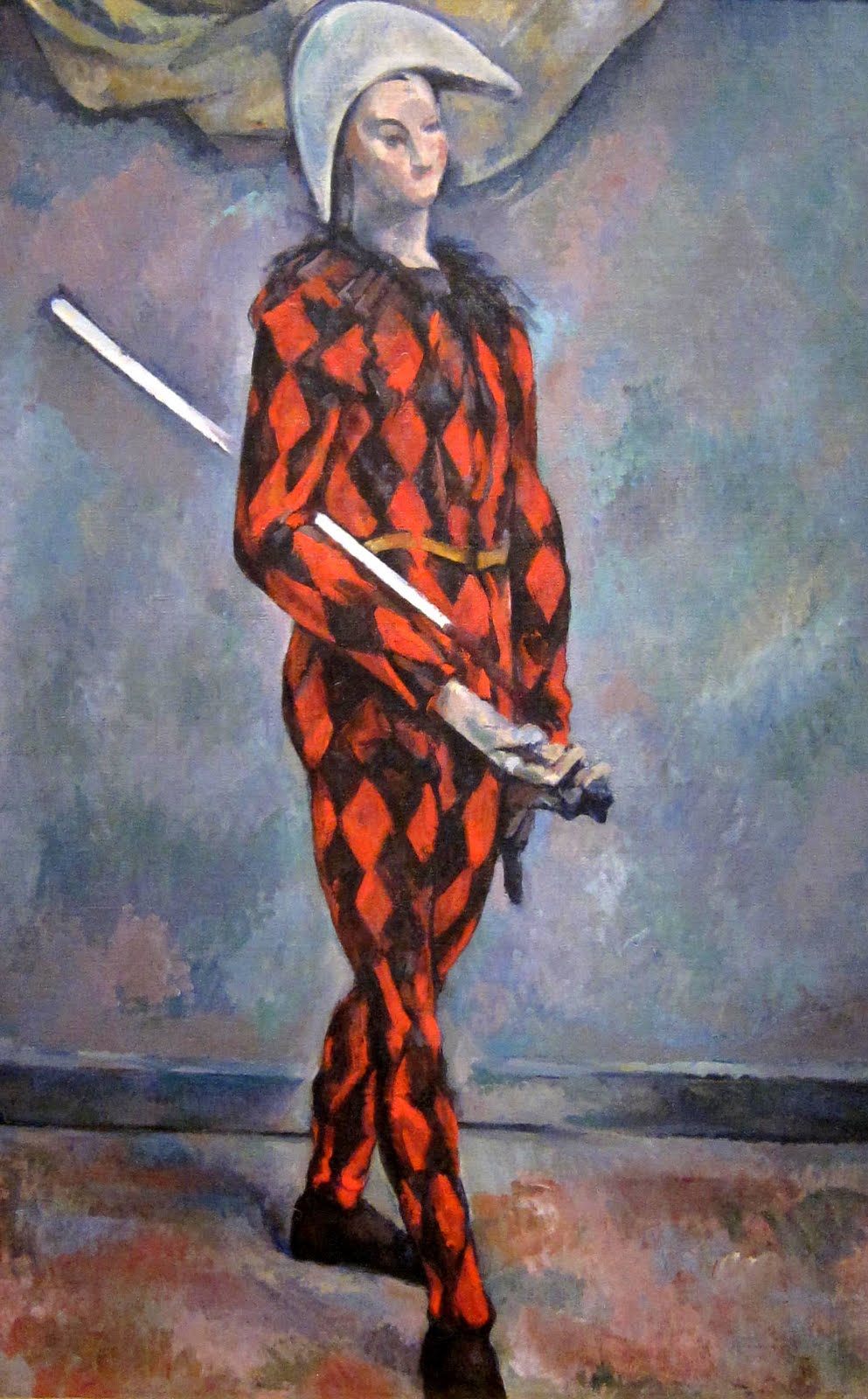 |
| Cézanne |
Carnival Carriage
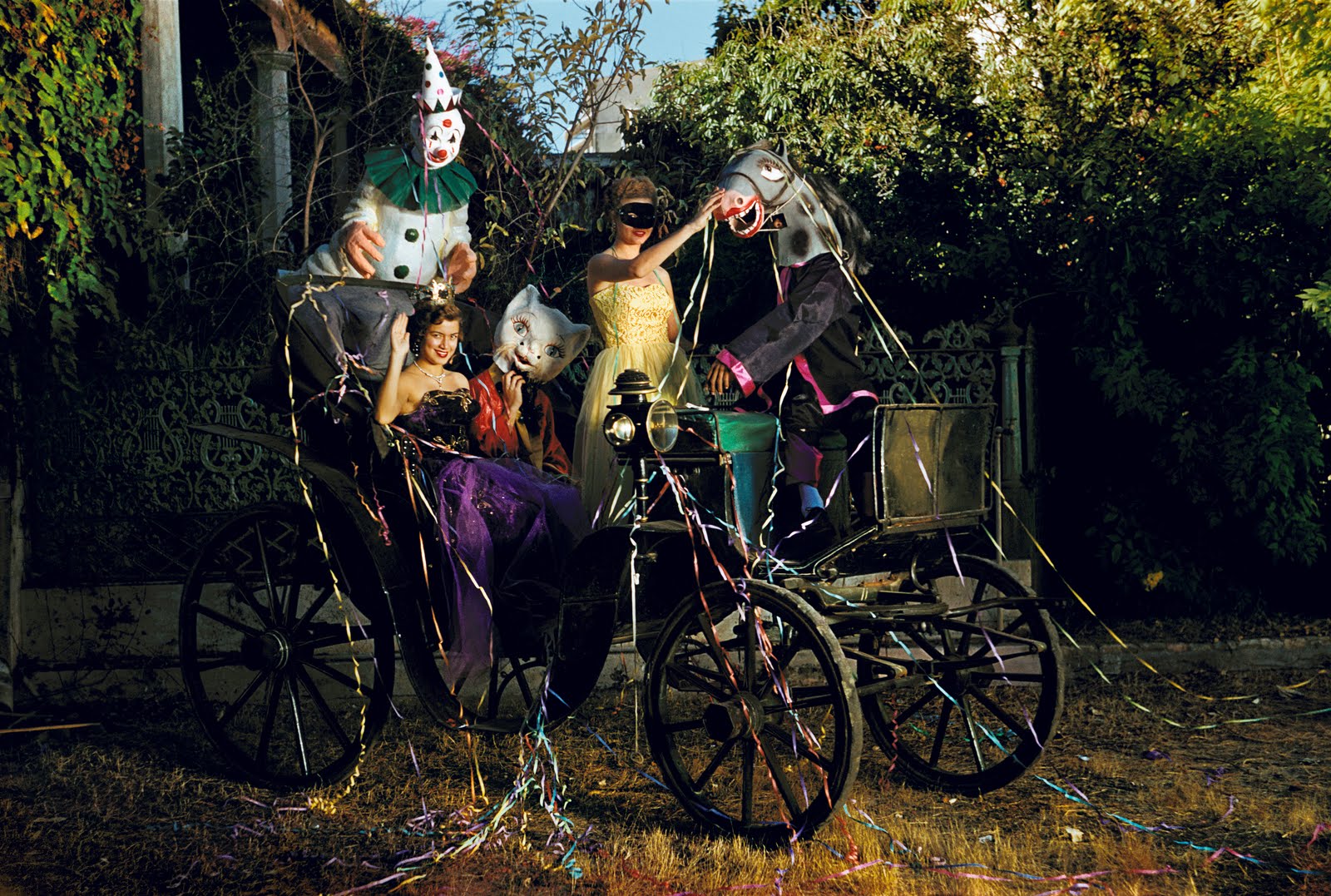 |
| Paul Outerbridge Mexico, 1950 “Art is life seen through man’s inner craving for perfection and beauty–his escape from the sordid realities of life into a world of his imagining. Art accounts for at least a third of our civilization, and it is one of the artist’s principal duties to do more than merely record life or nature. To the artist is given the privilege of pointing the way and inspiring towards a better life.”
–Paul Outerbridge
So wrote Paul Outerbridge, rather exaltedly, about his chosen profession. He was a designer and illustrator in New York before turning to photography in the 1920s. In 1925, having established himself as an innovative advertising photographer and graphic designer, he moved to Paris and worked for the French edition of Vogue magazine. There he met Edward Steichen, with whom he developed a friendly rivalry. Around 1930, having returned to New York, Outerbridge began to experiment with color photography, in particular the carbro-color process. He focused primarily on female nudes–striking, full-color images that were ahead of their time. The growing popularity of the dye transfer process lead to cheaper color photographs and Outerbridge, who stuck fast to the carbro process as superior in its richness and permanence, saw his commercial work dry up, leaving him without a regular source of income. In 1943 Outerbridge moved to California, where he photographed only intermittently.
|
Miroir des chats
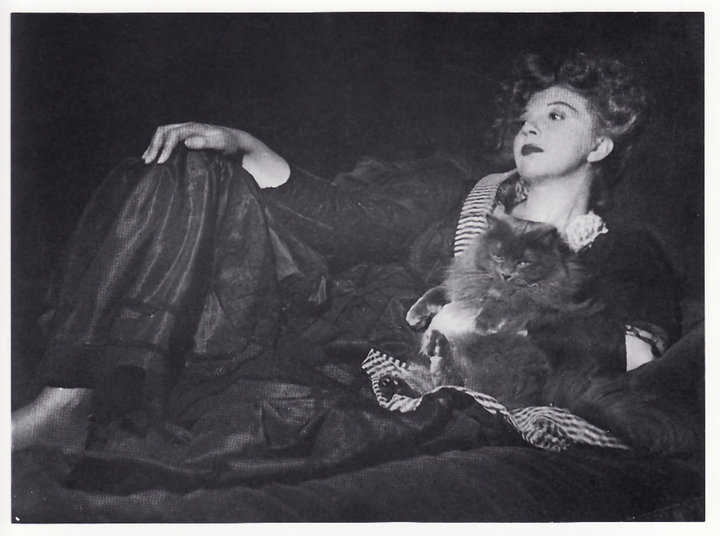 |
| Leonor Fini by Veno Pilon |
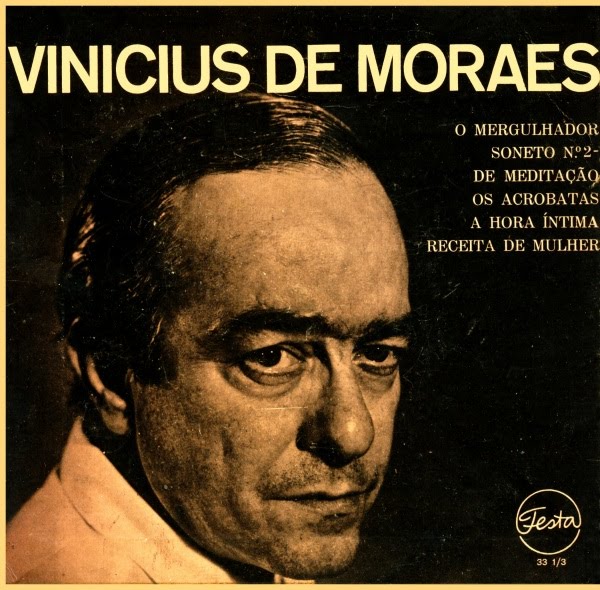
Recette de femme de Vinicius de Moraes
Que les très laides me pardonnent mais la beauté est fondamentale. Il faut dans tout cela qu’il y ait quelque chose d’une fleur, quelque chose d’une danse, quelque chose de haute couture dans tout cela (ou alors que la femme se socialise élégamment en bleu comme dans la République Populaire Chinoise). Il n’y a pas de moyen terme. Il faut que tout soit beau. Il faut que, tout à coup on ait l’impression de voir une aigrette à peine posée, et qu’un visage acquière de temps en temps cette couleur que l’on ne rencontre qu’à la troisième minute de l’aurore. Il faut que tout cela soit sans être, mais que cela se reflète et s’épanouisse dans le regard des hommes. Il faut, il faut absolument que tout soit beau et inespéré. Il faut que des paupières closes rappellent un vers d’Eluard, et que l’on caresse sur des bras quelque chose au delà de la chair : et qu’au toucher ils soient comme l’ambre d’un crépuscule. Ah, laissez-moi vous dire qu’il faut que la femme qui est là, comme la corolle devant l’oiseau soit belle, ou qu’elle ait au moins un visage qui rappelle un temple ; et qu’elle soit légère comme un reste de nuage : mais que ce soit un nuage avec des yeux et des fesses. Les fesses c’est très important. Les yeux, inutile d’en parler, qu’ils regardent avec une certaine malice innocente. Une bouche fraîche (jamais humide), mobile, éveillée, et aussi d’une extrême pertinence. Il faut que les extrémités soient maigres, que certains os pointent, surtout la rotule, en croisant les jambes et les pointes pelviennes lors de l’enlacement d’une taille mobile. Très grave toutefois est le problème des salières : une femme sans salières est comme une rivière sans ponts. Il est indispensable qu’il y ait une hypothèse de petit ventre, et qu’ensuite la femme s’élève en calice et que ses seins soient une expression gréco-romaine, plus que gothique ou baroque et qu’ils puissent illuminer l’obscurité avec une force d’au-moins 5 bougies. Il faut absolument que le crâne et la colonne vertébrale soient légèrement visibles et qu’il existe une grande étendue dorsale …
Que les membres se terminent comme des hampes, mais qu’il y ait un certain volume de cuisses. Qu’elles soient lisses, lisses comme des pétales et couvertes du duvet le plus doux, cependant sensible à la caresse en sens contraire.
Les longs cous sans nul doute sont préférables de manière à ce que la tête donne parfois l’impression de n’avoir rien à voir avec le corps et que la femme ne rappelle pas les fleurs sans mystère. Les pieds et les mains doivent contenir des éléments gothiques discrets. La peau doit être fraîche aux mains, aux bras, dans le dos et au visage mais les concavités et les creux ne doivent jamais avoir une température inférieure à 37° centigrades, capables, éventuellement, de provoquer des brûlures du ler degré.
Les yeux, qu’ils soient de préférence grands et d’une rotation au moins aussi lente que celle de la terre; qu’ils se placent toujours au delà d’un mur invisible de passion qu’il est nécessaire de dépasser. Que la femme, en principe, soit grande ou, si elle est petite, qu’elle ait l’altitude mentale des hautes cimes.
Ah, que la femme donne toujours l’impression que si ses yeux se ferment
En les ouvrant, elle ne serait plus présente avec son sourire et ses intrigues. Qu’elle surgisse, qu’elle ne vienne pas, qu’elle parte, quelle n’aille pas.
Les longs cous sans nul doute sont préférables de manière à ce que la tête donne parfois l’impression de n’avoir rien à voir avec le corps et que la femme ne rappelle pas les fleurs sans mystère. Les pieds et les mains doivent contenir des éléments gothiques discrets. La peau doit être fraîche aux mains, aux bras, dans le dos et au visage mais les concavités et les creux ne doivent jamais avoir une température inférieure à 37° centigrades, capables, éventuellement, de provoquer des brûlures du ler degré.
Les yeux, qu’ils soient de préférence grands et d’une rotation au moins aussi lente que celle de la terre; qu’ils se placent toujours au delà d’un mur invisible de passion qu’il est nécessaire de dépasser. Que la femme, en principe, soit grande ou, si elle est petite, qu’elle ait l’altitude mentale des hautes cimes.
Ah, que la femme donne toujours l’impression que si ses yeux se ferment
En les ouvrant, elle ne serait plus présente avec son sourire et ses intrigues. Qu’elle surgisse, qu’elle ne vienne pas, qu’elle parte, quelle n’aille pas.
Et qu’elle possède un certain pouvoir de rester muette subitement, et de nous faire boire le fiel du doute. Oh, surtout qu’elle ne perde jamais, peu importe dans quel monde , peu importe dans quelles circonstances, son infinie volubilité d’oiseau, et que caressée au fond d’elle-même, elle se transforme en fauve sans perdre sa grâce d’oiseau; et qu’elle répande toujours l’impossible parfum ; et qu’elle distille toujours le miel enivrant ; et qu’elle chante toujours le chant inaudible de sa combustion et qu’elle ne cesse jamais d’être l’éternelle danseuse de l’éphémère ; et dans son incalculable imperfection qu’elle constitue la chose la plus belle et la plus parfaite de toute l’innombrable création
Loïe Fuller
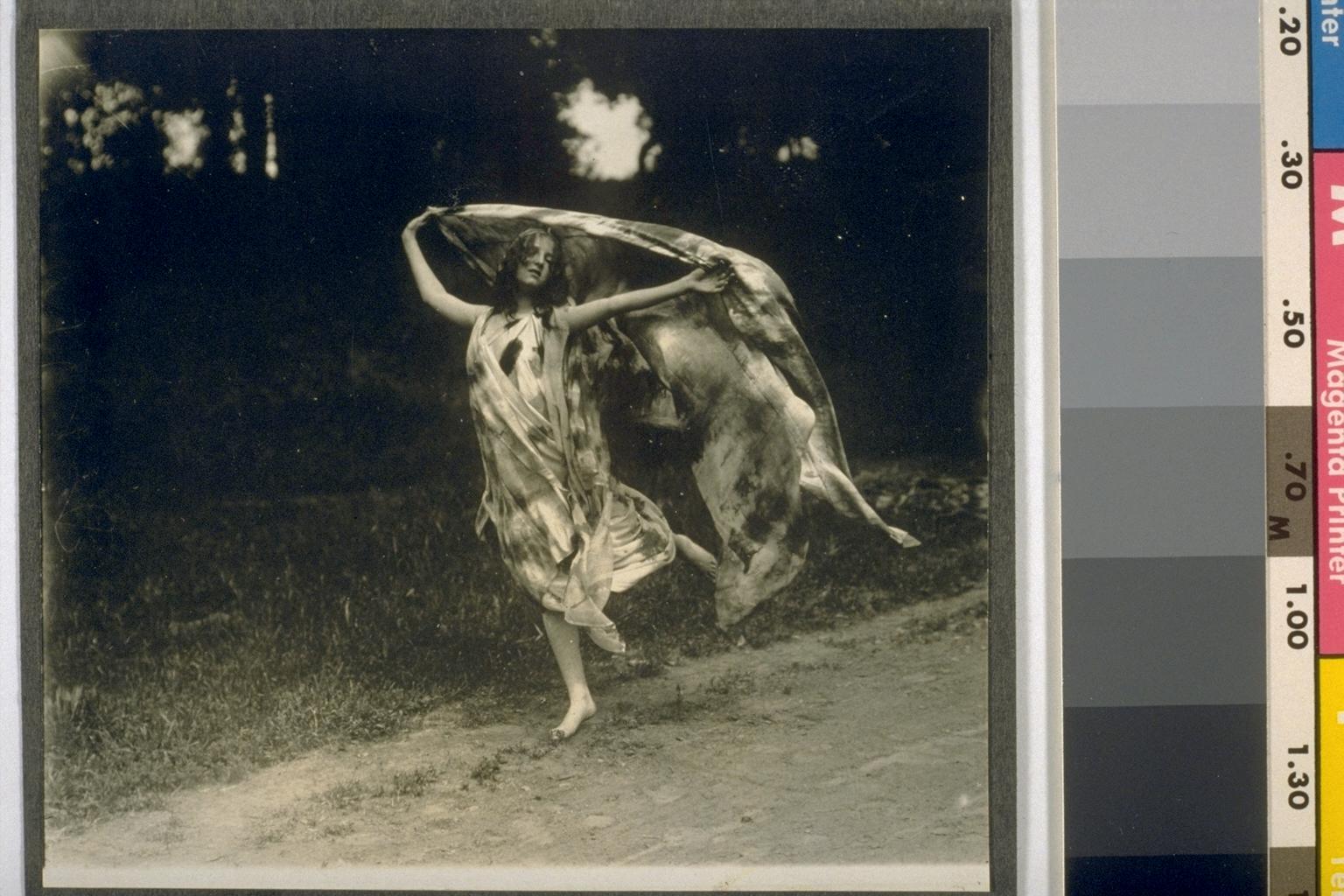
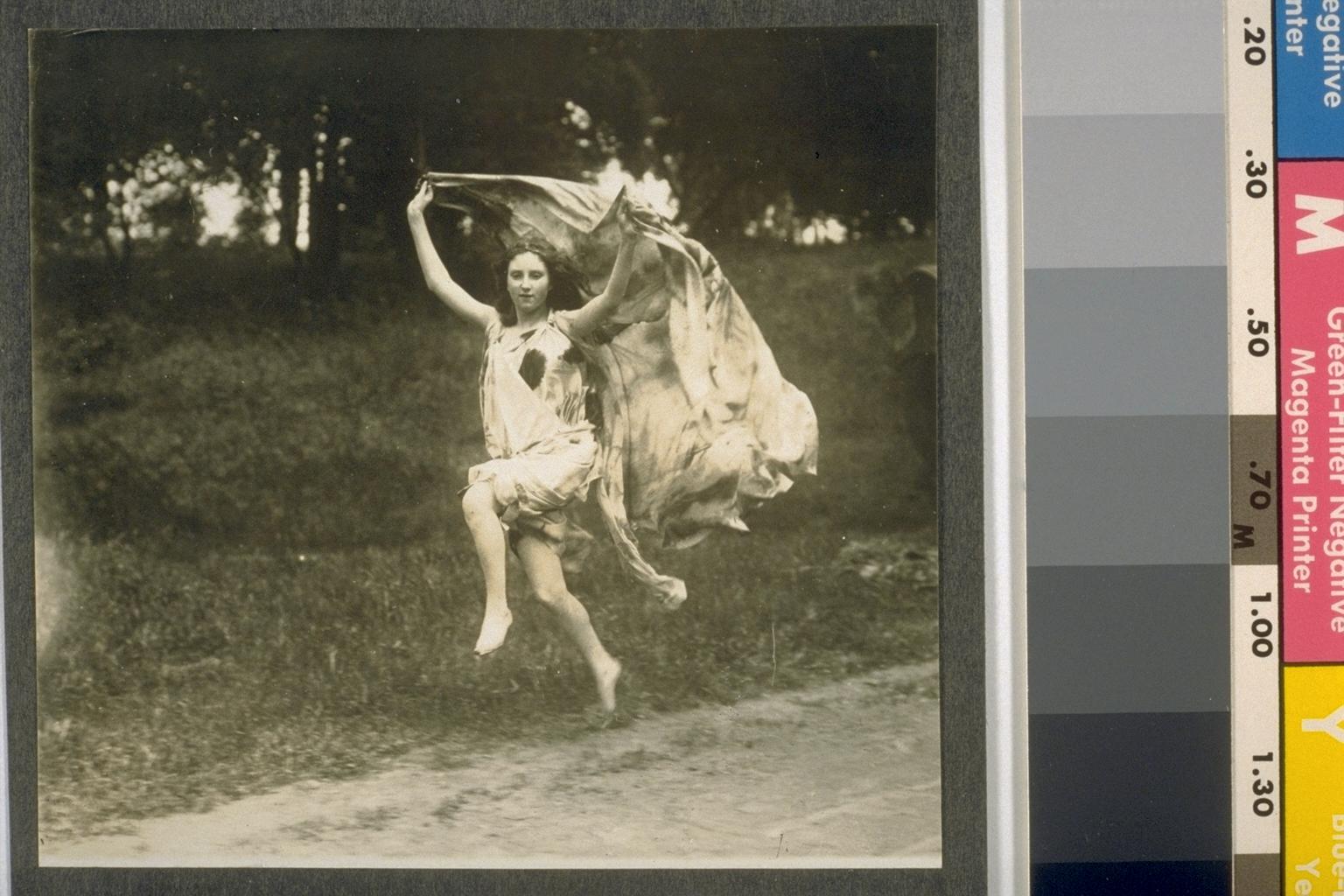

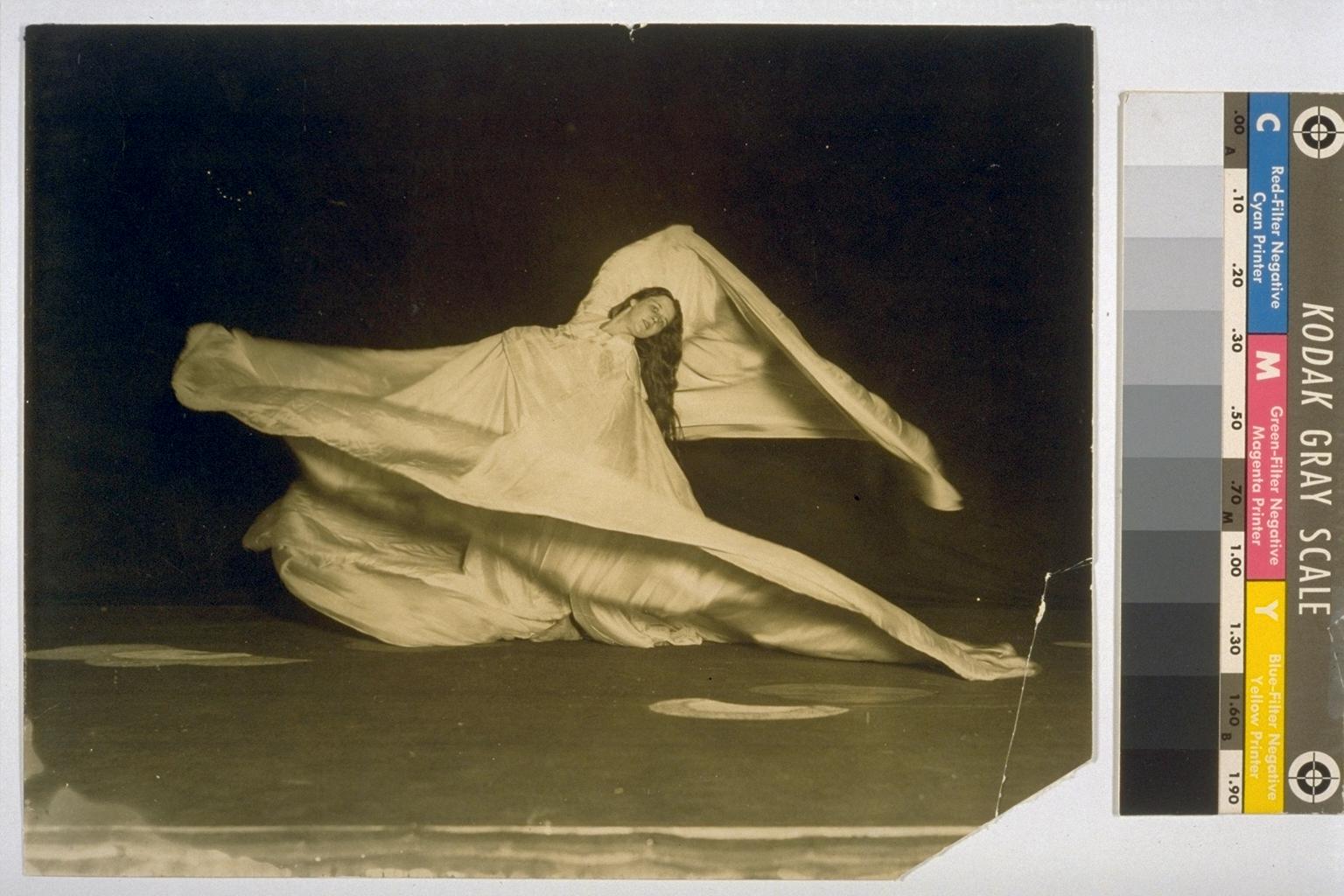
Marie Louise Fuller [1862-1928]
Born in Chicago in 1862, Loïe Fuller began her stage career as a child actress. During her twenties, she performed as a skirt dancer on the burlesque circuit. In 1891 she went on tour with a melodrama called “Quack MD,” playing a character who performed a skirt dance while under hypnosis. Fuller began experimenting with the effect the gas lighting had on her silk skirt and received special notice in the press. Her next road tour, in a show called “Uncle Celestine,” featured this new version of the skirt dance. By emphasizing the body was transformed by the artfully moving silk. One reviewer described the effect as “unique, ethereal, delicious…she emerges from darkness, her airy evolutions now tinted blue and purple and crimson, and again the audience…insists upon seeing her pretty piquant face before they can believe that the lovely apparition is really a woman.”
Loie Fuller and Folies Bergeres
By 1892, Fuller had moved to Paris and was performing with the Folies Bergeres. She was an immediate sensation with audiences and critics. Stephane Mallarme, the leading poet of the Symbolist movement, dubbed her “La Loie” and described her dancing as “the dizzyness of soul made visible by an artifice.” Fuller remained in Europe for the rest of her career, continuing to develop her theories of movement using material and lighting effects. She returned to the United States to perform, but was never fully appreciated by her own countrymen.
Loie Fuller’s Innovations:
– Fuller was an inventor and stage craft innovator who held many patents for stage lighting, including the first chemical mixes for gels and slides and the first use of luminescent salts to create lighting effects. She was also an early innovator in lighting design, and was the first to mix colors and explore new angles. Fuller was well respected in the French scientific community, where she was a close personal friend of Marie Curie and a member of the French Astronomical Society.
– Fuller had a school and a company beginning in 1908, where she taught natural movement and improvisational techniques. She did not, however, teach them her lighting and costuming “tricks.”
– Fuller was the first expatriot American dancer, and introduced Isadora Duncan to Parisian audiences.
Danse Serpentine by Auguste and Louis Lumière, 1896
Source: University of Pittsburgh
Images: Online Archive of California (OAC)
Street vendor
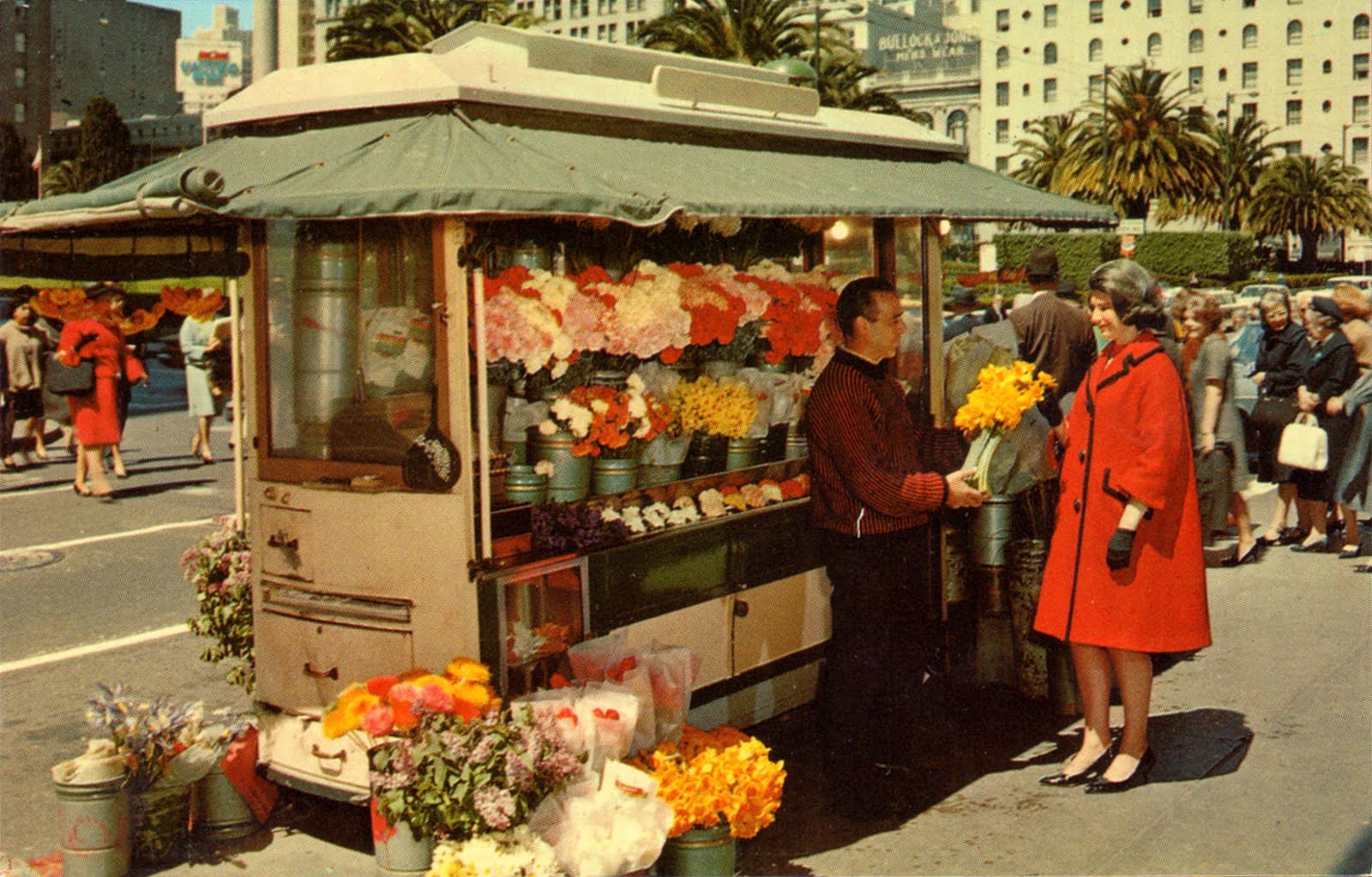
Originally uploaded by Vintage Chrome Postcards
On a rainy day
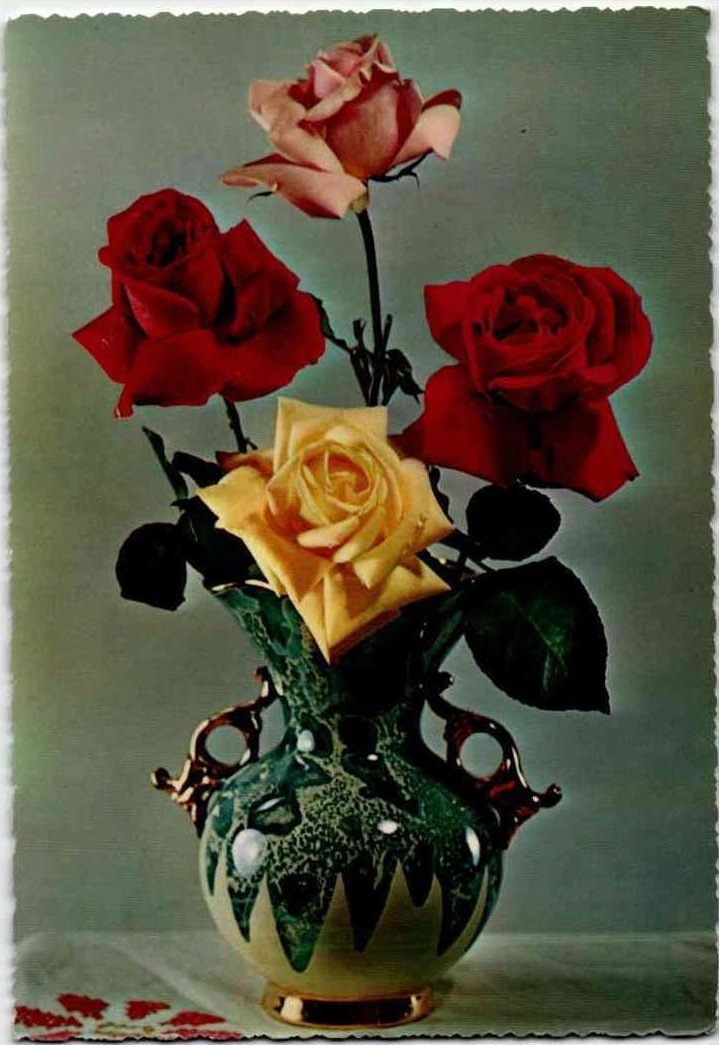
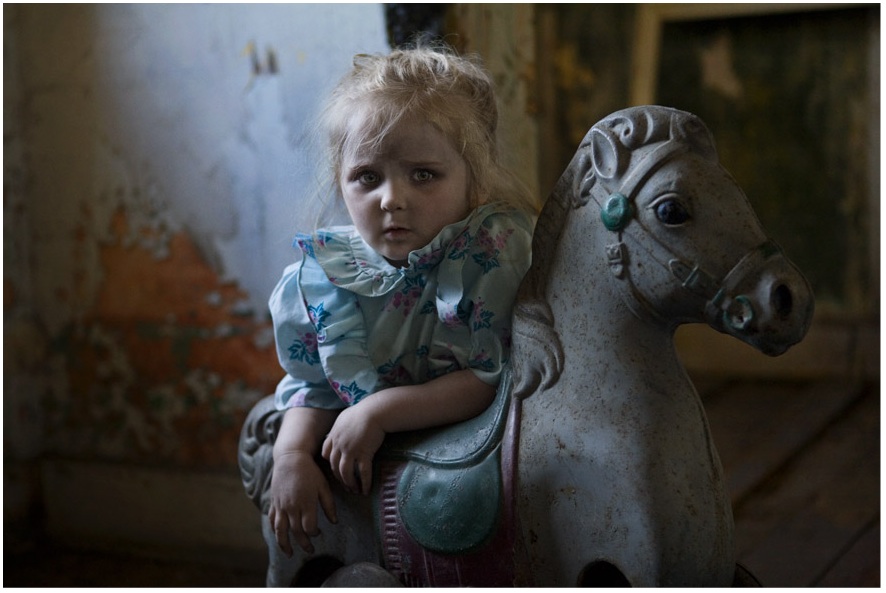
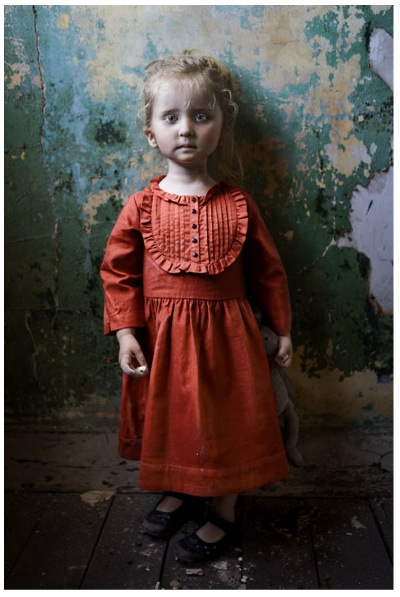
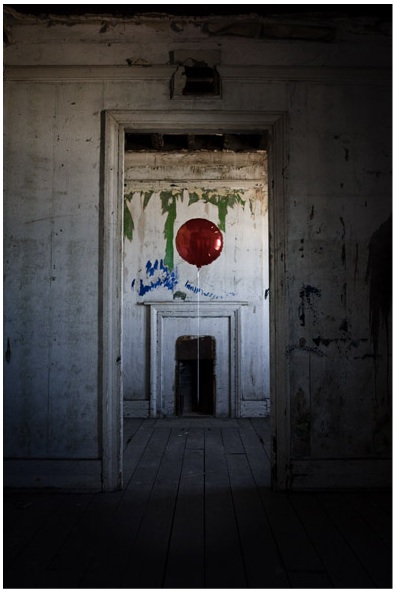
Les beaux enfants troublants de Kyriakos + Kolette
Us Army
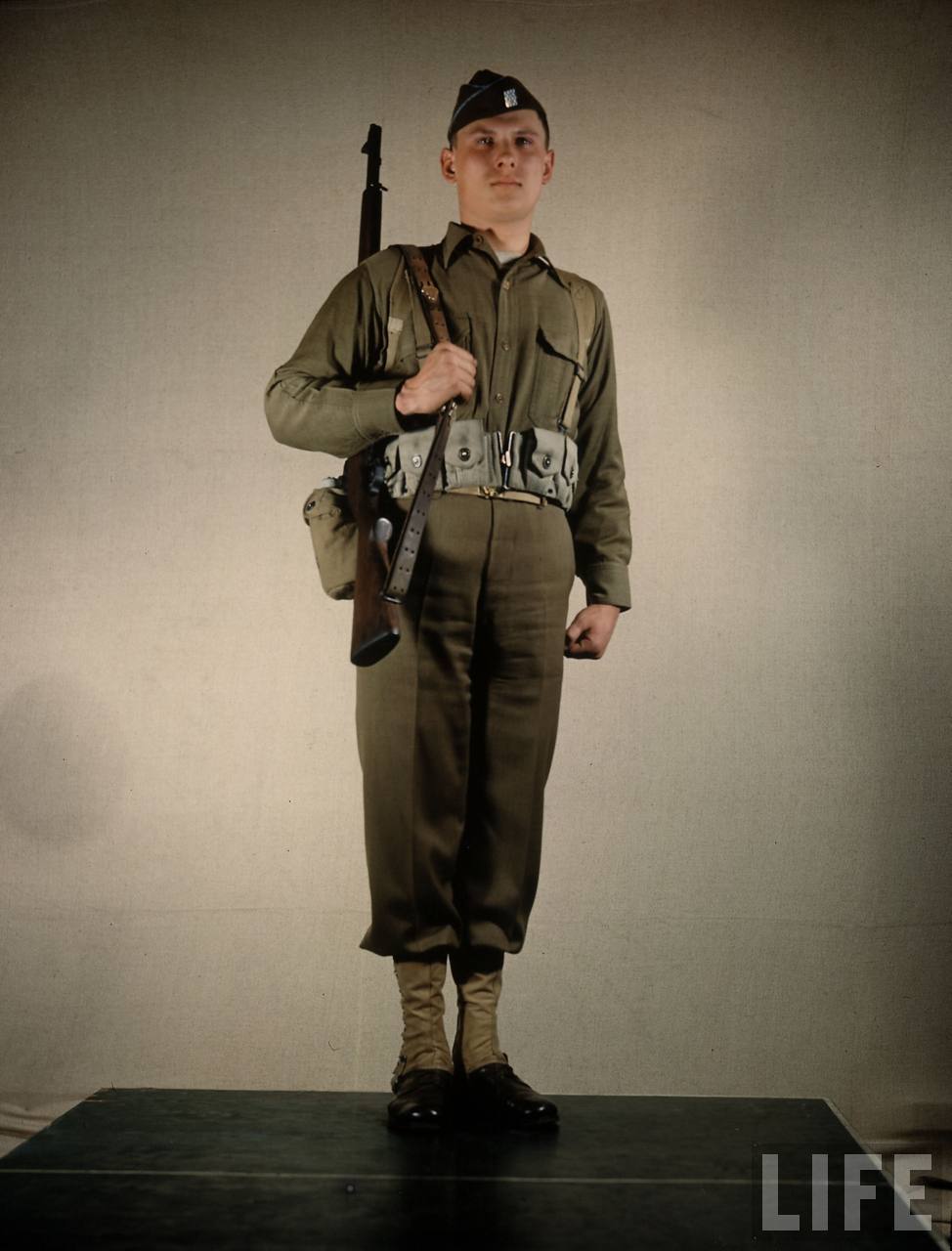 |
| 1941
Dmitri Kessel was born in the Russian Ukraine on his family’s sugar plantation. His most prized possession as a kid was his Brownie camera which his father gave him when he was 14. When his family’s possessions were confiscated during the Bolshevik Revolution, Dmitri managed to keep his camera, but this too was destroyed when a Russian soldier broke it over Dmitri’s head. He escaped from Russia via Romania and immigrated to America in 1923.
During his 60-year career, Kessel worked as an industrial photographer, a war correspondent and combat photographer, and a photo essayist for LIFE. During World War II, he sailed on convoy escorts in the North Atlantic, covered the landing of American troops in the Aleutian Islands and the British landing in Greece. He also photographed the Greek civil war.
In later years, Kessel lived on the Yangtze River in China for seven months while producing a photo essay for LIFE. He photographed the Andes Mountains in South America and mining operations in Central Africa.
Kessel is world famous for the fidelity of his camera recreations of great art, but was also a tough and adventurous new photographer.
Source: American Jewish Historical Society Newsletter Fall/Winter 2003
|
 tout ceci est magnifique