 |
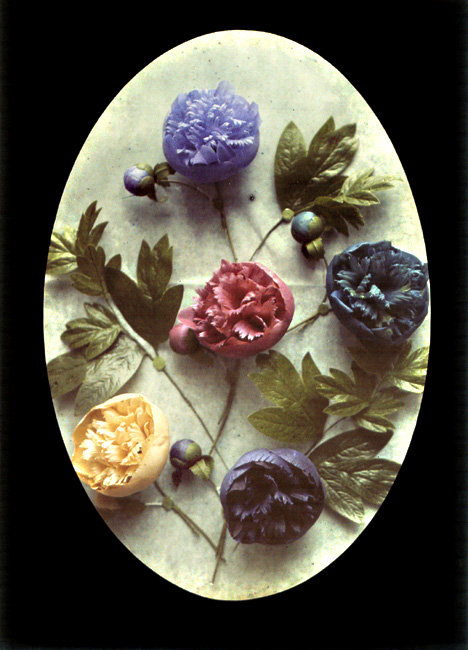
| Anonymous, ca. 1910 |
La vie en rose

Willem Pietersz Buytewech
 |
| Dignified couples courting, ca. 1617-1620 |
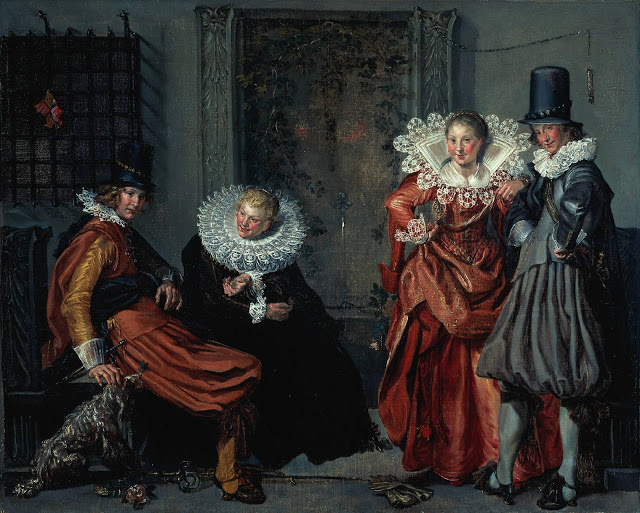
‘Dignified Couples Courting’ is the title of this canvas by Willem Buytewech, the only painting by the artist in the Rijksmuseum Collection. This fashionably-dressed group is concerned with love. The couple on the right have already found each other. Courtship does not seem to have completely arrived with the couple on the left. It is not immediately clear where this painting is set. At first sight it seems to be an interior, but a closer look reveals a barred window and an overgrown fountain: the scene must therefore be set outdoors on a terrace.
Caught in the web of love
The seated woman is playing a game with the man next to her. In each hand she is holding a rosebud. Her partner, without looking, has to choose one of the roses. With this he chooses one of the two women. But, whichever rose he chooses, the woman will make the choice: she is crossing her arms and can therefore call left right and vice versa.
Whichever way, the man will always be hers. The woman has caught the man in her ‘web’. Venus’ ‘tangled web’ as it is called. The spider’s web that Buytewech has painted on the barred windows – which can be vaguely seen just behind the coat of arms – alludes to this.
Roses and fountains
Here roses and fountains are ‘weapons’ with which the woman catches the man, yet they are also present – in the foreground – as general symbols of love. The thorns refer to the danger and difficulties of love, the flowers to the beautiful side of love. The spouting wall fountain, as the ‘source of love’ had an sexual connotation in the seventeenth century. The ‘fountain of love’ had been a fixed element in pictures of love gardens since the Middle Ages.
Group portrait?
The meanings of some details, such as the barred window, can no longer be traced. The coat of arms also provokes questions: is it a commissioned painting, or does it portray members of a certain family? Despite much research, the answer is still not known. The coat of arms remains a mystery.
And because the faces appear in other paintings by the same artist, it seems unlikely that it is a group portrait. The costumes and attitudes were also used by Buytewech in other pictures. In the etching ‘Lucelle and Ascagnes‘ a seated man is depicted in similar, fashionable breeches.
Fashionable
The women too are dressed in the latest fashion. The woman on the right is sporting a silk underskirt and beautifully embroidered bodice. Her clothes are a lovely orange-red. The high collar of fine white lace is especially striking. The long cord around her waist was the height of fashion for women. Keys, scissors or – as is here – a needle case were often hung from it: symbols of the virtuous housewife! Some parts, such as the lace collar and the bodice of the dress, have been precisely painted. Other pieces of material have been painted with broad, visible brushstrokes, for instance the under part of the dress. The swift marks are reminiscent of the work of Frans Hals.
Pentimento
The position of the hat worn by the man on the right is rather remarkable: the man is bending forward and turns slightly towards the viewer, while his hat remains perfectly upright. To the right of the hat is a strange patch, a sort of shadow. From this it is clear that Buytewech had at first painted the hat in a different position: moving forward with the man’s head. The second layer of paint with which he covered the hat has, with time, become a little translucent. Hence we can see the painter’s original intentions. This kind of change made by an artist while working on a painting is called pentimento.
H.R.H Princess Margaret
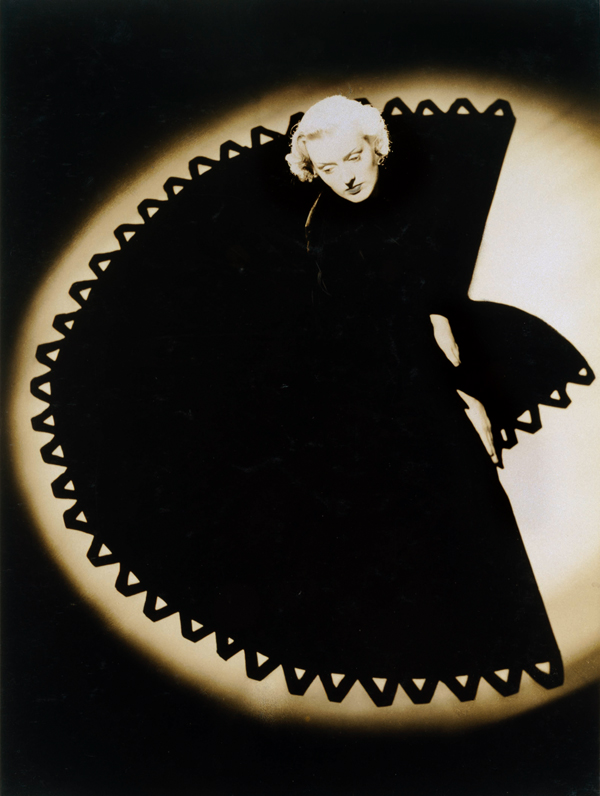
Fan dress
 |
| Norman Parkinson, 1938 |
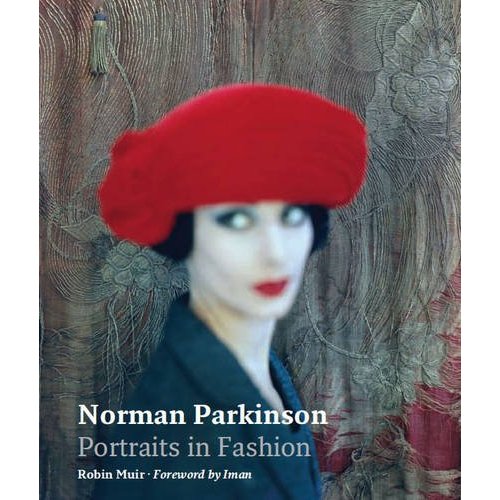
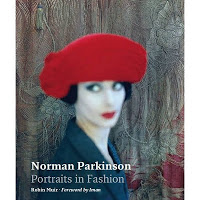
Norman Parkinson Portraits in Fashion by Robin Muir
A review by Benjamin Schwarz
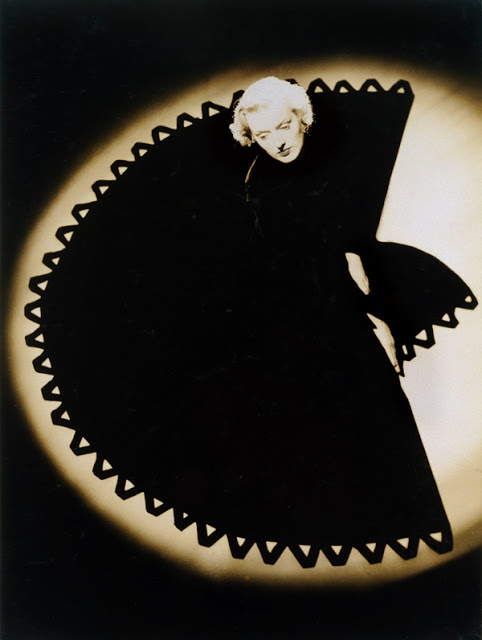
After four lackluster years at Westminster, Norman Parkinson started his career in 1931 as an apprentice in the studios of a staid court photographer. By the end of the decade he had revolutionized the look of fashion pictures. Models had previously appeared cold, static, and studied; Parkinson aimed to “unbolt their knees,” and to suggest action and playfulness by taking “moving pictures with a still camera” — nothing like his snap of Pamela Minchin in sunglasses and a 1939 Fortnum and Mason swimsuit, leaping arms outstretched in front of the breakwaters on the Isle of Wight, had ever been seen in the fashion magazines. He got them out of the studioand onto the street, where he seemed to have caught them on the way to work (or at least a lunch date); into the muck of farm fields; and even onto the backs of ostriches and among herds of slumbering wild elephants (Parkinson pioneered the use of outdoor color photography and exotic locales in fashion shots). His style of “action realism” gave fashion photography not merely a sense of movement but an almost innocent exuberance (his 1955 picture New York, New York, of a joyful, sprinting Manhattan couple, epitomized the hopefulness of postwar young marrieds). But what made Parkinson a great photographer was his adoration — and, more important, admiration — of women (thanks probably to his closeness as a boy to his geriatric great-aunts and his indulgent mother), whom he knew to be the superior sex: “They are more courageous, more industrious, more honest, more direct,” he said — unpredictable adjectives coming from a man whose profession concentrated on women’s appearance. More than any other photographer, he captured the charm, intelligence, and humor of great feminine beauty, qualities abundantly on display here in his shots — taken from the mid-1940s to the mid-1950s — of the model and stage actress Wenda Rogerson, whom he married in 1947. (Rogerson was his third wife; they remained married until her death, forty years later.) As a model, Rogerson, in her Simpson’s suits and cashmere sweater sets, wearing sensible shoes or posed with an open umbrella by her side in the fog near Hyde Park Corner (an iconic image of the lingering sophistication of postwar London), had the astonishing ability to look at once cool and warm, elegant and jaunty; above all, she brought what she called a “witty underplay” to his pictures. Theirs is simply the most successful collaboration of photographer and model in the history of fashion, beside which the partnerships of David Bailey and Jean Shrimpton, and even Irving Penn and Lisa Fonssagrives, pale. Parkinson died in 1990, and his most professionally successful decades were his last three; but the book is divided into chapters by decade, and I found my interest flagging in the 1960s and diminished entirely in the 1970s and 1980s, as his photos, in keeping with the times, grew increasingly garish and outrageous — and as he, with his upturned moustache, in the too many photos with his models reproduced here, increasingly resembled a raffish, even louche, Indian Army colonel. (In fairness, Parkinson seems to have lost much of his enthusiasm for fashion photography after moving to Tobago, in 1963; he grew far more interested in portraiture, and became the Queen Mother’s favorite photographer.) But nothing can diminish his earlier work. Parkinson always insisted that he was a craftsman, not an artist, and he’d have dismissed the critic John Russell Taylor’s assessment that he was Sargent’s “logical successor.” We shouldn’t.
The Atlantic Monthly
September, 2004
 |
| Amazon.com |
Monty
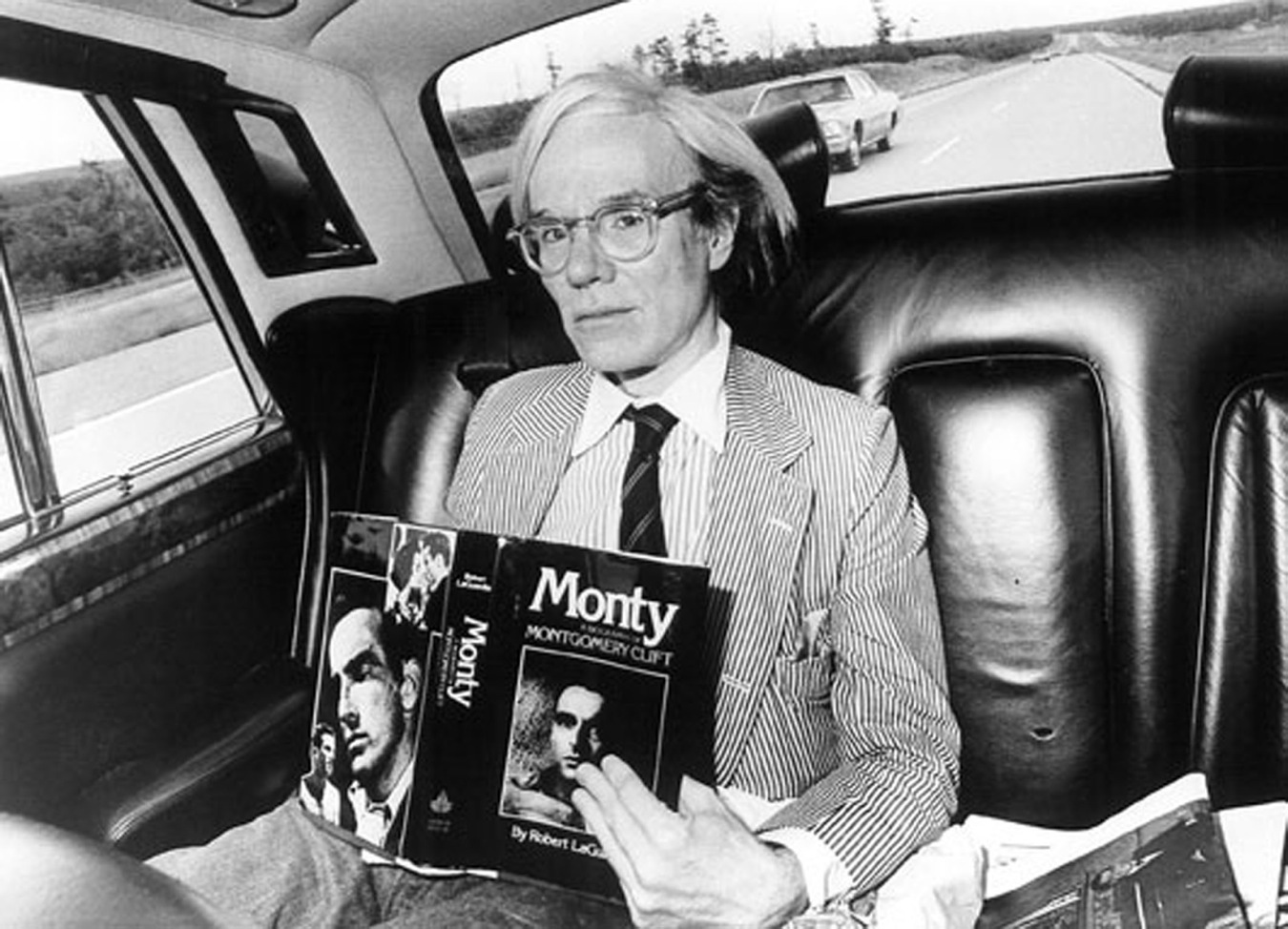
1972, 1973, 1974
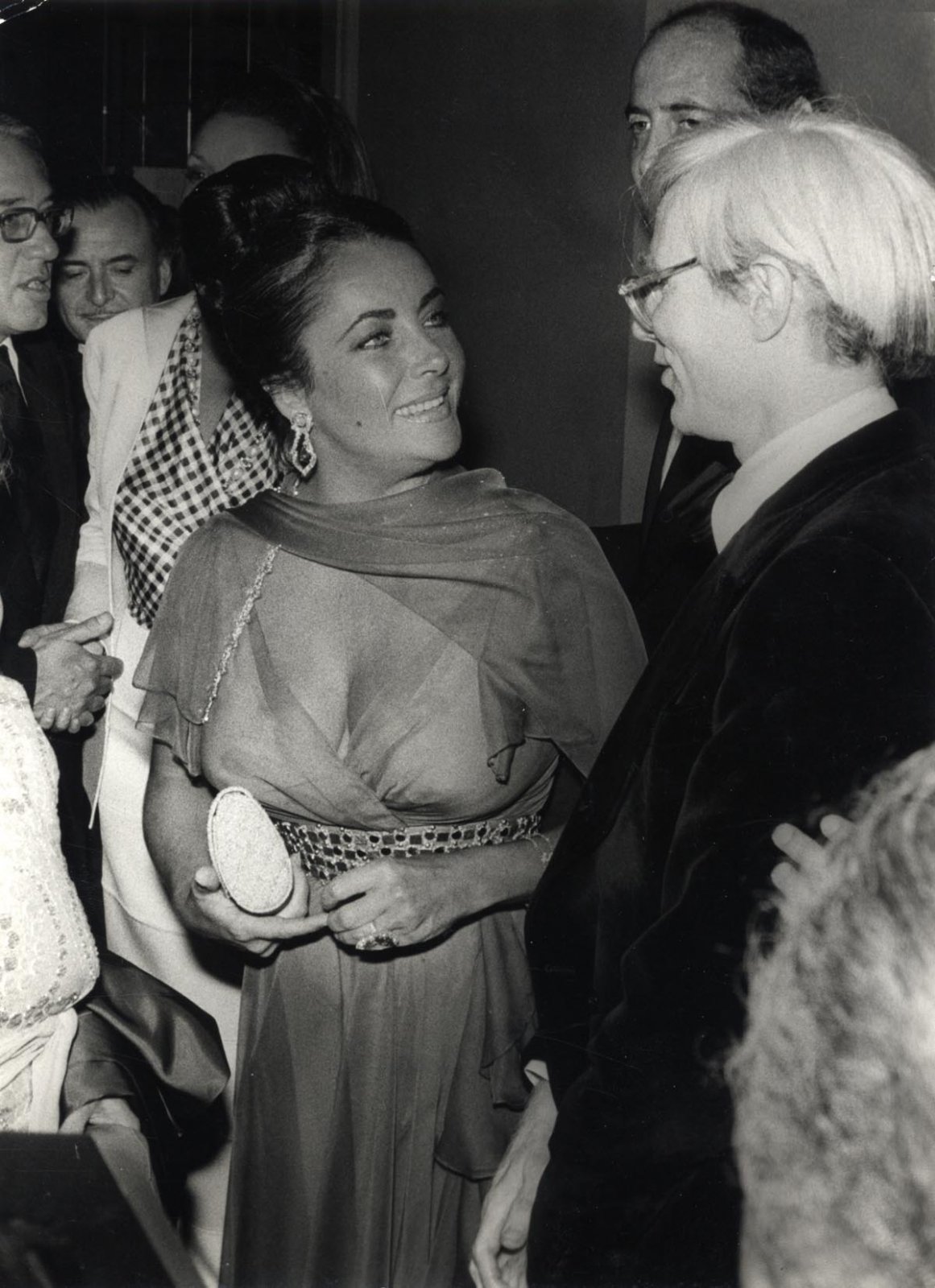
Oscar winner Elizabeth Taylor made several relatively obscure movies in Europe, including X Y and Zee, Ash Wednesday, and The Driver’s Seat (Andy Warhol does a cameo).
 |
| as Zee Blakeley |
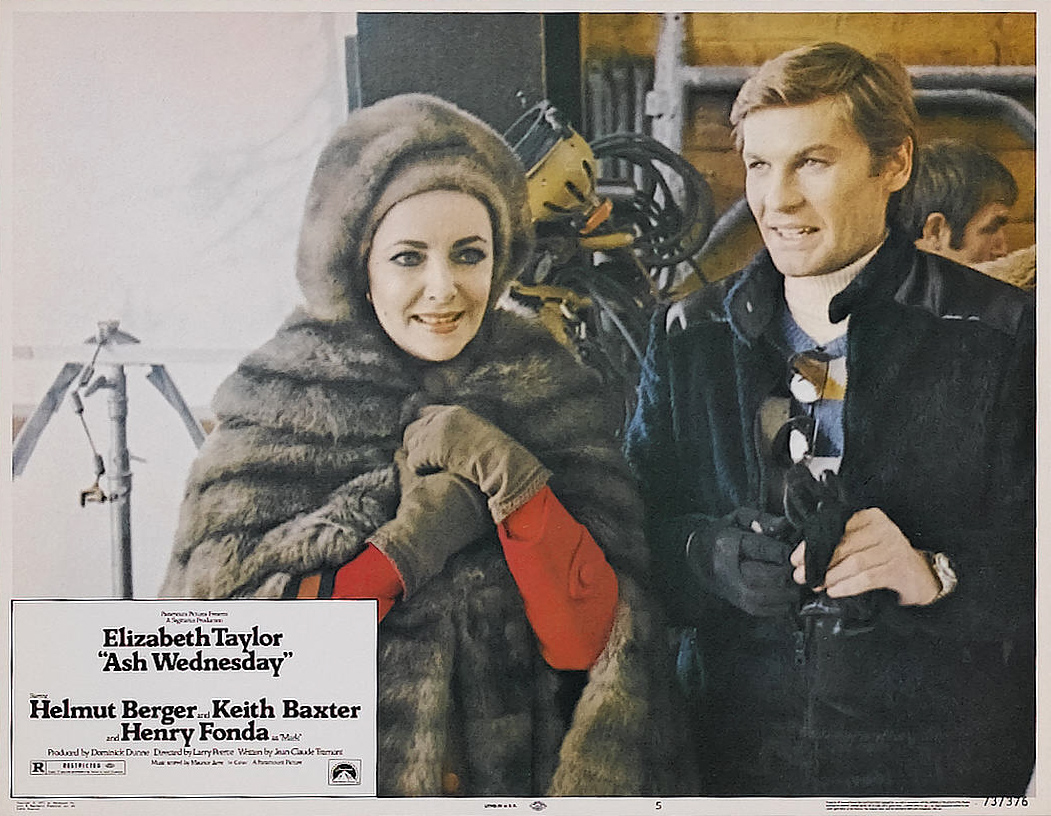 |
| with Helmut Berger |
 |
Born Sofia Villani Scicolone
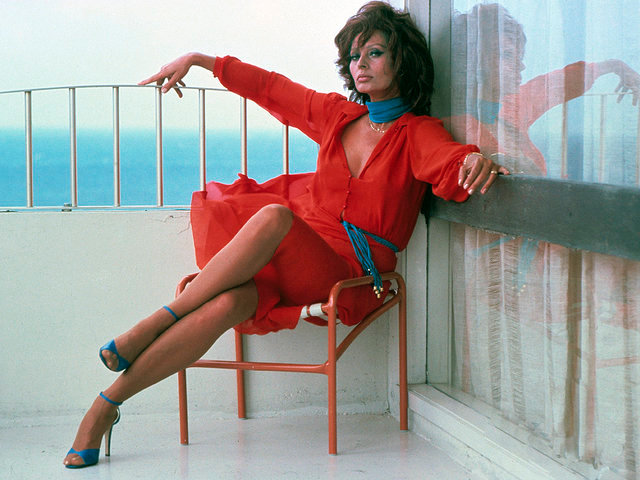 |
| The church is opposed to cloning, but an exception might be made in the case of Sophia Loren. -Cardinal Tarcisio Bertone, Vatican Secretary of State |
dum·my
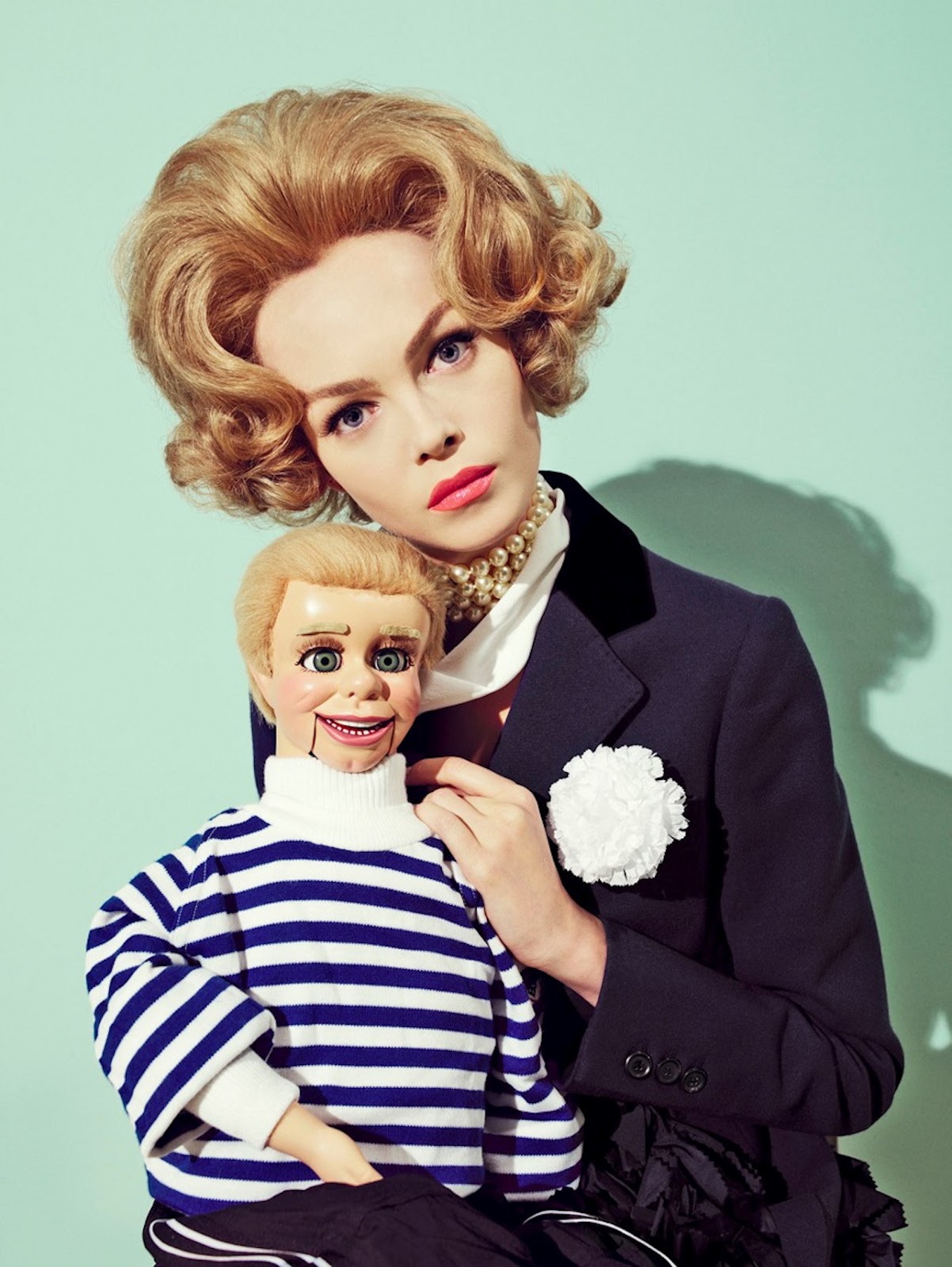
Sofia Sanchez and Mauro Mongiello ~ Siri and the puppet, 2008
Pronunciation: \ˈdə-mē\
Function: noun
Inflected Form(s): plural dummies
Etymology: dumb + -y
Date: 1598
1 a : a person who is incapable of speaking b : a person who is habitually silent c : a stupid person
2 a : the exposed hand in bridge played by the declarer in addition to his or her own hand b : a bridge player whose hand is a dummy
3 : an imitation, copy, or likeness of something used as a substitute: as a : mannequin b : a stuffed figure or cylindrical bag used by football players for tackling and blocking practice c : a large puppet usually having movable features (as mouth and arms) manipulated by a ventriloquist d chiefly British : pacifier
4 : one seeming to act independently but in reality controlled by another
5 a : a mock-up of a proposed publication (as a book or magazine) b : a set of pages (as for a newspaper or magazine) with the position of text and artwork indicated for the printer
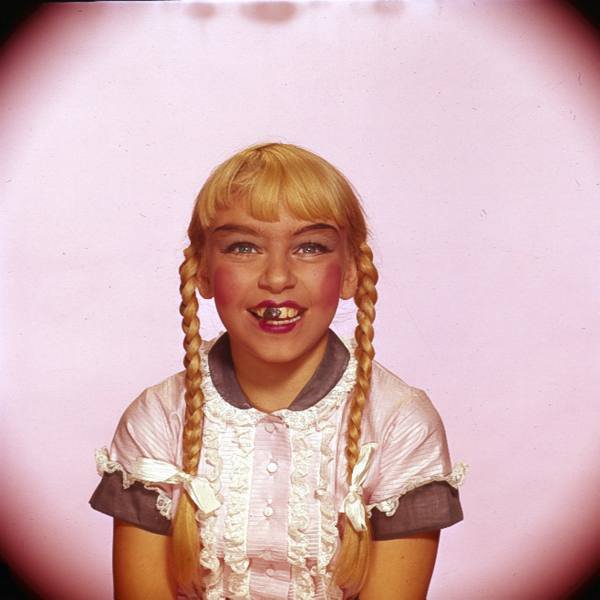
The Bad Seed (1956)
 tout ceci est magnifique