 |
Houdini brought the “east Indian Needle Trick” from the obscurity of sideshows to popular culture in the early 1900s. In this trick, Houdini swallows 50 to 100 needles, 20 yards of thread and brings them all up threaded, after his mouth and throat have been inspected by a committee. He begins by placing the needles and thread on his tongue and appears to swallow them. To perform this trick, Houdini would simply place a length of thread already threaded with needles and place them between his lips and gums before his mouth was examined. By tying a note on each side of the needle, a little “play” was allowed, so that the needles were loose, appearing to be normally threaded. This prevented any real danger of having the needles coming loose from the thread, which could have injured Houdini. At this point, Houdini’s job was simply to deceive the committee. This required a great deal of thought and skill. In showing his mouth, he would draw his upper and lower lips away from his gums and teeth. Most suspicion was directed toward the back portion of the upper gums and Houdini would simply draw his cheeks wide with his little fingers to give a thorough view of the area. In drawing his lower lips and pulling his cheeks outward, his fingers would cover the needles hidden by his lower lip. He could also move the needle to the area between his upper gum and lips and move them back after inspection. In cases of extreme inspection, Houdini could manipulate the needles to be hidden beneath his tongue.
 Houdini would then enter the stage and place up to 2 packets of needle and a length of thread on his tongue. He would then drink water and appear to swallow the needles and thread, place his finger and thumb to his mouth and extract the pre-threaded length of needles. At the finish, the needles stretched well across the stage. However, Houdini also had to be ready to dispose of the loose needles and thread for a post-inspection of his mouth. To do this, he would simply take a drink of water after the trick and eject the needles and thread into the glass. The weight of the needles would naturally propel them to the bottom of the glass, where they could not be immediately seen. The glass was then promptly taken away by an assistant. No special glass was needed, as the reflection of the water made it difficult to see the needles.
|
White Roses
 |
| Vincent Van Gogh, 1890 |
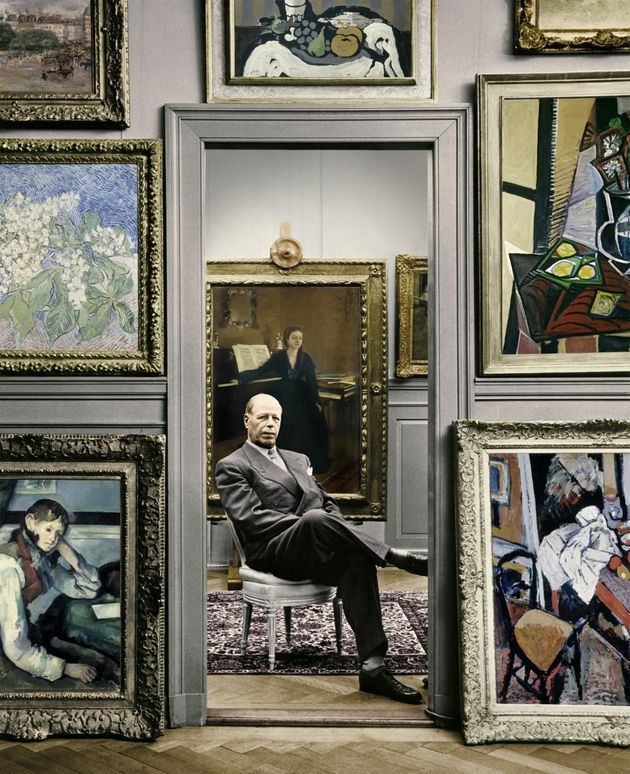
Emil Georg Bührle
 |
||
| The art collection of Emil Georg Bührle (1890-1956), a Zurich industrialist, is among the most important 20th-century private collections of European art. French Impressionism and Post-Impressionism constitute the core of the collection. Around these works is an ensemble of 19th-century French art that paved the way for Impressionism or developed alongside it. In the other direction, the core collection opens out onto the Nabis, Fauves, Cubists and other representatives of the French avant-garde after 1900. The collection is rounded off by sections devoted to earlier periods, in particular Dutch painting of the 17th and Italian painting of the 16th to 18th centuries and a group of Gothic wood sculptures. Emil Bührle acquired most of his pictures and sculptures between 1951 and 1956. The central theme of the collection is the gradual evolution of a new artistic freedom from Impressionism onwards as the driving force behind Modernist painting in the 20th century. His acquisitions also indirectly reflected changes in the contemporary art scene of the early 1950’s in that they included important examples of what by this time was the historic avant-garde of the early 20th century. In 1960, the collector’s family placed a representative selection of about 200 pictures and sculptures in a foundation and opened it to the public. The Foundation’s museum is housed in a villa adjoining Emil Bührle’s former home, which Bührle had used to store part of his collection during his lifetime. |
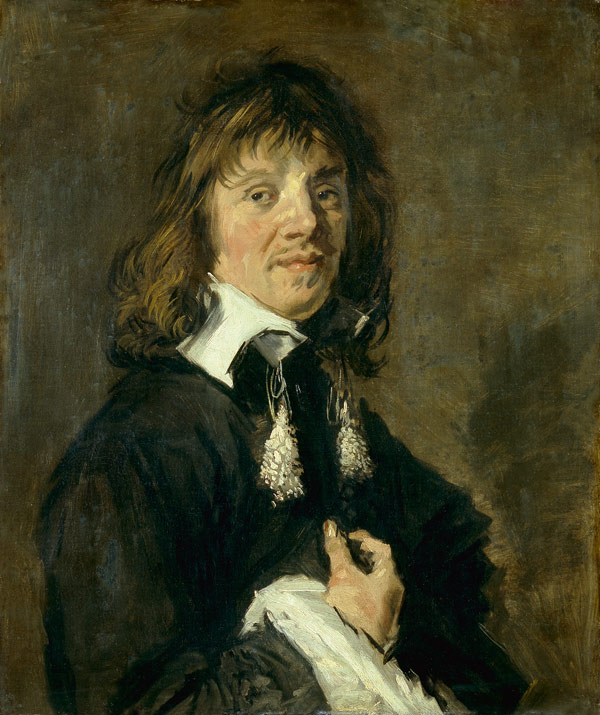 |
| Frans Hals |
Margot
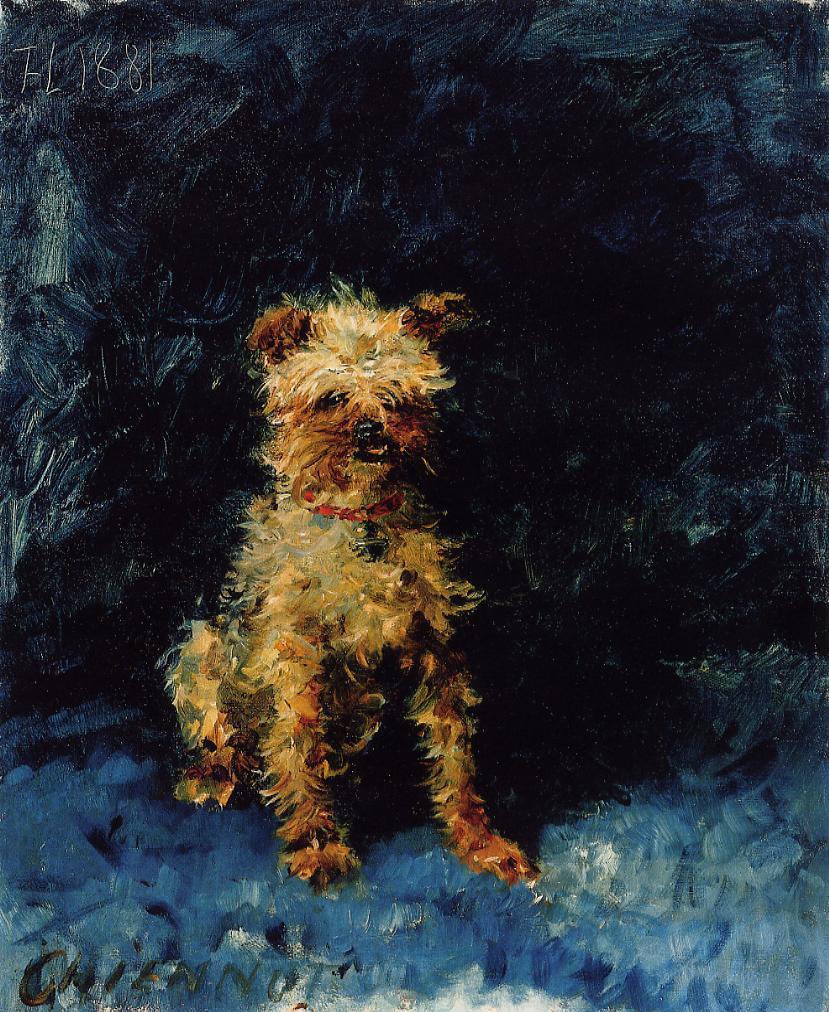 |
| Toulouse-Lautrec, 1881 |
Rabbit’s Moon
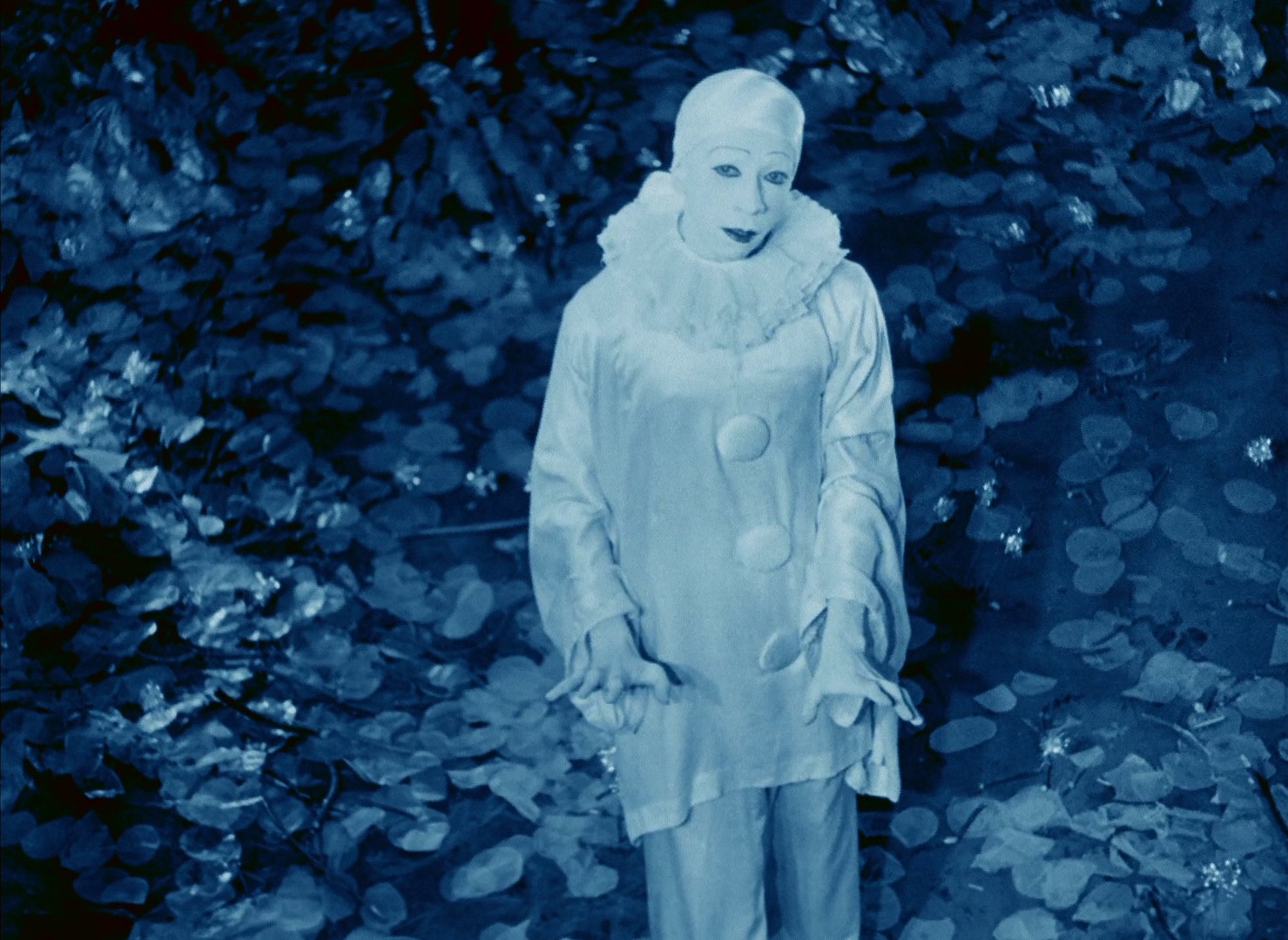
Rabbit’s Moon is an avant-garde short film created by American filmmaker Kenneth Anger. Originally filmed in 1950, Anger only finished and released it in 1972, before re-releasing it in a second edition with a new soundtrack and other alterations in 1979.
Filmed under a blue filter and set within a wooded glade during the night, the plot revolves around a clown, Pierrot, who longs for the Moon, in which lives a rabbit (a concept found in both Japanese and Aztec mythology) and his futile attempts to jump up and catch it. Subsequently another clown, Harlequin appears, and teases Pierrot, showing him Columbina, with whom he appears to fall in love.
The 1972 version features a soundtrack made up of a series of pop songs; “There’s A Moon Out Tonight” by The Capris, “Oh, What a Night” by The Dells, “Bye Bye Baby” by Mary Wells, “I Only Have Eyes For You” by The Flamingos and “Tears On My Pillow” by The El Dorados. The 1979 version, which is speeded up, instead features the song “It Came in the Night” by the band A Raincoat played on a loop.
Pierrot rouge
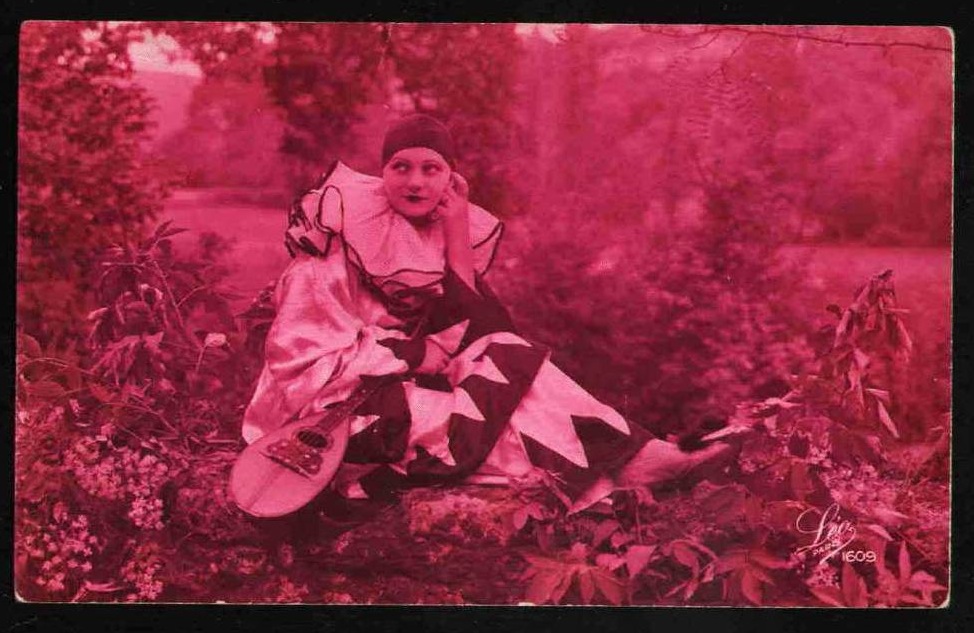
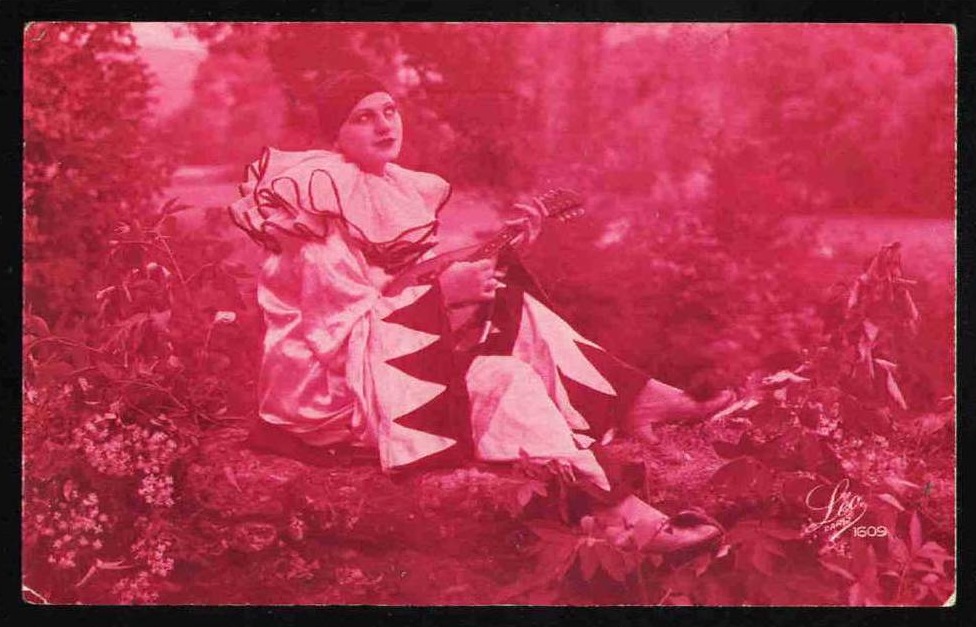
Clown and Roses
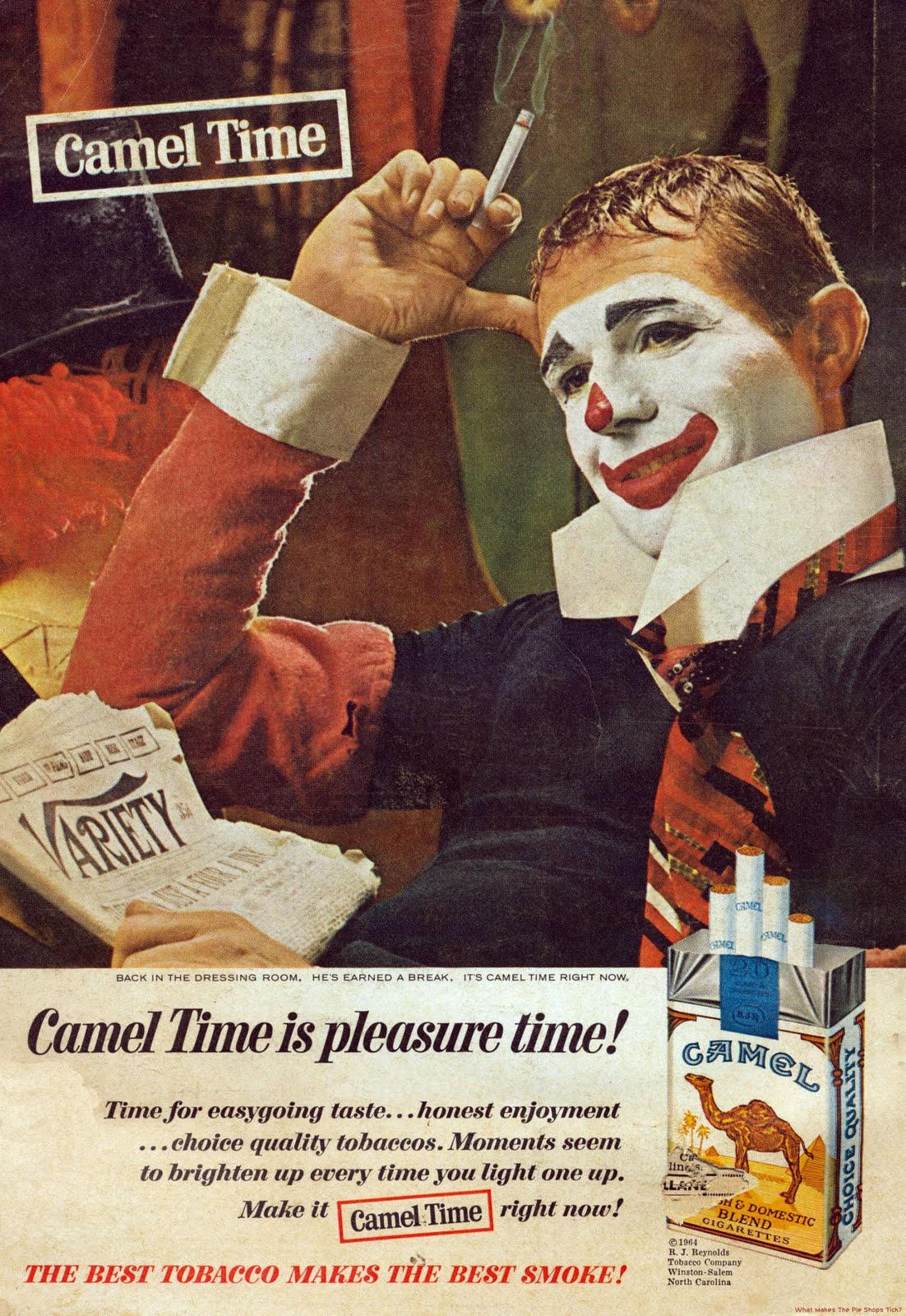
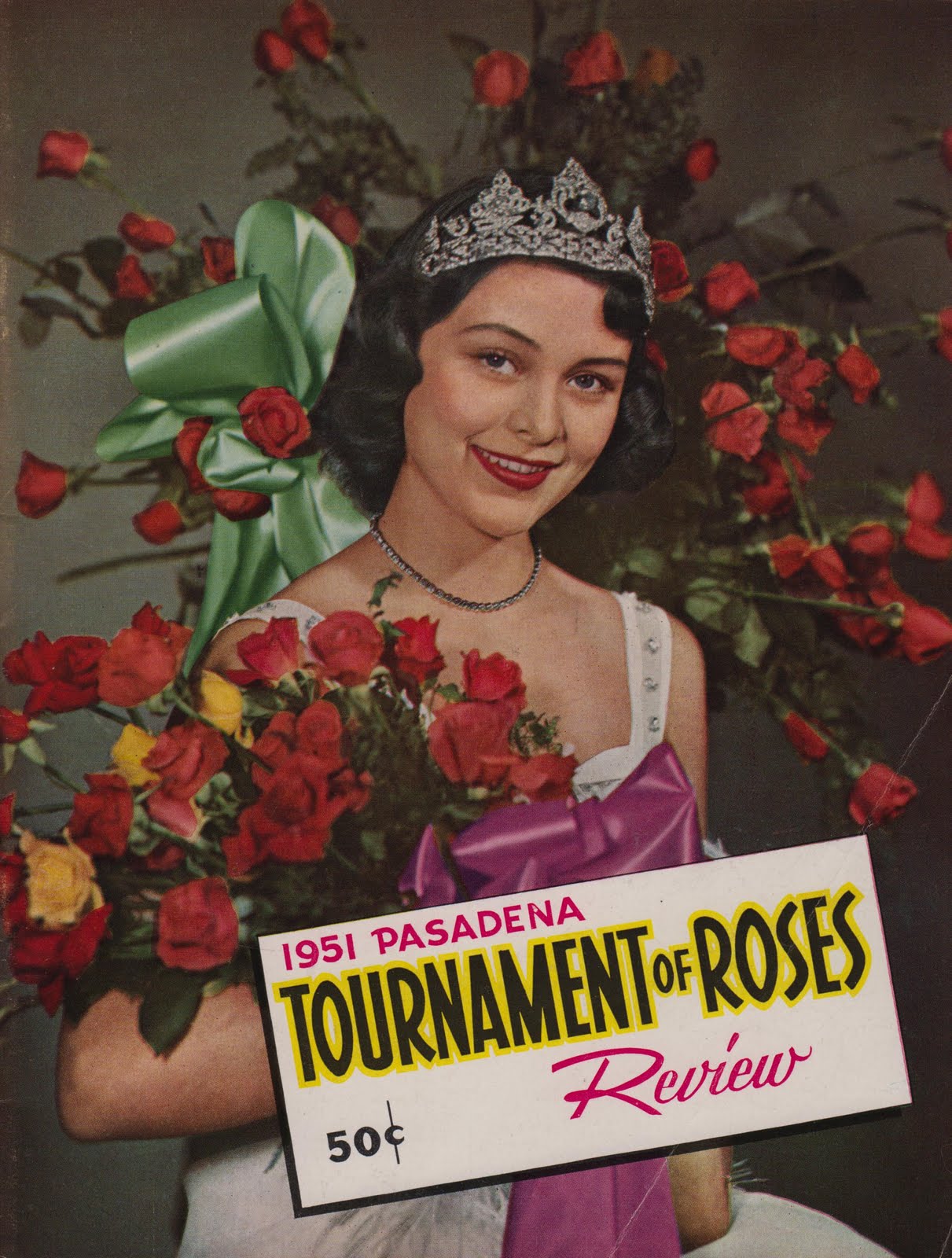
You don’t stop laughing because you grow older. You grow older because you stop laughing
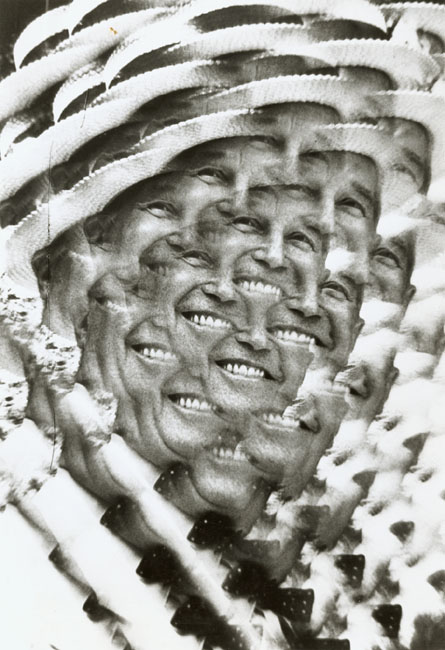 |
| Multiple Portrait of Maurice Chevalier, 1963 David Douglas Duncan |
Ravishing
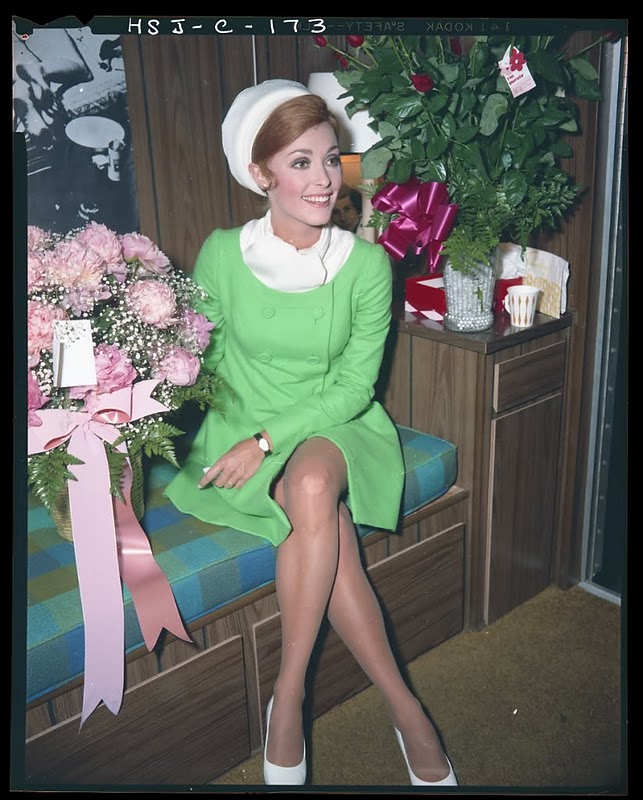 |
| Sharon Tate |
Fellini’s The Clowns
In his studio at Rome’s Cinecitta movie center Director Federico Fellini draws endless faces and costumes sketches for the motion picture “The Clowns.”

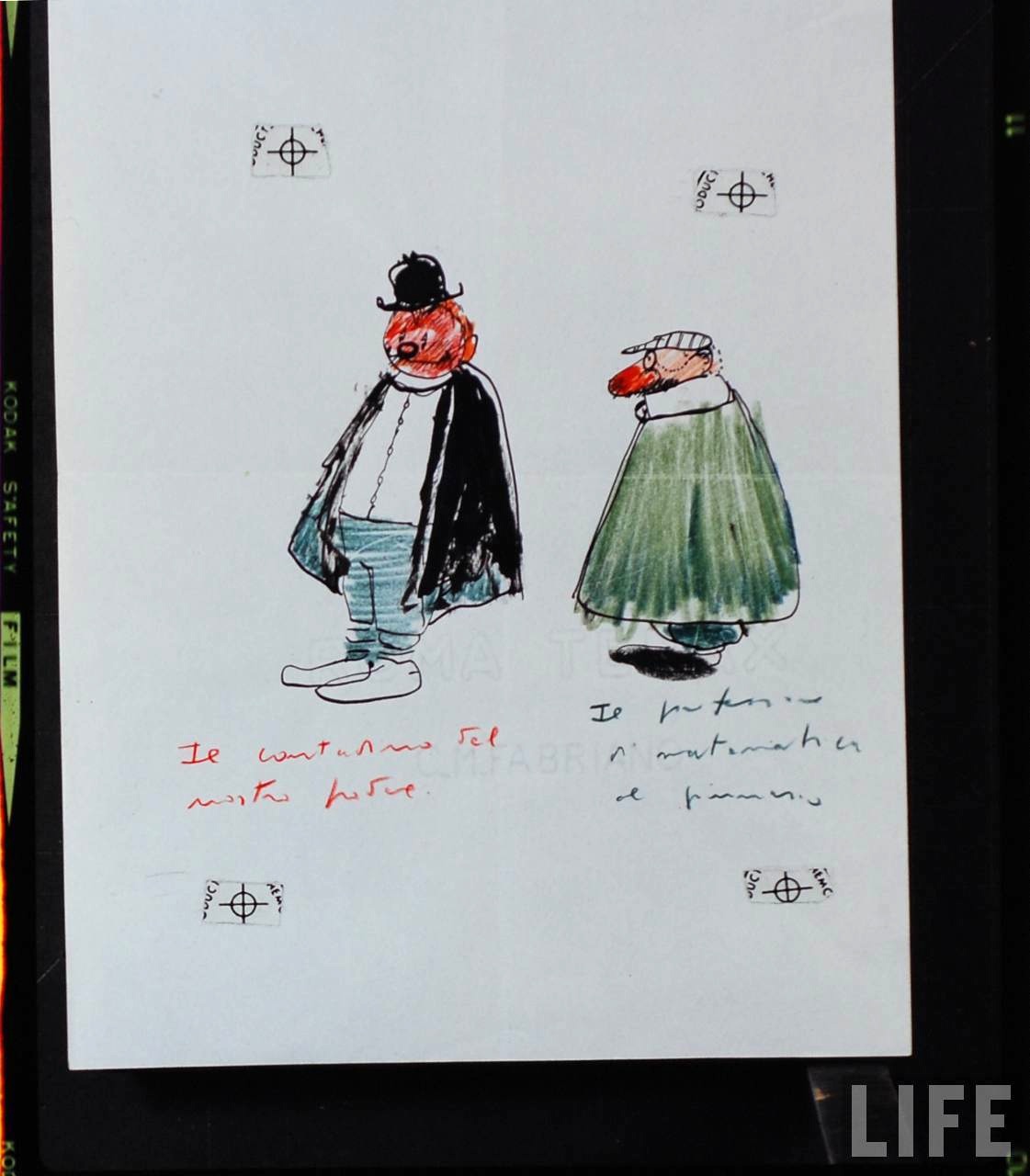


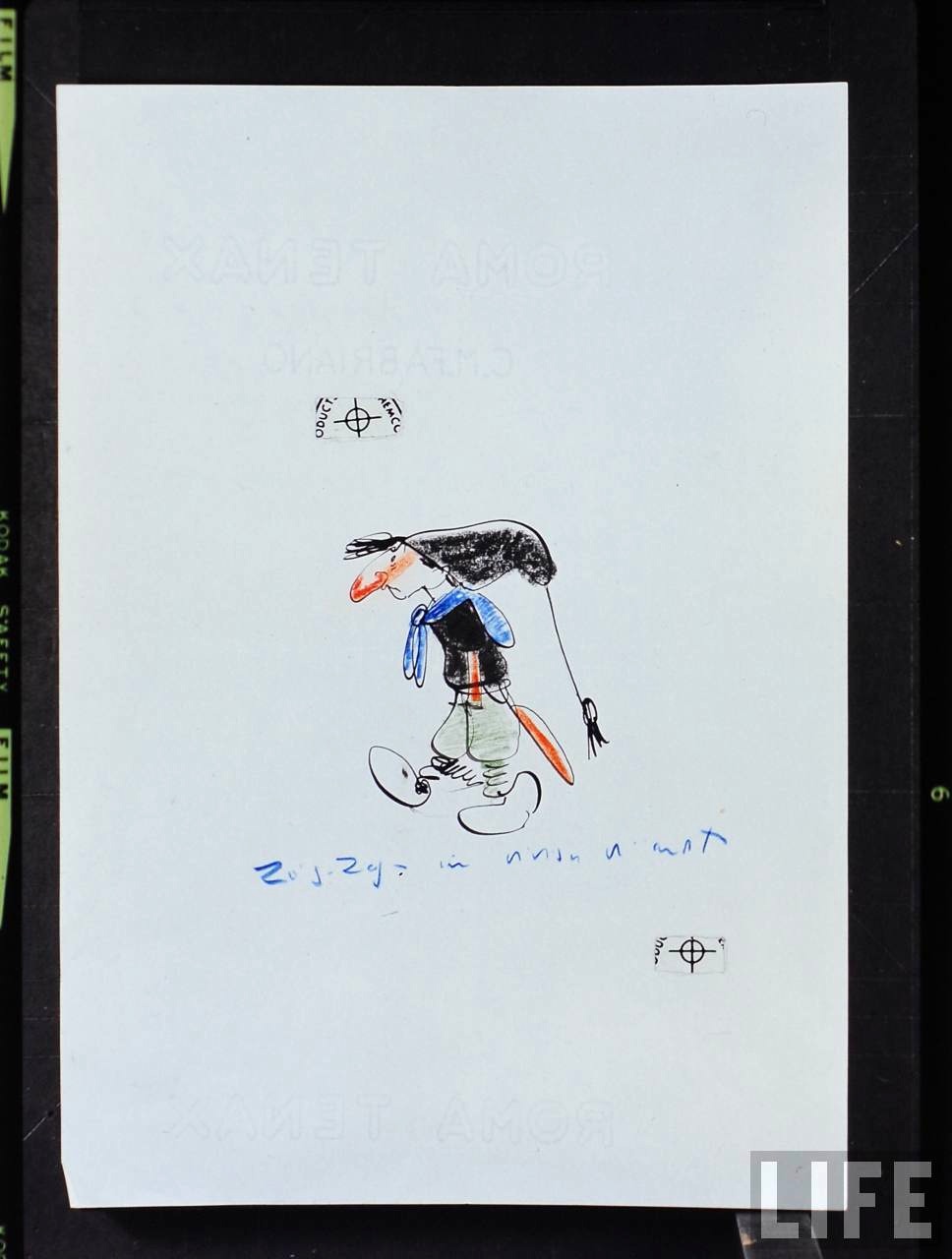

Source: LIFE
Photographer: Carlo Bavagnoli
Date taken: May 11, 1971
 tout ceci est magnifique