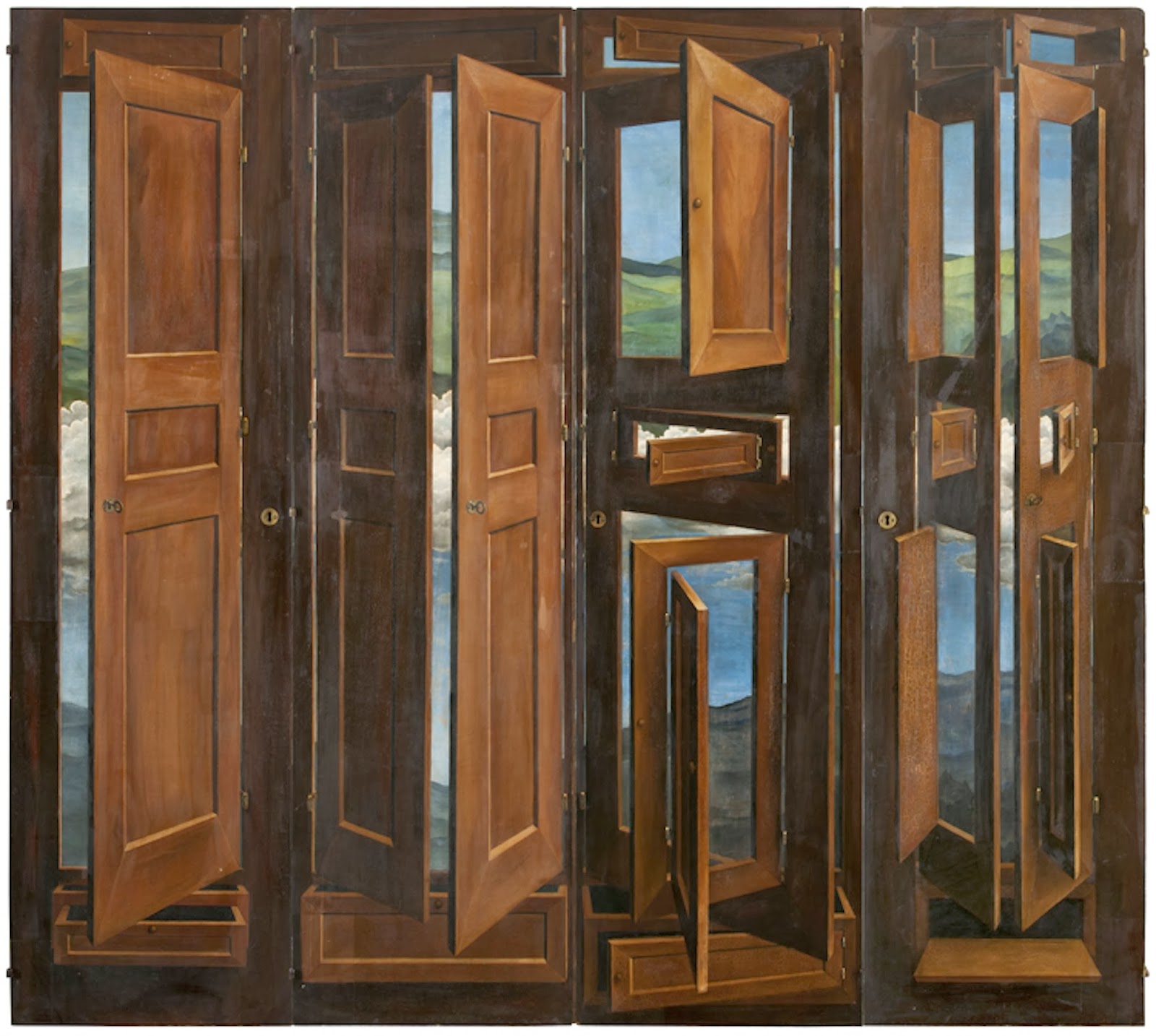
Armoire Surrealiste, 1941
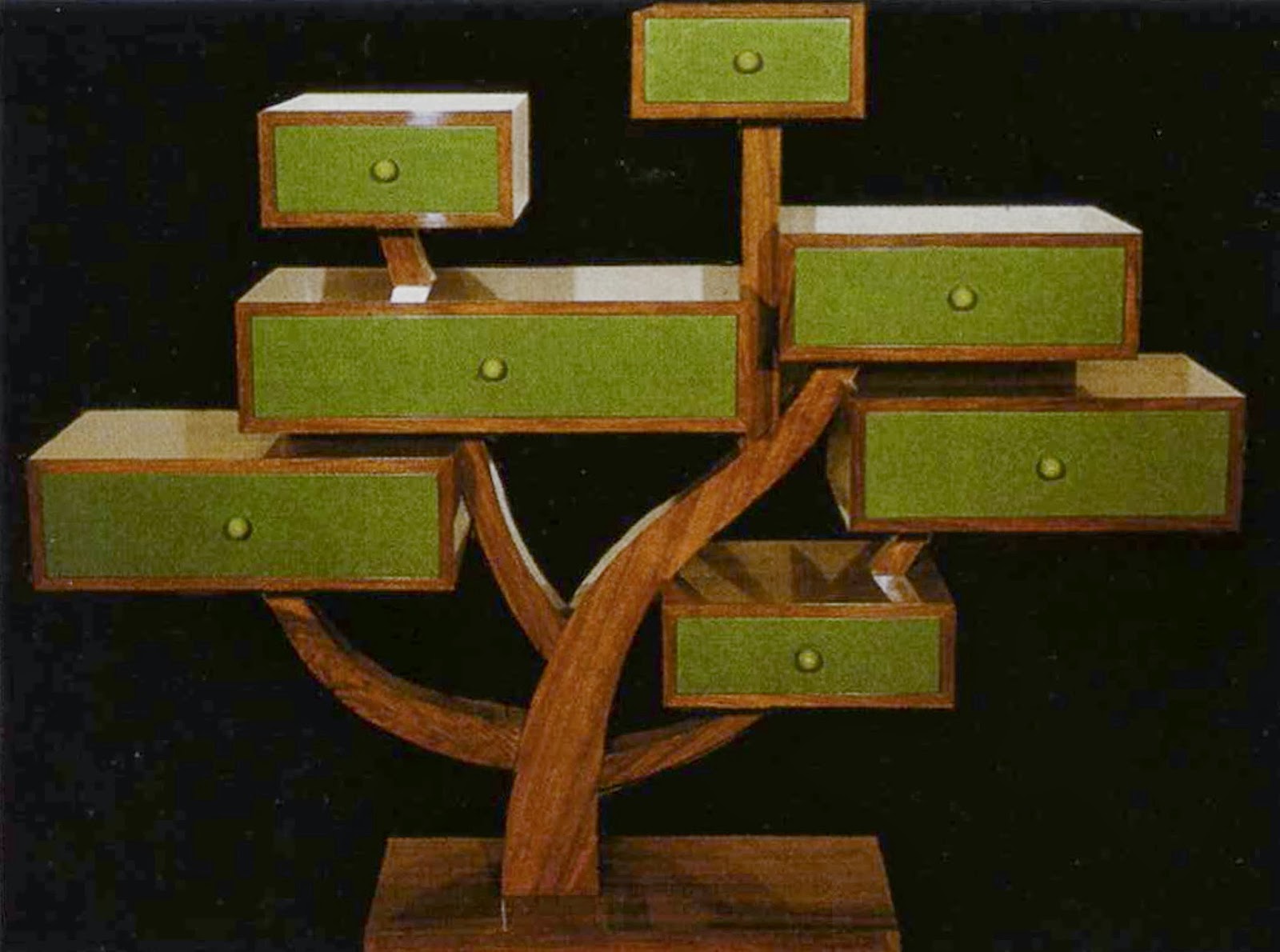
Meuble L’Arbre à tiroirs, 1941
Le peintre Marcel Jean réalise en 1941, à Budapest où il a fui pendant la guerre, des meubles, dont l’Arbre à tiroirs ou l’Armoire surréaliste. Ce dernier témoigne de l’influence des surréalistes qu’il a rencontrés en 1933. Proche de ce milieu, Marcel Jean sera un des premiers historiens de ce mouvement et écrira en 1959 une Histoire de la peinture surréaliste. Le monde de l’objet va beaucoup intéresser les surréalistes. Dans sa Tasse en fourrure, Meret Oppenheim détourne l’objet courant de son usage trivial pour en faire le support de rêves ou de fantasmes. Dans son célèbre Visage de Mae West, Dalí transforme le visage en décor de salon. Ici, Marcel Jean prend le prétexte d’une armoire pour en faire un objet insolite et onirique. Chaque porte est ornée de vantaux et tiroirs à ouvertures multiples dans l’embrasure desquels s’ouvre un paysage immobile. Les Arts Décoratifs
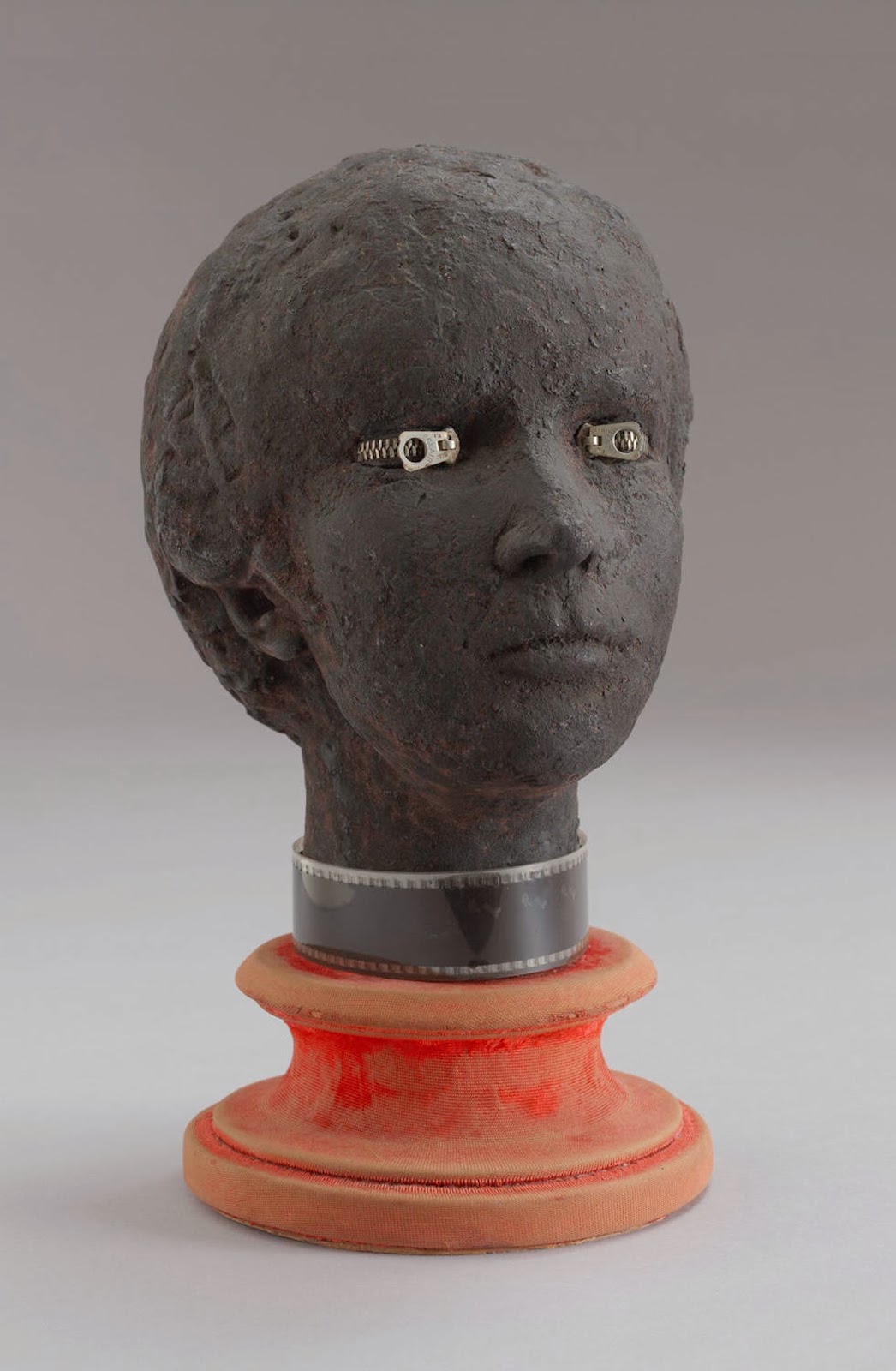
Specter of the Gardenia, 1936
This head of a woman, with zippers for eyes and a filmstrip collar encircling her neck, composes an anxious portrait. At the same time, its tactile surface of black cloth and red velvet is charged with the eroticism of imagined touch. Marcel Jean believed that everyday objects “possess a double meaning: all have a latent sexual content besides their practical role, and our dreams…do not fail to endow them with values we unconsciously gave them when they were created during the waking state.”
Jean originally called this work Secret of the Gardenia, after an old movie reel he discovered, along with the velvet stand, at a Paris flea market. Chance discoveries like these provided a trove of items for Surrealists to combine in making their uncanny work. MOMA

 tout ceci est magnifique