Portrait of the narcissist as a con artist


The pathological narcissist is described in the DSM-IV (1994), by Kohut (1977) and by Kernberg (1990). Kernberg (1990) notes that “the main characteristics of these narcissistic personalities are grandiosity, extreme self-centeredness, and a remarkable absence of interest in and empathy for others in spite of the fact that they are so very eager to obtain admiration and approval from other people” (228-229). He further describes such persons as being very envious of others’ possessions or other’s apparent contentment, emotionally shallow, seemingly unable to understand complex emotions exhibited by others and as displaying few emotions and being capable of feeling sad or depressed. What may look like depression when they are disappointed by others is anger, resentment and a desire for revenge instead of genuine sadness.
The Destructive Narcissistic Pattern by Nina W. Brown  


 Salvador Dalí ~ Metamorphosis of Narcissus, 1937
[Tate Modern, London]


Soon after this painting was completed, Dali published a poem and essay entitled The Metamorphosis of Narcissus in which he related that in Catalonia the phrase “To have a bulb in the head” means to suffer from a psychological complex.  The painter then went on to state that “If a man has a bulb in the head it might break into flower at any moment.  Narcissus!” 
The Life and Masterworks of Salvador Dalí by Eric Shanes

The Mannerist

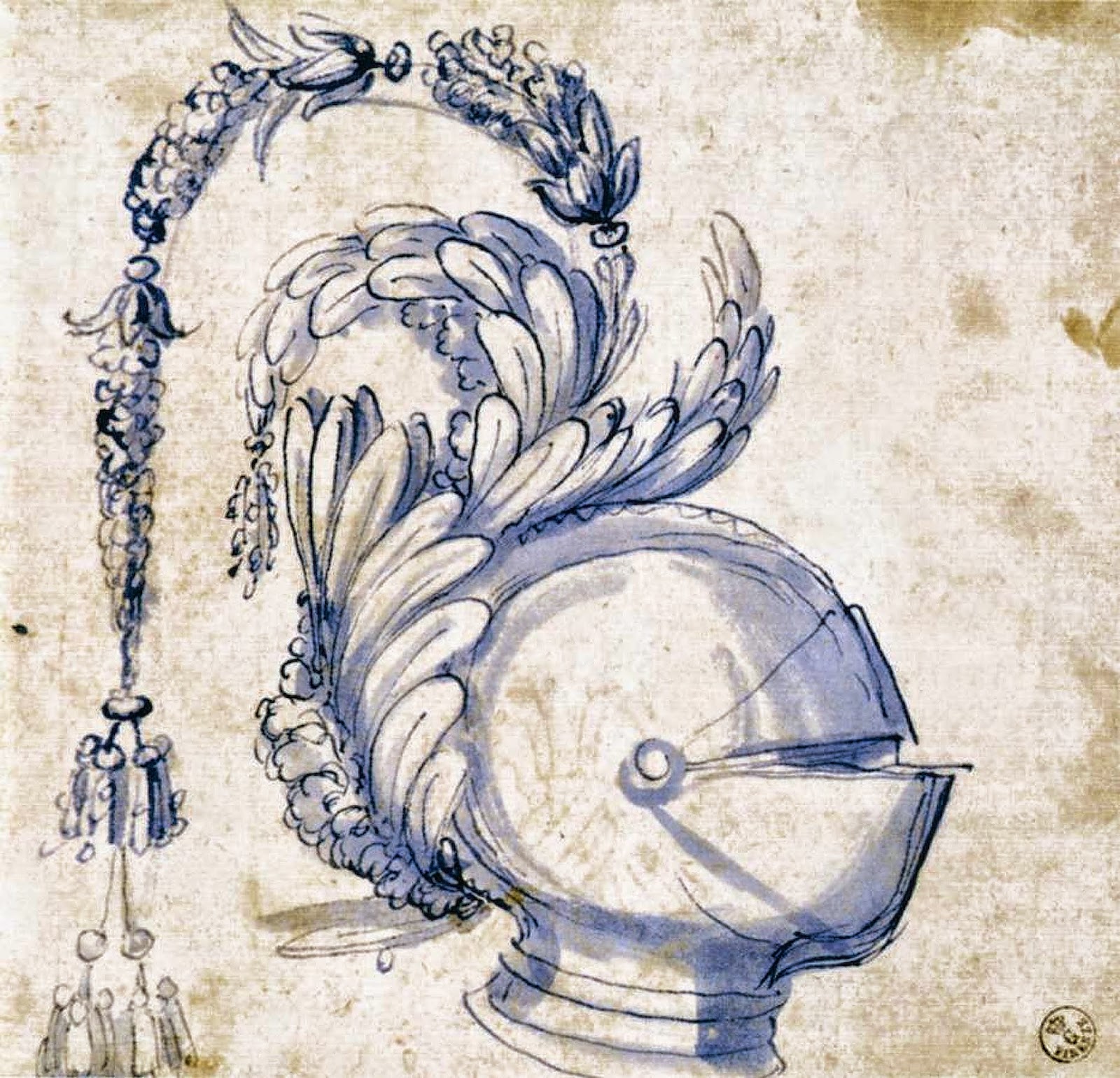
Giuseppe Arcimboldo ~ Sketch for a Visored Helmet, 1585
     

In 1585, Arcimboldo created the Florentine folios, which he gifted to Rudolf II; one hundred and fifty drawings collected together in a red leather portfolio, with a dedication in Latin which translates to:

    To the indomitable Emperor, his eternal and beloved Sovereign and Majesty Rudolf II.  From Giuseppe Arcimboldo of Milan, of multiple and varied ideas conceived by his own hand for the provision of tournaments.  In the year of grace, 1585.
 
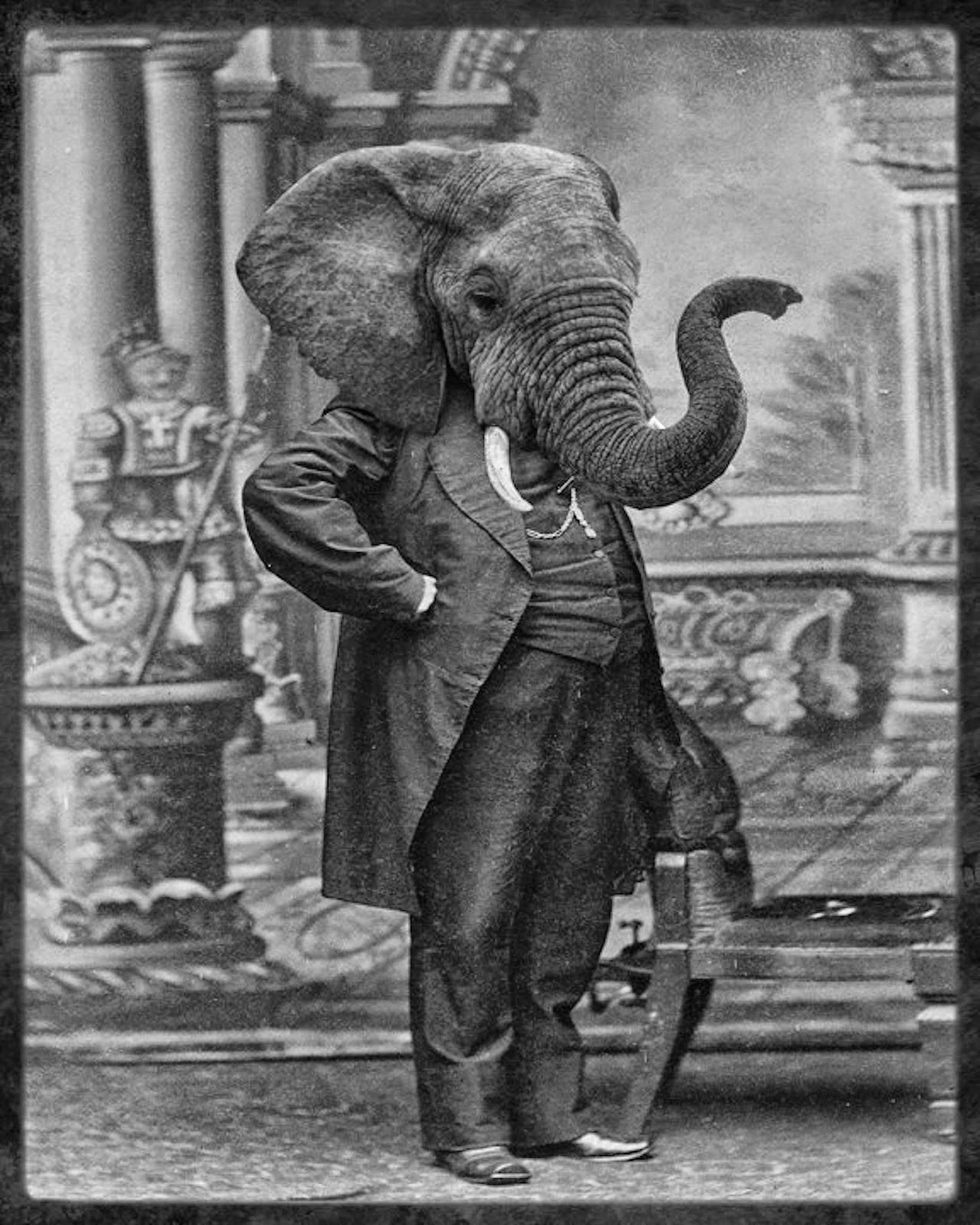
This collection contained several drawings and sketches which Arcimboldo created for royal celebrations, pageantry, festivals, and processions.  The majority of these drawings were created in pencil and blue wash, with subjects ranging from animals such as elephants and dragons, to objects such as carriages and sleds.  other drawings depicted theatrical costumes, worn by members of court who assisted in the parades, accompanied by inscriptions to explain their functions.  For the liberal arts, for example, he designed a robe for Geometry, inscribed above:  “Geometry under the auspices of Archimedes the Sicilian and Archita the Calabrian.  Grey robe,” a robe for Astrology, notated: “Astrology under the auspices of Ptolemy the Alexandrian and Julius Hyginus the Roman.  White robe edged in red with golden stars.”  The majority of the designs, which are in Vienna and in Florence, were studies in preparation for the celebrations of the marriage of Archduke Charles of Syria and Maria Anna of Bavaria.  Fonteo gave a poetic account of it, including a long description of the festival, of the procession, and of the ceremony.  With his help, Arcimboldo designed the show, glorifying the patronage of the emperor.

Arcimboldo By Liana De Girolami Cheney

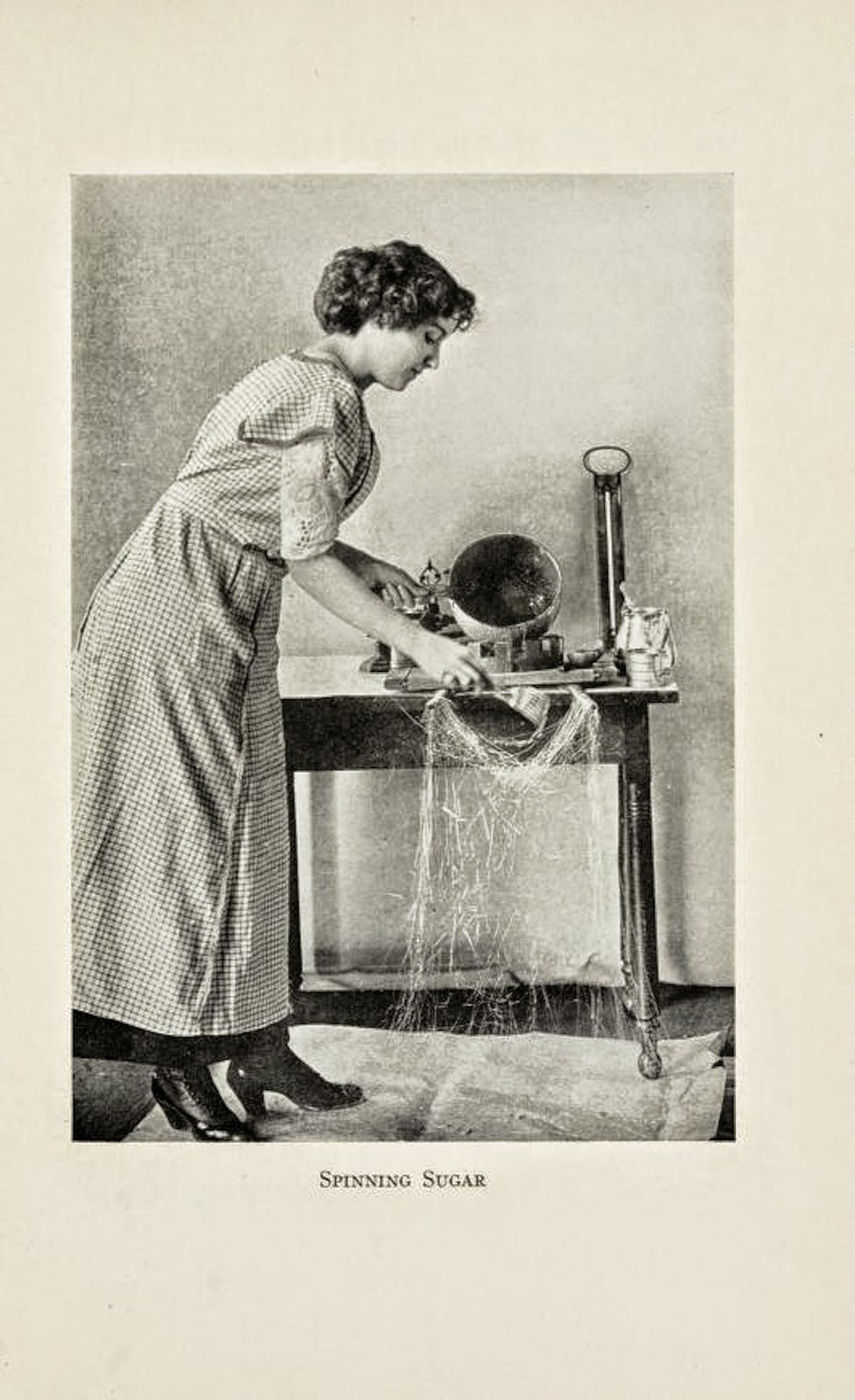
Cotton Candy

Robert Clark

… Early-medieval Venetian confectioners were famed for their skills with spun sugar, which was accepted as decorative art in its own right.  This is the technique whereby a sugar syrup is boiled very hot, to 160 degrees C, or 320 degrees F, two forks tied back to back are dipped in, and the sugar mixture is flicked off to create (in theory) long, thin strands of sugar.  These harden quickly but not immediately, so it is possible to prepare a bundle of these strands by draping them over a wooden broom handle, and then working them up into whatever outlandish shape is desired.

During the Renaissance in northern Italy, the subtlety tradition was not discarded, but made elegant and up-to-date in “trionfi”, sugar versions of celebrated contemporary bronze sculptures, that formed the centerpiece at fashionable tables. Venice was particularly feted for the skills with sugar of its confectioners, who molded it into fantastic tableaux of animals, mythic figures, buildings, birds, fruits, or pastoral scenes, and tiny replicas of everyday and not-so-everyday objects that littered the table for the amusement of guests.  Henry III of France was treated to a banquet in Venice at which everything, including the tablecloth, was made of spun sugar – 1,286 items in all, by Nicolò della Cavalliera, copying models designed by Sansovino – and at a reception in the Doge’s palace in honor of Beatrice d’Este, Duchess of Milan, there was a spread that consisted of ‘divers items all made of gilded sugar, to the number of three hundred’.  In humbler, more domestic vein, the Englishman Sir Hugh Platt lists ‘Buttons, Beakes, Charms, Snakes, Snailes, Frogs, Roses, Chives, Shooes, Slippers, Keyes, Knives, Gloves, Letters, Knots’.  Edible cutlery and tableware was an extremely popular branch of sugar confectionery, the more realistic the better …

Sweets: A History of Candy by Tim Richardson

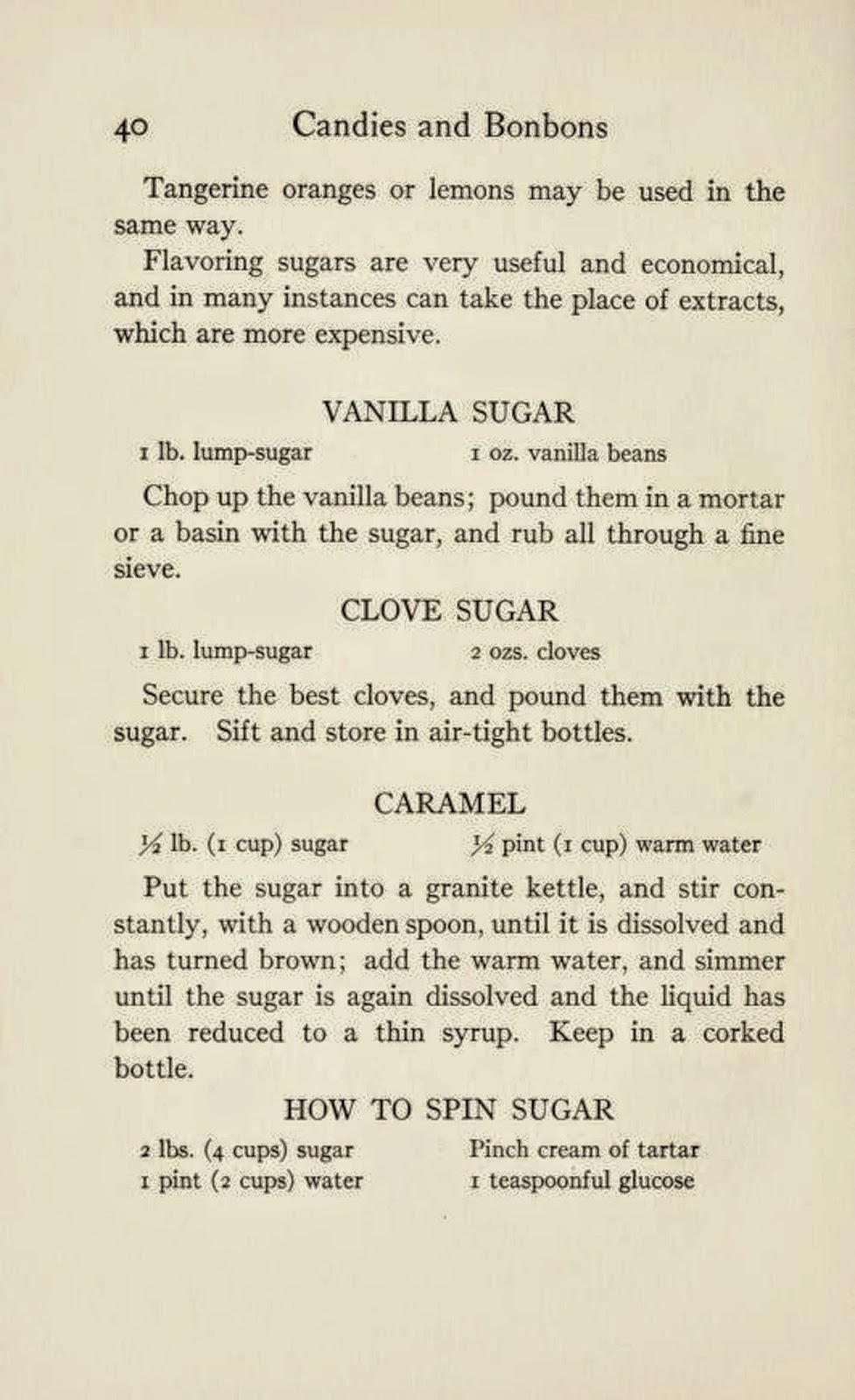
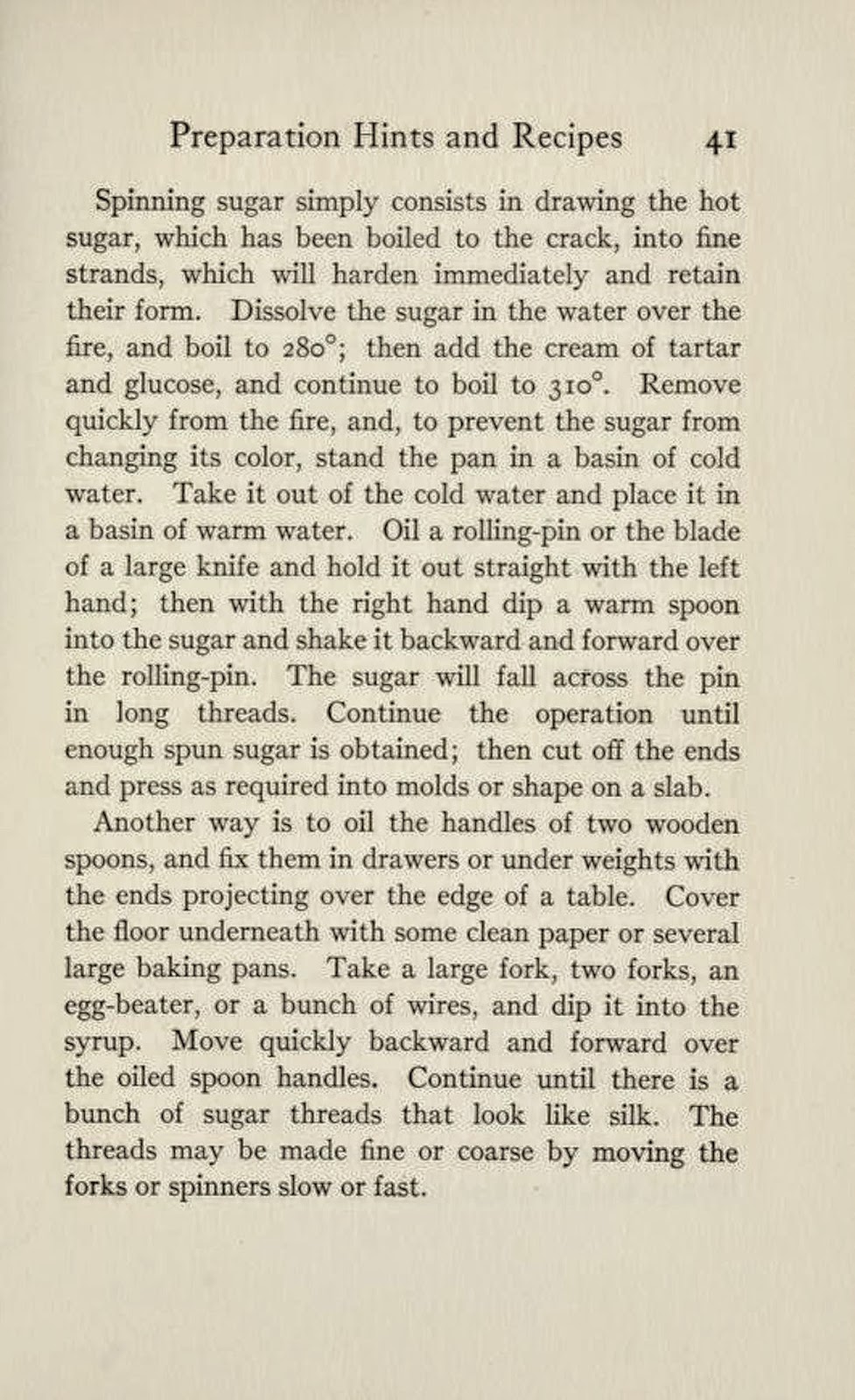
“HOW TO SPIN SUGAR” – Candies and bonbons and how to make them, 1913 by Marion Harris Neil 

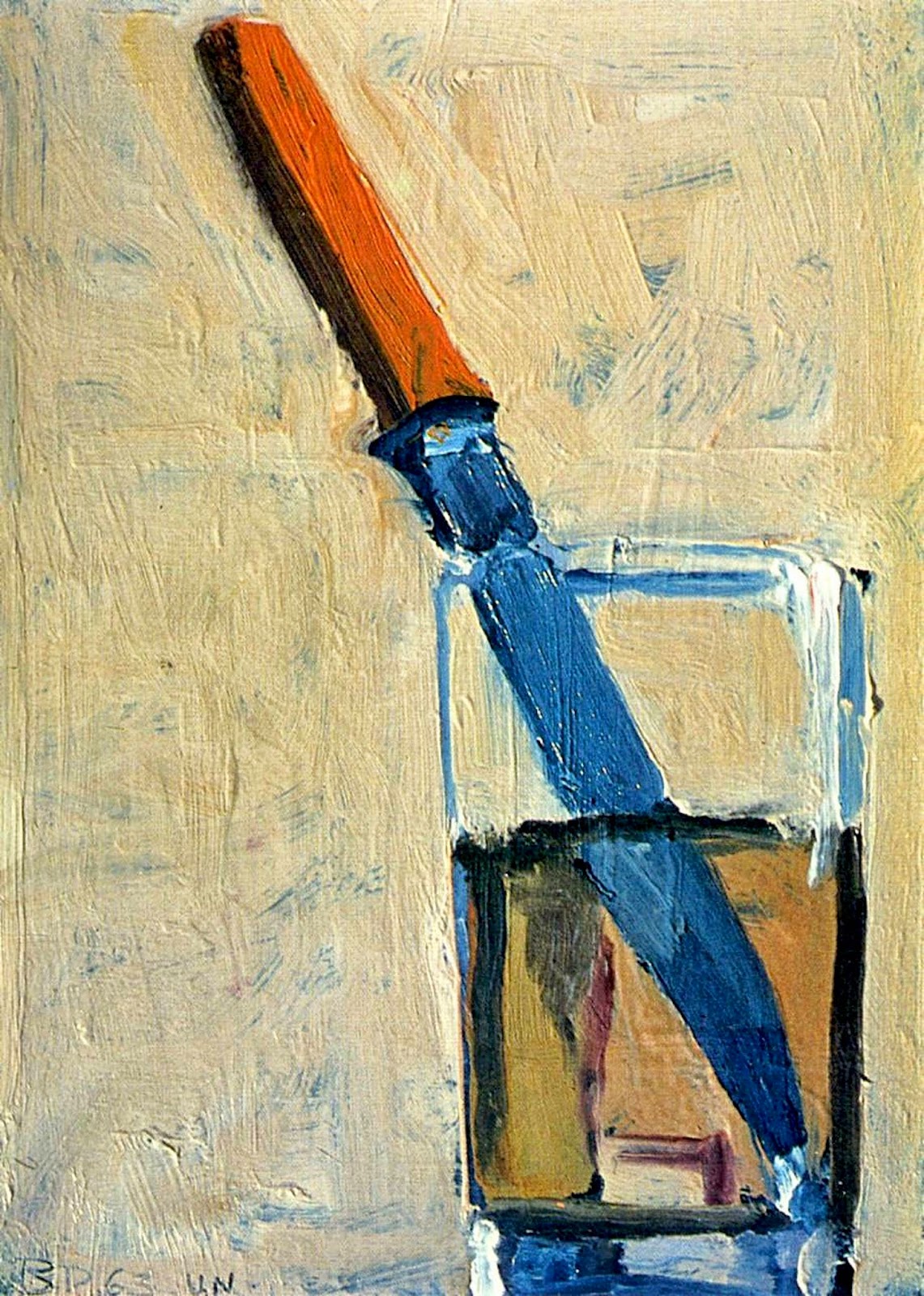
Knife and Glass

Richard Diebenkorn, 1963

When art critic Hilton Kramer visited the Poindexter Gallery in 1963, he was deeply impressed by the nerve of Richard Diebenkorn’s Knife in a Glass of that same year, a tiny still life hanging amid a welter of larger figurative canvases in the artist’s New York solo show.  “one hardly knows,” he pondered in his review, “wether to embrace its audacity – it is certainly a very beautiful painting – or shudder at such raked esthetic atavism.” 

The NotSoStill Life: A Century of California Painting and Sculpture 
by Susan Landauer, William H. Gerdts, Patricia Trenton