The Greatest Lady to ever Sing the Blues

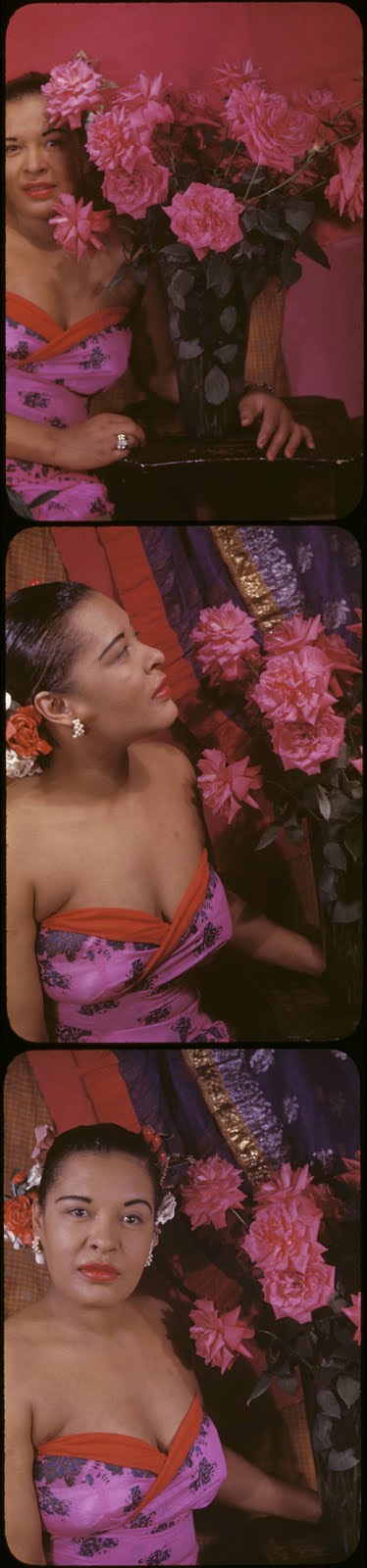
Carl Van Vechten ~ Billie Holiday, 1949

If I had to sing Doggie in the Window, that would actually be work.  But singing songs like The Man I Love or Porgy is no more work than sitting down and eating Chinese roast duck, and I love roast duck. – Billie Holiday

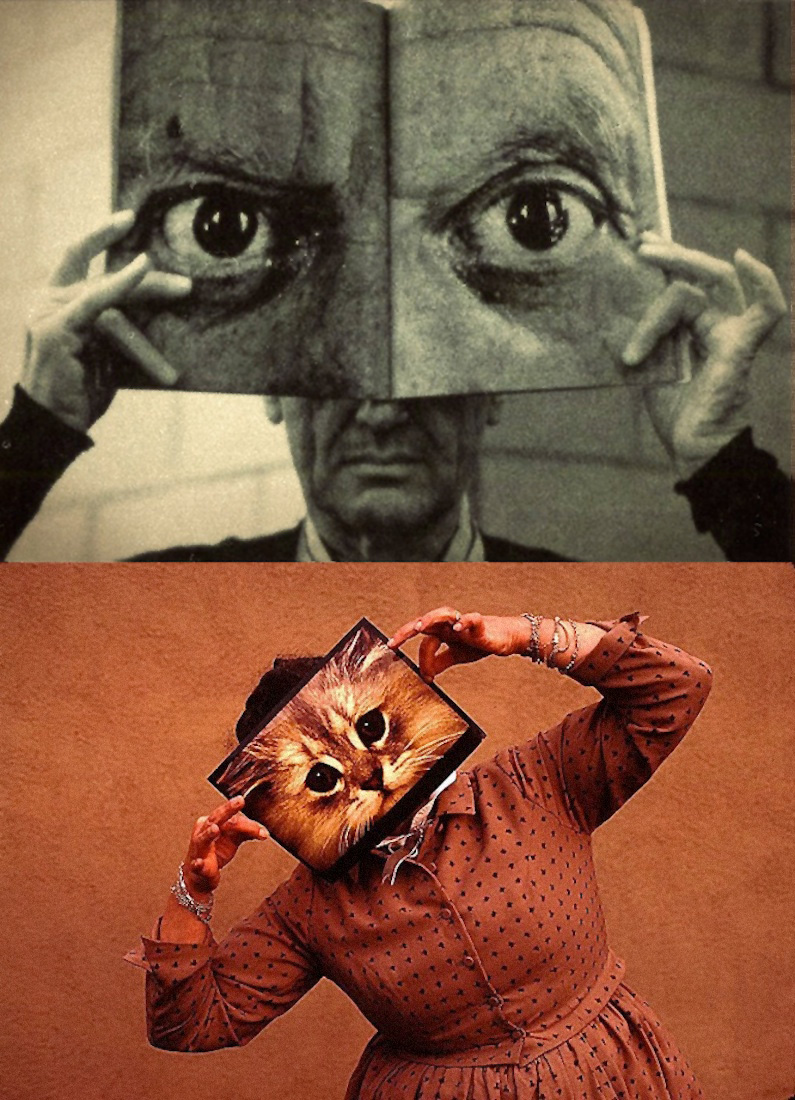
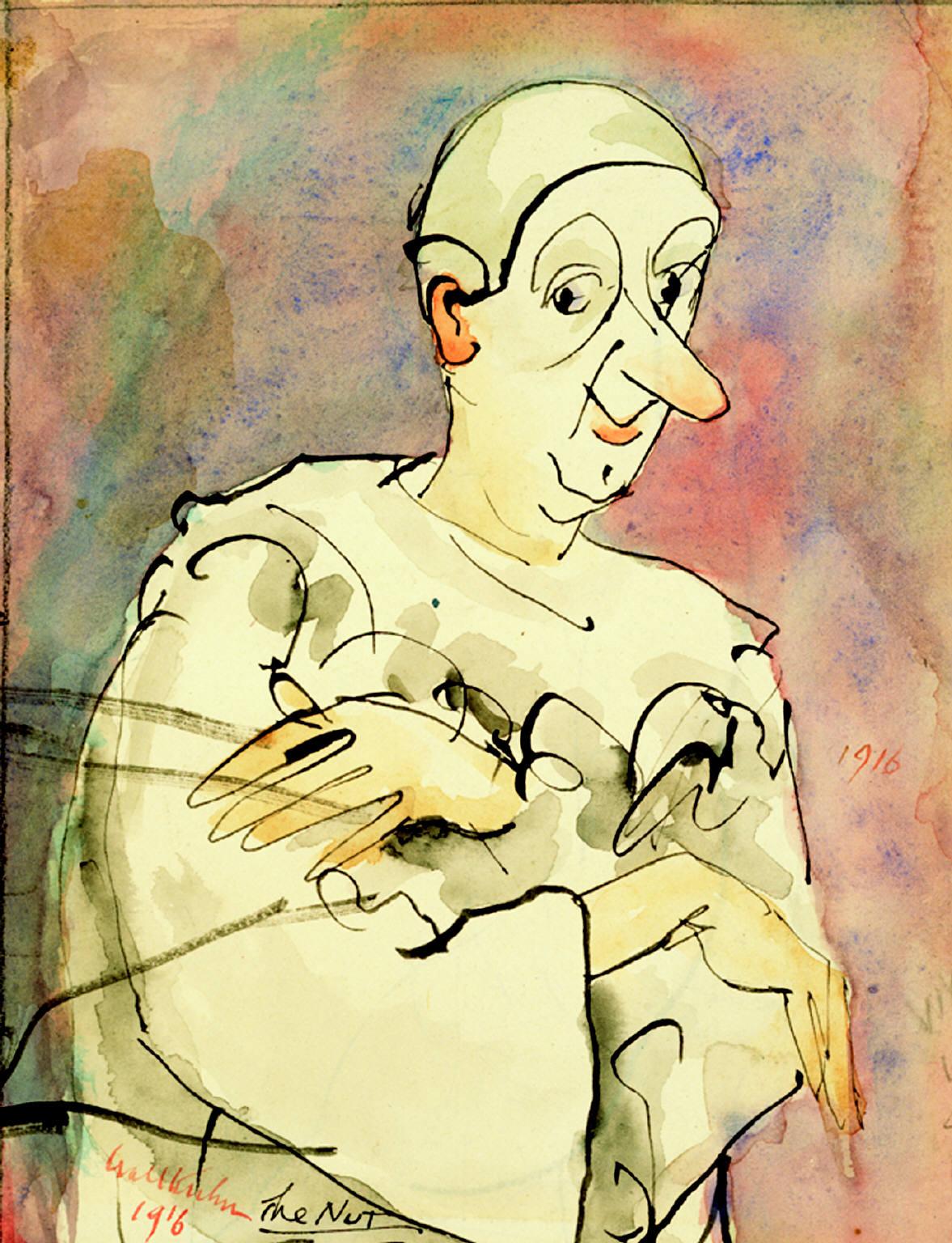
duo fantastique = Charles and Ray Aemes

peu d’hommes sont doués de la faculté de voir; il y en a moins encore qui possèdent la puissance d’exprimer.  
Charles Baudelaire ~ L’Art Romantique: Le Peintre de la vie Moderne, 1869
 

Not apples

René Magritte ~ Les Forces de l’Habitude, 1960

“Magritte,” said Daniel Filipacchi, “was both someone very serious, very bourgeois, and someone with a great sense of humor who knew how to laugh. He was rather complicated. In Max Ernst‘s dining room in Paris there was a painting by Magritte, entitled Force of Habit, in which a heraldic image of a large green apple is inscribed in English, “This is not an apple.” Max and Magritte had exchanged pictures, as artists often do. And Max, in the middle of the apple, had painted a cage with a bird inside. Below this cage, Max had written, “Ceci n’est pas un Magritte – signed Max Ernst.” It was pretty funny, at least I thought so. It transformed that painting by Magritte, which was a little boring, into something exceptional. The only problem is that when Magritte came and saw the picture, he laughed politely, but he hated it.”

➔  Carter B. Horsley – Surrealism: Two Private Eyes- The Nesuhi Ertegun and Daniel Filipacchi Collections – Solomon R. Guggenheim Museum [June 4 – September 12, 1999] From The Unconscious To The Irreverent

 René Magritte ~ This is not an apple, 1964
Wedding

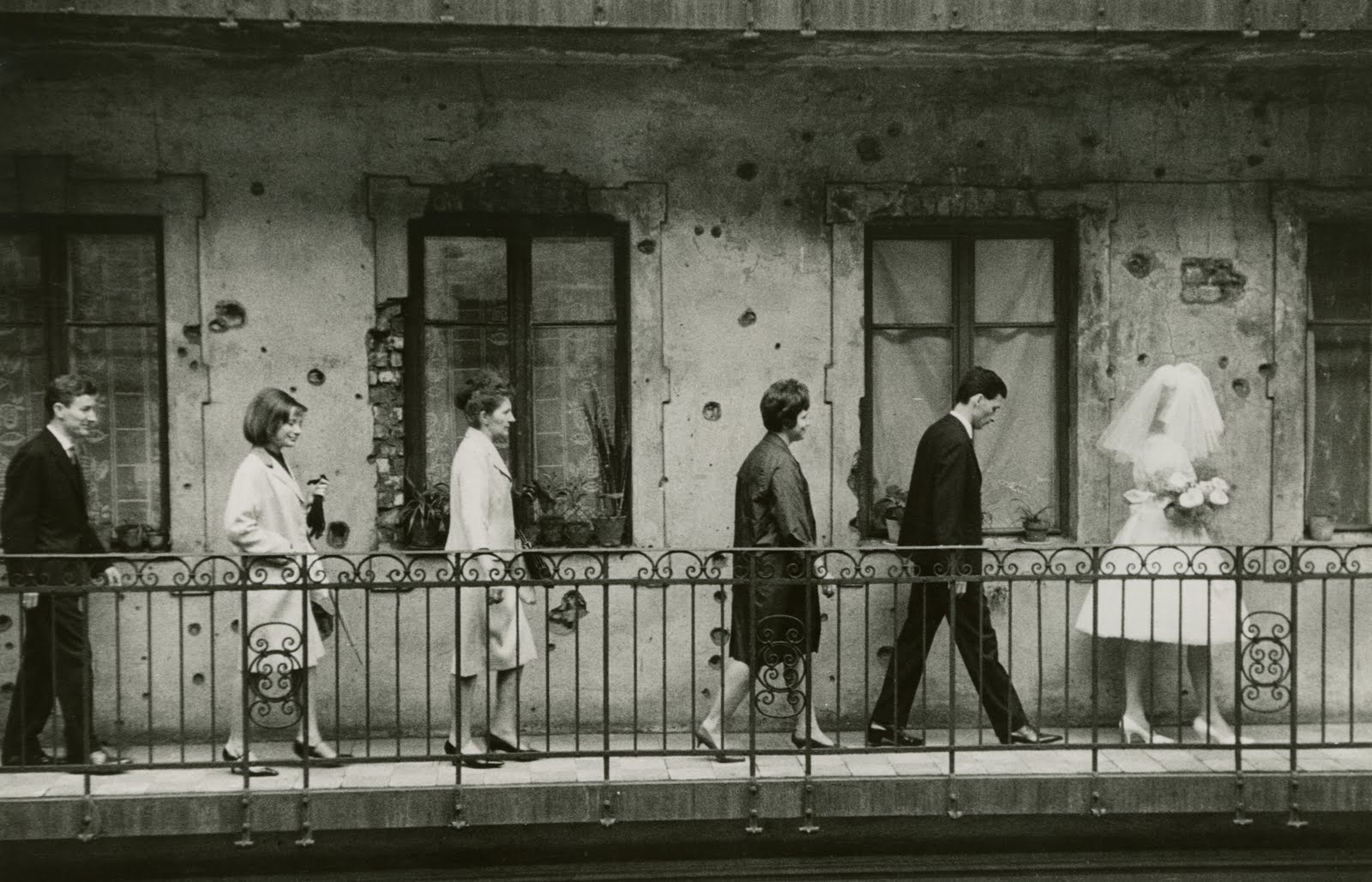
László Fejes ~ Wedding, Budapest 1965
This picture of the photographer’s sister and her guests on the way to her wedding won 1st Prize Most Artistic World Press Photo in 1965, but because it showed bullet holes from the 1956 revolution on the wall of the  building, Fejes was for years banned from publishing his photographs.

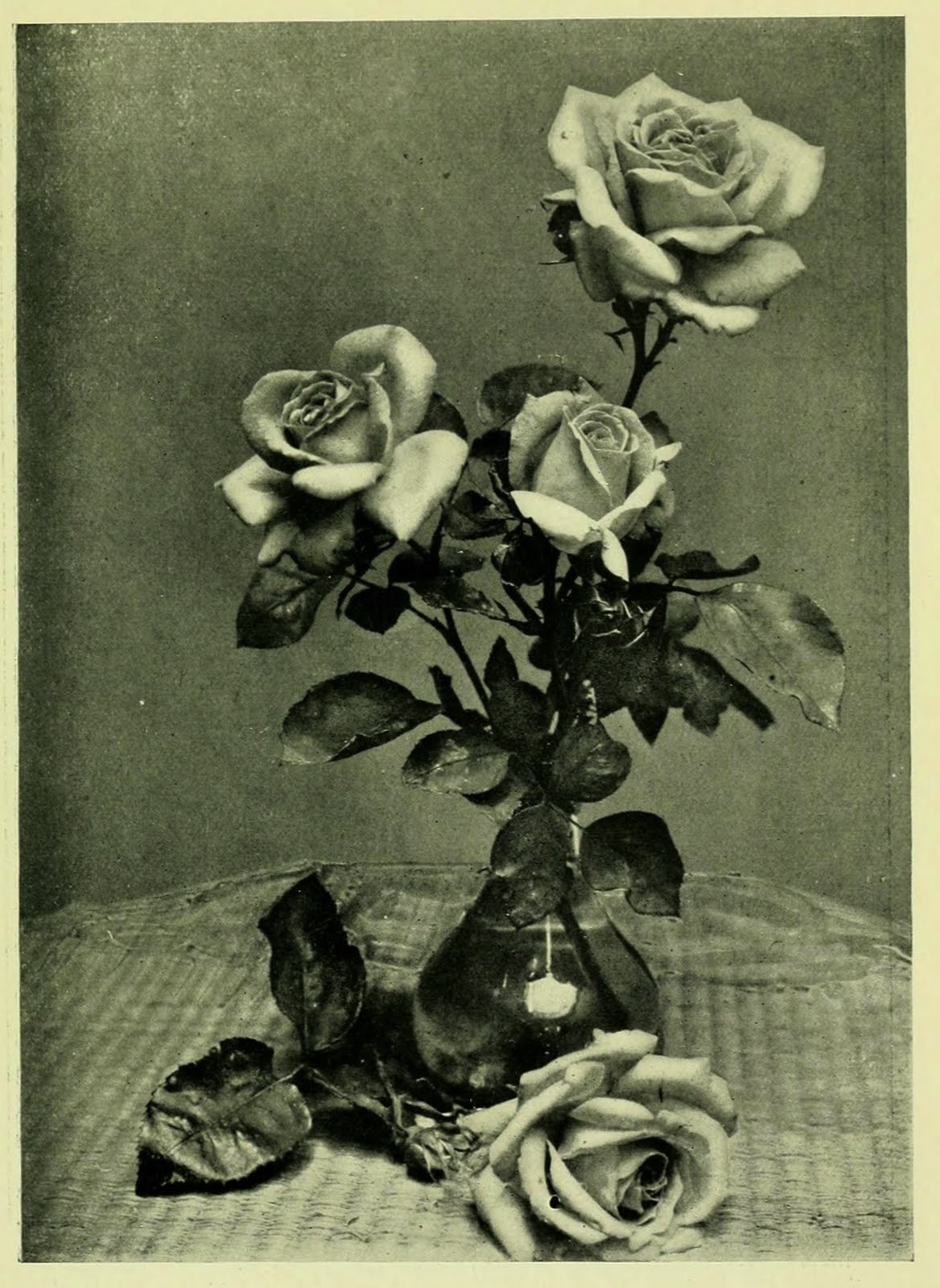
Robert Duncan

Robert Duncan is a generous-flowering Rose, the blossoms of which are large, perfectly formed and graceful in their proportions.  The petals are large, shell-shaped and curly.  The plant attains moderate size, but is of sturdy formation.  The color — light scarlet or rosy lake — is delicate from the first faint streaks observable, as the buds begin to open, until the petals fall.  When planted in masses the effect is decidedly pleasing.  [Samuel Todd Walker, 1913 Biltmore Roses]