Darn that dream

‘Somehow, I suspect that if Shakespeare were alive today, he might be a jazz fan himself.’ — Duke Ellington
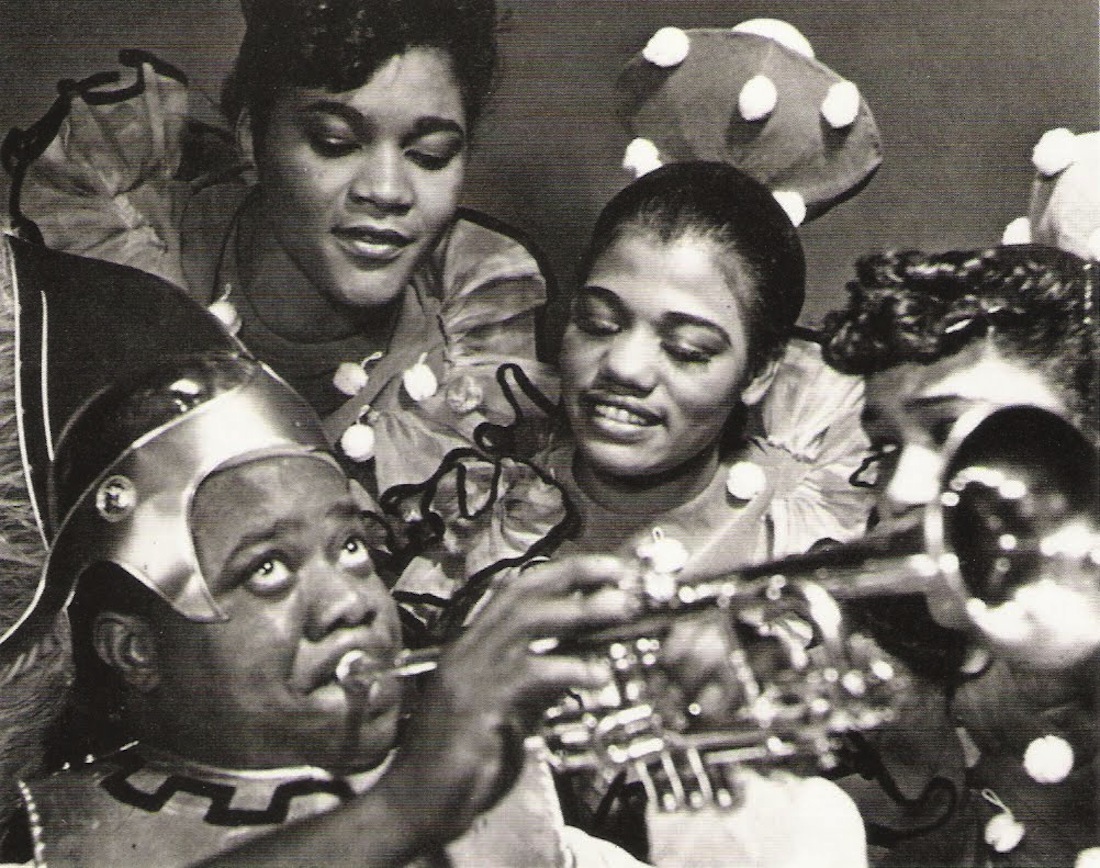
 Lucien Aigner ~ Louis Armstrong as Bottom in the stage musical Swingin’ the Dream, a jazz version of William Shakespeare’s A Midsummer’s Night Dream, 1939


~~~~~
Darn that dream I dream each night.
You say you love me and hold me tight,
But when I awake and you’re out of sight,
Oh, darn that dream.

Darn your lips and darn your eyes,
They lift me high above the moonlit sky,
Then I tumble out of paradise–
Oh, darn that dream.

Darn that one-track mind of mine,
It can’t understand that you don’t care.
Just to change the mood I’m in,
I’d welcome a nice old nightmare.

Darn that dream, and bless it, too.
Without that dream I’d never have you.
But it haunts me, and it won’t come true,
Oh, darn that dream.


music by Jimmy Van Heusen
lyrics by Eddie DeLange

Mr. Rose

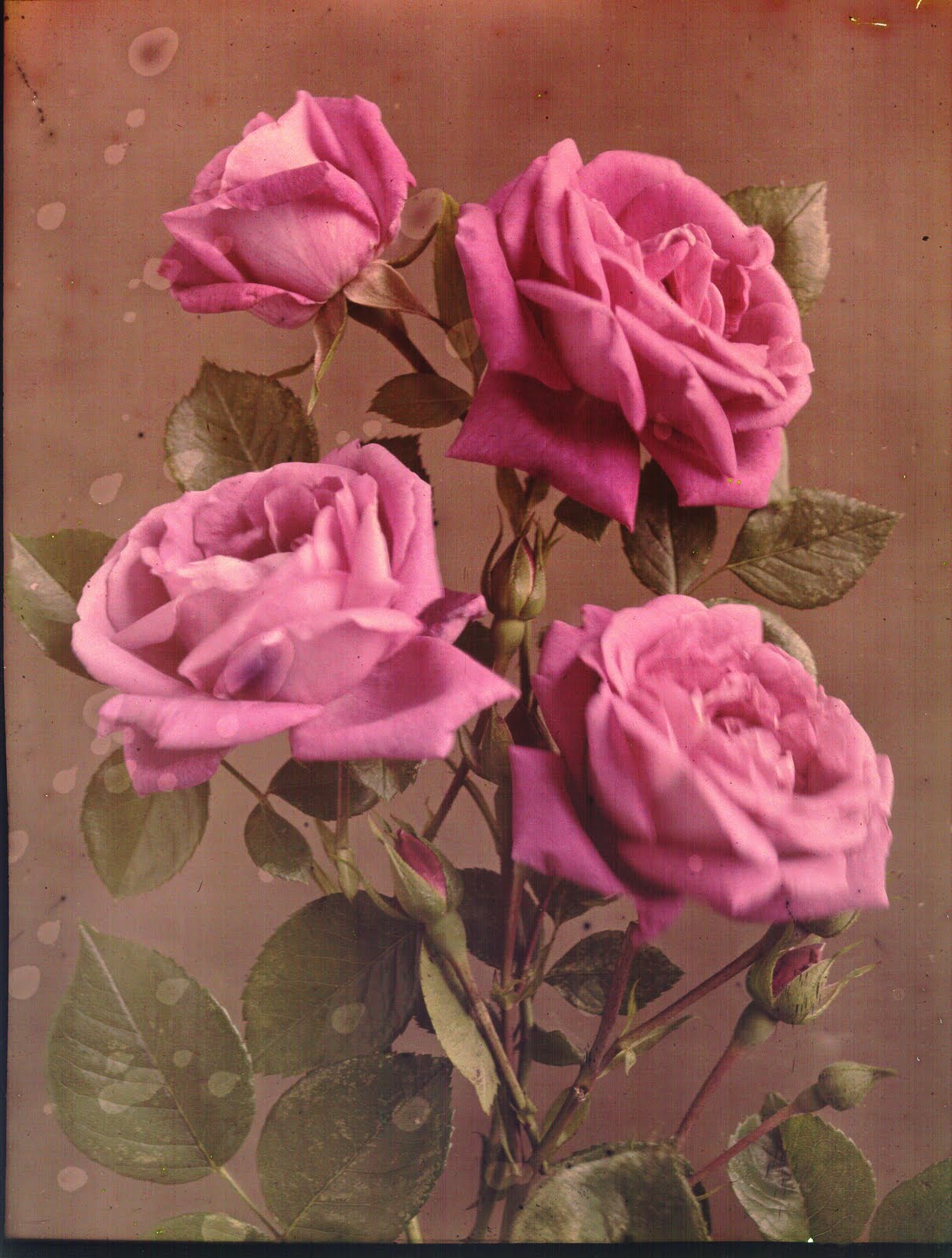
 J. Horace McFarland ~ Rose-Climbing American Beauty, 1911  [Pennsylvania State Archives]
➔  ExplorePAHistory.com


‘I should like no better epitaph than that it might be said, after I have passed along to other labors, that here dwelt a man who loved a garden, who lived in and grew with it, and who yet looks upon  it, even from afar, as a garden growing for all who love the beauties of God’s green earth.’  J. Horace McFarland ~ My Growing Garden, 1915

Pandora

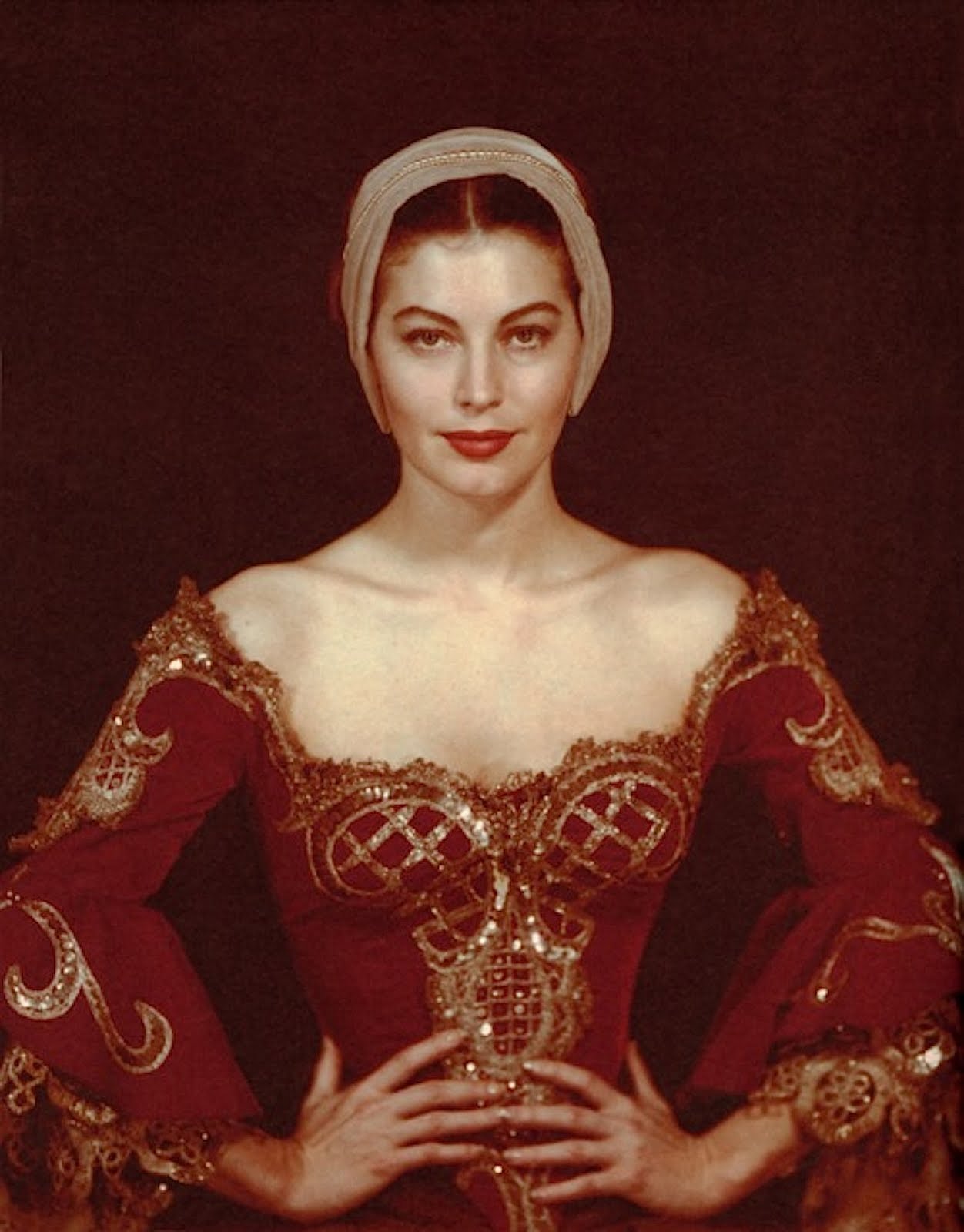
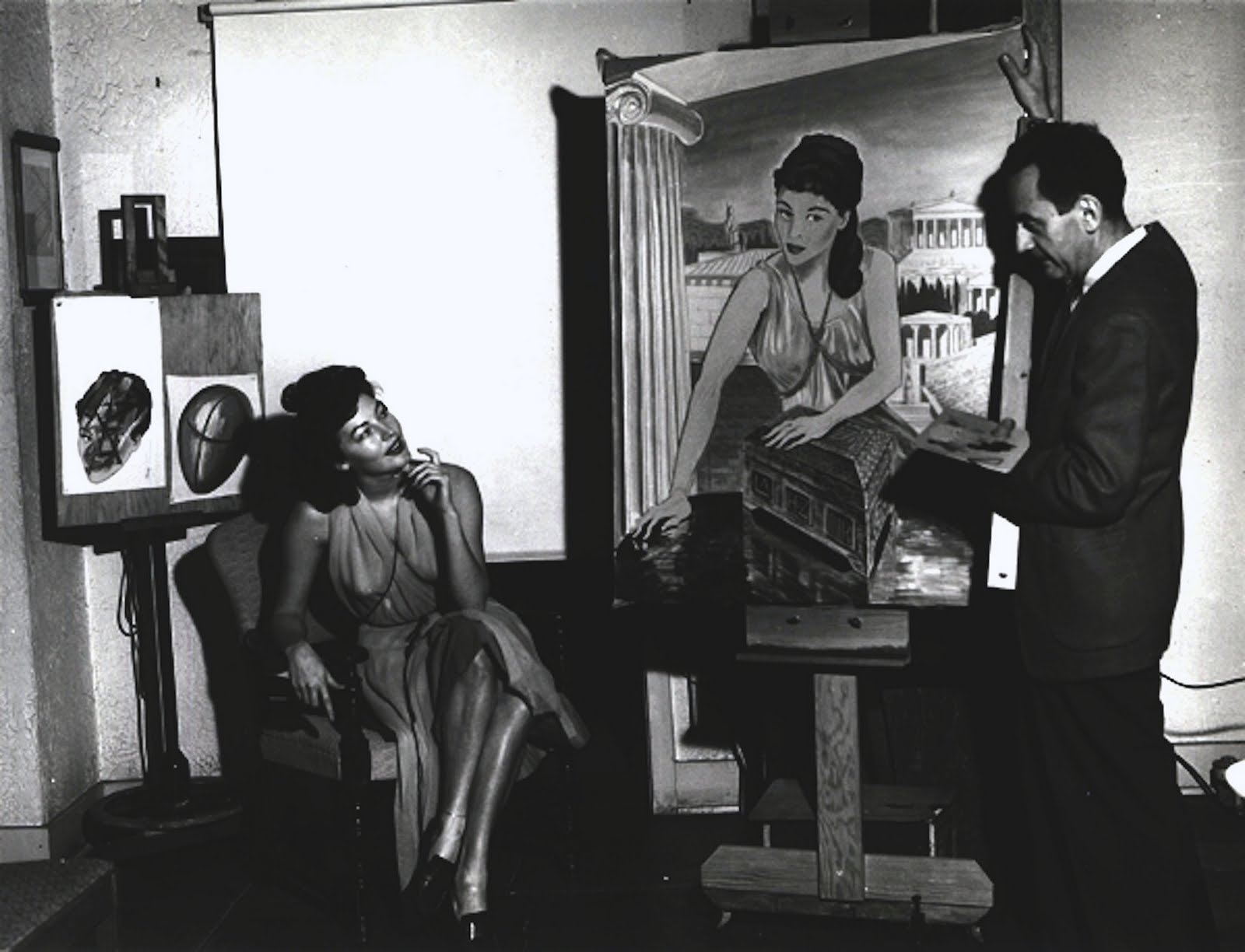
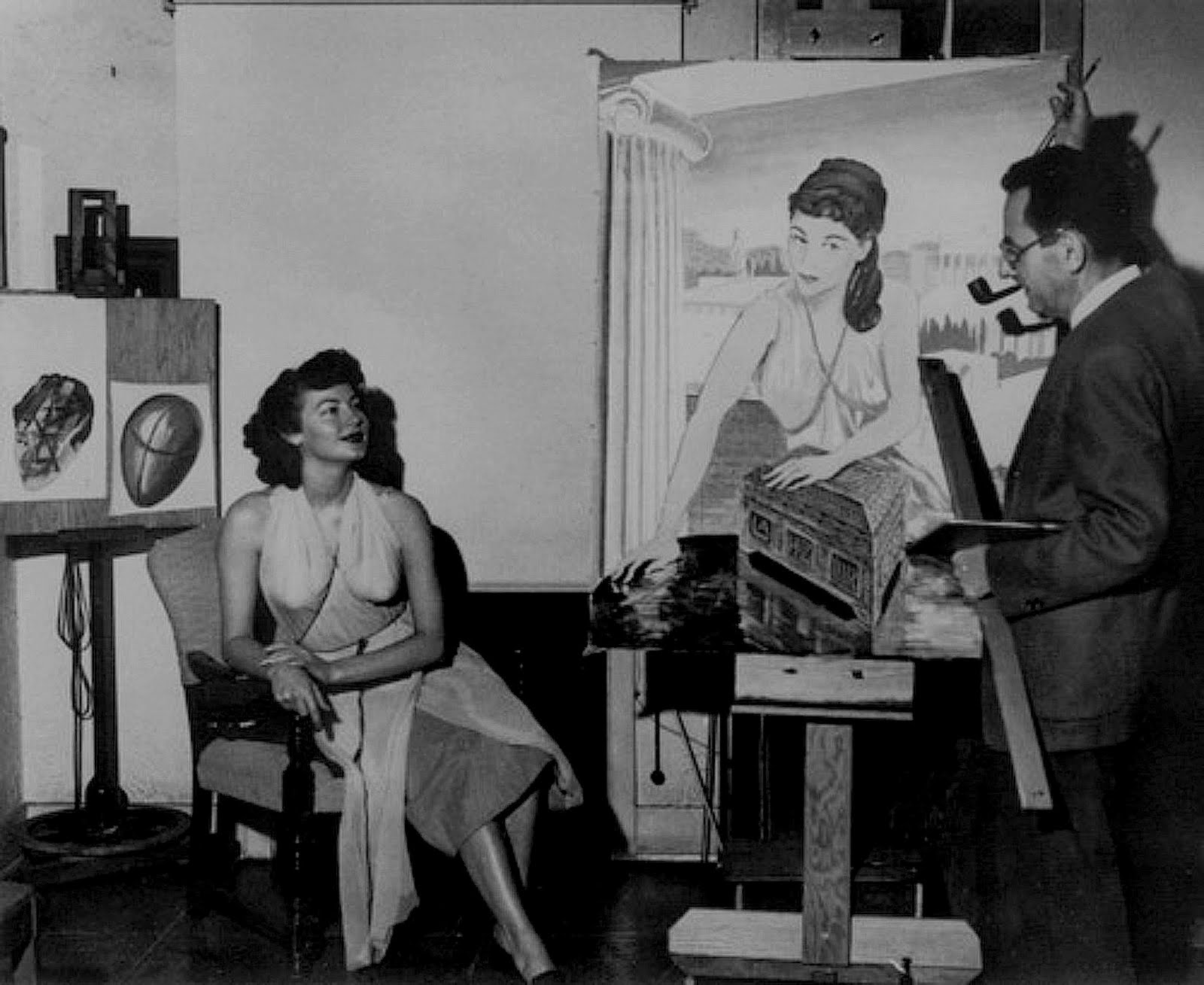
Man Ray ~ Ava Gardner, 1950
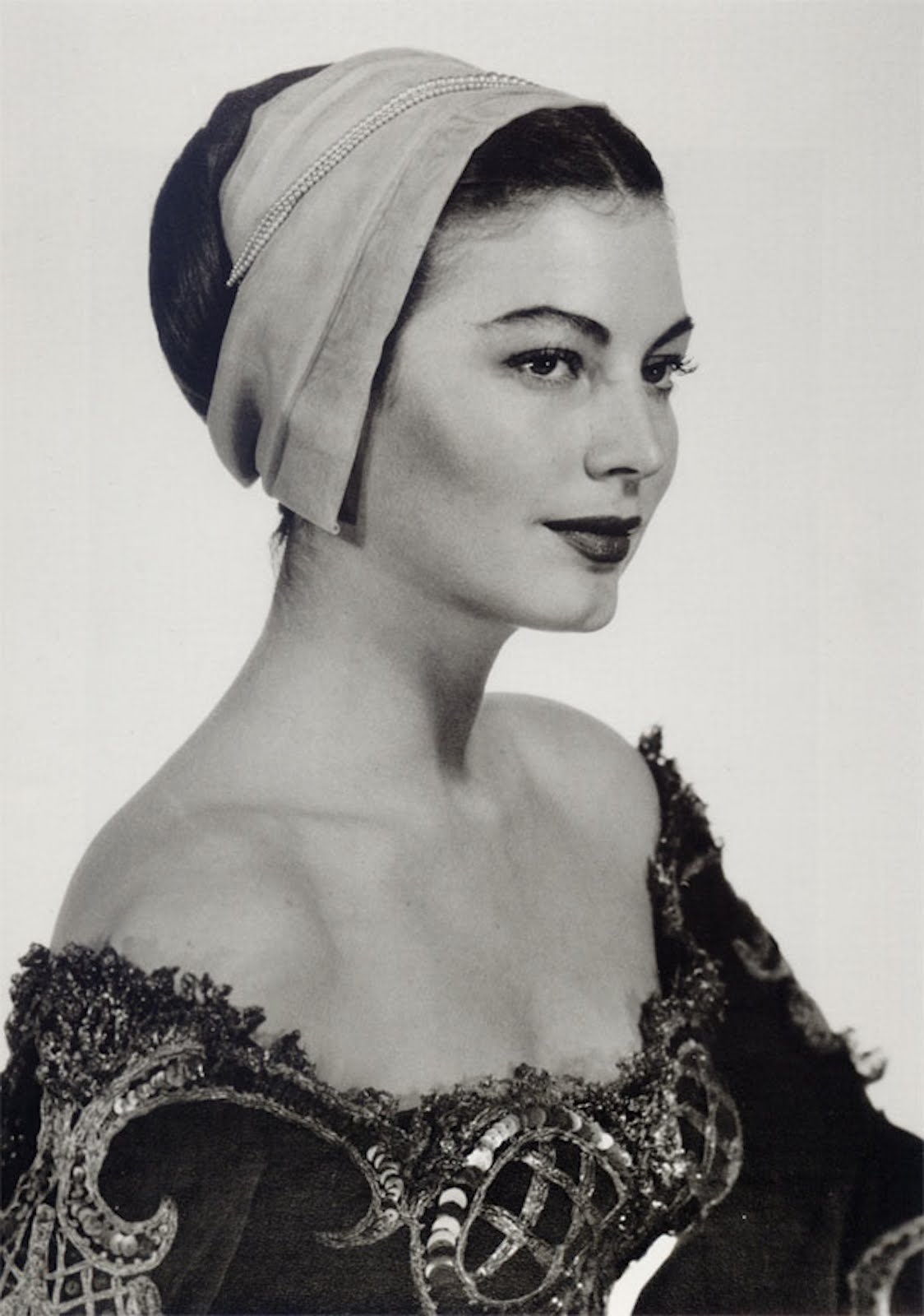
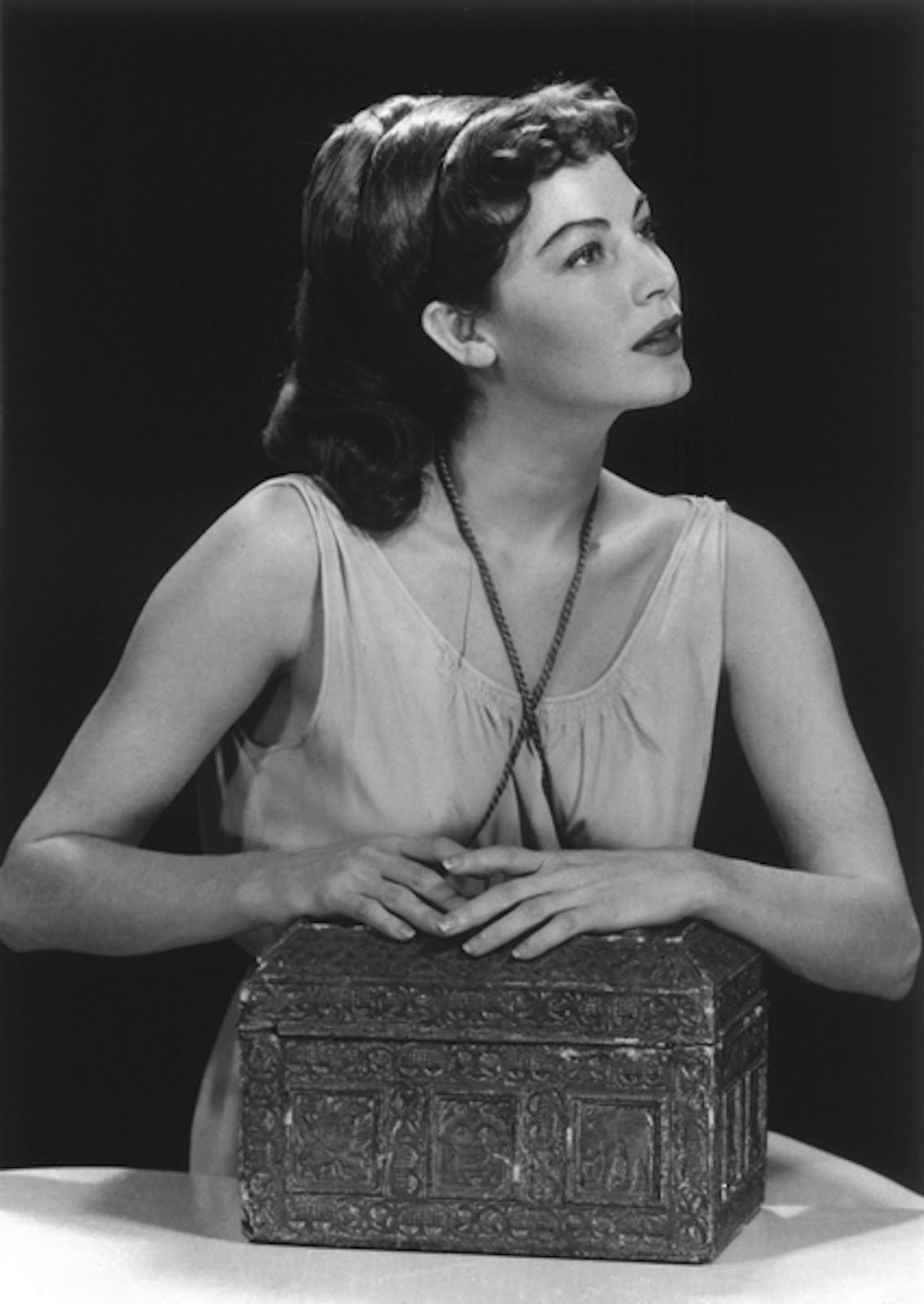
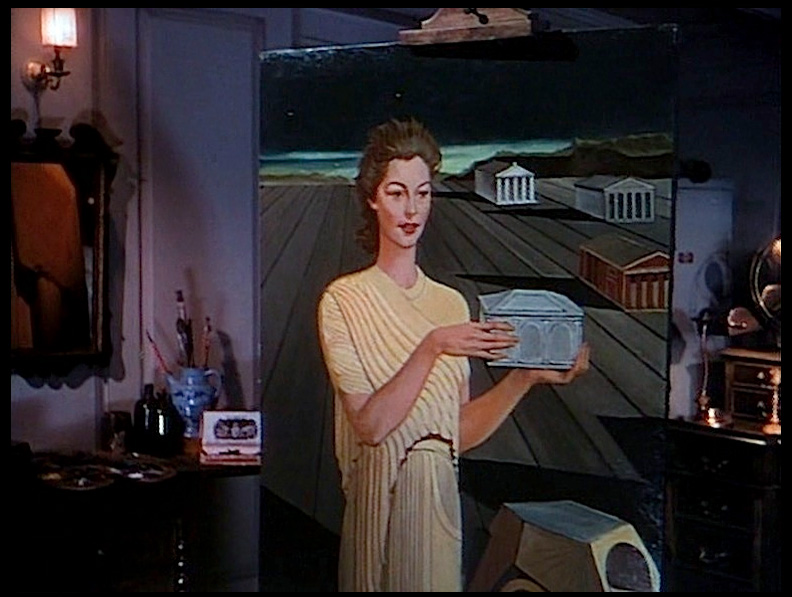
 Albert Lewin tried to find work for Man Ray in Hollywood, finally getting him a job on one of the last films Lewin made in America, Pandora and the Flying Dutchman.  Lewin needed a color photograph of Ava Gardner in her period costume.  “She was absolutely ravishing,” Man Ray said of Gardner.  “no film, I thought, had ever done her justice.  And as a model, no one in my experience with mannequins and professionals surpassed her.”  Man Ray felt that Gardner posed for still photography as if before a movie camera.  In fact the portrait appears in the films as if it were a painting.  ➔ The Bad and the Beautiful: Hollywood in the Fifties by Sam Kashner and Jennifer Macnair

Although she sat for Man Ray, Gardner’s portrait intended for the film was rejected and replaced with a more de Chirico-esque painting by set designer Ferdinand Bellan

Ray’s color photograph was used as a portrait miniature.

Vanitas

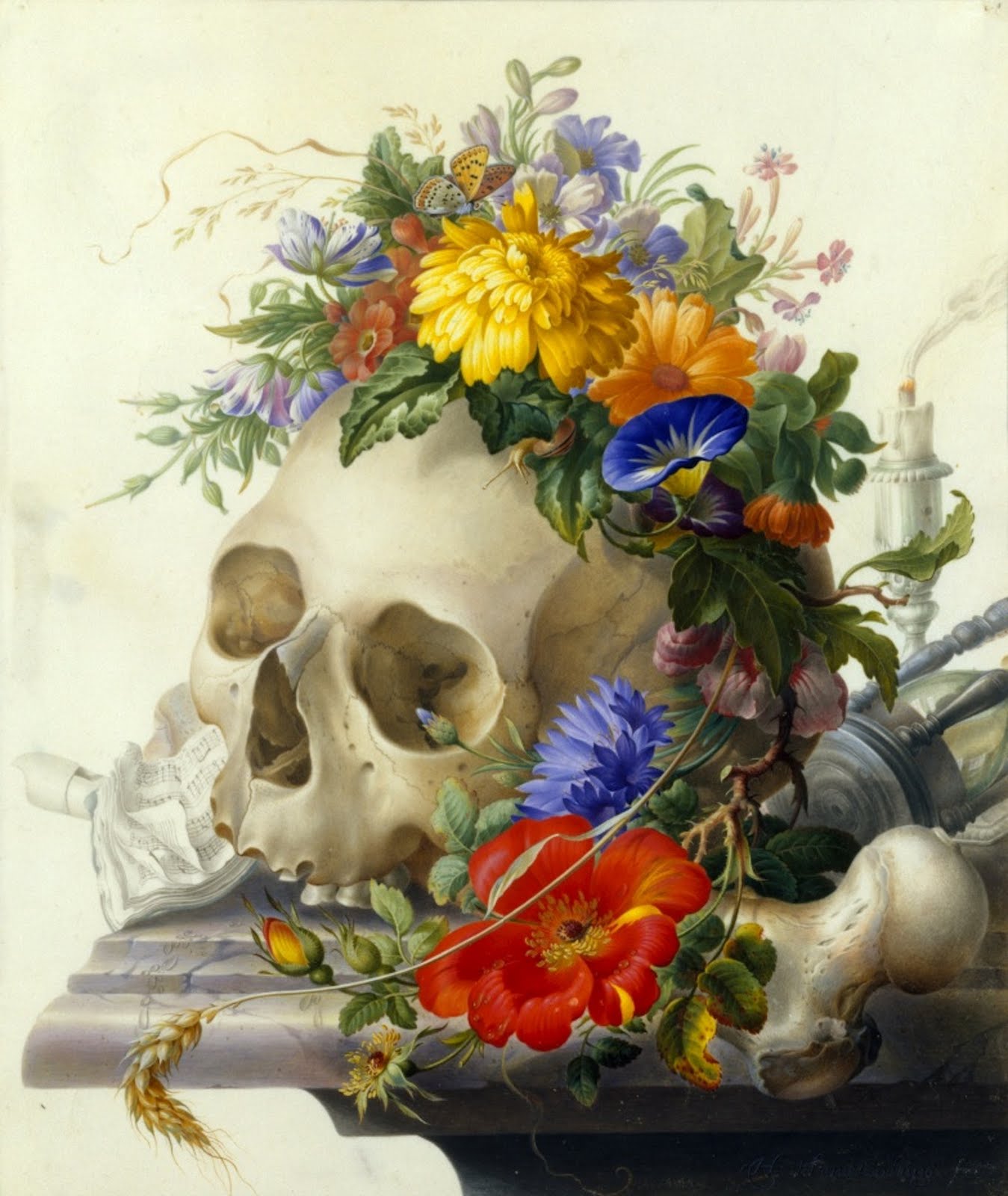
Herman Henstenburgh, ca. 1700
Herman Henstenburgh [1667 – 1726], together with his teacher Johannes Bronckhorst and son, Anton Henstenburgh, was one of a trio of notable natural history artists from the Dutch town of Hoorn, who also worked, perhaps primarily, as pastrybakers. These three artists define Dutch natural history drawing of the period around 1700, standing as a crucial stylistic link between the generally more scientifically motivated drawings of the 17th century, and the greater emphasis on decoration often seen in the works of subsequent generations.
 
From the time of the Tulip Mania, if not before, Dutch natural history draughtsmen had, perhaps in contrast to their painter colleagues, sought above all else to record and document faithfully the rich variety of species of the natural world, and even though their drawings were often very beautiful, they served primarily as catalogues of the contents of various collections of naturalia. Yet unlike their predecessors, Bronckhorst and Henstenburgh rapidly moved on from making drawings that simply recorded the appearance of a particular plant or animal, to making complete compositions which, while generally very accurate in terms of natural history, were clearly conceived first and foremost as decorative independent works of art.
 
Henstenburgh soon achieved a technique of astonishing virtuosity, in which immense refinement of touch and mastery of color combine to produce some of the most beautiful natural history watercolors of the period.  His work was much sought
after at the time by Dutch and foreign collectors. For example, by 1700 Cosimo III de’ Medici already owned three of his drawings.

Snowy the Mouse Man

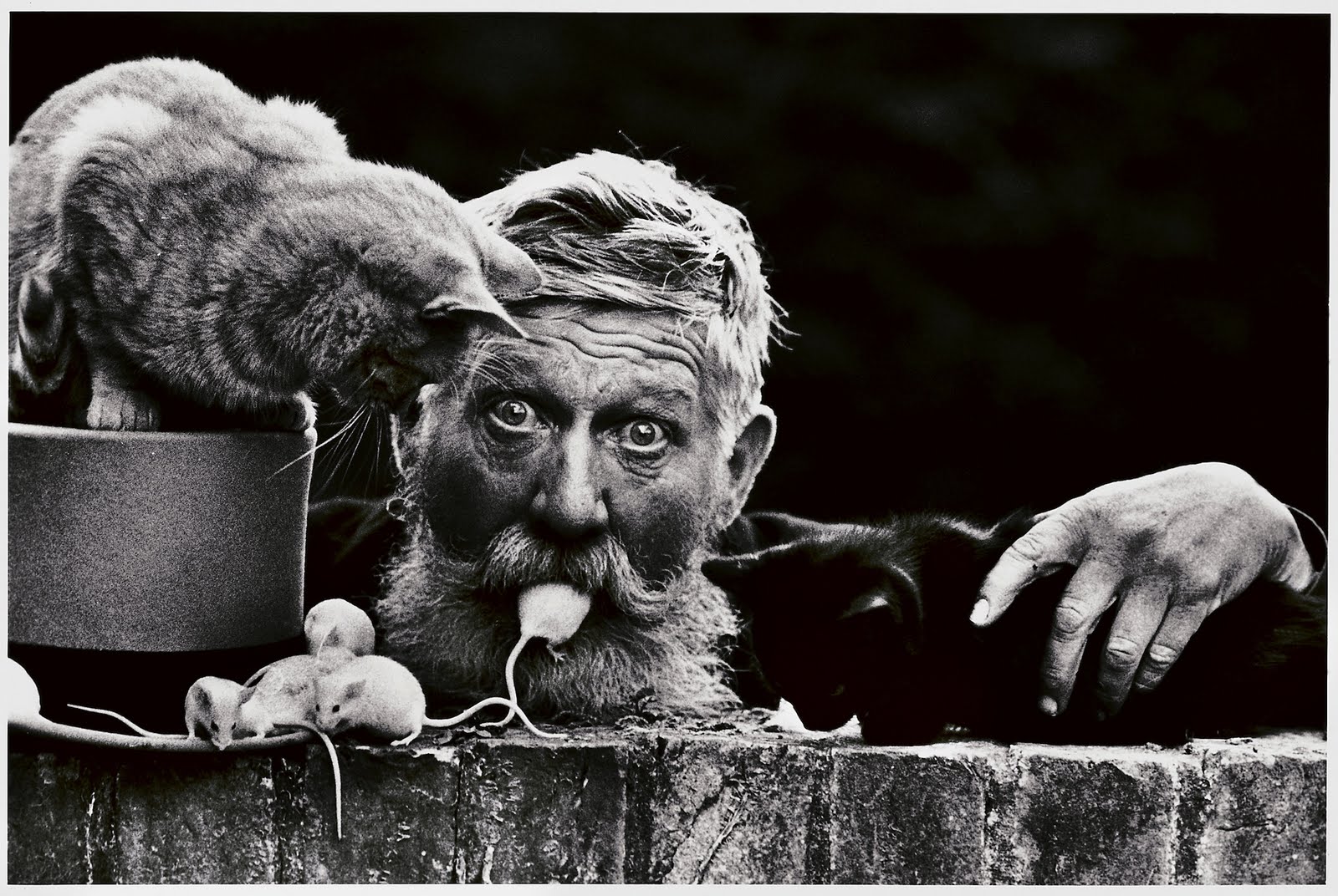
Don McCullin ~ Snowy, Cambridge 1973

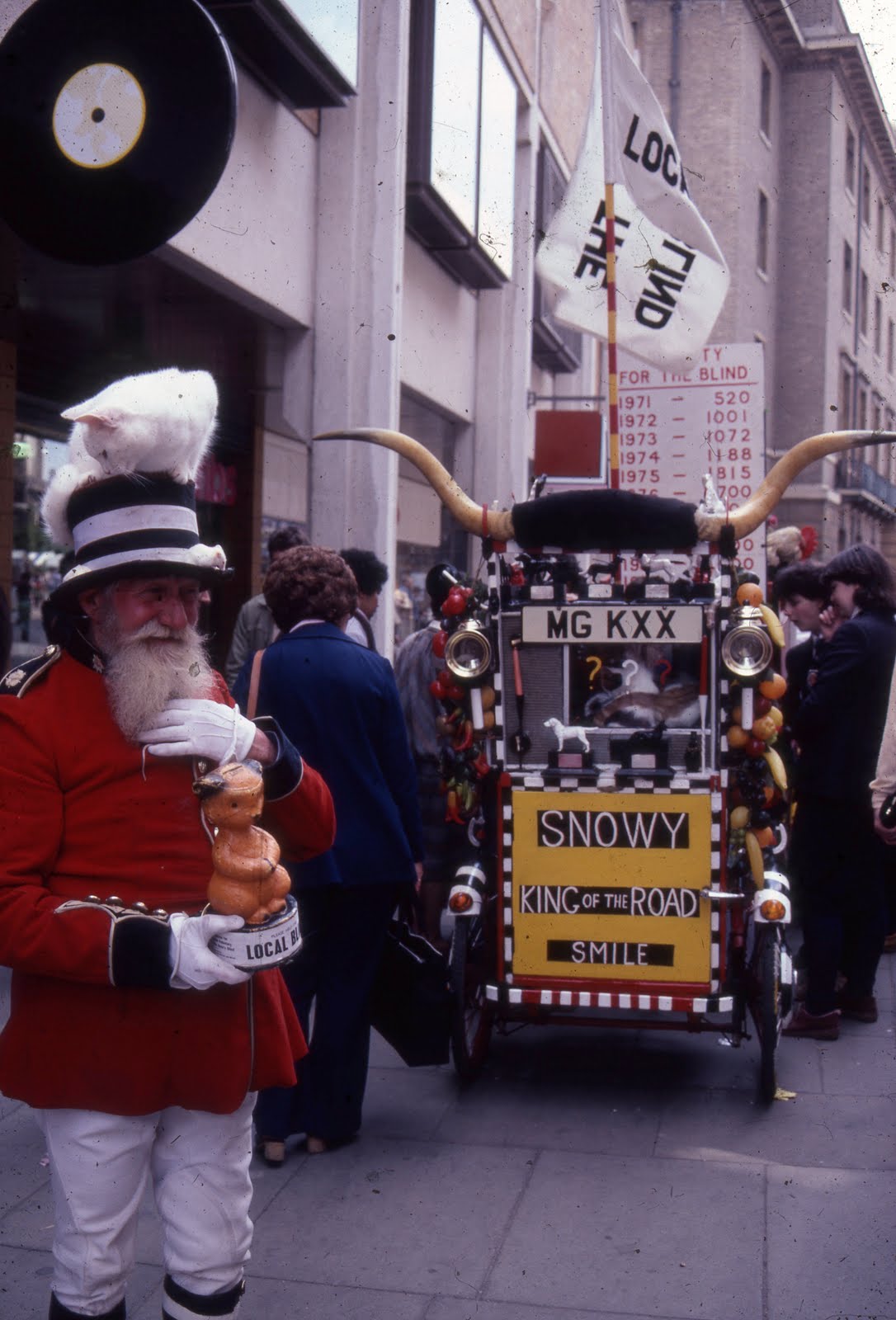
In November 1995, ex-army man, Walter ‘Snowy’ Farr received an MBE from the Prince of Wales for his tireless fundraising activities for Guide Dogs for the Blind.  Snowy wandered the streets of Cambridge accompanied by his menagerie of birds and animals, which included doves, rabbits, cats and white mice – the latter running round the brim of his hat or climbing in and out his mouth.

   Snowy Farr MBE 
Photos taken on August 5, 1979 in New Chesterton, Cambridge, England, GB    Feggy Art

fortune-teller

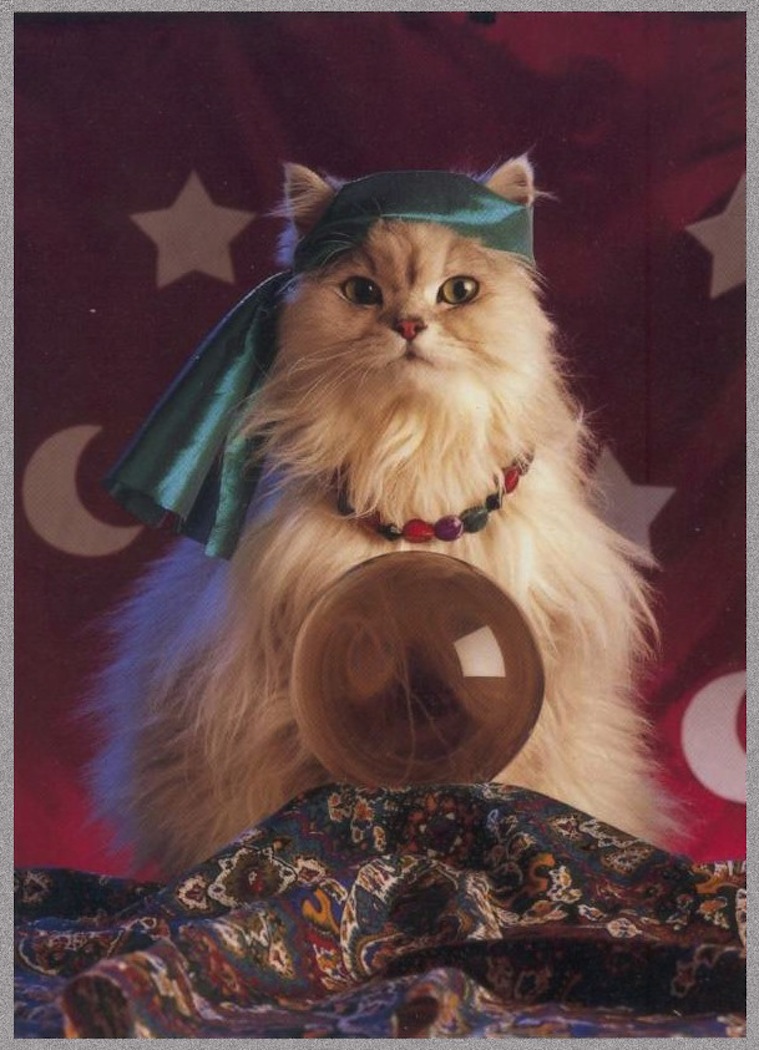
If you have any questions to ask—ask them freely—and if it be in my power, I will answer without reserve—without reserve.
I asked a few questions of minor importance—paid her $2 and left—under the decided impression that going to the fortune-teller’s was just as good as going to the opera, and cost scarcely a trifle more—ergo, I will disguise myself and go again, one of these days, when other amusements fail. 
 
Mark Twain ~ Fragment of a letter to his brother Orion Clemens New Orleans, February 6, 1861 
[The clairvoyant of this visit was Madame Caprell, famous in her day.  Fee was $2; address, 37 Conti Street]

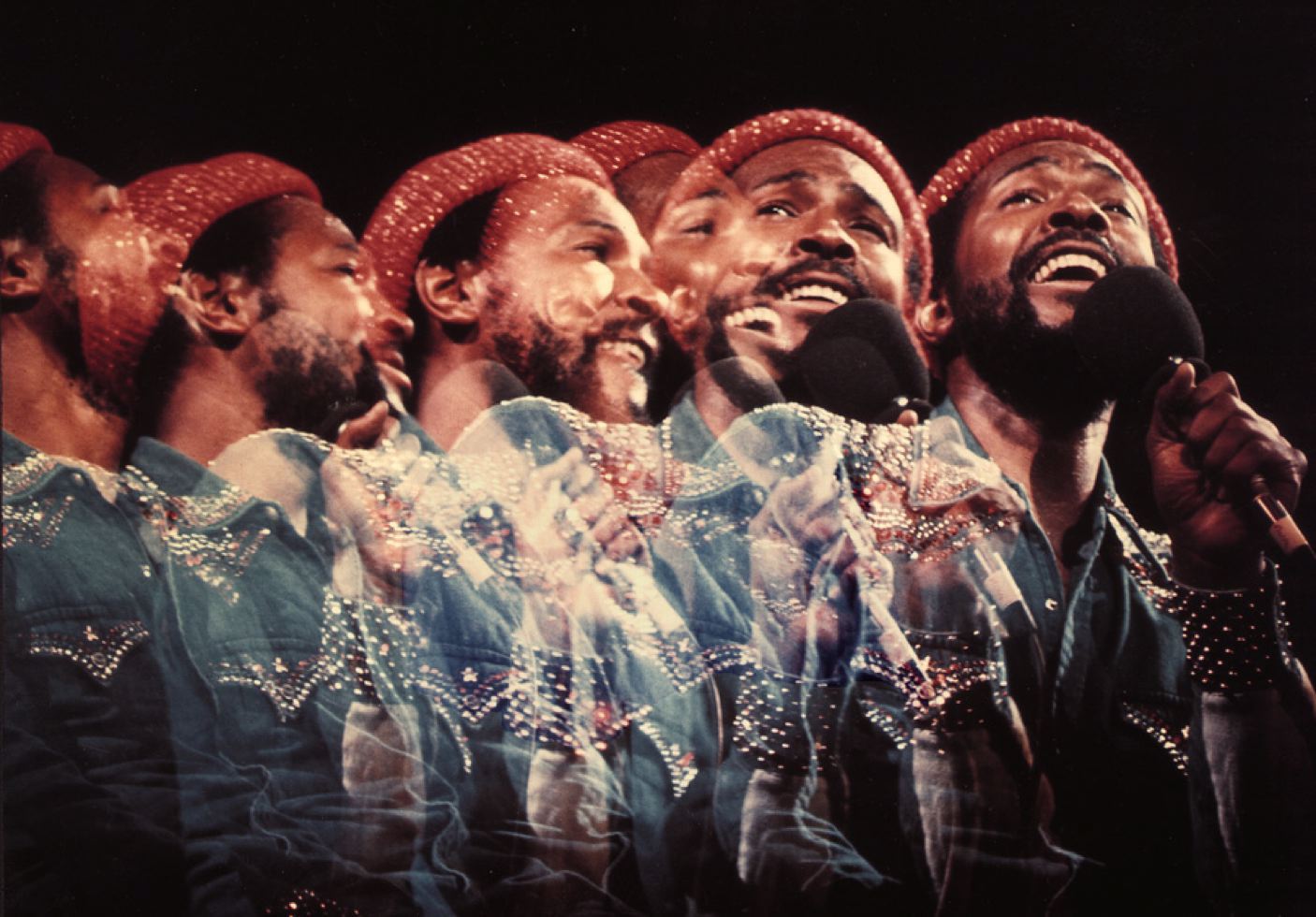
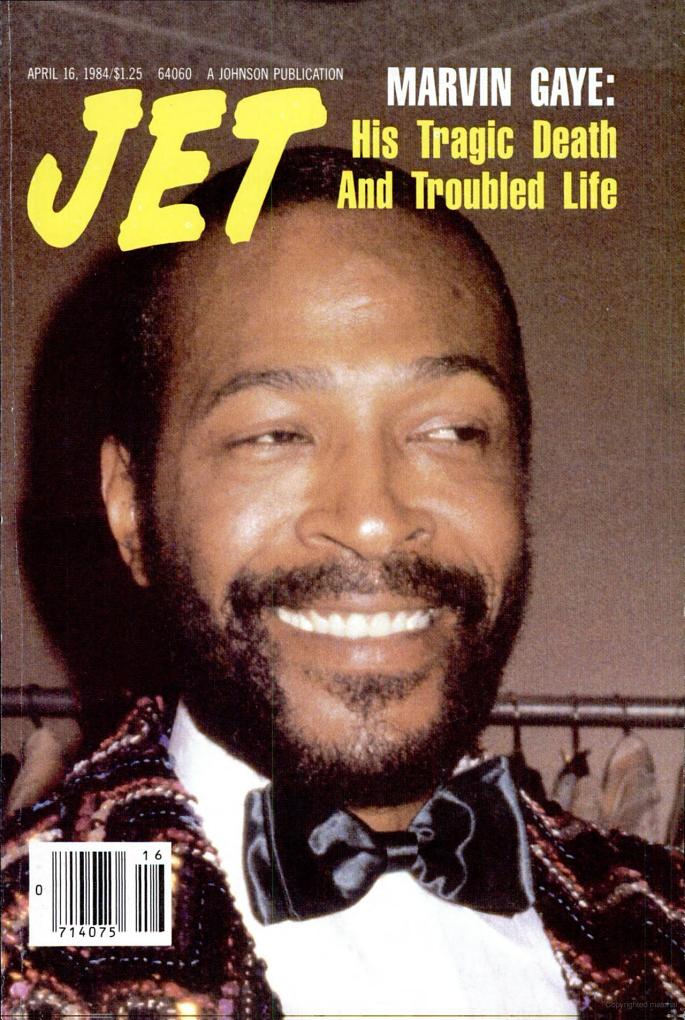
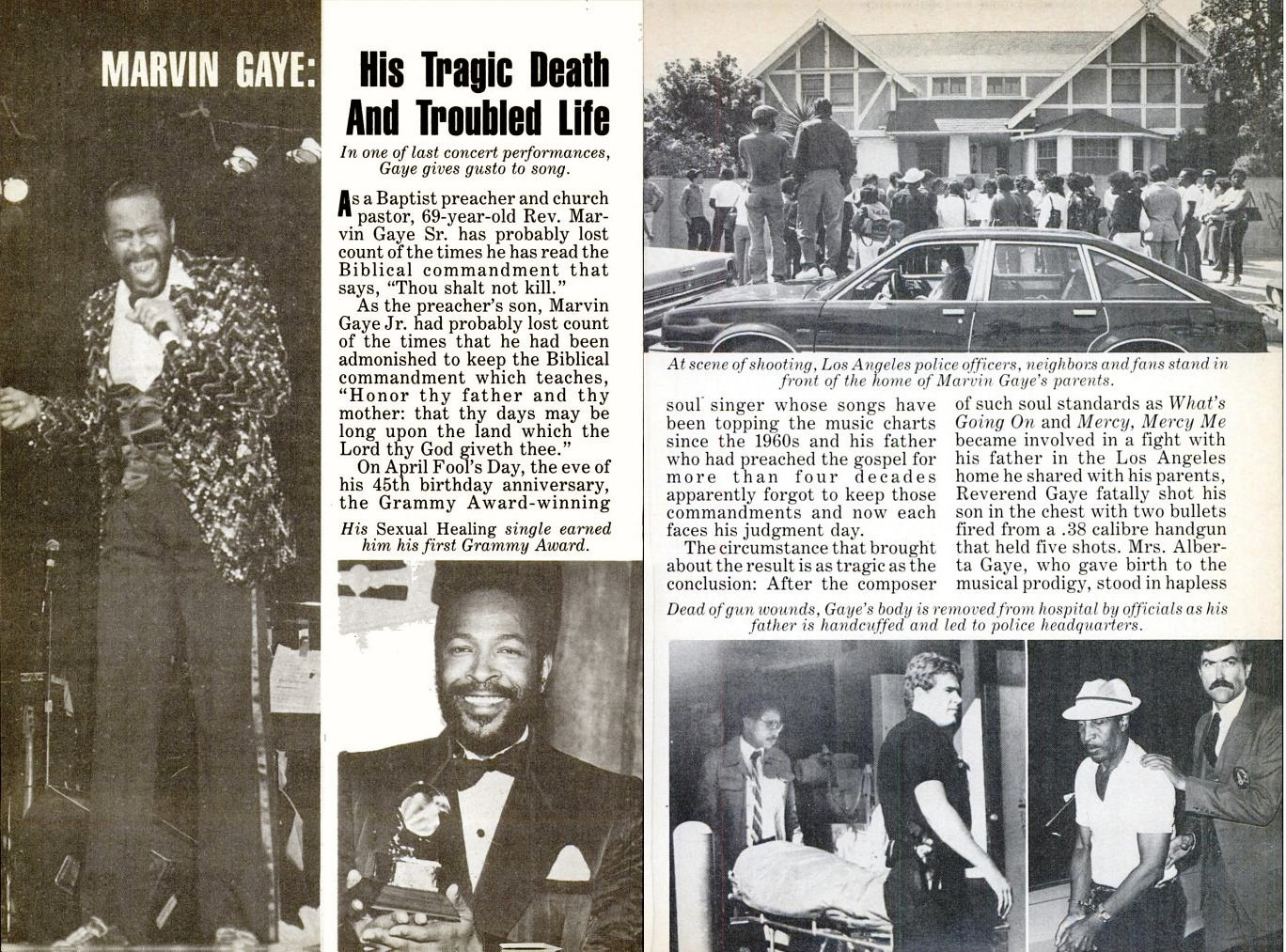
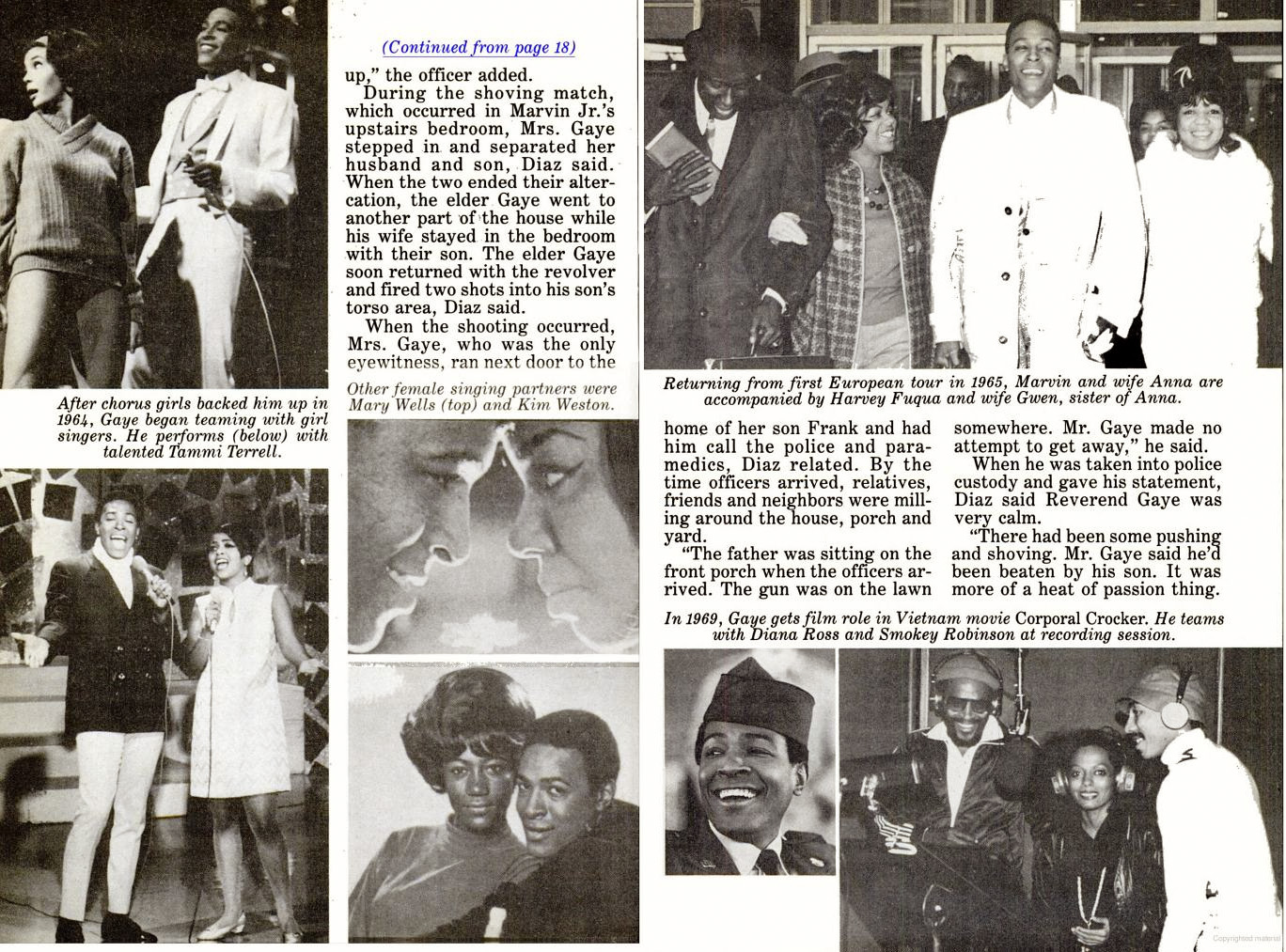
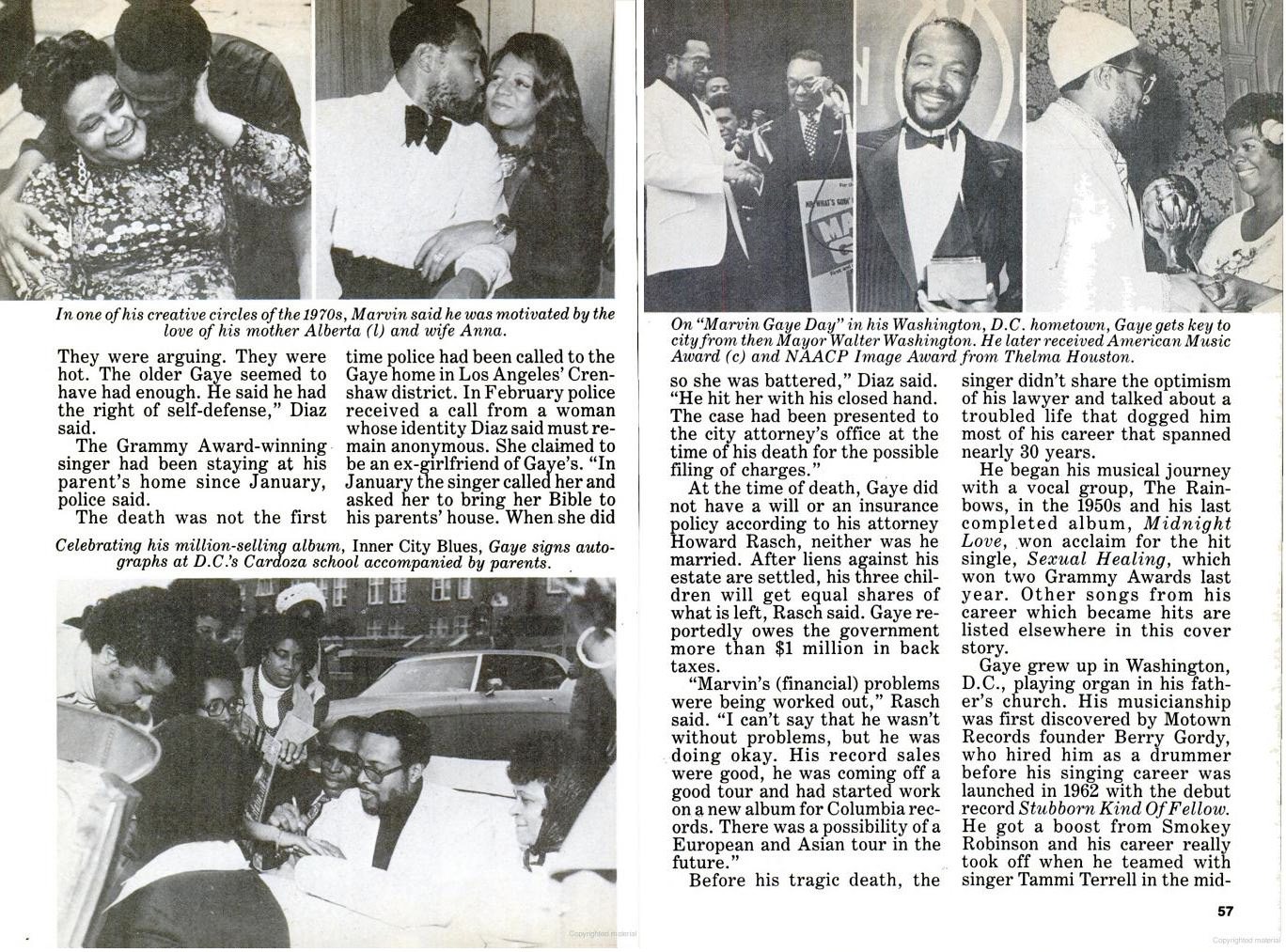
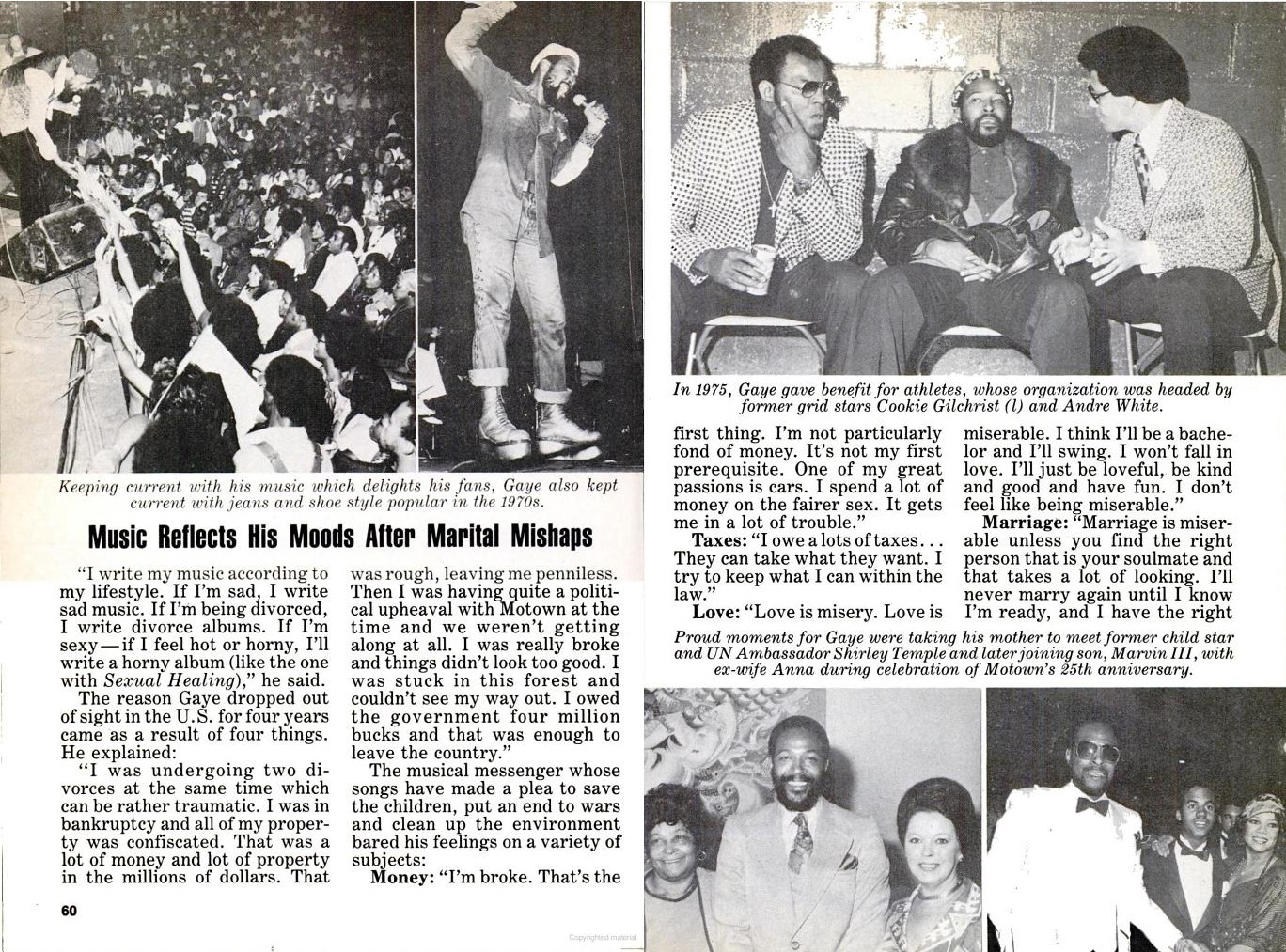
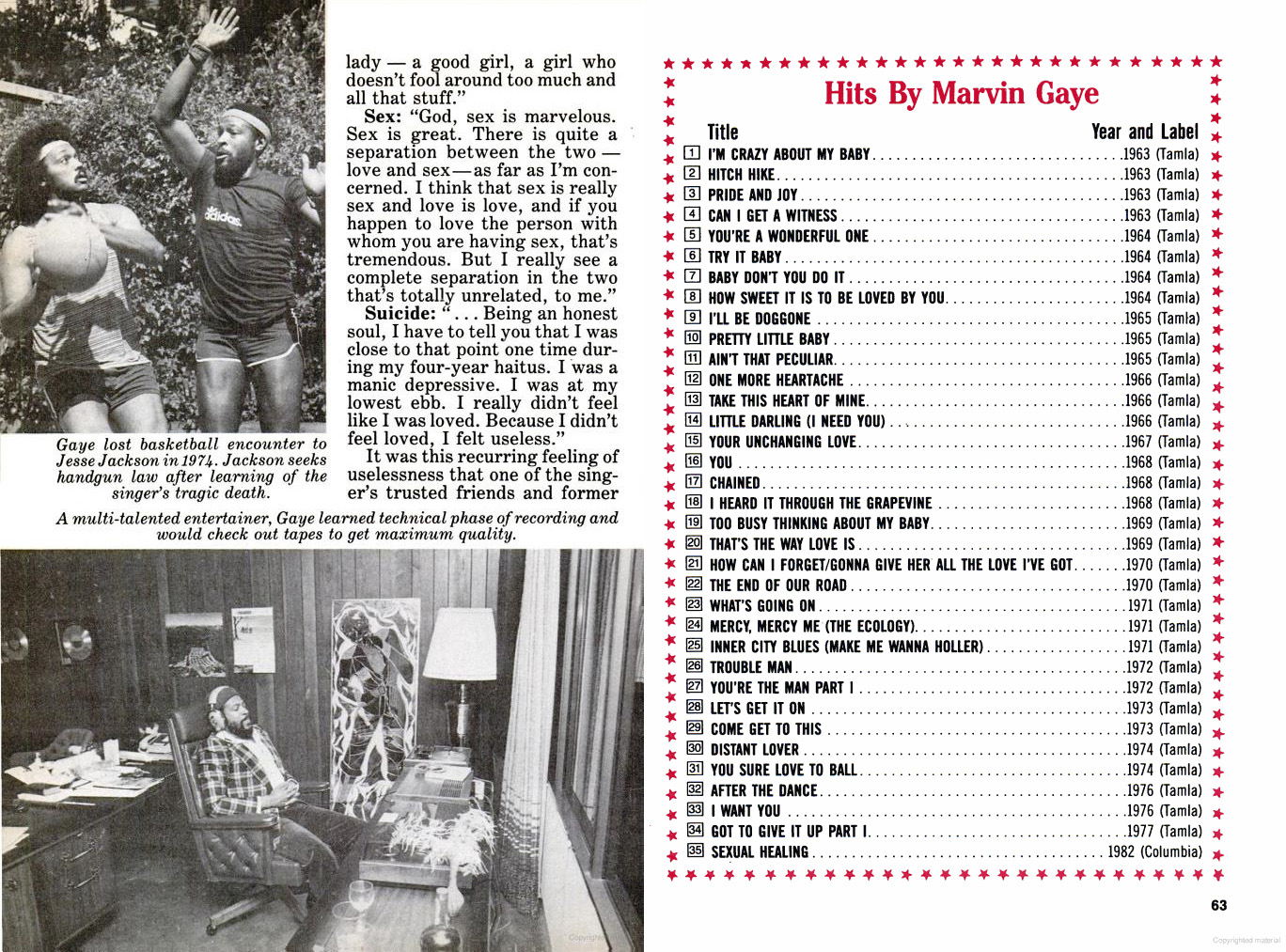
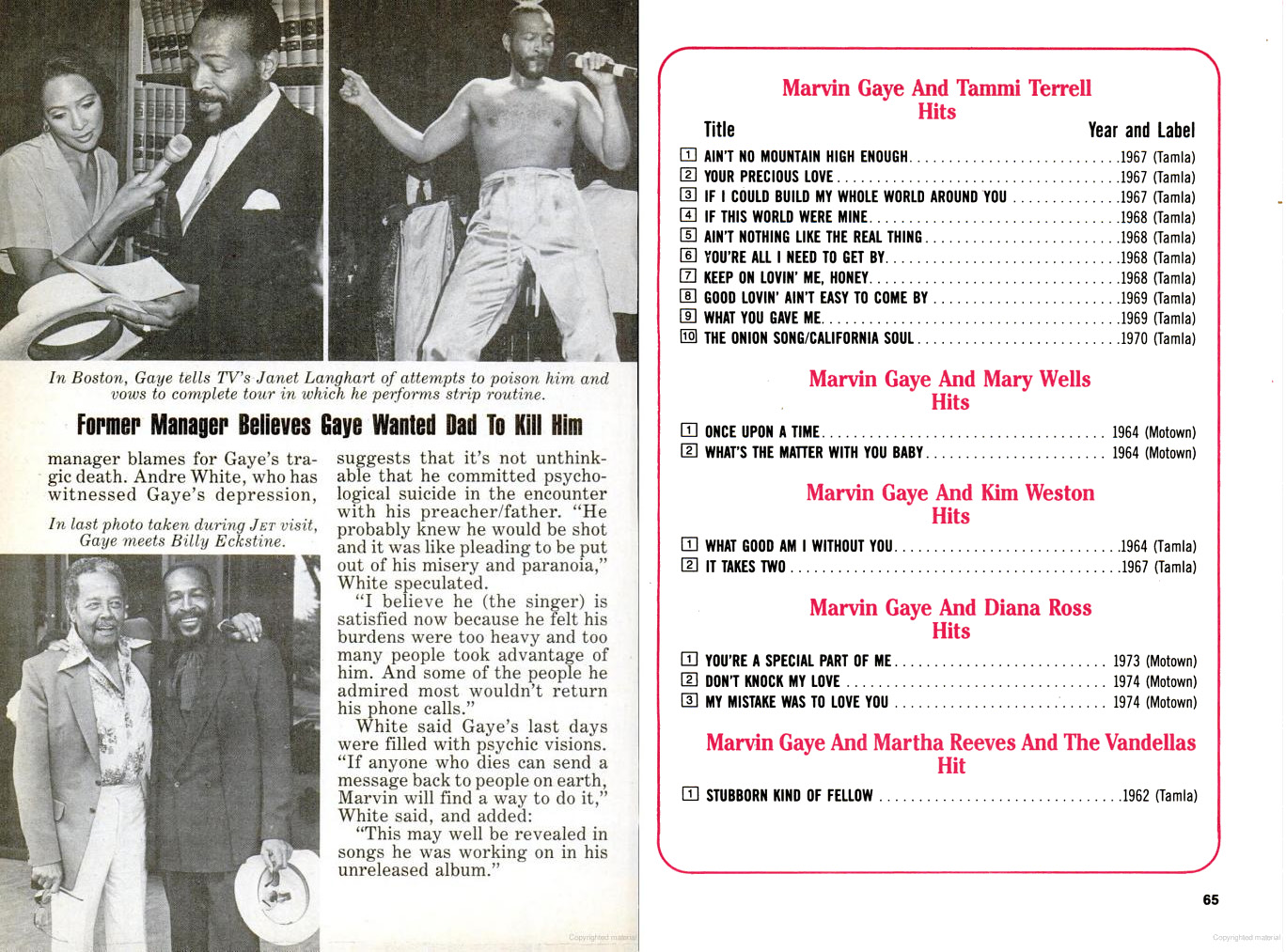
Marvelous Marvin

I hope to refine music, study it, try to find some area that I can unlock. I don’t quite know how to explain it but it’s there
I sing about life
Music, not sex, got me aroused
If you cannot find peace within yourself, you will never find it anywhere else
War is not the answer, because only love can conquer hate
Great artists suffer for the people
‘I think I’ve got a real thing going. I love people. I love life and I love nature’
My life is an open book. Why should I hide anything?
I would like to be remembered as one of, if not the greatest, artists to have walked the face of earth
I think if you listen closer you’ll find a spiritual connotation in all my songs, even the ones that appear to be highly sexual