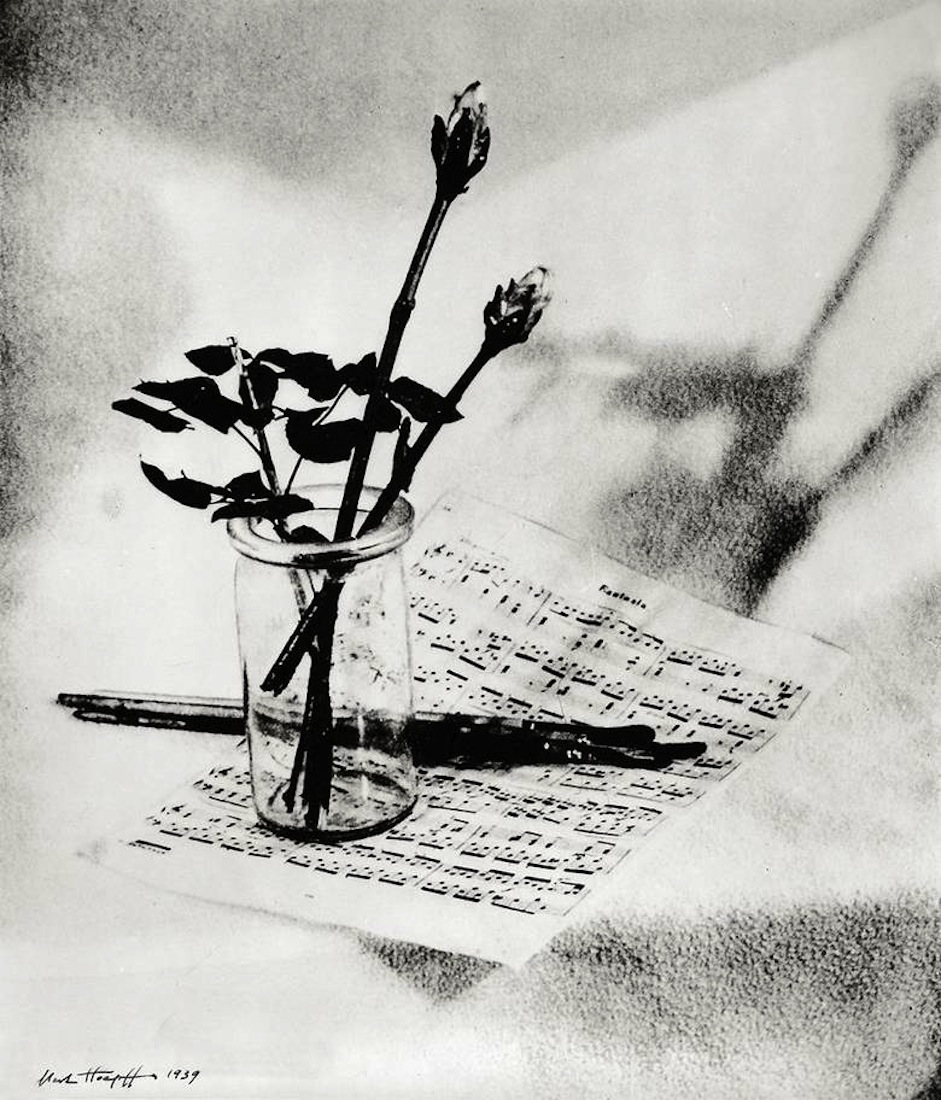
The word fantasia means fancy, and it is applied to compositions in which the composer follows his fancy and is less bound down by a fixed form than in many other works. But it must not be imagined from this that a fantasia is without form. A fantasia usually consists of several sections, each of which is independent of its neighbors as regards form. A section frequently interrupts a previous one, and very often a brilliant cadenza is used. The whole, however, is united into one whole in spirit. Mozart’s Fantasia in D minor is a beautiful example. This opens with eleven bars of prelude (Andante) leading to an Adagio, which in form resembles the old sonata form, but it is interrupted by cadenzas. The last section of the fantasia is in D major (Allegretto) which is simply a melody made up of two eight-bar sentences with a long coda.
There are many modern fantasias on operatic airs. These merely string together a number of melodies contrasted as to key and character, with a certain amount of original matter (often of a worthless character) to connect them.
Elements of music, harmony & counterpoint, rhythm, analysis, & musical form, with exercises, by T.H. Bertenshaw, 1896









 tout ceci est magnifique