
If you ask me, Claudia Cardinale is, after spaghetti, Italy’s happiest invention — David Niven
“There is no progress in art, any more than there is progress in making love. There are simply different ways of doing it.” Man Ray
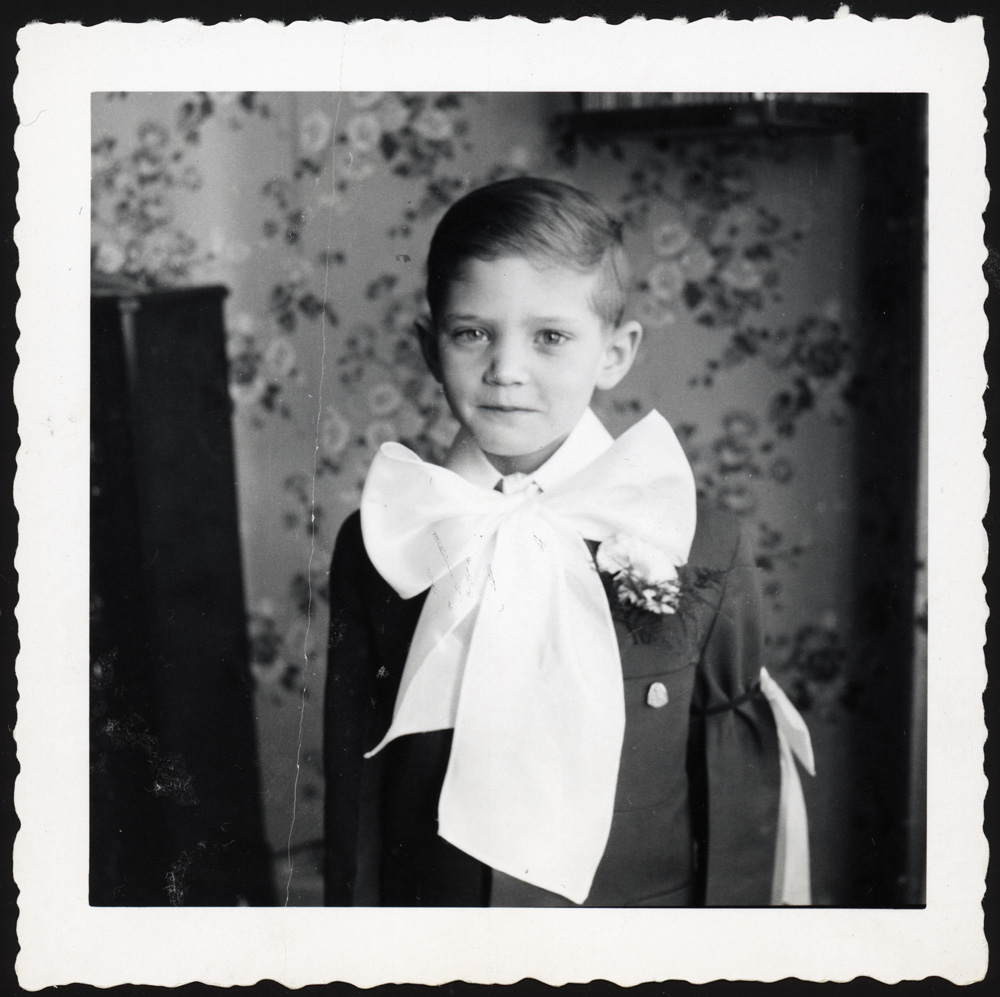
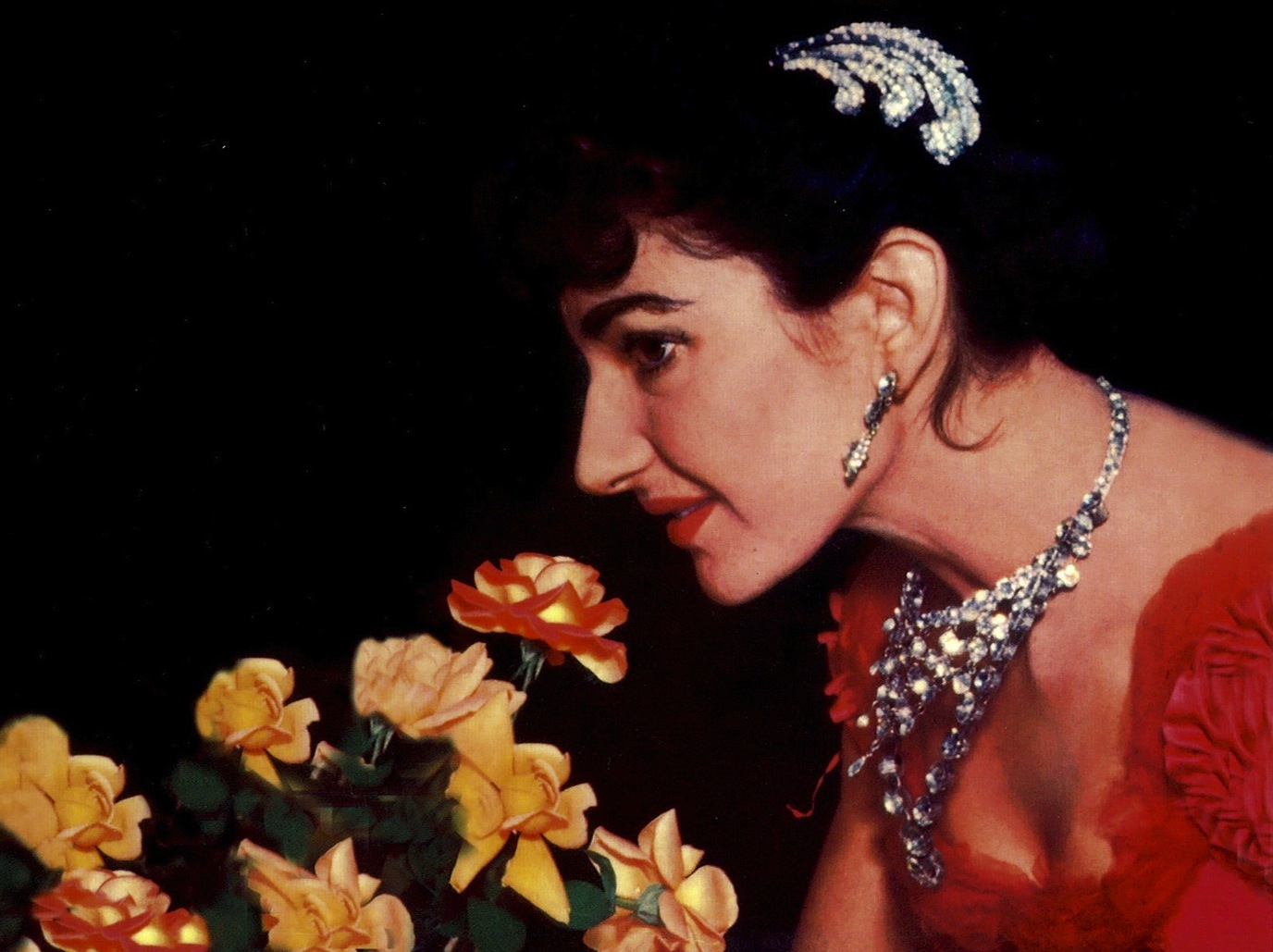
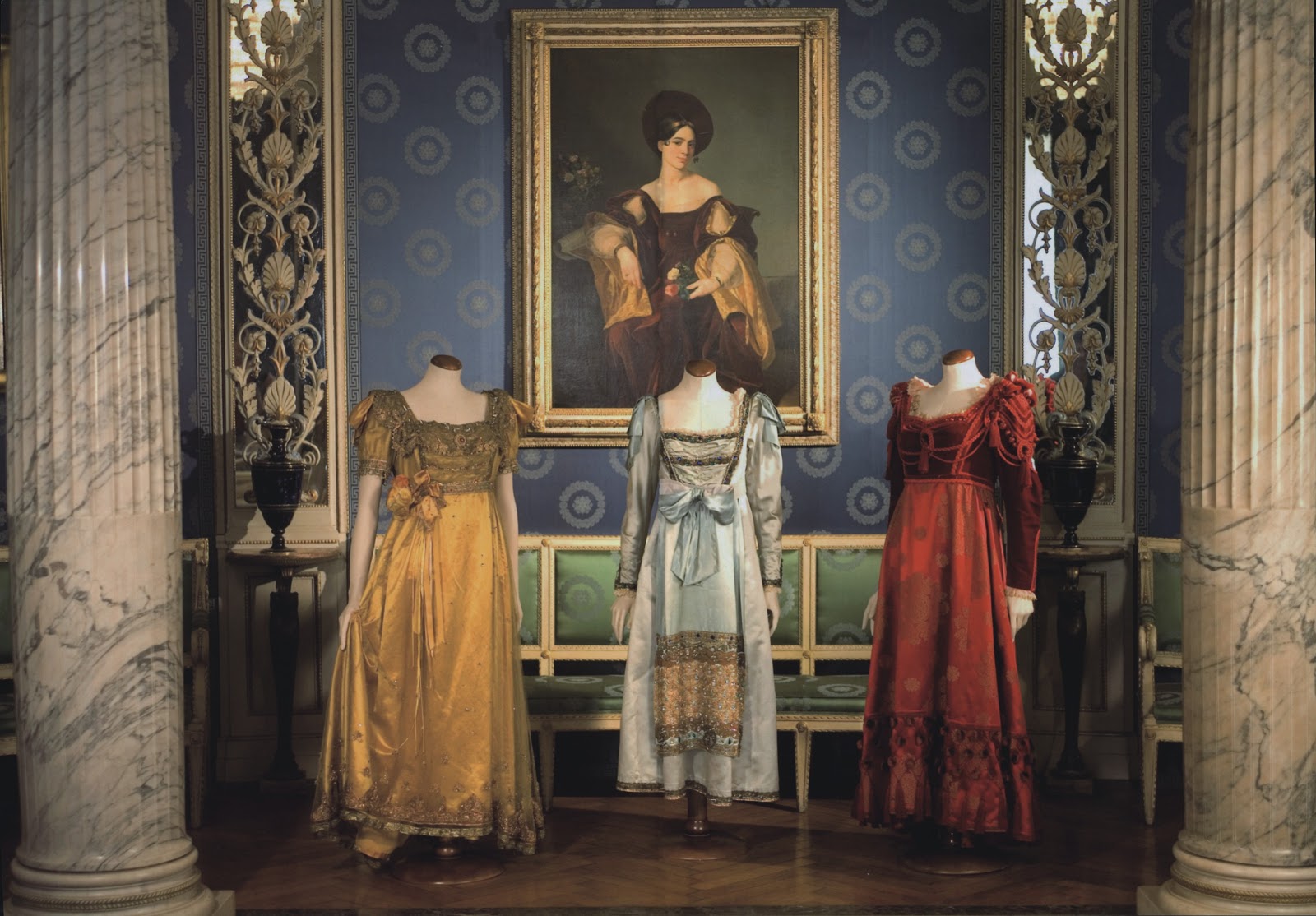
➔ Maria Callas, interview [1]
➔ Maria Callas, interview [2]
➔ Maria Callas, interview [3]
➔ Maria Callas, interview [4] 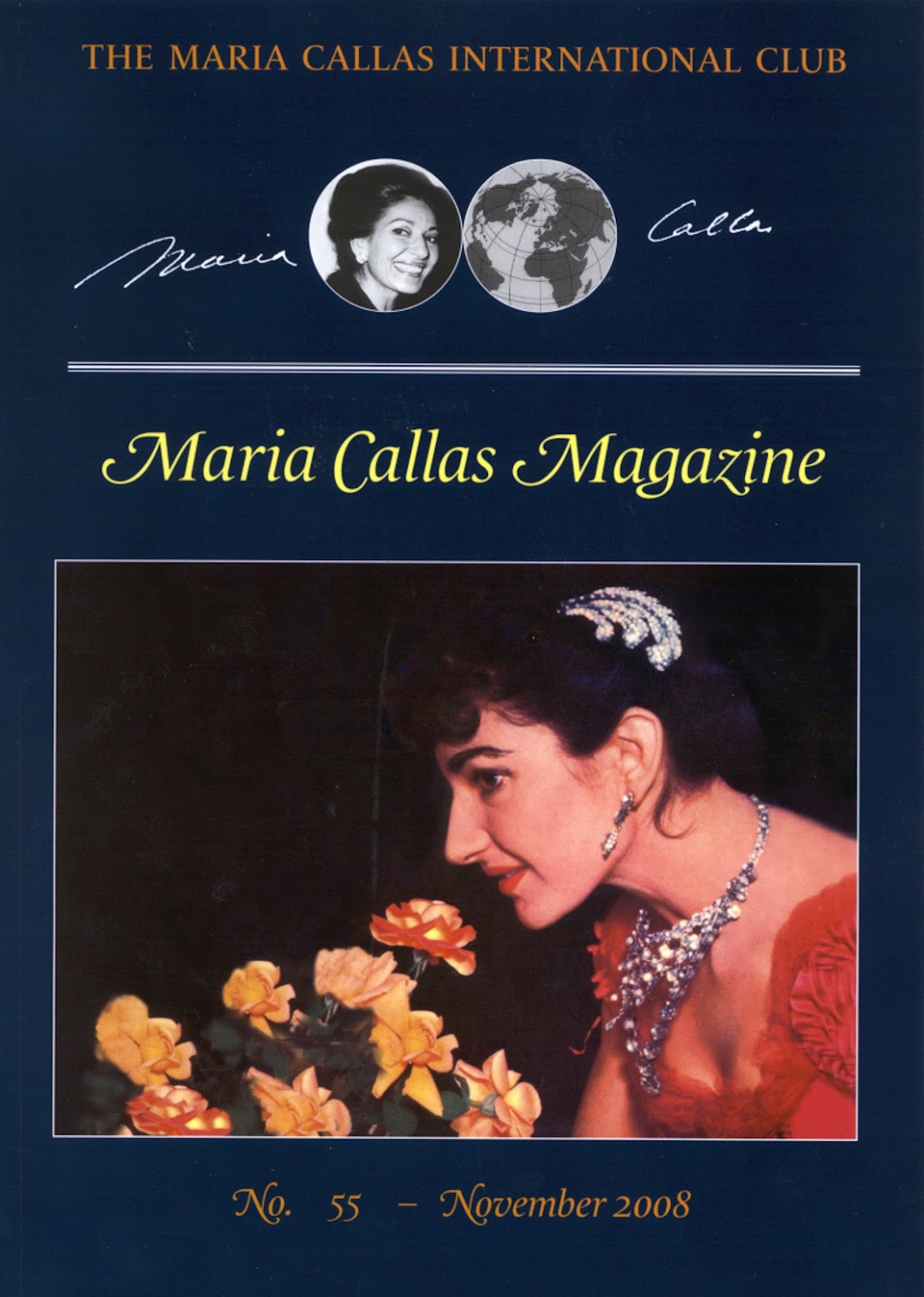
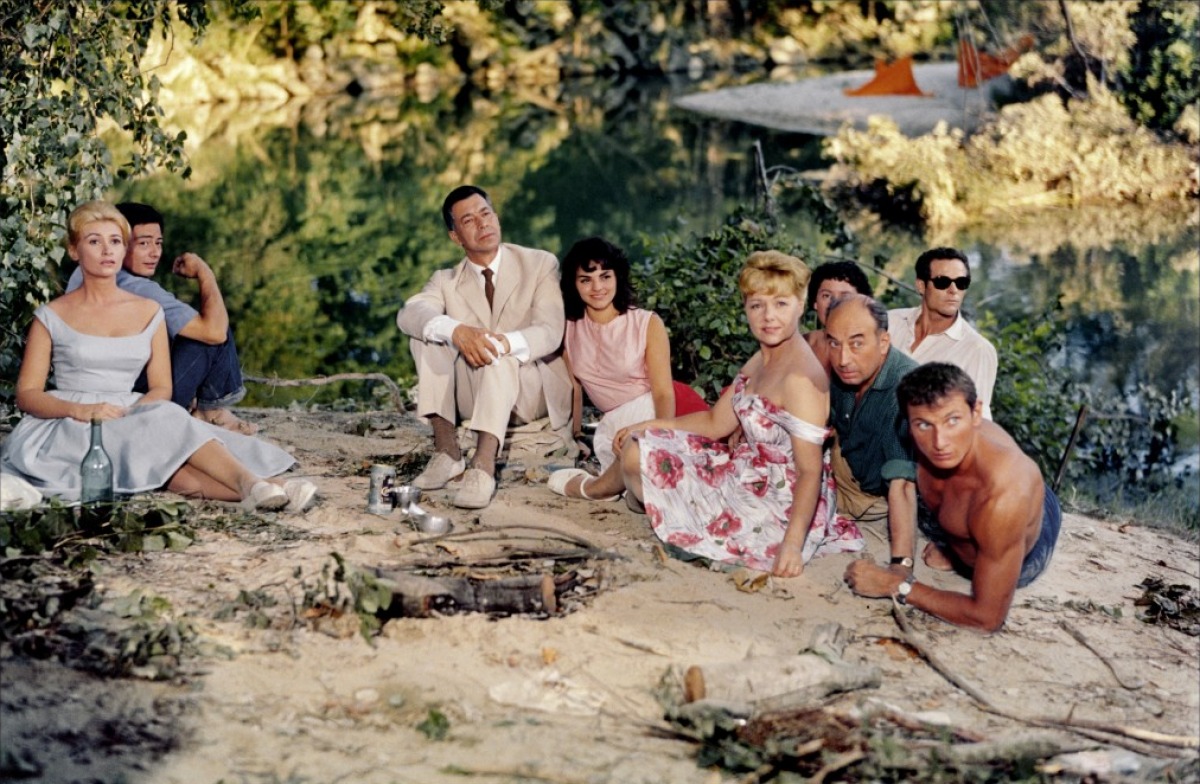
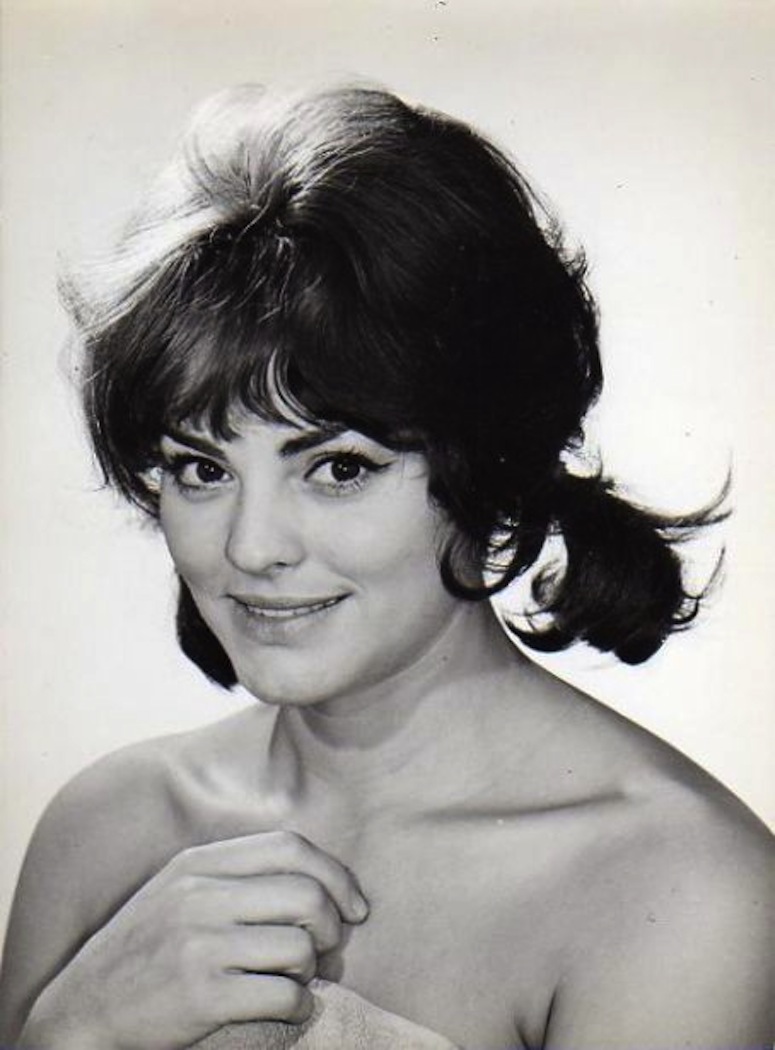
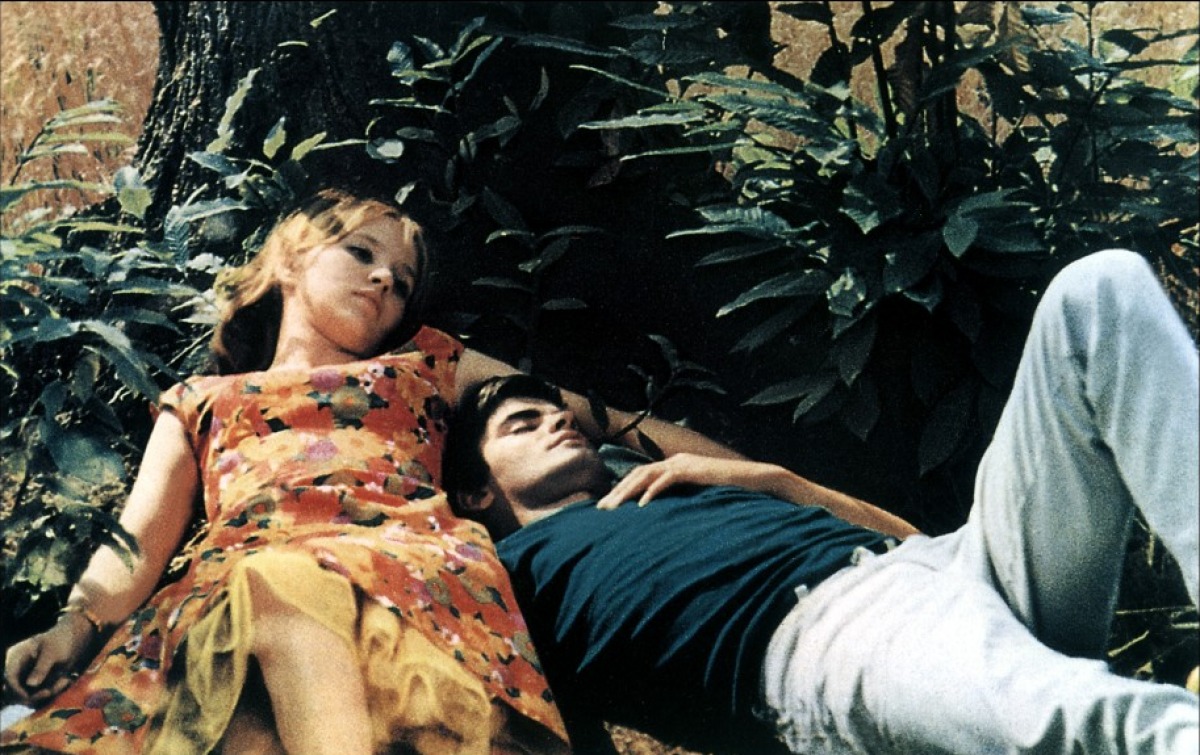
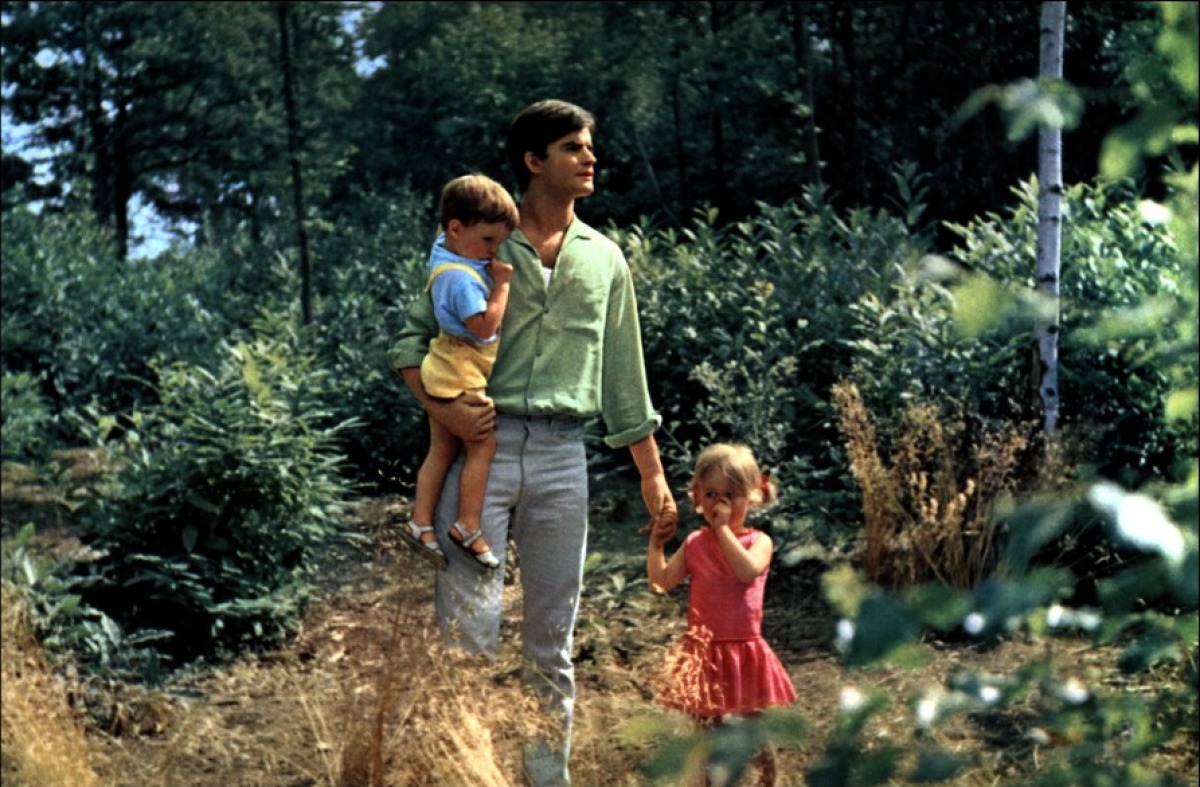
Jean Renoir never made any secret that Picnic on the Grass (Le Dejeuner sur L’Herbe) was inspired by the impressionist paintings of his father Auguste Renoir, and also of Edouard Manet and Claude Monet. The near-surrealistic plotline concerns priggish US presidential candidate Paul Meurisse, who carries on a sterile, clinical courtship with Ingrid Nordine. Proposing that he and Nordine have an image-boosting “picnic on the grass”, the scientifically-oriented Meurisse is distracted by the visceral charms of country girl Catherine Rouvel. Previously a strong advocate of “artificial sex”, Meurisse changes his mind after dallying with the lusty Rouvel. Almost childlike in its approach to the material at hand, Picnic on the Grass is one of Renoir’s most playful efforts. ➔ by Hal Erickson, Rovi
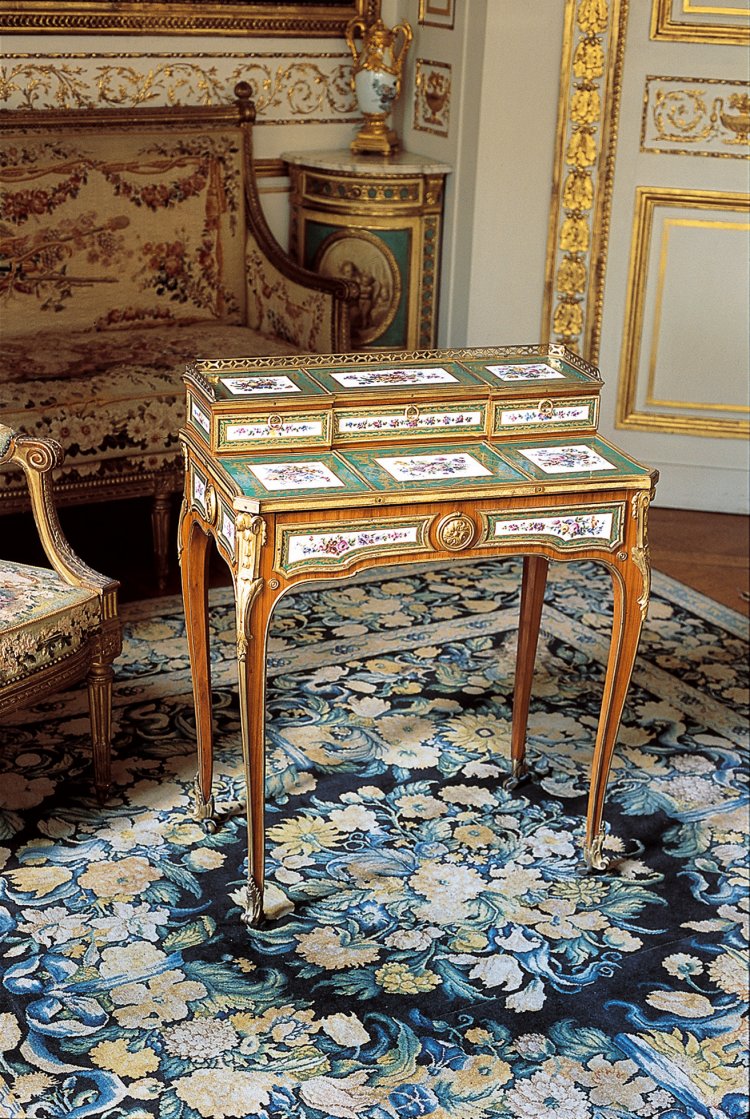
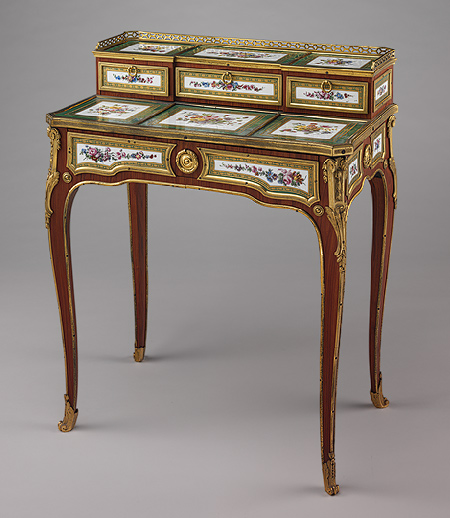

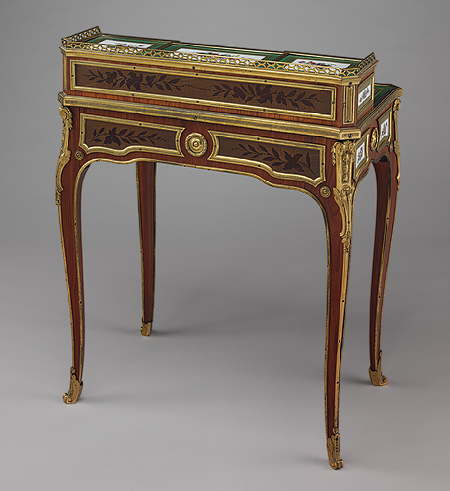
The name for a lady’s writing-desk, so called because, when it was introduced in France about 1760, it speedily became intensely fashionable. [1] The bonheur du jour is always very light and graceful; its special characteristic is a raised back, which may form a little cabinet or a nest of drawers, or may simply be fitted with a mirror. The top often surrounded with a chased and gilded bronze gallery, serves for placing small ornaments. Beneath the writing surface there is usually a single drawer, often neatly fitted for toiletries or writing supplies. The details vary greatly, but the general characteristics are always traceable. The bonheur du jour has never been so delicate, so charming, so coquettish as in the quarter of a century which followed its introduction. Early examples were raised on slender cabriole legs; under the influence of neoclassicism, examples made after about 1775 had straight, tapering legs. The marchand-mercier Simon-Philippe Poirier had the idea of mounting bonheurs du jour with specially-made plaques of Sèvres porcelain that he commissioned and for which he had a monopoly; the earliest Sèvres-mounted bonheur du jours are datable from the marks under their plaques to 1766-67.[2] The choicer examples of the time are inlaid with marqueterie, edged with exotic woods, set in gilded bronze, or enriched with panels of Oriental lacquer.



 tout ceci est magnifique