Adenoid Hynkel

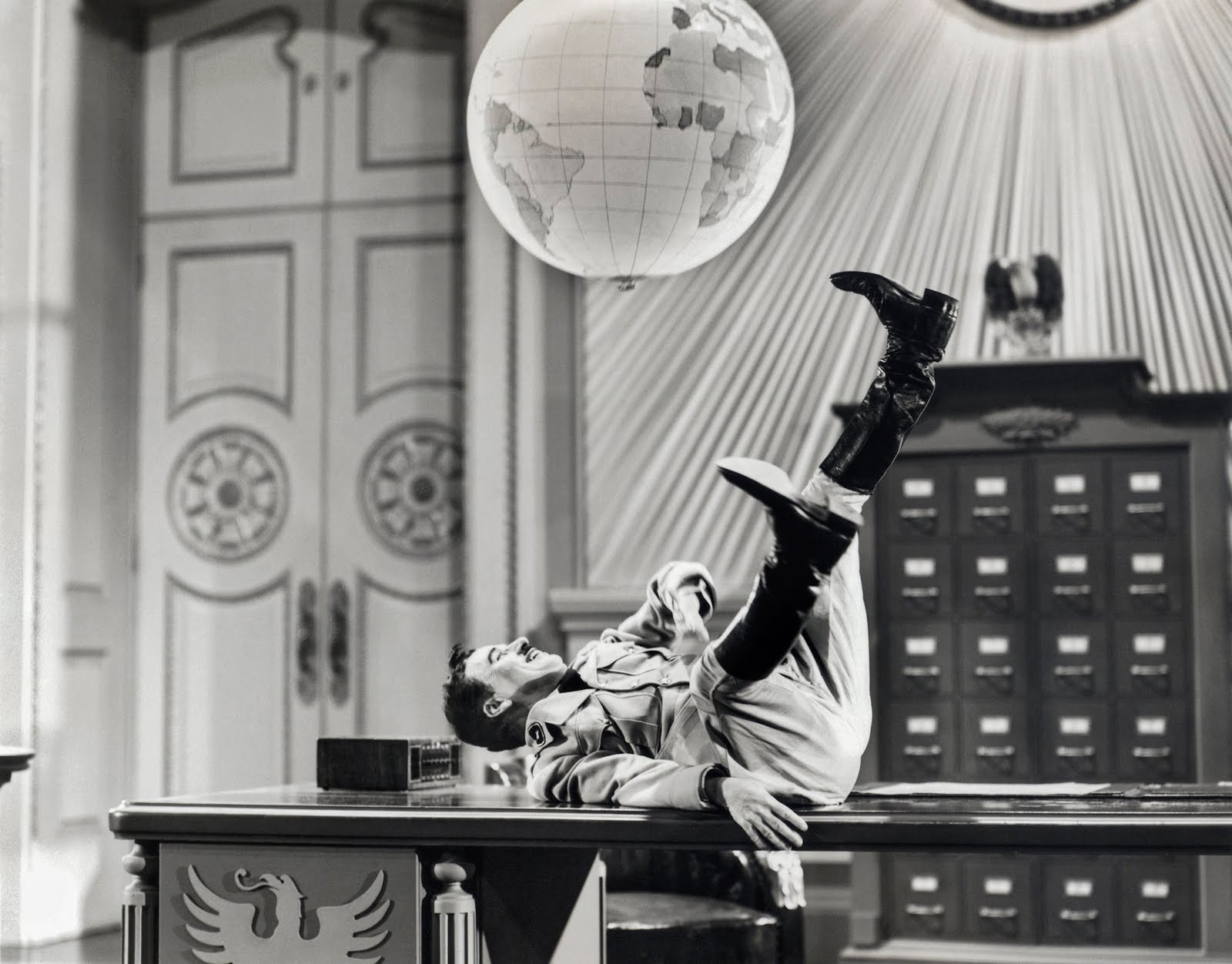
The Great Dictator, 1940
The Criterion Collection

Final Speech of “The Great Dictator” (also known as “Look Up, Hannah” ) by Charlie Chaplin
Schulz: Speak – it is our only hope.
The Jewish Barber (Charlie Chaplin’s character): Hope… I’m sorry but I don’t want to be an Emperor – that’s not my business – I don’t want to rule or conquer anyone. I should like to help everyone if possible, Jew, gentile, black man, white. We all want to help one another, human beings are like that.
We all want to live by each other’s happiness, not by each other’s misery. We don’t want to hate and despise one another. In this world there is room for everyone and the earth is rich and can provide for everyone.
The way of life can be free and beautiful.
But we have lost the way.
Greed has poisoned men’s souls – has barricaded the world with hate; has goose-stepped us into misery and bloodshed.
We have developed speed but we have shut ourselves in: machinery that gives abundance has left us in want. Our knowledge has made us cynical, our cleverness hard and unkind. We think too much and feel too little: More than machinery we need humanity; More than cleverness we need kindness and gentleness. Without these qualities, life will be violent and all will be lost.
The aeroplane and the radio have brought us closer together. The very nature of these inventions cries out for the goodness in men, cries out for universal brotherhood for the unity of us all. Even now my voice is reaching millions throughout the world, millions of despairing men, women and little children, victims of a system that makes men torture and imprison innocent people. To those who can hear me I say “Do not despair”.
The misery that is now upon us is but the passing of greed, the bitterness of men who fear the way of human progress: the hate of men will pass and dictators die and the power they took from the people, will return to the people and so long as men die [now] liberty will never perish…
Soldiers – don’t give yourselves to brutes, men who despise you and enslave you – who regiment your lives, tell you what to do, what to think and what to feel, who drill you, diet you, treat you as cattle, as cannon fodder.
Don’t give yourselves to these unnatural men, machine men, with machine minds and machine hearts. You are not machines. You are not cattle. You are men. You have the love of humanity in your hearts. You don’t hate – only the unloved hate. Only the unloved and the unnatural. Soldiers – don’t fight for slavery, fight for liberty.
In the seventeenth chapter of Saint Luke it is written ” the kingdom of God is within man ” – not one man, nor a group of men – but in all men – in you, the people.
Read more Clown Ministry

I’ll Never Heil Again

“The characters in this
picture are all fictitious.
Anyone resembling them
is better off dead.”
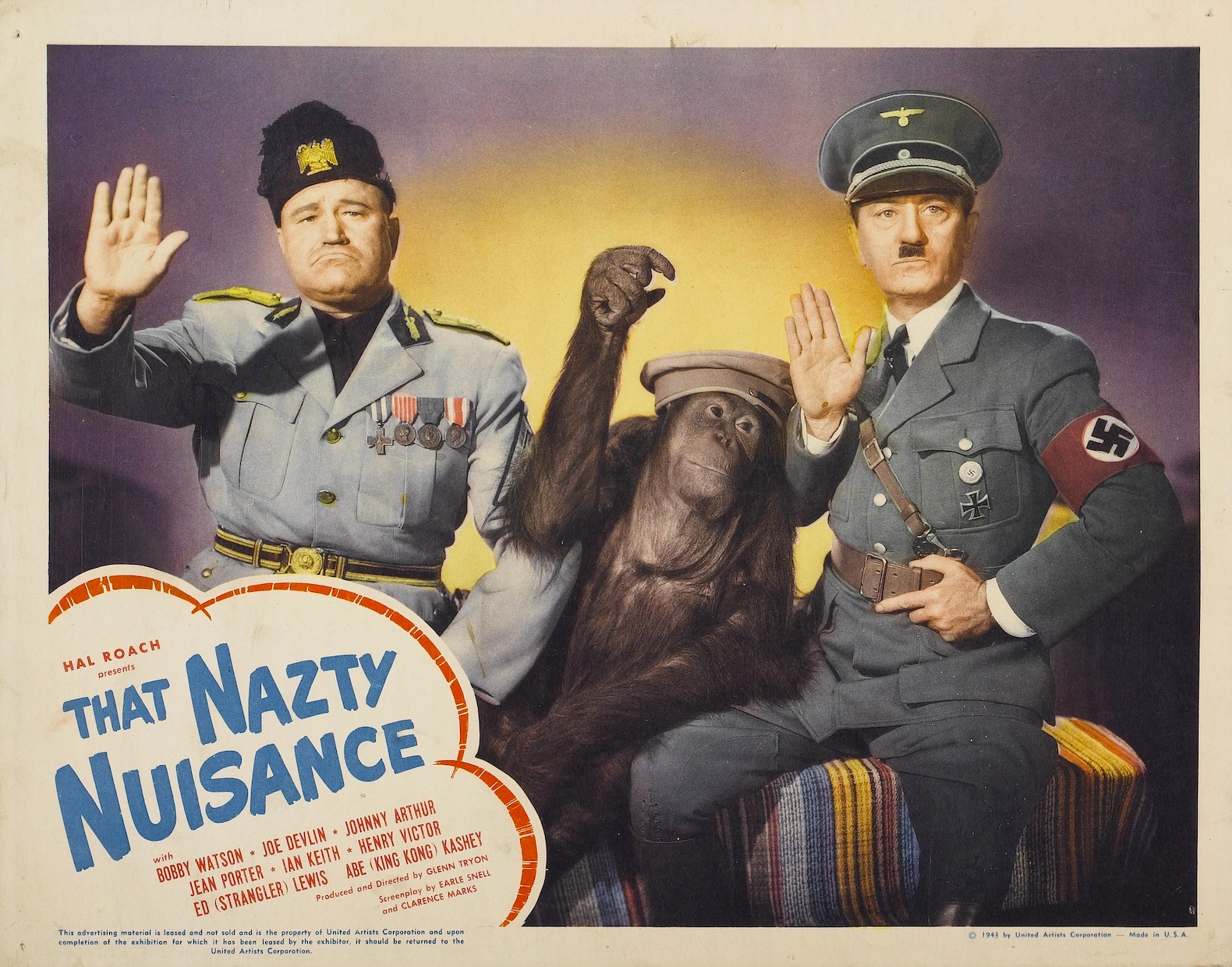
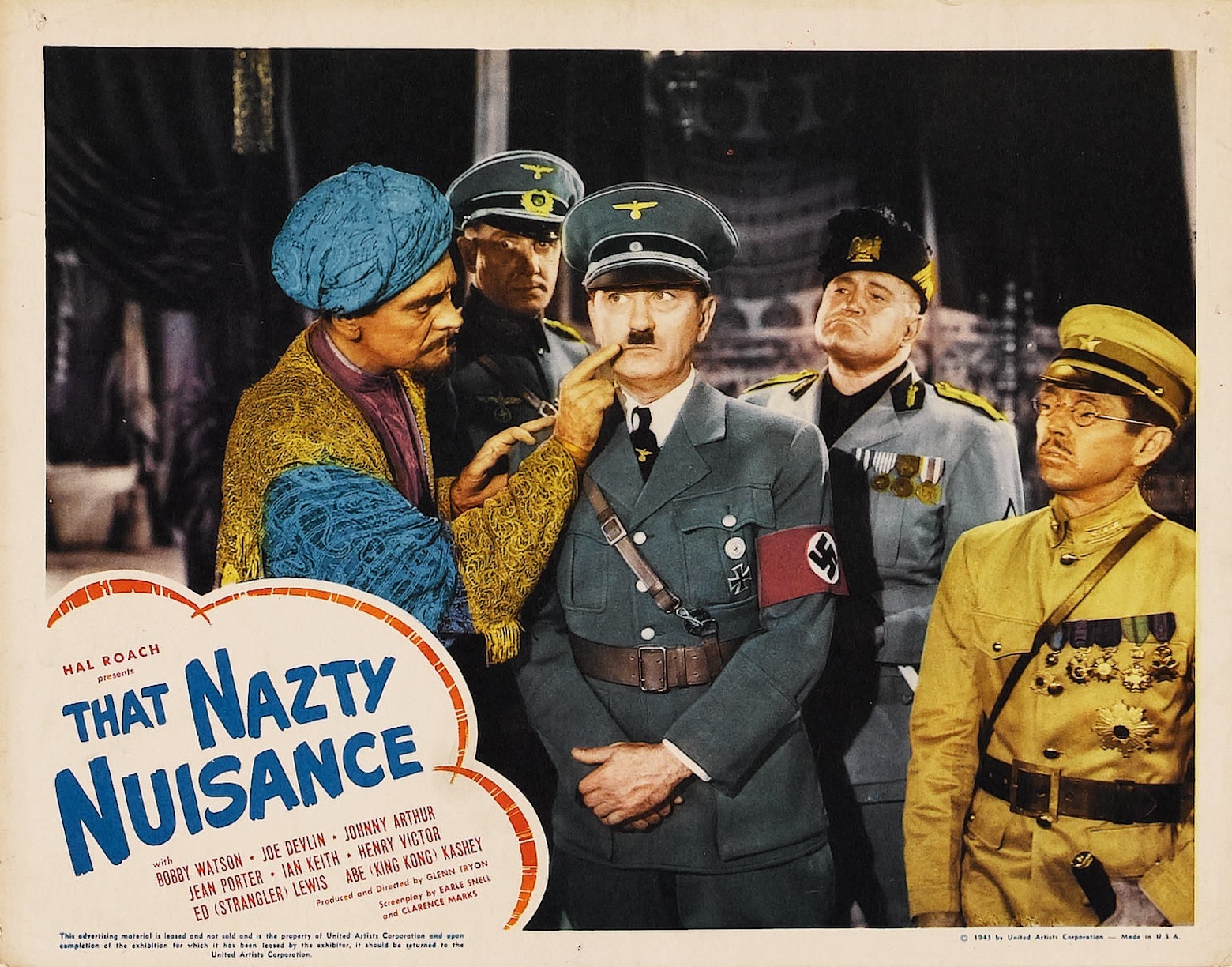
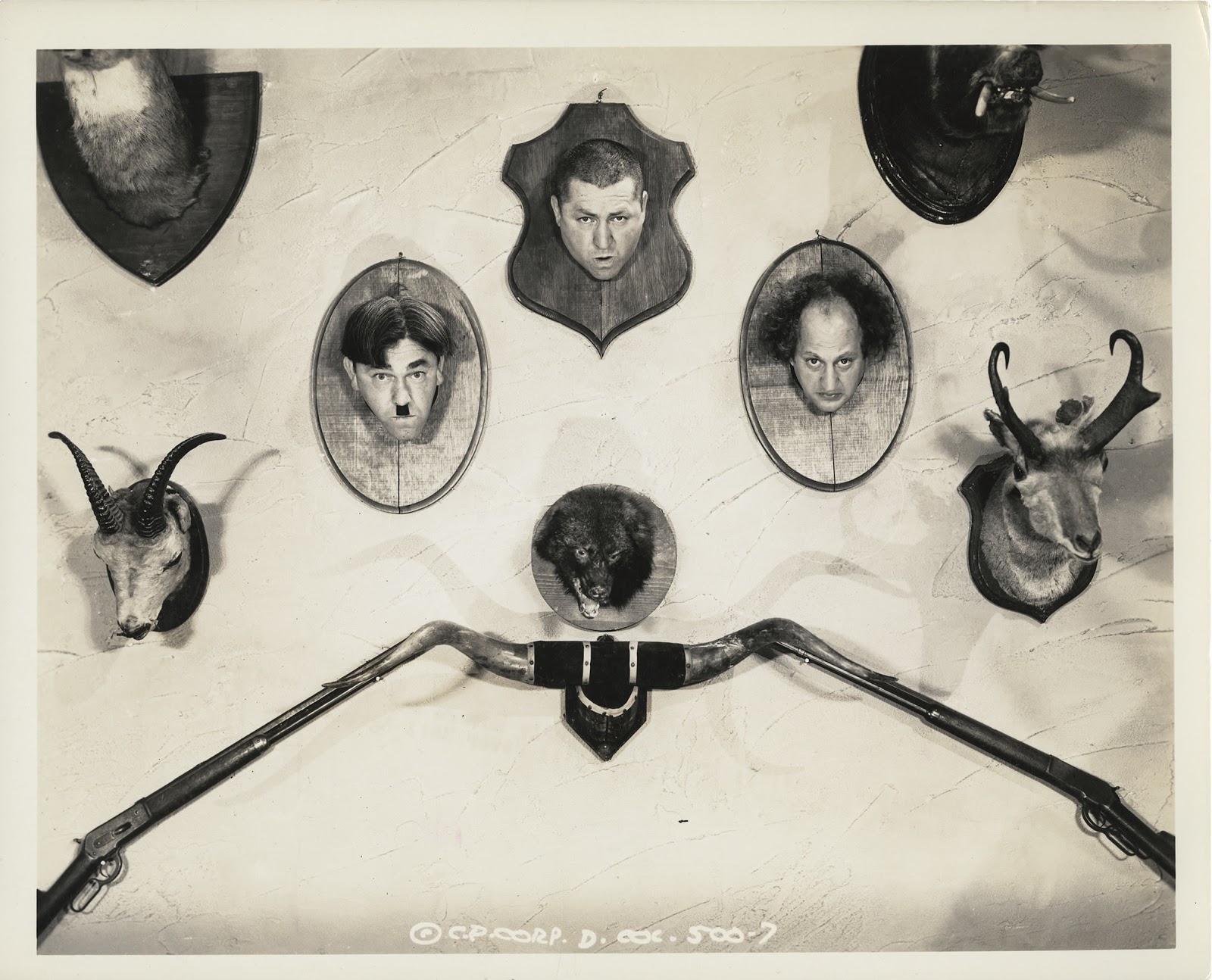
The Three Stooges, 1941

The Stooges are the same positions they were in YOU NAZTY SPY! and they are still ruling the country of Moronica. The three men of the cabinet who betrayed the king before have turned good and want to help rid of Moe Hailstone, his Field Marshall (Curly) and Minister of Propaganda (Larry). So the king’s daughter is sent as a spy and she gives the Stooges a bomb that is inside a cue ball. She tricks them into believing that rulers of other countries are plotting against them, so the rulers and the Stooges play football for a world globe that Moe owns. The Stooges win and end up knocking out all of their opponents. In anger against Moe for not letting him have the globe, Curly throws the explosive cue ball on the ground and it explodes. The Stooges wind up as trophies for the king in the end.
transcript

I’ll Never Heil Again was a sequel to YOU NAZTY SPY! (1940) which was the first American comedy film to satirize Adolph Hitler and Nazi Germany.
“A Dictator? Why, he makes love to beautiful women, drinks champange, enjoys life and never works. He makes speeches to the people promising them plenty, gives them nothing, then takes everything! That’s a Dictator.”  

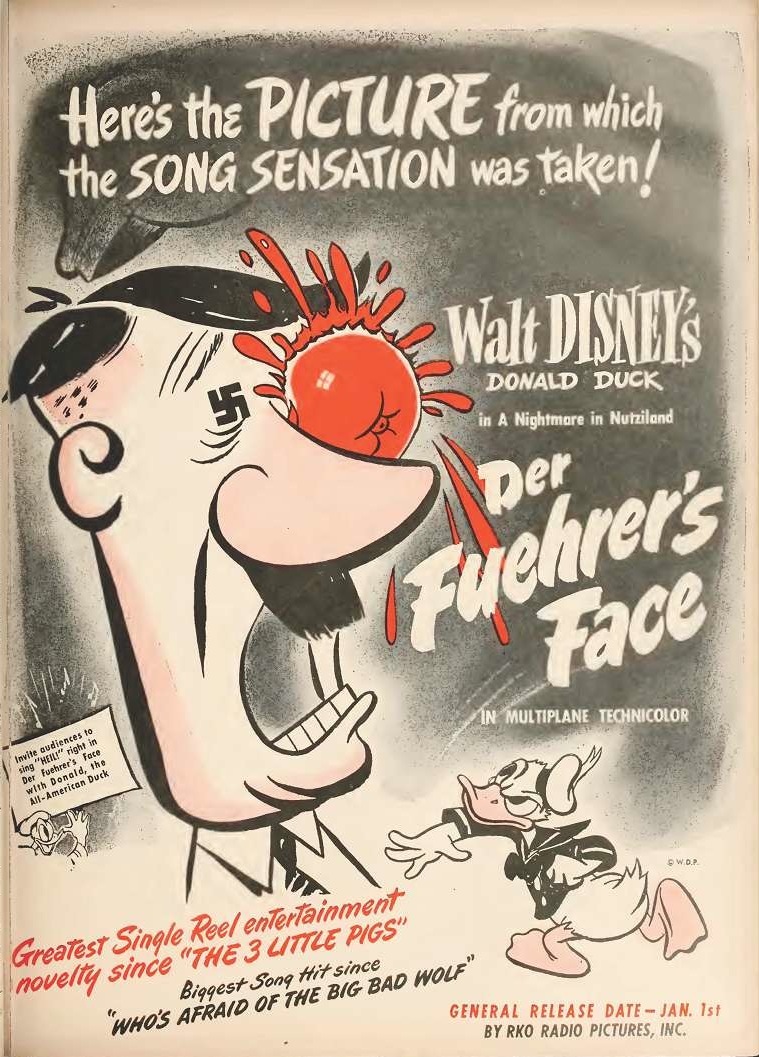
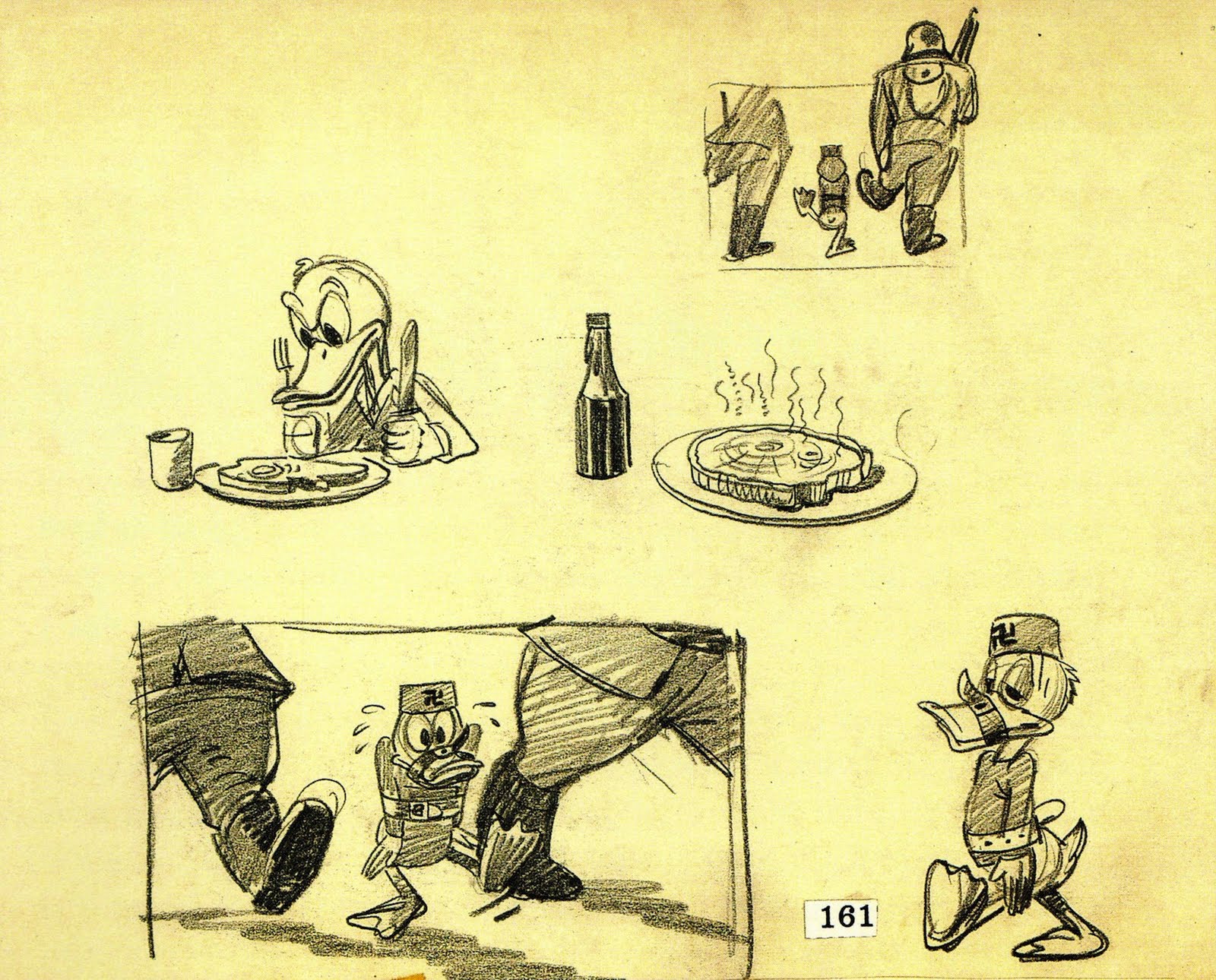
Der Fuehrer’s Face

Academy Award for Animated Short Film, 1942

A marching band of Germans, Italians, and Japanese march through the streets of swastika-motif Nutziland, serenading “Der Fuehrer’s Face.” Donald Duck, not living in the region by choice, struggles to make do with disgusting Nazi food rations and then with his day of toil at a Nazi artillery factory. After a nervous breakdown, Donald awakens to find that his experience was in fact a nightmare.

Hot Dog [glazed clay]

Betty Spindler, 2000
Hot Dog, typical of Betty Spindler’s food imagery, is presented without ketchup because that is the way the artist likes her own prepared. Before Spindler begins to sculpt her objects she cuts out a paper model, which helps her to keep the right proportions while working in clay. The end product results from shaping slabs of clay around crushed newspaper that roughly suggest the form.Smithsonian Institution

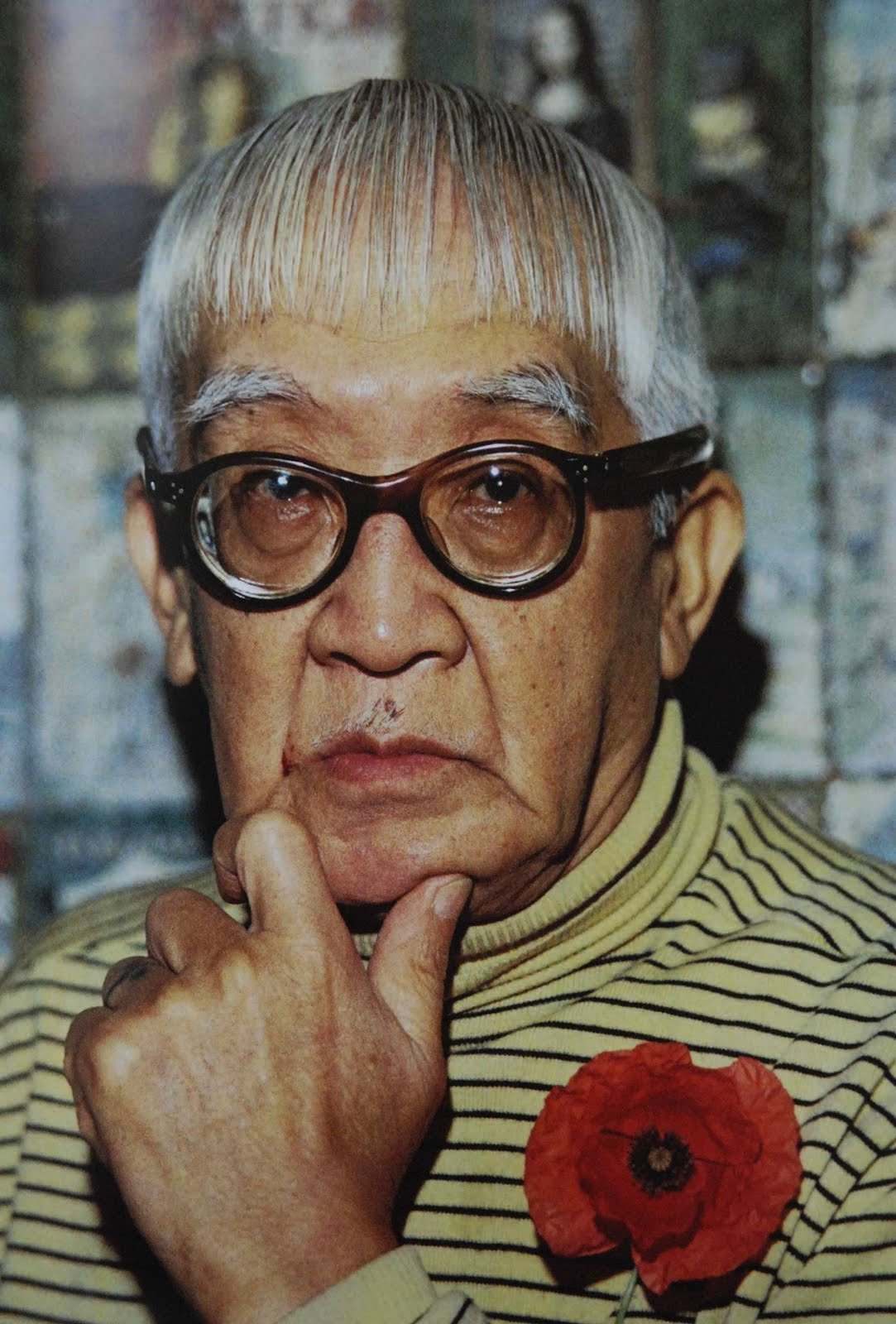
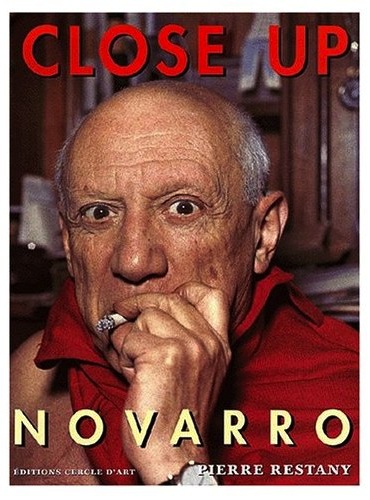
CLOSE UP

Eddy Novarro ~ Foujita, 1958
De son enfance roumaine, Eddy Novarro évoque peu de choses si ce n’est sa passion précoce pour la photographie.  Pour photographier Coca, son premier amour d’enfance, il empruntait constamment le Leica de son père qui, au vu des résultats, finit par le lui donner.  A la passion précoce pour la photo vint s’ajouter l’amour de l’art.  Eddy Novarro se plaît à raconter qu’il a débarqué en 1946 à Rio avec pour seul pécule cinq dollars et un livre sur Gauguin, et que Modigliani et Van Gogh furent les révélations de son destin.
Dès 1952, il est photographe de presse professionnel. Ce sont toujours des personnages du monde des arts et de la culture qui ont été sensibles à la qualité des images de Novarro et qui l’ont spontanément présenté à des créateurs qu’ils tenaient eux-mêmes en haute estime. En quarante ans, Eddy Novarro a photographié les visages de près de six cents artistes de son temps, sans compter les souverains, les hommes d’Etat et les milliardaires de la finance ou de l’industrie.
Ce livre propose une sélection de 80 portraits d’artistes parmi les plus connus du XXe siècle.
Les Editions Cercle d’Art 
Texte de Pierre Restany

Lust for Life

Kirk Douglas, 1956

The actor recalls that when they were filming on location with him in period attire, old peasants who had known the real Van Gogh crossed themselves and remarked: ‘He has returned’. 

Vertigo

Alfred Hitchcock, 1958

Stephen Rebello: How did doing Vertigo come about for you?
Kim Novak:  Harry Cohn told me, ‘I got this awful script that Alfred Hitchcock wants you to do.  If it weren’t for Hitchcock, I’d never let you do it.’

AIDS Walk NY

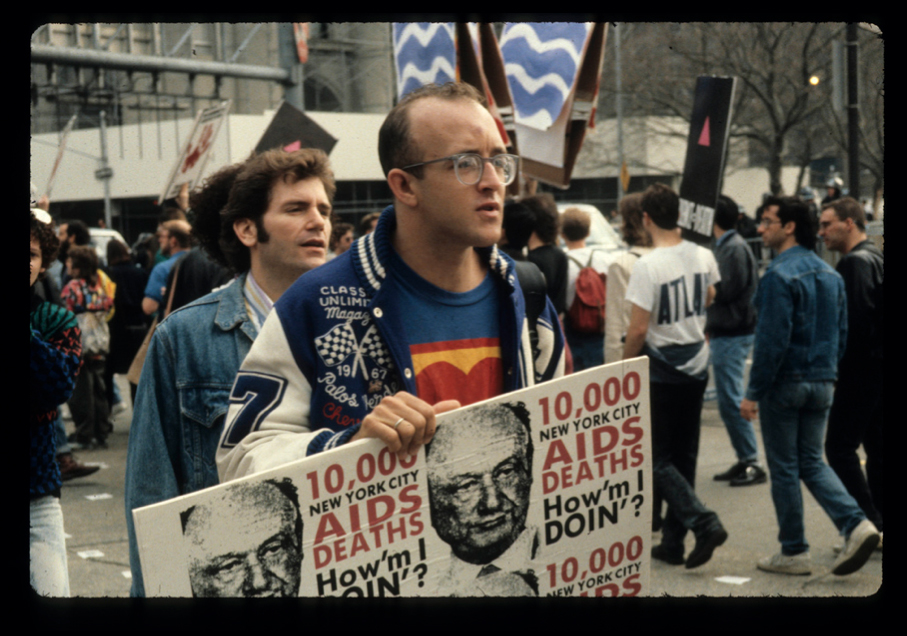
John Penley ~ Keith Haring at ACT UP City Hall Protest  [Tamiment Library, NYU]

The Keith Haring Foundation
Sponsor a Walker or Team

John Penley is a photographer and grassroots political activist associated with the squatters’ rights movement and housing protests of the 1980s and 1990s in New York City’s East Village and Lower East Side. He began photographing as part of an effort to document the demonstrations, protests, and other political actions in which he took part, and in the process became a photo-journalist. Hundreds of Penley’s photographs have appeared in publications ranging from neighborhood newspapers to publications such as the Village Voice and the Washington Post.  The John Penley Photographs Collection at New York University’s Tamiment Library