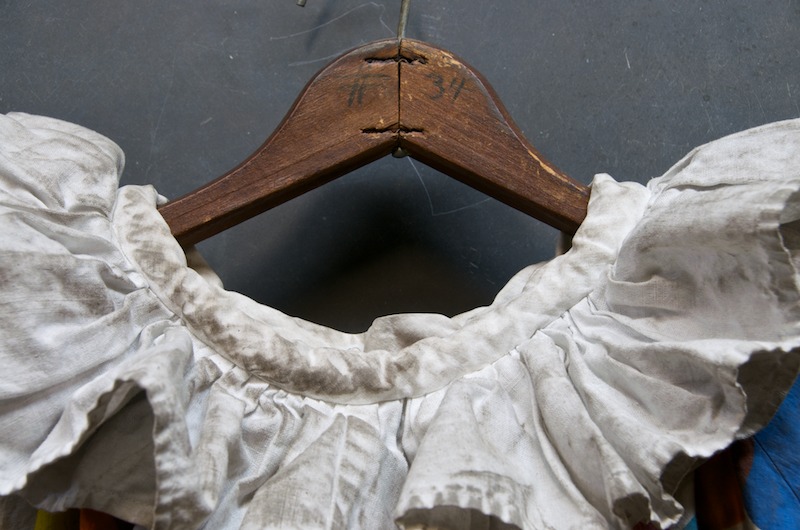
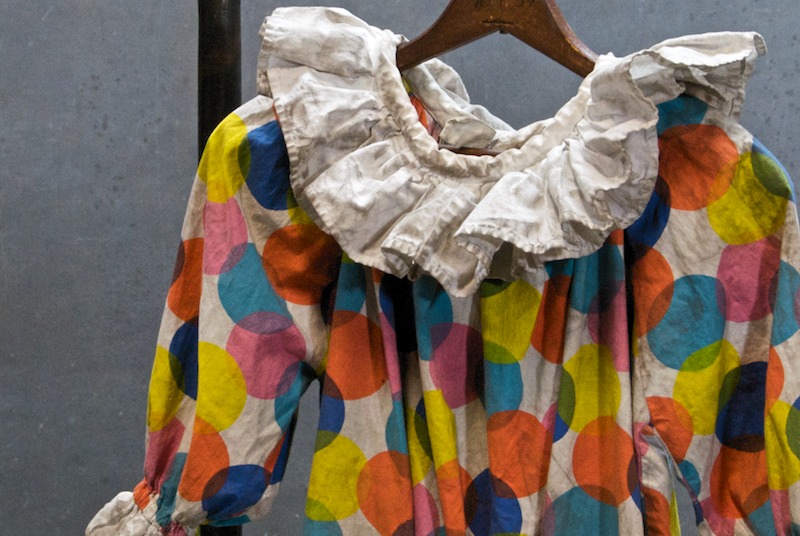
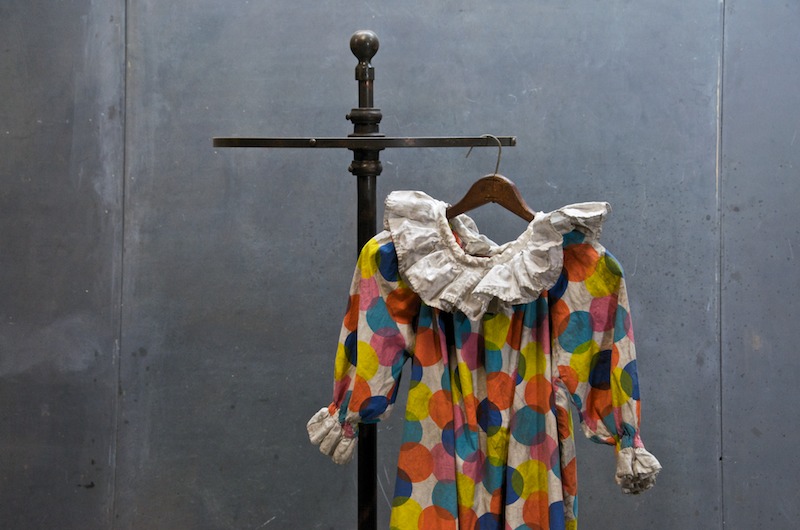


Big Top Circus Clown Suit, ca. 1940
“There is no progress in art, any more than there is progress in making love. There are simply different ways of doing it.” Man Ray


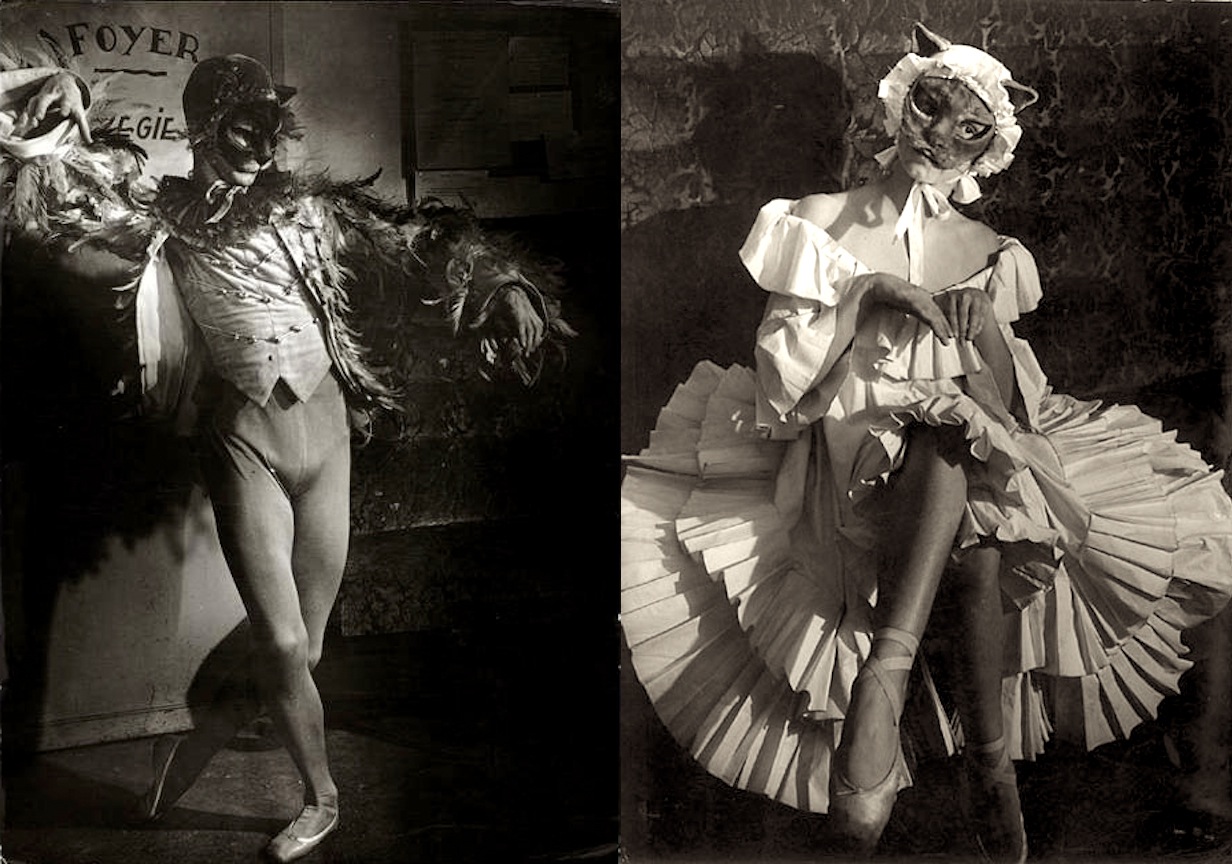 |
| Brassaï ~ Dancers in Les Demoiselles de la Nuit, 1949 |
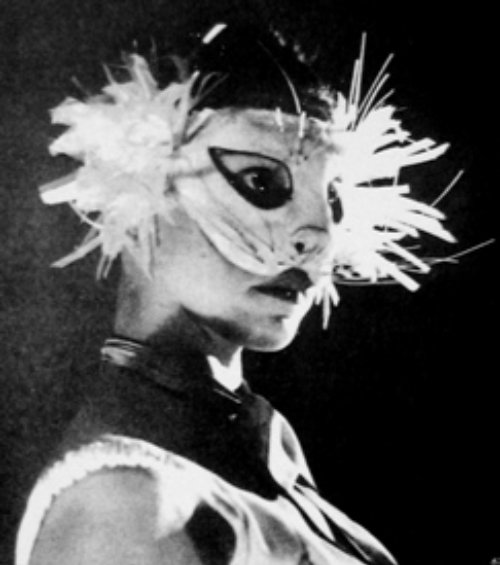 |
| Agathe/Margot Fonteyn |
World Premiere Les Ballets de Paris de Roland Petit, Theatre Marigny, Paris, May 21, 1948
Cast Margot Fonteyn, Roland Petit, Gordon Hamilton, Joan Sheldon
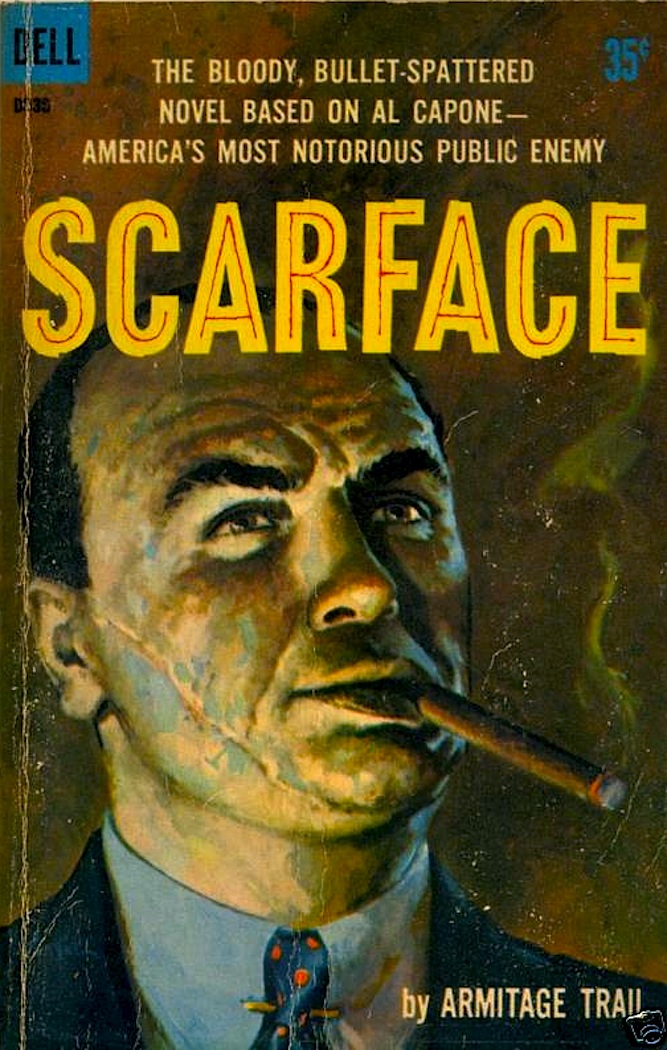
Scarface: The Novel (1929) Maurice Coons, writing under the pseudonym Armitage Trail, gathered the elements for ‘Scarface’ when living in Chicago, where he became acquainted with many local Sicilian gangs. He prowled the murky streets of Chicago’s gangland with a friend every night for two years, returning home to put to paper and write a book which somewhat documented his experiences. The resulting novel was ‘Scarface’, and it was worth the effort.
Not just a thinly disguised biography of Al Capone, ‘Scarface’ is a gangster tale surprisingly rich with character and atmosphere. The story moves at a cracking pace, and from the machine guns, brutal deaths and beautiful gals emerges the tragic tale of one man’s downfall from his ruthless ambition and love for friend and family. The source for the 1932 Howard Hawks picture, as well as the Brian de Palma remake.
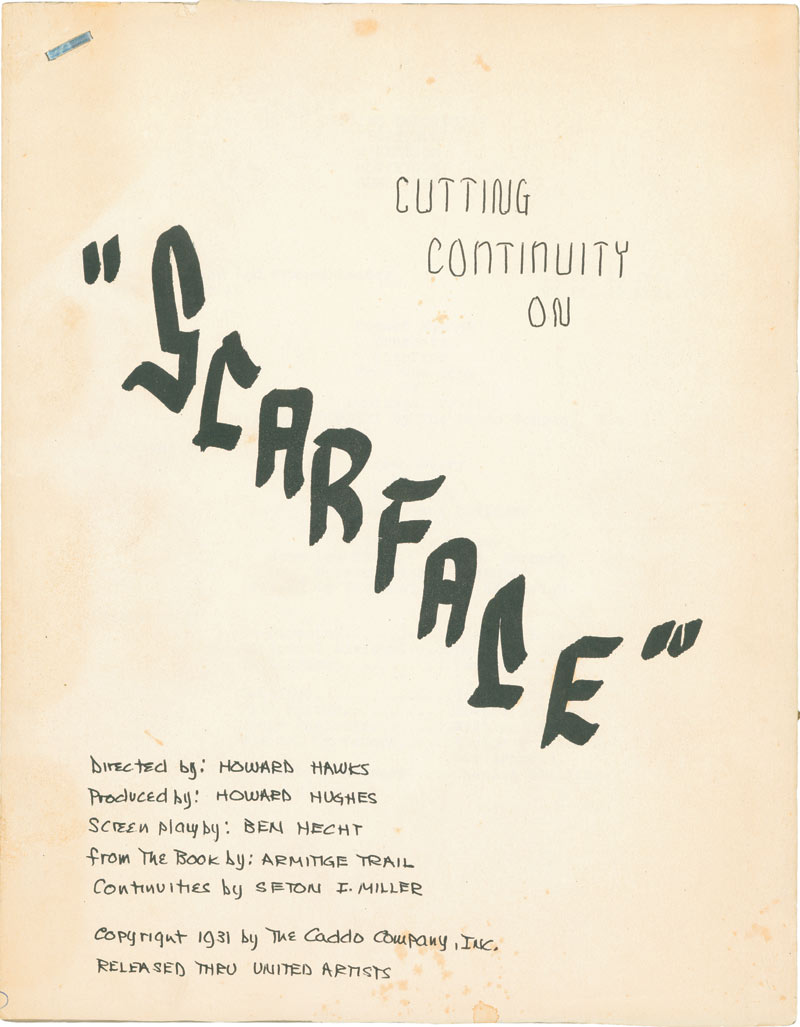 |
| Royal Books |
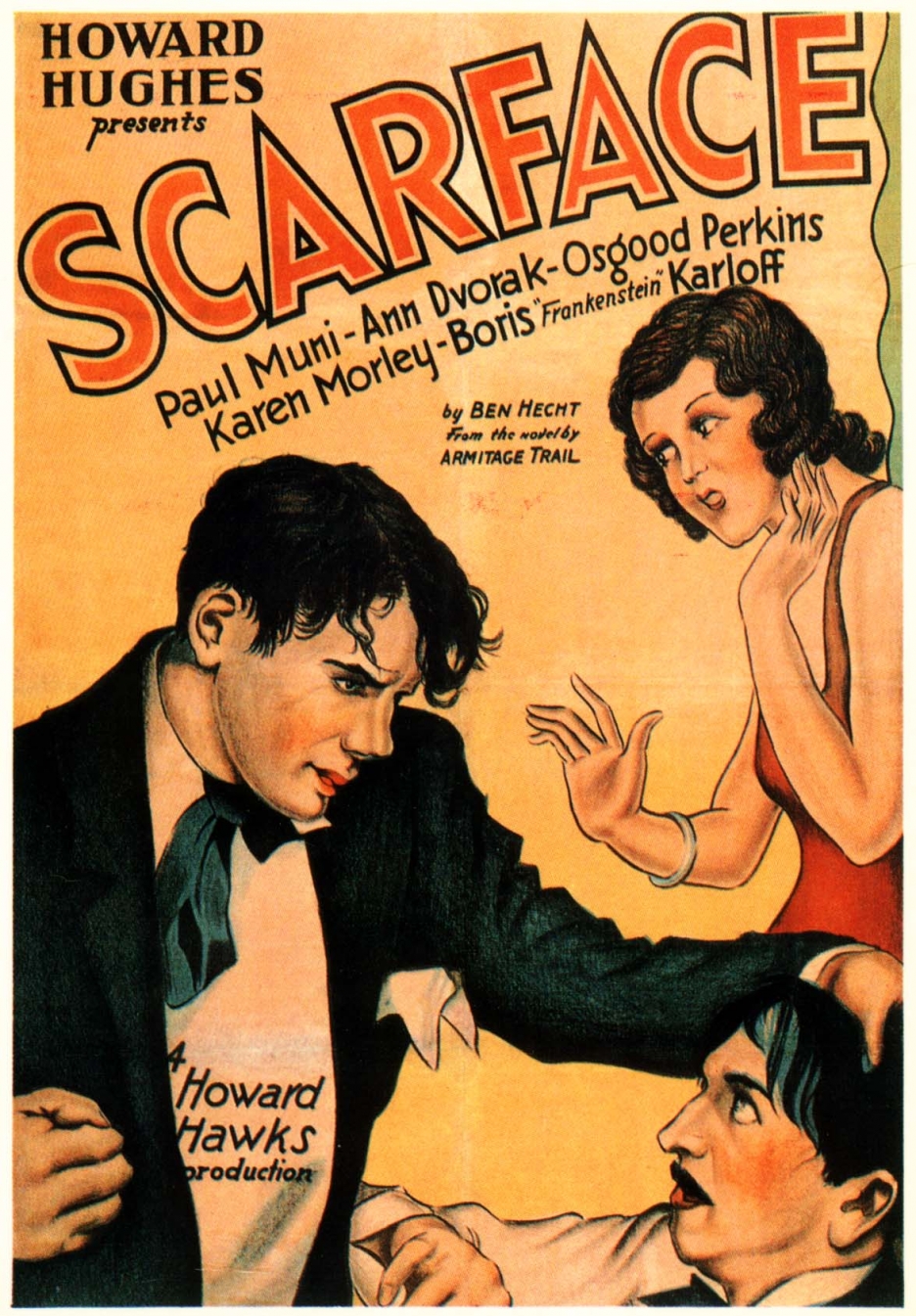
Scarface: The Shame of the Nation (1932) is one of the boldest, most potent, raw and violently-brutal gangster-crime films ever made. Released by United Artists, this sensational production chronicles the predictable but tragic rise and fall of a notorious gangster figure. The controversial film was made by versatile producer/director Howard Hawks in 1930, but its release was delayed for two years due to his and co-producer Howard Hughes’ squabbles with industry censors over its sensationalism and glorification of the gangster menace... The script was based on the 1930 novel Scarface by Armitage Trail (a pseudonym for Maurice Coons) …
keep reading ➔ AMC filmsite
 |
| Elvira/Michelle Pfeiffer |
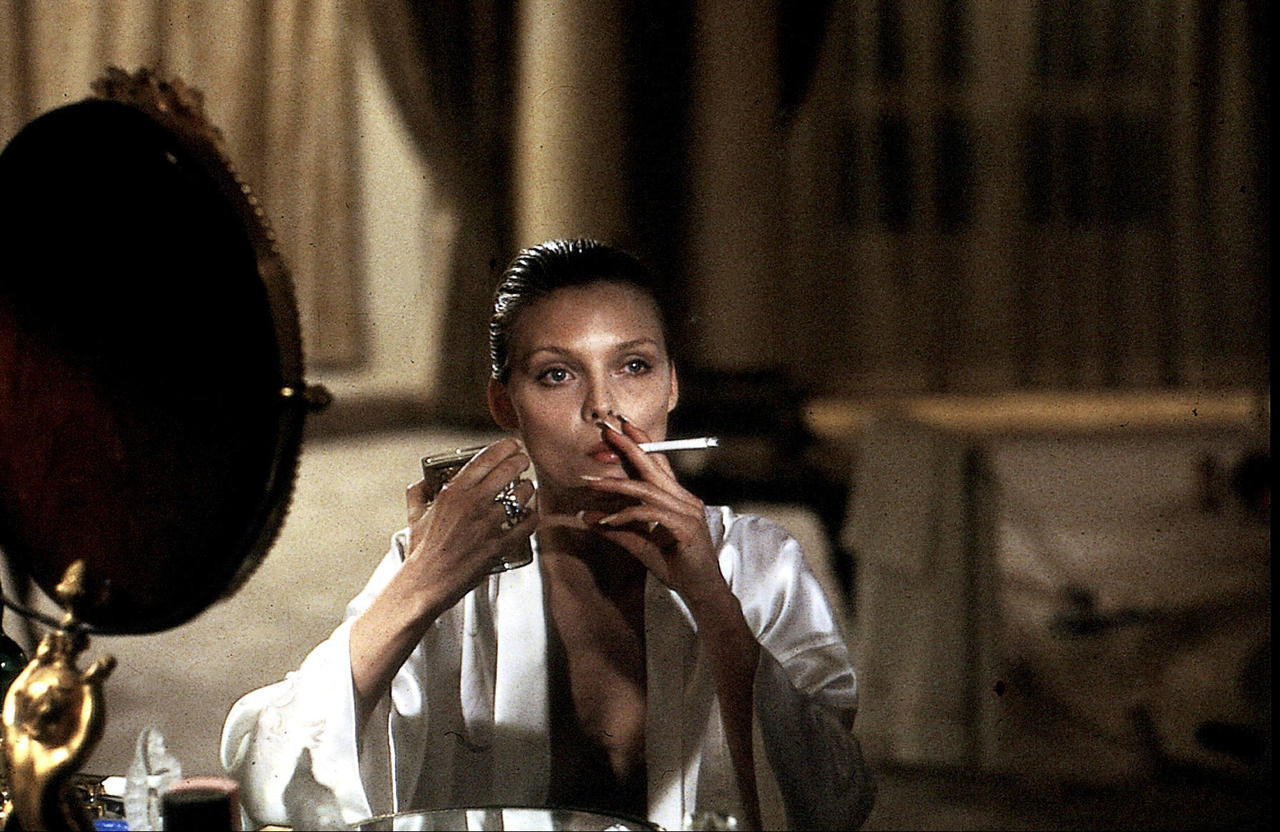
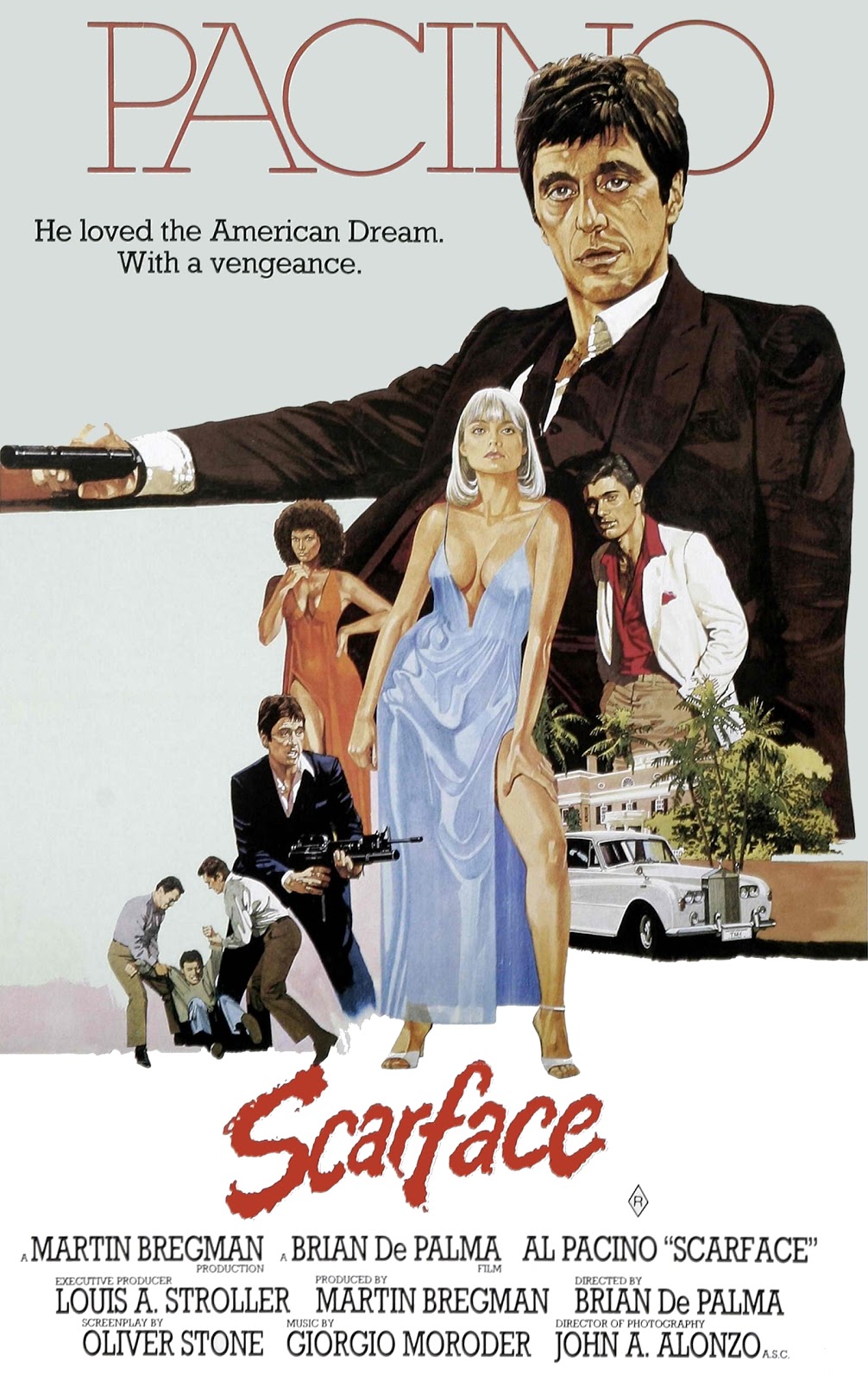
Scarface (1983) Directed by Brian DePalma. Screenplay by Oliver Stone. The interesting thing is the way Tony Montana stays in the memory, taking on the dimensions of a real, tortured person. Most thrillers use interchangeable characters, and most gangster movies are more interested in action than personality, but “Scarface” is one of those special movies, like “The Godfather,” that is willing to take a flawed, evil man and allow him to be human. Maybe it’s no coincidence that Montana is played by Al Pacino, the same actor who played Michael Corleone…
keep reading ➔ Roger Ebert /December 9, 1983
   |

 |
|
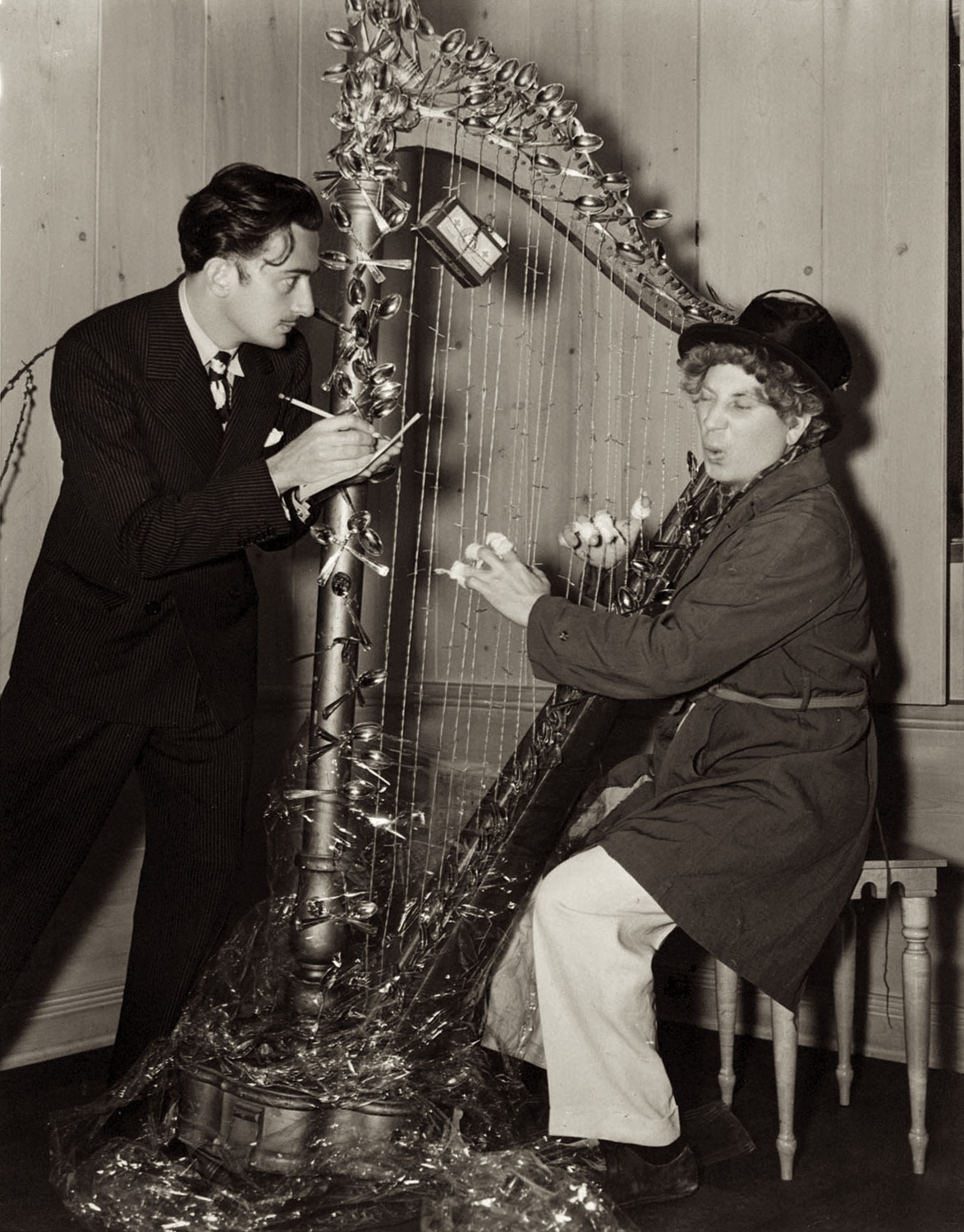
Salvador Dalí sketching Harpo Marx [Los Angeles Examiner, February 17th 1937]
|
I met Harpo for the first time in his garden. He was naked, crowned with roses, and in the center of a veritable forest of harps (he was surrounded by at least five hundred harps). He was caressing, like a new Leda, a dazzling white swan, and feeding it a statue of the Venus de Milo made of cheese, which he grated against the strings of the nearest harp. An almost springlike breeze drew a curious murmur from the harp forest. In Harpo’s pupils glows the same spectral light to be observed in Picasso’s. — Salvador Dalí “Surrealism in Hollywood“ Harper’s Bazaar, 1937

 tout ceci est magnifique