 |
|
I find it insolent when critics tell artists how to perform something.
I don’t go into the cockpit and tell the pilot how to fly the plane.
Elisabeth Schwarzkopf |
Ludwig
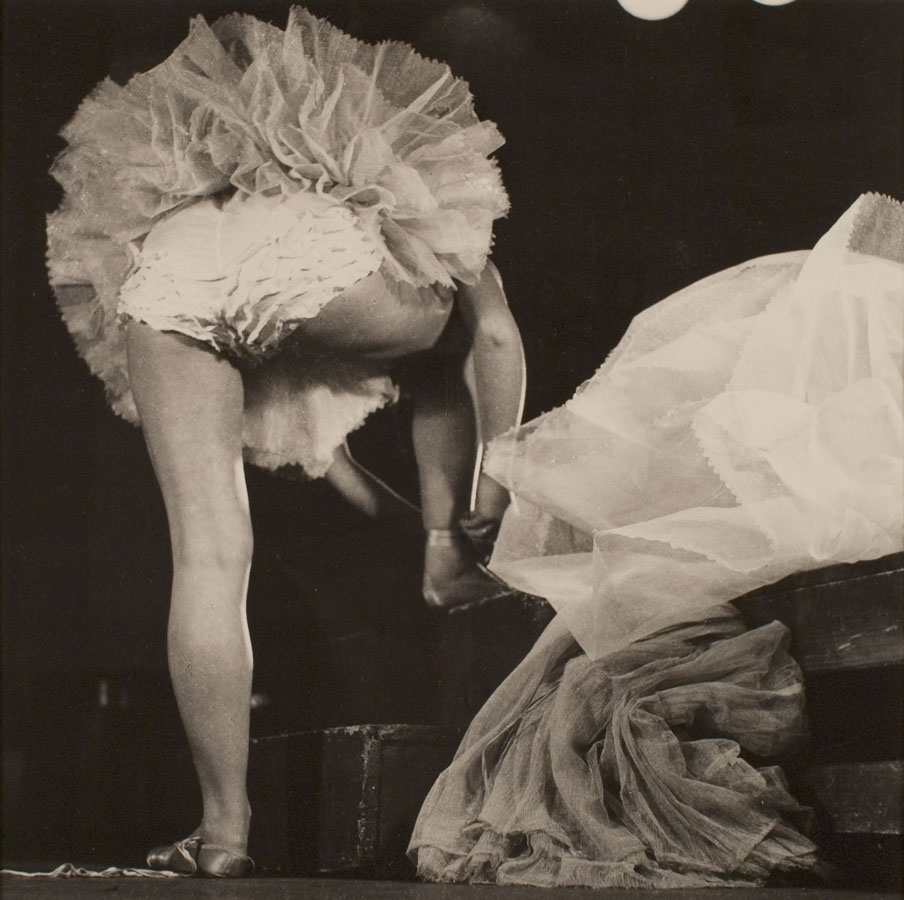 |
| Karel Ludwig ~ Ballet Dancer, 1942 |
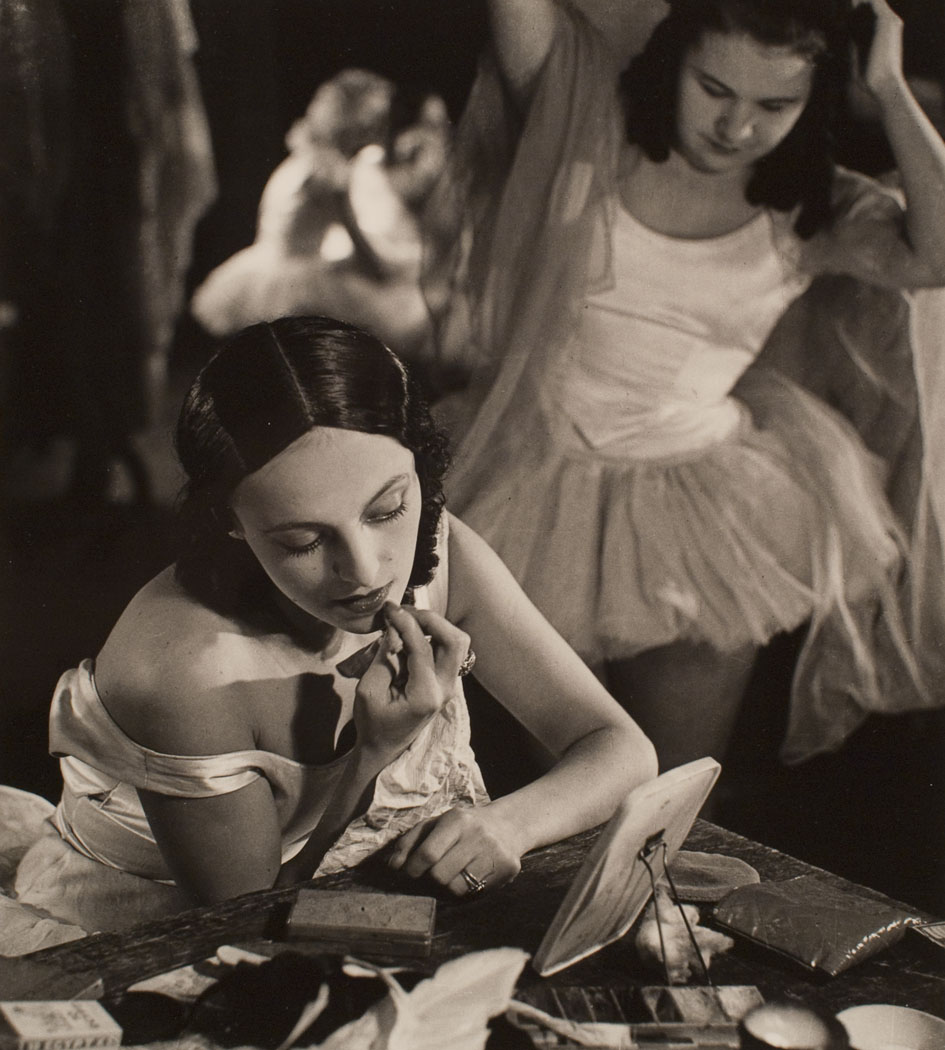 |
| Ballet Dancers, 1942 ➔ The Baruch Foundation |
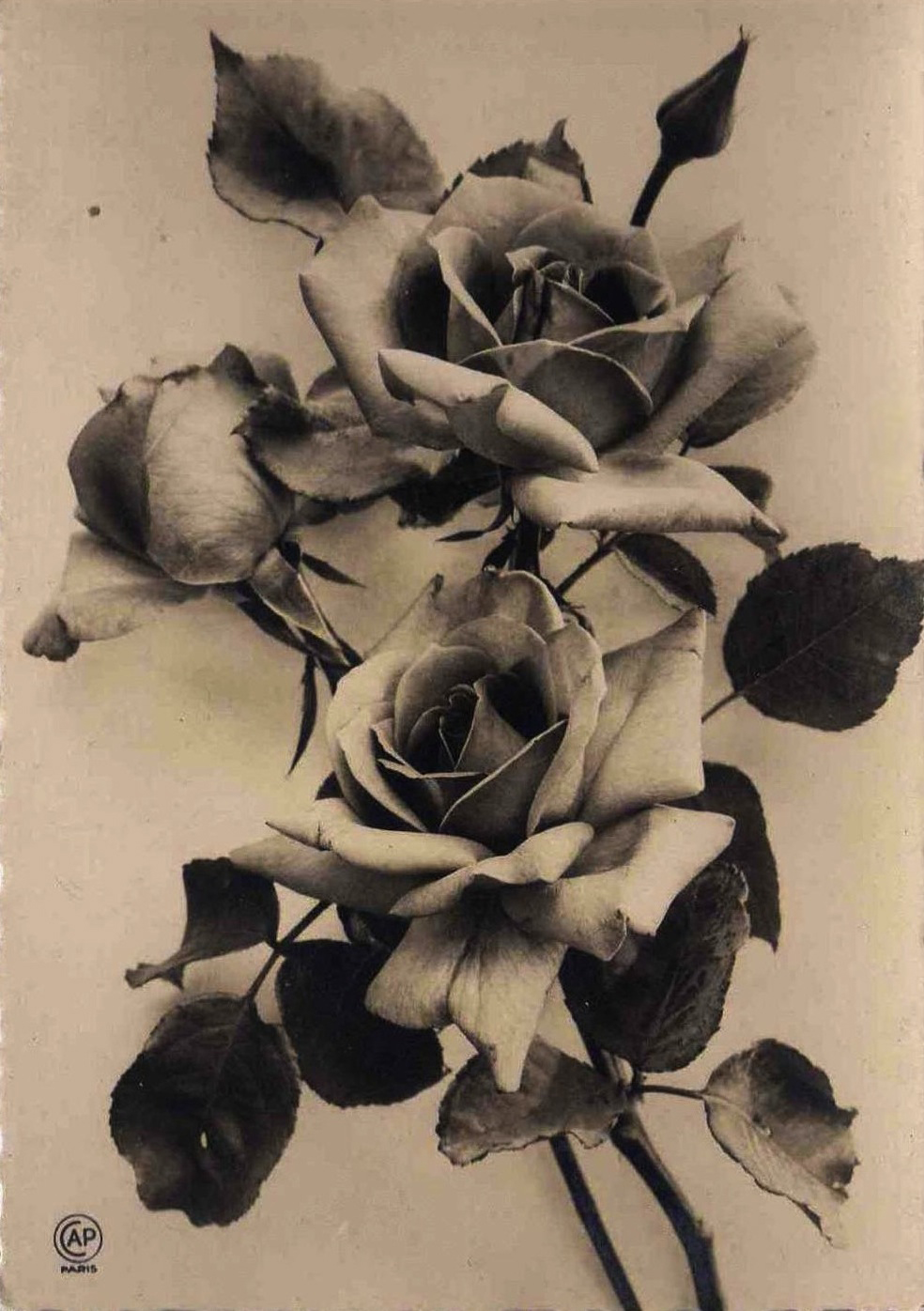
Les Roses Blanches
 |
|
Cie des Arts Photomécaniques, Paris
~~~
C’était un gamin, un gosse de Paris,
Pour famille il n’avait qu’ sa mère Une pauvre fille aux grands yeux rougis, Par les chagrins et la misère Elle aimait les fleurs, les roses surtout, Et le cher bambin tous les dimanche Lui apportait de belles roses blanches, Au lieu d’acheter des joujoux La câlinant bien tendrement, Il disait en les lui donnant : “C’est aujourd’hui dimanche, tiens ma jolie maman Voici des roses blanches, toi qui les aime tant Va quand je serai grand, j’achèterai au marchand Toutes ses roses blanches, pour toi jolie maman” Au printemps dernier, le destin brutal, Vint frapper la blonde ouvrière Elle tomba malade et pour l’hôpital, Le gamin vit partir sa mère Un matin d’avril parmi les promeneurs N’ayant plus un sous dans sa poche Sur un marché tout tremblant le pauvre mioche, Furtivement vola des fleurs La marchande l’ayant surpris, En baissant la tête, il lui dit : “C’est aujourd’hui dimanche et j’allais voir maman J’ai pris ces roses blanches elle les aime tant Sur son petit lit blanc, là-bas elle m’attend J’ai pris ces roses blanches, pour ma jolie maman” La marchande émue, doucement lui dit, “Emporte-les je te les donne” Elle l’embrassa et l’enfant partit, Tout rayonnant qu’on le pardonne Puis à l’hôpital il vint en courant, Pour offrir les fleurs à sa mère Mais en le voyant, une infirmière, Tout bas lui dit “Tu n’as plus de maman” Et le gamin s’agenouillant dit, Devant le petit lit blanc : “C’est aujourd’hui dimanche, tiens ma jolie maman Voici des roses blanches, toi qui les aimais tant Et quand tu t’en iras, au grand jardin là-bas Toutes ces roses blanches, tu les emporteras” ~~~
Interprète: Berthe Sylva
Paroles: Charles Louis Pothier Musique: Léon Raiter, 1926 |
Young woman warming her hands over a brazier
 |
| Cesar Boëtius van Everdingen, ca. 1650 [Rijksmuseum Amsterdam] |
A young woman is warming herself by a brazier, a pot containing glowing coals. Her dress forms a screen above the fire trapping and spreading the heat. She is clearly engrossed in what she is doing and her eyes are cast downwards. The painter, Caesar van Everdingen, probably did not intend a portrait of a particular person in this picture. In this work, painted around 1650, he has represented an idea: winter. The woman is a personification of winter. The artist has placed his monogram at the bottom, in the middle of the table’s edge.
Le Bocal de Peches
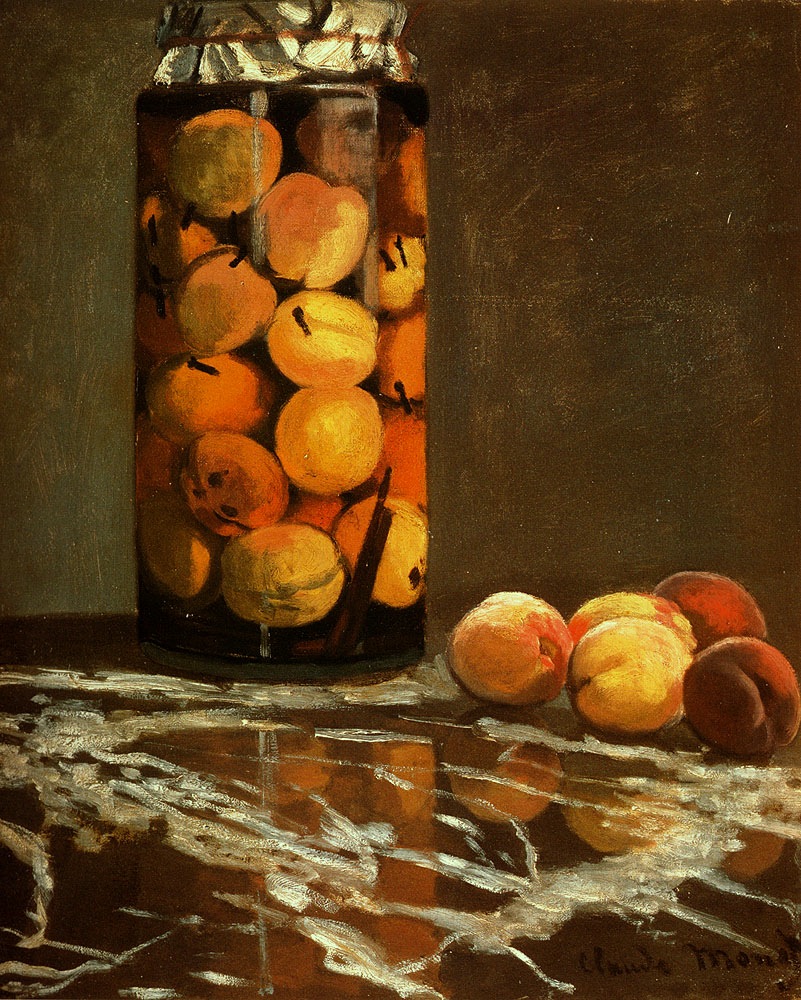
Claude Monet, 1866 [Staatliche Kunstsammlungen Dresden]
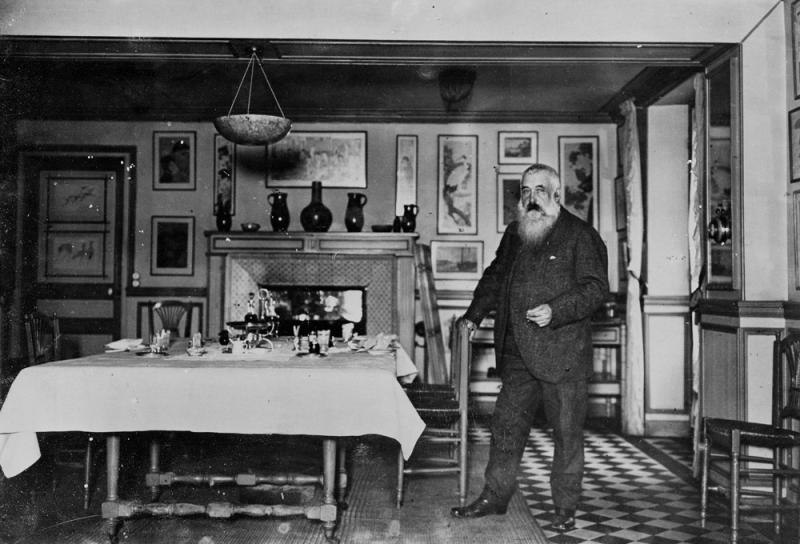 |
| The painter in his kitchen at Giverny |
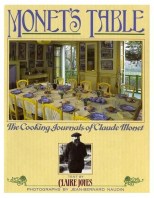
A seat at Claude Monet‘s lunch table in Giverny – some 50 miles outside of Paris – was a coveted invitation in the late 19th and early 20th centuries, and not simply because you might find yourself dining next to Auguste Renoir, Paul Cezanne, or John Singer Sargent. Guests came as much for the food as for the company. Monet hand-selected his poultry at the local market, and he grew his vegetables in a 2 1/2 acre walled kitchen garden. He was a harvester of recipes, too, coaxing them out of his friends and restaurant owners he met on his travels and keeping extensive food journals. ➔ Claude Monet served mushrooms that made an impression by Jennifer Wolff [Best Life Oct. 2006]
Claude Monet’s “Ma recette pour les cepes”
Ingredients
1 pound wild mushrooms
4 tablespoon olive oil
2 cloves garlic, minced
4 springs parsley, chopped
1/2 teaspoon sea salt
1/2 teaspoon freshly ground black pepper
Ingredients
1 pound wild mushrooms
4 tablespoon olive oil
2 cloves garlic, minced
4 springs parsley, chopped
1/2 teaspoon sea salt
1/2 teaspoon freshly ground black pepper

Preparation
– Preheat oven to 325
– Peel the mushrooms and separate the caps from the stems. Finely chop the stems, arrange them in a shallow cooking dish, and place the caps on top of them.
– Sprinkle with the olive oil and bake for 20 minutes, or until the oil is transparent
– In a small bowl, combine the garlic and parsley.
– Remove the mushrooms from the oven and sprinkle with the garlic mixture. Season with salt and pepper to taste
– Return to oven and bake an additional 20 minutes, basting at 5 and 15 minutes with the liquid from the pan.
Recipe source: Monet’s table: The Cooking Journals of Claude Monet, by Claire Joyes
The Glitter Man

Wladziu Valentino Liberace
Also Know As
Walter Busterkeys
Walter Liberace
Lee Liberace
Liberace Chefroach
The Glitter Man
Mr Showmanship
The King of Bling
Michael Douglas?
Walter Liberace
Lee Liberace
Liberace Chefroach
The Glitter Man
Mr Showmanship
The King of Bling
Michael Douglas?

Quatuor
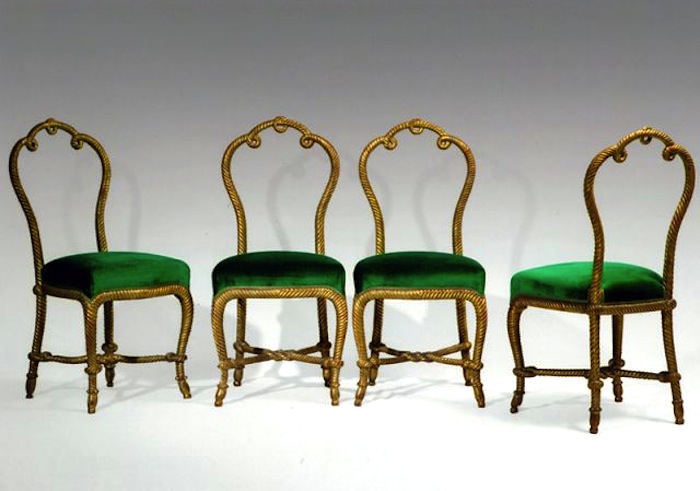
Madeleine Castaing ~ Chaises en velour vert de style Napoléon III en bois doré [Galerie du Passage]
The White Cat
 |
| ➔ La Chatte Blanche Contes Nouveaux ou Les Fées à la Mode (New Tales, or Fairies in Fashion) 1698 |
❈ ❈ ❈
Once upon a time there was a king who had three brave and handsome sons. He feared they might be seized with the desire of reigning before his death. Certain rumours were abroad that they were trying to gain adherents to assist them in depriving him of his kingdom. The king was old, but as vigorous in mind as ever, and had no desire to yield them a position he filled so worthily. He thought, therefore, the best way of living in peace was to divert them by promises he could always escape fulfilling…
❈ ❈ ❈
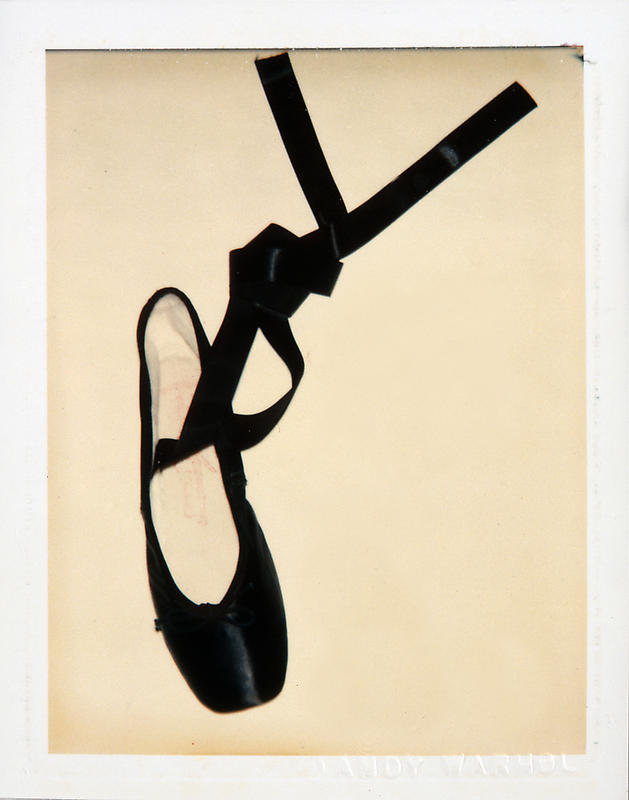
Ballet Slippers
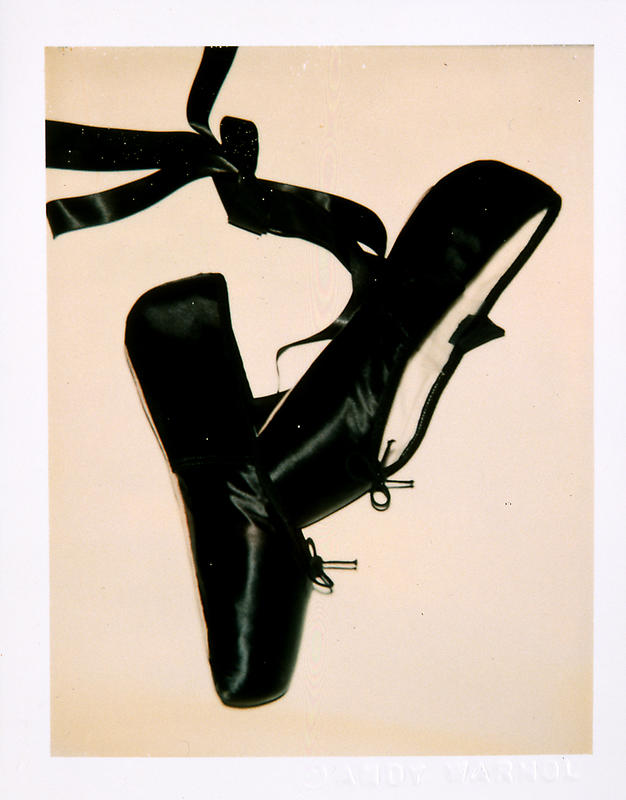 |
| Andy Warhol, 1981 |
Easter Day! For Armenians also Genocide Remembrance Day…
 |
| The Proud Armenians By Robert Paul Jordan Photographs by Harry N. Naltchayan National Geographic, June 1978 |
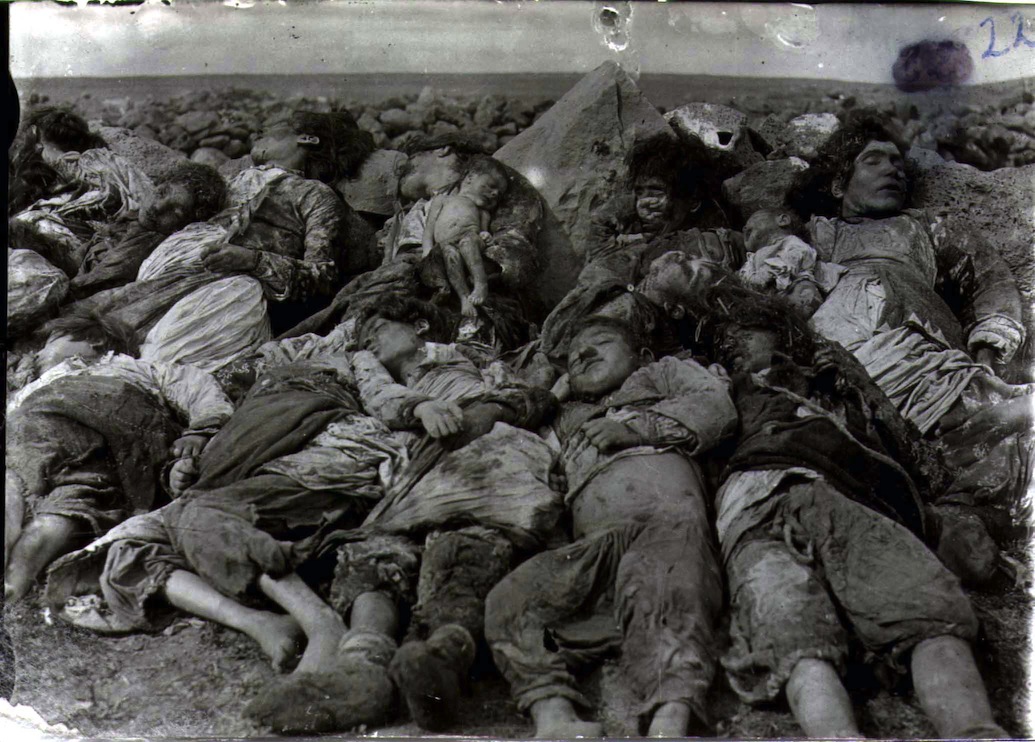
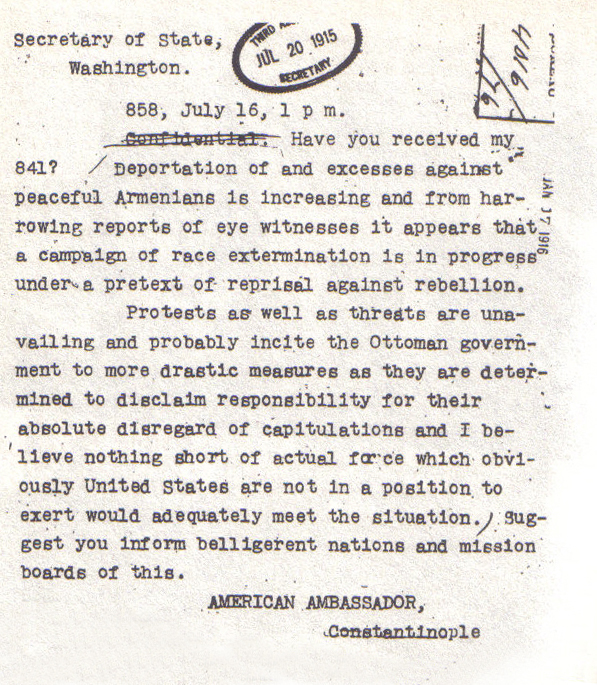
In April 1915, the Ottoman government embarked upon the systematic decimation of its civilian Armenian population. The persecutions continued with varying intensity until 1923 when the Ottoman Empire ceased to exist and was replaced by the Republic of Turkey. The Armenian population of the Ottoman state was reported at about two million in 1915. An estimated one million had perished by 1918, while hundreds of thousands had become homeless and stateless refugees. By 1923 virtually the entire Armenian population of Anatolian Turkey had disappeared. —Rouben Paul Adalian ➔ Encyclopedia Entries on the Armenian Genocide
 tout ceci est magnifique