Franz Anton Bustelli

Porzellan Manufaktur Nymphenburg
No one has had such an effect on the artistic direction of Porzellan Manufaktur Nymphenburg as Franz Anton Bustelli. The sculptor was employed at Porzellan Manufaktur Nymphenburg on 3 November 1754 as a figure-maker – just shortly after Joseph Jakob Ringler succeeded in making porcelain. Within just a brief period, he became model master at the manufactory and helped it achieve world fame with his elaborate rococo designs. Bustelli remained with Porzellan Manufaktur Nymphenburg until his death in 1763 and, after just nine years, left around 150 new designs. 

His most outstanding figures and services still in production today include the CHINOISERIES, the portrait bust of Count Sigmund von Haimhausen, who was director of the manufactory at the time, as well as his CRUCIFIXION GROUP dating from 1755/56.

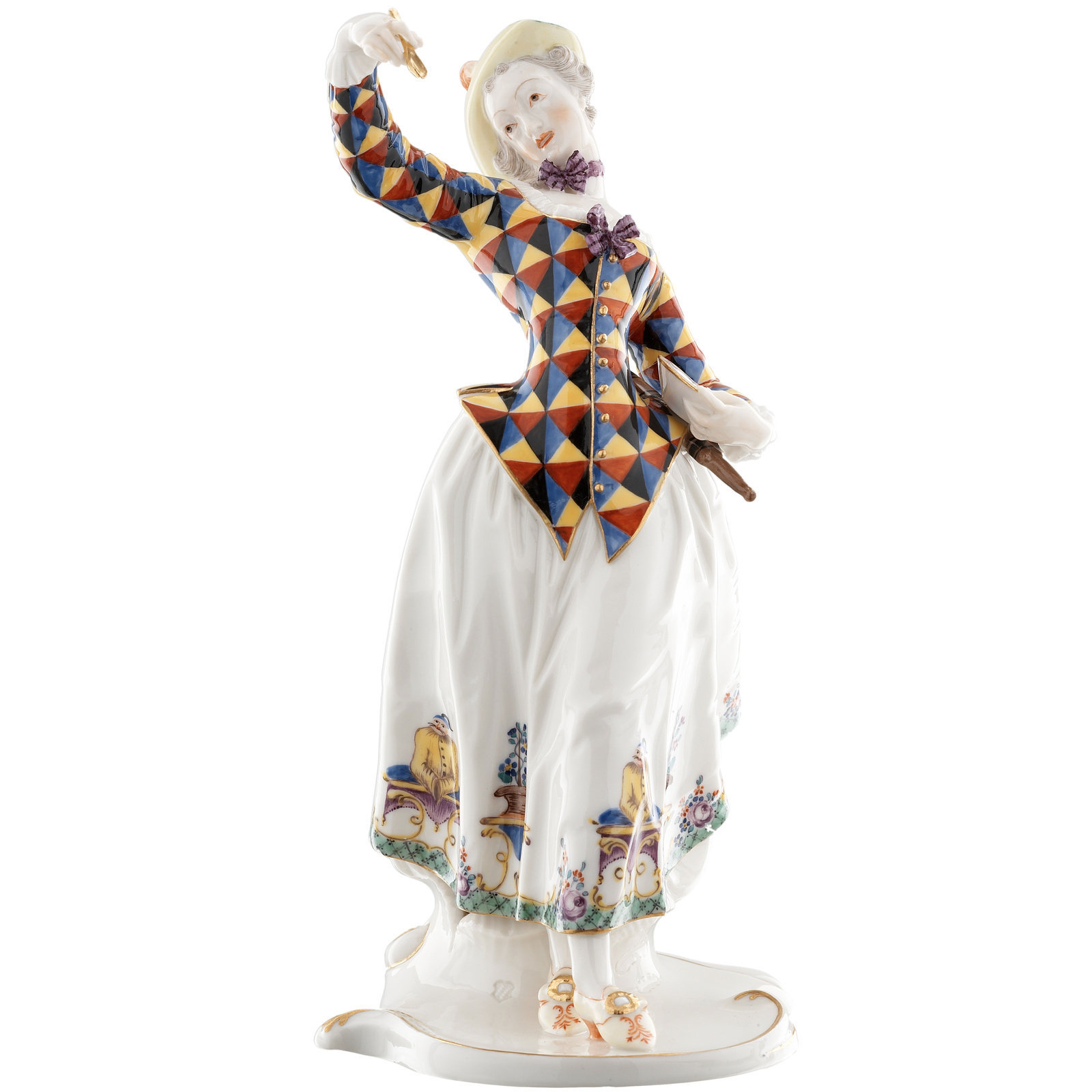
This is also the case for the most artistic of Franz Anton Bustelli’s ensembles of figures – the 16 characters of the COMMEDIA DELL’ARTE, which were first mentioned in the manufactory’s records in 1760 and which to this day are still produced according to his designs.

As highly sought after collectors’ pieces, the 16 figures will be reissued in a limited edition to celebrate the manufactory’s 260th anniversary: such contemporary fashion designers as Vivienne Westwood, Christian Lacroix, Emanuel Ungaro, Naoki Takizawa and Elie Saab were invited to “dress” one of the protagonists in the COMMEDIA DELL’ARTE ” in new clothes”.
The Metropolitan Museum of Art

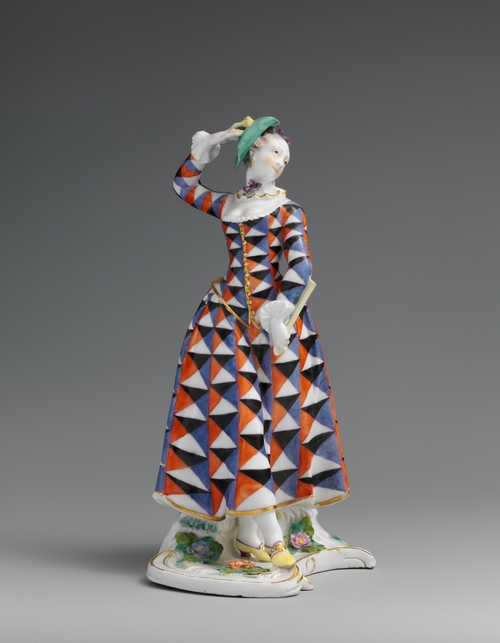
Bustelli modeled sixteen characters from the Italian commedia dell’arte, the lively improvisatory theater that came to life in the sixteenth century. Harlequin was the commedia’s principal character, always dressed in a brightly colored suit of triangular patches. Sometimes he was accompanied by Columbine, who played different roles in the plays. Here Harlequina wears the same patchwork costume as her partner. Although some of Bustelli’s figures were inspired by engravings, they all have a sense of graceful movement that suggests the artist’s firsthand impression of a theatrical performance.
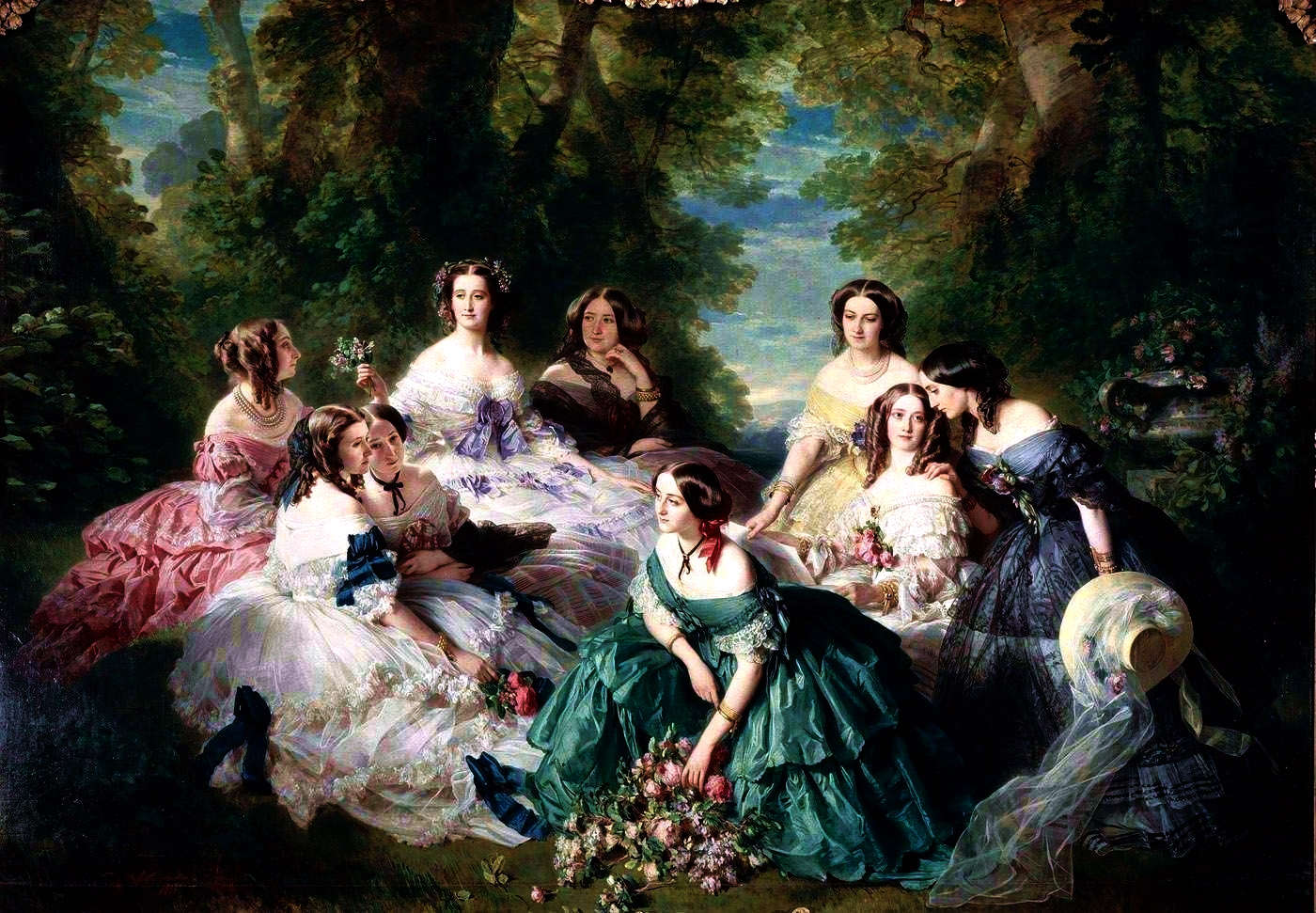
The Empress and her Ladies

Franz Xaver Winterhalter, 1855 
[Musée National du Chateau de Compiègne]
The Empress Eugénie seated in the midst of her ladies-in-waiting (the Princesse d’Essling, her grande maitresse; the Duchesse de Bassano, her dame d’honneur; the Comtesse de Montebello; the Vicomtesse Aguado; the Marquise de Latour Maubourg…) 
Empress Eugenie in Exile by Agnes Carey

AMORE

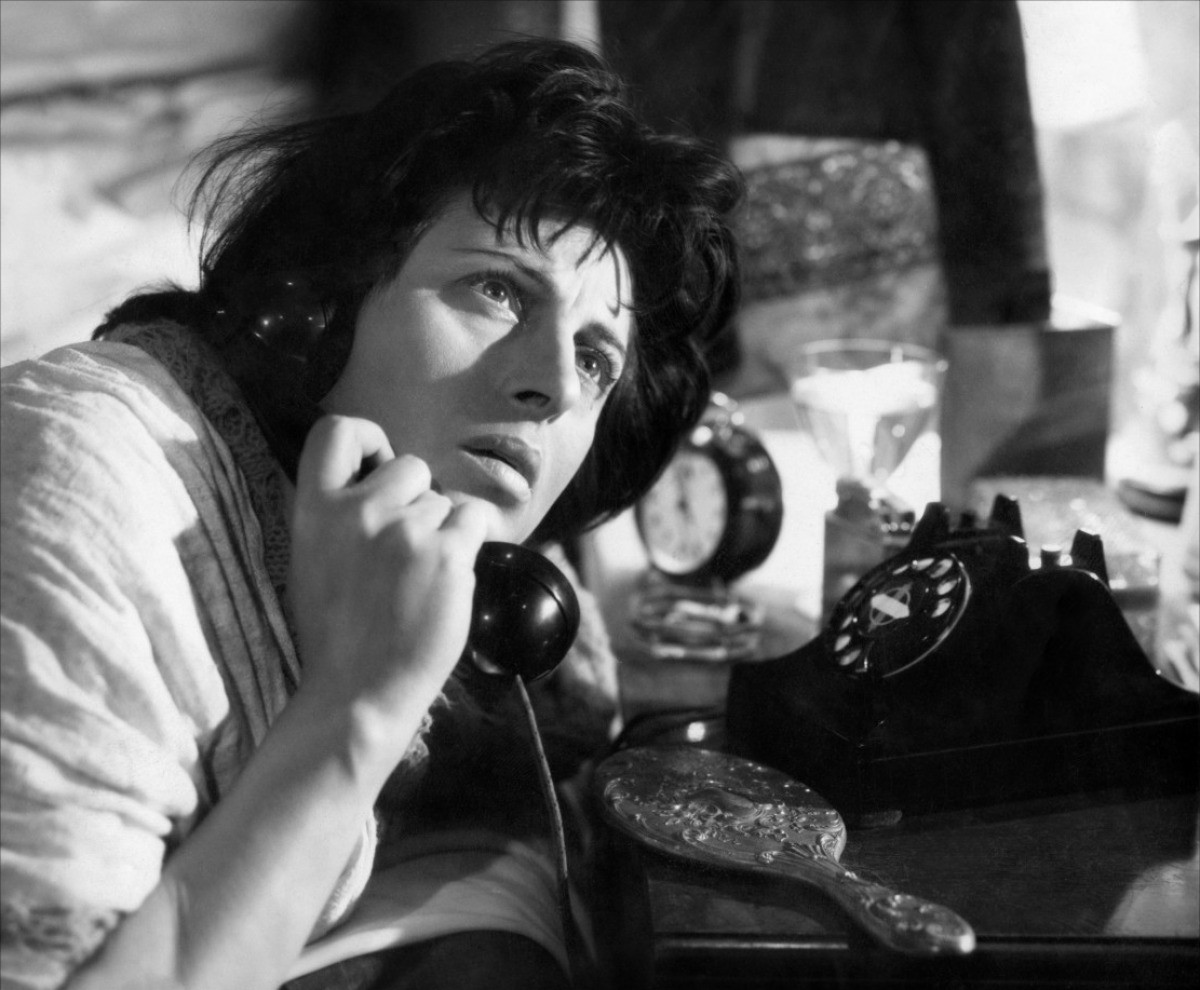
Pièce en un acte de Jean Cocteau créée par Berthe Bovy. Décors de Christian Bérard. Crée au Théâtre-Français le 17 février 1930. Ed. Stock

Rossellini’s version of Cocteau’s famous one-woman play, La Voix Humaine, gave Magnani one of her finest moments on screen. The director said he chose the play because it gave him “the chance to use the camera as a microscope, especially since the phenomenon to examine was called Anna Magnani.” Triumphant as the desperate, pleading woman who cannot free herself from the sound of the voice of her unfaithful lover on the telephone, Magnani turned Cocteau’s “opera without music” into a “documentary about a woman’s suffering.”  TIFF

  La Voce Umana directed by Roberto Rossellini, starring Anna Magnani, 1948
  Site officiel du Comité Jean Cocteau

RANUNCULUS ASIATICUS

The Asiatic Ranunculus, or Garden Ranunculus, exclusively the ranunculus of florists, a native of the Levant, has been cultivated in Europe for almost 300 years. The cultivated varieties are extremely numerous, brilliantly colored, and very symmetrical in form. The ranunculus is propagated by seed, by offset tubers, or by dividing the clusters of tubers. The roots are often taken up in summer, after the leaves die, and kept in a dry place till the beginning of the ensuing winter or spring. The ranunculus loves a free and rich soil. Double-flowered varieties of some other species, with taller stems and smaller white or yellow flowers, are cultivated in flower-gardens, sometimes under the name of Bachelors’ Buttons. 
Chambers’s Encyclopædia

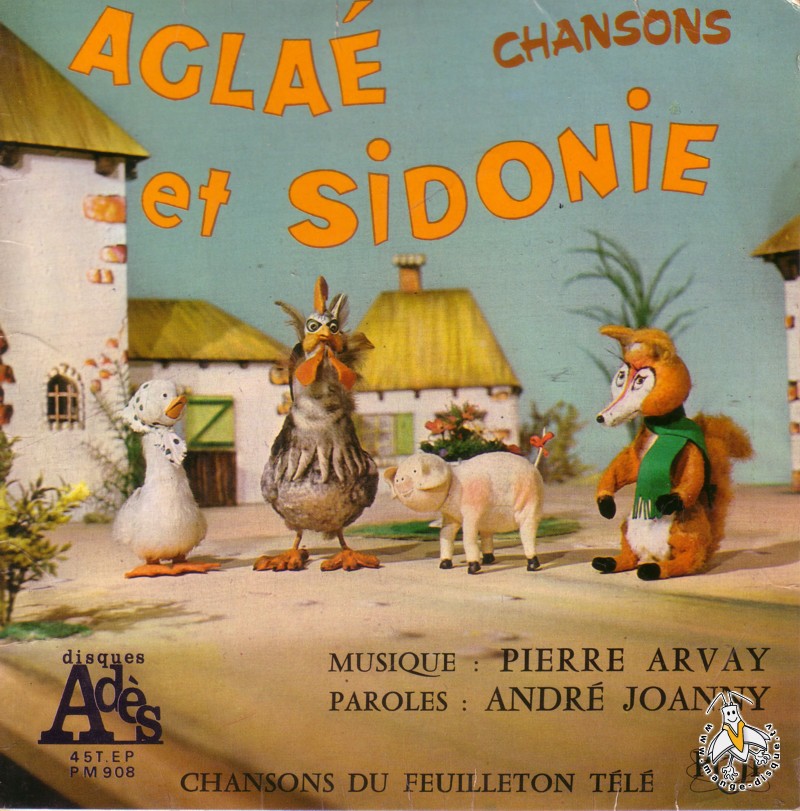
Aglaé et Sidonie

A tous les enfants
Qui sont obéissants
Nous allons dire au revoir en passant

Au revoir les amis
Nous rentrons au pays
Au pays d’Aglaé et Sidonie

A tous les enfants
Qui sont obéissants
Nous allons dire au revoir en passant

Au revoir les amis
Nous rentrons au pays
Au pays d’Aglaé et Sidonie

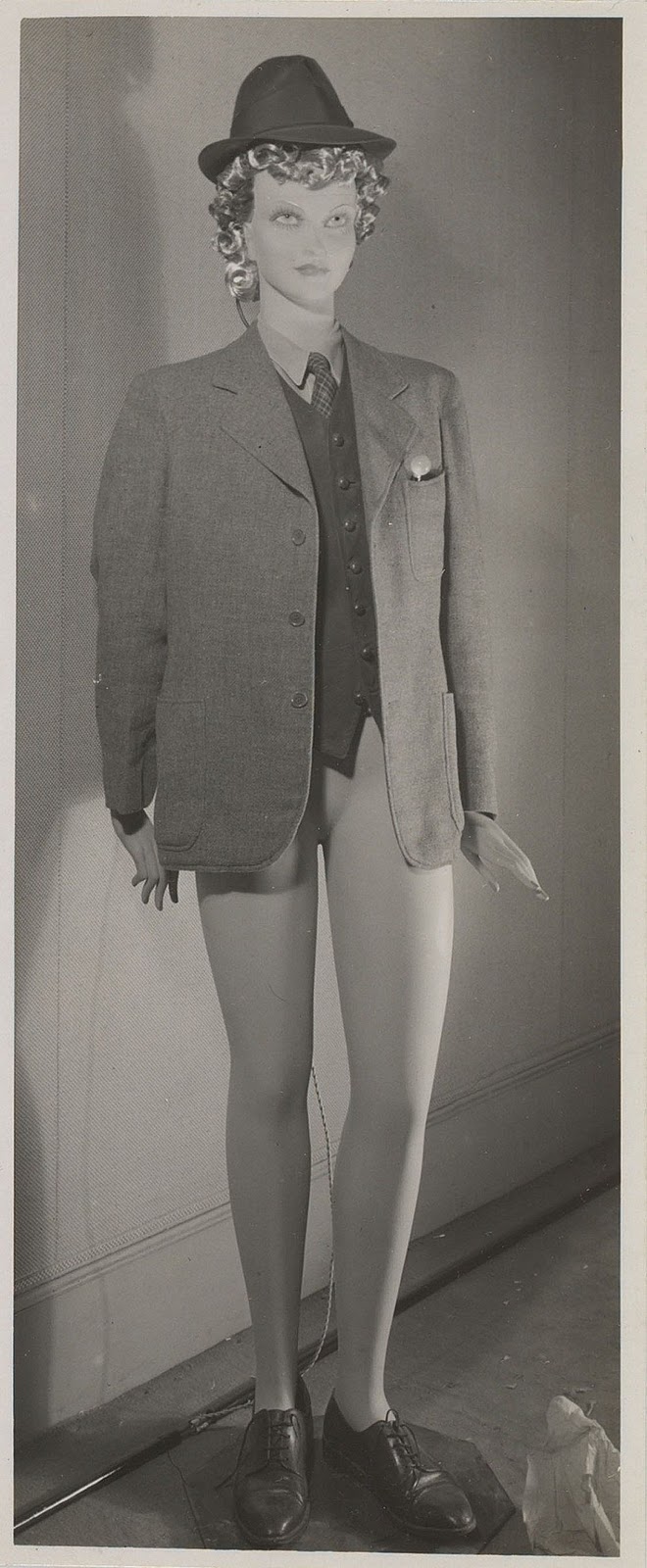
Raoul Ubac

Mannequin de Marcel Duchamp
“Duchamp posa simplement sur son mannequin le veston et le chapeau qu’il venait d’enlever, comme si le mannequin était un portemanteau. C’était le moins frappant des mannequins exposés, mais il symbolisait à merveille le désir qu’avait Duchamp de ne pas trop attirer l’attention.” Man Ray 
Photographie de Raoul Ubac prise à l’Exposition internationale du surréalisme à la Galerie des Beaux Arts en 1938. 

The Sick Child

J. Bond Francisco, 1893 
➔  Smithsonian American Art Museum, Washington, DC
A few years ago when the Smithsonian American Art Museum considered buying this painting, called The Sick Child by J. Bond Francisco, some people thought the subject was just too sentimental, too Victorian and schmaltzy. We acquired it anyway because in the early 20th century, it was one of the most famous American paintings anywhere. The artist kept it in his studio until he died, in 1931, but thousands of reproductions had been made of it and displayed in doctors’ offices all across the country. The Sick Child was familiar to every parent who ever had a desperately ill child.
And that was pretty much everyone. In the 19th century, most parents had the upsetting experience of watching all night long by the bed of a child flushed with fever, unsure what tomorrow would bring. Thanks to antibiotics, most parents don’t have this experience anymore. In this picture, the artist leaves us in doubt about whether the feverish boy will survive or not. He looks ruddy, but that’s probably just the high fever. The title only says that the boy is sick; decades later, the painting was called The Convalescent, but the artist didn’t give it that title, and it certainly takes the suspense out of this subject. What can we tell about how this situation will turn out?

The Sick Child, 1893 J. Bond Francisco Part 1
The Sick Child, 1893 J. Bond Francisco Part 2
The Sick Child, 1893 J. Bond Francisco Part 3